
The Most Useful Linux Terminal Commands and Their Key Details
عن هذه الكبسولة
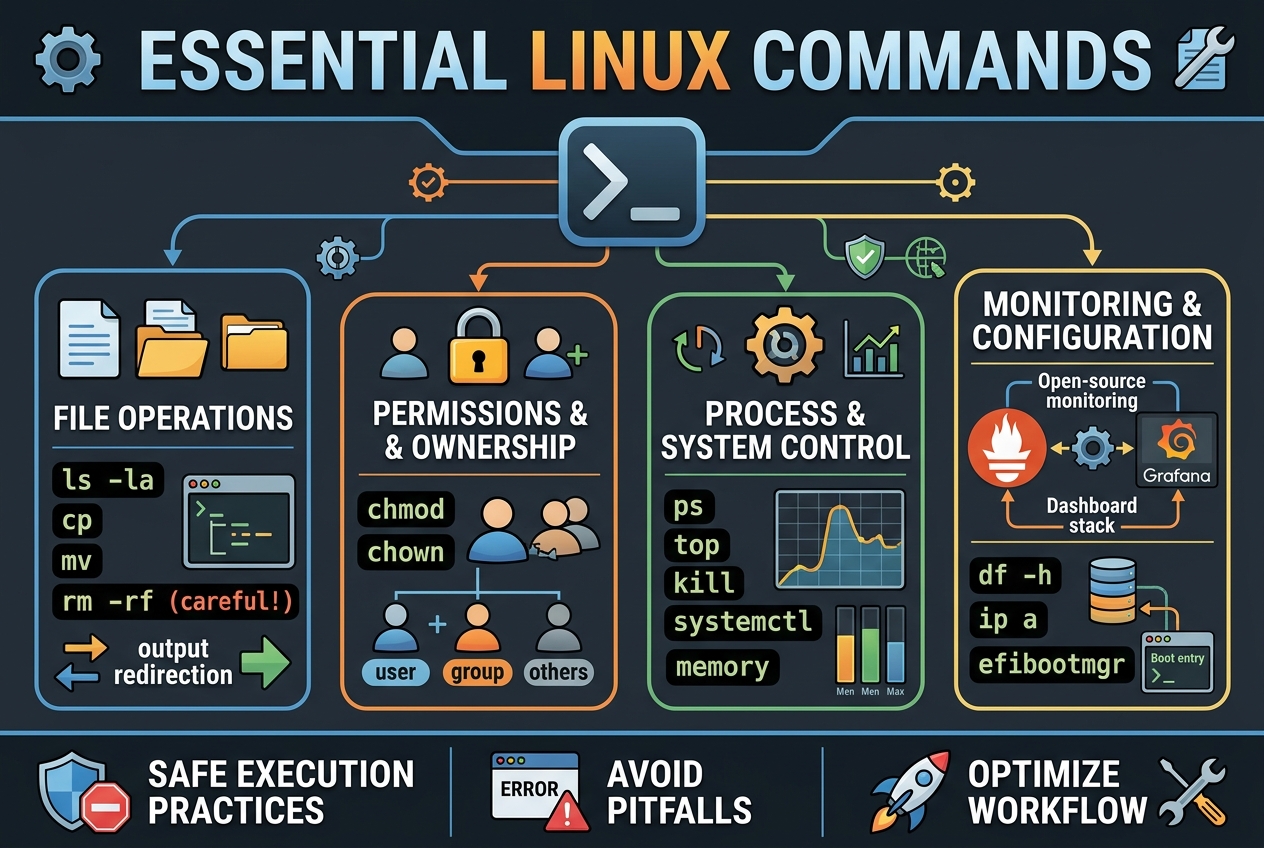
Linux terminal commands offer powerful ways to manage files, processes, and system configurations but require careful use to avoid serious errors like data loss or security risks. This collection covers essential command behaviors, common pitfalls, and practical setups including file operations, permission management, process control, monitoring stack configuration, and EFI boot entry handling. Users can learn how to safely execute commands, understand output redirection, manage permissions, and configure monitoring tools like Prometheus and Grafana.
مغطى في هذه الكبسولة
Prometheus/Grafana monitoring stack setup
Two-step efibootmgr deletion with hidden entry check.
Essential command nuances and gotchas
Tutorial disclaimers and simplifications
ذكاء اصطناعي عام مقابل هذه الكبسولة
معاينة“What are the most important things to know about using Linux terminal commands safely and effectively?”
ذكاء اصطناعي عام
“Here are the most important things to know for using Linux terminal commands safely and effectively.
1. Know where you are before running commands
Use:
pwd
ls
pwd shows your current directory. Many commands act on the current directory, so always confirm your location before deleting, moving, or editing files.
Useful ls options:
ls -la
This shows hidden files, permissions, owners, sizes, and timestamps.
2. Understand paths: absolute vs relative
An absolute path starts from /:
/home/alex/Documents/file.txt
/etc/nginx/nginx.conf
A relative path starts from your current directory:
Documents/file.txt
../other-folder/file.txt
Important shortcuts:
~      # your home directory
.      # current directory
..     # parent directory
/      # filesystem root
Example:
cd ~
cd ..
cd /var/log
...”
هذه الكبسولة
“The big safety rule is this: the terminal usually does exactly what you typed, not what you meant. rm has no Trash, > overwrites files, dd can wipe disks silently, sudo turns small mistakes into system-wide damage, and kill -9 stops a process without cleanup. Use preview steps first: pwd, ls, ls -l, lsblk, find ... -print, and interactive flags like rm -i, cp -i, and mv -i.
1. Treat deletion commands as loaded weapons
rm permanently removes files. It does not move them to a recycle bin.
rm file.txt
removes file.txt.
For directories:
rm -r old_dir
removes a directory recursively.
The dangerous version is:
rm -rf folder_name
That means recursive + force. No prompts. No undo. It removes the folder and everything inside it.
Never run:
rm -rf /
or:
sudo rm -rf /
That can delete the enti...”
The Most Useful Linux Terminal Commands and Their Key Details
مجانية
سجّل الدخول للشراءCapxuleHub Tech News
عرض الملف الشخصي
ذات صلة في التكنولوجيا

لا تسلّم تفكيرك للذكاء الاصطناعي أبدًا
الثقة في أدوات الذكاء الاصطناعي لتعمل بشكل مستقل تكلفك خصوصيتك وحكمك الإبداعي الخاص بهدوء. في مواجهة الإيمان السائد بالأتمتة، الحجة هنا هي من أجل السيطرة النشطة: إدارة البيانات التي تشاركها، التحقق من سياسات البائع، ومراجعة كل مخرجات بشكل نقدي. إذا تم ذلك بشكل صحيح، يبقى الذكاء الاصطناعي مساعدًا مفيدًا بدلاً من أن يصبح مفكرًا بديلاً عنك.

الدفء التناظري هو في الغالب إدراك، وليس جودة صوت متفوقة
الدفء المشهور لفينيل هو في الغالب تشويه توافقي يتعلم دماغك حبه، وليس دقة أعلى. في مواجهة التقدير السائد للصوت التناظري، تؤكد هذه الحجة أن الرقمي يقدم صوتًا أكثر اتساقًا ودقة دون التدهور المدمج في الوسائط المادية. قم بمعايرة إعداد رقمي جيدًا وستحافظ على الجودة دون الطقوس.

هل طفرة الذكاء الاصطناعي إنجاز أم فقاعة؟
تُنفق شركات الذكاء الاصطناعي مليارات الدولارات على قوة الحوسبة بينما يظل طريقها نحو الربحية غامضًا. تتباين الآراء بين اعتبارها فقاعة ستنفجر، أو عمل يمكن أن يصل إلى الربحية من خلال تقليل التكاليف والإنفاق الأذكى، وشكوك حول قدرة البيانات الحالية على حسم المسألة. يساعدك تقييم هذه الآراء على الحكم على مدى واقعية هذه الطفرة.
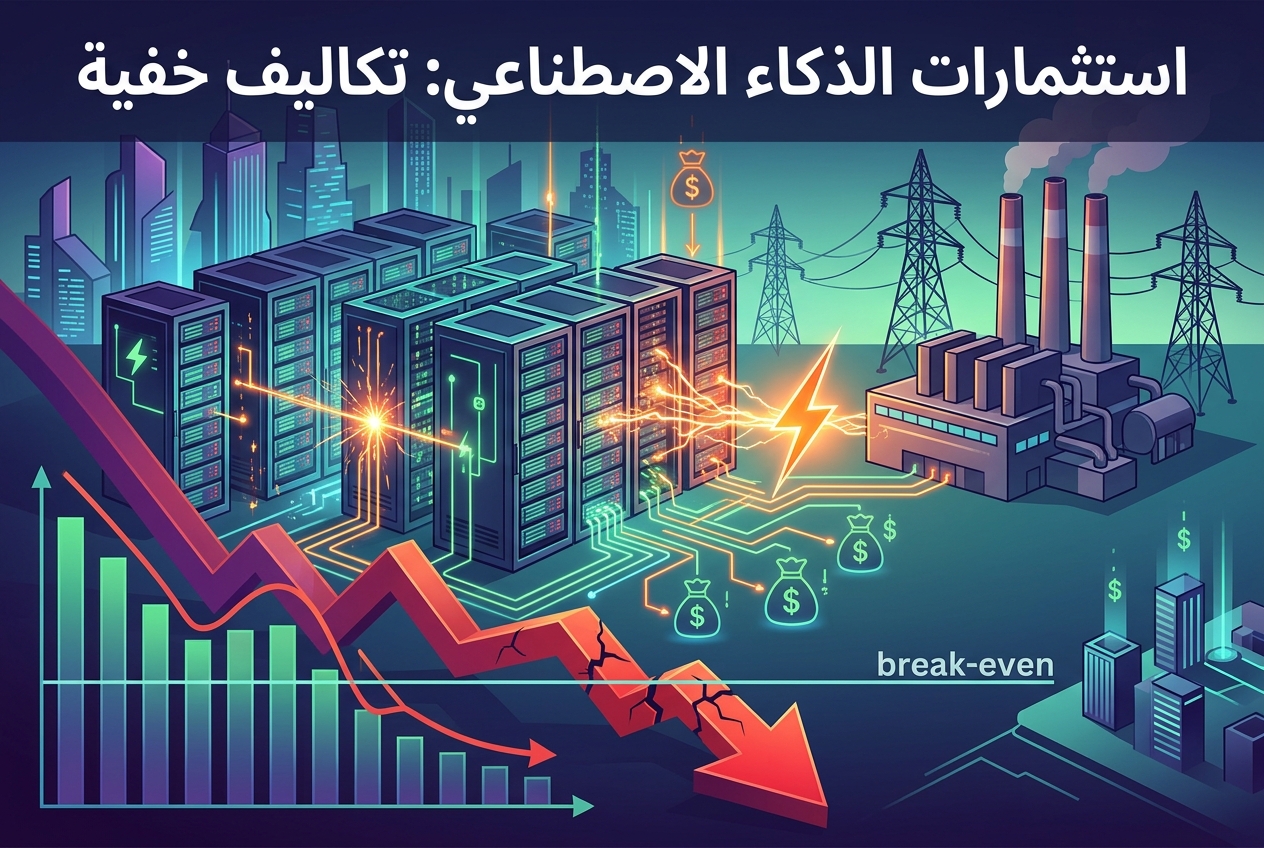
معظم استثمارات الذكاء الاصطناعي تهدر الطاقة والمال دون تحقيق أرباح حقيقية
الاستثمار المكثف في شركات الذكاء الاصطناعي اليوم يتجاهل غالبًا الطلبات الهائلة على الطاقة وتكاليف البنية التحتية التي تجعل العديد من المشاريع غير مربحة وغير مستدامة. بينما يتركز الحماس السائد على النمو السريع والابتكار، فإن الواقع هو أن معظم مشاريع الذكاء الاصطناعي تخسر المال بسبب مراكز البيانات المكلفة، والاعتماد المحدود على الطاقة المتجددة، والعوائد البطيئة. إن التعرف على هذه التكاليف الخفية يساعد المستثمرين على تجنب فقاعة استثمارية ويدفع الشركات للمطالبة بحلول طاقة أنظف وأكثر كفاءة لتحقيق ربحية حقيقية.