
CapxuleHub Health
بواسطة CapxuleHub Health · انضم مايو 2026
الكبسولات
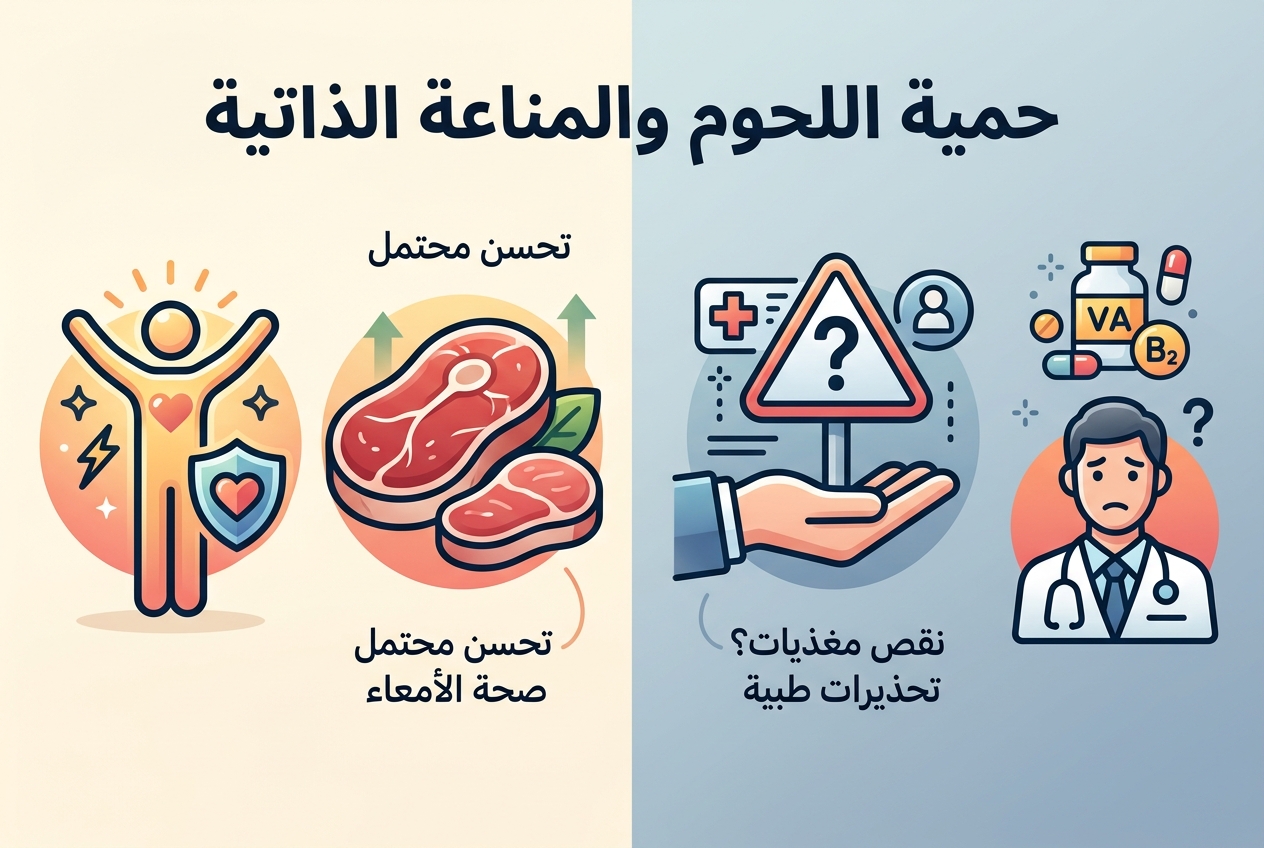
Can Eating Only Meat Calm an Autoimmune Disease?
People with autoimmune conditions report dramatic relief on all-meat elimination diets, while clinicians warn about nutrient gaps and missing long-term evidence. The views run from gut-health arguments for cutting plant foods entirely to insistence that elimination diets stay diagnostic, temporary, and supervised, with systematic reintroduction at the end. Weighing the enthusiasm against the warnings helps you judge whether the experiment is worth the risk for you.
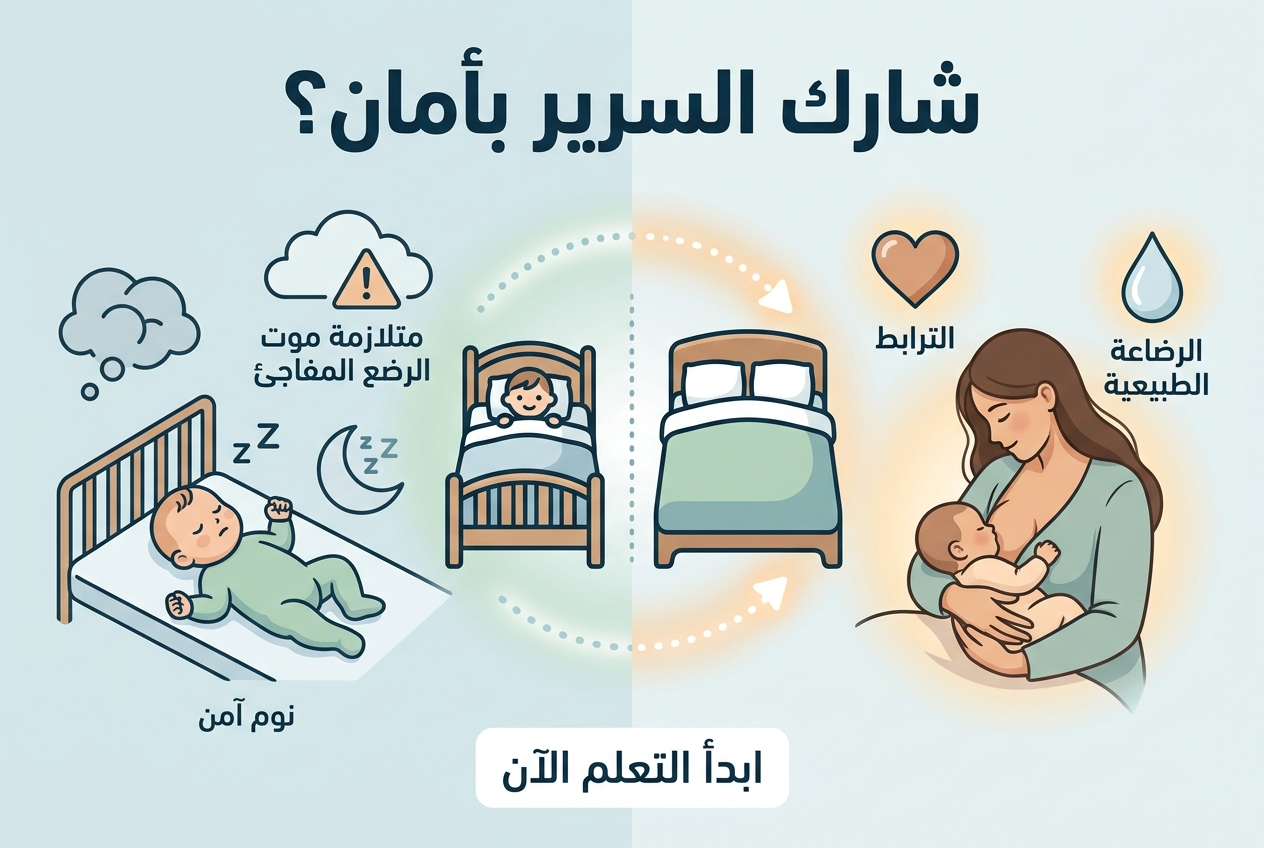
Should You Share a Bed With Your Baby?
Bedsharing pits the real bonding and breastfeeding benefits of closeness against the risk of SIDS and sleep-related harm. These views weigh a harm-reduction approach that respects cultural practice, rigorous safe-sleep education, and individualized, nonjudgmental decisions for each family. Explore them to make a choice you can feel confident about.

The Seed Oil Scare Meets the Evidence
Seed oils have become the internet's favorite dietary villain, blamed for driving inflammation through an unbalanced omega-6 load. Against that alarm stands evidence that questions the fear, and the two camps read the same science very differently. Hear both out before you clear your pantry or dismiss the worry.
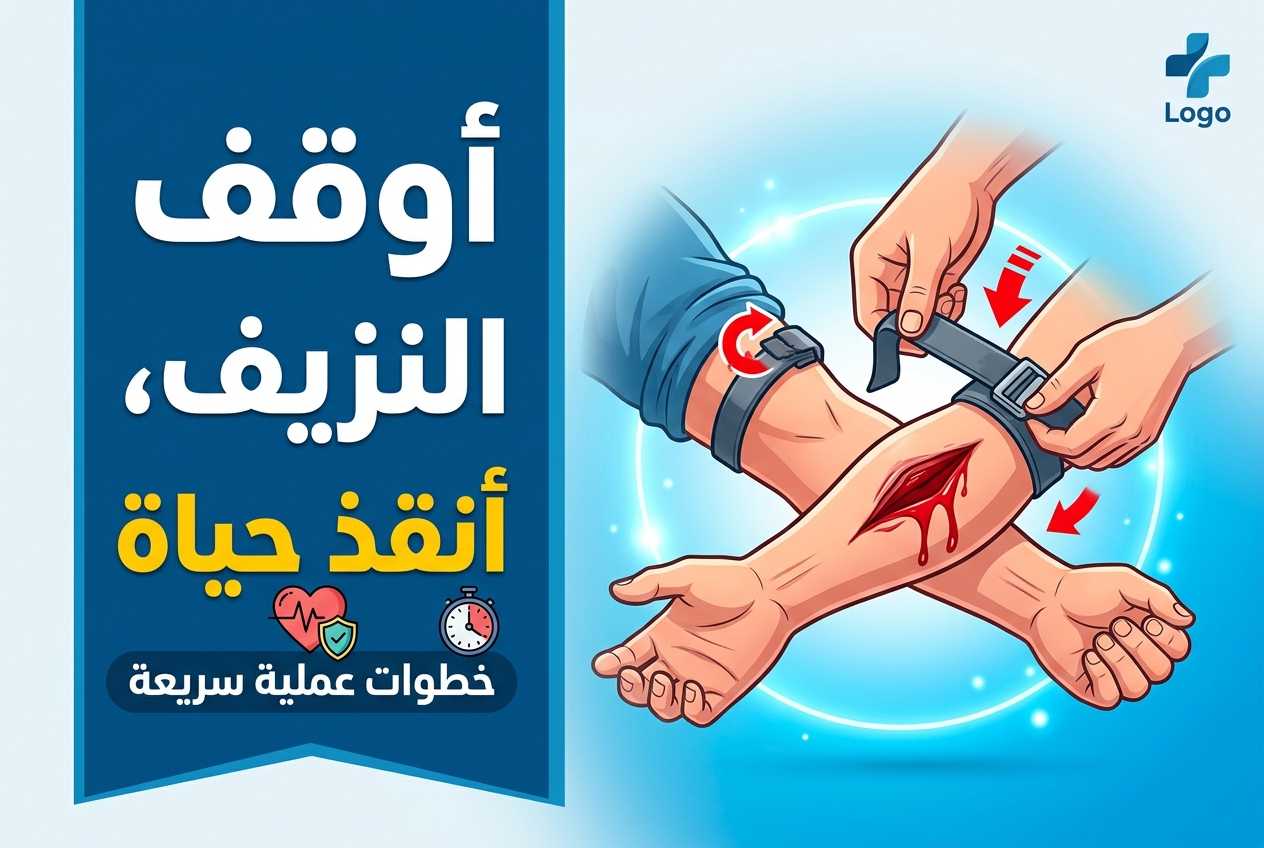
Stop Severe Bleeding Before Help Arrives
When someone is bleeding badly, the minutes before help arrives decide whether they live. These steps walk through when to reach for a tourniquet, where to place it, how tight and how long, and which old first-aid myths actually cost lives. You will know exactly what to do instead of freezing.

Maybe Cholesterol Was Never the Whole Story
Millions take statins on the strength of the cholesterol consensus, and a persistent minority of researchers argues the evidence is weaker than advertised. The views range from skepticism about statin benefits and aggressive LDL targets to the case that trans fats and refined carbs deserve the blame pinned on saturated fat, with industry influence hanging over the research. Reading the strongest case on each side lets you form your own view before your next prescription conversation.

How Immune Memory Powers Rapid Infection Defense
Your immune system fights off infections fast because of how its parts work together. These parts cover the whole system's balance and complexity, the memory cells that speed repeat defense, how phagocytes attack invaders, where immune cells live, and how to read an immune response. See how the levels connect to build a clear picture of your defenses.

Your Body Clock Runs on Light, Not Willpower
Your daily rhythms are set less by habit and choice than by the natural light-dark cycle, which resets an internal clock deep in the brain. Morning sunlight and dim evenings keep sleep, mood, and metabolism in sync, while artificial light at night throws them off. Align your day with these light cues and you can sleep better and lower your risk of metabolic trouble.

Diet Sweeteners Might Not Be the Safer Swap
Swapping sugar for artificial sweeteners assumes they're the harmless option, and that assumption is contested. These views divide over the evidence: clinical trials on insulin response, the limits of observational studies, and effects on gut bacteria. Following the disagreement helps you read the research before rearranging your diet around it.

Some Sleep Problems Are Medical Emergencies in Disguise
Acting out dreams, gasping awake, or violent nighttime behavior can signal something a mattress upgrade won't fix. These approaches split on where to draw the line for professional help: catching life-threatening red flags immediately, weighing the irreversible damage of delayed treatment, or demanding transparent evidence on treatment risks before starting. Knowing which lens you're using decides how fast you pick up the phone.

Who Actually Wrote the Study Behind Your Prescription?
The research behind your medications may carry hidden ghostwriters and massaged trial data. The views split on the remedy: exposing manipulated studies one by one, forcing legal and regulatory reform on the companies, or practicing evidence-based care that routes around the bias, especially for vulnerable patients. Decide how much to trust drug claims and how to protect yourself in the meantime.

Seed Oils Aren't Hurting Your Heart. They May Help It
Omega-6 fats from seed oils are widely blamed for inflammation, but large human trials point the other way. The claim here is that linoleic acid, their main fat, does not raise inflammation and is linked to lower cardiovascular mortality, whatever the lab-bench mechanisms suggest. If the trial evidence convinces you, seed oils can stay in your kitchen without guilt.

What Sleep Trackers Can and Can't Really Tell You
Your wrist tracker reports sleep stages every morning, but how far should you trust it? These views split between clinical studies that measure brain activity and diagnose real disorders and consumer devices that catch general patterns yet often misread the stages. You can decide when your gadget is enough and when to seek a professional assessment.

Study Your Sleep in a Lab or Fix It at Home
Understanding your sleep can mean a controlled overnight lab study measuring brain and body in detail, or watching how everyday habits and screens shape your natural rest. These views differ on whether precise monitoring or practical routine changes tell you more. You can decide whether you want a technical breakdown or hands-on advice for better nights.

Modern Diets Clash With Ancient Bodies, Fueling Chronic Disease
The evolutionary mismatch hypothesis argues that many modern chronic diseases like obesity and type 2 diabetes stem from a conflict between our bodies, adapted for Paleolithic diets, and today's industrialized, agricultural foods. Unlike mainstream views that focus on individual choices, this perspective highlights how rapid dietary changes outpaced human genetic adaptation, suggesting that aligning our diets closer to ancestral patterns could improve health outcomes.
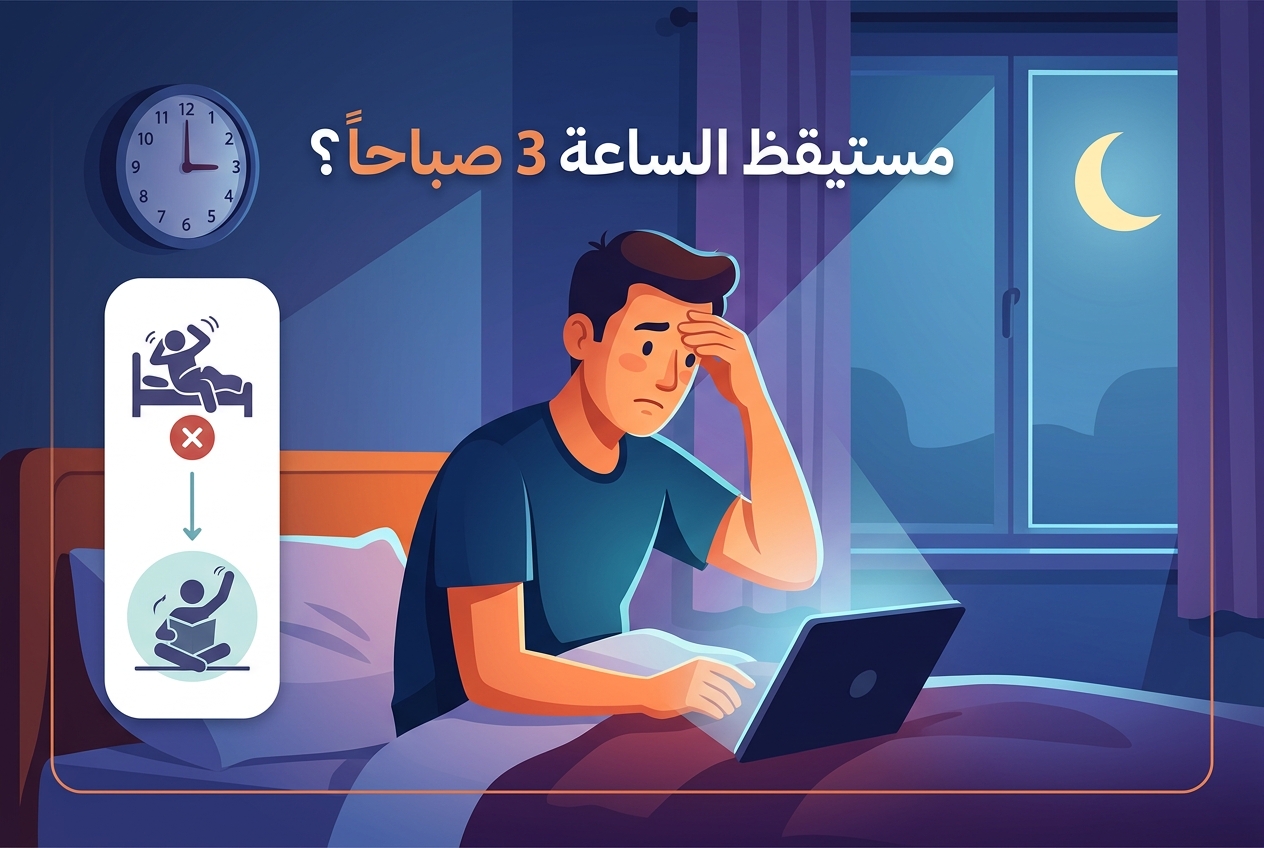
It's 3 A.M. and You're Wide Awake. Now What?
A sleepless night raises one urgent question: do something or ride it out? The advice here divides between strict routines that prevent bad nights, calming techniques for the wakeful hours, and warnings against habits that make things worse, like lying in bed stressing about sleep. Sorting them tells you what to change tonight and what to change tomorrow.
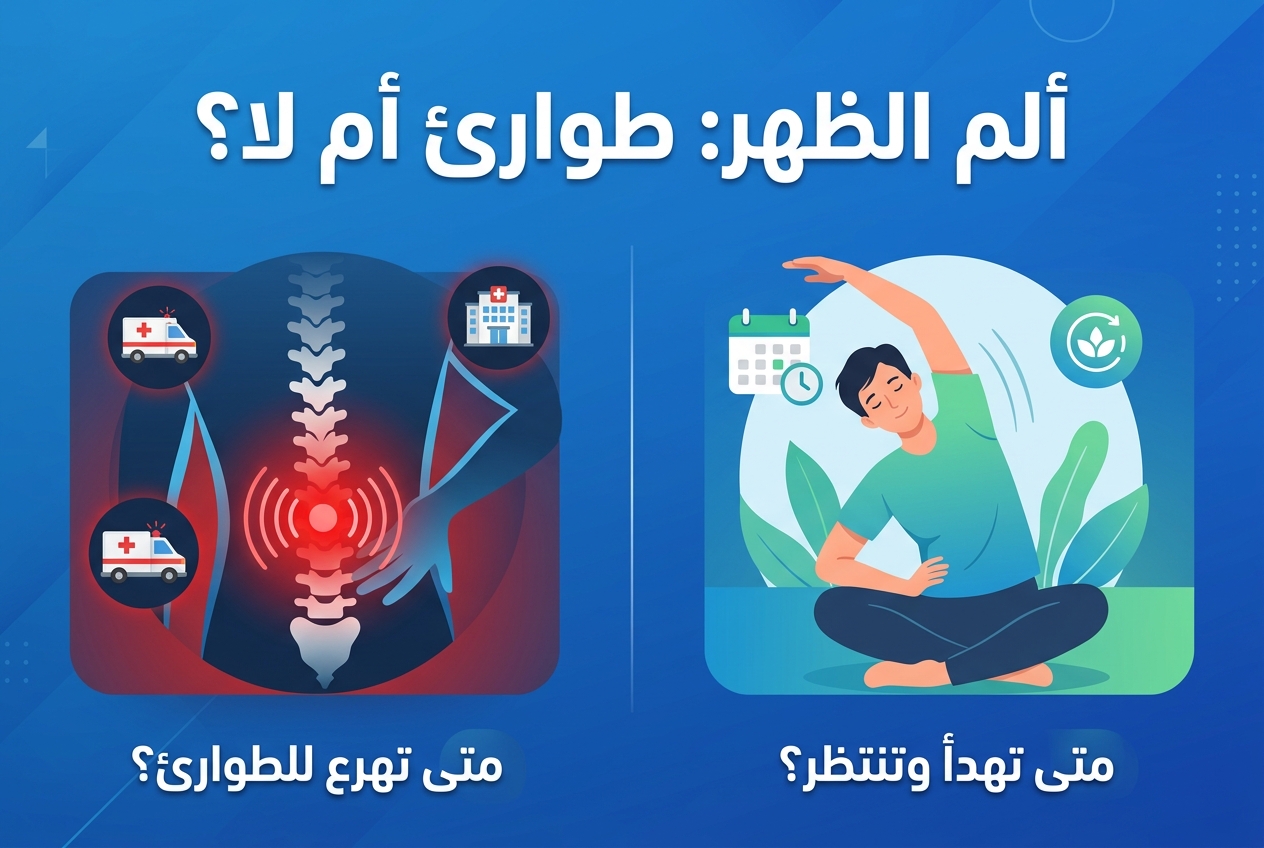
When Back Pain Is an Emergency and When It Isn't
Most back pain is harmless, but a few symptoms mean the emergency room, and confusing the two is costly either way. These approaches split on triage: acting fast on red flags like leg weakness or bladder trouble, waiting out time-based windows, or weighing psychological and lifestyle factors before imaging and surgery. Knowing the differences tells you when to rush and when to breathe.

ADHD Is Overdiagnosed Because Pills Are Profitable
Rising ADHD diagnoses track less with patient need than with an industry that profits from every prescription. Against the mainstream default of medication first, this take says drug-company influence biases research and guidelines, and that community-based and behavioral approaches address root causes without pathologizing normal behavior. Skepticism toward profit-driven diagnosis is the starting point for more honest mental health care.
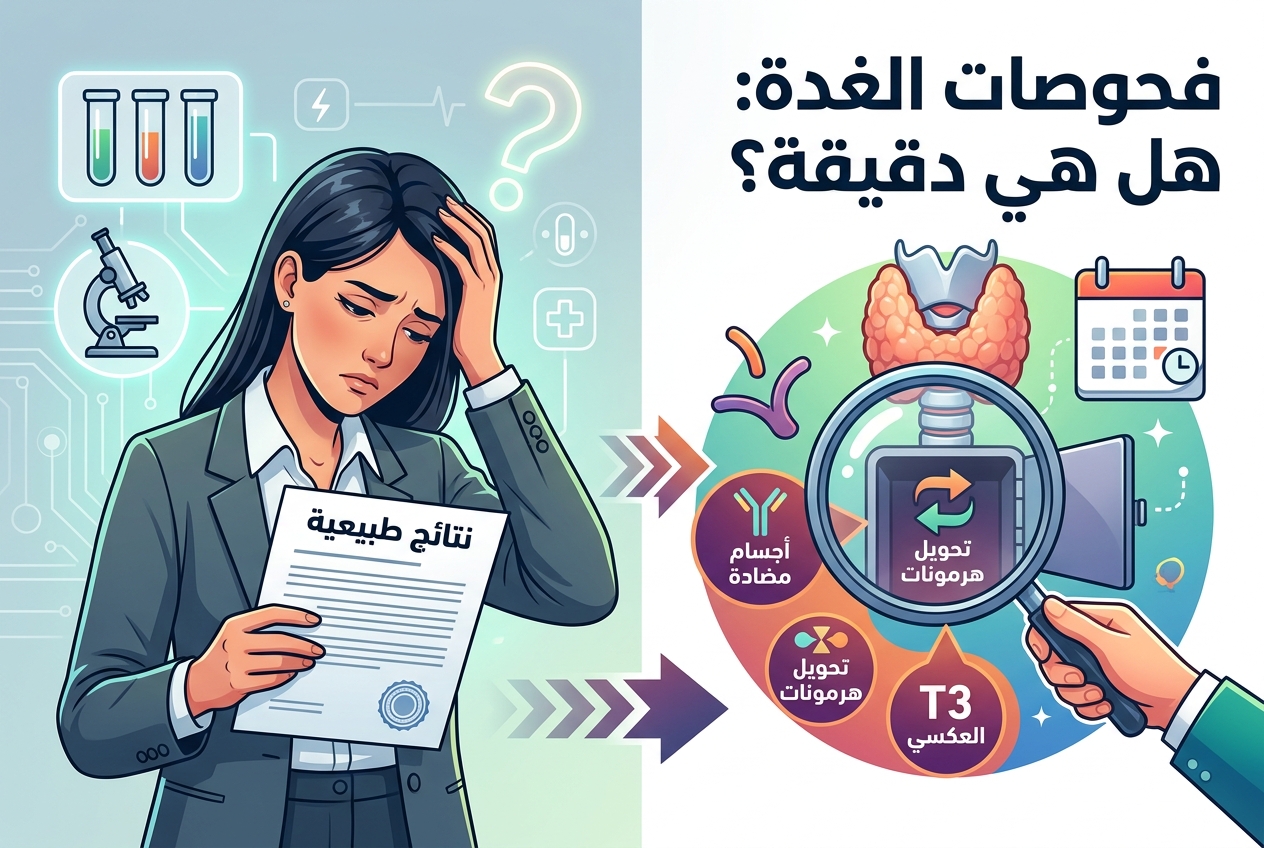
Normal Thyroid Results Can Still Hide a Real Problem
You can feel exhausted, foggy, and cold while every thyroid number sits comfortably in range. These views split on what standard tests miss: hidden autoimmune antibodies, hormone conversion problems like reverse T3, misleading reference ranges, and timing that skews results. Learning which follow-up tests to ask for turns 'your labs are normal' from a dead end into a starting point.
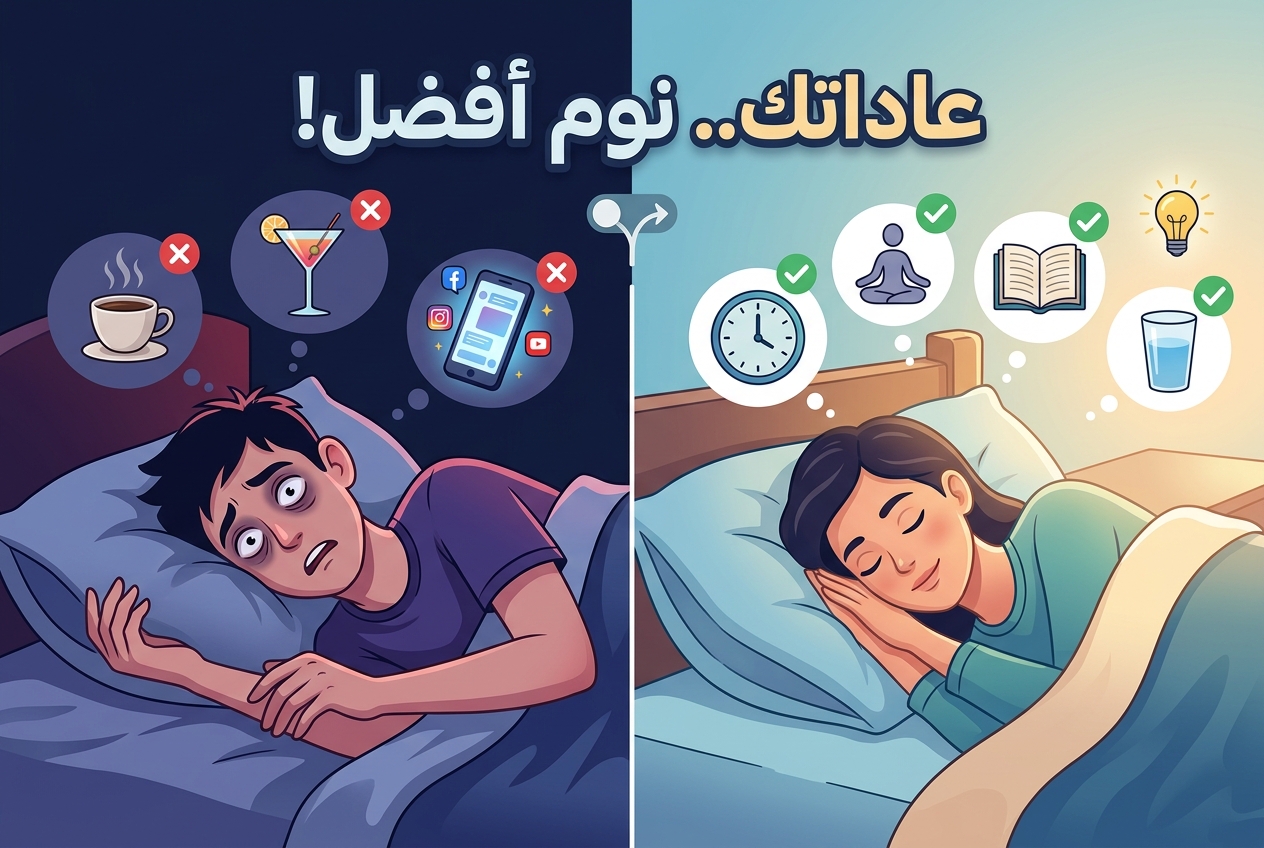
What Really Ruins Your Sleep, and How Much You Control
Caffeine, alcohol, and late-night habits all wreck sleep, but how rigidly you should manage them is contested. These takes split between strict cut-off rules for known disruptors and a more personal approach that tailors habits to your own body. You can decide whether hard rules or custom tweaks will fix your nights.
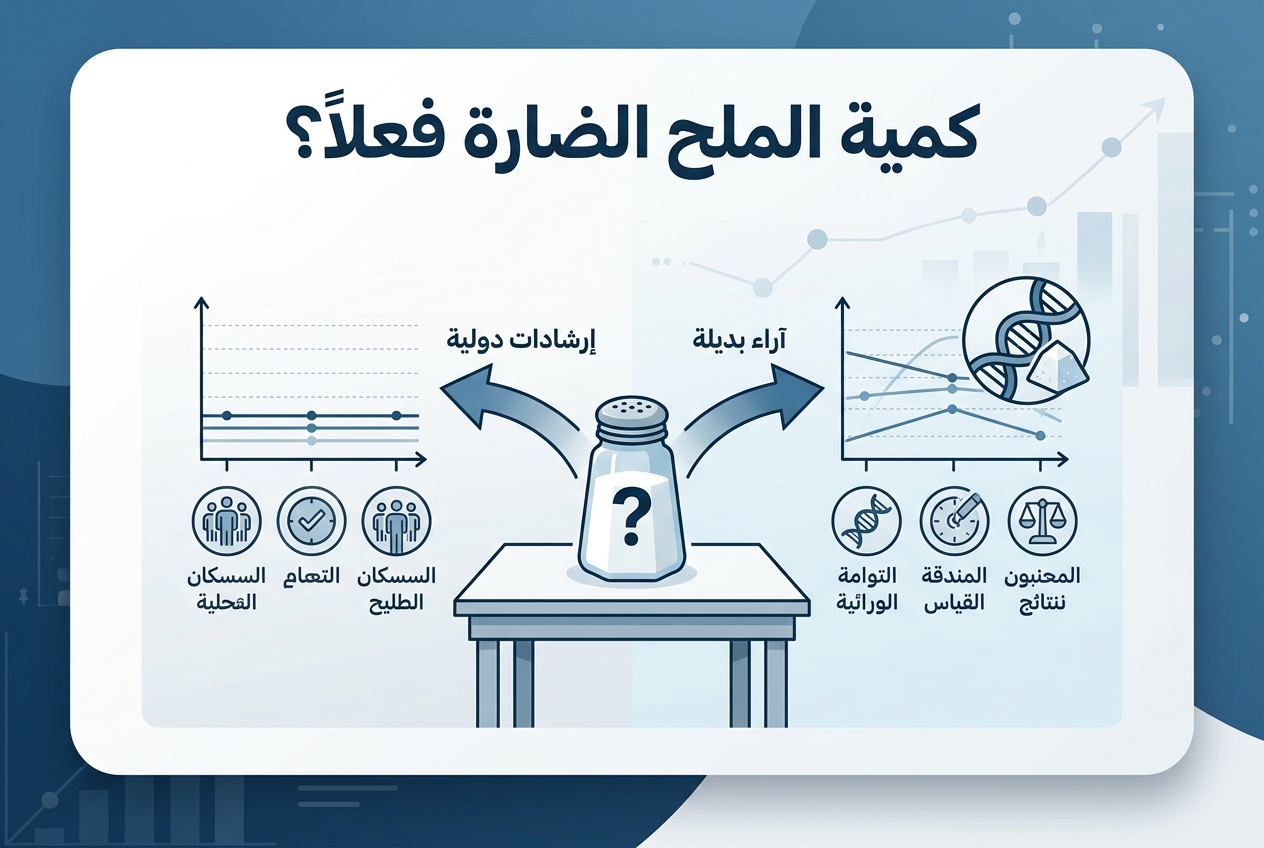
How Much Salt Is Actually Hurting You?
Salt guidance sounds settled until you notice how much the recommendations conflict. These views split on whether global sodium targets rest on shaky intake measurements, whether one-size-fits-all limits ignore genetic differences in salt sensitivity, and whether population-wide policies have actually delivered. What you conclude changes how much the shaker on your table really matters.

Can the Bacteria in Your Gut Ease Depression?
The gut-brain link is exciting, but whether your microbes cause mood changes or just correlate with them decides how much to trust probiotics. These views differ on demanding strict standardized trials, tightening safety and protocol, and sharpening methods to capture how gut and brain actually talk. Weigh them to judge how confident to be in gut-based treatments.
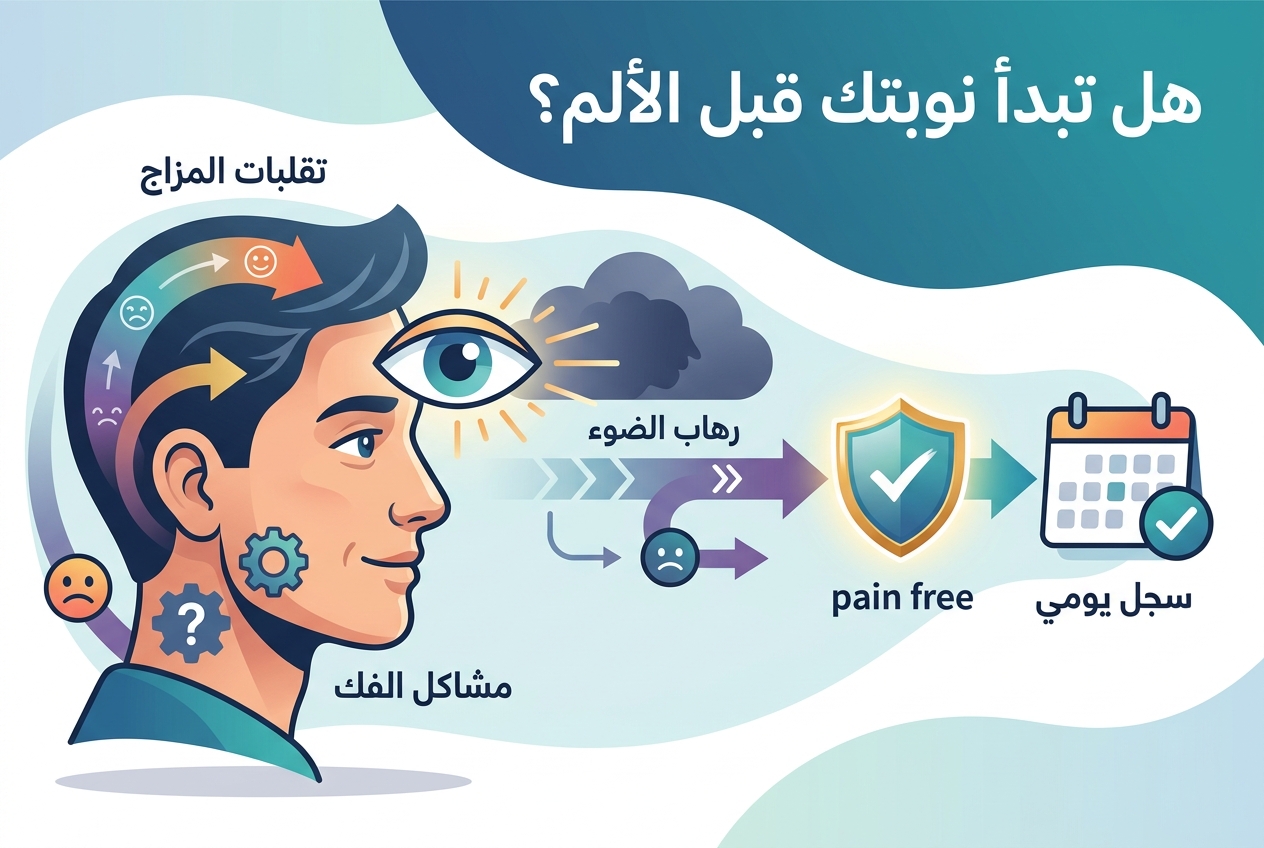
Your Migraine May Start Hours Before Your Head Hurts
Mood shifts and light sensitivity might not be triggering your migraine; the attack may already be underway. These views split on whether early warning signs are true triggers or the opening act, whether jaw and TMJ trouble is a hidden cause, and how much a daily diary really reveals. Sorting that out changes what you track, what you avoid, and when you treat.

Full-Fat Dairy May Not Be the Villain You Were Told
For decades full-fat dairy was something to avoid, but the case against it is shakier than the label suggests. These arguments differ on reading the evidence, whether biomarkers vindicate whole milk and cheese, whether to judge the whole diet instead of single nutrients, and whether all saturated fats even behave alike. Weigh them to decide how dairy fits your plate.

Gut Microbiome Tests Can't Guide Your Diet or Health Choices
Despite popular marketing, gut microbiome tests lack FDA approval and clinical reliability, making them unsuitable for diagnosing conditions or guiding diet changes. The mainstream hype suggests these tests offer personalized health insights, but experts warn against making lifestyle or medical decisions without professional advice. Following this cautious approach helps avoid ineffective or potentially harmful self-prescribed treatments based on unproven test results.

Was the Hormone Therapy Scare Built on Misread Data?
For women weighing hormone therapy, the stakes are relief from menopause symptoms against feared risks of breast cancer and heart disease. The views split over whether the original risk data was exaggerated, how much the timing of treatment matters, and whether low-dose vaginal estrogen is safer than its warnings suggest. Sort the evidence from the alarm and decide with your doctor what fits your health.

The Best Antibiotic Is Sometimes None at All
Every unnecessary antibiotic prescription feeds resistance that makes future infections harder to treat. These approaches differ on the fix: delayed prescribing, outright refusal, patient education, stewardship programs, monitoring prescribers, or repairing the broken antibiotic market. Comparing them shows where the fight against superbugs is actually won.
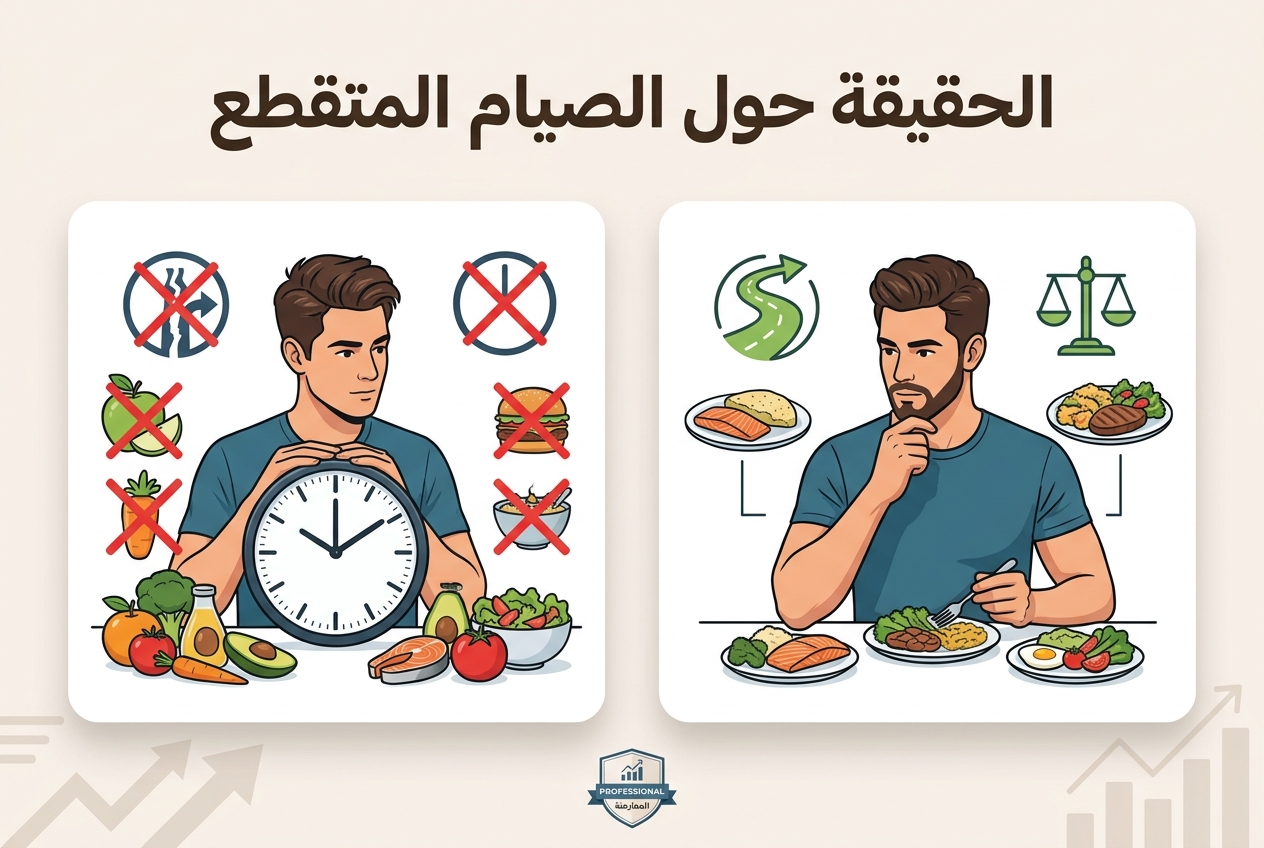
Intermittent Fasting Doesn't Beat Regular Dieting for Weight Loss
Intermittent fasting is sold as a shortcut, but head-to-head it doesn't clearly beat plain old calorie control for weight loss. Some trials show perks like better insulin sensitivity, yet the rigorous evidence finds no meaningful difference on the scale. Focus on sustainable eating, and check with a professional before you try fasting.
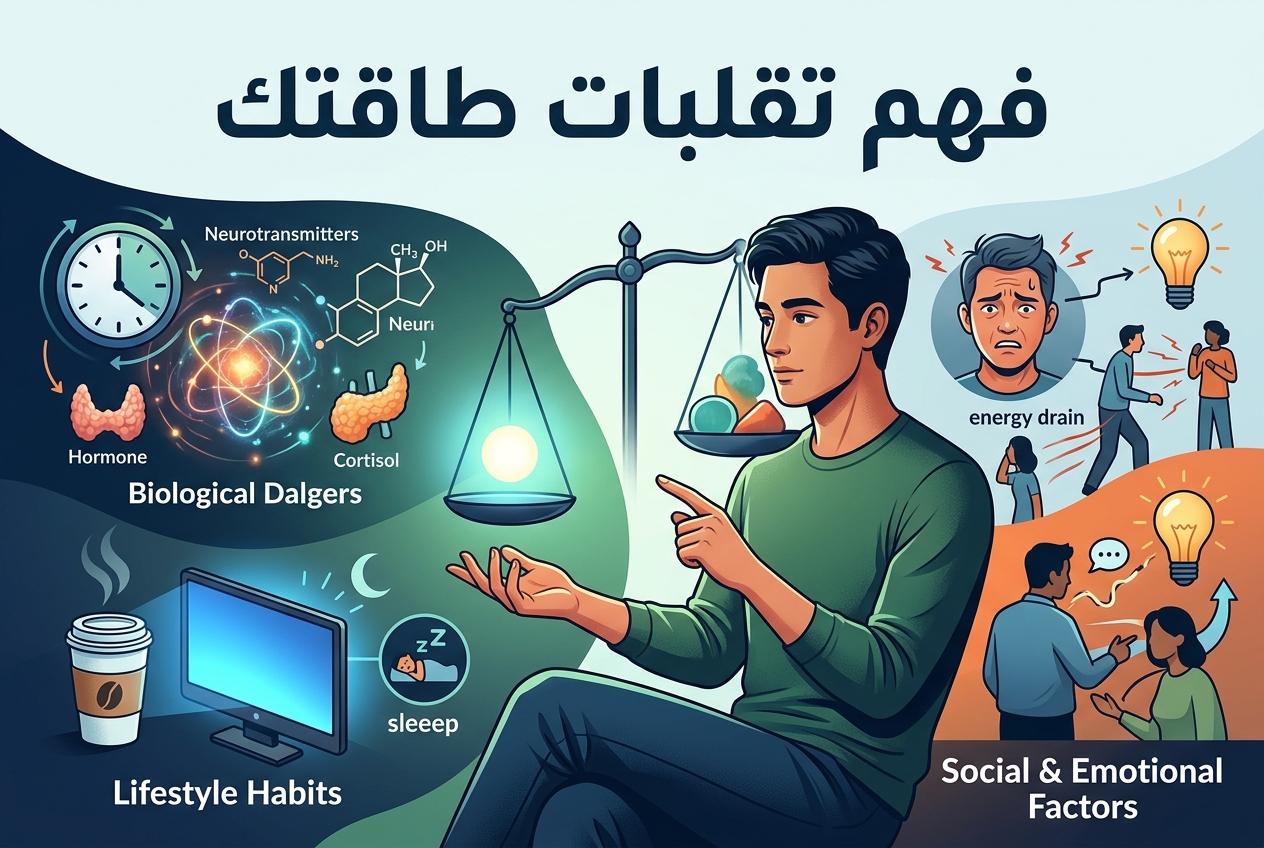
Why You Feel Sleepy or Wired at the Wrong Times
Your energy swings come from more than one place, and the explanations compete. These explanations weigh biological drivers like hormones and neurotransmitters, lifestyle habits like caffeine and screens, and social and emotional drains like stress and lack of purpose. You can decide which best explains your energy and what to change first.

What Do Your Blood Test Numbers Actually Mean?
Your results arrive in a portal full of numbers and flags, and nobody walks you through them. The approaches split on who should translate: your doctor putting numbers in personal context, AI tools that turn them into plain language, or better-designed portals that explain results directly, and they differ on how much simplification is safe. Weighing them helps you get clarity without missing the clinical nuance behind a number.
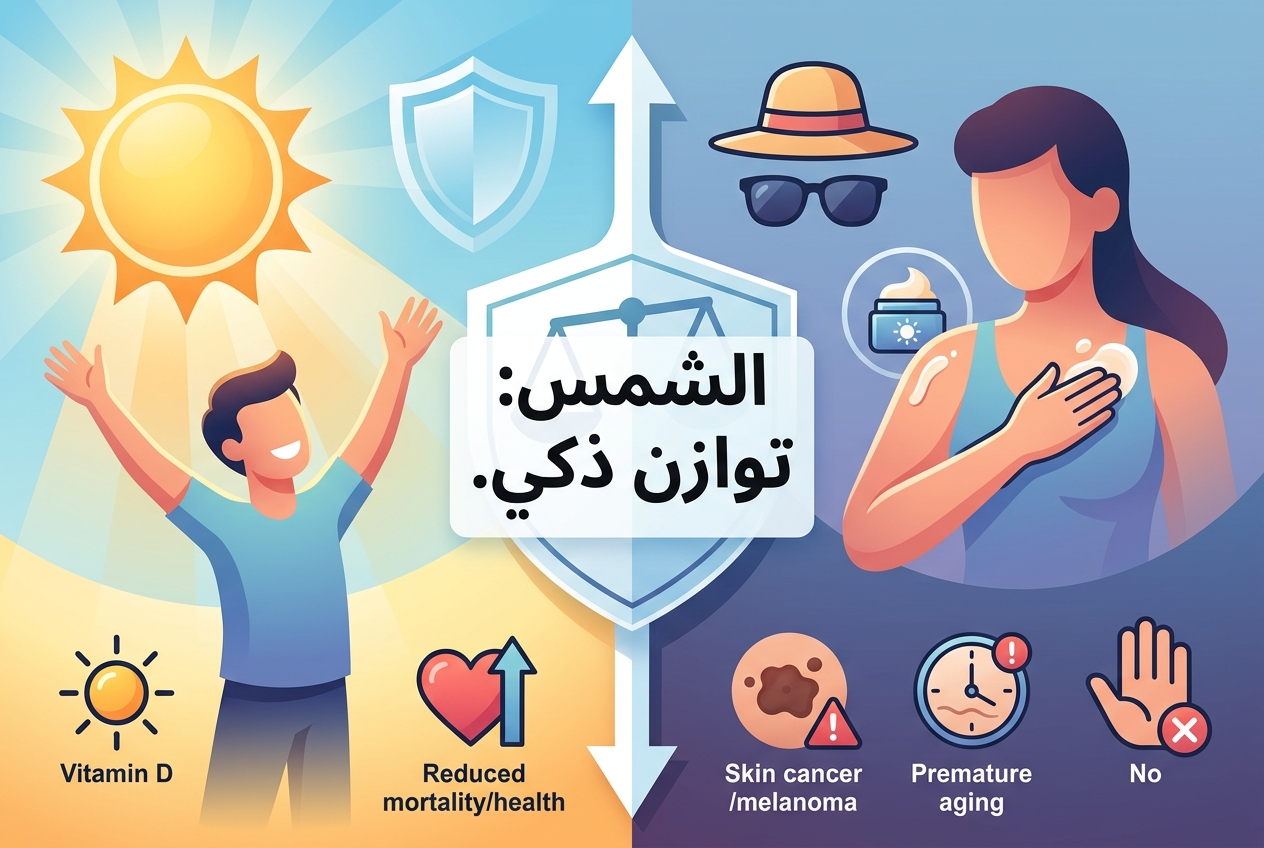
How Much Sun Is Good for You, and Where Sunscreen Fits
Sun gives you vitamin D and may lower mortality, yet it also drives skin cancer, and the advice you hear rarely holds both truths. These views differ on the benefits of moderate sun, the limits of the studies, and how to warn people without stoking fear. Read them to set a sun habit you can actually trust.

Those Blue Light Glasses Might Be Doing Nothing
Screen-weary eyes have made blue light glasses a booming product, but the evidence behind them is shakier than the marketing suggests. The views here split over whether relief really comes from treating dry eyes, fixing your desk setup, and changing screen habits before bed rather than from tinted lenses. Sort out which fixes are backed by evidence before you spend on the wrong one.
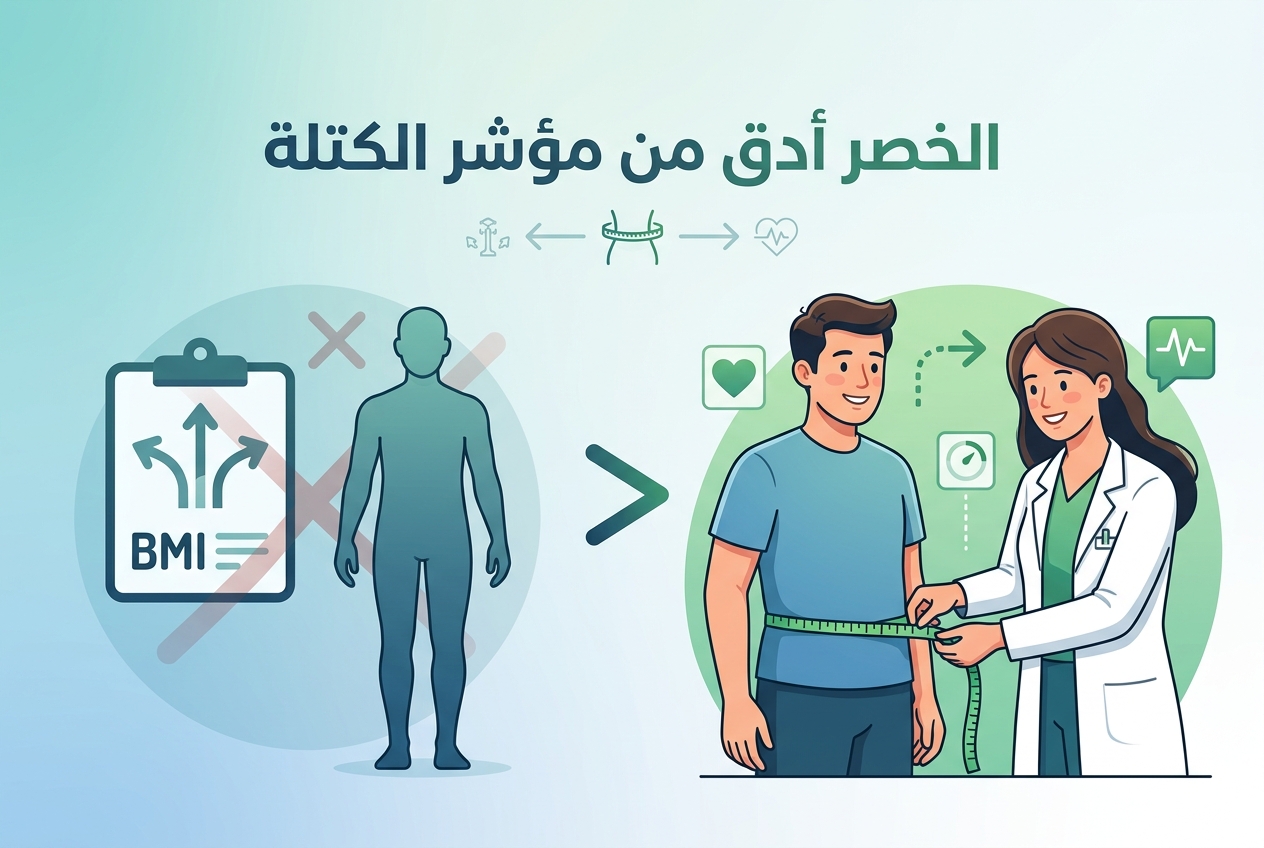
BMI Is Broken and Harms Health; Measure Waist Size Instead
BMI mislabels healthy people, fuels body image problems, and steers health policy in the wrong direction. The case here is that waist circumference and waist-to-height ratio predict real risks like heart disease and diabetes far better, because belly fat matters more than total weight. Measuring your waist instead gives you and your doctor a more honest, less stigmatizing read on your health.

Was Breakfast Ever Really the Most Important Meal?
The rule you grew up with may owe more to cereal marketing than to science. The views here run from breakfast's importance being an invented myth, to skipping it changing fat burning and inflammation, to the honest answer depending on your own body and routine. Test them against your mornings and eat, or skip, on purpose.

The Saturated Fat Verdict Was Never as Settled as Claimed
Decades of advice to cut saturated fat rest on evidence that keeps getting re-litigated. These views range from charges that industry money bent nutrition science to calls for rigorous re-analysis of the old studies and the position that saturated fat is complex rather than simply bad. Weigh the sides and decide how it belongs in your own diet.
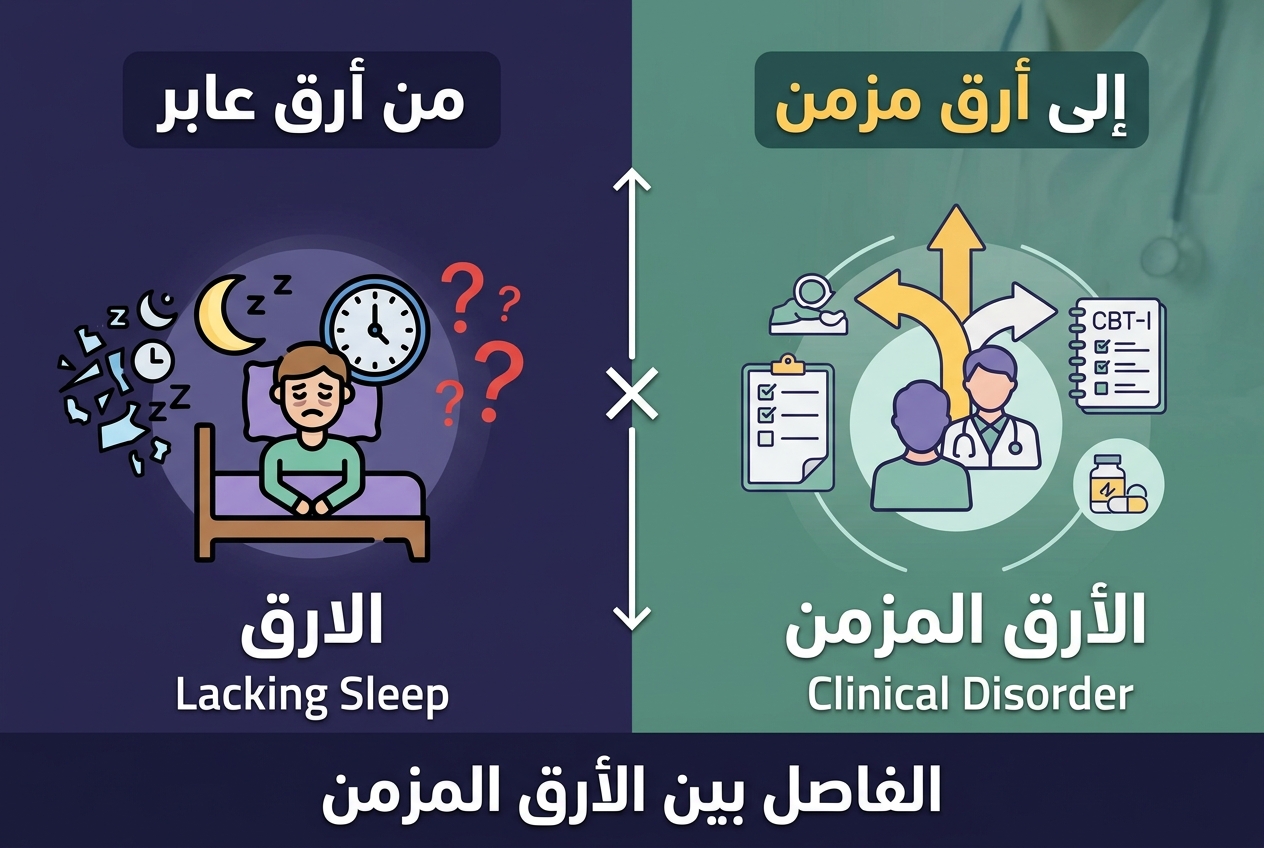
When Do Sleepless Nights Become Insomnia?
A bad week of sleep and a clinical disorder call for very different responses, and knowing the line matters. These views split on where it sits and what to do next: strict behavioral programs like limiting time in bed, hunting for the medical or psychological cause underneath, medication versus cognitive therapy, and which popular sleep beliefs deserve debunking first. Match the approach to your own nights before committing to a fix.
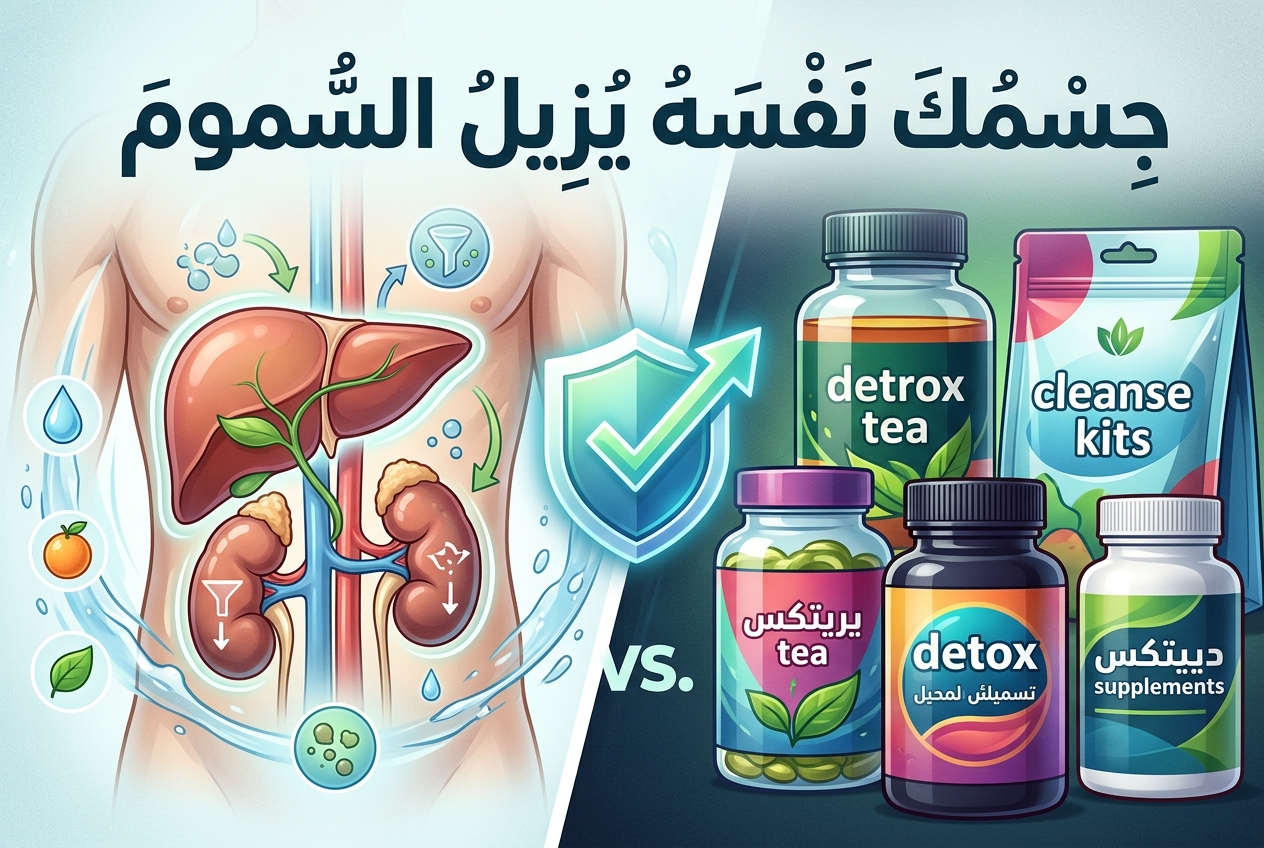
Your Body Already Detoxes Itself for Free
Detox teas, cleanses, and supplement kits sell a service your liver and kidneys already perform, and some products carry real risks of organ damage. The arguments differ on the sharpest indictment: no credible evidence of benefit, toxic herbal ingredients, or marketing that sells a lifestyle while proven nutrition goes ignored. Seeing how the claims collapse helps you spend on what actually improves your health.

When Should a Civilian Reach for a Tourniquet?
In a bleeding emergency the difference between hesitation and a correctly placed tourniquet can be a life. These views differ on when a civilian should apply one, how strong the evidence really is, how to give clear consistent instructions, and how to adapt when supplies are scarce. Understanding them helps you act with confidence if it ever comes to it.

What Actually Fixes Bad Sleep
If you sleep badly, the advice you get points in different directions. Some approaches bet on strict habits like cutting caffeine and evening screens, others on technical fixes like light and room conditions, and a third on simply practicing a consistent routine until it holds. Comparing them helps you decide whether lifestyle changes, environment tweaks, or plain discipline is your fastest route to deeper nights.

Sleep Is Not Rest, It Is Your Body's Defense System
Treating sleep as downtime misses what it actually does: regulate immunity, clear toxins from the brain, and steady your emotions. Cut it short or shift it off your natural rhythm and the risks of cancer, autoimmune disease, and neurodegeneration climb. Consistent, well-timed sleep is one of the strongest protections you control.

Personalized Skincare with Retinol and Niacinamide Needs Expert Guidance
Retinol and niacinamide can transform skin or wreck it, and the difference is how they are used. Against the belief that off-the-shelf products alone suffice, the case here is for dermatologist-guided routines: right concentrations, gradual introduction, and strict sun protection. Treated as a science instead of guesswork, the same ingredients repair your skin barrier rather than inflame it.

Why We Itch and Can't Stop Scratching
Itch is stranger than it seems, and its causes are debated. These explanations range from the skin's ecosystem of nerves and bacteria to the brain's dedicated itch circuits, how itching spreads socially like a contagion, and how scientists design experiments to trigger it. You can weigh what might finally break the itch-scratch cycle.

Can Your Sunscreen Protect You and Harm You at Once?
Sunscreen clearly cuts skin cancer risk, yet ingredients like oxybenzone raise hormone-disruption worries and blocking the sun lowers vitamin D. These views split on how seriously to take the endocrine evidence, how much the research methods behind it can be trusted, and how to live with the protection-versus-deficiency trade-off. Your answer shapes what you put on your skin every summer.

Should Anyone Actually Worry About 5G Towers?
5G towers went up alongside a wave of health fears, and the responses to those fears don't line up. Some arguments hold that basic physics rules out harm, one traces the anxiety to psychology rather than radiation, and another still counsels precaution despite thin evidence. Weighing them settles how much attention the worry deserves.

Vaccine Safety Is Real but Minority Concerns Demand Honest Dialogue
Vaccines are overwhelmingly safe and effective, backed by global safety monitoring and compensation for the rare real injuries. The harder truth is that minority communities' historical mistrust and demands for transparency deserve honest, culturally aware engagement rather than dismissal. Take this stance and you can defend vaccine benefits while genuinely addressing the concerns that fuel hesitancy.

You Can Fight and Lower Your Medical Bills by Challenging Errors
Most people accept medical bills without question, but you have the right to carefully review and dispute charges that seem incorrect or inflated. By requesting itemized bills, negotiating with providers, and using formal dispute processes, you can reduce what you owe and avoid unfair surprise charges. Taking these steps changes the usual experience from passive payment to active control over your medical expenses.

Not Everything Ultra-Processed Deserves the Panic
Ultra-processed has become shorthand for bad, but the label lumps fortified staples in with junk food. These claims challenge the panic from different angles: flaws in the NOVA classification, media oversimplification, and cases where processing genuinely adds nutrition. Reading them equips you to judge food quality past the buzzword.
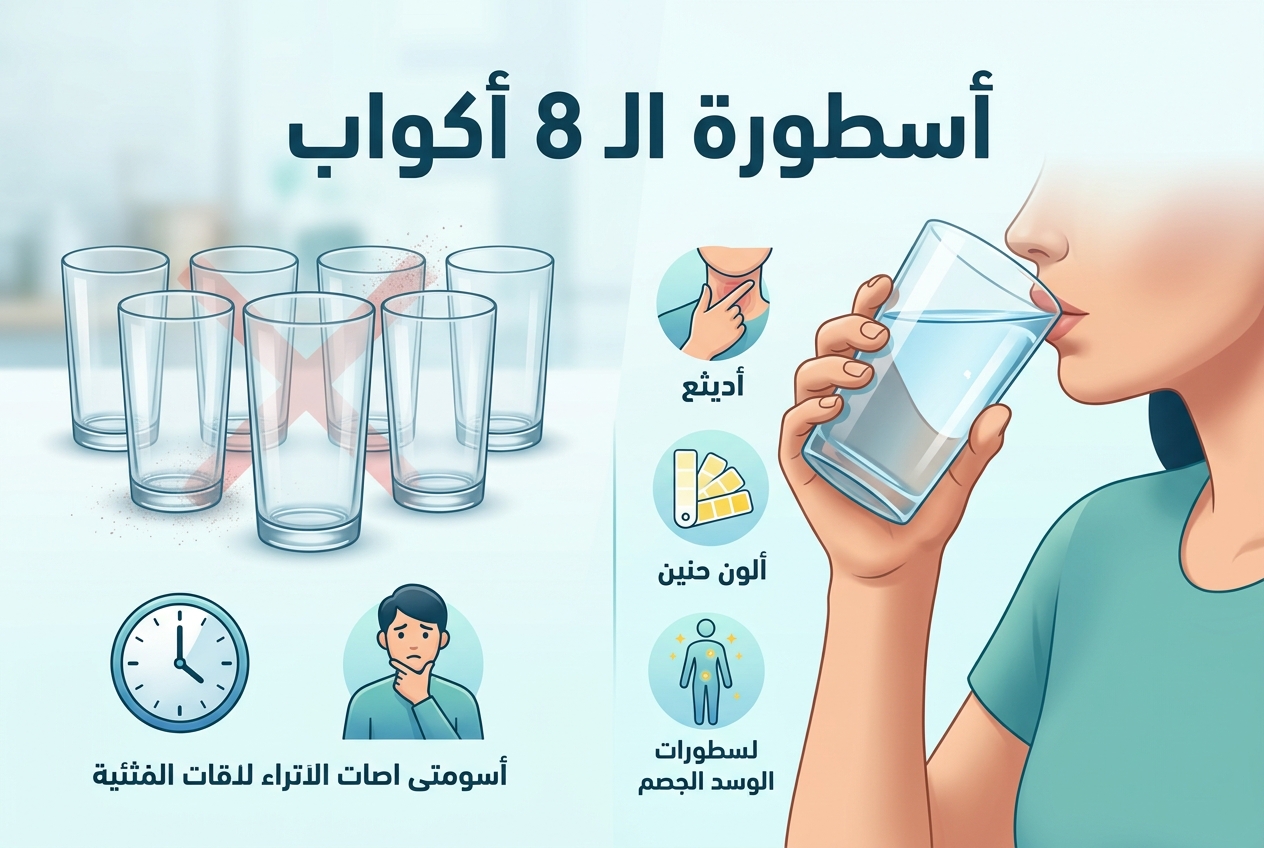
Nobody Actually Needs Eight Glasses of Water a Day
The eight-glasses rule has survived decades without evidence behind it. These myths cover the fixed daily quota, the fear of chronic mild dehydration, and the overlooked danger of drinking too much. Unpacking them leaves you with a simpler guide: thirst, urine color, and your own body's signals.
Are Eggs Back on the Menu or Not?
Egg advice has flipped so many times that most people no longer know what's safe. These approaches range from limiting eggs over cholesterol to blaming saturated fat instead, questioning the studies themselves, or judging eggs by the whole diet around them. Sorting the differences tells you how eggs fit your own heart health picture.

Claims About How Sugar Made Us Blame Fat for Heart Disease
How did dietary advice come to treat fat as the villain while sugar slipped by? These claims range from the sugar industry secretly funding research that redirected blame, to debunking the myths that grew from it, to the broader pattern of powerful interests bending policy. Weigh them to judge how much industry influence still shapes what you're told to eat.
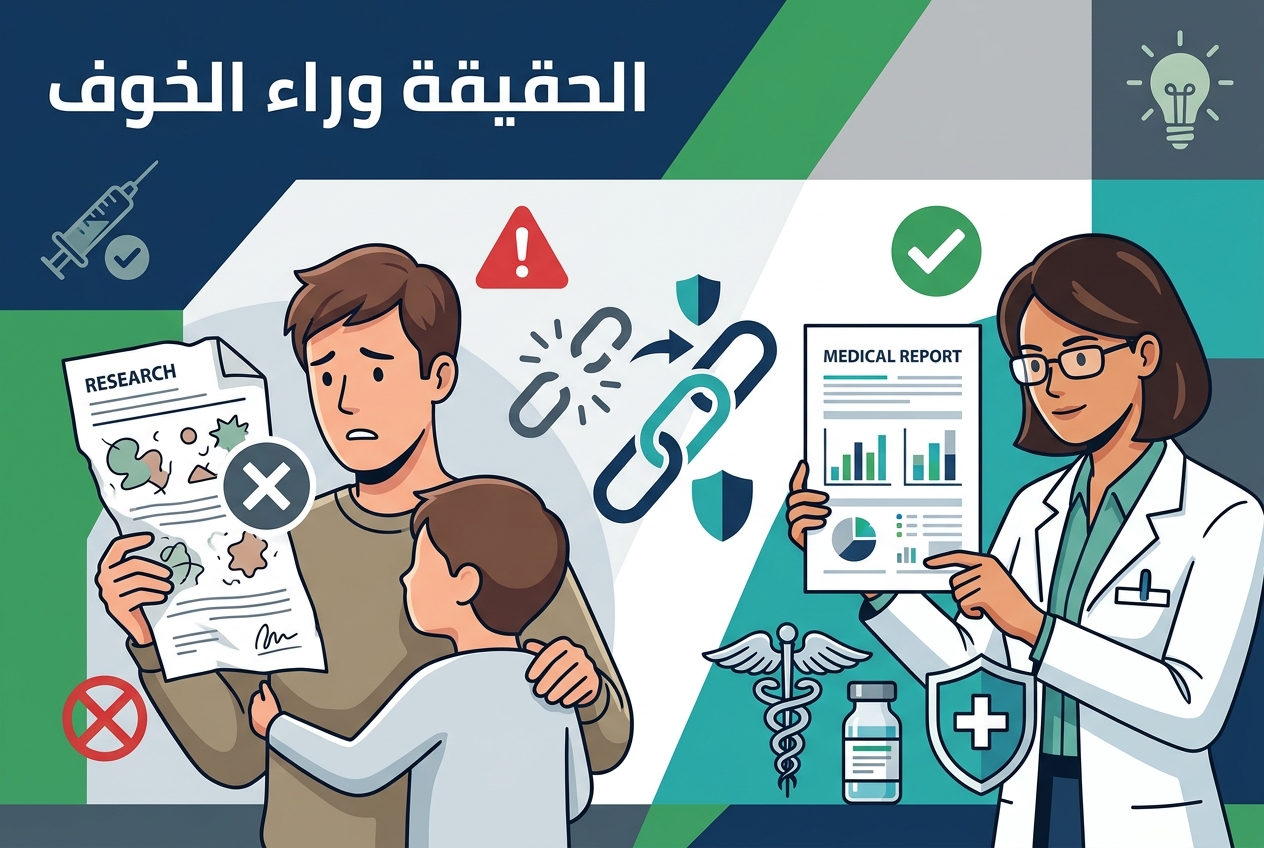
The Fake Study That Made Millions Fear Vaccines
A single retracted study convinced a generation of parents that vaccines might cause autism, and public health is still paying for it. These claims differ on what matters most about the fraud: exposing the misconduct itself, fixing the research rules that let it slip through, or finding ways to communicate that rebuild trust instead of deepening fear. You'll come away knowing how the deception worked and what it takes to keep something like it from happening again.
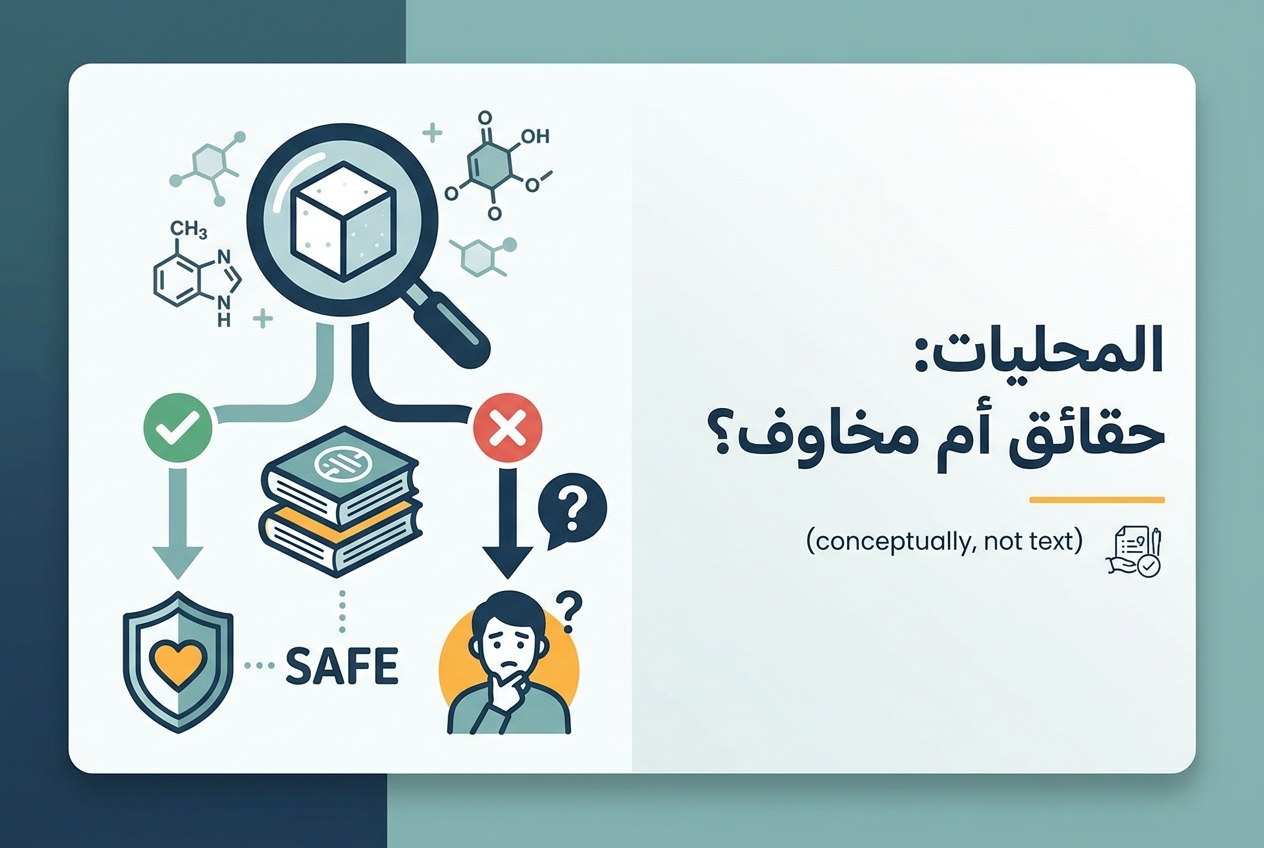
Fake Sugar Is Feared Everywhere and Convicted Nowhere
Artificial sweeteners are in thousands of everyday products, yet headlines keep hinting they might be quietly harming you. These arguments differ on what counts as proof: some rest on regulatory reviews and rigorous studies confirming safety, while others stress how hard it is to untangle genuine risk from fear-driven alarm. You'll come away able to judge the next scary sweetener claim on its evidence instead of its volume.

Which Supplements Actually Work, and Which Just Drain Your Wallet?
Supplements are a huge business built on surprisingly thin proof, and your money and health are both on the line. These claims differ on how much to trust an industry with weak regulation, when high doses become risky, and which specific needs, like folic acid in pregnancy or B12 on a plant-based diet, genuinely justify a pill. You'll come away able to judge which bottles earn a place in your cabinet and which to skip.
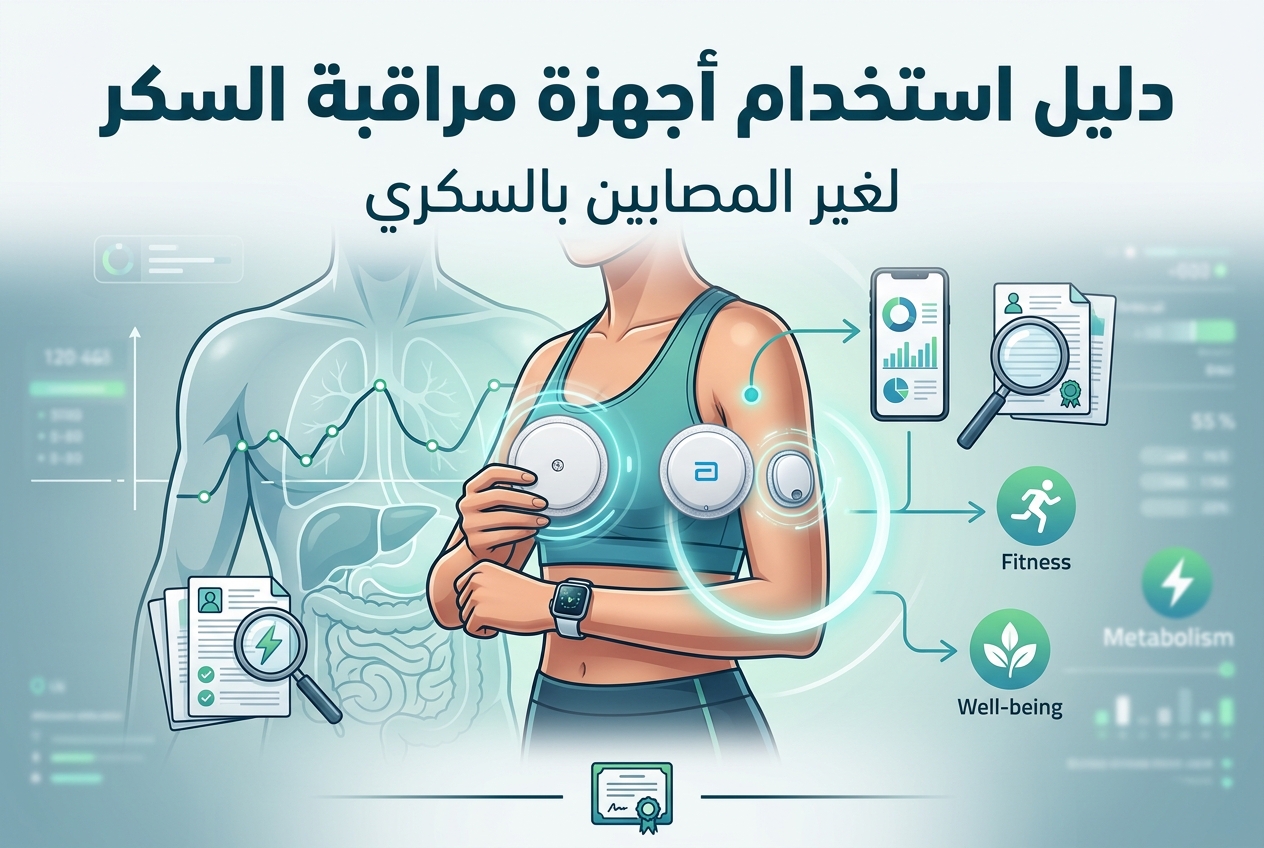
What to Know Before Using Dexcom Stelo and Lingo Without Diabetes
Continuous glucose monitors like Dexcom Stelo and Abbott Lingo now offer over-the-counter options for adults without diabetes who do not use insulin. These devices differ in how they report data, the transparency of their development, and the credentials behind their claims, helping users decide which approach fits their wellness goals. Understanding these options reveals how CGMs can be used safely and effectively beyond traditional diabetes care.

Why Choosing a Health Plan Feels Like Guessing Your Future Costs
Picking a health insurance plan during open enrollment is tough because consumers face barriers like confusing plan details, uncertainty about future health needs, and misconceptions about provider networks. These barriers lead to different challenges: some struggle with understanding terminology, others worry about hidden costs, and some fall back on previous choices despite better options. Recognizing these distinct barriers helps you decide how to approach plan selection with clearer priorities and fewer surprises.
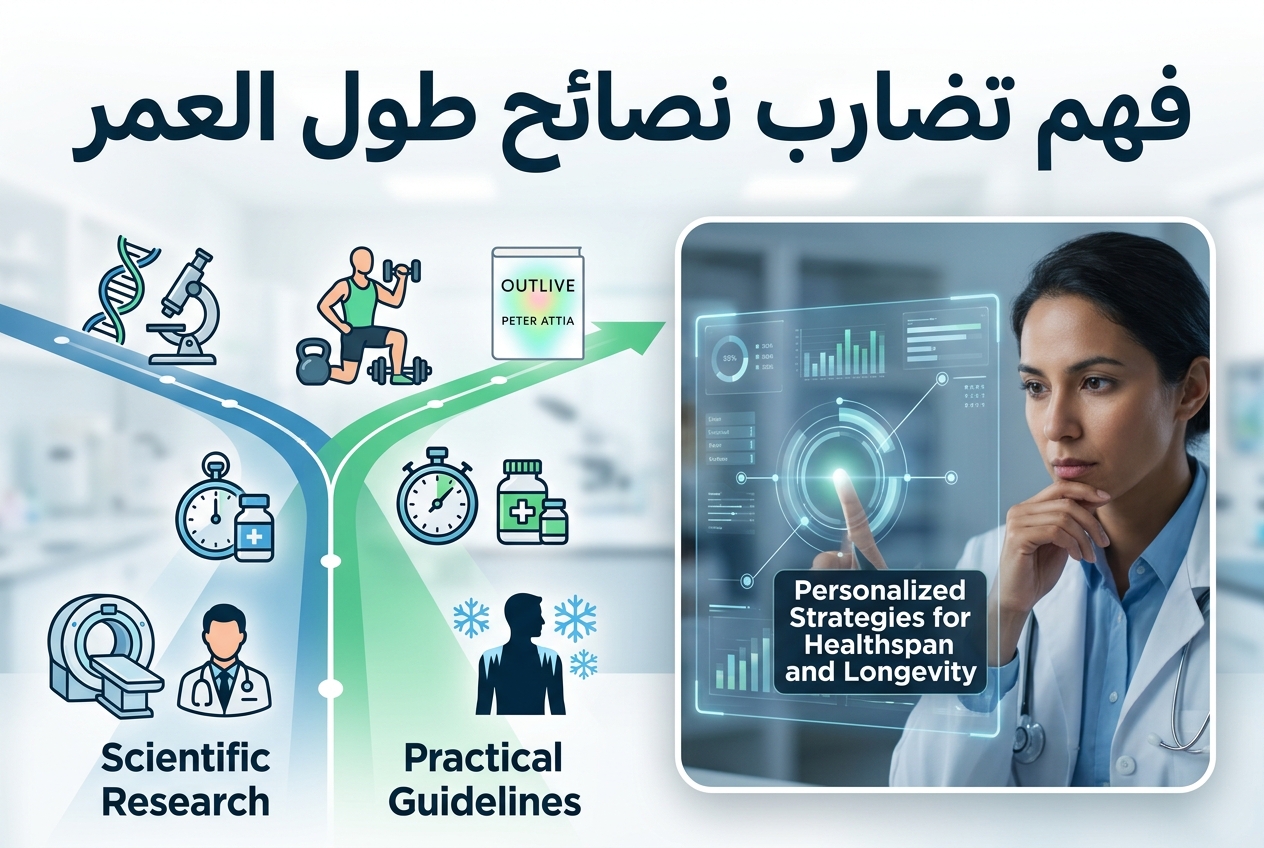
Outlive by Peter Attia reveals why longevity advice often conflicts
Longevity medicine offers varied guidelines on exercise intensity, supplement timing, medical screening, and cold exposure. These guidelines differ on how to balance rigorous research with practical daily actions, when to intervene medically, and how to safely apply cold therapies. Understanding these differences helps you choose personalized strategies for healthspan and lifespan optimization.

When Insurance Says No, How Do You Fight Back?
Denied insurance claims can feel like hitting a wall, but knowing how to respond can make all the difference. Approaches vary from strict procedural persistence—tracking deadlines and filing timely appeals—to enlisting professionals and documenting thoroughly. Others focus on understanding policy exclusions like flood damage in home insurance or pushing for cooperative reform. This knowledge helps you decide whether to appeal internally, seek external review, or challenge exclusions effectively.

What to Trust and What to Skip When Facing Perimenopause
Perimenopause brings a mix of symptoms and treatment options that can be confusing and sometimes risky. This topic lays out clear differences between evidence-based hormone therapies, patient advocacy for personalized care, common myths about unregulated treatments, and practical advice for doctor visits. Understanding these distinct perspectives helps you ask the right questions, recognize safe options, and avoid misinformation during this important health transition.

Can You Cut Back on Drinking Without Quitting Alcohol Completely
Cutting back on drinking offers a range of strategies that differ on how much to reduce, whether to quit temporarily, and how to handle social and physical challenges. Some approaches focus on moderation with tracking and pacing, others emphasize social support or trial abstinence periods, while a strict view holds that complete abstinence is the only safe option. Understanding these strategies helps you decide how to improve health, manage cravings, and reshape your relationship with alcohol without necessarily quitting entirely.
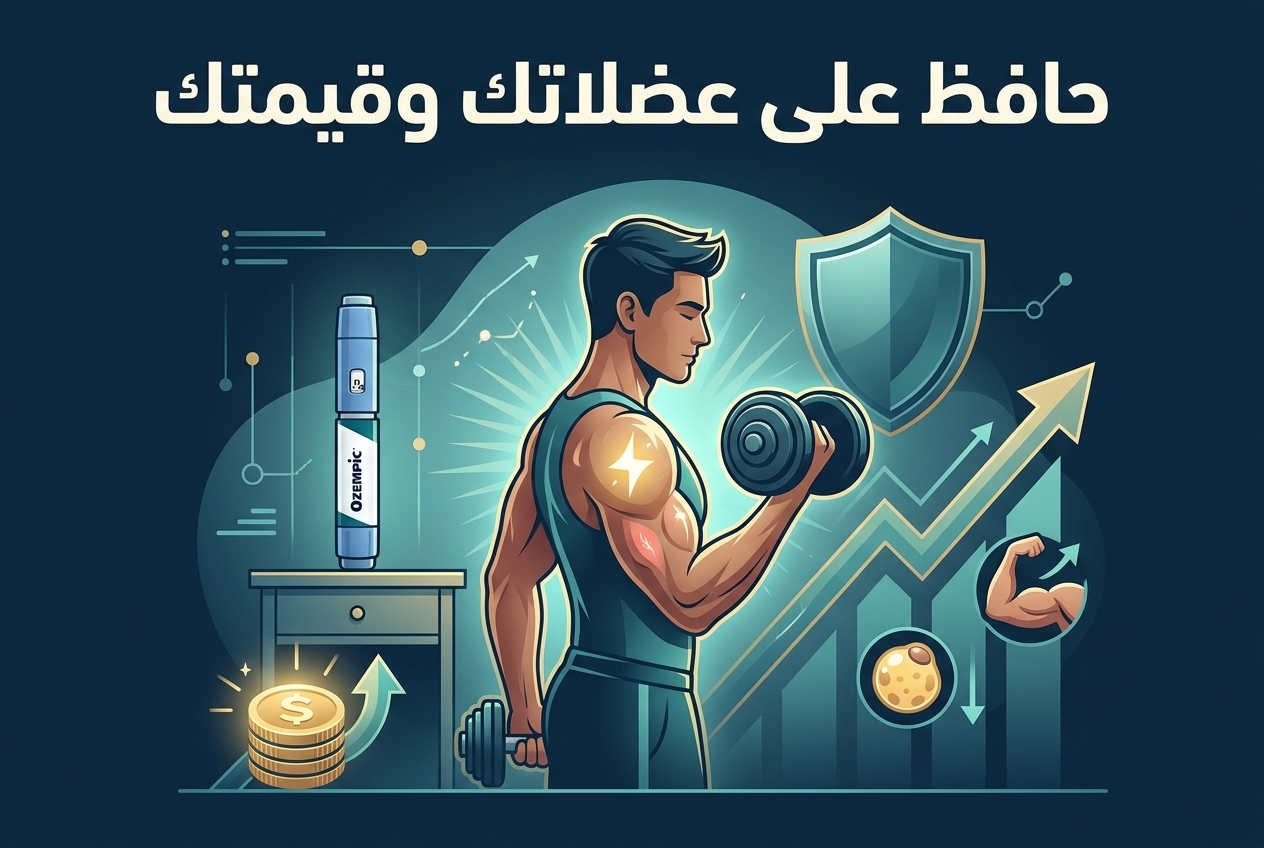
Keep Your Muscle Strong and Your Money Worthwhile on Ozempic or Wegovy
Using GLP-1 medications like Ozempic or Wegovy can lead to rapid weight loss, but without the right approach, much of that loss may come from muscle instead of fat. The strategies differ on how to best preserve muscle—focusing on resistance training, adequate protein intake, and avoiding malnutrition—so you can protect your metabolism and get the most value from your treatment. Understanding these approaches helps you decide how to maintain strength and avoid wasting money on muscle loss during your GLP-1 journey.

Who Decides When Aging Parents Can’t Speak for Themselves
When aging parents face health or mental decline, having the right documents in place is crucial to avoid legal complications. These documents differ on who can make financial, legal, and medical decisions, when authority takes effect, and how to ensure the appointed person acts in the parent’s best interest. Understanding the distinctions among powers of attorney, advance directives, and health care proxies helps families prepare before a crisis strikes.

What Nobody Tells You About the Daily Grind and Burnout of Family Caregiving
Being a family caregiver means juggling unseen logistics like managing finances, coordinating medical care, and navigating complex paperwork, all while facing emotional and physical burnout. The tasks differ in how they address these hidden sacrifices, from the financial strain and healthcare coordination to the emotional toll and systemic barriers. Understanding these distinct caregiving tasks helps you recognize the full scope of challenges and decide where to focus support or advocacy efforts.

Why Breastfeeding Feels Harder Than You Expect and What Actually Helps
Breastfeeding often comes with unexpected challenges like pain, baby weight concerns, and emotional struggles that many new mothers face alone. Different strategies focus on practical support such as monitoring baby’s weight, managing pain through latch adjustments, advocating for workplace pumping rights, and addressing breastfeeding aversion with alternatives. Understanding these varied approaches helps parents find the right support and solutions for their unique breastfeeding journey.

What Newborn Care Books Don’t Warn You About
The first month with a newborn involves realities that typical baby books often leave out, from urgent medical signs like breathing trouble and seizures to the true challenges of postpartum recovery after a C-section. This collection reveals the critical differences in newborn care approaches, including when to seek emergency help, how to interpret feeding cues beyond hunger, and why some common practices like letting babies sleep in bouncers can be dangerous. Understanding these varied topics equips new parents to recognize hidden risks and manage newborn care with confidence.

Start Simple, Focus on Form, and Build Strength Gradually
Strength training works best when you begin with manageable weights and prioritize proper technique over lifting heavy. Instead of pushing through pain or rushing progress, focus on consistent, gradual improvements and listen to your body to avoid injury. This practical approach overcomes common barriers like time constraints and fear of injury, making strength training accessible and effective for everyone.

Why Choosing Health Insurance Feels So Hard and What Really Matters
Picking a health insurance plan during open enrollment is complicated by confusing processes, affordability challenges, and hidden coverage limits. Plans differ widely in how they handle costs, out-of-network care, and quality measures like diabetes management, while support resources vary in funding and availability. Understanding these differences helps you avoid unexpected denials, fees, and gaps in coverage so you can find a plan that truly fits your needs.

Why Most Habits Fail and How to Build Ones That Last
Building habits that truly stick requires more than just willpower. Strategies differ on whether to focus on shrinking actions to tiny steps, reshaping your environment and cues, or aligning habits with your identity and values. Understanding these distinct approaches helps you choose the right path to create lasting change tailored to your life and mindset.
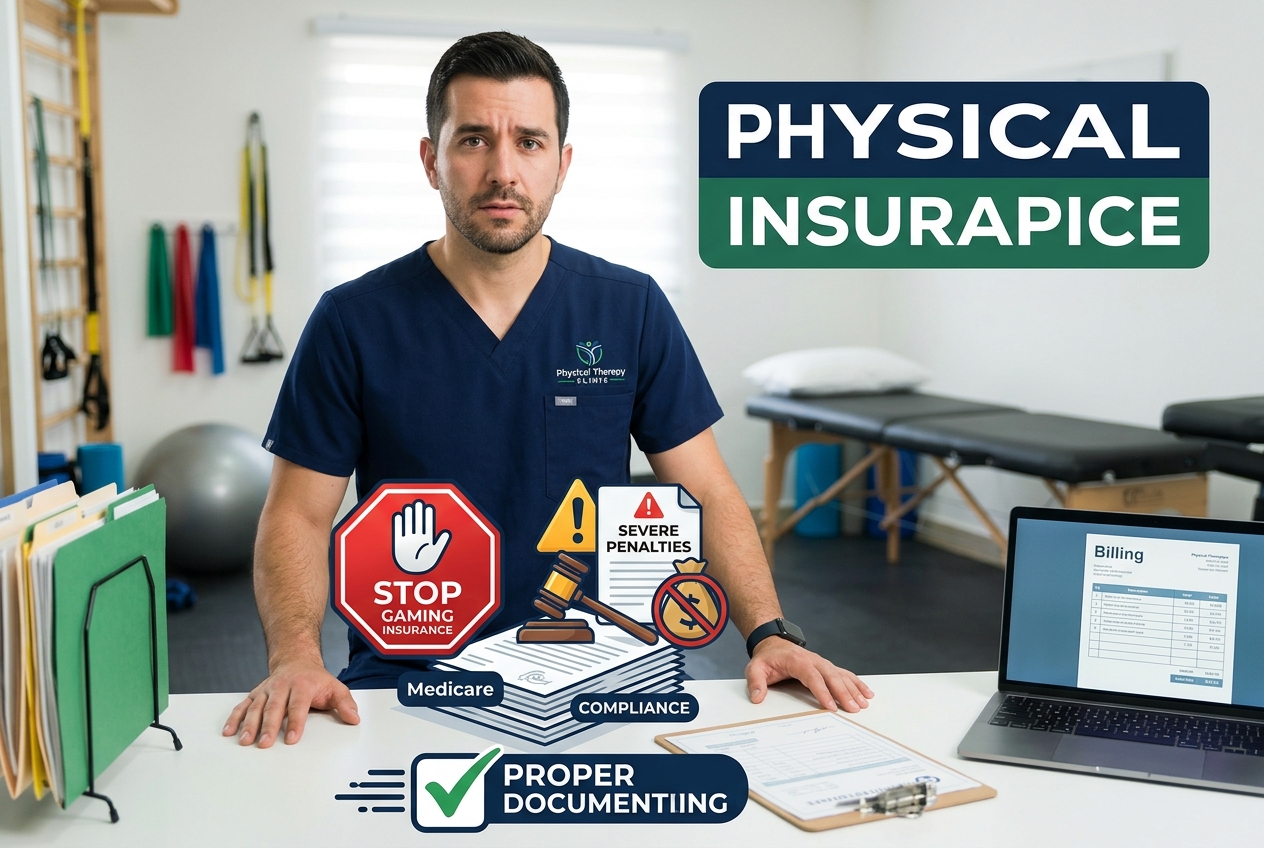
Physical Therapy Clinics Must Stop Gaming Insurance or Face Severe Penalties
Physical therapy clinics often face strict rules against billing practices like unbundling, upcoding, and overbilling, which are designed to prevent fraud and abuse in Medicare payments. While some providers try to bypass insurance caps or misrepresent services to increase revenue, these actions risk costly audits, legal penalties, and exclusion from Medicare programs. Clinics that follow proper documentation, billing codes, and Medicare regulations can avoid these risks and maintain sustainable operations despite reimbursement limits.

How to Pick a Health Plan Without Guessing Your Costs or Care
Choosing a health insurance plan means more than just looking at monthly premiums. The methods differ on how to use data about your doctors, medications, income, and expected care to avoid surprises like out-of-network charges or lost subsidies. Understanding these approaches helps you decide which plan truly fits your health needs and financial situation.
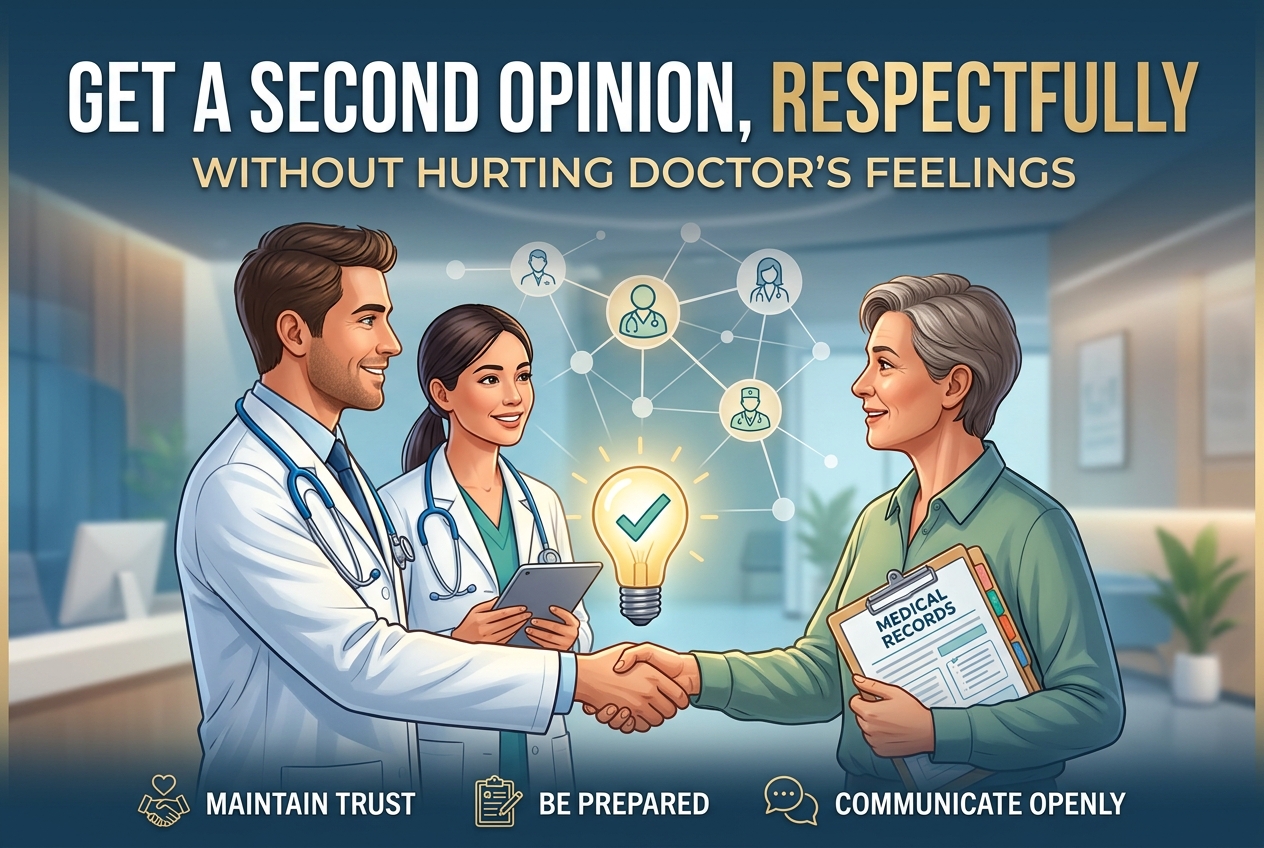
How to Get a Second Medical Opinion Without Hurting Your Doctor’s Feelings
Seeking a second medical opinion can feel delicate, but it’s essential for making informed health decisions. Different approaches emphasize respectful communication, organizing your medical records carefully, and addressing common emotional barriers like fear of offending your doctor. Understanding these varied strategies helps you confidently gather neutral facts and navigate insurance while maintaining a positive relationship with your healthcare provider.
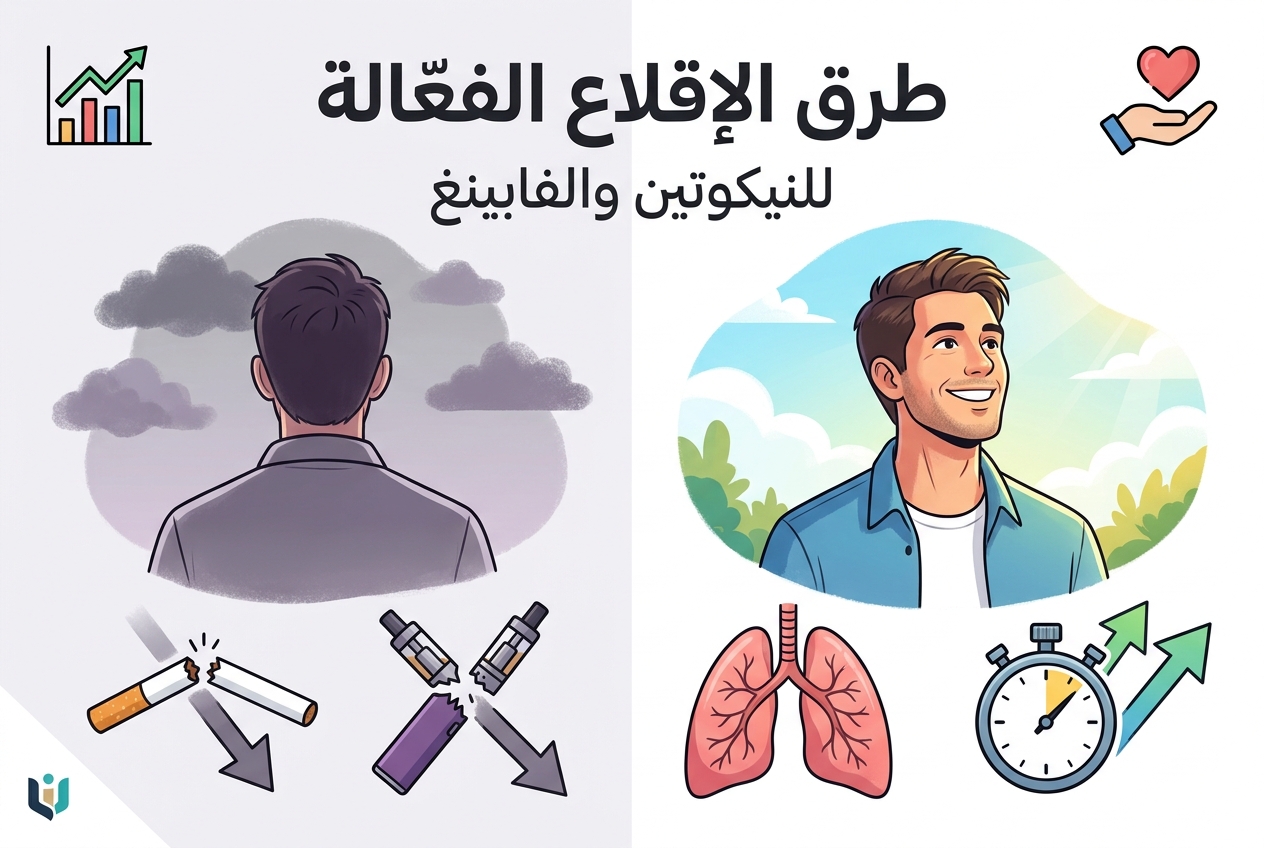
Which Quit Methods Actually Help You Stop Nicotine for Good
Quitting nicotine and vaping is challenging, and success depends heavily on the approach used. This collection reveals how methods differ in real-world effectiveness, from tailored support and 24/7 crisis counseling to policy impacts like flavor bans and the importance of rigorous data analysis. Understanding these differences helps you choose the method that best fits your needs and increases your chances of quitting for good.
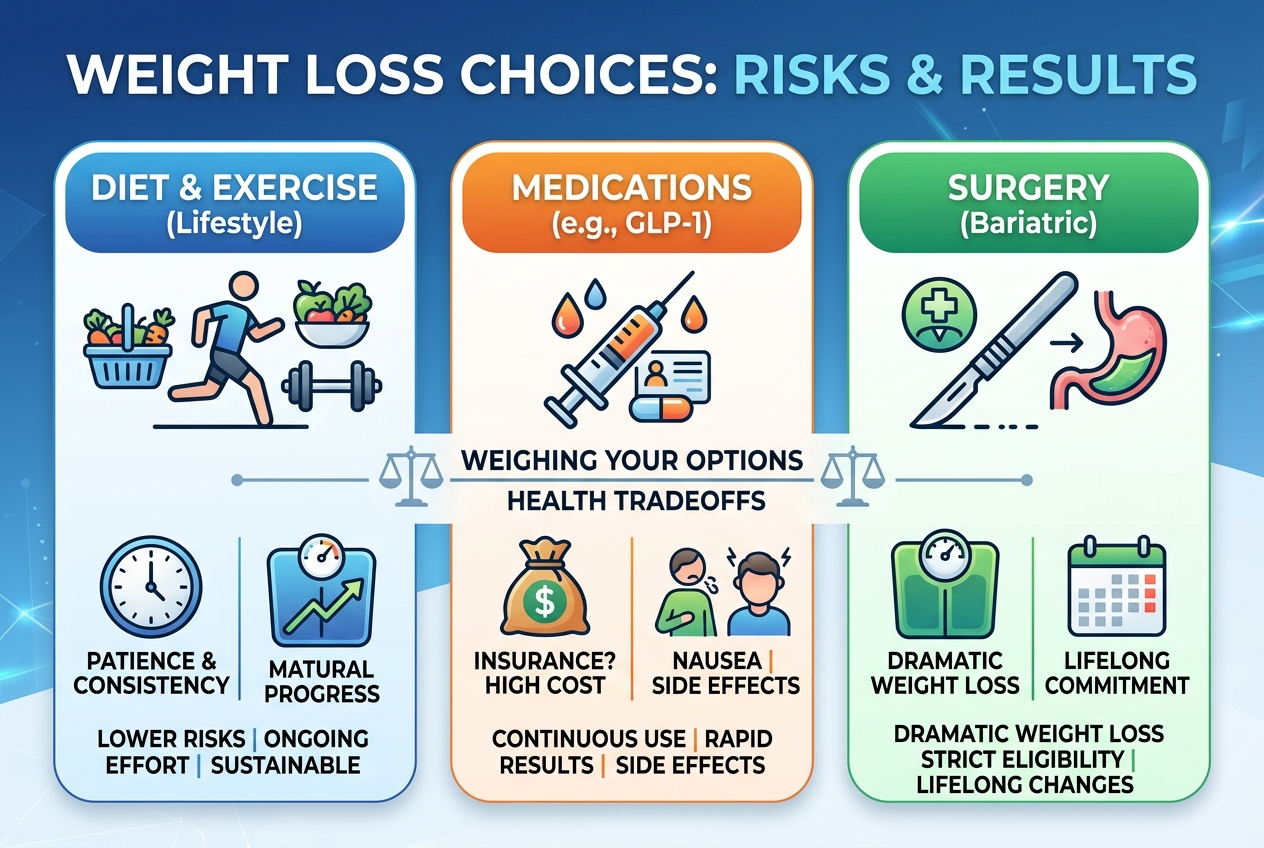
Weight Loss Choices, Real Risks, and What You Actually Get
Deciding between medication, diet and exercise, or surgery for weight loss means weighing realistic outcomes, ongoing commitments, and potential risks. Medications like GLP-1 require continuous use to maintain results but come with side effects and limited insurance coverage. Surgery offers the most dramatic weight loss but involves strict eligibility and lifelong changes, while lifestyle changes demand patience and consistency with more modest results.

Rising Autism Rates Reveal Gaps in Vaccine Safety Assumptions
Autism and other childhood disorders have increased alongside expanding vaccine schedules, challenging the assumption that vaccines are entirely safe. Evidence and expert calls for transparency show that vaccine safety has been oversimplified, and parents deserve honest information and freedom to make informed vaccination choices. The real path forward requires open investigation and respect for individual decisions rather than dismissing concerns.