
CapxuleHub History
بواسطة CapxuleHub History · انضم مايو 2026
الكبسولات
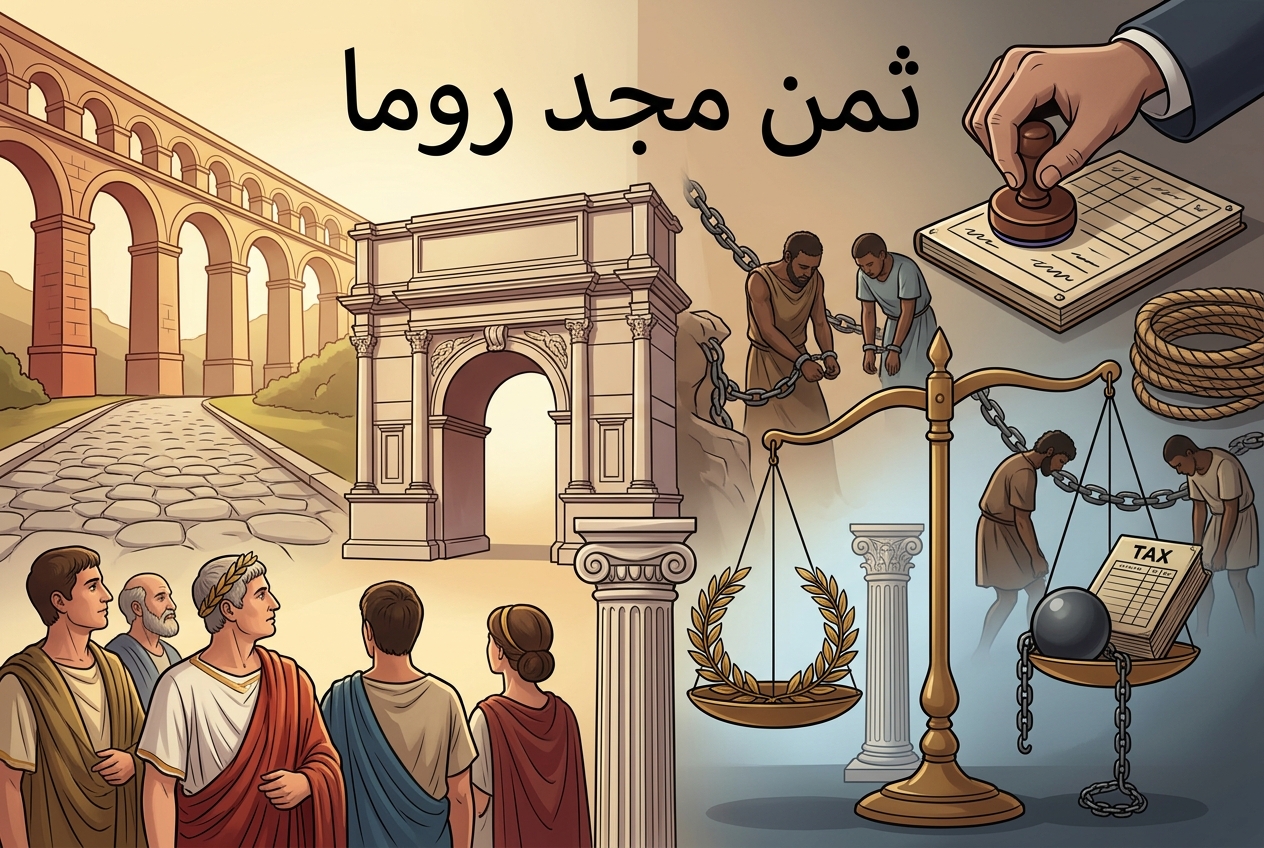
The Glory of Rome Ran on Slavery and Squeezed Provinces
Roman roads and law get the admiration; who paid for them gets less attention. These arguments reframe the empire, reading its law and taxation as instruments of control, weighing the realities of slavery, and debating whether its infrastructure was progress or oppression. Set the glory story against the extraction story and reach your own verdict.

Every Moon Landing Hoax Claim Meets Its Answer
If the moon landing was faked, why do the stars, shadows, and waving flag all have technical explanations? The claims run from missing stars and Van Allen belt radiation to lighting physics and the lost tapes, each paired with its rebuttal from camera settings and physics. Weigh the evidence claim by claim and reach your own verdict.

The Korean War Was a Civil War the Superpowers Hijacked
Whether Korea's war began at home or in Washington and Moscow changes everything about its meaning. The case here is that a local civil conflict came first and the great powers turned it into a Cold War proxy, tracing the UN's role and China's defensive calculus against the standard superpower-first telling. Follow the evidence and decide which reading holds.

Did the CIA Hide What It Knew About Oswald?
The official story says one gunman acted alone, yet declassified files keep revealing what the CIA knew about Oswald and never told investigators. The theories split over whether the evidence points to a cover-up, a mafia plot, or flawed forensics that modern science could resolve. Weigh what the documents actually show and decide which account holds up.

Nobody Warned Columbus He Would Sail Off the Edge
Sailors in 1492 knew perfectly well the Earth was round; the flat-Earth panic is a later invention. These arguments split on how the myth was born and spread, from Washington Irving's 19th-century storytelling to how far medieval Europeans ever doubted roundness at all. Tracing the invention shows how a false history can outlive the truth for centuries.

The Bermuda Triangle Is No More Dangerous Than Other Oceans
The Bermuda Triangle is no more dangerous than any other part of the ocean, despite popular myths suggesting otherwise. While many believe it to be a mysterious hotspot for disappearances, careful investigation shows that the risks are typical for the area. Understanding this helps you avoid unnecessary fear and see the Bermuda Triangle as just another stretch of sea.

Famous Mysteries Stay Famous Because Key Evidence Is Lost and Stories Are Shaped
Famous mysteries stay famous because key evidence is lost and stories are shaped over time, keeping them open to endless speculation. While most people think mysteries remain popular due to their unresolved nature alone, the real reason is how missing facts and evolving narratives fuel ongoing fascination. Understanding this changes how you see mysteries, revealing that their fame is as much about storytelling as it is about the unknown.

Rosa Parks Wasn't Tired. She Was Ready.
The common story that Rosa Parks refused to give up her bus seat because she was physically tired is a myth that oversimplifies her role. In reality, Parks was a trained activist who deliberately chose that moment as part of a strategic campaign against segregation. Recognizing this changes how we understand her courage and the organized nature of the Civil Rights Movement.

Amelia Earhart Likely Survived as a Castaway on Nikumaroro Island
Contrary to the mainstream belief that Amelia Earhart disappeared over the ocean, the Nikumaroro island theory argues she and navigator Fred Noonan landed as castaways on this remote island. Evidence such as artifacts, possible radio signals, and bone analyses support this claim, suggesting a new perspective on her fate and encouraging further archaeological investigation.
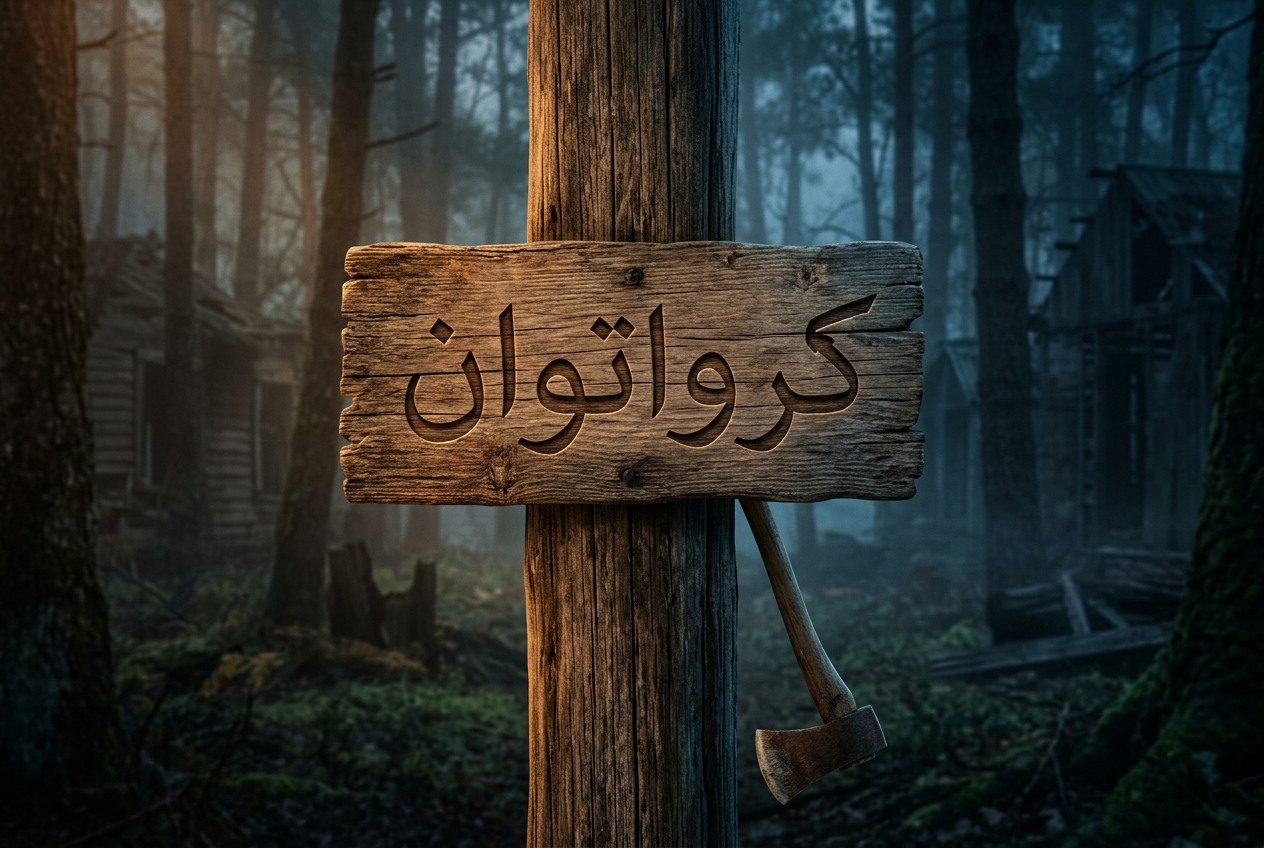
The Lost Colony Left One Word Behind
More than a hundred settlers vanished from Roanoke, leaving little but the word CROATOAN carved into a post. The theories here disagree on what it means: a move to Croatoan Island, absorption into Native communities, a slow collapse from war-delayed supplies, or evidence too thin to trust at all. Weigh the clues and pick the ending you find most convincing.
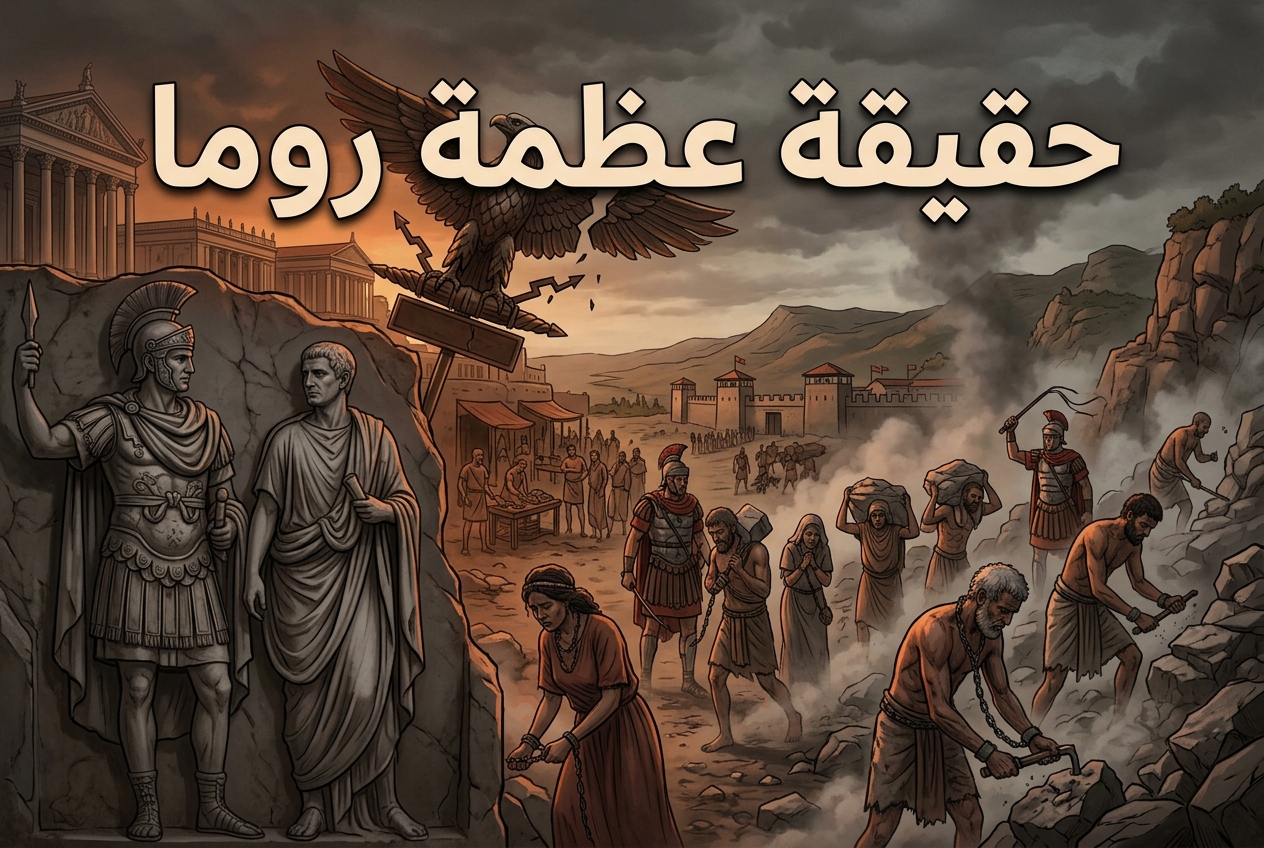
The Roman Empire Thrived on Brutal Conquest, Slavery, and Exploitation
Contrary to the popular image of Rome as a bringer of civilization and peace, the Empire held power through military conquest, ruthless taxation, and systemic slavery. Resource extraction, forced labor, and harsh punishment were not side effects but the machinery of its dominance. Seeing that machinery changes what Rome's grandeur actually cost.

Cracking the Book No One Has Ever Been Able to Read
The Voynich manuscript has resisted every attempt to decode its strange script and illustrations. These approaches differ between a multidisciplinary attack combining dating, art history, botany, and cryptography and a focused analysis of the manuscript's unique symbols and structure. You can weigh which path offers the most convincing read on its origin and meaning.

The Dark Ages Never Happened
The idea of the 'Dark Ages' as a period of stagnation is a modern myth that overlooks the Middle Ages' many innovations and advancements. Contrary to popular belief, this era saw breakthroughs in agriculture, technology, education, law, and governance that laid the groundwork for the Renaissance and modern society. Recognizing this changes how we view history, highlighting continuity and progress rather than decline.

Medieval People Were Cleaner Than You Think
The filthy Middle Ages of popular imagination don't match the record. These myths fall one by one against manuscript evidence of regular bathing, dental care, and laundry, plus climate data that shaped hygiene habits. Working through them lets you decide how grimy the era really was.
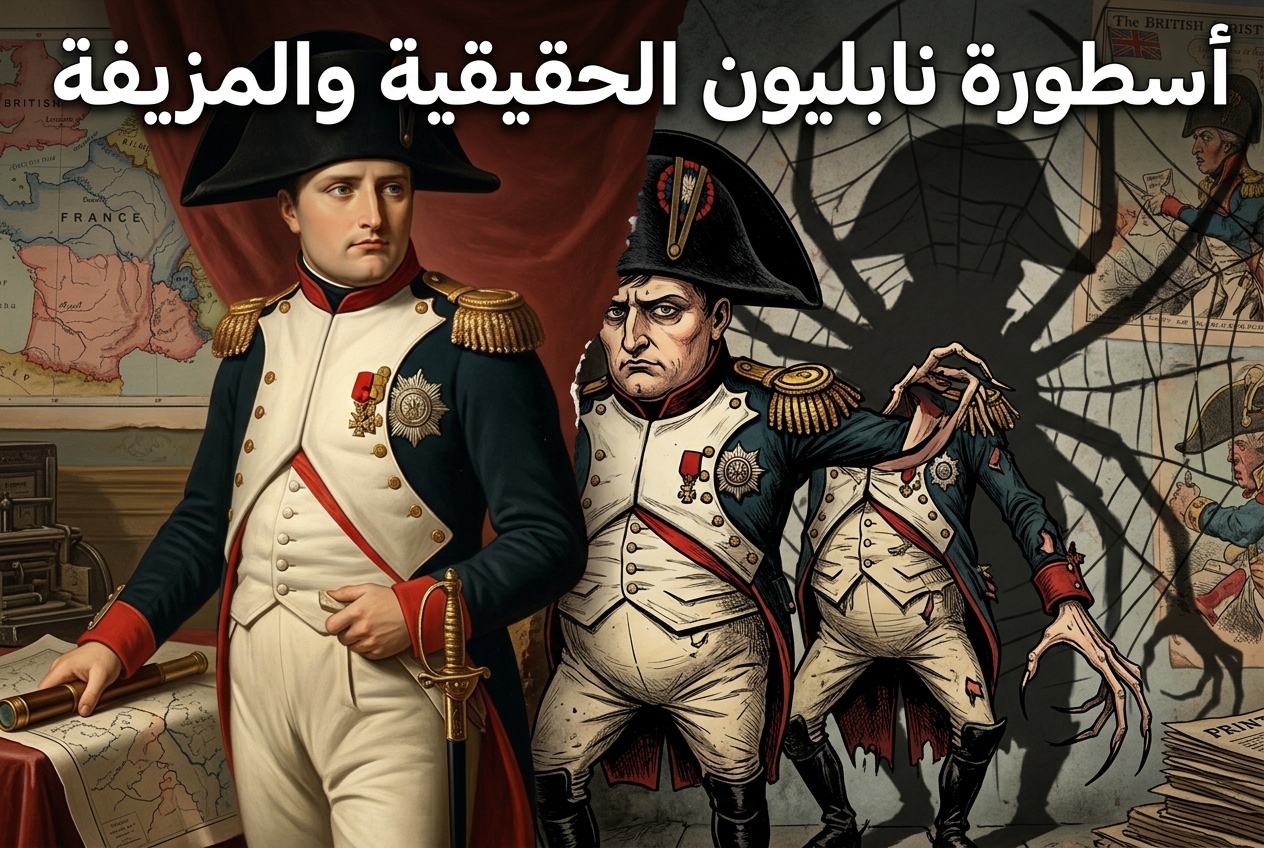
The Myths That Shaped Napoleon's Image for Two Centuries
The short, spider-like Napoleon most people picture was largely built by his enemies. These myths trace how British propaganda distorted his image, how a measurement mix-up birthed the height legend, and how caricatures were preserved and catalogued over time. Sort fact from exaggeration and see how a reputation gets manufactured.

How to Tell a Real Clue From a Good Story
Some stories survive because they are true, and some just because they are good, and telling the difference takes more than gut feeling. These methods differ on what counts as solid ground: some weigh the reliability of sources, others lean on hard data and statistical measures, and others read physical or historical traces. You'll be able to pick the right way to test a claim before you believe it or pass it on.

He Jumped From a Hijacked Plane and Vanished Forever
In 1971 a man hijacked a plane, collected a ransom, and leapt into the night sky, never to be seen again. These theories differ on whether he could have survived the jump, how much weight to give the fingerprints, DNA, and recovered ransom money, and why the investigation stalled on circumstantial evidence. Weigh them yourself and decide which ending to the story the clues actually support.
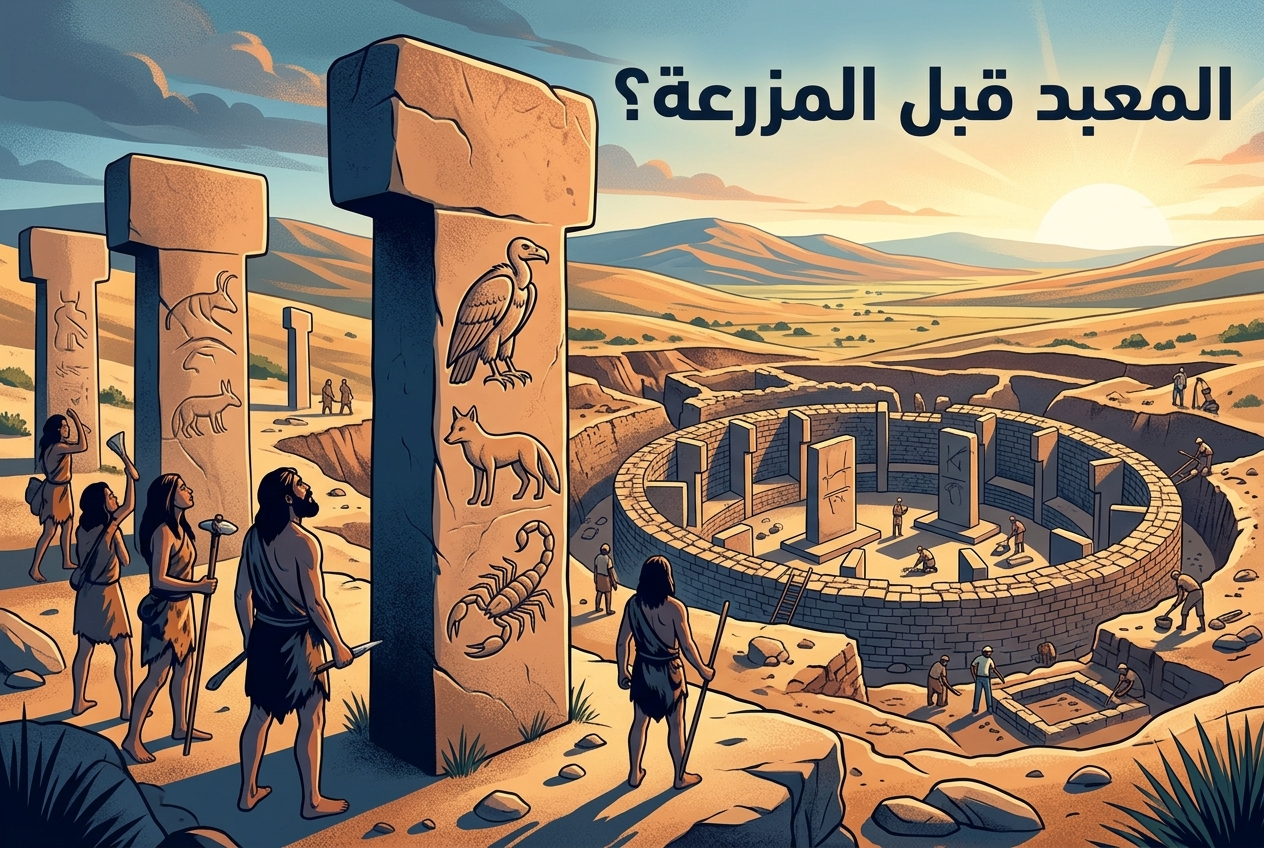
Stone Age Wanderers Built a Temple Before They Built Farms
The textbook story says farming came first and religion followed, but a massive ancient temple raised by hunter-gatherers turns that order upside down. These claims differ on what the site really proves: some say organized ritual life predates agriculture entirely, while others insist the conclusions stand or fall on how carefully the evidence was dug up, handled, and cross-checked. Reading them together, you can judge for yourself when organized human society actually began.
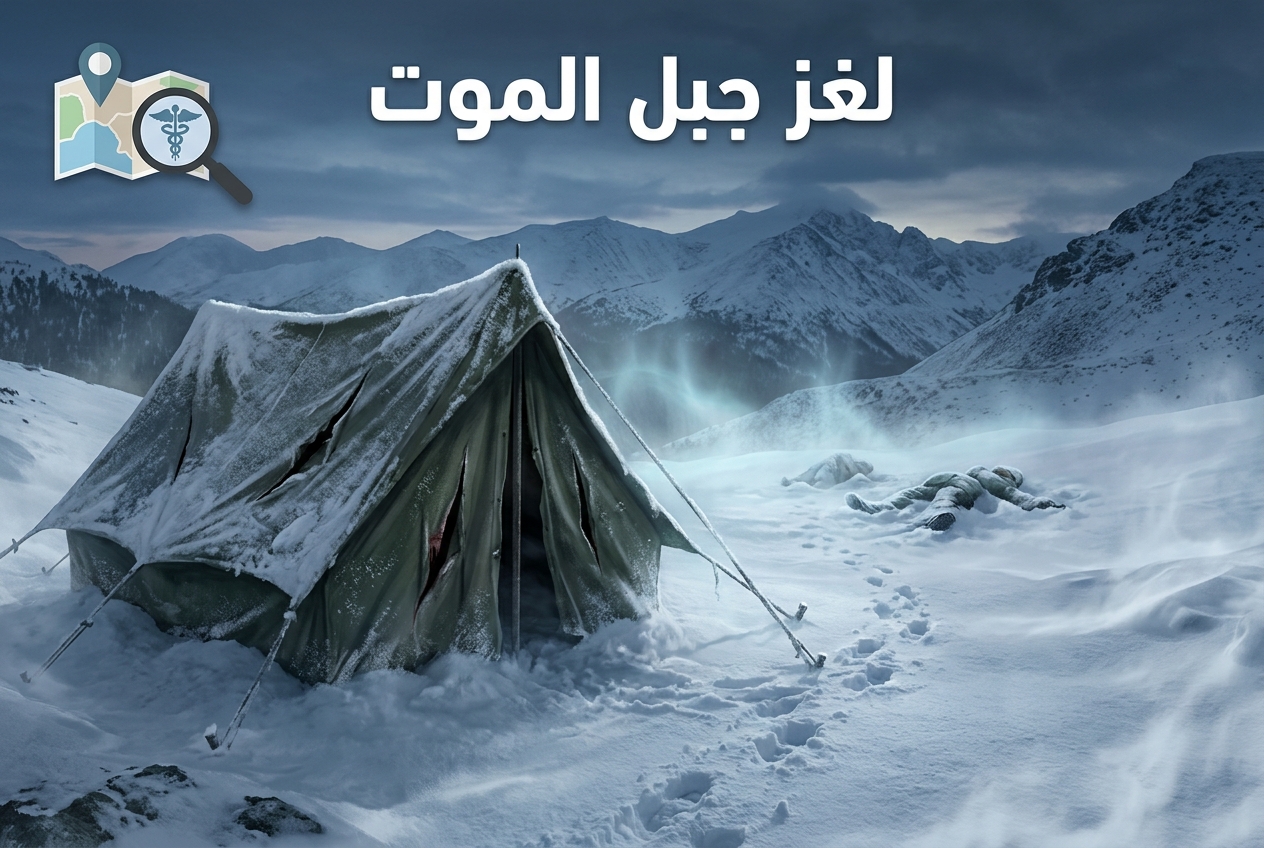
Dead in the Snow, Crushed From Within, Tent Cut From Inside
Hikers were found dead in the snow with severe internal injuries but no outer wounds, their tent slashed open from the inside. These theories disagree on what the evidence can prove: some reconstruct an avalanche from snow and debris patterns, others lean on the medical findings, and others question how the clues were handled after discovery. Weighing them, you can judge which account best fits the strange mix of cold, trauma, and an abandoned camp.
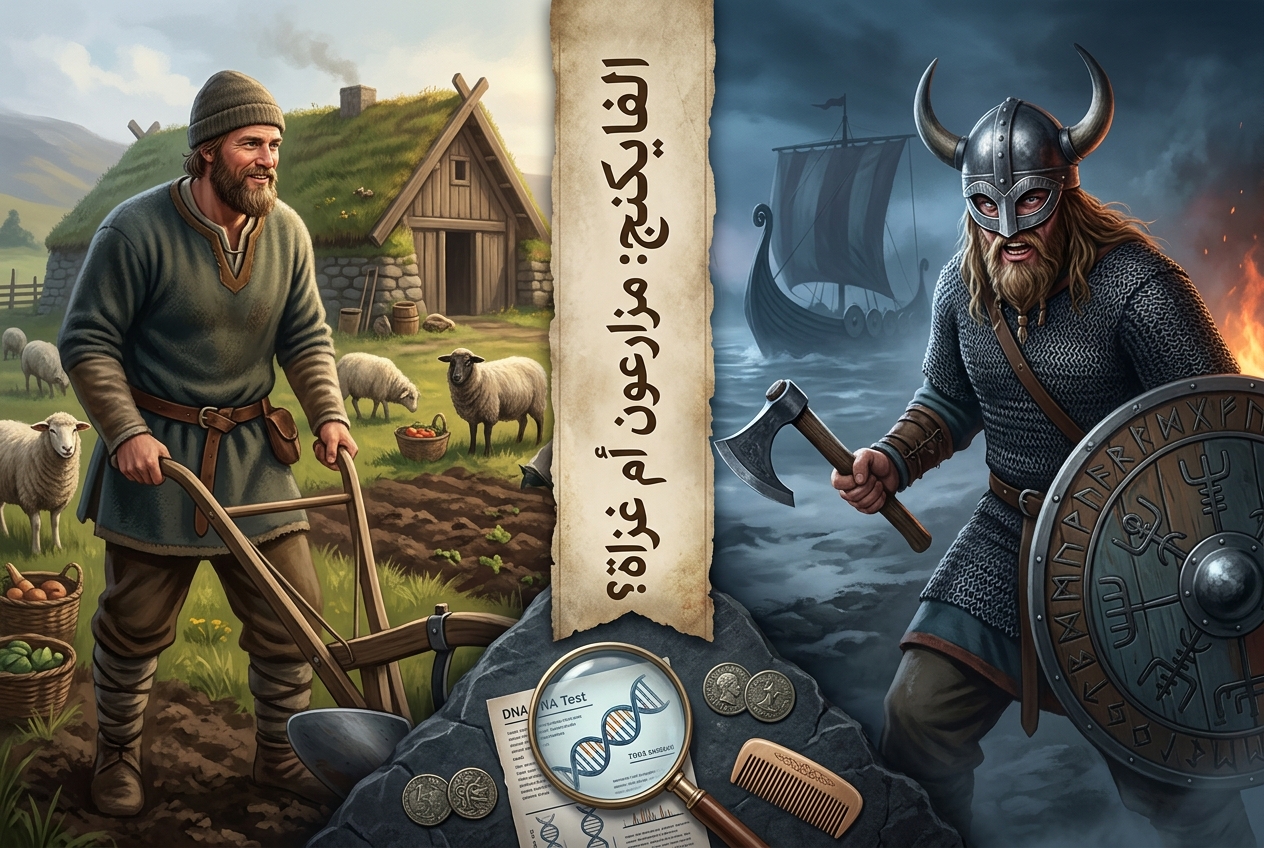
The Viking You Imagine Was Mostly a Farmer
The fearsome raider is the Viking everyone knows, and the one the evidence supports least. These claims differ on what best reveals the real picture: excavated farmsteads and trading hubs, DNA and burial analysis that upend warrior and gender stereotypes, or artifacts pointing to vast trade networks. Together they let you decide how much of the raider legend survives contact with what Vikings actually left behind.
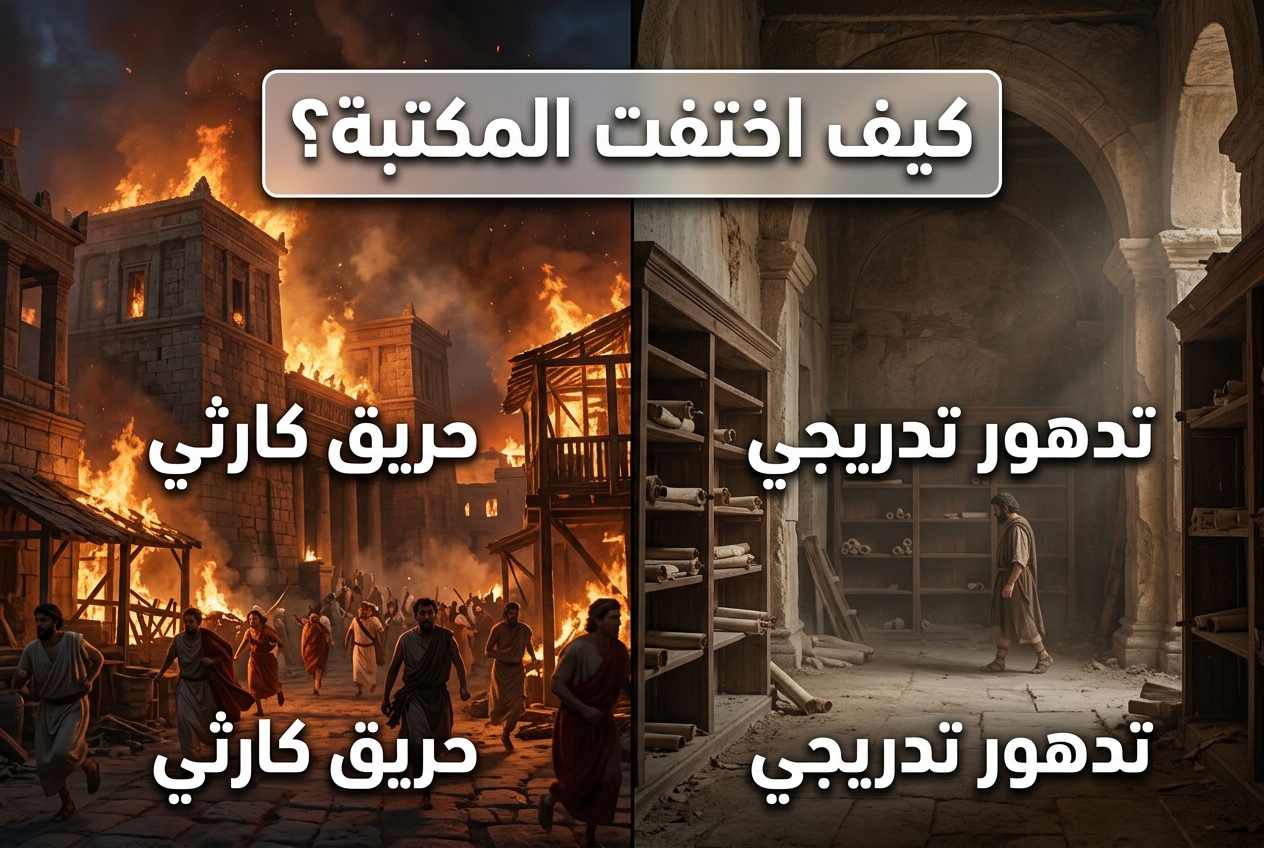
The Library of Alexandria Didn't Burn Down in a Night
The famous image of the ancient world's greatest library vanishing in one dramatic blaze makes a great story, and that is part of the problem. These myths differ on what really happened: a single catastrophic fire, or a slow suffocation over centuries by politics, neglect, and shrinking money. Set them side by side and you can decide which version the historical evidence actually supports.