
CapxuleHub Career
بواسطة CapxuleHub Career · انضم يونيو 2026
الكبسولات

Do You Perform Presence, or Simply Have It?
Walking into a room full of executives, some coaches tell you to engineer every gesture and vocal tone, while others insist quiet authenticity commands more respect than any performance. The techniques here span deliberate physical control, managing pressure, audience-adapted communication, and listening first. Test them against your own style to find the version of authority that holds up.

Your Calendar Is Eating the Work That Matters
If your best work only happens before nine or after five, the meeting load is the problem. The strategies range from company-wide meeting-free days and calendar blocking to interruption management and privacy-conscious monitoring, with top-down and bottom-up camps disagreeing on who should enforce focus. Weigh what actually protects concentration and pick the policy your team will keep.

How to Fire Someone Without Cruelty or a Lawsuit
A botched termination can wound the person leaving, spook the team staying, and land your company in court. The steps here cover legal compliance, secure offboarding, airtight documentation, and ending the relationship with genuine care, and they diverge on whether the letter of the law or the human comes first. Build the process that protects everyone in the room.

Stand-Ups and Retros That Grow Teams, Not Waste Time
Daily stand-ups and retros either build a team or burn everyone's morning. These approaches split on what keeps them honest: psychological safety first, ruthless action focus, async written updates with live time saved for connection, or strict question formats that keep things short. Weigh the structured against the lightweight and pick the rhythm your team will keep.

Remote Teams Don't Drift Into Trust, They Build It
A remote team that never shares a hallway has to make culture on purpose. These practices run from designed social rituals and explicit norms to transparency and recognition, and they split on whether cohesion should be engineered or left to grow organically. Choose the practices that fit your team and start building trust deliberately.
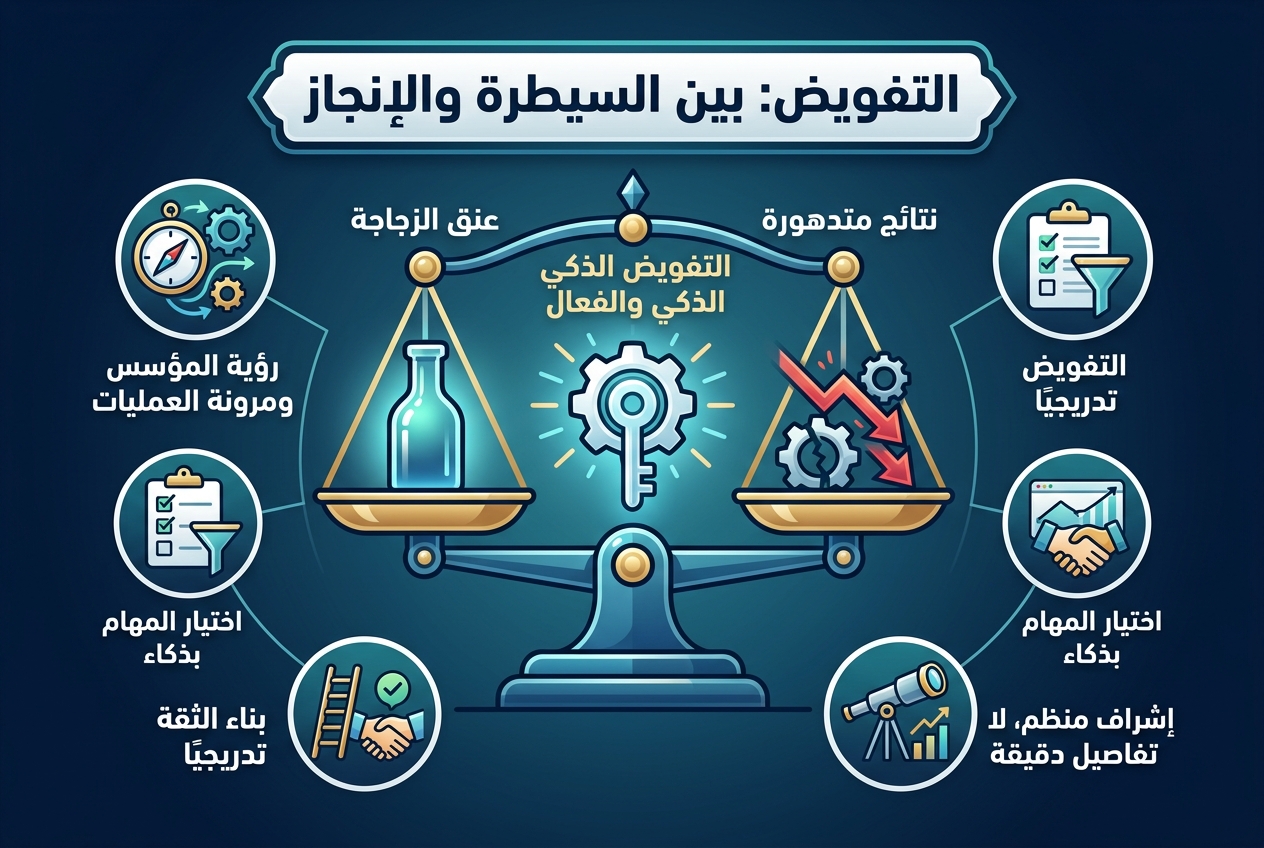
Hand Off the Work Without Losing Your Grip
Delegate too little and you become the bottleneck; delegate carelessly and outcomes slip. The approaches disagree on how close to stay: founders keeping vision while releasing operations, frameworks for choosing which tasks to hand off, gradual trust-building with tolerance for mistakes, and structured oversight that stops short of micromanaging. The balance you strike decides whether your team grows or just waits for your sign-off.

Negative Feedback That Builds Trust Instead of Breaking It
Hard feedback can either sharpen someone's performance or quietly end their trust in you. The techniques agree on making criticism specific, timely, and private, but part ways on tone, timing, and how collaborative the conversation should be. Weigh what preserves the relationship while still changing behavior, and pick the method that fits your team.

Memorized Answers Fail the System Design Interview
Interviewers can smell a rehearsed architecture, and the methods for preparing honestly point in different directions. Some start simple and iterate, others drill core systems until they are second nature, and others train the curiosity to reason through database choices and trade-offs live. Picking the method that matches how you think is what keeps you from freezing at the whiteboard.

Knowing When to Ask for Help Keeps You in Control
Many believe self-reliance means handling everything alone, but this approach overlooks the power of strategic support. By clearly communicating your needs and seeking help when challenges exceed your capacity, you maintain authority over your situation rather than losing control. Embracing help at the right time ensures you stay engaged and lead effectively through complex or emotional challenges.

When Is the Side Project Ready for Your Resignation?
Leaving a paycheck for a side project is a one-way door most people time badly. These approaches disagree on what must be true first: a financial safety net, a validated market, a built-out network, or ruthless task discipline while still employed. Test your own readiness against each before you hand in notice.

That Remote Job Posting May Not Be Remote at All
Behind every remote listing is a hiring strategy, and some hide bait-and-switch terms or outright scams. These strategies show where companies really recruit, from trusted job boards to the hidden market reached through networking, and differ on how much risk a candidate should accept. Learn to verify a role is genuinely remote before you commit.

What Happens When Everyone Knows What Everyone Earns
Pay transparency is spreading, but posting a range in a job ad is only one lever. These approaches differ on whether real progress comes from mandatory disclosure, internal pay audits and equity plans, or government enforcement rather than voluntary employer action, and on how to tell whether any of it narrows wage gaps. Judge which levers actually deliver fair pay.

Your Calendar Is Being Stolen an Hour at a Time
An executive's calendar fills itself unless someone defends it, and the defenses disagree. These tactics split on rigid deep-work blocks at peak energy versus flexible scheduling that adapts to shifting priorities, batching meetings versus spreading them out, and how much control an assistant should hold to stop time theft. How you architect the week decides whether your most important work ever gets hours at all.

The Conversation You Keep Avoiding at Work Is Costing You
Unsaid feedback and dodged conflict quietly compound into resentment, stalled projects, and missed promotions. These approaches split on the way in: structured dialogue steps that build mutual respect, active listening and collaborative negotiation, or first dismantling the cultural barriers that make speaking up feel dangerous. The right fit depends on your workplace and how high the stakes have climbed.

Why New Managers Can't Let Go of the Work
Moving from star performer to first-time manager means the habits that got you promoted start working against you. The approaches here split between tight delegation with regular follow-ups, building trust through psychological safety and each person's strengths, and reshaping your own identity from doer to enabler. Which one fits depends on your team, and getting it wrong turns you into the bottleneck.

The Fear of the Stage Can Be Trained Away
Your heart pounds before a talk because your brain treats the audience as a threat. These techniques disagree on the fix: gradual exposure and rewiring negative thoughts, breathing and pacing to manage the surge, putting the audience first with authentic engagement, or relentless practice with recording and feedback. Match the technique to how your fear actually shows up and work at it deliberately.

A Robot Reads Your Resume Before Any Human Does
Your resume has to survive parsing software before a recruiter ever sees your name. These tactics split on how far to bend to the machine: strict formatting rules to avoid parsing errors, running your file through the same software recruiters use, or writing for the human reader first and trusting clean structure to pass. The balance you strike decides whether you get filtered out or called back.

Your First Months as a Manager Set Everything After
New managers rarely fail from lack of skill; they fail from picking the wrong early priorities. The approaches split over what comes first: structured onboarding and mentorship, mastering clear and timely feedback, building psychological safety, or a cautious relationship-first start with careful delegation. Decide where your team's trust and performance need you most in the critical early months.

Your Boss Is the Problem. Now What?
A bad boss can wreck your work life faster than any workload. These approaches range from cautious self-protection and tactical silence to proactive communication, empathetic managing up, and planning a clean exit. Weighing them against your own situation tells you whether to repair the relationship or leave it.

Staying Loyal to Your Employer Quietly Costs You Money
If you've stayed put while colleagues switched jobs for raises, the wage gap is real and measurable. The findings differ on what drives it: career interruptions and stigma, job levels mattering more than occupations, or the trade-off between internal promotions and outside offers. Use them to decide whether your next raise comes from staying or leaving.

Consistent, Genuine LinkedIn Content Builds Career Authority, Not Viral Posts
Contrary to popular belief that viral posts or flashy content drive LinkedIn success, this approach emphasizes steady, authentic engagement and expert positioning within a niche. By focusing on clear messaging, meaningful conversations, and native content formats that encourage saves and long comments, professionals build trust and visibility that attract recruiters and career opportunities. Following this strategy shifts attention from chasing likes or sales pitches to cultivating real connections and lasting influence.

Should You Say a Salary Number First?
Name a number first and you might anchor the whole negotiation in your favor, or lowball yourself out of thousands. These tactics split on whether to set a high anchor or wait for the employer's offer, and on how competing offers, counteroffers, and psychological pressure shape the outcome. Walk in knowing which move fits your leverage.

Why 'Follow Your Passion' Keeps Backfiring
Passion-first career advice sounds inspiring right up until it stalls a career. These arguments contend that passion is built through practice rather than found, that success creates passion and not the reverse, and that treating passion as fixed makes people quit too soon. Together they make the case for leading with competence and letting passion catch up.

Your First 90 Days Decide If a New Job Works Out
Skills alone will not carry you through a new job; the first ninety days are won by reading the informal networks and politics around you. Engage the key people early, surface the hard issues before they fester, and time your first moves with care to build influence instead of drifting into isolation. Handle this stretch well and it becomes a launchpad rather than a trial.

Switching Careers After 30 Isn't Starting Over
Changing careers mid-life means facing ageism, imposter syndrome, and the fear that your experience won't transfer. These strategies diverge on the fix: leaning hard on transferable skills, reframing gaps as growth, or test-driving a new professional identity before you leap. Comparing them helps you plan a pivot that trades on your experience instead of apologizing for it.

Skip the Networking Mixer, Count Who Actually Shows Up
If you feel unsupported despite a big contact list, the problem may be how you are counting. These measures differ on what support really is: emotional versus practical help, the support you believe you have versus what you actually receive, and the surprising power of loose acquaintances over formal networking events. Pick the measure that matches your goal and you will know where your reliable help really comes from.

Will AI Really Take Your Job or Just Change It
The impact of AI on jobs depends on how well AI can replace specific tasks without needing complex problem solving, teamwork, or quality checks. Some factors show AI creating millions of new jobs while displacing others, with many workers needing upskilling rather than full replacement. Different perspectives highlight whether AI’s effects will lead to net job loss, transformation, or growth, helping you understand the real odds of displacement.

Why Python Outlasts Excel for Career Growth
Choosing between Excel and Python as a career skill hinges on lasting value, expert support, and workplace realities. Some argue Excel remains essential for quick tasks and legacy systems, while others highlight Python’s superior adaptability and community backing for long-term advancement. This collection reveals where these arguments diverge, helping you decide which skill aligns best with your career goals and work environment.

What No One Tells You About Your First Year as a Nurse
The first year of nursing exposes you to unexpected challenges like overwhelming time pressure, understaffing, and role conflicts that can make shifts feel longer and more stressful. Different realities show how managing administrative duties, developing time-management skills, and relying on support systems can shape your experience and help you decide how to adapt and thrive in this demanding role. Understanding these realities reveals the unseen struggles and concrete facts that prepare you for what lies ahead.

How to Land a Tech Job Without a Degree or Bootcamp
Breaking into tech without formal credentials means choosing the right path to prove your skills. Some focus on building real projects and portfolios that solve problems, while others rely on certifications or hands-on labs to demonstrate expertise. Networking and strategic job searching also play crucial roles, and understanding these different approaches helps you decide how to best show employers you’re ready for the job.

Is an MBA Really Worth It for Your Career and Wallet
Deciding whether grad school or an MBA is worth the money depends heavily on your personal goals, financial situation, and career plans. Evaluations differ on how to weigh the costs like tuition and lost income against potential salary boosts, career advancement, and market demand. This collection guides you through data-driven analyses, opportunity cost considerations, and financial models to help you determine if the investment aligns with your specific ambitions and timing.

Why Taking a Counteroffer Often Harms Your Career More Than It Helps
When you consider a counteroffer after deciding to quit, the key question is whether it truly resolves the reasons you wanted to leave. Counteroffers differ on whether they address underlying issues like trust, growth, and job satisfaction or simply offer a short-term pay bump. Understanding these differences helps you decide if accepting a counteroffer supports your long-term career or just delays an inevitable exit.

How to Win Job Negotiations Without Another Offer in Hand
Negotiating a job offer without competing bids requires different strategies that focus on your unique value, timing, and understanding the employer’s constraints. Some approaches build leverage by highlighting your fit and potential impact, while others rely on patience and strategic concessions to influence the offer. This landscape helps you choose how to position yourself—from using your financial runway to engaging advocates—so you can confidently negotiate even when you lack traditional leverage.

How to Answer 'Tell Me About a Time' Without Freezing in Behavioral Interviews
Behavioral interviews demand clear, structured stories that highlight your role and impact. Different methods guide you to frame your answers by focusing on the problem, your actions, and measurable results while keeping your response concise and engaging. Understanding these varied approaches helps you choose the best way to organize your experience and avoid freezing when faced with tough questions.

Why Leading Others Is Tougher Than Doing the Work Yourself
Stepping into your first management role means shifting from focusing on your own tasks to enabling your team’s success. The principles differ on how to communicate expectations, delegate effectively, and build trust by empowering others rather than controlling every detail. Understanding these differences helps new managers decide how to balance letting go of direct control while taking full responsibility for their team’s outcomes and growth.

Quit Your Job Without Another If You Can Afford the Risk
Leaving a full-time job without another lined up can protect your mental and physical health if your current job is harmful, but it demands careful financial preparation. The mainstream advice to secure a new job first overlooks the reality that with at least six months of savings and a solid financial plan, quitting can be a strategic choice rather than a desperate risk. By understanding your financial runway and risk capacity, you can make a confident break that prioritizes well-being over uncertainty.

Why Academia’s Pay and Job Security Leave Many Adjuncts Struggling
Academic jobs often promise prestige but hide deep economic challenges, especially for adjunct faculty who face low pay, delayed wages, and no benefits. The claims reveal contrasting views on tenure security, grant funding, and the systemic reliance on underpaid, temporary instructors, exposing a cycle where many educators endure poverty and instability despite decades of service. Understanding these differing perspectives helps reveal why adjuncts remain trapped in precarious roles while institutions benefit from their labor.

What Nobody Tells You About Real Estate Agent Income and Costs
Becoming a real estate agent means facing unpredictable income with bills that don’t stop coming. These realities differ on how agents manage expenses like desk fees, commission splits, and reinvestment strategies, plus how they handle lead generation and client relationships to survive and thrive. Understanding these hidden financial challenges helps you decide if this career fits your tolerance for risk and planning.
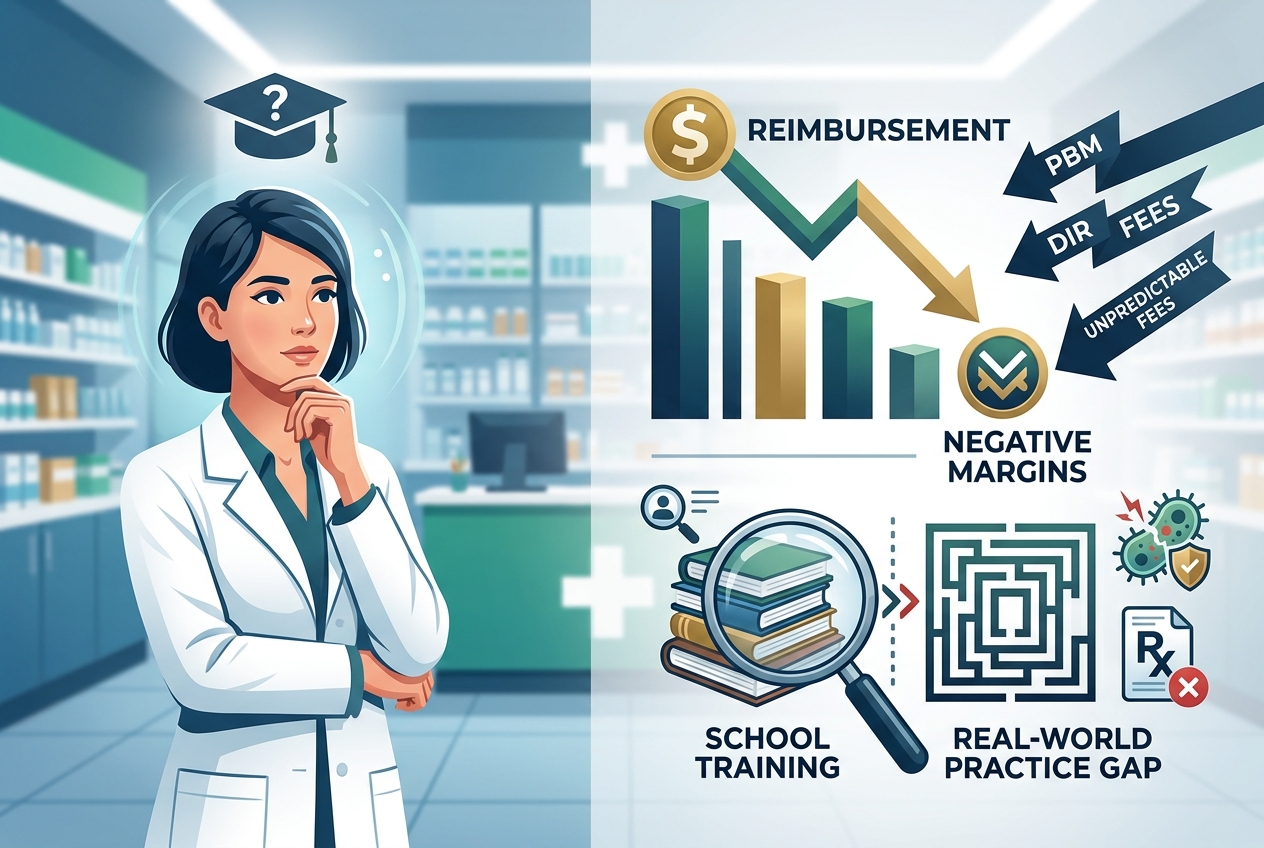
Why Pharmacy School Misses the Real Financial Struggles Pharmacists Face
Pharmacists often encounter hidden financial challenges that pharmacy school does not prepare them for, such as opaque reimbursement systems controlled by pharmacy benefit managers and unpredictable fees that can push pharmacies into negative profit margins. This knowledge capsule reveals how these challenges differ—from job hunting realities and practice gaps to antibiotic resistance pressures—and equips pharmacists to understand where these issues impact their daily work and financial stability.

What Law Firms Don’t Tell New Lawyers About Making Money
Law firms’ revenue depends on more than just billable hours—hidden factors like realization rates, client payment struggles, and self-promotion efforts shape actual income. Facts about firm size and scale, lawyers’ side income sources, and global problem resolution data reveal sharply different realities about how firms earn and collect money. Understanding these facts helps new lawyers see where firms truly make or lose revenue and what that means for their careers.

Quitting Your Job Without a Backup Is Risky but Sometimes Right
Deciding to leave your job without another one lined up can feel reckless or liberating depending on your preparation and mindset. Some approaches emphasize having a solid financial safety net and clear documentation, while others highlight the personal growth and grace found in taking bold leaps. This collection reveals how timing, savings, rights, and even spiritual perspectives shape whether quitting is a calculated risk or a leap of faith.
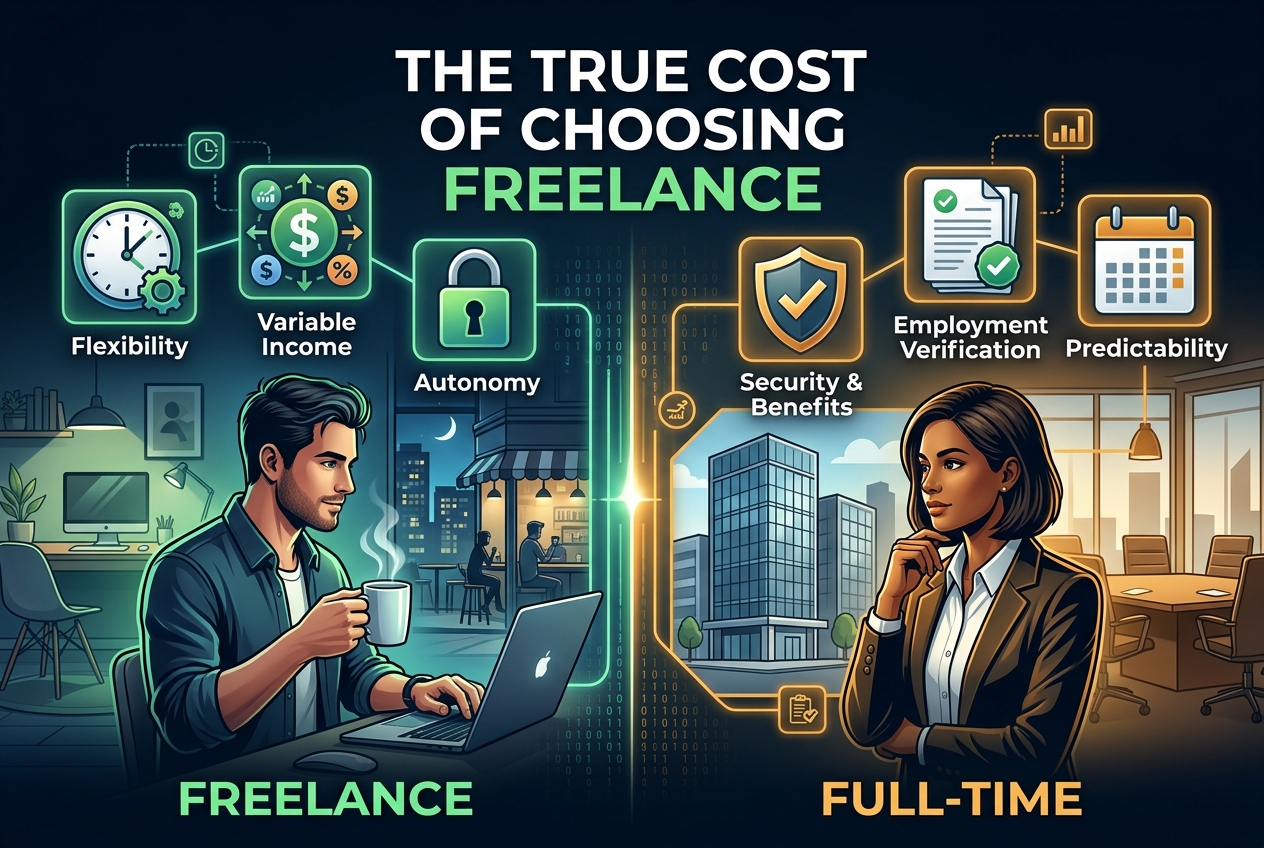
What You Really Give Up When You Choose Freelance Over Full-Time Work
Choosing between freelance and full-time employment means trading off more than just income. This topic reveals how security, verification demands, job stability, and submission rules shape your experience and risks in each path. Understanding these distinct trade-offs helps you decide what matters most for your career and lifestyle.

When Your Boss Says No Money, Here’s How to Get a Raise Anyway
Getting a raise despite budget objections requires understanding the real power dynamics and using evidence of your impact to negotiate creatively. Some approaches focus on building a documented case of accomplishments and financial value, while others reveal how to influence decision-makers beyond official budget limits. You’ll also learn when to accept alternative compensation and how to persistently follow up to turn a no into a future yes. This topic shows how perception, timing, and strategic communication shape your chances of success.