
Becoming a Multiplanetary Species Is Humanity’s Path to Near-Immortality
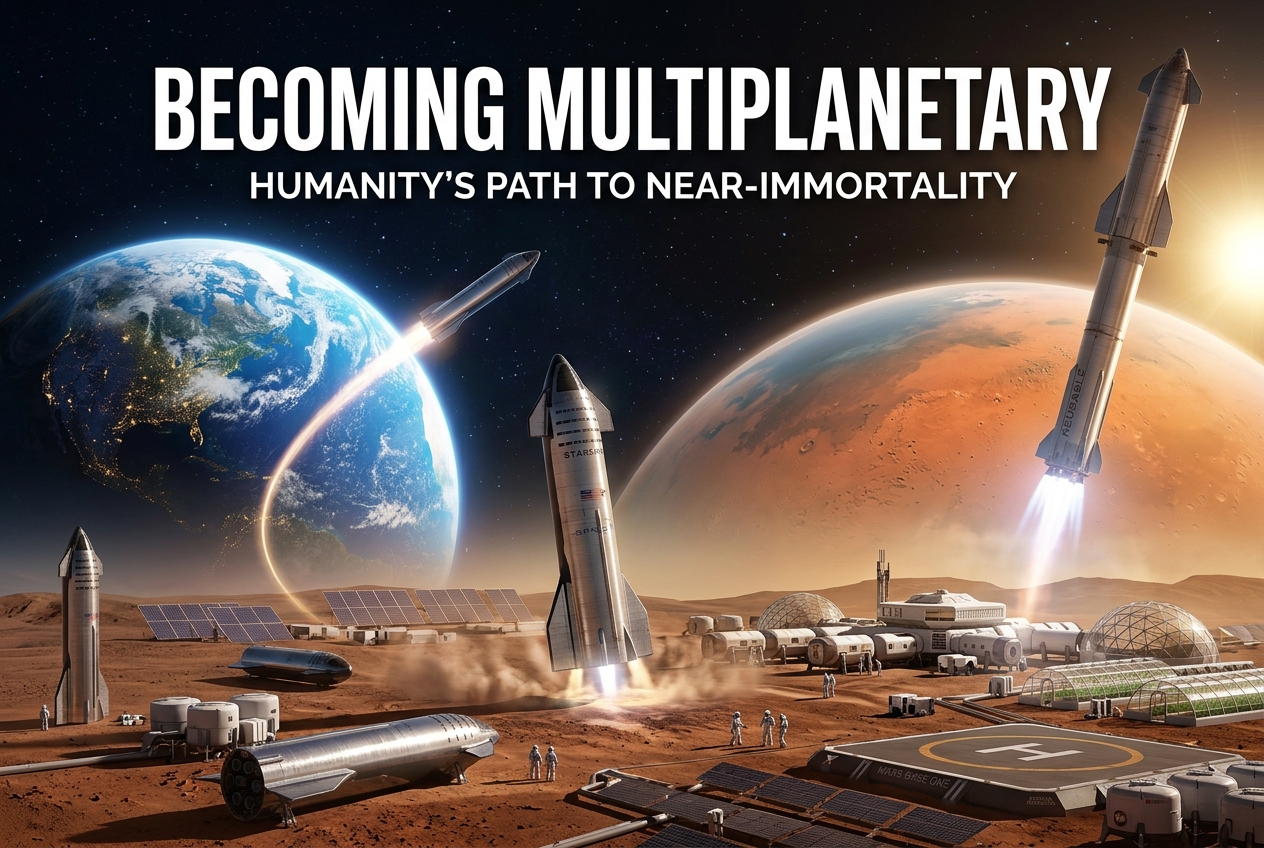
About this Capsule
Humanity’s deepest drive to escape death has evolved from saving individuals to preserving the entire species by expanding beyond Earth. The failure of Apollo was not a lack of vision but the prohibitive cost of disposable rockets, making repeated space travel impossible. Breakthroughs in reusable rockets, orbital refueling, and Mars propellant production now offer a viable path to sustainable colonization, making the first human settlement on Mars a historic turning point for life itself.
Human missions to Mars face huge challenges like costly spacecraft, harsh planetary environments, and the need for advanced technology to ensure crew safety and mission success. Innovative strategies including orbital refueling, robust heat shields, and large crew habitats aim to turn multi-planetary life from dream into reality by 2034.
Generic AI vs This Capsule
Preview“What is actually involved in sending humans to Mars?”
Generic AI
“Sending humans to Mars is not just “build a big rocket and go.” It is a whole system of launches, habitats, propulsion, life support, landing technology, surface infrastructure, return vehicles, medical planning, and long-term funding. A Mars mission would likely be one of the most complex engineering projects ever attempted.
Here is what is actually involved.
1. Choosing the mission architecture
Before building hardware, planners have to decide the overall mission design:
Main questions
- Do astronauts go directly to Mars or assemble vehicles in Earth orbit?
- Do they land immediately or orbit Mars first?
- Do they stay for a short time or for over a year?
- Is the return fuel brought from Earth or made on Mars?
- Are supplies sent ahead robotically?
- How much risk is acceptable?
Most serious concepts involve pre-positioning cargo before the crew leaves Earth. That...”
This Capsule
“Sending humans to Mars is not mainly a “bigger rocket” problem. The hidden problem is economic reuse: without refilling in Earth orbit, the Mars ship would need a 3-stage vehicle 5–10× larger, and ticket cost rises about 500%. The whole architecture exists to cut the cost by roughly 4.5 orders of magnitude — about a 5 million percent reduction — from Apollo-style Mars pricing near $10 billion per person toward something closer to the price of a house.
Here is what is actually involved.
1. Build a fully reusable launch system
The Apollo model cannot colonize Mars because every mission throws away an enormous machine. Saturn V-style expendability leads to heroic flags-and-footprints missions, not settlement.
The Mars architecture requires a fully reusable system: booster returns to Earth, ship returns from Mars, tankers are reused, refurbishment is minimal. This is why reusable boos...”
Becoming a Multiplanetary Species Is Humanity’s Path to Near-Immortality
Free
Sign in to buyCapxuleHub Science
View profile
Related in Science
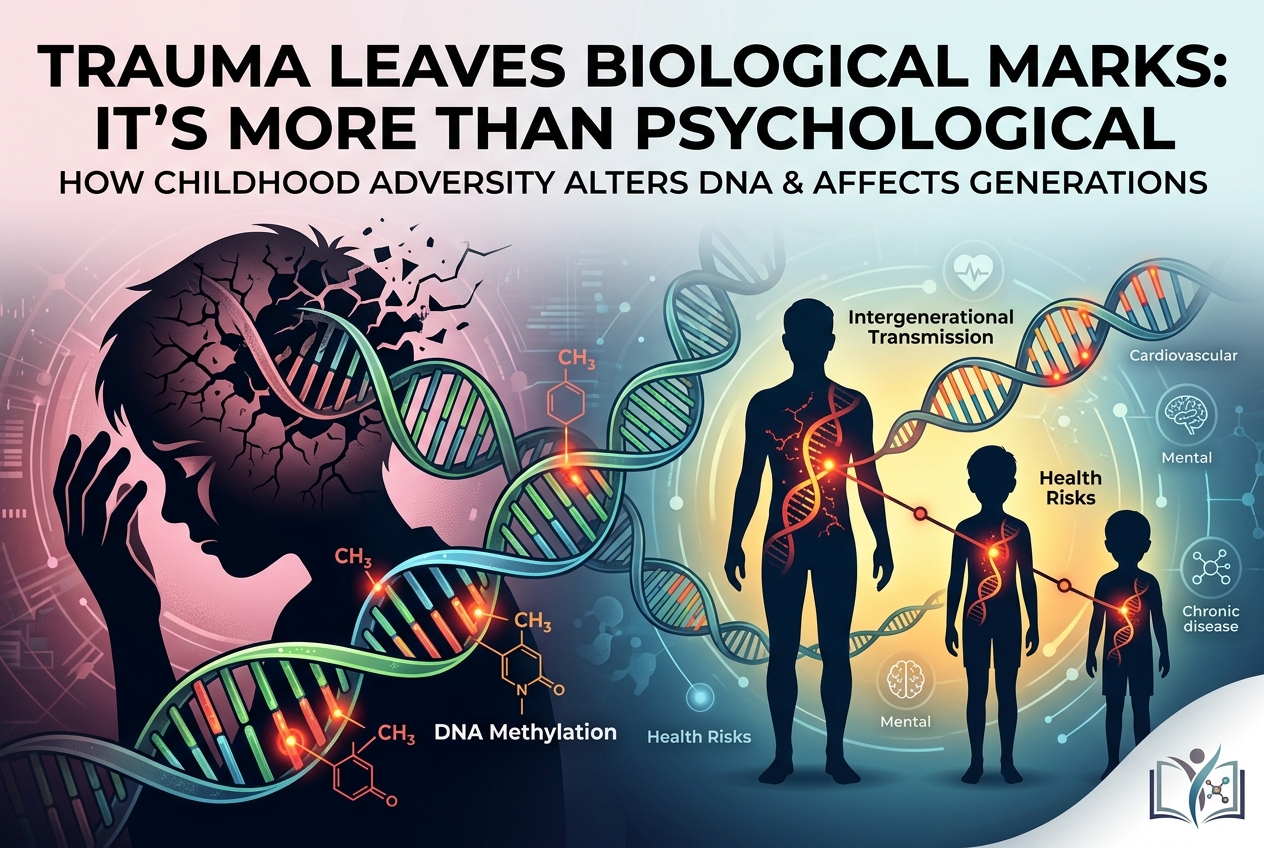
Childhood Trauma Changes DNA and Health Across Generations
Childhood trauma does not just leave psychological scars; it leaves chemical marks on DNA that can pass to children and grandchildren, raising their risk of chronic disease. That runs against the mainstream view of trauma as a purely psychological injury confined to one generation. If the biology holds, it changes practice: screen earlier, study families across generations, and treat the body along with the mind.
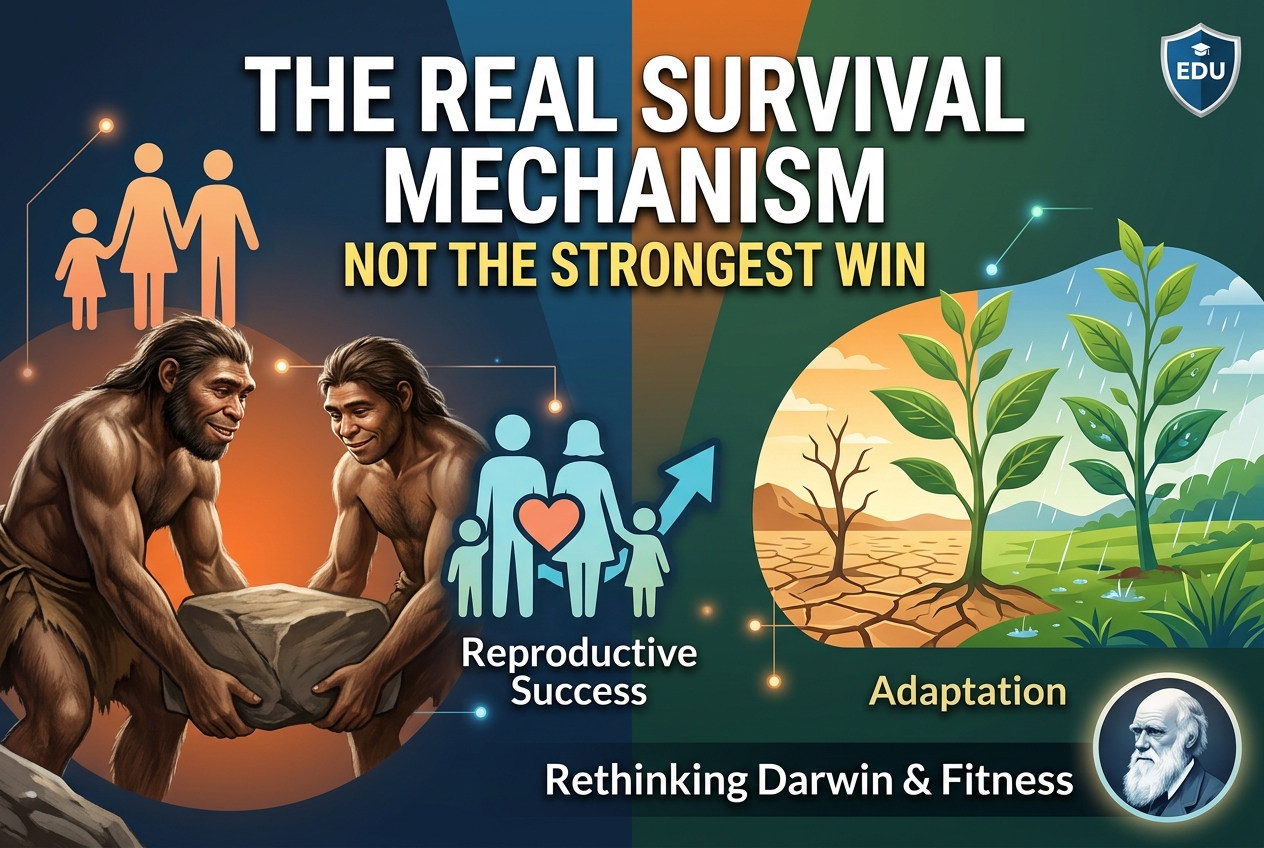
'Survival of the Fittest' Never Meant the Strongest Win
The phrase gets used to justify ruthless competition, which is nearly the opposite of what it describes. These explanations correct the record: fitness means reproductive success and adaptability, Darwin emphasized cooperation and even compassion, and the famous wording was not originally his. Rethink what actually drives survival before you borrow the phrase again.
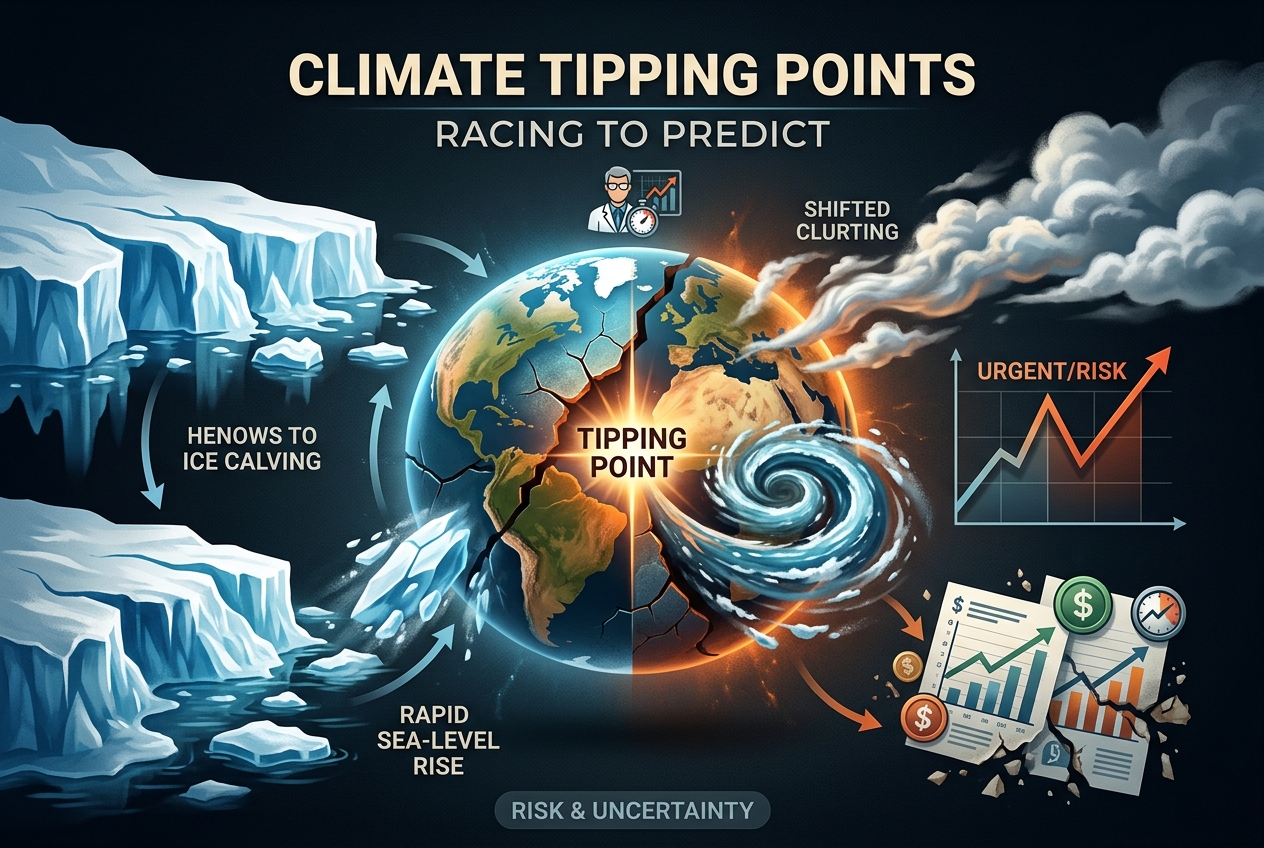
The Climate Tipping Points Scientists Are Racing to Predict
Ice sheets, ocean currents, and cloud physics could shift Earth's climate faster than the smooth curves in most projections. The findings diverge on how close those tipping points are, how much to trust the models that predict them, and how finance and policy should price risks that arrive suddenly rather than gradually. What you take from them shapes how urgent, and how hedged, you think climate decisions need to be.
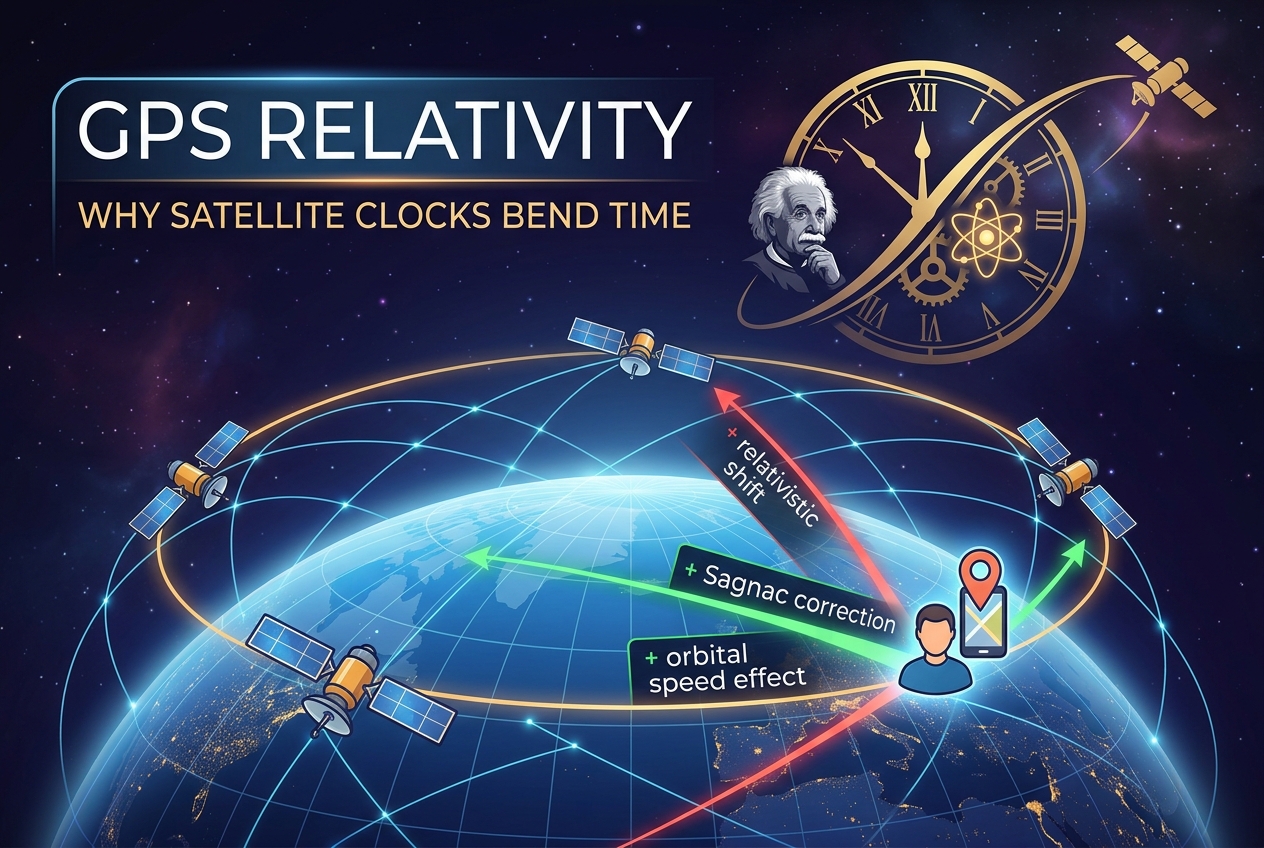
Your GPS Needs Einstein's Relativity to Tell Time Right
Most people think GPS just uses satellite signals to find your location, but it actually depends heavily on Einstein’s relativity to keep clocks synchronized. Unlike common belief that satellites’ clocks run perfectly, GPS receivers must apply precise relativistic corrections for satellite orbit shape and Earth’s rotation to avoid errors. By understanding and using these corrections, GPS devices achieve the accuracy we rely on every day.