
Consistent Practice and Real Conversations Are Key to Learning a Language Fast

About this Capsule
Learning a language quickly is less about shortcuts and more about steady, daily engagement with the language, especially through speaking and interacting with fluent speakers. Techniques like spaced repetition and active recall improve retention, but the real progress comes from meaningful conversations and feedback that push your skills just beyond your current level. Managing stress and maintaining consistent practice every day are crucial to turning initial excitement into lasting fluency.
3 language learning methods explained
Meta-analysis of language learning studies
Quick-start guide for tools.
Policy timing creates Wikipedia language inconsistencies.
Consistent Practice and Real Conversations Are Key to Learning a Language Fast
Free
Sign in to buyCapxuleHub Education
View profile
Related in Education

Short, Focused Learning Beats Traditional Courses for Remembering More
Day-long training sessions feel thorough and are mostly forgotten within a week. The case here is that short, focused lessons fit how memory actually works, preventing overload while lifting engagement and recall compared with traditional courses. If retention is the goal, break the training into small pieces and let repetition do the rest.

Teens Are Falling Asleep in First Period for a Reason
Teen body clocks genuinely shift later, and the science says early bells cost students sleep and learning. But the arguments here collide over whether biology should outrank bus routes, sports schedules, parent logistics, and vague laws with no exemptions. Where you land decides what you push for in your own district.

Cramming Feels Productive. Spreading It Out Actually Works
Much of what schools and parents assume about learning, including learning styles, doesn't survive testing. These strategies center on what does: spacing practice over time, recalling material instead of rereading it, and lesson designs backed by experiments. Comparing them shows where to put effort so kids actually remember what they learn.
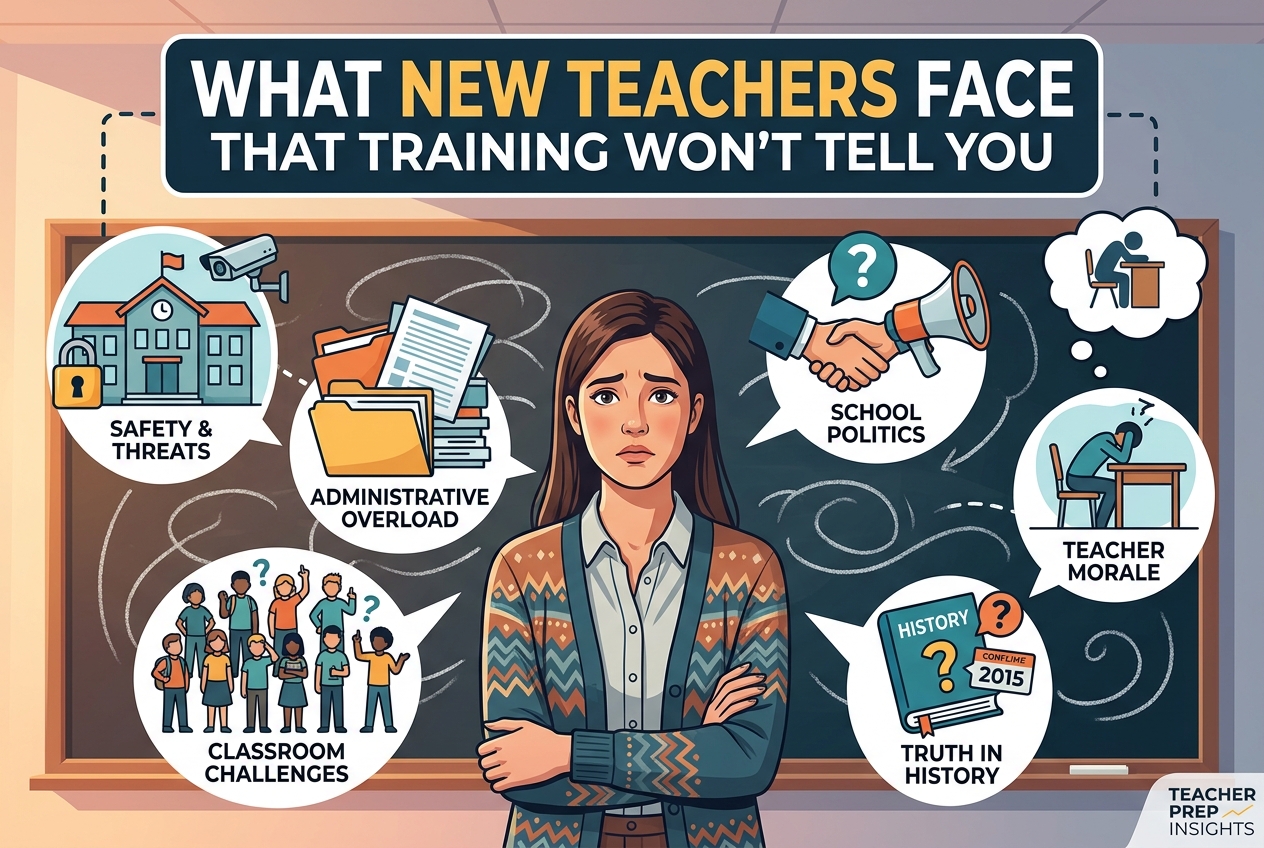
What New Teachers Face That No Training Warns Them About
The first year of teaching brings hidden traps beyond lesson plans, including unexpected safety threats and overwhelming administrative burdens. New teachers must navigate challenges from managing student behavior and personal safety to confronting uncomfortable truths about history and school politics. Understanding these distinct challenges helps teachers prepare for realities that formal training often overlooks.