
Essential First-Aid Procedures for Common Emergencies
About this Capsule
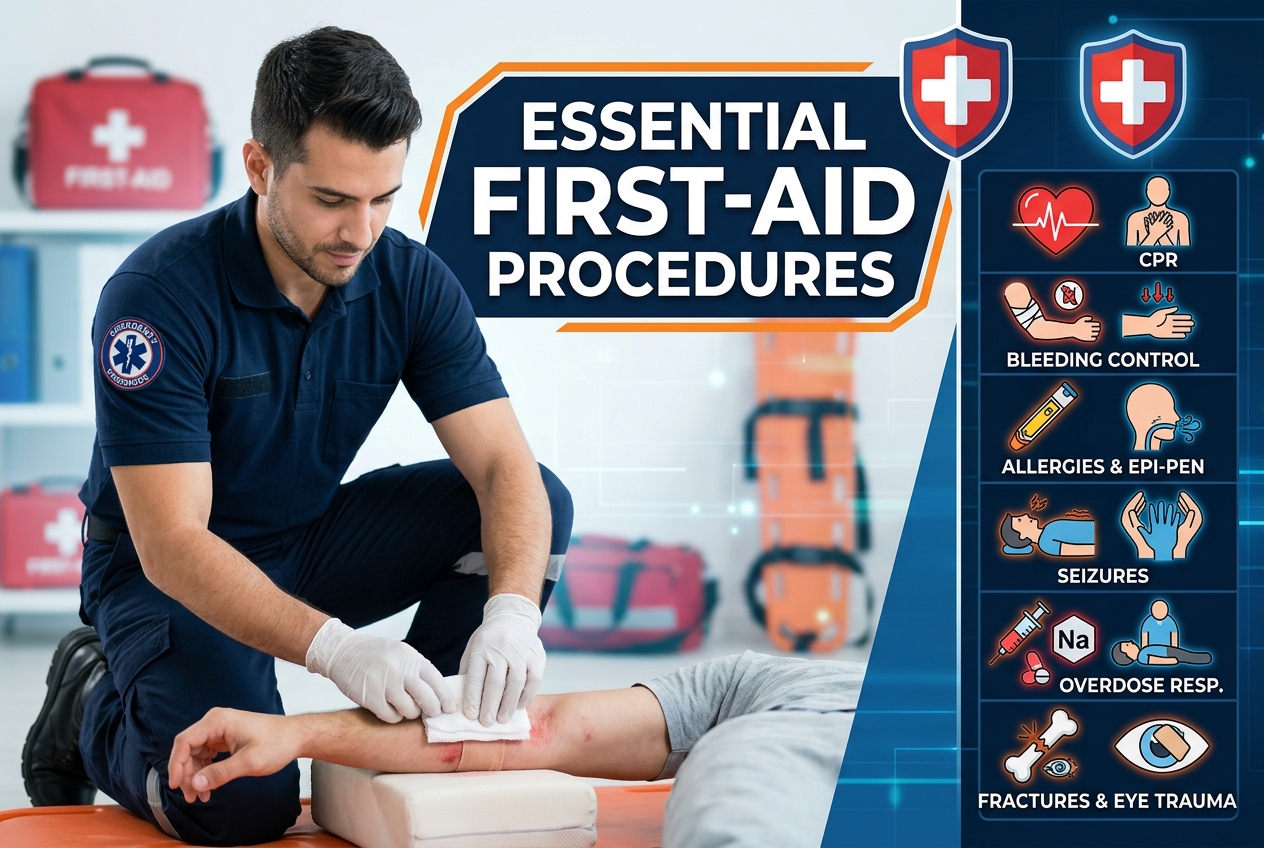
First-aid knowledge is crucial for responding effectively to emergencies such as severe bleeding, seizures, allergic reactions, opioid overdoses, and injuries involving broken bones or eye trauma. This collection provides clear guidelines on when to call emergency services, how to perform CPR, safely remove ticks, use epinephrine auto-injectors, and apply pressure to control bleeding. It also covers important safety precautions like avoiding harmful actions such as putting objects in a seizure victim’s mouth or attempting to realign broken bones.
Covered in this capsule
Campus safety and security measures
Access barriers to first-aid procedures
Preventive safety and first-aid guidelines.
First-aid for common skin parasites
Heatwave first-aid via city shelters
Essential First-Aid Procedures for Common Emergencies
Free
Sign in to buyCapxuleHub Health
View profile
Related in Health
Your Body Clock Runs on Light, Not Willpower
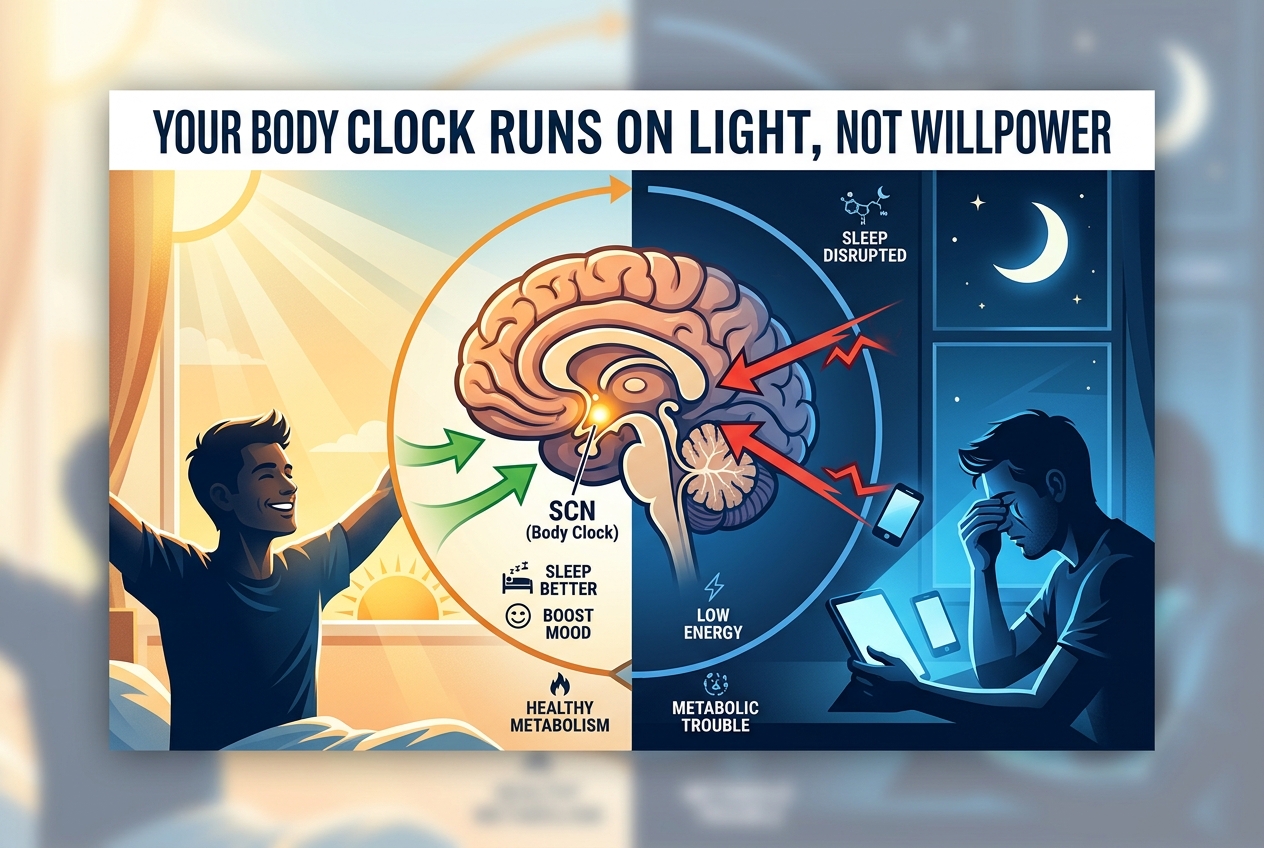
Your daily rhythms are set less by habit and choice than by the natural light-dark cycle, which resets an internal clock deep in the brain. Morning sunlight and dim evenings keep sleep, mood, and metabolism in sync, while artificial light at night throws them off. Align your day with these light cues and you can sleep better and lower your risk of metabolic trouble.

Seed Oils Aren't Hurting Your Heart. They May Help It
Omega-6 fats from seed oils are widely blamed for inflammation, but large human trials point the other way. The claim here is that linoleic acid, their main fat, does not raise inflammation and is linked to lower cardiovascular mortality, whatever the lab-bench mechanisms suggest. If the trial evidence convinces you, seed oils can stay in your kitchen without guilt.
Who Actually Wrote the Study Behind Your Prescription?
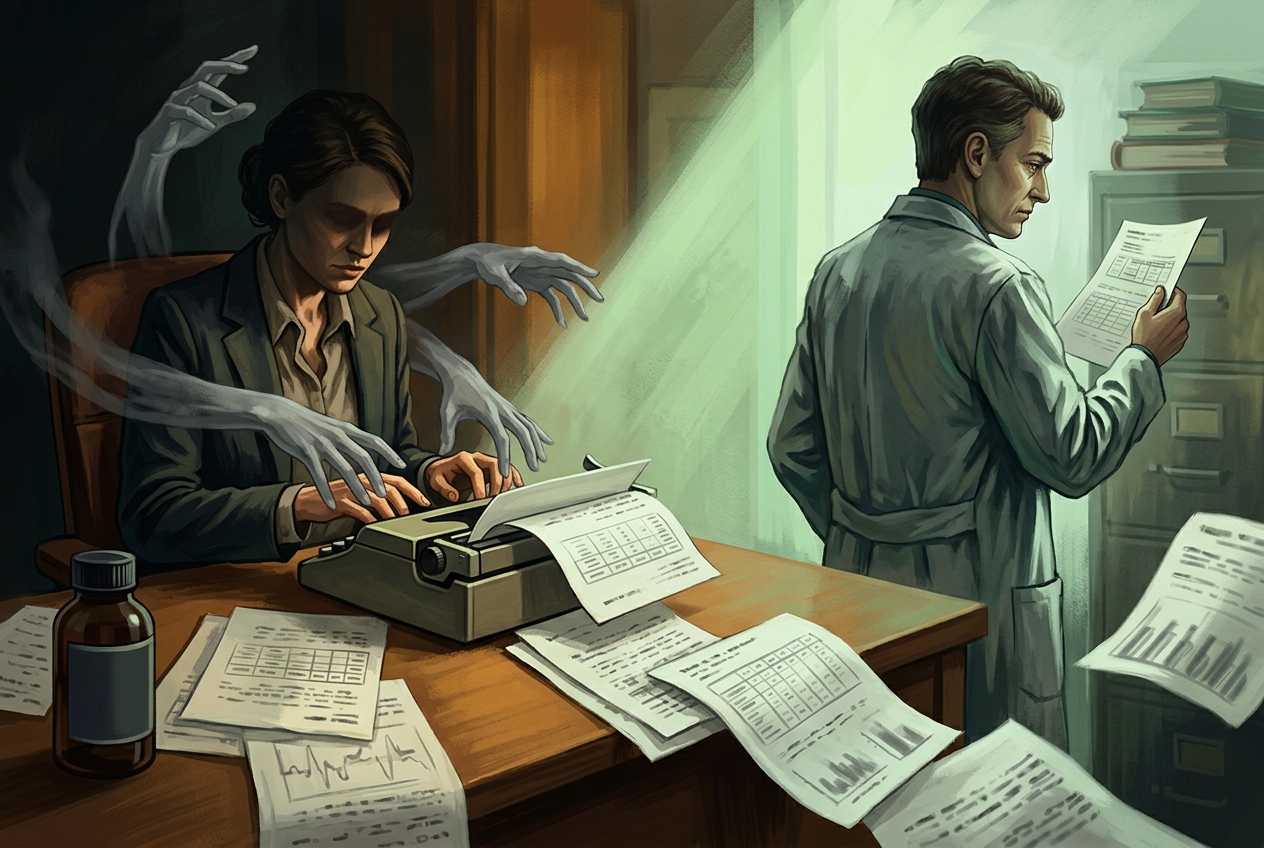
The research behind your medications may carry hidden ghostwriters and massaged trial data. The views split on the remedy: exposing manipulated studies one by one, forcing legal and regulatory reform on the companies, or practicing evidence-based care that routes around the bias, especially for vulnerable patients. Decide how much to trust drug claims and how to protect yourself in the meantime.
Some Sleep Problems Are Medical Emergencies in Disguise
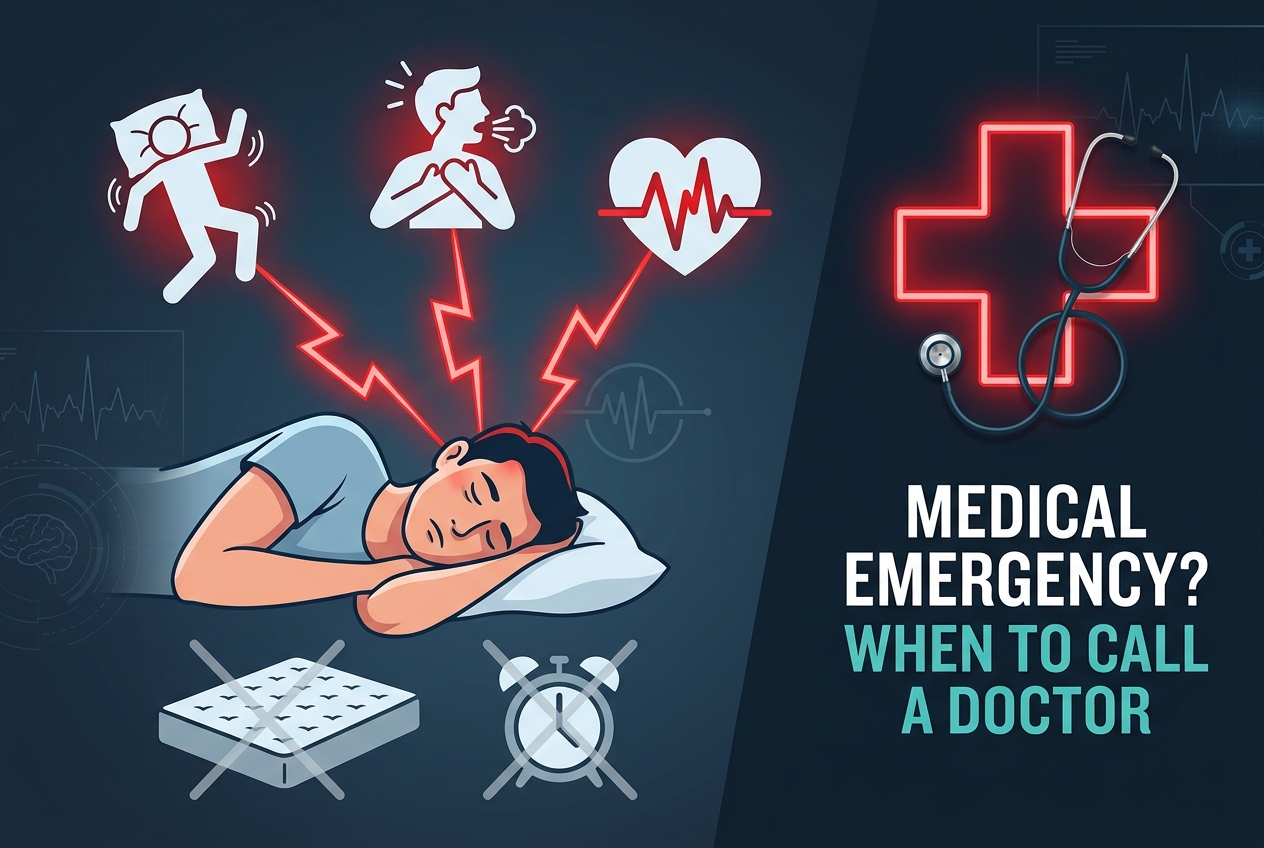
Acting out dreams, gasping awake, or violent nighttime behavior can signal something a mattress upgrade won't fix. These approaches split on where to draw the line for professional help: catching life-threatening red flags immediately, weighing the irreversible damage of delayed treatment, or demanding transparent evidence on treatment risks before starting. Knowing which lens you're using decides how fast you pick up the phone.