
Essential Ways to Brew Coffee with Precision and Care
About this Capsule
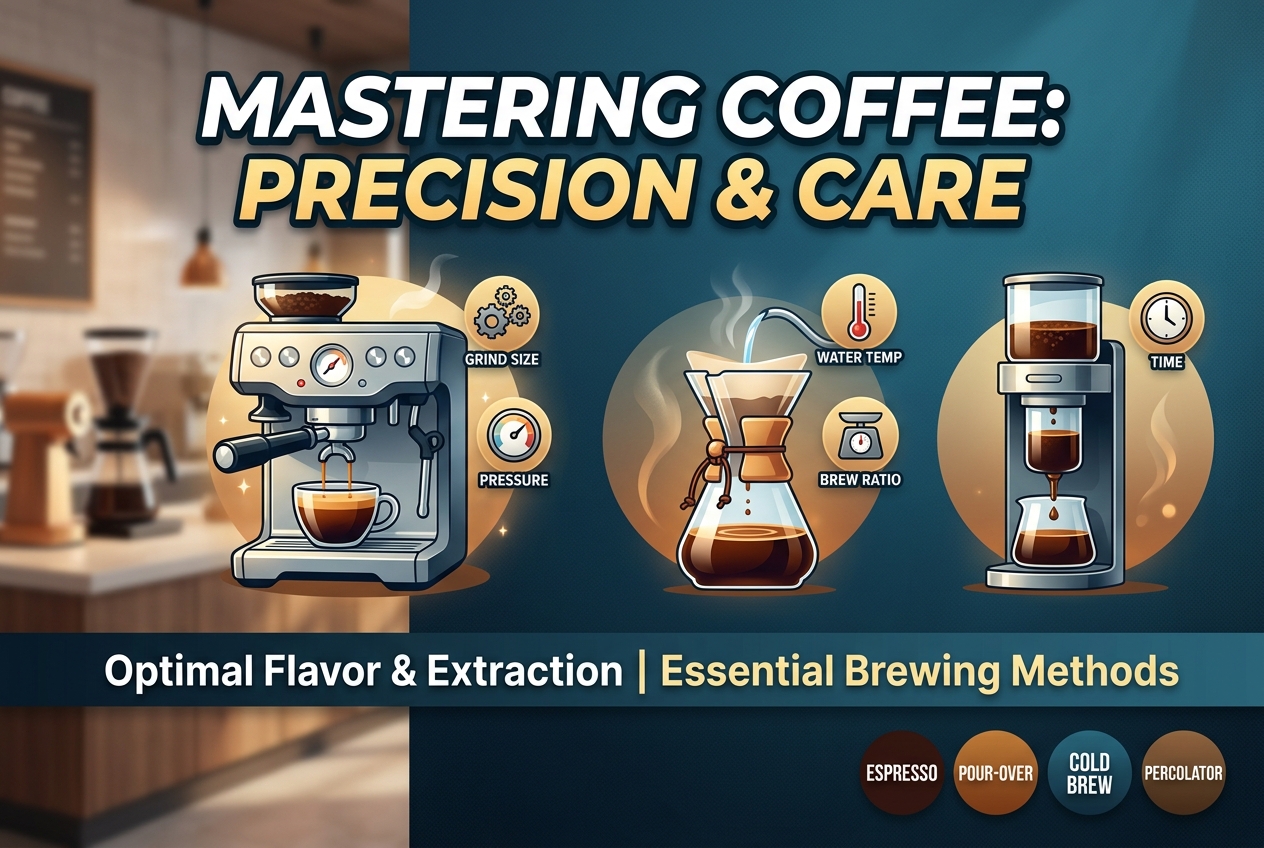
Coffee brewing involves controlling key factors like grind size, water temperature, brew time, and coffee-to-water ratio to achieve the best flavor. This collection covers methods such as espresso, percolator, and cold brew, explaining how to adjust variables for optimal extraction and health benefits. Learn how to prepare coffee by following precise measurements and techniques to enjoy a balanced and satisfying cup.
Covered in this capsule
Technical precision in coffee brewing
Precision in coffee brewing measurements.
Coffee over energy shots for health.
Generic AI vs This Capsule
Preview“Is cold brew or energy shots the better choice when you need a caffeine boost?”
Generic AI
“Usually, cold brew is the better default choice for a caffeine boost because it’s generally simpler—coffee + water—with fewer additives, and you can sip it more gradually.
That said, energy shots can be better if you need a fast, portable, pre-measured dose, but they’re easier to overdo.
Cold brew
Pros
- Typically fewer ingredients and less sugar if unsweetened
- Easier to sip slowly, which can reduce jitters
- Often smoother/less acidic than regular coffee
- Caffeine can be high, but you can dilute it
Cons
- Caffeine varies a lot by brand and serving size
- Large cold brews or concentrates can contain 200–300+ mg caffeine
Energy shots
Pros
- Compact and convenient
- Usually clearly labeled caffeine amount, often around 150–200 mg
- Quick to consume when you need caffeine fast
Cons
- Concentrated dose can cause jitters, anxiety, fa...”
This Capsule
“Cold brew is the better choice. Energy shots are a bad trade: they pack very high caffeine alongside other additives and are associated with increased risk of abnormal heart rhythms even in healthy people. If you want a boost without treating your heart like a lab experiment, choose coffee—especially cold brew if you want something smooth, strong, and lower-acidity.
For cold brew:
- Use coarse-ground coffee.
- Steep in cold or room-temperature water for 12–24 hours.
- For concentrate, start around a 1:4 coffee-to-water ratio.
- For ready-to-drink cold brew, start around 1:8.
- A standard cold brew ratio is also 1:12 by weight for a lighter everyday brew.
- If using concentrate, dilute before drinking; one guide uses about 2 parts concentrate to 1 part water, then adjust to taste.
The catch: cold brew is not instant. It takes overnight planning. Energy shots win only on convenience—but...”
Essential Ways to Brew Coffee with Precision and Care
Free
Sign in to buyCapxuleHub Food & Cuisine
View profile
Related in Food

Is the Organic Premium Actually Buying You Health?
Paying extra for organic rests on health claims the evidence struggles to settle. The views split over how reliable pesticide residue data is, whether exposure during critical developmental windows changes the risk picture, and whether the studies behind the claims hold up to scrutiny. Decide how much of the premium is protection and how much is faith.
Bitter and Peppery Means Your Olive Oil Is the Real Thing
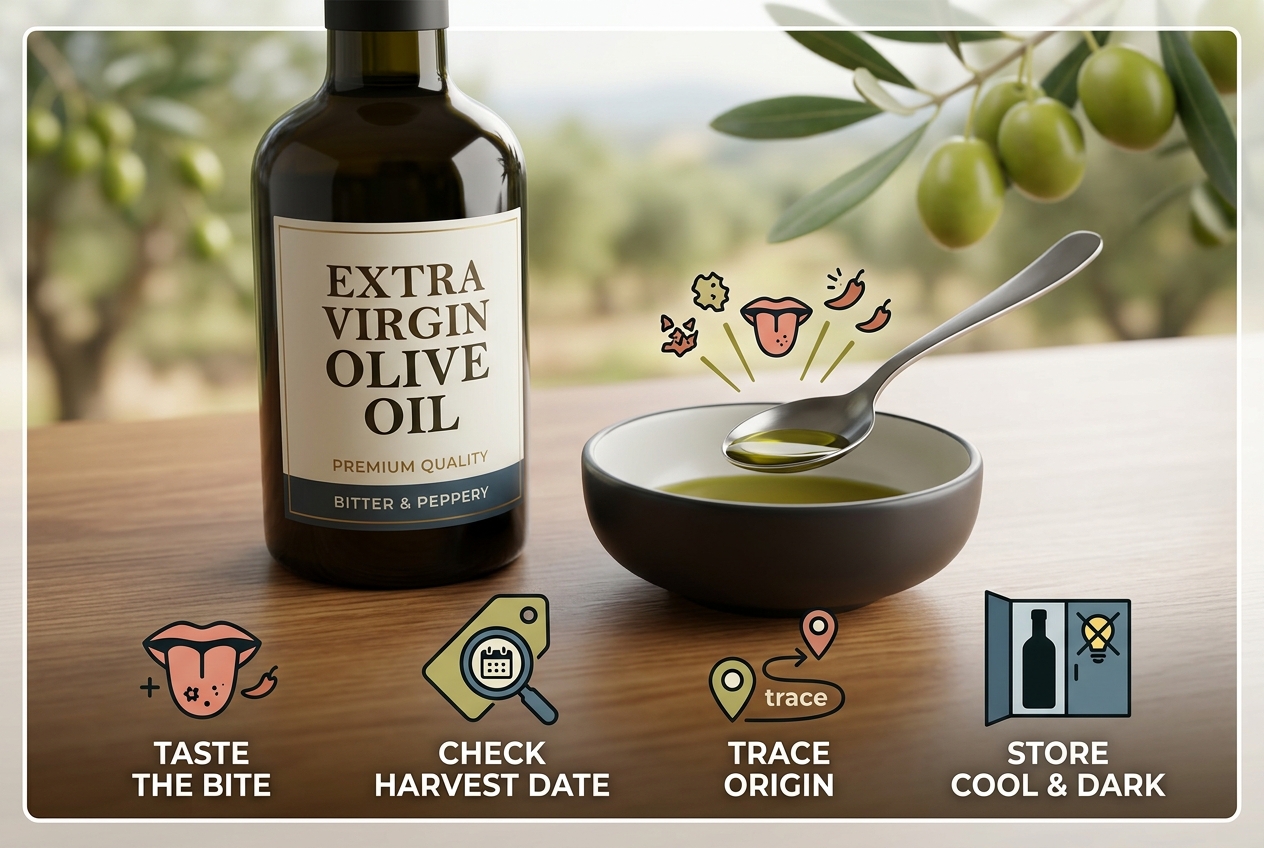
Much of the extra-virgin olive oil on store shelves is not what the label promises, and the genuine article announces itself with bitterness and a peppery sting. These tips differ on how to catch a fake: some rely on taste and that throat-catching bite, others on harvest dates and traceability, and others on storage habits that keep a real bottle from going stale. You'll be able to buy an authentic oil with confidence and keep it fresh at home.

How One Letter Made the World Fear MSG
A single 1968 letter to a medical journal helped launch fifty years of fear about MSG. The views clash over whether the panic was a baseless mistake, a product of anti-Asian bias, or a warning about real health risks that science has yet to close. Trace how the scare spread and decide for yourself what belongs in your food.
What the Oil in Your Pasta Water Actually Does
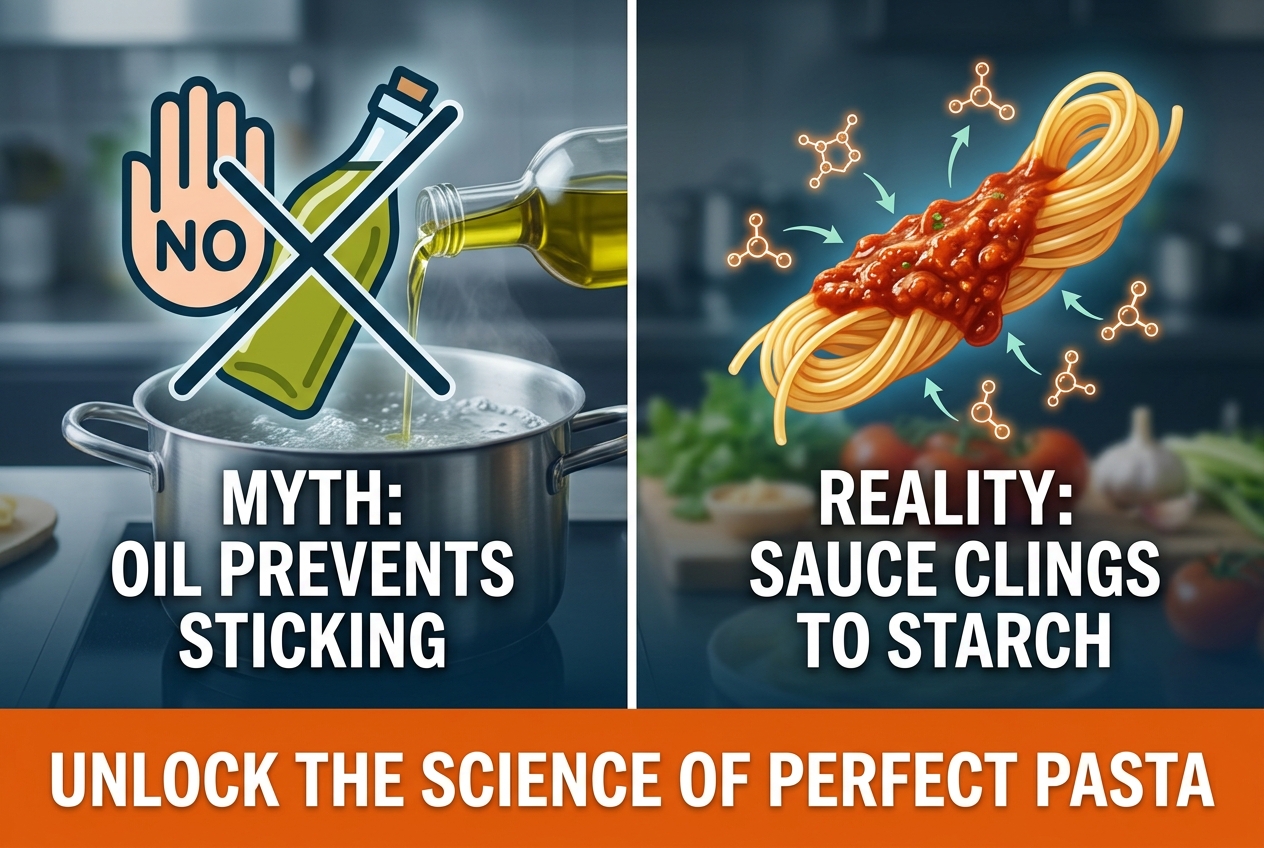
Most pasta advice gets passed down as kitchen law, yet much of it works against the dish. These rules clash on the basics: whether oil in the water prevents sticking or just makes sauce slide off, whether rinsing helps or washes away the starch that lets sauce cling, and how hard the water really needs to boil. Sort the science from the folklore and every plate you sauce gets better.