
Famous Mediterranean Recipes with Cooking Tips and Historical Insights
About this Capsule
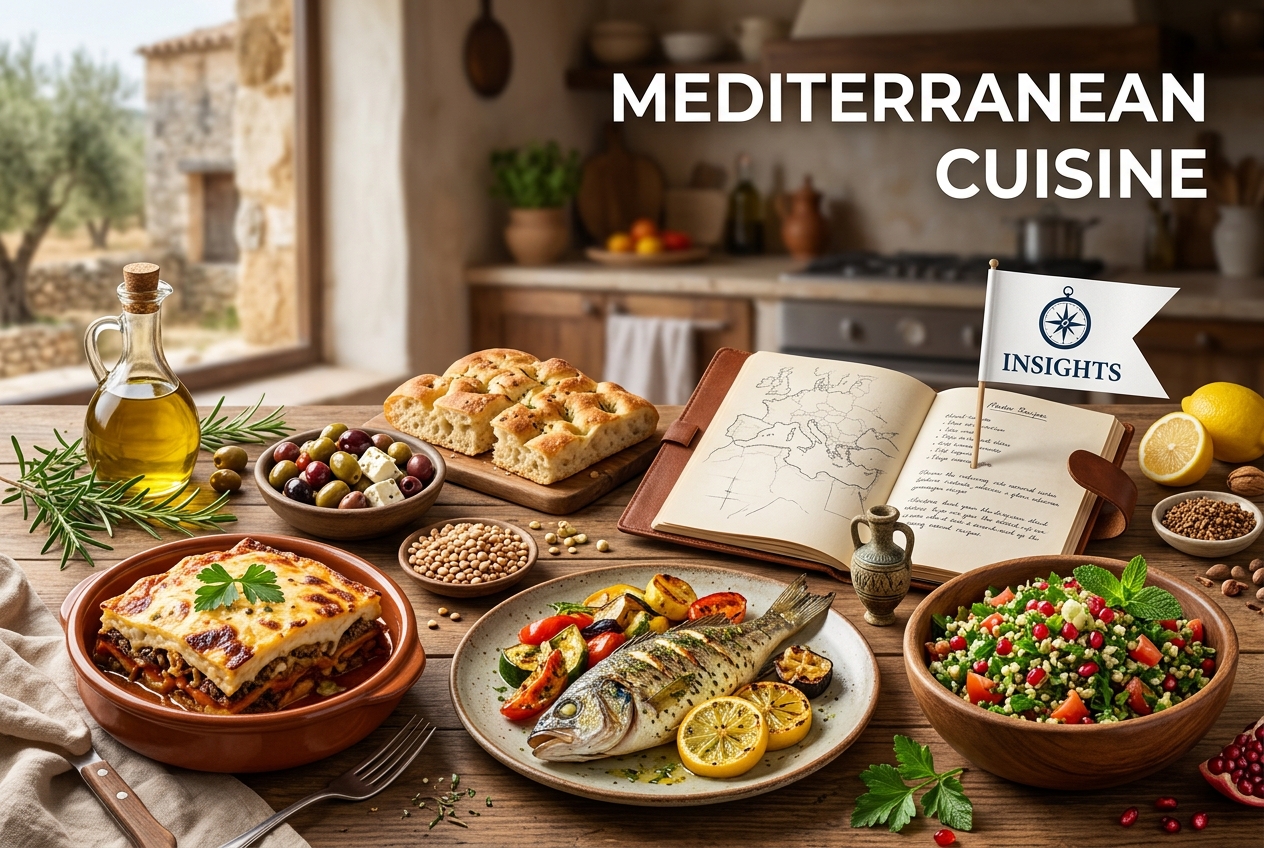
Mediterranean cuisine offers a rich variety of dishes characterized by precise cooking techniques and traditional ingredients. This collection presents detailed recipes alongside expert tips on preparation methods, ingredient handling, and baking instructions. It also includes insights into historical Mediterranean cooking practices, helping readers recreate authentic flavors while respecting access restrictions and culinary heritage.
Covered in this capsule
Precision-focused cooking technique tips
Reconstructing historical Mediterranean cuisine through research
Access restrictions for Mediterranean recipes
Generic AI vs This Capsule
Preview“What are the most important techniques and principles to master for cooking authentic Mediterranean dishes at home?”
Generic AI
“Mediterranean cooking is less about complicated recipes and more about excellent ingredients, balance, restraint, and technique. It covers many cuisines—Greek, Turkish, Levantine, Italian, Spanish, North African, Provençal—so “authentic” depends on the region, but the core principles overlap.
1. Start with excellent, simple ingredients
Mediterranean dishes often have few components, so ingredient quality matters.
Prioritize:
- Extra-virgin olive oil as a main cooking fat and finishing ingredient
- Seasonal vegetables: tomatoes, eggplant, zucchini, peppers, artichokes, greens
- Fresh herbs: parsley, mint, basil, oregano, dill, cilantro, thyme
- Citrus and vinegar for brightness
- Garlic, onions, shallots, leeks
- Legumes: chickpeas, lentils, white beans, fava beans
- Whole grains: bulgur, farro, couscous, rice, barley
- Seafood and simply prepare...”
This Capsule
“Authenticity at home comes down less to “Mediterranean ingredients” and more to heat, moisture, texture, and restraint. The recurring make-or-break moves are: char eggplant and peppers hard over direct heat; squeeze water out of cucumbers and spinach until they stop threatening the dish; never stir paella once the rice is spread; thaw phyllo slowly and keep it barely covered; brown lamb before slow cooking; and use rice/grain techniques that match the dish, not generic package habits.
1. Master moisture control — this is the hidden Mediterranean skill
A shocking number of Mediterranean dishes fail because they are wet when they should be concentrated.
- Tzatziki: grate cucumber, salt it, then squeeze it dry. For a thicker sauce, drain grated cucumber in a fine-mesh strainer for 1–2 hours before mixing with Greek yogurt. Regular plain yogurt makes tzatziki too runny; use...”
Famous Mediterranean Recipes with Cooking Tips and Historical Insights
Free
Sign in to buyCapxuleHub Food & Cuisine
View profile
Related in Food

Is the Organic Premium Actually Buying You Health?
Paying extra for organic rests on health claims the evidence struggles to settle. The views split over how reliable pesticide residue data is, whether exposure during critical developmental windows changes the risk picture, and whether the studies behind the claims hold up to scrutiny. Decide how much of the premium is protection and how much is faith.
Bitter and Peppery Means Your Olive Oil Is the Real Thing
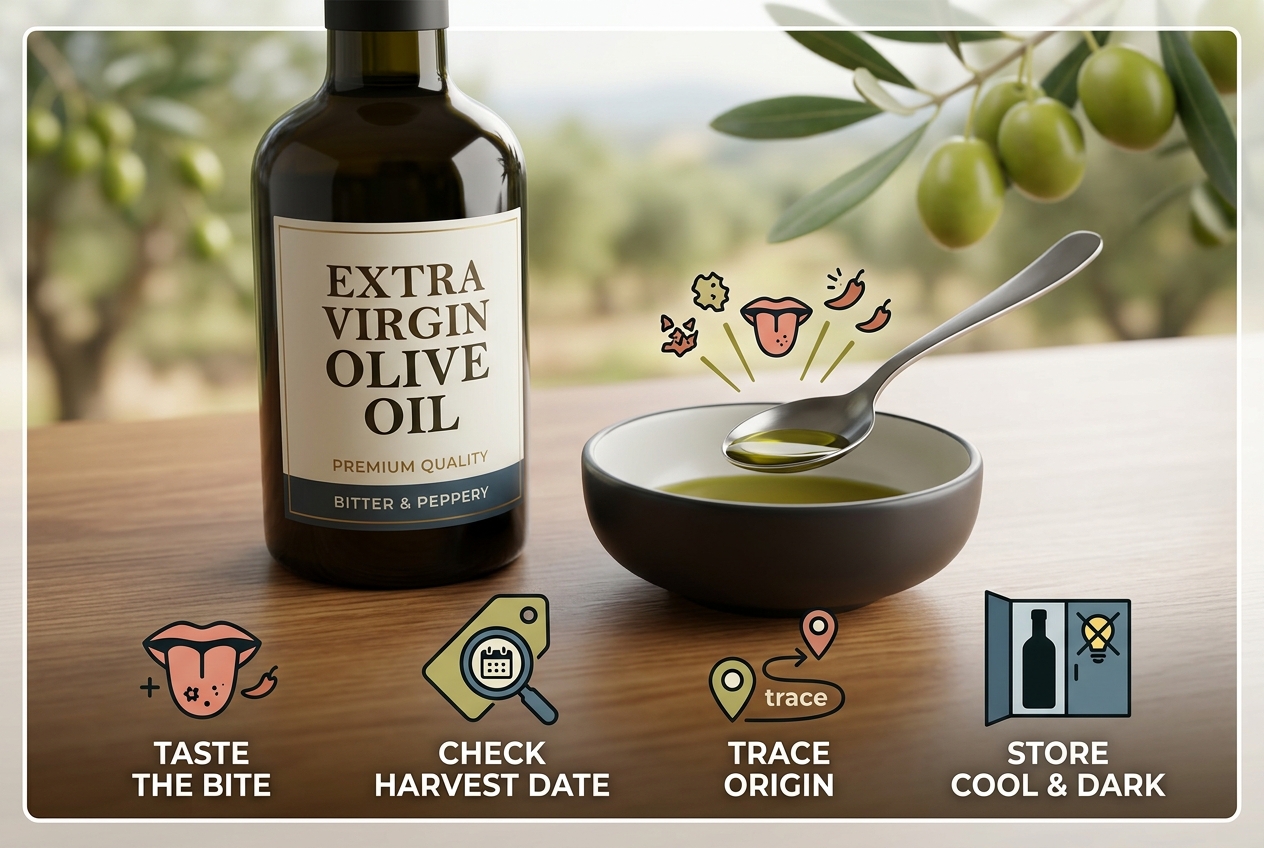
Much of the extra-virgin olive oil on store shelves is not what the label promises, and the genuine article announces itself with bitterness and a peppery sting. These tips differ on how to catch a fake: some rely on taste and that throat-catching bite, others on harvest dates and traceability, and others on storage habits that keep a real bottle from going stale. You'll be able to buy an authentic oil with confidence and keep it fresh at home.
How One Letter Made the World Fear MSG
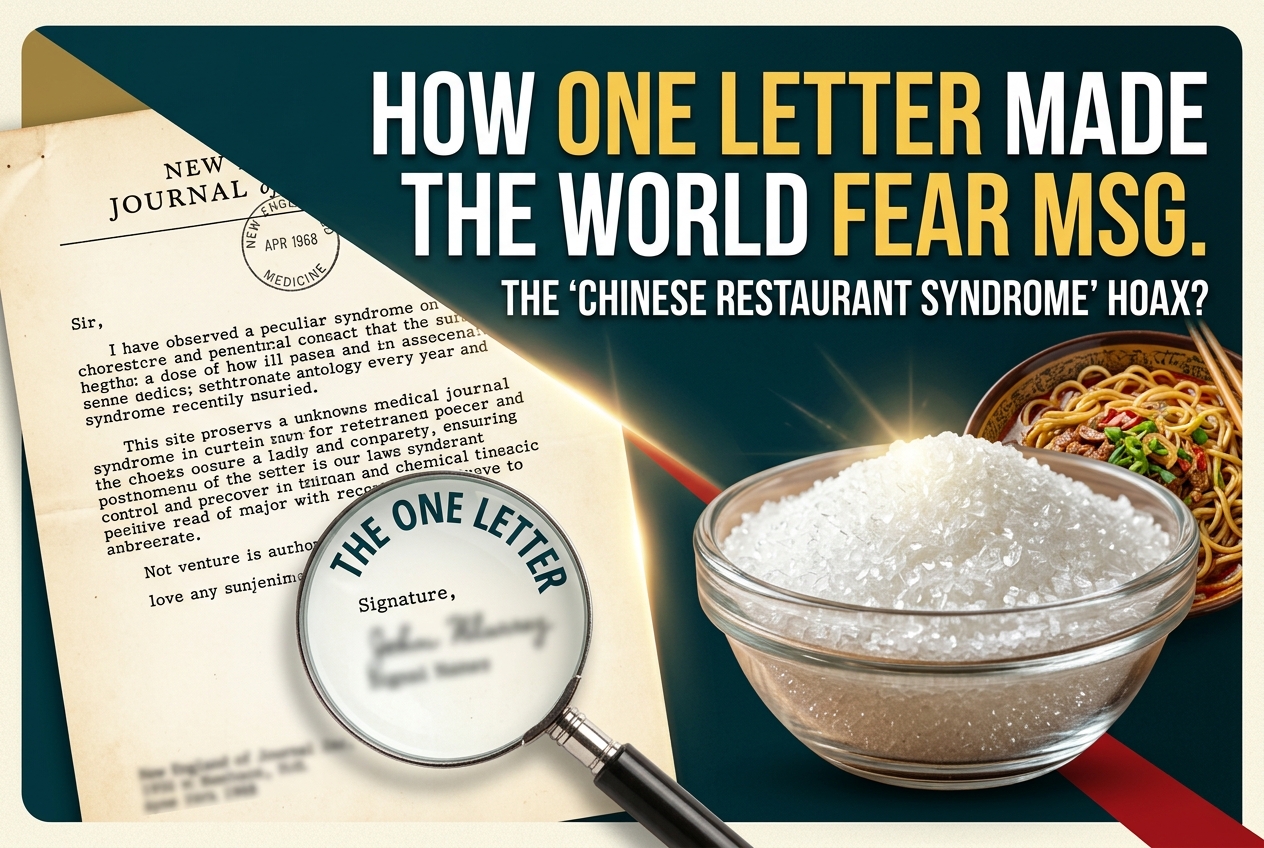
A single 1968 letter to a medical journal helped launch fifty years of fear about MSG. The views clash over whether the panic was a baseless mistake, a product of anti-Asian bias, or a warning about real health risks that science has yet to close. Trace how the scare spread and decide for yourself what belongs in your food.
What the Oil in Your Pasta Water Actually Does
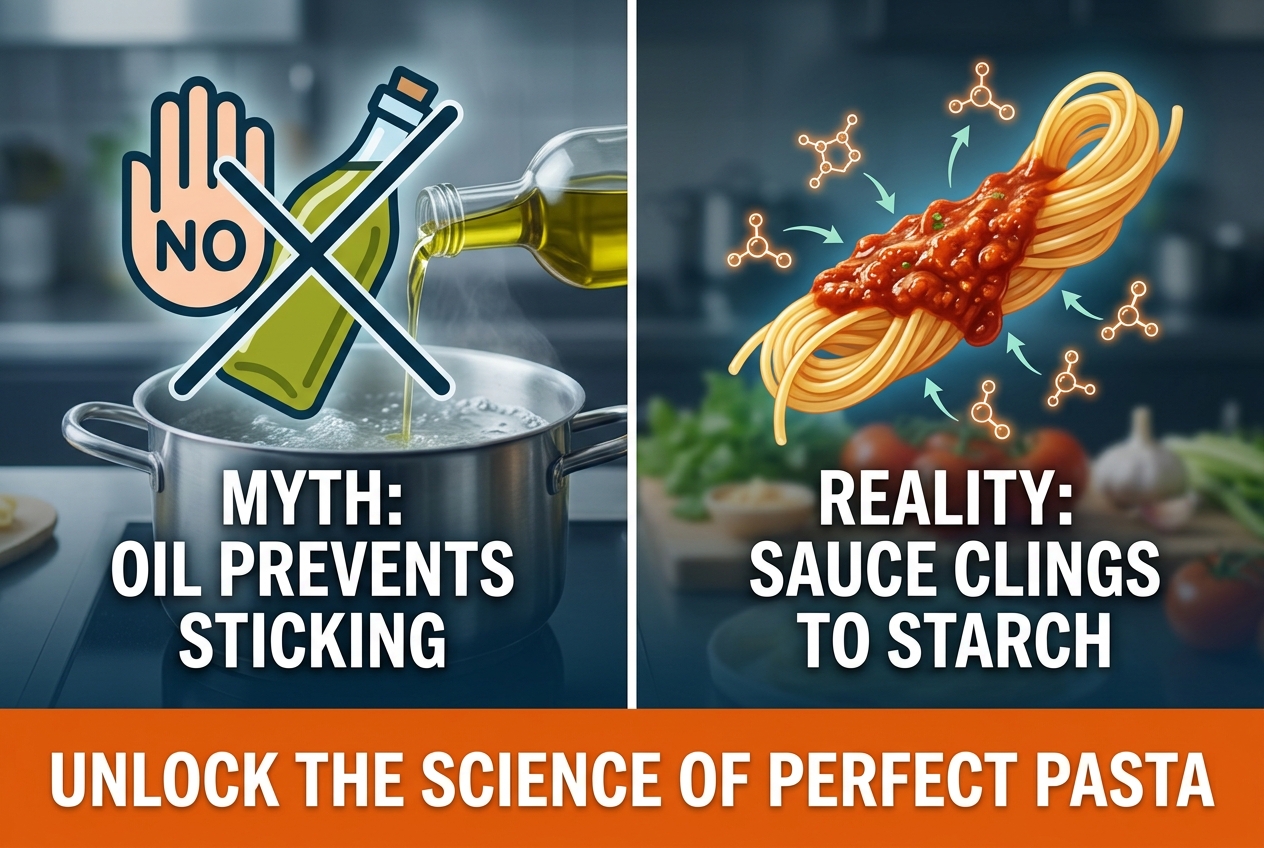
Most pasta advice gets passed down as kitchen law, yet much of it works against the dish. These rules clash on the basics: whether oil in the water prevents sticking or just makes sauce slide off, whether rinsing helps or washes away the starch that lets sauce cling, and how hard the water really needs to boil. Sort the science from the folklore and every plate you sauce gets better.