
The Billionaires Race to Make Humans a Multiplanetary Species
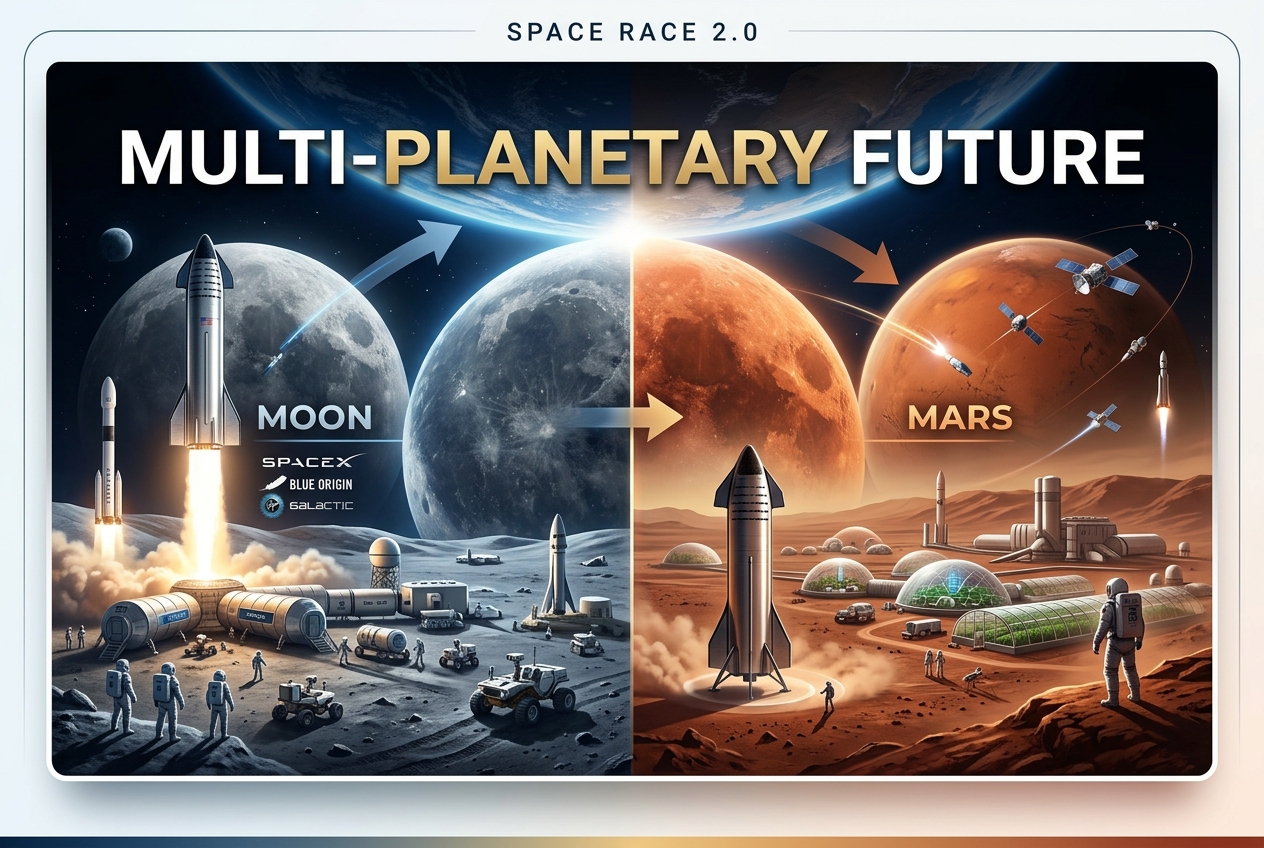
About this Capsule
Efforts to colonize the moon and Mars are underway with reusable rockets and space tourism paving the way for affordable and sustainable space travel, aiming to protect humanity's future beyond Earth.
Generic AI vs This Capsule
Preview“What has made the dream of colonizing Mars more achievable in recent years than ever before?”
Generic AI
“The dream of colonizing Mars has become more achievable mainly because of major advances in space technology, especially:
- Reusable rockets, which have dramatically reduced launch costs
- Private space companies like SpaceX, which are actively developing Mars-capable spacecraft
- Improved robotics and spacecraft systems, helping explore and prepare Mars before humans arrive
- Better life-support, habitat, and resource-use technologies, such as ideas for producing water, oxygen, and fuel on Mars
- Growing international interest and investment in human space exploration
Together, these developments make sending humans to Mars—and eventually establishing a settlement—far more realistic than it was in the past.”
This Capsule
“Reusable rockets changed the economics. The biggest shift is SpaceX proving, starting in 2015, that orbital-class boosters can land back on Earth and fly again. Apollo-era rockets like Saturn V were single-use, with each launch costing about $1.23 billion in 2020 dollars; that made sustained exploration economically unsustainable. Reusability is the core reason Mars colonization now looks more achievable.
The dream has become more realistic because several pieces are coming together at once:
-
Full rocket and spacecraft reusability
SpaceX’s Falcon booster landings showed that major rocket stages do not have to be thrown away after every launch. The long-term Mars architecture depends on boosters reused up to 1,000 times, tankers up to 100 times, and Mars ships up to 12 times. -
A dramatic cost-reduction target
Traditional approaches put a Mars trip at r...”
The Billionaires Race to Make Humans a Multiplanetary Species
Free
Sign in to buyCapxuleHub Tech News
View profile
Related in Science
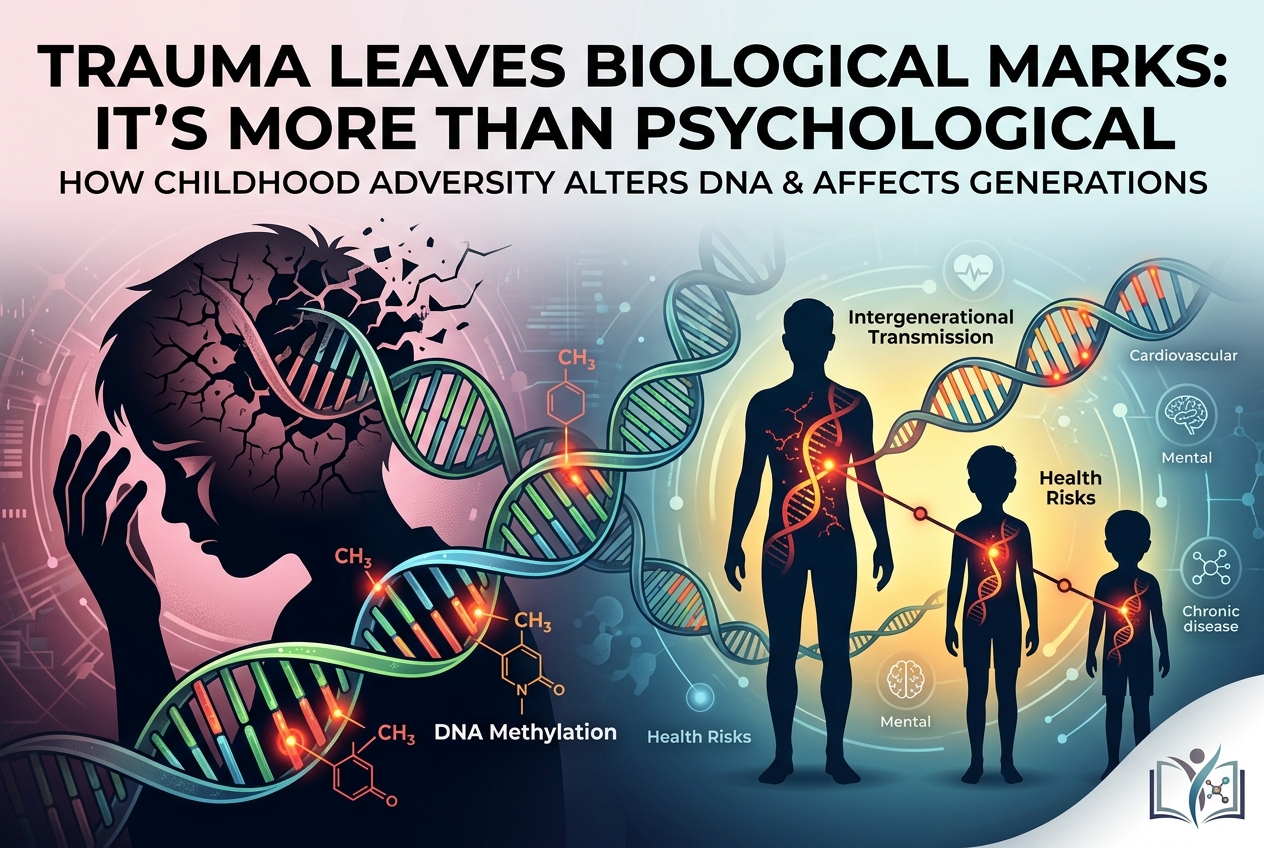
Childhood Trauma Changes DNA and Health Across Generations
Childhood trauma does not just leave psychological scars; it leaves chemical marks on DNA that can pass to children and grandchildren, raising their risk of chronic disease. That runs against the mainstream view of trauma as a purely psychological injury confined to one generation. If the biology holds, it changes practice: screen earlier, study families across generations, and treat the body along with the mind.
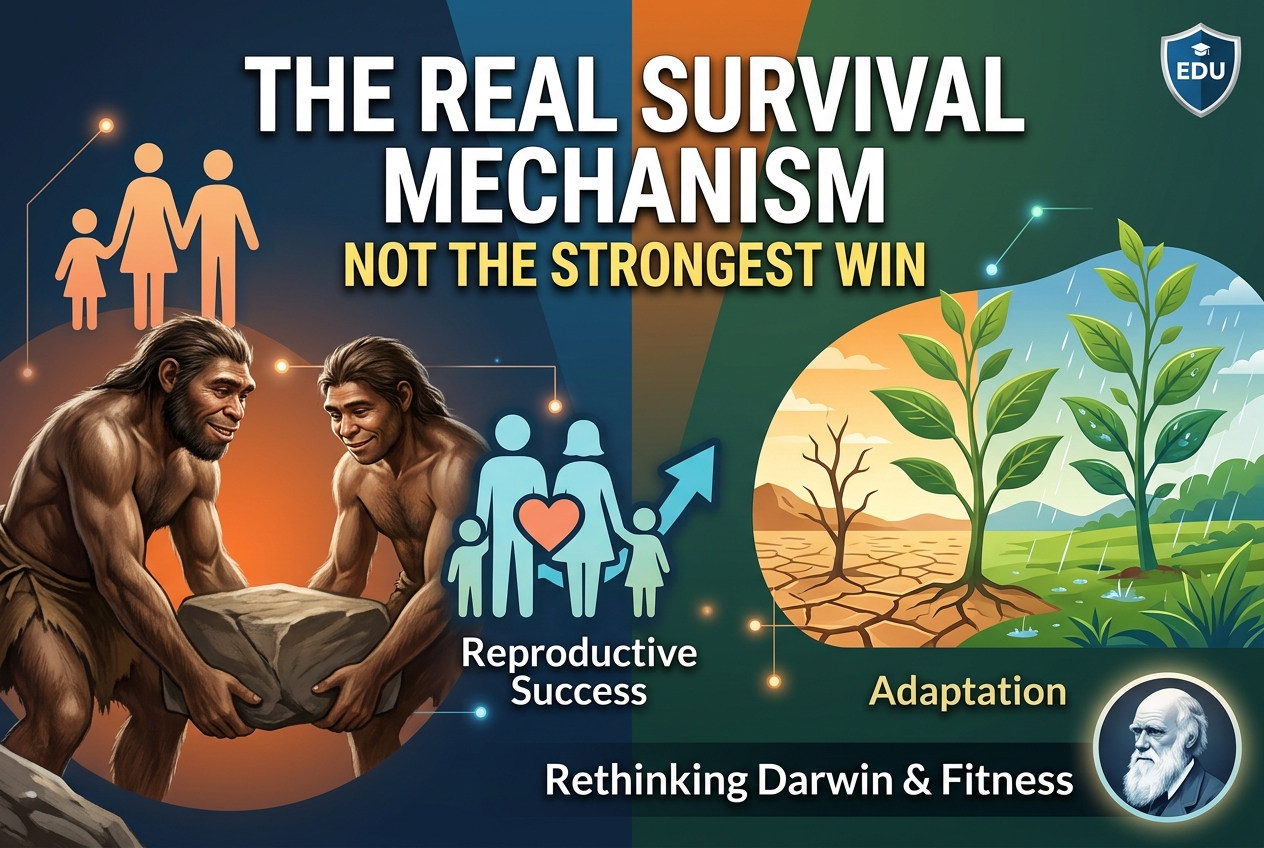
'Survival of the Fittest' Never Meant the Strongest Win
The phrase gets used to justify ruthless competition, which is nearly the opposite of what it describes. These explanations correct the record: fitness means reproductive success and adaptability, Darwin emphasized cooperation and even compassion, and the famous wording was not originally his. Rethink what actually drives survival before you borrow the phrase again.
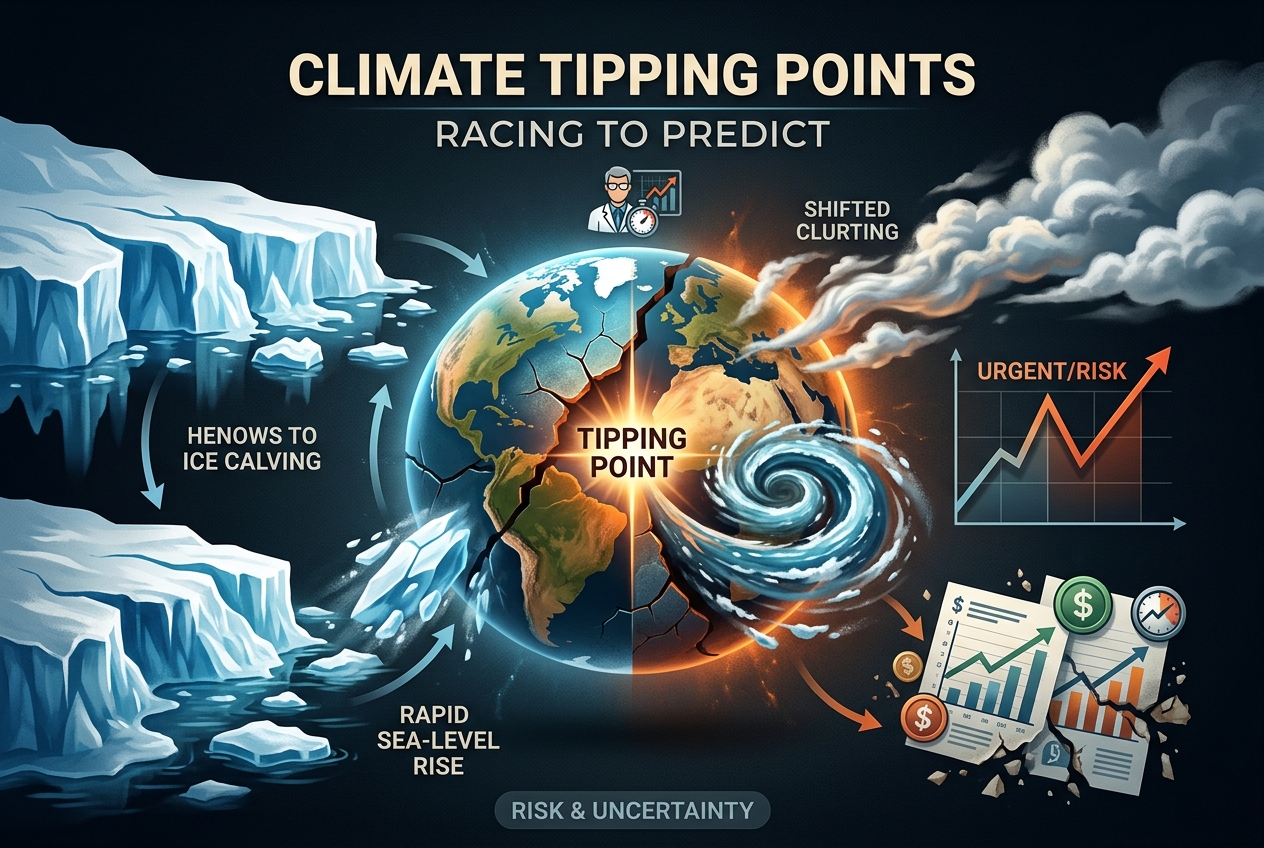
The Climate Tipping Points Scientists Are Racing to Predict
Ice sheets, ocean currents, and cloud physics could shift Earth's climate faster than the smooth curves in most projections. The findings diverge on how close those tipping points are, how much to trust the models that predict them, and how finance and policy should price risks that arrive suddenly rather than gradually. What you take from them shapes how urgent, and how hedged, you think climate decisions need to be.
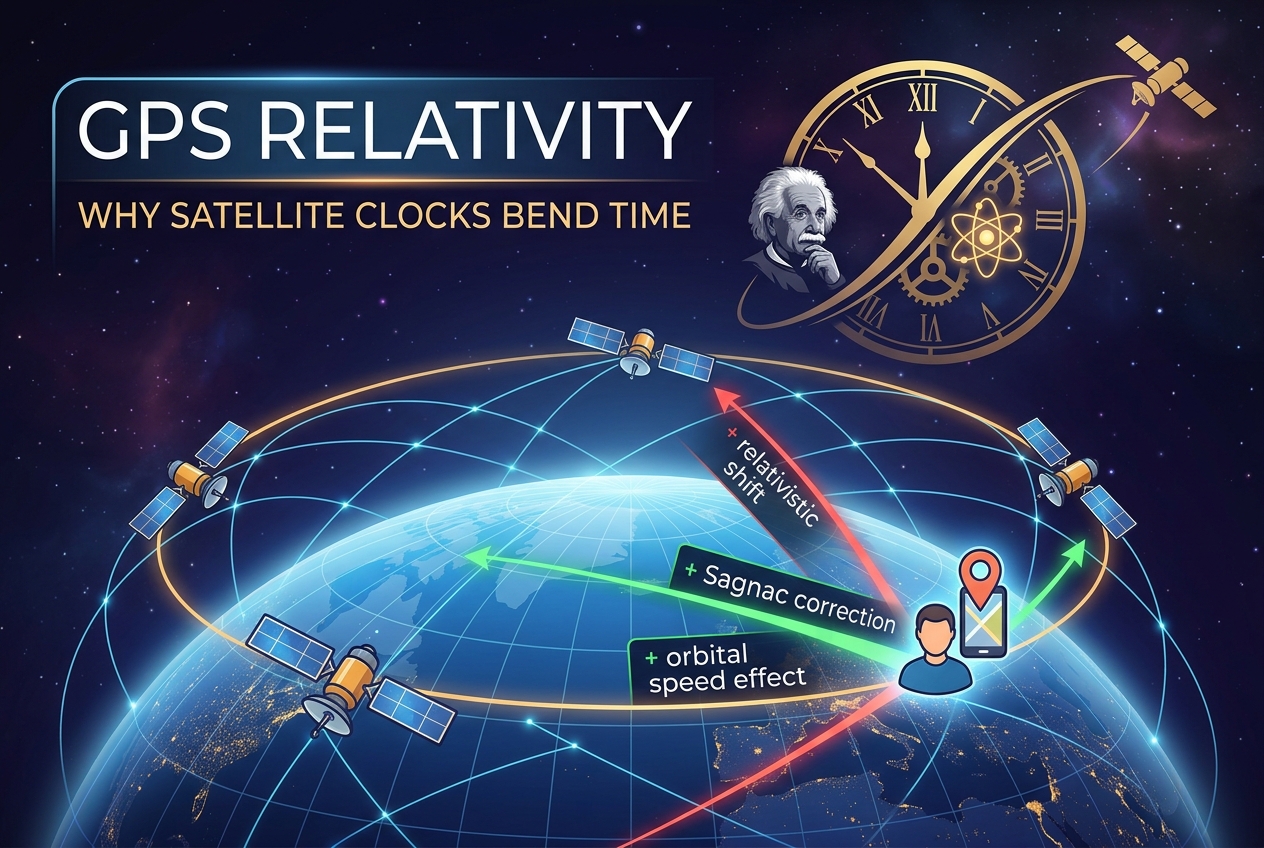
Your GPS Needs Einstein's Relativity to Tell Time Right
Most people think GPS just uses satellite signals to find your location, but it actually depends heavily on Einstein’s relativity to keep clocks synchronized. Unlike common belief that satellites’ clocks run perfectly, GPS receivers must apply precise relativistic corrections for satellite orbit shape and Earth’s rotation to avoid errors. By understanding and using these corrections, GPS devices achieve the accuracy we rely on every day.