
Browse the Context Marketplace
Expert-level knowledge on any topic. Each capsule guides you through what matters most.
601 capsules

What Actually Drives Us to Play
Play looks trivial but runs deep, and its explanations point in different directions. Some frame it as a biological drive wired into mammals, others as social bonding and belonging, another as the way humans test and break their limits, plus a trove of surprising origins behind games we take for granted. You can explore which explanation fits your own experience.

How Casinos Are Built to Keep You Playing
Casinos are engineered down to the carpet to keep you at the table, and knowing how changes how you play. These tactics cover the brain science of near-misses and unpredictable rewards, layouts and sensory overload that wear down judgment, rigged odds that hide the true cost, and the discipline of knowing when to walk. See the full playbook so you can make smarter calls.

Why Rivals Can Copy Everything but Still Can't Beat You
Some businesses keep customers for decades while competitors with identical products bleed them away. The types of advantage at play, from switching costs and network effects to workflow lock-in and hard financial tests like return on invested capital, get valued very differently: what one camp calls a durable moat another calls easily copied. Judging which advantages actually hold up tells you where to build, or where to invest.
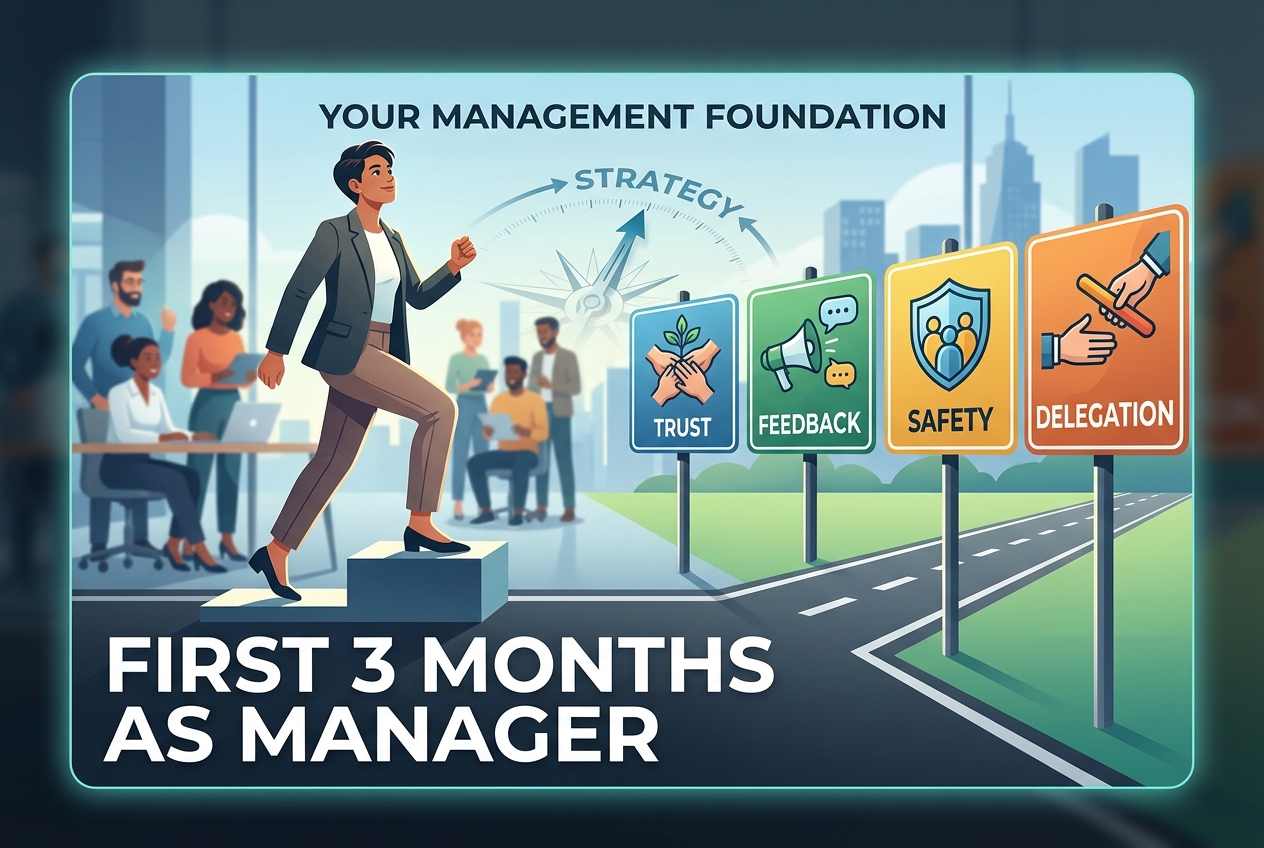
Your First Months as a Manager Set Everything After
New managers rarely fail from lack of skill; they fail from picking the wrong early priorities. The approaches split over what comes first: structured onboarding and mentorship, mastering clear and timely feedback, building psychological safety, or a cautious relationship-first start with careful delegation. Decide where your team's trust and performance need you most in the critical early months.
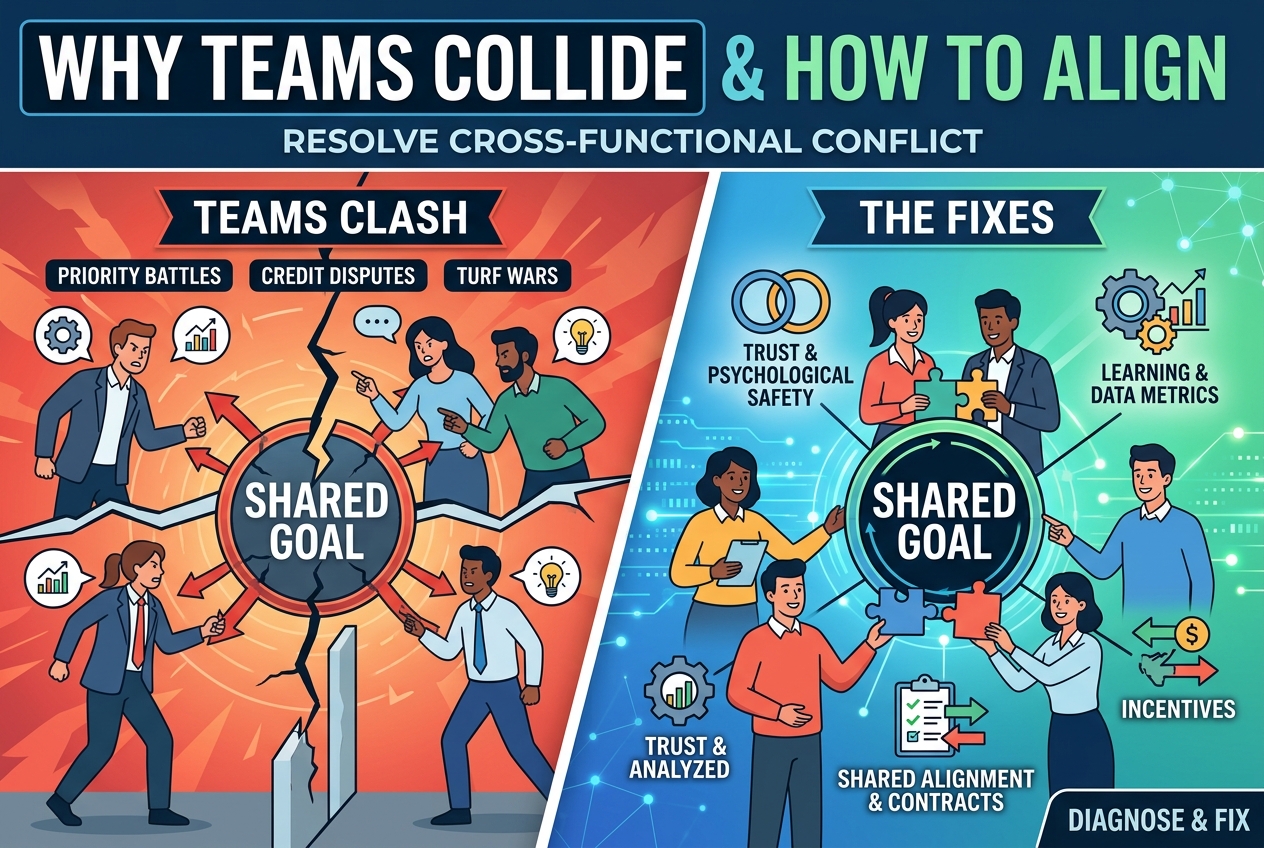
Teams That Share a Goal Still End Up at War
Departments working toward the same company goal still collide over priorities, credit, and turf. These approaches split on the fix: explicit contracts and shared goals, psychological safety and trust, learning and data-driven collaboration metrics, or realigning individual incentives with team outcomes. Diagnose why your teams clash before choosing which fix to run.
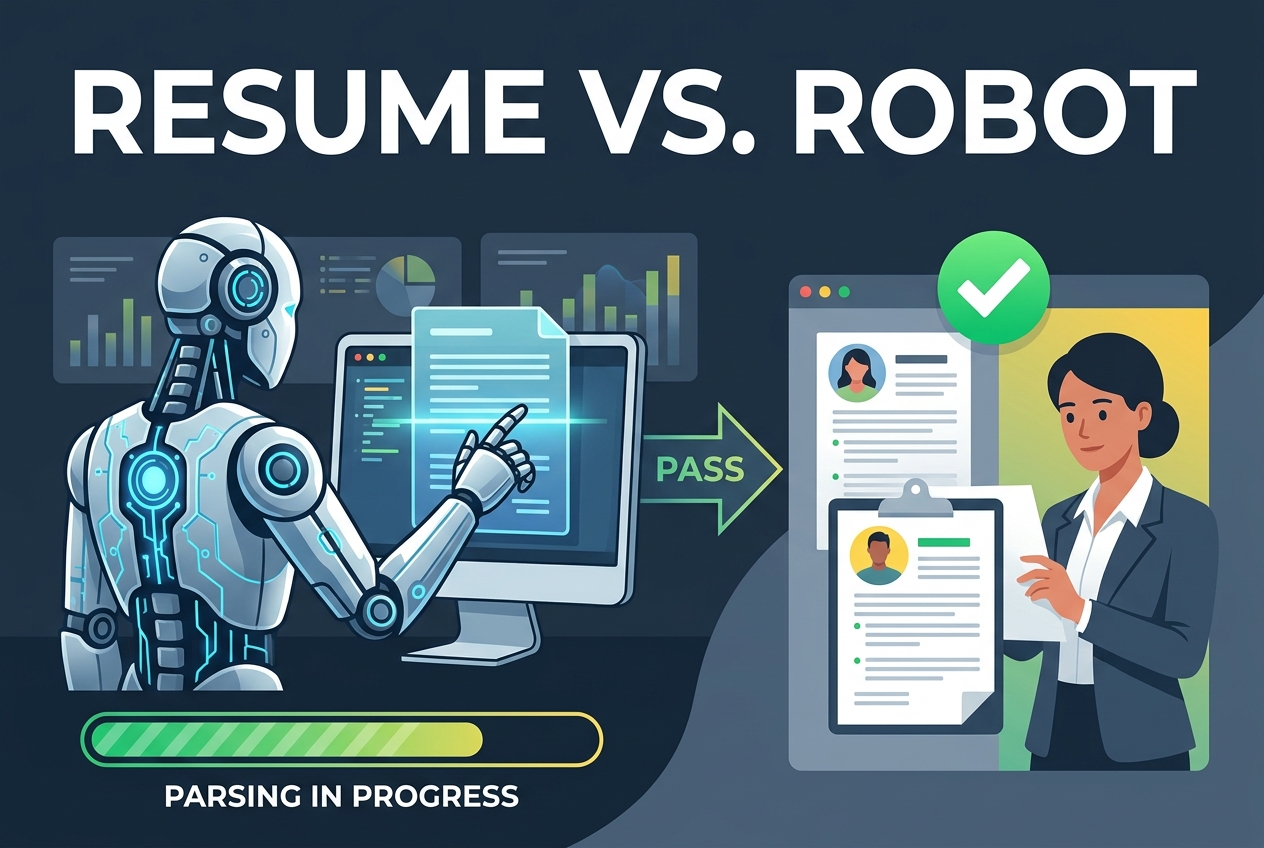
A Robot Reads Your Resume Before Any Human Does
Your resume has to survive parsing software before a recruiter ever sees your name. These tactics split on how far to bend to the machine: strict formatting rules to avoid parsing errors, running your file through the same software recruiters use, or writing for the human reader first and trusting clean structure to pass. The balance you strike decides whether you get filtered out or called back.
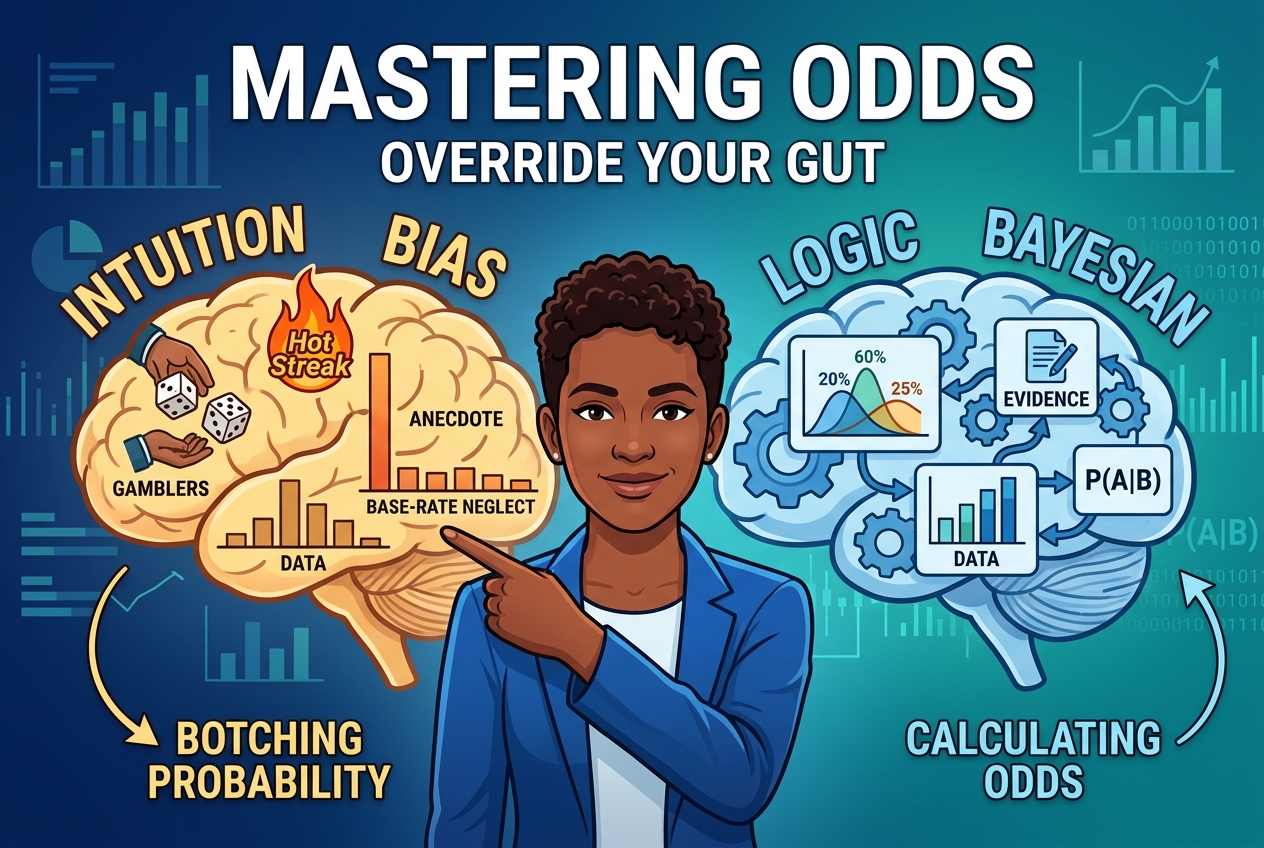
Why Your Gut Is Terrible at Judging the Odds
Human instinct routinely botches probability, from the gambler's fallacy to ignoring base rates. These reasons range from stubborn cognitive biases and how badly we encode randomness to systematic fixes like Bayesian updating that override the guesswork. You can decide which explanations and tools help you think more clearly about chance.

What Really Ruins Your Sleep, and How Much You Control
Caffeine, alcohol, and late-night habits all wreck sleep, but how rigidly you should manage them is contested. These takes split between strict cut-off rules for known disruptors and a more personal approach that tailors habits to your own body. You can decide whether hard rules or custom tweaks will fix your nights.
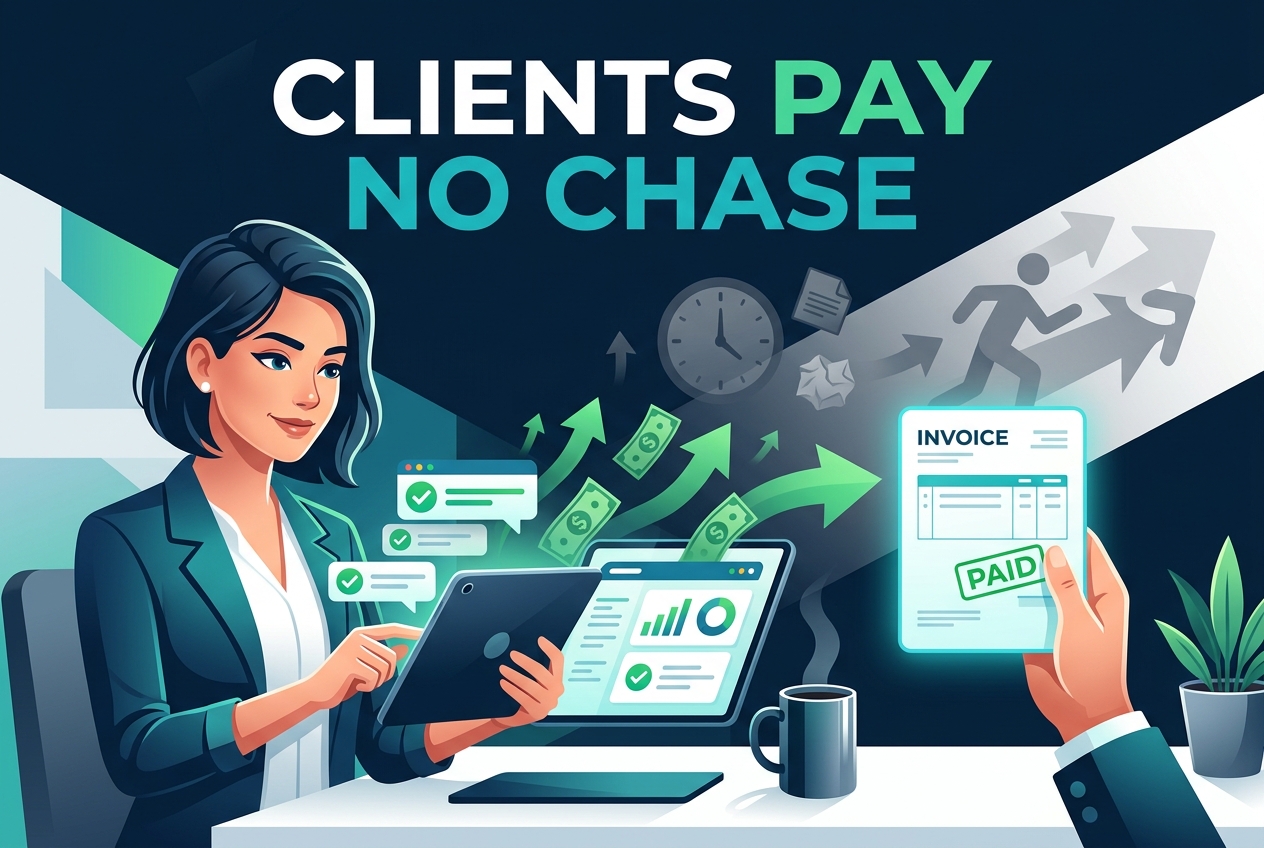
Getting Clients to Pay Without the Awkward Chase
Late-paying clients strangle cash flow, and how hard you push is a real judgment call. These tactics range from clear upfront contracts and automated reminders to firm cutoffs that stop work until the invoice clears, plus early-payment discounts and easy payment options. Weigh them to set terms and collections that keep money moving.
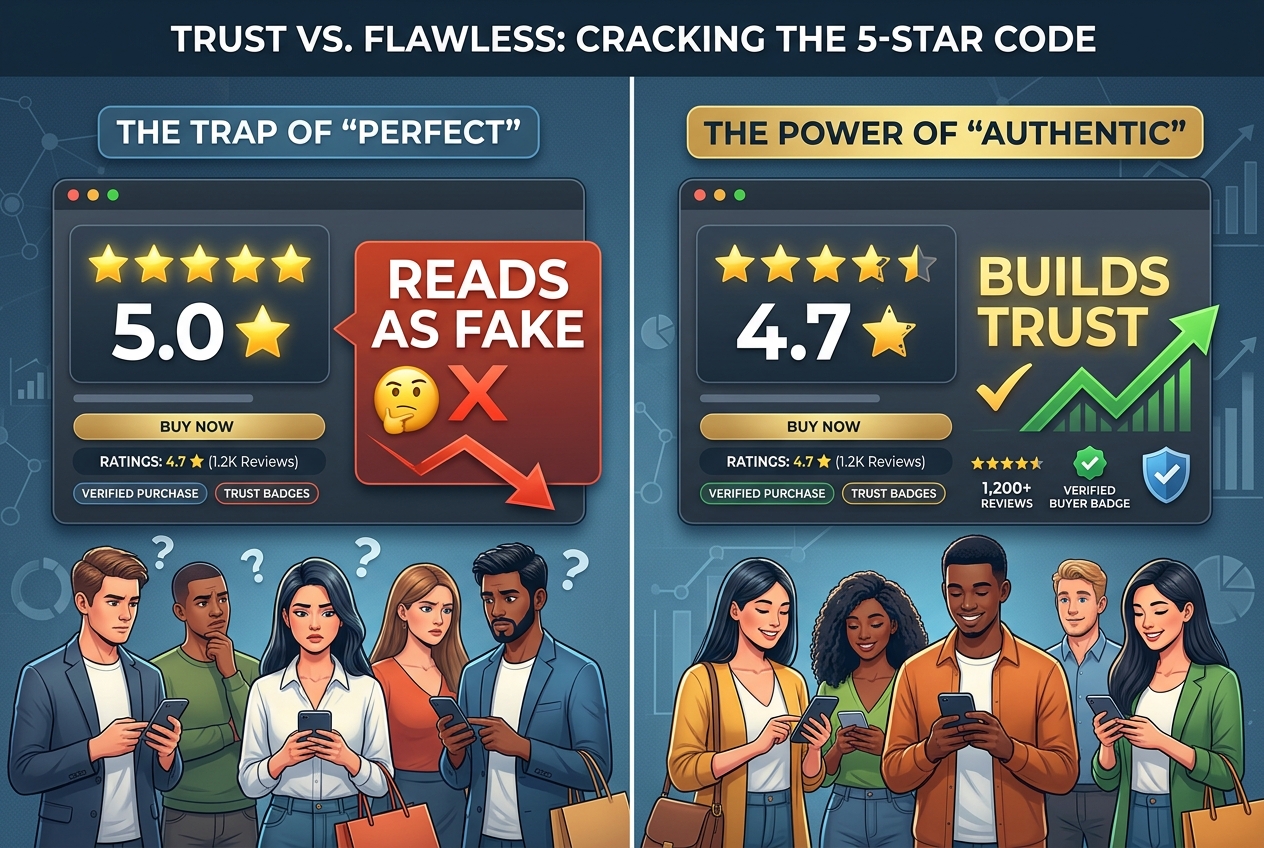
A Perfect 5-Star Rating Can Actually Hurt Sales
Shoppers lean on reviews and badges to decide whether to trust you, but flawless scores can read as fake. The tactics disagree on what builds credibility: placing ratings right at the buy button, showing authentic slightly imperfect scores, displaying crowd numbers and verified badges, or matching trust signals to each buyer's specific doubt. Deploying them well turns skeptical visitors into buyers instead of arousing suspicion.
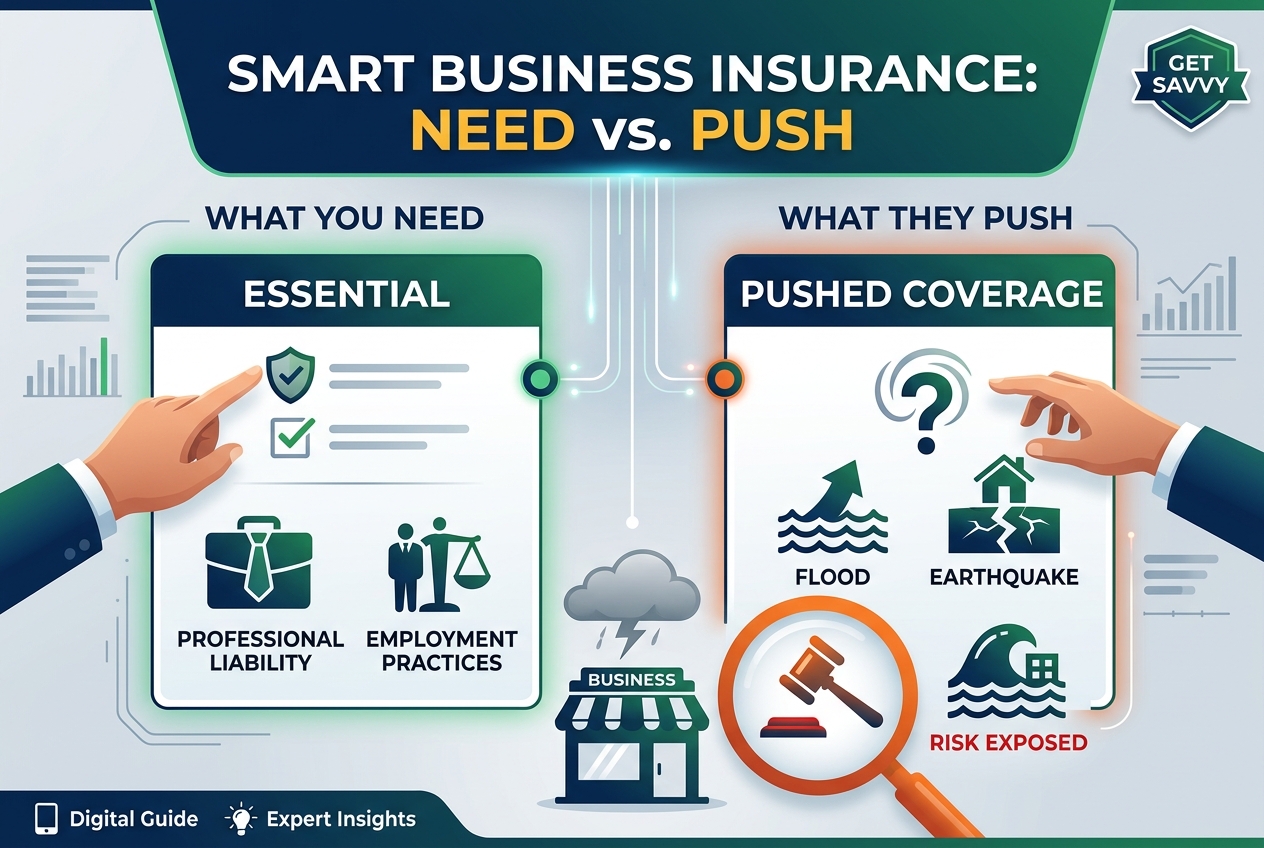
The Business Insurance You Need and the Coverage They Push
One uncovered lawsuit or flood can sink a small business, yet paying for coverage you never needed drains it slowly. The approaches split on what counts as essential: some prioritize protection against employee lawsuits and professional mistakes, while others point to hidden exclusions in standard property policies, like flood and earthquake, that quietly leave you exposed. Sorting genuine need from sales pressure helps you buy the policies that match your actual risks.
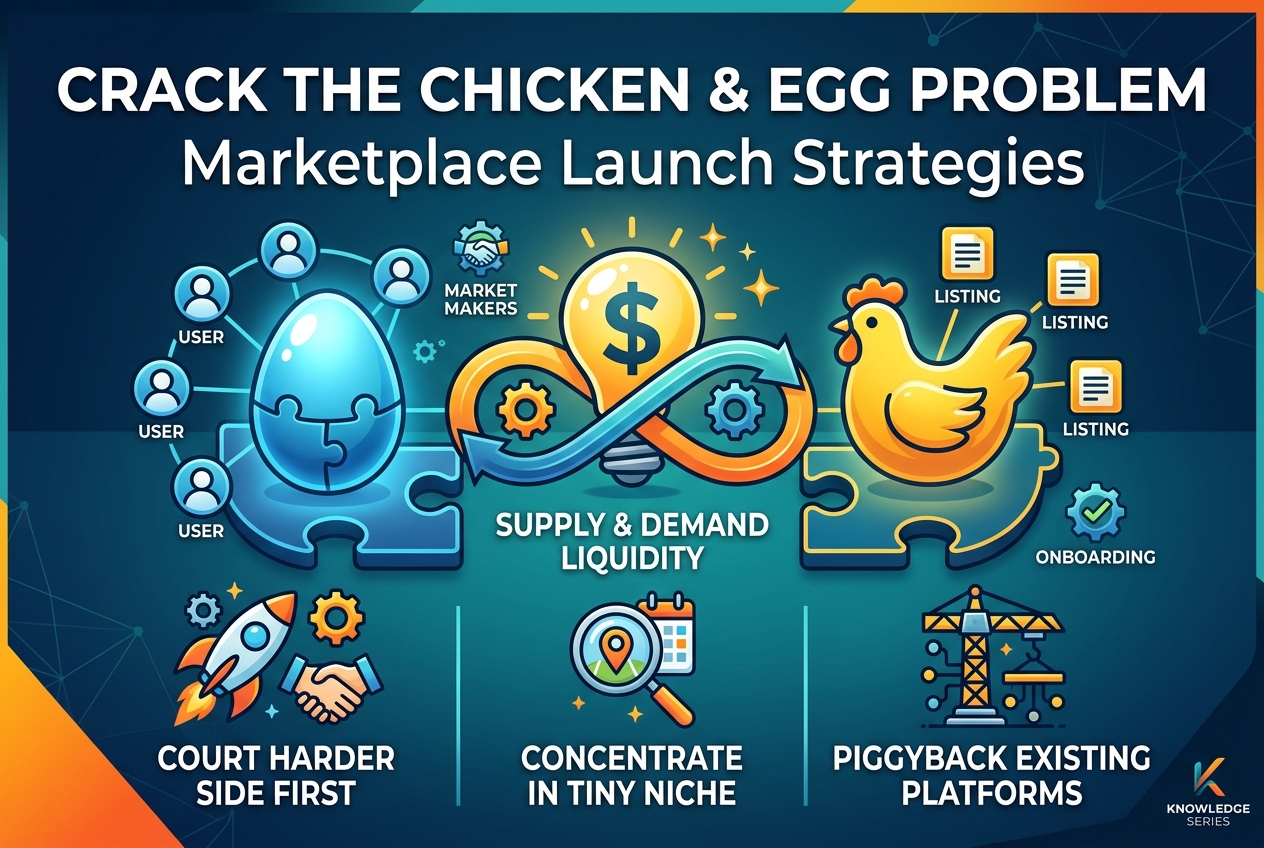
How Do You Launch a Marketplace Nobody Has Joined Yet?
Buyers won't show up without sellers, and sellers won't list without buyers, which is why most marketplaces die at launch. These strategies split on the way out: court the harder side first with hands-on onboarding, concentrate all activity in one tiny niche, or piggyback on platforms where both sides already gather. Each trades speed for stability differently, so pick by how much liquidity you need before word spreads.