
Browse the Context Marketplace
Expert-level knowledge on any topic. Each capsule guides you through what matters most.
601 capsules
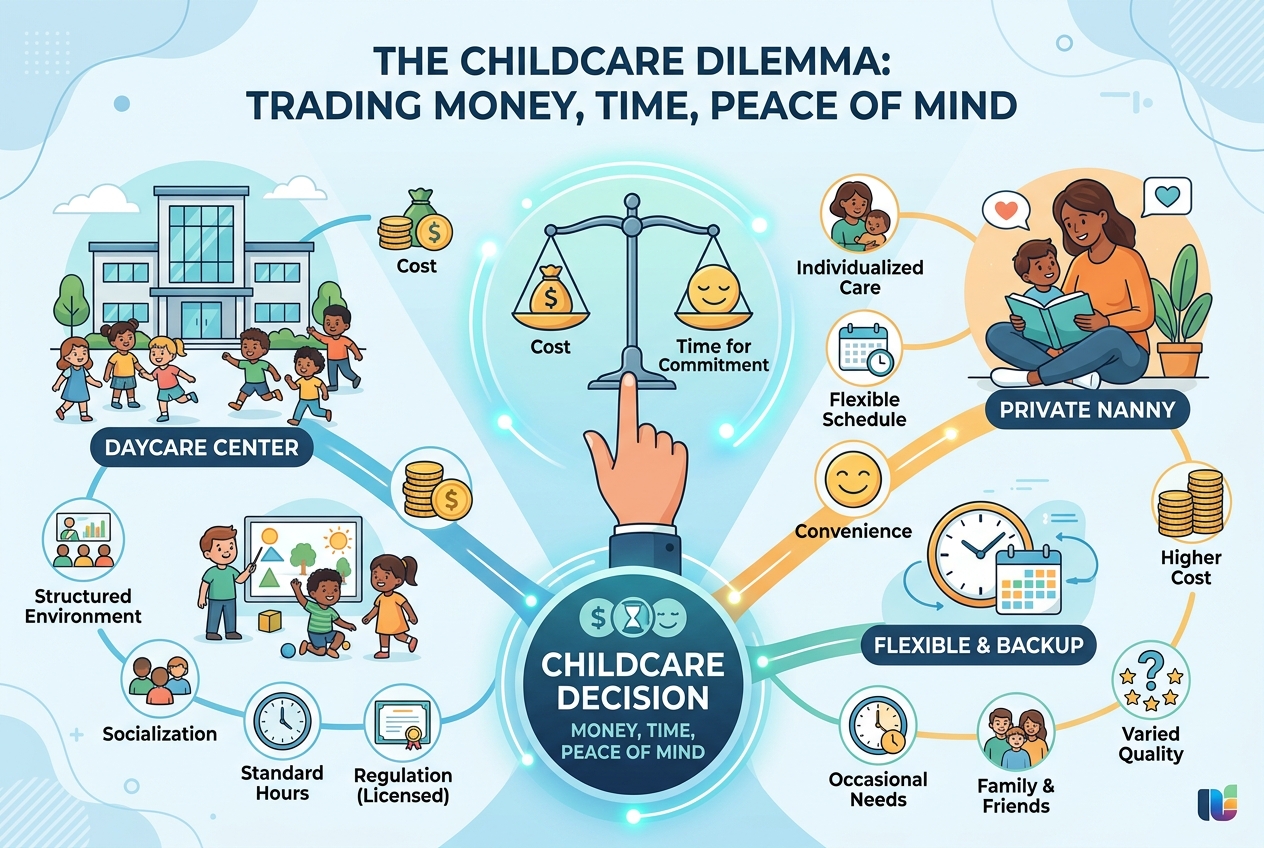
Choosing Childcare Means Trading Money, Time, and Peace of Mind
Few decisions weigh on a family like who cares for your child while you work, and the price tags are only half the story. These childcare options differ on cost, quality, scheduling, and regulation, from daycare centers to nannies to flexible backup arrangements, and the research behind them comes with caveats worth knowing. You'll be able to match your child's needs and your family's finances to the option whose trade-offs you can actually live with.
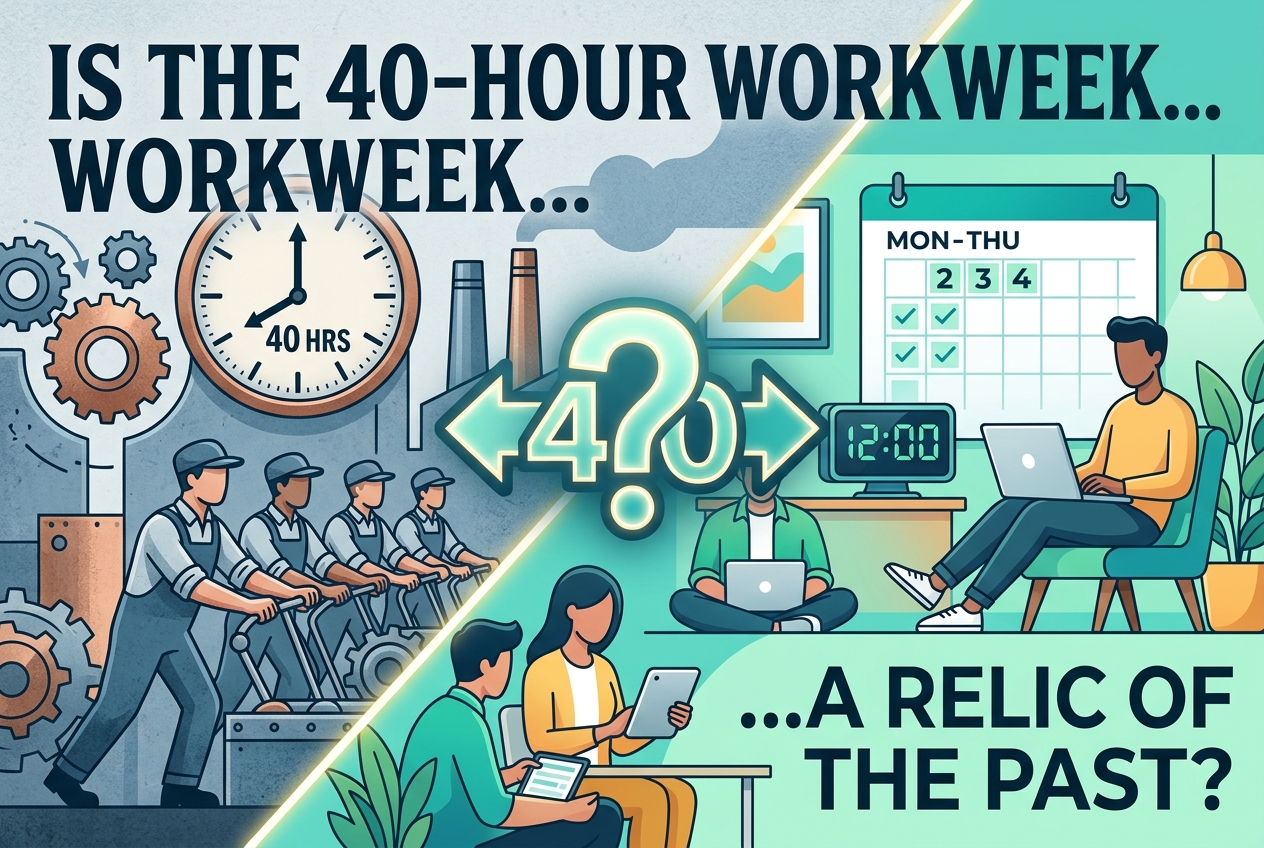
Is the 40-Hour Workweek a Relic of the Factory Floor?
The 40-hour week was built for the industrial era, and the case for keeping it is under real pressure. One argument defends fixed hours as a stable standard, another points to trials where shorter and flexible schedules lifted productivity and wellbeing, and a third questions the sources behind both claims. Sorting through them helps you judge what a sane workweek should look like now.

Short, Focused Learning Beats Traditional Courses for Remembering More
Day-long training sessions feel thorough and are mostly forgotten within a week. The case here is that short, focused lessons fit how memory actually works, preventing overload while lifting engagement and recall compared with traditional courses. If retention is the goal, break the training into small pieces and let repetition do the rest.

Childhood Trauma Changes DNA and Health Across Generations
Childhood trauma does not just leave psychological scars; it leaves chemical marks on DNA that can pass to children and grandchildren, raising their risk of chronic disease. That runs against the mainstream view of trauma as a purely psychological injury confined to one generation. If the biology holds, it changes practice: screen earlier, study families across generations, and treat the body along with the mind.

Your First 90 Days Decide If a New Job Works Out
Skills alone will not carry you through a new job; the first ninety days are won by reading the informal networks and politics around you. Engage the key people early, surface the hard issues before they fester, and time your first moves with care to build influence instead of drifting into isolation. Handle this stretch well and it becomes a launchpad rather than a trial.

Your Walls Hide Critical Systems You Must Know to Avoid Disaster
Behind every wall runs a hidden network of structural supports, wiring, plumbing, and HVAC that most people picture as just a partition. Knowing where load-bearing walls, shutoff valves, and wires actually run is what stands between a smart renovation and a costly, dangerous mistake. Learn to read your walls and you make safer, sharper decisions about your home.
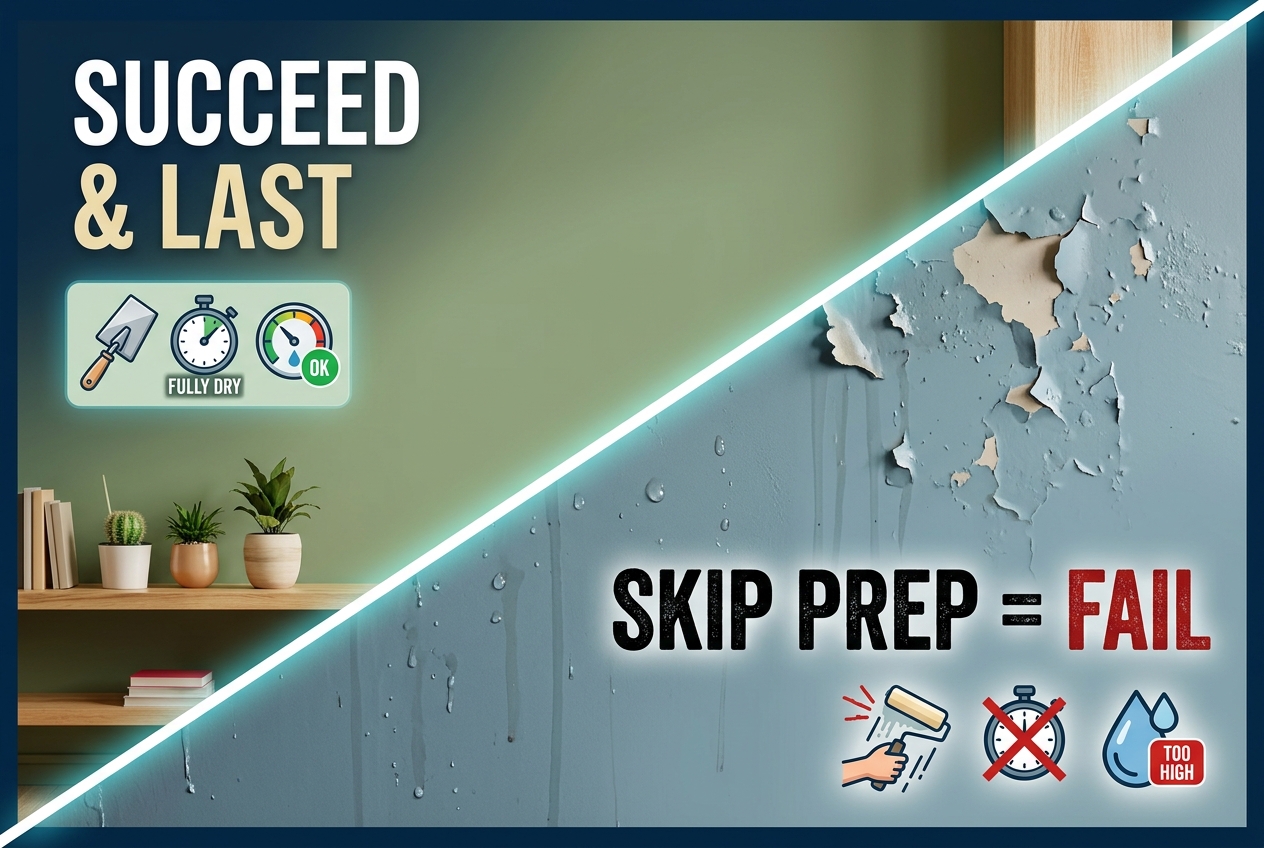
Skip the Prep and Your Paint Job Fails Within a Year
Most people rush the parts that decide everything: surface prep, drying time, and humidity, then wonder why the finish peels or streaks. This take insists on repairing the wall, fully drying each coat, and controlling the room's climate before you touch a brush. Follow it and the room stays clean and holds up for years.
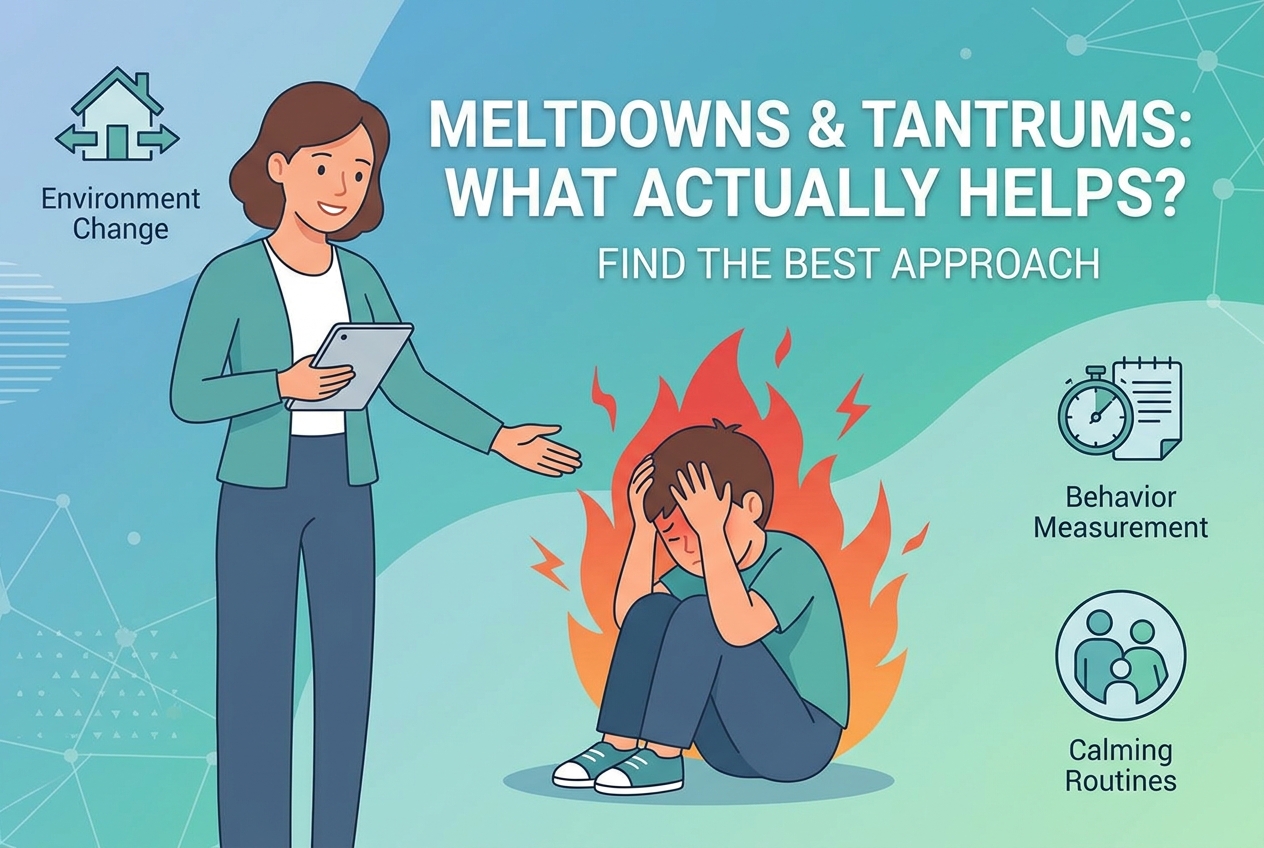
When a Meltdown Hits, What Actually Helps?
In the middle of a tantrum or meltdown, most advice feels useless. These approaches differ on where to intervene: changing the environment to prevent episodes, measuring behavior carefully to spot triggers, or leaning on practical calming routines for the whole family. Comparing them helps you pick a response that fits your child and keeps everyone steadier.

Turning Family Facts Into a Plan Everyone Can Live With
Making a family plan means juggling safety, mental health, and daily routines all at once. These recommendations part ways on where to start: clear communication and safety protocols during parenting transitions, tackling trauma and mental health first, or using structured decision tools to settle arrangements. Seeing the differences helps you choose the path that fits your family's real situation.

Making Great Video Games Demands Brutal, Unrelenting Work
Behind the games players love sits a punishing production culture of long hours, high stress, and personal sacrifice known as crunch. Against the notion that game development is creative fun, this take treats crunch as the hidden human cost of technical complexity and hard deadlines, one that burns developers out even as many accept it to ship their vision. Seeing that cost is the first step toward supporting healthier studios.

You Can Fight and Lower Your Medical Bills by Challenging Errors
Most people accept medical bills without question, but you have the right to carefully review and dispute charges that seem incorrect or inflated. By requesting itemized bills, negotiating with providers, and using formal dispute processes, you can reduce what you owe and avoid unfair surprise charges. Taking these steps changes the usual experience from passive payment to active control over your medical expenses.
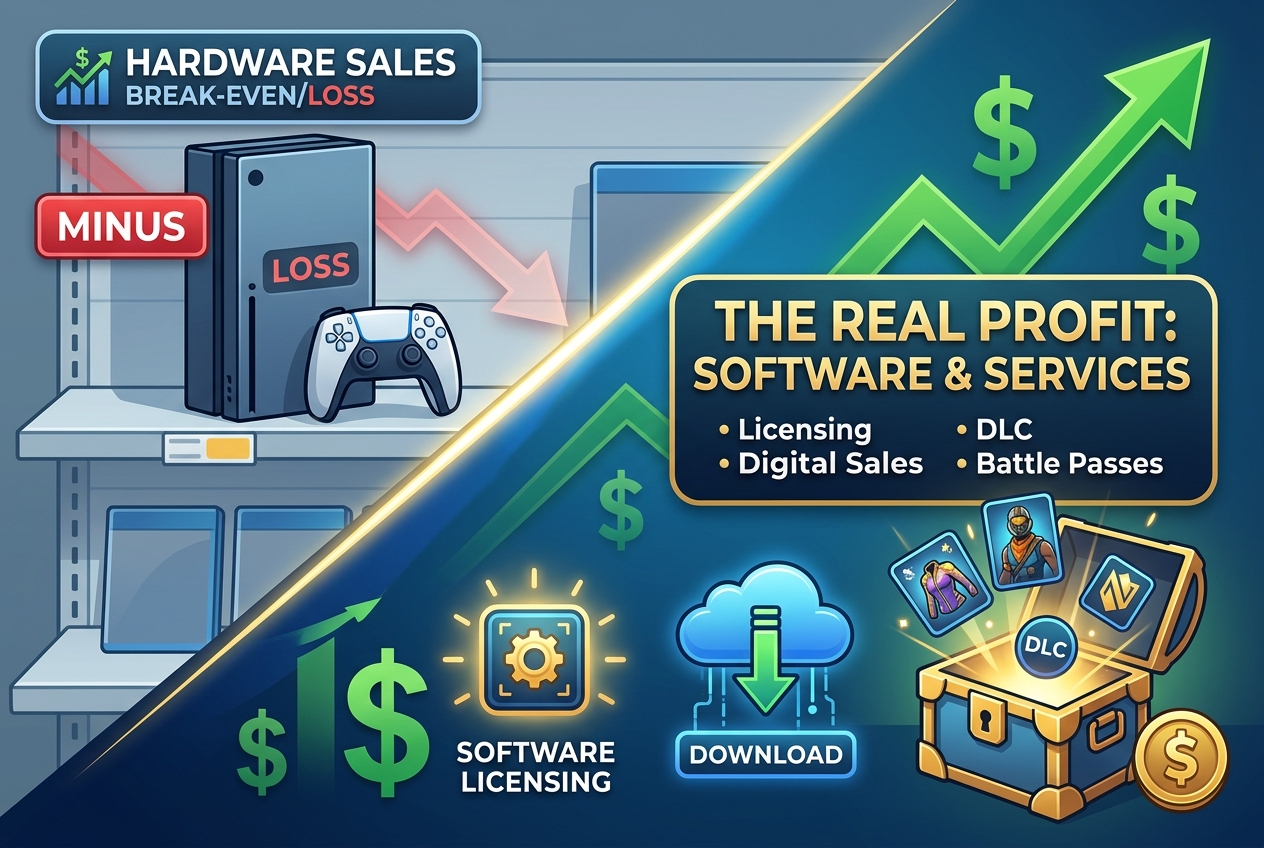
Game Makers Rely on Software Sales, Not Hardware, to Make Money
Most people assume the profit is in the console on the shelf, but makers often sell that hardware at a loss or break-even. The real money comes from software licensing, digital sales, and add-ons like downloadable content and battle passes. Seeing this reframes how games are designed and monetized long before you hit buy.