
Browse the Context Marketplace
Expert-level knowledge on any topic. Each capsule guides you through what matters most.
46 capsules

When Back Pain Is an Emergency and When It Isn't
Most back pain is harmless, but a few symptoms mean the emergency room, and confusing the two is costly either way. These approaches split on triage: acting fast on red flags like leg weakness or bladder trouble, waiting out time-based windows, or weighing psychological and lifestyle factors before imaging and surgery. Knowing the differences tells you when to rush and when to breathe.

What New Teachers Face That No Training Warns Them About
The first year of teaching brings hidden traps beyond lesson plans, including unexpected safety threats and overwhelming administrative burdens. New teachers must navigate challenges from managing student behavior and personal safety to confronting uncomfortable truths about history and school politics. Understanding these distinct challenges helps teachers prepare for realities that formal training often overlooks.

What Nobody Tells You About the Daily Grind and Burnout of Family Caregiving
Being a family caregiver means juggling unseen logistics like managing finances, coordinating medical care, and navigating complex paperwork, all while facing emotional and physical burnout. The tasks differ in how they address these hidden sacrifices, from the financial strain and healthcare coordination to the emotional toll and systemic barriers. Understanding these distinct caregiving tasks helps you recognize the full scope of challenges and decide where to focus support or advocacy efforts.

How to Win Job Negotiations Without Another Offer in Hand
Negotiating a job offer without competing bids requires different strategies that focus on your unique value, timing, and understanding the employer’s constraints. Some approaches build leverage by highlighting your fit and potential impact, while others rely on patience and strategic concessions to influence the offer. This landscape helps you choose how to position yourself—from using your financial runway to engaging advocates—so you can confidently negotiate even when you lack traditional leverage.

Your Boss Is the Problem. Now What?
A bad boss can wreck your work life faster than any workload. These approaches range from cautious self-protection and tactical silence to proactive communication, empathetic managing up, and planning a clean exit. Weighing them against your own situation tells you whether to repair the relationship or leave it.

Why People Attract: Four Different Expert Views That Clash
People are drawn to each other for very different reasons depending on the lens you use. Some experts focus on biology and evolution, others on managing conflict and power, while some look at attraction in unique environments like aviation. Understanding these clashing views helps you decide what really matters in your own relationships and interactions.
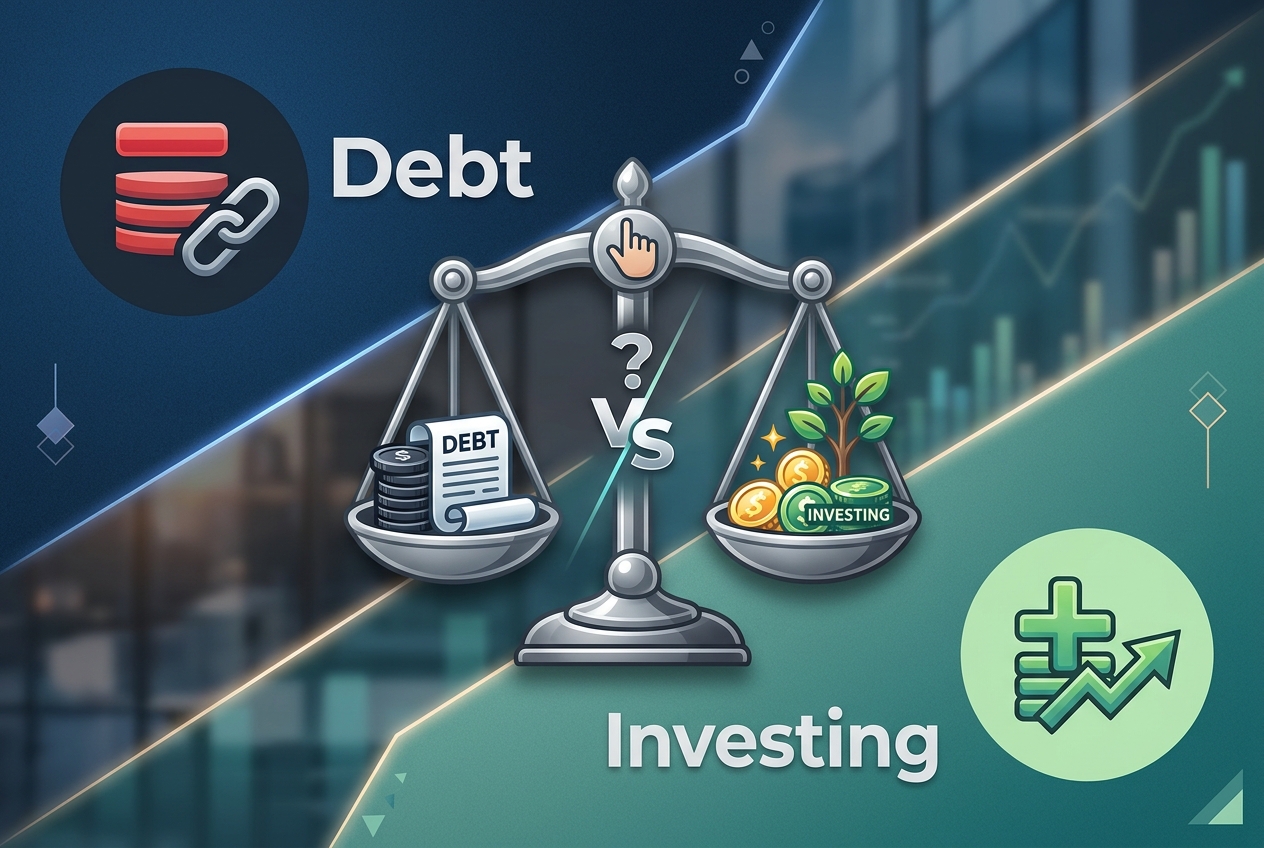
Should You Pay Debt or Invest First When Both Compete for Your Money
Deciding whether to pay off debt or invest first depends on factors like guaranteed savings from reducing debt interest versus uncertain investment returns, employer retirement match opportunities, and specific loan rules such as federal student loan forgiveness programs. Some strategies prioritize capturing every dollar of employer match before tackling debt, while others focus on teamwork and system clarity in managing finances. Understanding these differences helps you choose the approach that fits your goals and financial situation.

Visible Six-Pack Abs Require Fat Loss and Careful Nutrition, Not Quick Fixes
Achieving visible six-pack abs depends primarily on reducing body fat through a consistent calorie deficit combined with nutritious eating and gradual, safe core training. Quick fixes like detox teas can cause serious health risks including electrolyte imbalances and liver damage, and do not effectively reveal abs. Managing sodium intake to reduce bloating and tracking nutrition precisely are key steps on the honest path to defined abs.
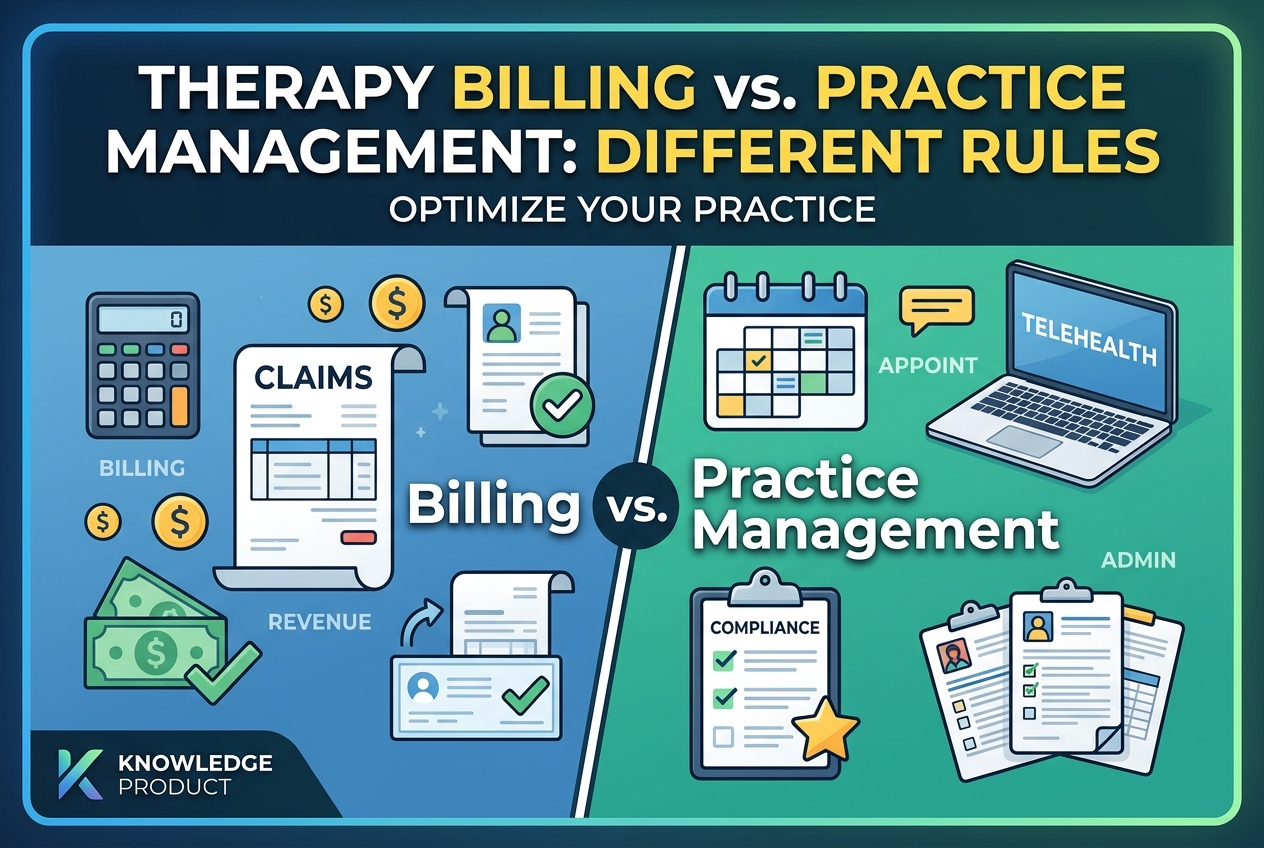
Why Therapy Billing and Practice Management Demand Different Rules
Therapists and counselors face distinct requirements when managing private practices, from handling insurance claims and billing procedures to meeting telehealth regulations and business management challenges. These requirements differ significantly in how they impact revenue flow, compliance, and client interactions, guiding practitioners on whether to prioritize centralized billing systems, strict cancellation policies, or up-to-date credentialing processes. Understanding these varied demands helps clinicians choose the right approach to optimize their practice’s financial health and legal compliance.

Who Really Keeps Your Workout Fees Gym Owners or Trainers
When you pay for personal training, the split between gym owners and trainers shapes who earns what and who controls your sessions. Models differ on client ownership, fee distribution, and trainer independence, revealing why some trainers earn more by managing their own clients and schedules while others work under gym policies that limit their take-home pay. Understanding these models helps trainers and clients see the real economics behind personal training fees and the trade-offs between convenience, control, and income.

How to Handle a Midlife Inheritance When You’re Not Working
Receiving a midlife inheritance without a career brings unique challenges and opportunities that require careful financial and emotional planning. Approaches differ on managing taxes, building emergency funds, engaging professional advisors, and deciding how much financial control to maintain, especially within marriage or trust structures. Understanding these varied strategies helps you protect your wealth, address personal goals, and navigate complex rules without relying on traditional employment.
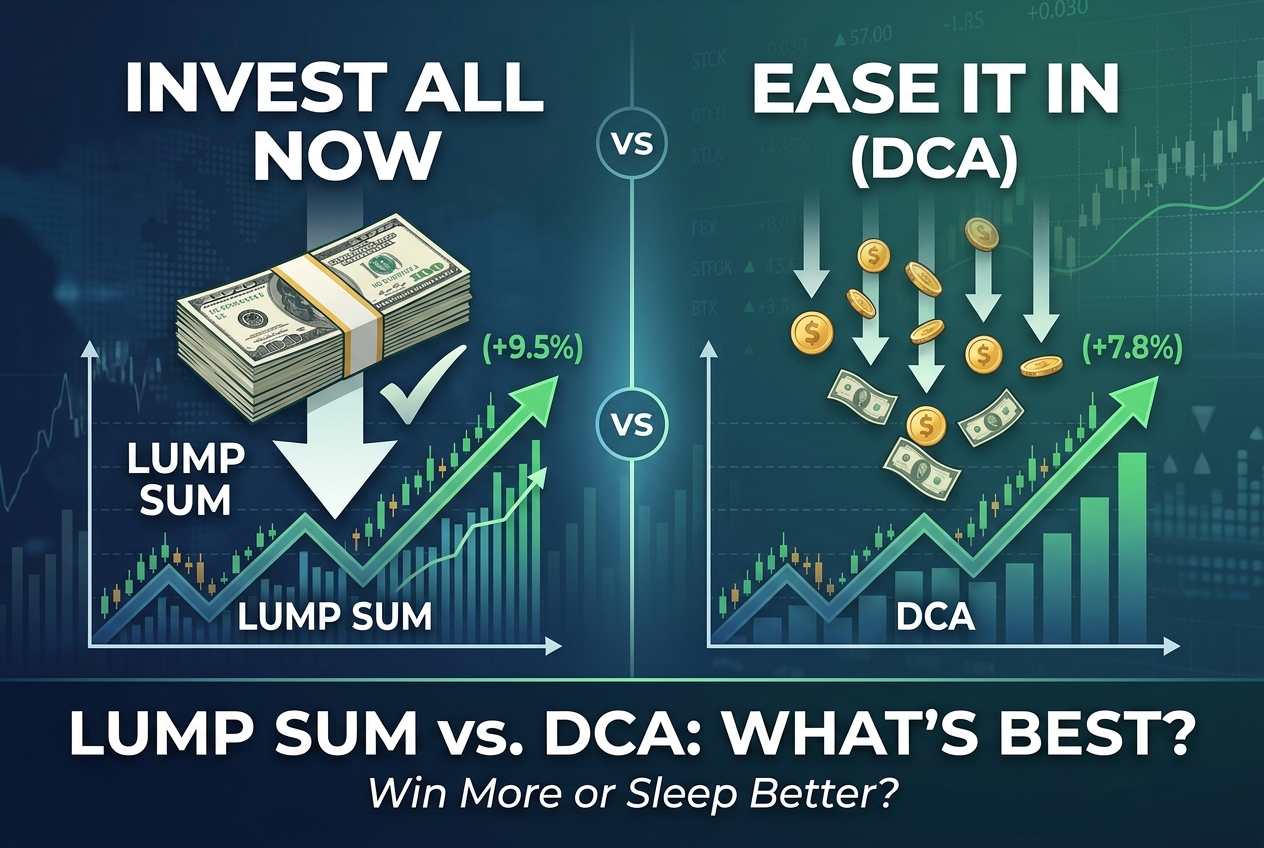
Dripping Money Into the Market Feels Safer. It Usually Costs You.
When a windfall lands, the hardest question is whether to invest it all today or ease it in over months. These strategies split on what matters most: the math, which usually favors investing everything at once, versus the risk and regret of watching a lump sum drop right after you commit. You'll be able to weigh higher expected returns against your own nerves and pick a plan you can actually stick with through a downturn.