
Browse the Context Marketplace
Expert-level knowledge on any topic. Each capsule guides you through what matters most.
35 capsules
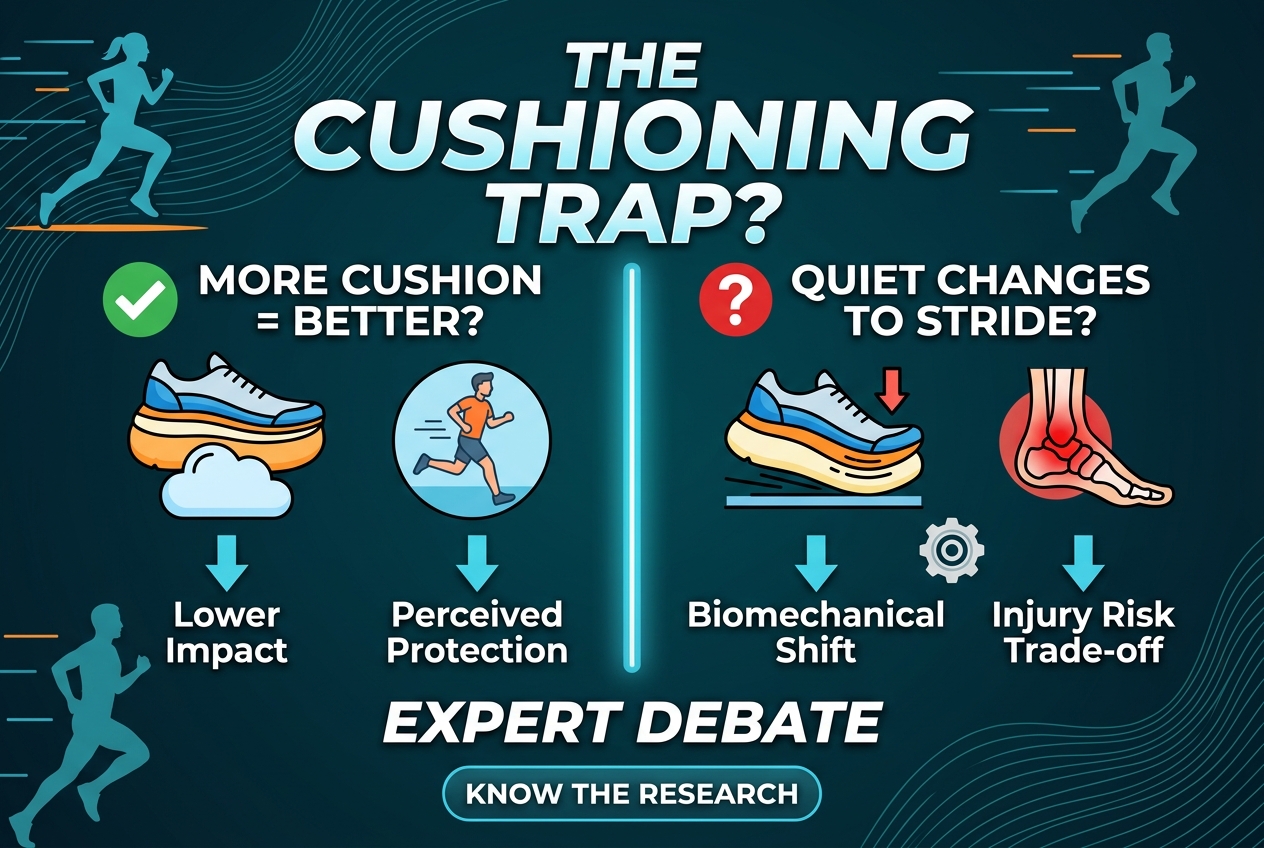
More Cushioning in Running Shoes May Not Save Your Knees
More cushion feels protective, but whether it actually lowers injury risk or quietly changes your stride is genuinely unsettled. These views split over cost and expert opinion, the research methods behind the claims, and the personal trade-off between cushion and stability. See where they clash so you can choose what fits your stride and mileage.
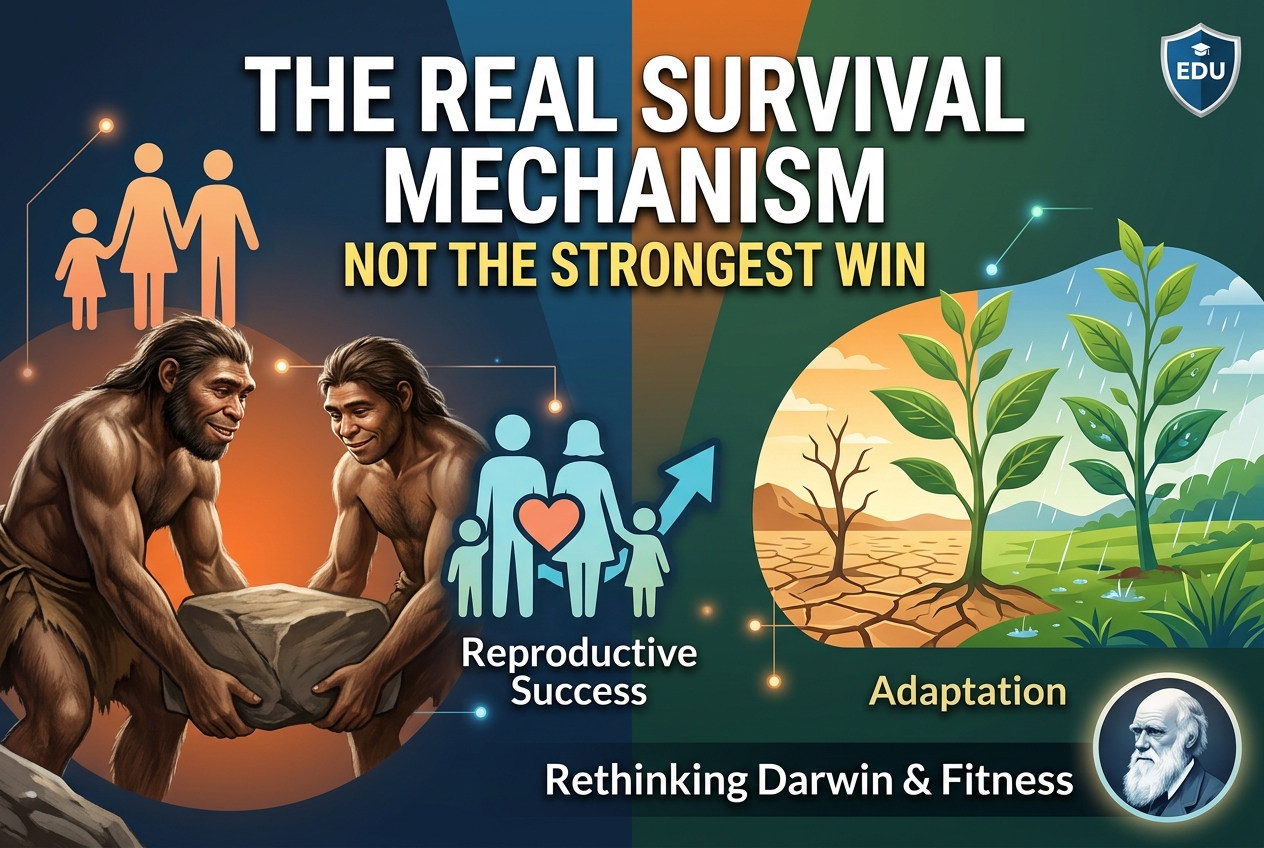
'Survival of the Fittest' Never Meant the Strongest Win
The phrase gets used to justify ruthless competition, which is nearly the opposite of what it describes. These explanations correct the record: fitness means reproductive success and adaptability, Darwin emphasized cooperation and even compassion, and the famous wording was not originally his. Rethink what actually drives survival before you borrow the phrase again.

The Ice Bath Hype Is Colder Than the Evidence
Ice baths are everywhere in fitness culture, but the science behind them is shakier than the enthusiasm. These claims differ on whether cold water after lifting actually blunts muscle growth, whether the recovery and weight loss benefits hold up, and how strong the underlying evidence really is. You'll be able to decide if, when, and how a cold plunge belongs in your routine.
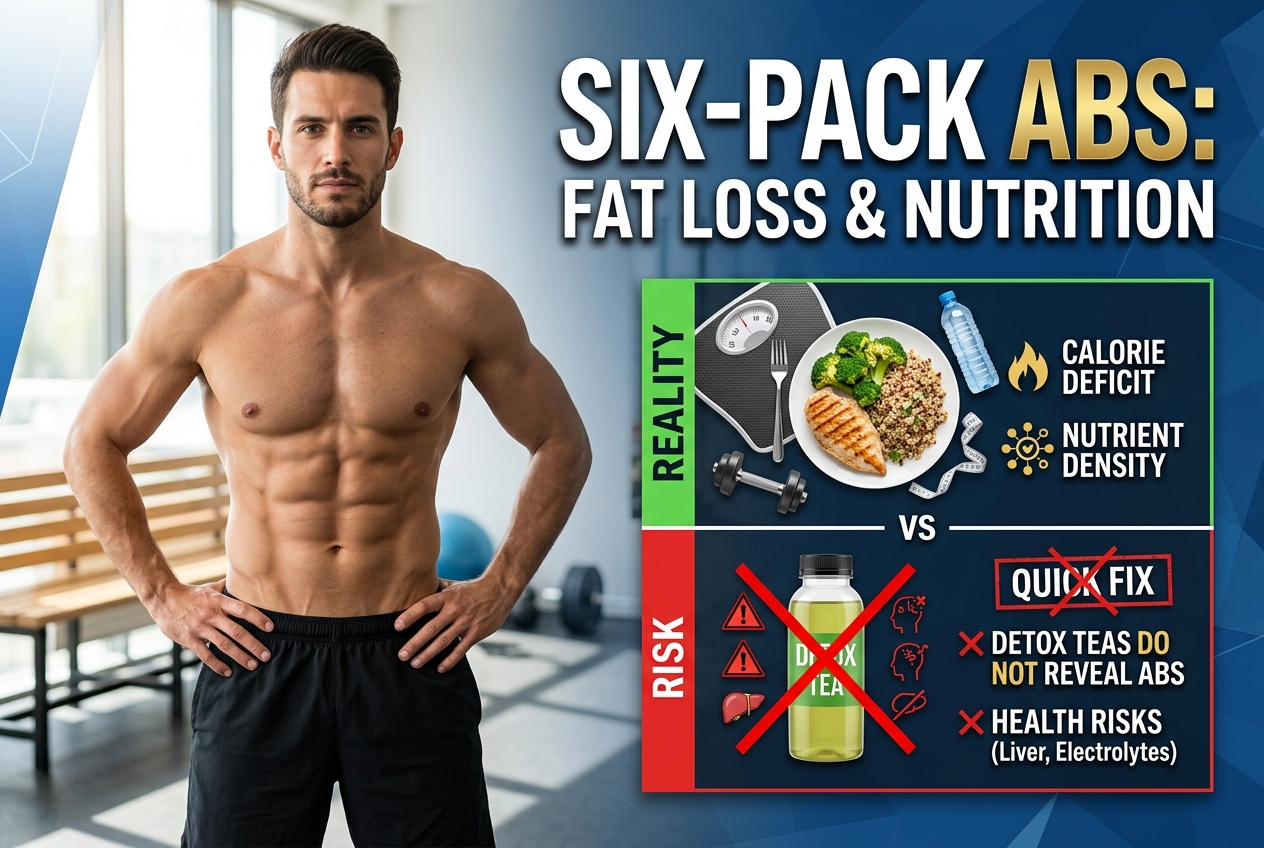
Visible Six-Pack Abs Require Fat Loss and Careful Nutrition, Not Quick Fixes
Achieving visible six-pack abs depends primarily on reducing body fat through a consistent calorie deficit combined with nutritious eating and gradual, safe core training. Quick fixes like detox teas can cause serious health risks including electrolyte imbalances and liver damage, and do not effectively reveal abs. Managing sodium intake to reduce bloating and tracking nutrition precisely are key steps on the honest path to defined abs.
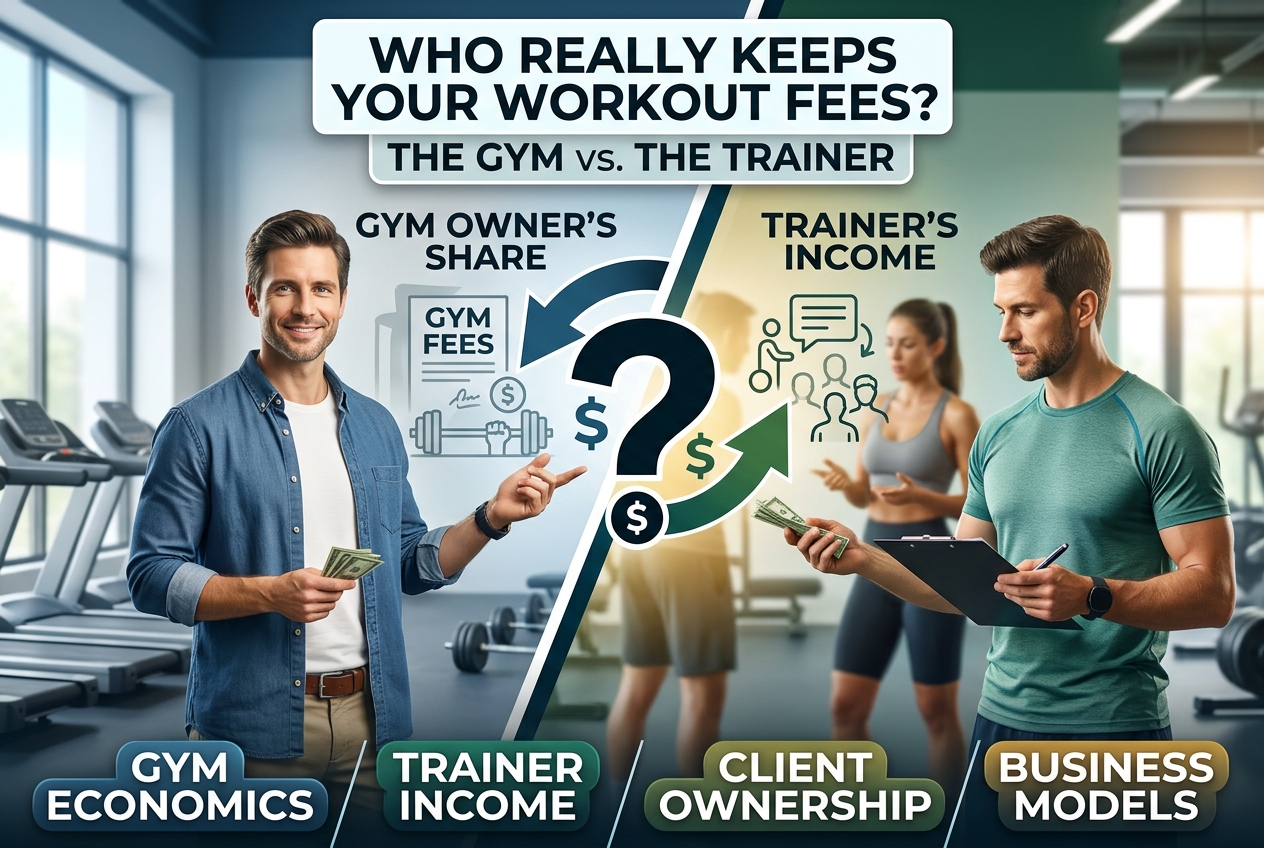
Who Really Keeps Your Workout Fees Gym Owners or Trainers
When you pay for personal training, the split between gym owners and trainers shapes who earns what and who controls your sessions. Models differ on client ownership, fee distribution, and trainer independence, revealing why some trainers earn more by managing their own clients and schedules while others work under gym policies that limit their take-home pay. Understanding these models helps trainers and clients see the real economics behind personal training fees and the trade-offs between convenience, control, and income.
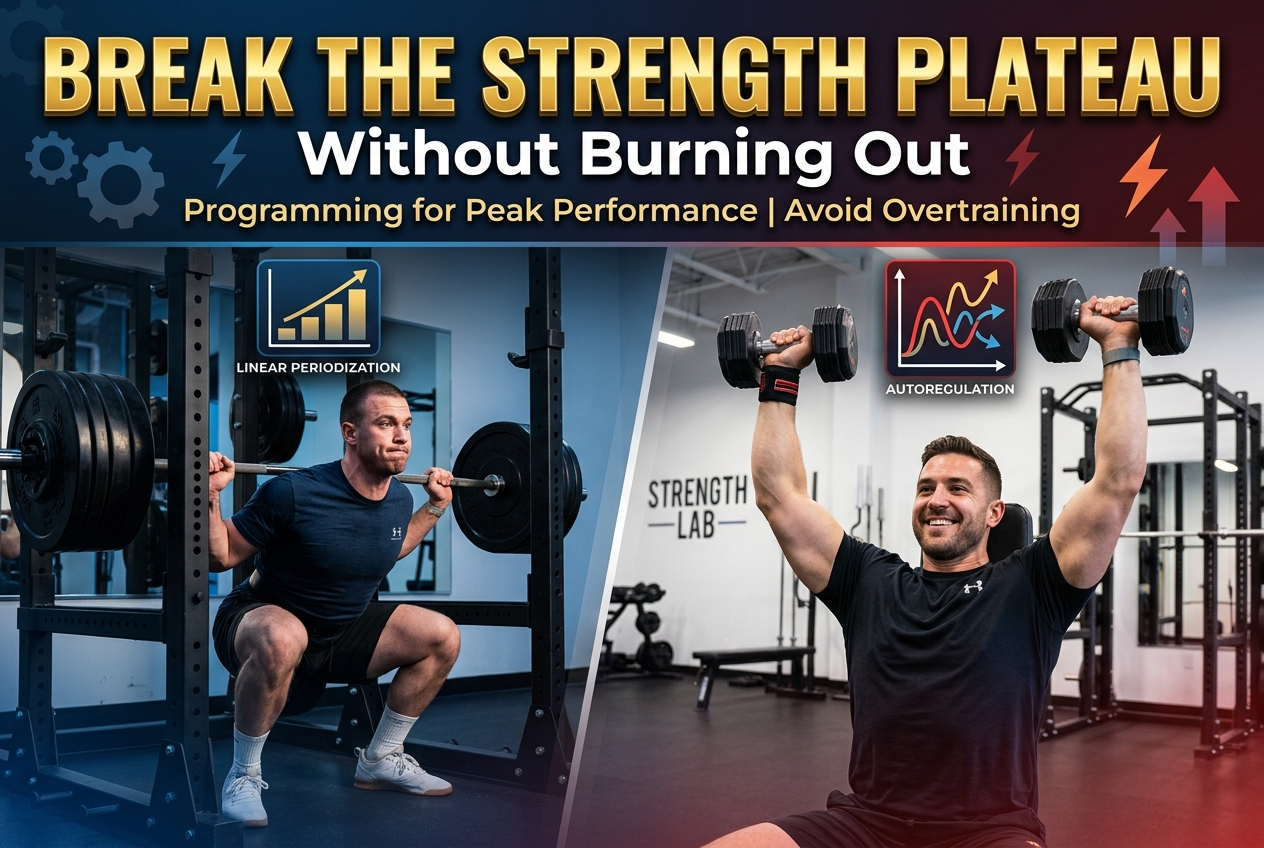
Break Through a Strength Plateau Without Burning Out
When your lifts stall, the fix depends on how you plan progress. These methods differ between steady, pre-planned changes in intensity and volume over weeks and a flexible daily approach that adjusts to how ready you feel that session. You can decide which one breaks your plateau without pushing you into injury.
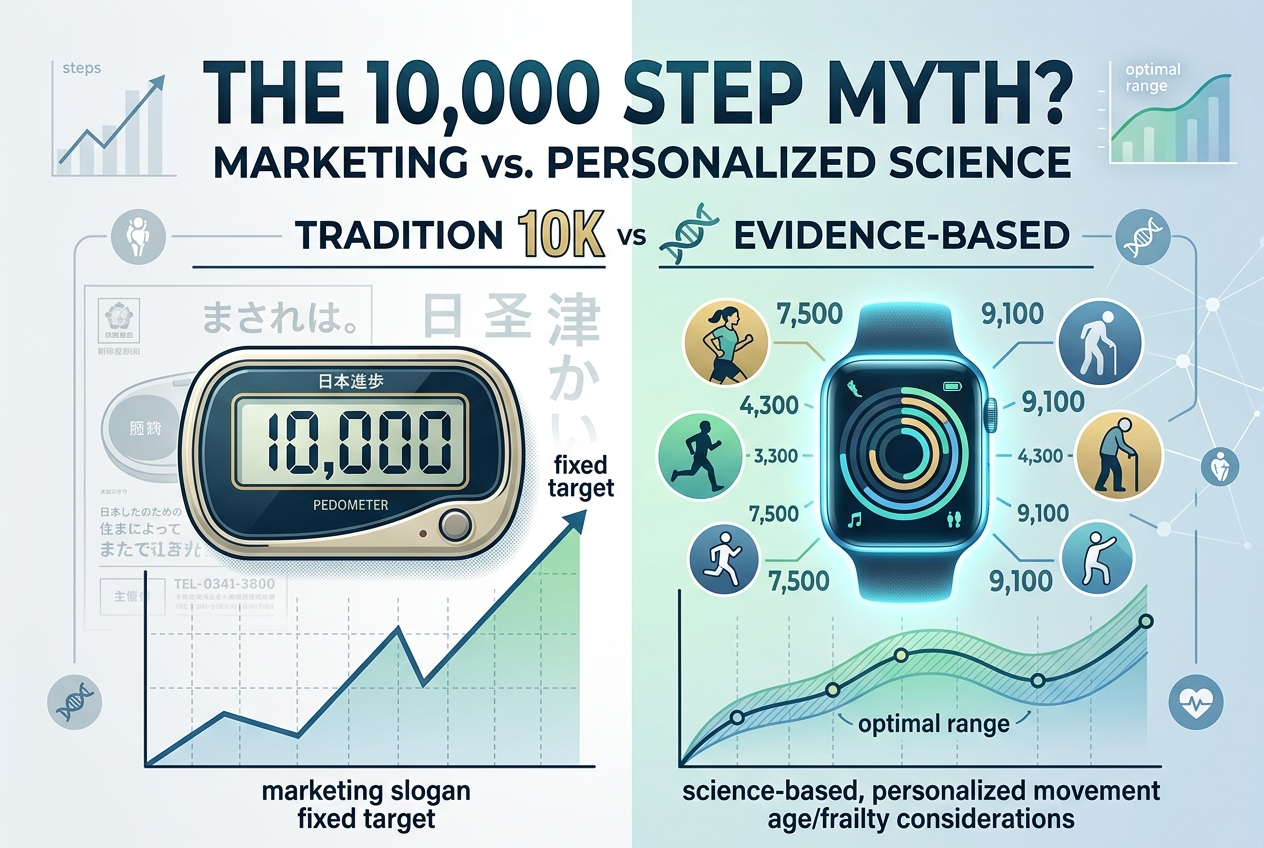
The 10,000 Steps Rule Started as a Marketing Slogan
That daily step goal on your watch traces back to a Japanese pedometer ad, not to science. The arguments here split over whether to keep a fixed target, tailor step counts to age and frailty, or drop counting entirely in favor of broader movement. Weighing them helps you settle how to measure a healthy day.
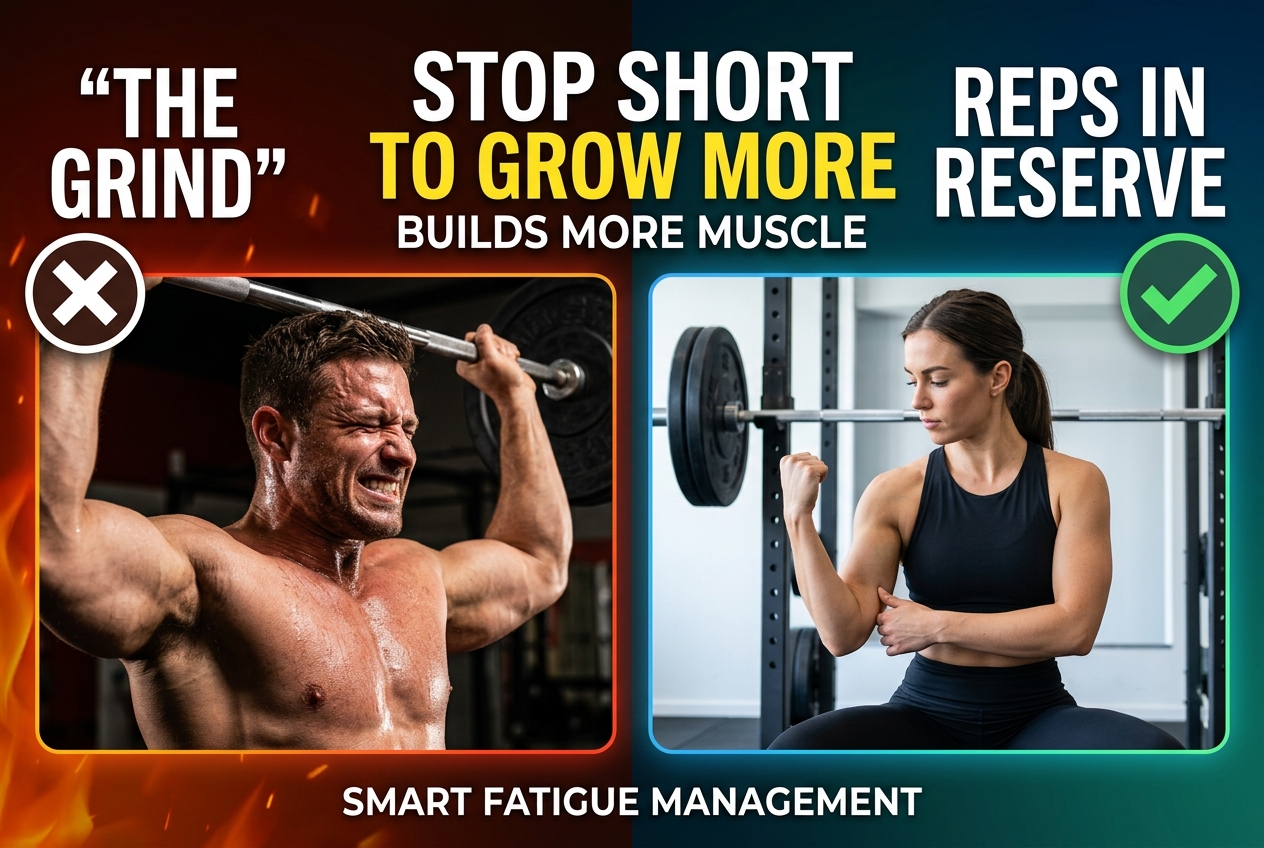
When Stopping Short Builds More Muscle Than Grinding On
Grinding every set until you physically cannot move the weight feels hardcore, but it may be quietly stalling your progress. These methods differ on how to dose effort instead: rating how hard a set feels, leaving repetitions in reserve, and protecting recovery so fatigue does not swallow your gains. Compare them and you can decide exactly when pushing to failure earns its cost and when to rack the bar early.
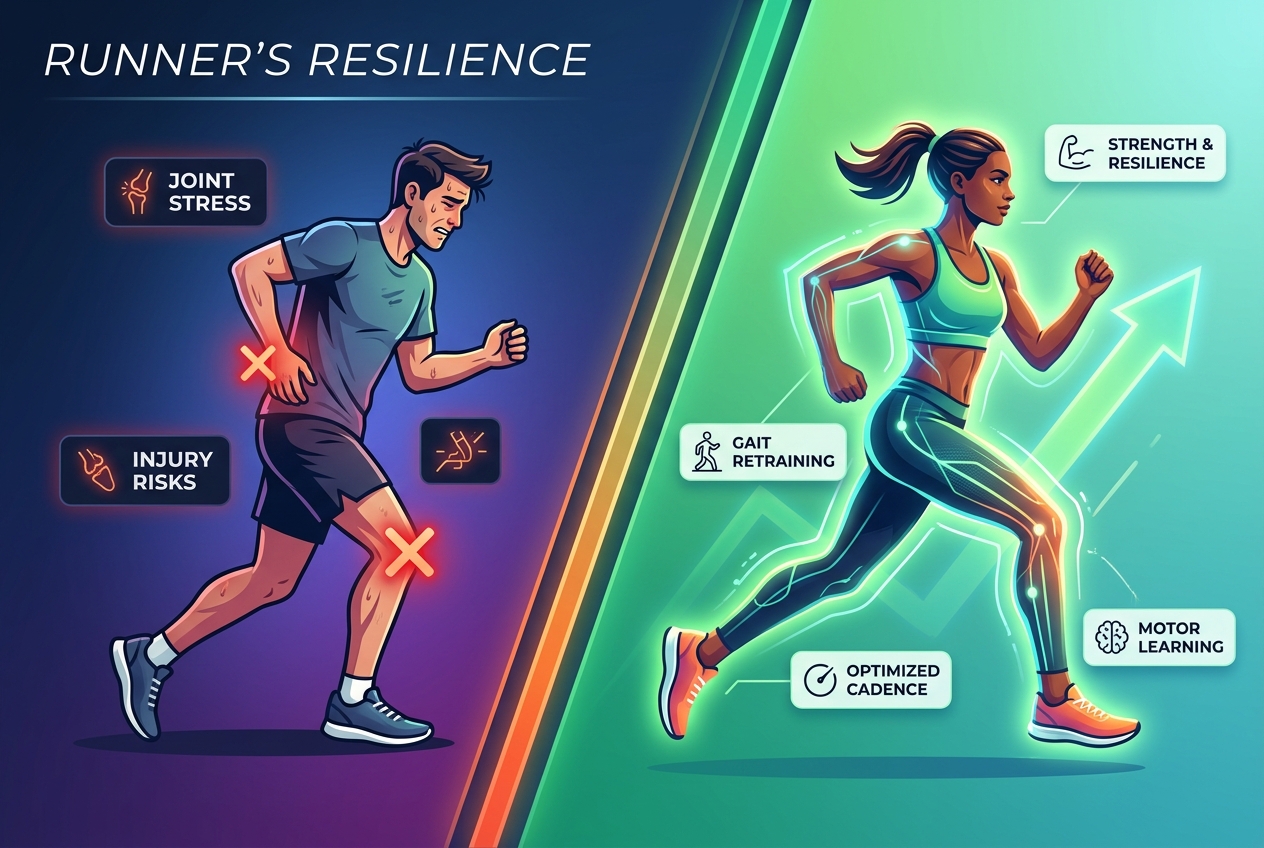
Why Runners Keep Getting Hurt, and What Actually Helps
Running injuries are common, but the best prevention is contested. These fixes range from strength training that builds resilience and raising your cadence to ease joint stress, to structured gait retraining and the argument that impact forces matter less than we think. You can decide which approach fits your stride and your injury history.
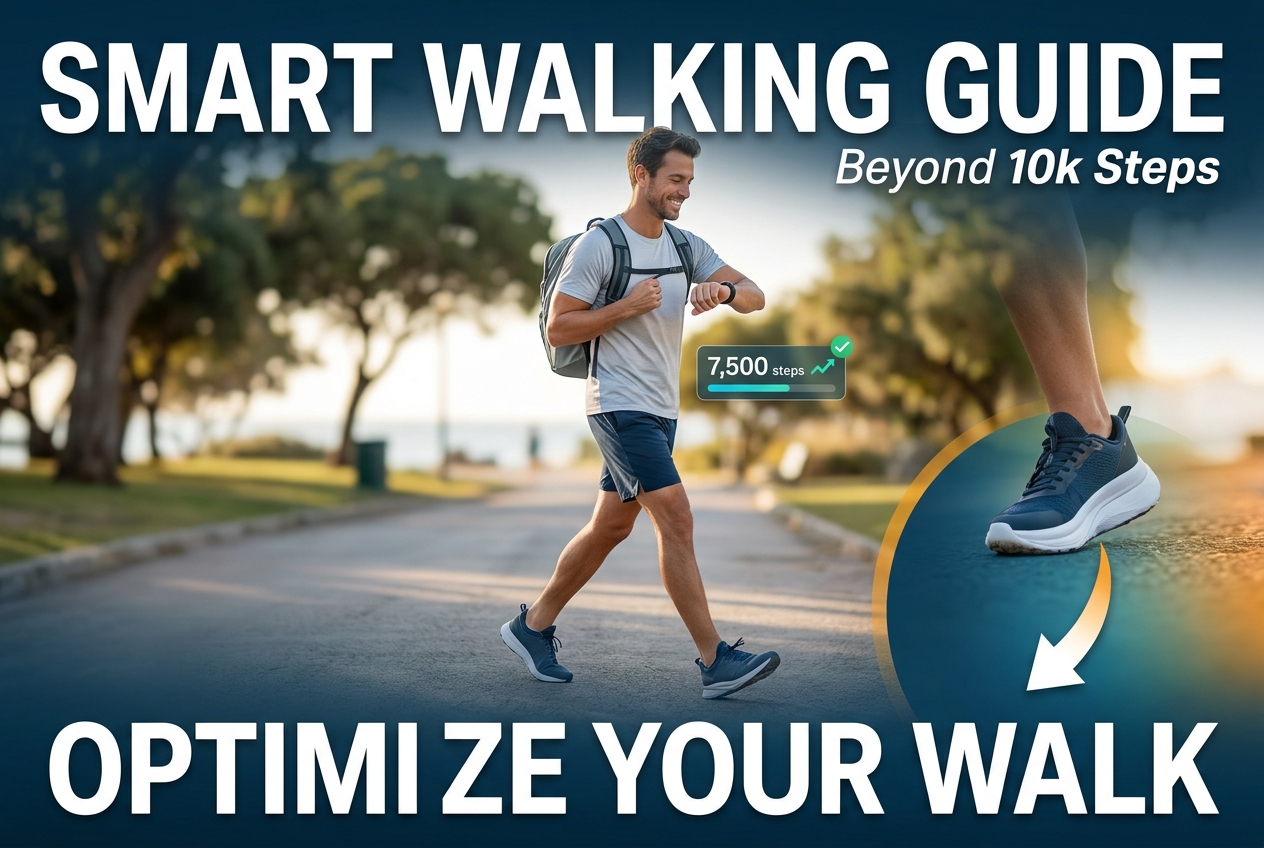
How Much Walking You Actually Need to Stay Healthy
The 10,000-step target is more marketing than science, and the real advice varies. These ways cover why 7,000 to 8,000 steps may be the sweet spot, how consistent small walks reshape your body over weeks, whether adding weight with a rucksack helps, and why gentle movement protects muscle and longevity. You can decide which fits your life and goals.
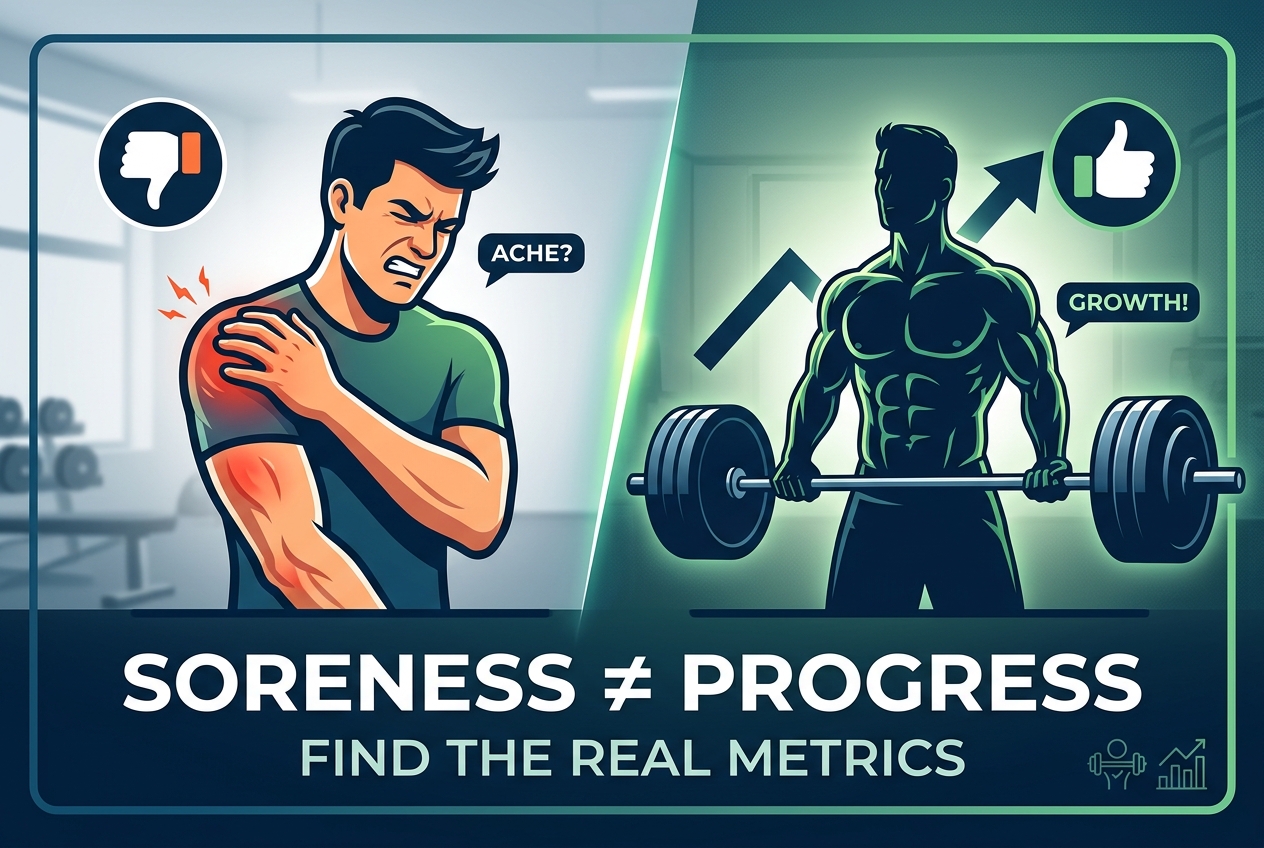
Sore Muscles Don't Prove Your Workout Worked
If you judge workouts by how much you ache the next day, you may be chasing the wrong signal. These claims separate soreness from actual progress, pointing to strength gains as the real markers, debunking the idea that soreness equals growth, and showing how fitness influencers keep the myth alive. Use them to decide what to track instead of pain.
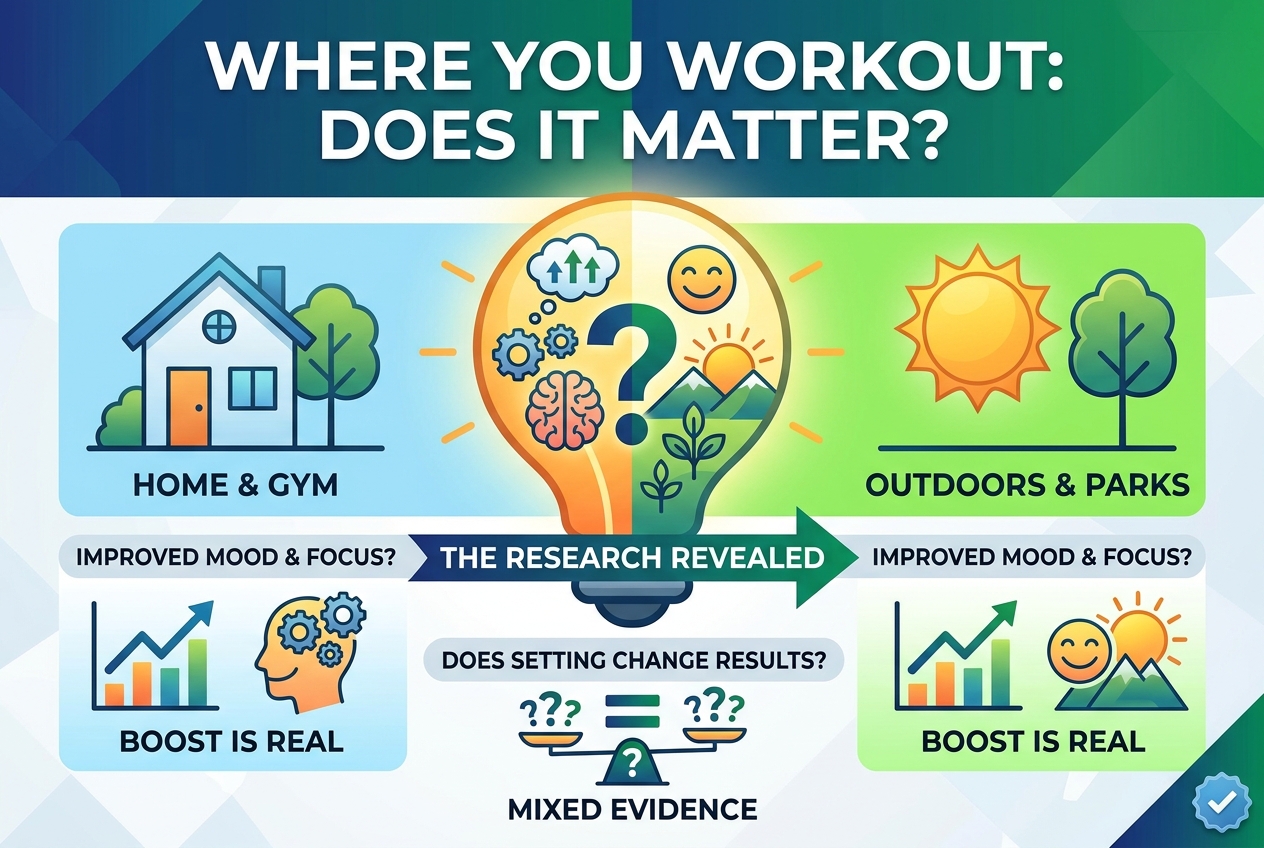
Does Where You Exercise Change What It Does for Your Mind?
Outdoor workouts are praised as a mood cure, yet much of that research is thinner than it looks. Gym, park, or living room, the setting may matter less, or more, than you think, depending on what you need exercise to do for you.