
Browse the Context Marketplace
Expert-level knowledge on any topic. Each capsule guides you through what matters most.
28 capsules
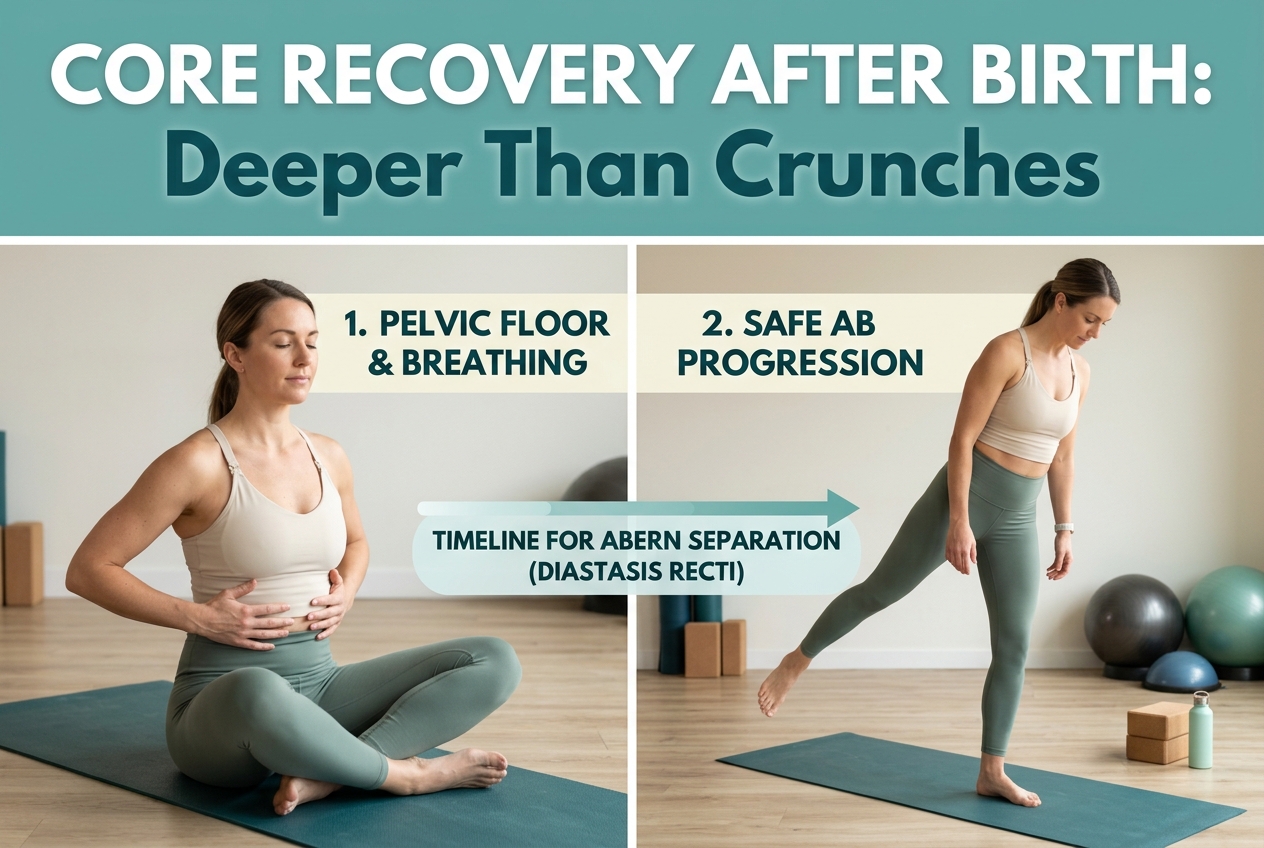
Rebuilding Your Core After Birth Starts Deeper Than Crunches
After giving birth, jumping straight into ab workouts can set recovery back. These steps sequence the comeback from breathing and pelvic floor work up to specific programming and managing abdominal separation, and they split on how cautious or assertive to be along the way. Weigh what the evidence supports and pace a recovery that fits your body.
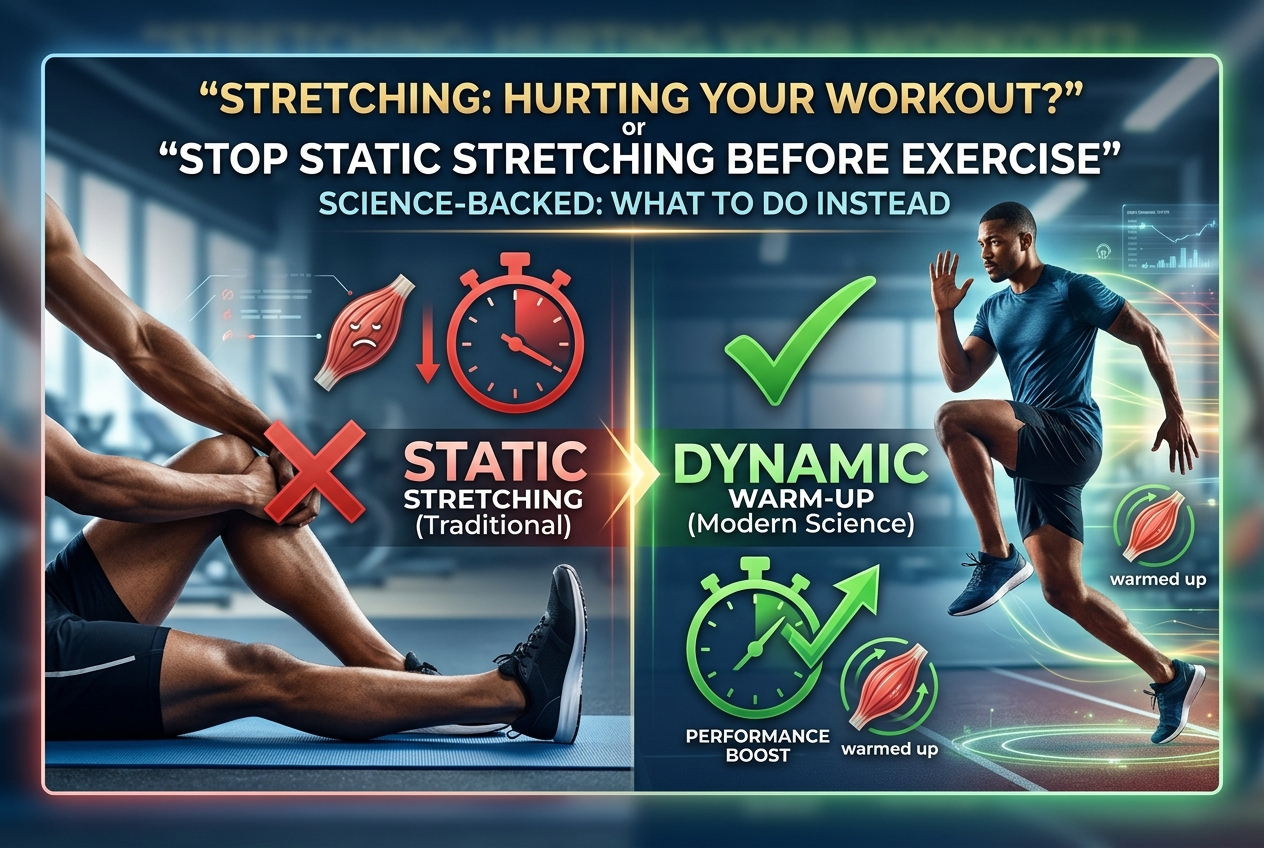
Stretching Before Exercise May Be Hurting Your Performance
The pre-workout static stretch you learned in gym class may reduce power without preventing a single injury. These recommendations split on what replaces it: dynamic movements that wake up muscles and nerves, sport-specific warm-ups, or saving static stretching for after the session when it aids flexibility and recovery. Where they differ is timing, and timing turns out to be most of the answer.
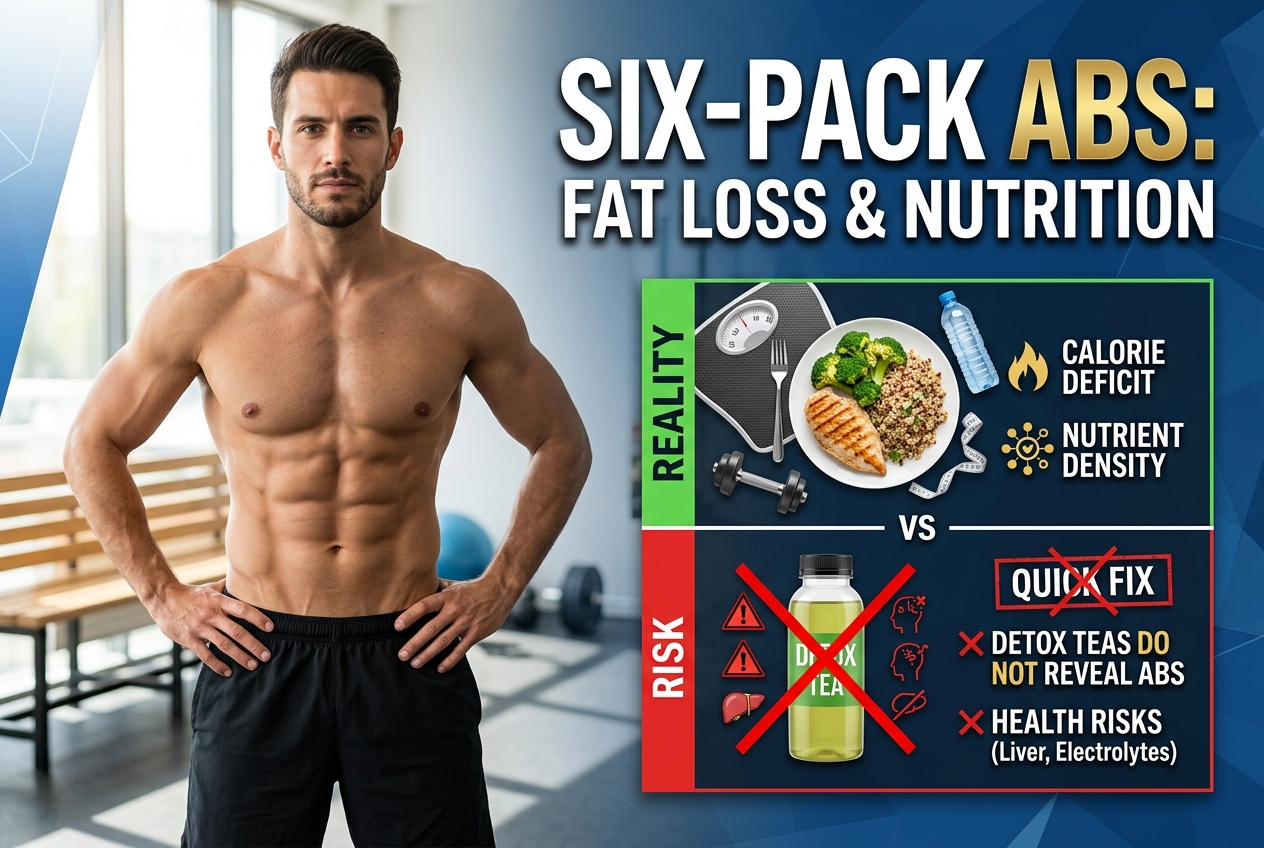
Visible Six-Pack Abs Require Fat Loss and Careful Nutrition, Not Quick Fixes
Achieving visible six-pack abs depends primarily on reducing body fat through a consistent calorie deficit combined with nutritious eating and gradual, safe core training. Quick fixes like detox teas can cause serious health risks including electrolyte imbalances and liver damage, and do not effectively reveal abs. Managing sodium intake to reduce bloating and tracking nutrition precisely are key steps on the honest path to defined abs.
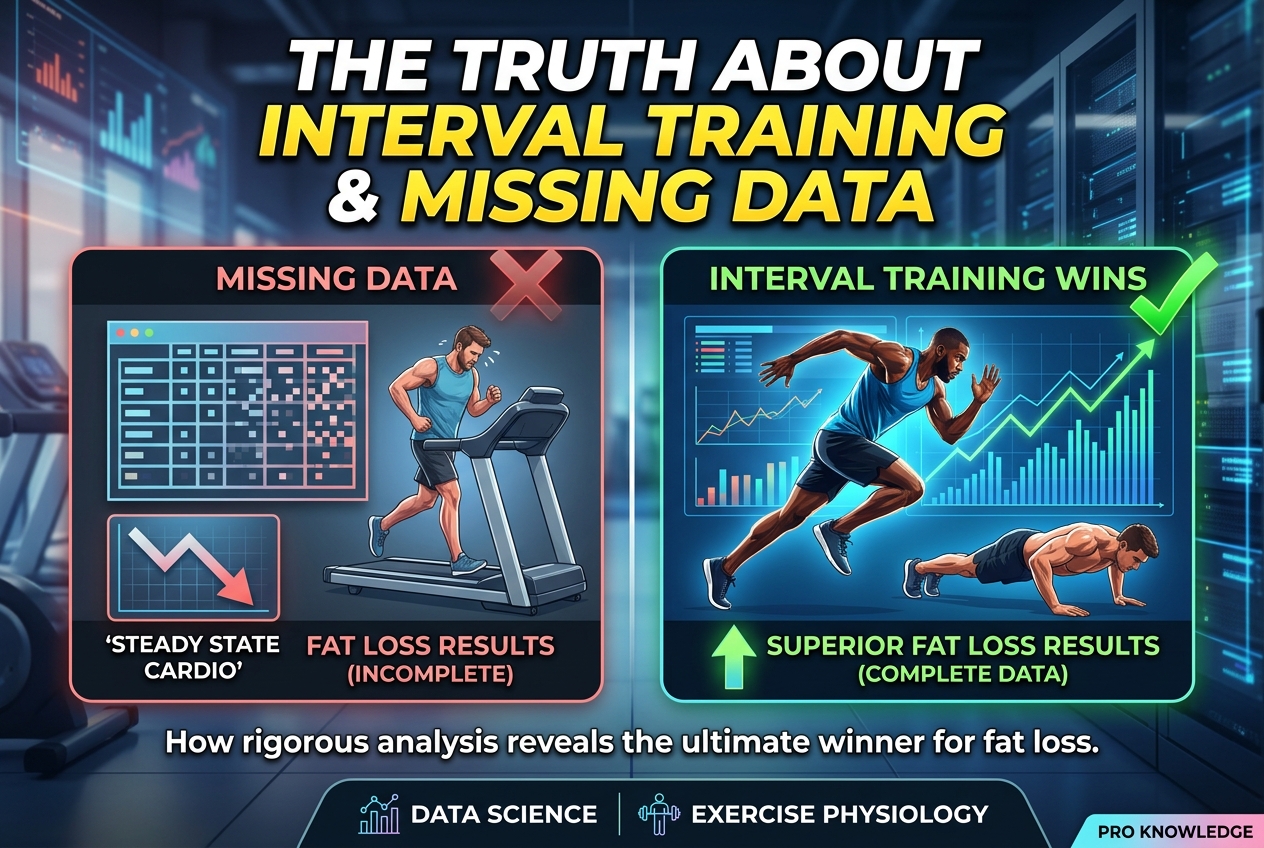
Fix the Missing Data and Interval Training Wins
The cardio-versus-intervals argument drags on partly because fat loss studies are riddled with dropouts and missing measurements. This take argues that when those gaps are filled with rigorous statistical methods instead of ignored, high intensity interval training pulls clearly ahead of steady state cardio. If you care what the evidence really says, the way researchers handle incomplete data should change which workout you trust.
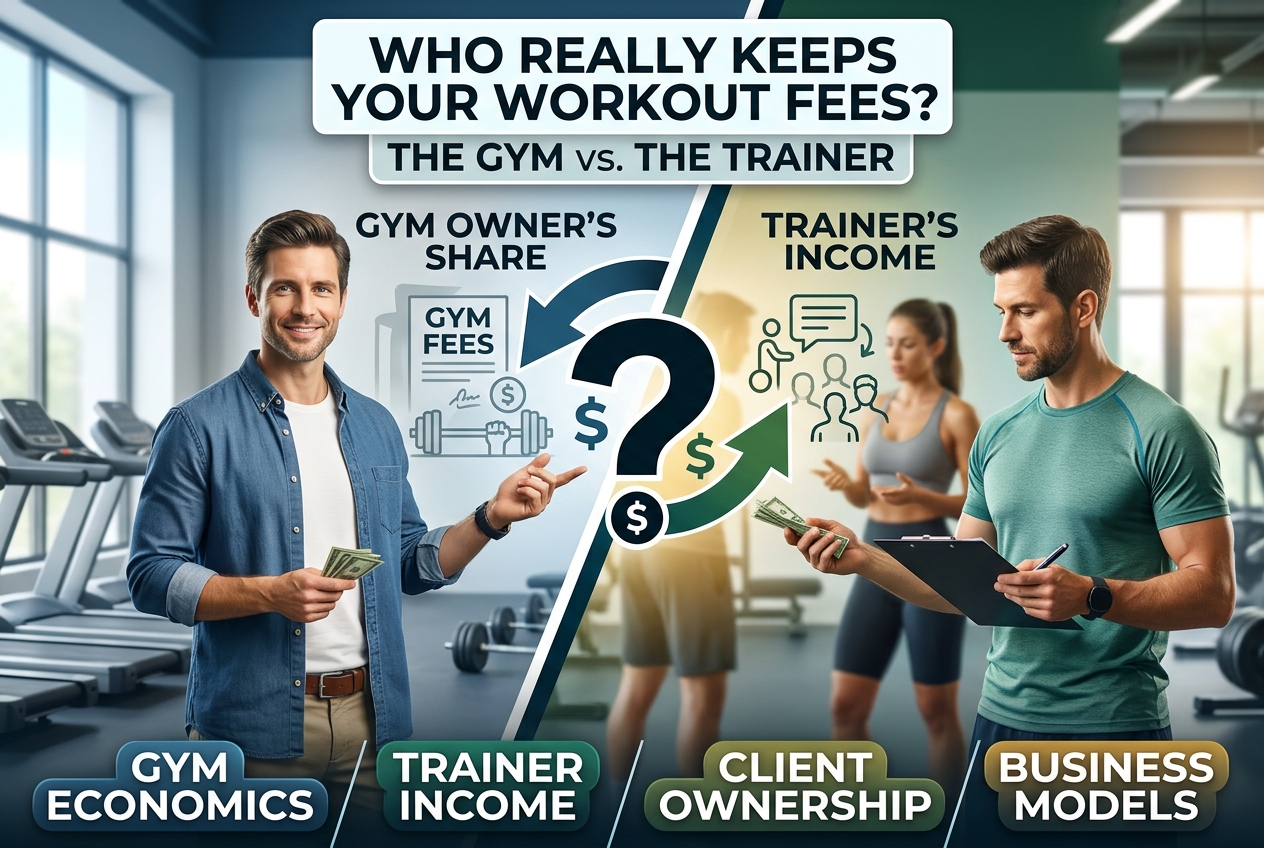
Who Really Keeps Your Workout Fees Gym Owners or Trainers
When you pay for personal training, the split between gym owners and trainers shapes who earns what and who controls your sessions. Models differ on client ownership, fee distribution, and trainer independence, revealing why some trainers earn more by managing their own clients and schedules while others work under gym policies that limit their take-home pay. Understanding these models helps trainers and clients see the real economics behind personal training fees and the trade-offs between convenience, control, and income.
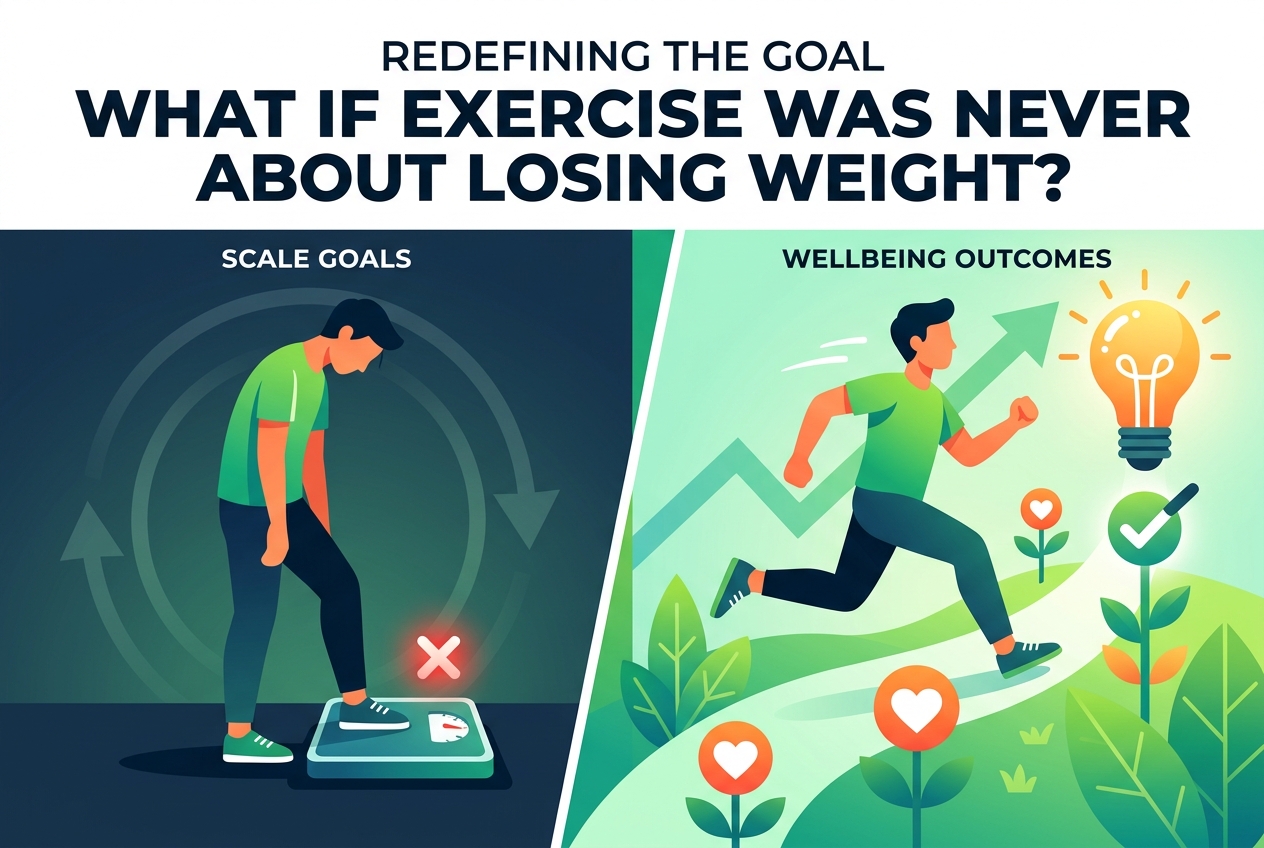
What If Exercise Was Never About Losing Weight?
If the scale is your only reason to work out, the evidence may be pointing you at the wrong target. These views split on whether exercise should be judged by health gains regardless of weight, whether lasting habits come from enjoying movement rather than punishing yourself, and whether diet quietly does the real work of weight loss. Deciding what you want from exercise changes how you should do it.
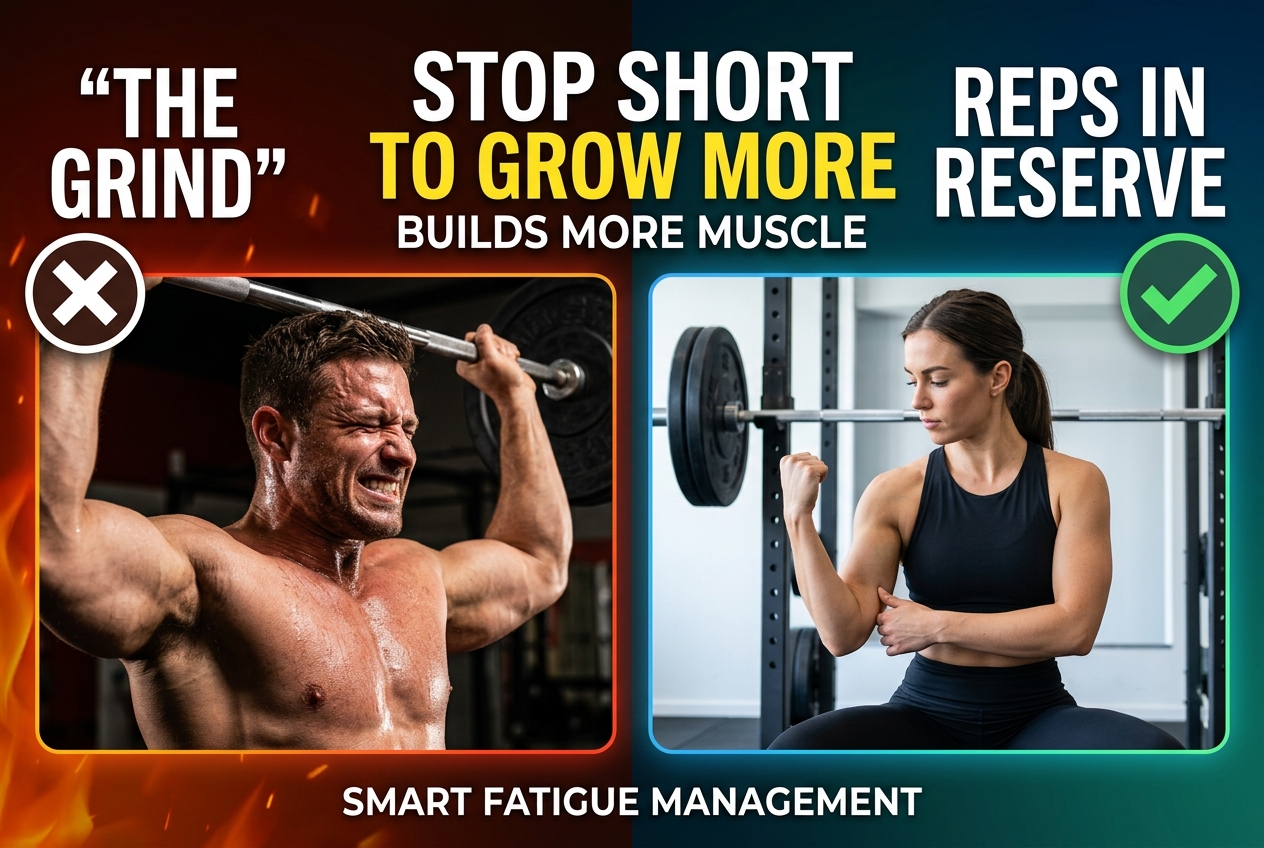
When Stopping Short Builds More Muscle Than Grinding On
Grinding every set until you physically cannot move the weight feels hardcore, but it may be quietly stalling your progress. These methods differ on how to dose effort instead: rating how hard a set feels, leaving repetitions in reserve, and protecting recovery so fatigue does not swallow your gains. Compare them and you can decide exactly when pushing to failure earns its cost and when to rack the bar early.
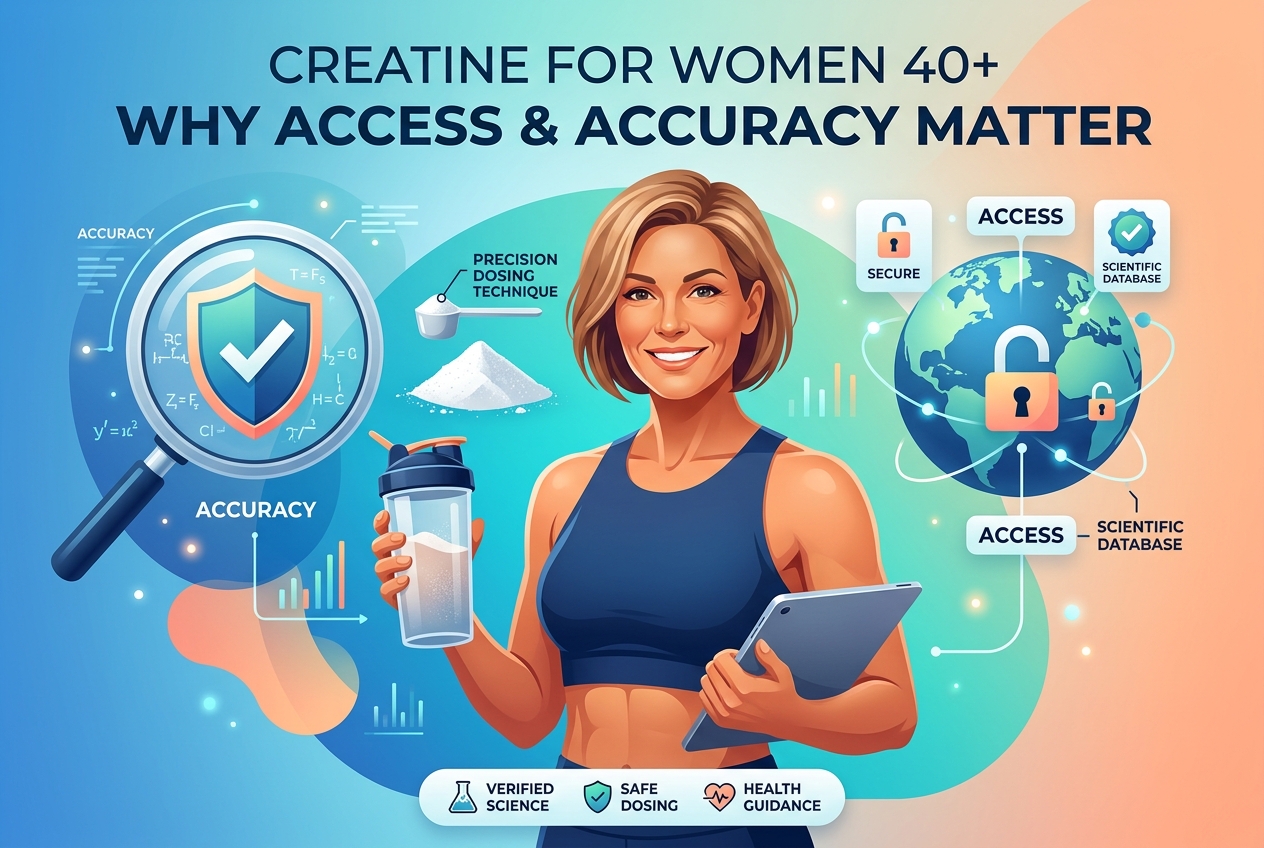
Creatine for Women Over 40, Why Access and Accuracy Matter
Women over 40 face unique challenges when considering creatine supplementation, from ensuring proper dosing technique to navigating restricted access to reliable information. The pitfalls range from misinformation due to security blocks and unclear labeling to the importance of verified science and expert guidance. Understanding these differences helps women make informed choices about creatine use that align with their health goals and safety.
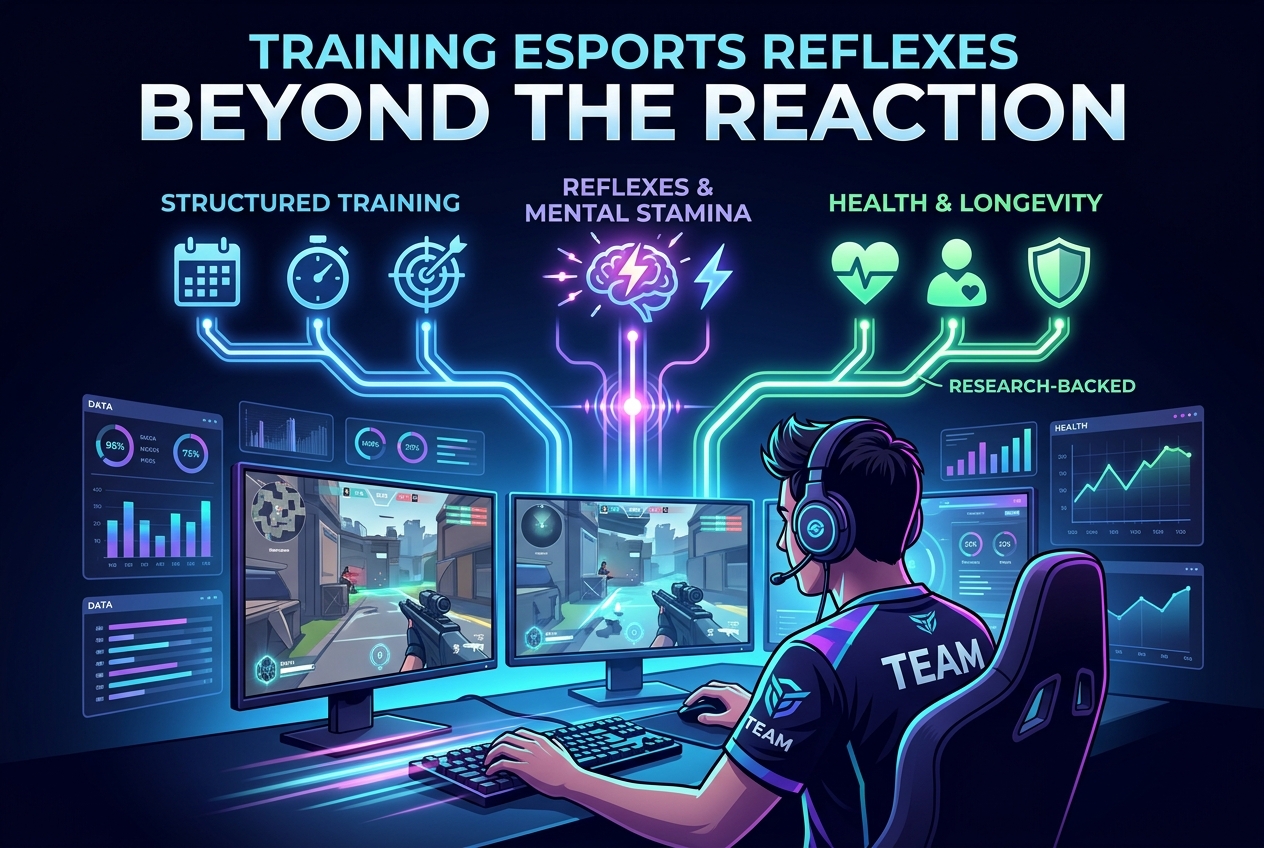
Esports Reflexes Are Trained, Not Born
At the top of competitive gaming, reaction time and mental stamina decide matches, and how to build them is contested. These methods split between structured practice regimens, long-term community health programs that protect player wellbeing, and research-driven interventions built on actual evidence. The choice shapes not just performance but how long a career lasts.
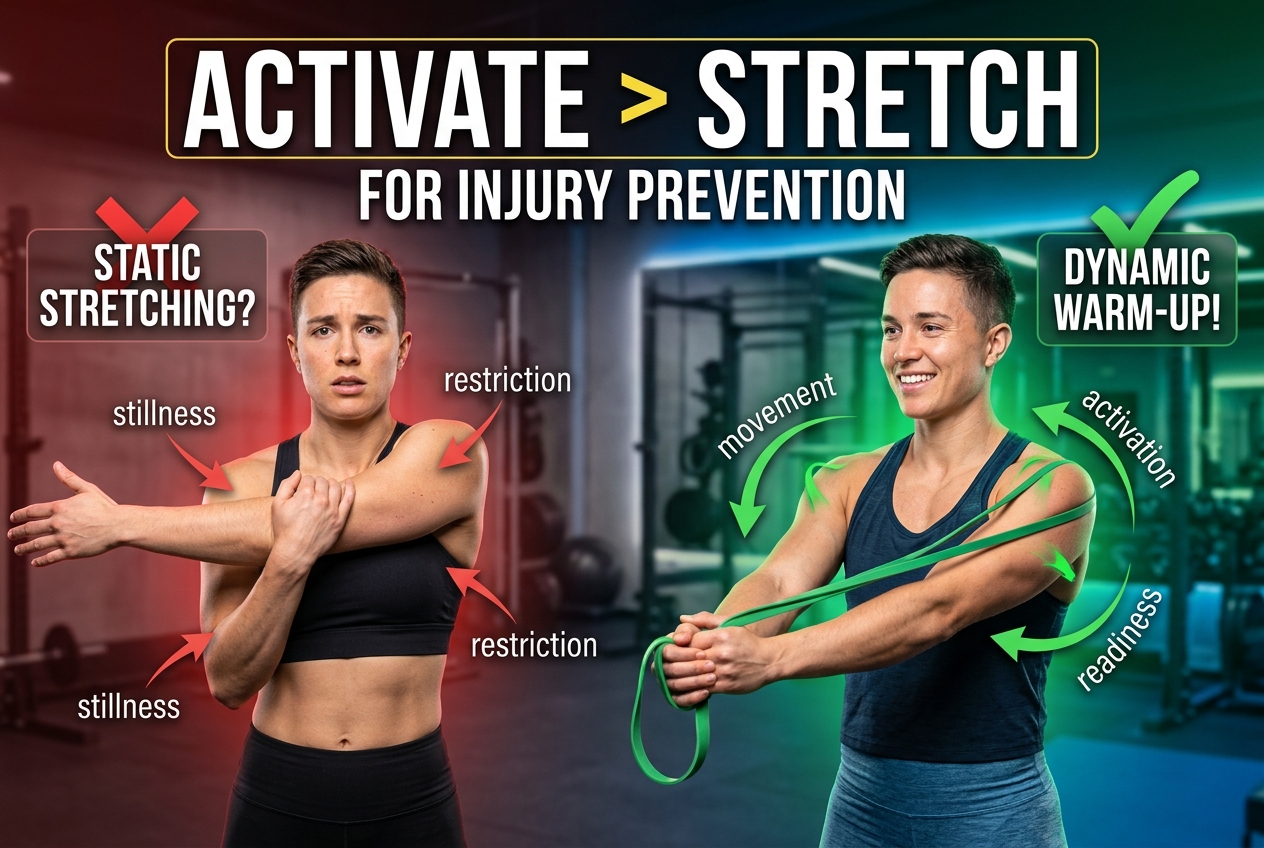
Dynamic Shoulder Warm-Ups Beat Static Stretching for Injury Prevention
Static stretching before a workout holds your shoulder muscles still exactly when they need to switch on. The case here is that dynamic warm-ups built on controlled rotations, resistance bands, and scapular activation wake up the stabilizer muscles and build the joint awareness that actually prevents injury. Trading your pre-lift stretches for controlled movement prepares your shoulders for real load.
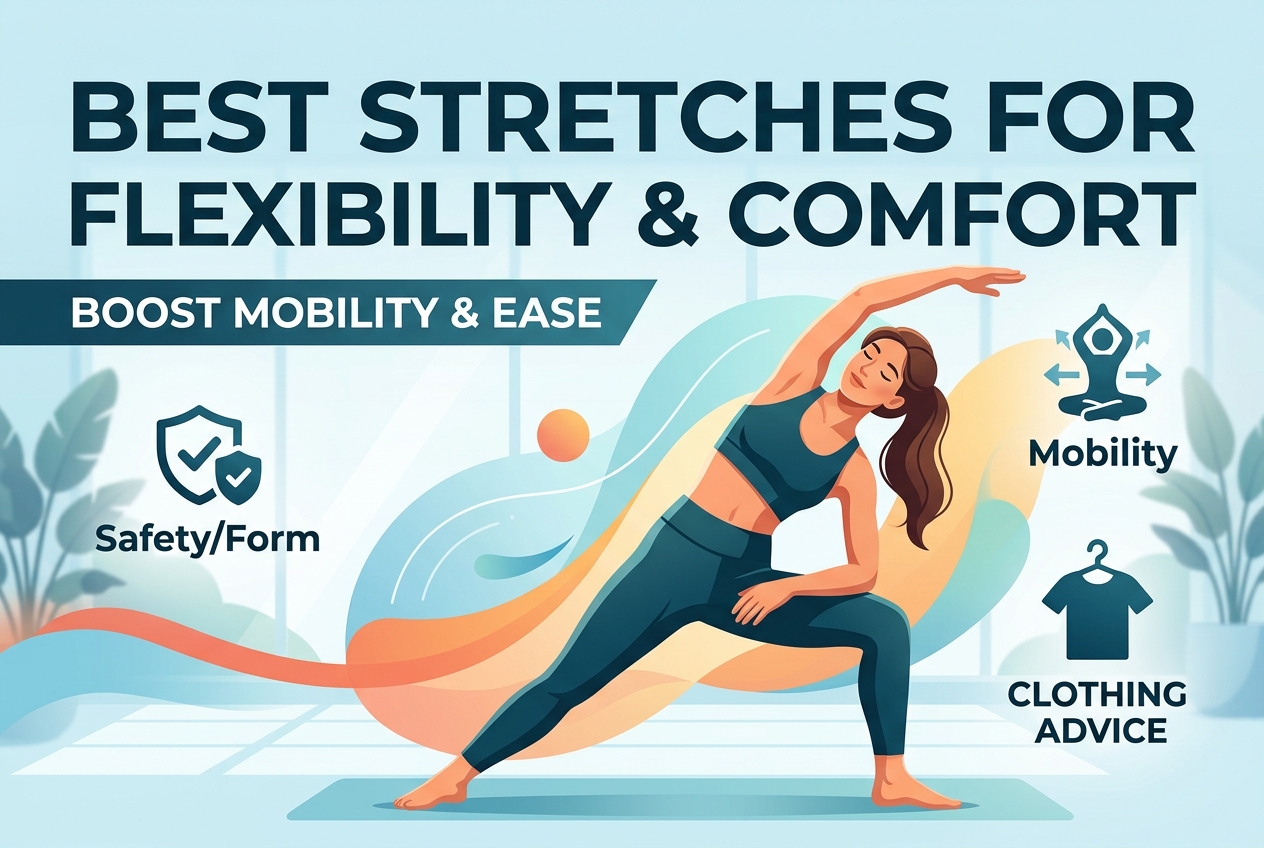
The Best Stretches for Flexibility and Comfort
Flexibility improves through a variety of stretches that target different muscle groups with attention to safety and comfort. This collection offers clear guidance on performing effective stretches like hip flexor and upper trapezius stretches, emphasizing proper form, avoiding pain, and adapting movements to support better mobility. It also includes practical advice on choosing comfortable clothing to enhance stretch performance and troubleshooting access to online stretch resources.
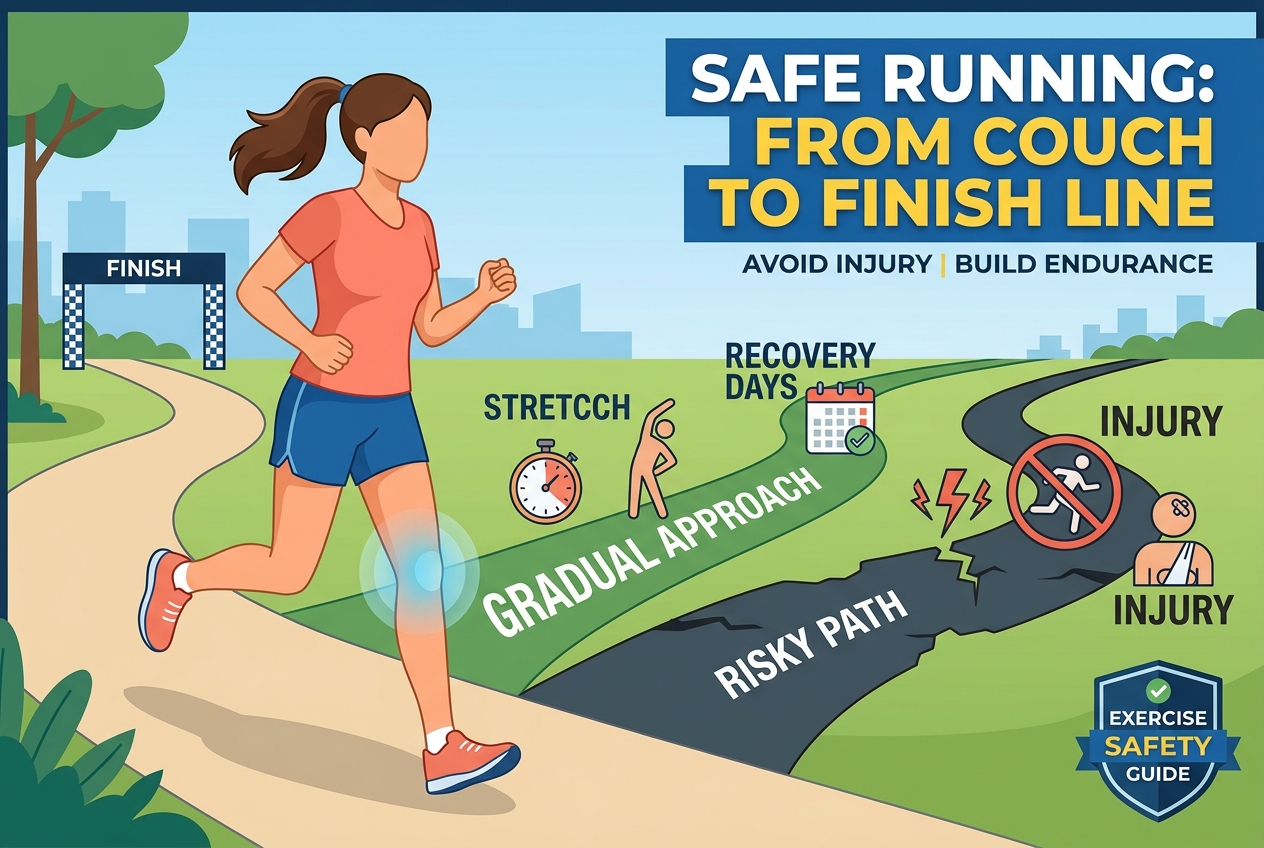
Getting Off the Couch Shouldn't Land You in Physical Therapy
Most people who abandon a new running plan are stopped by injury, not laziness. These approaches differ on how to protect you on the way to the finish line: some build in strict recovery days, some start with medical clearance, and others rely on gradual walk-run pacing and listening to your body. You'll be able to choose a path from inactivity to race day that builds endurance without breaking you.