
Browse the Context Marketplace
Expert-level knowledge on any topic. Each capsule guides you through what matters most.
16 capsules
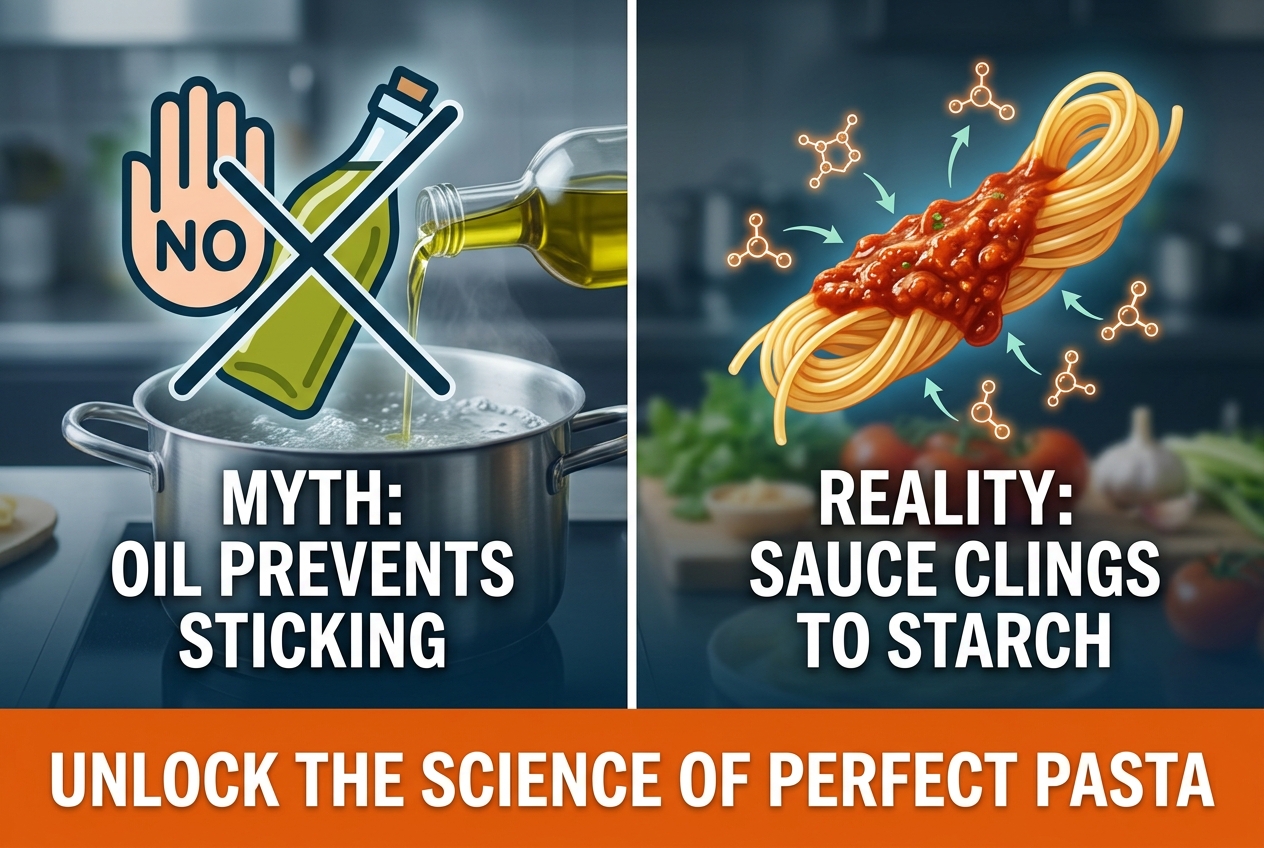
What the Oil in Your Pasta Water Actually Does
Most pasta advice gets passed down as kitchen law, yet much of it works against the dish. These rules clash on the basics: whether oil in the water prevents sticking or just makes sauce slide off, whether rinsing helps or washes away the starch that lets sauce cling, and how hard the water really needs to boil. Sort the science from the folklore and every plate you sauce gets better.
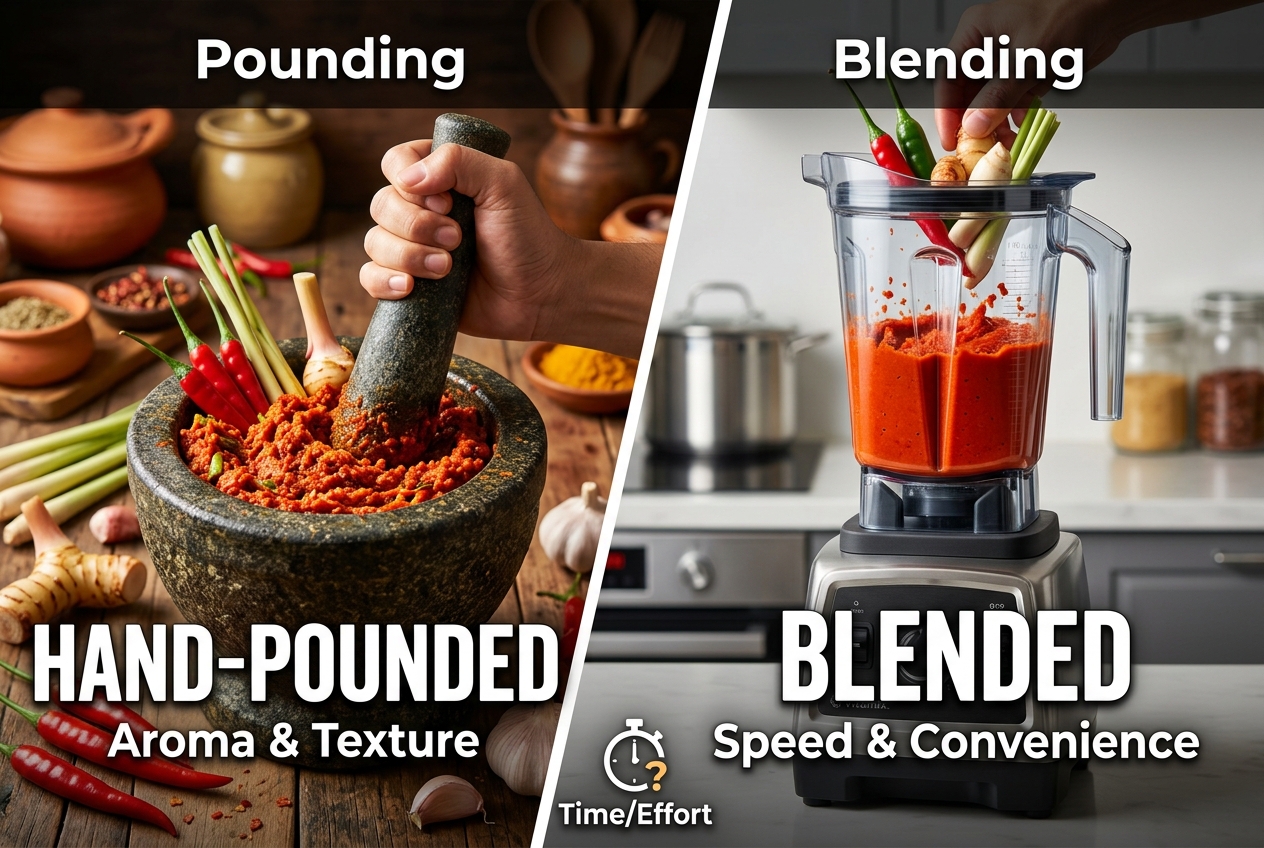
The Mortar and the Blender Make Different Curry Pastes
The tool you use changes the paste: hand-pounding coaxes out aromas that a blender's speed cannot match, but the blender wins on weeknight reality. These methods split on pounding versus blending, fresh versus store-bought, exact ingredient order versus season-to-taste, and whether to refrigerate briefly or freeze in small portions. Where you land depends on how much authenticity you want per minute of effort.
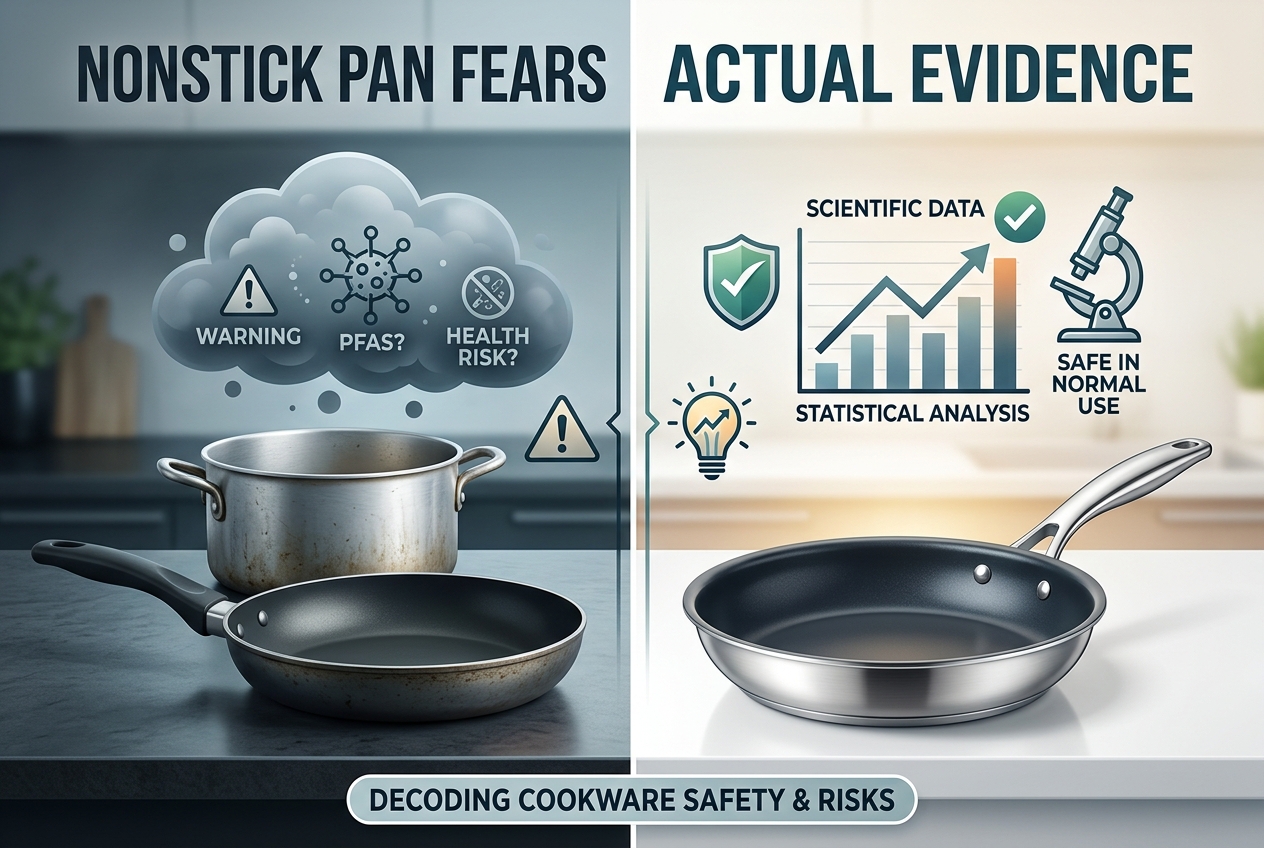
Nonstick Pan Fears Meet the Actual Evidence
Warnings about aluminum and nonstick cookware are everywhere, yet much of the science points the other way. The views differ on how to read that evidence: some urge precaution over any potential hazard, while others argue the data show these pans are safe in normal use and that panic itself does harm. Sorting rigor from alarm helps you decide what belongs in your kitchen.
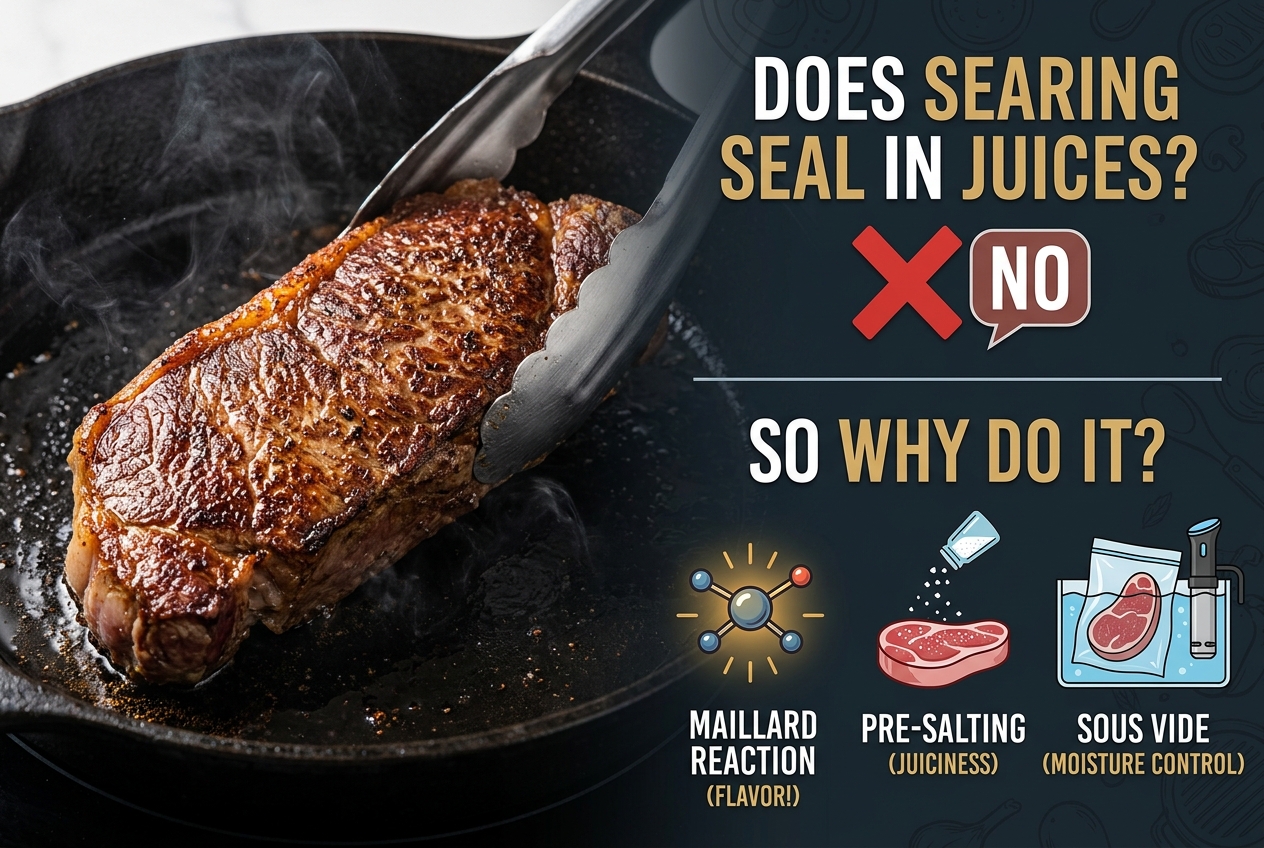
Searing Doesn't Seal In Juices, So Why Do It?
The sizzle when steak hits the pan isn't locking anything in, whatever the cooking shows say. These claims agree the old sealing story is a myth but split on what matters instead: browning for flavor, pre-salting for juiciness, or sous vide for moisture control. They add up to a better answer for cooking meat that stays juicy.