
Browse the Context Marketplace
Expert-level knowledge on any topic. Each capsule guides you through what matters most.
42 capsules

The Ways You're Still Tracked in Incognito Mode
Incognito mode feels private, but it mostly just clears your local history. These ways show how it fails against fingerprinting and network surveillance, why VPNs and privacy browsers only go so far, and how workplace or government monitoring sees through all of it. Use them to actually protect your browsing.
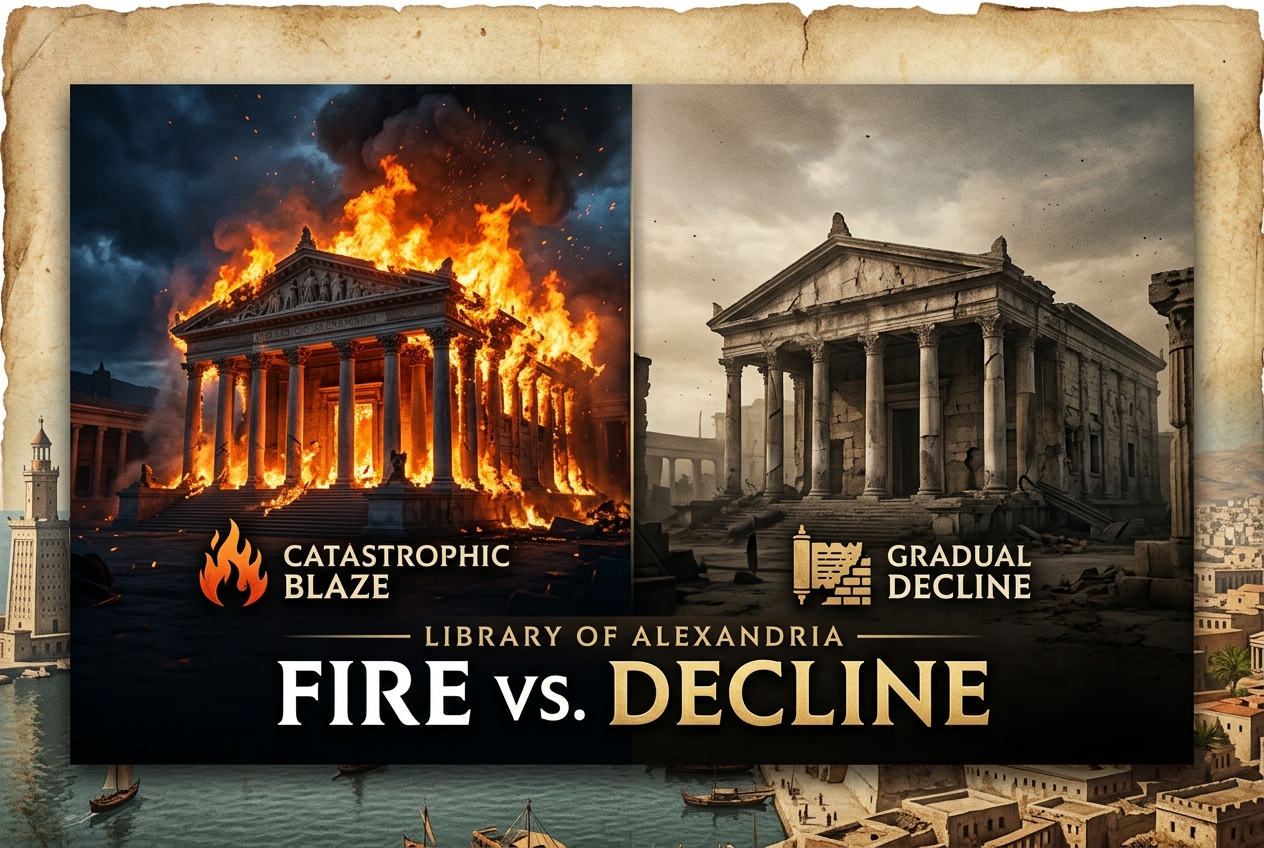
The Library of Alexandria Didn't Burn Down in a Night
The famous image of the ancient world's greatest library vanishing in one dramatic blaze makes a great story, and that is part of the problem. These myths differ on what really happened: a single catastrophic fire, or a slow suffocation over centuries by politics, neglect, and shrinking money. Set them side by side and you can decide which version the historical evidence actually supports.

How to Tell a Real Clue From a Good Story
Some stories survive because they are true, and some just because they are good, and telling the difference takes more than gut feeling. These methods differ on what counts as solid ground: some weigh the reliability of sources, others lean on hard data and statistical measures, and others read physical or historical traces. You'll be able to pick the right way to test a claim before you believe it or pass it on.
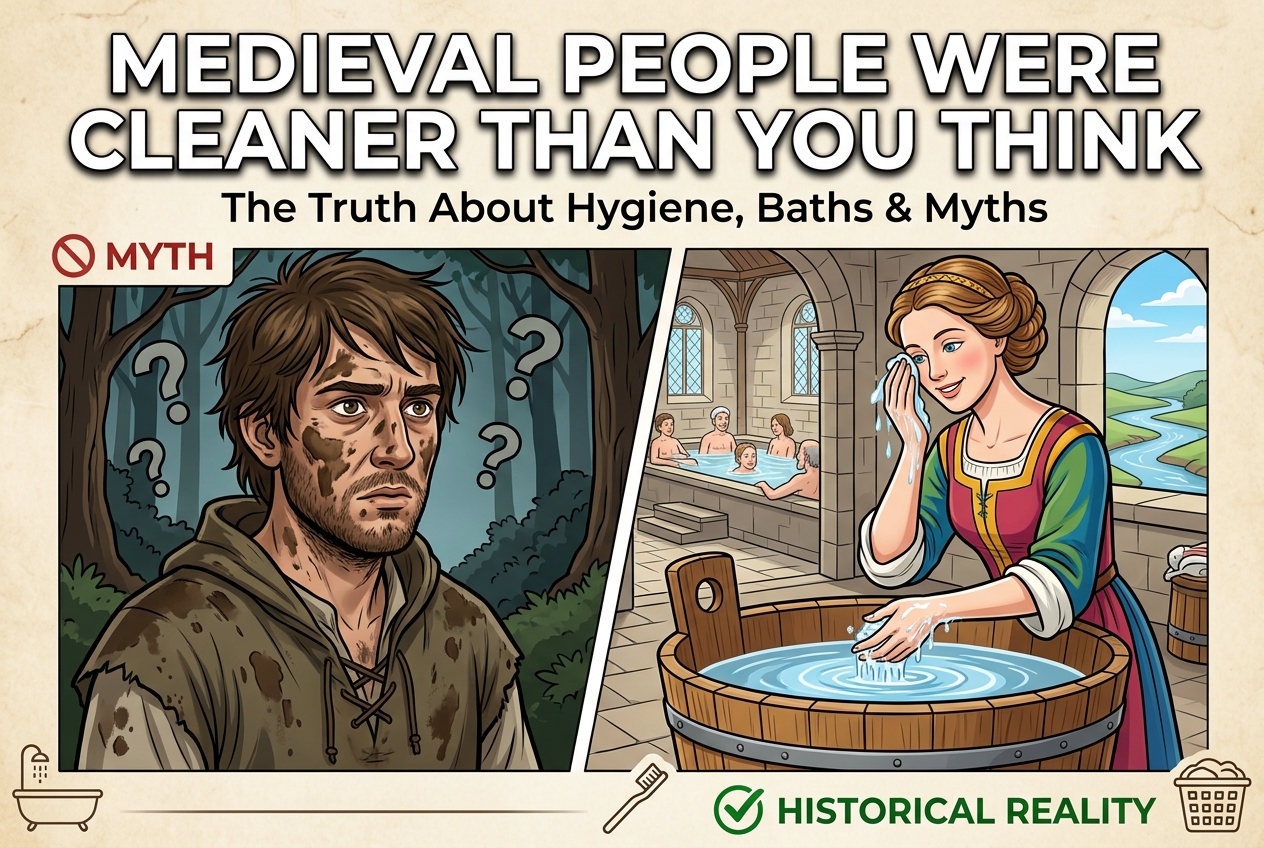
Medieval People Were Cleaner Than You Think
The filthy Middle Ages of popular imagination don't match the record. These myths fall one by one against manuscript evidence of regular bathing, dental care, and laundry, plus climate data that shaped hygiene habits. Working through them lets you decide how grimy the era really was.
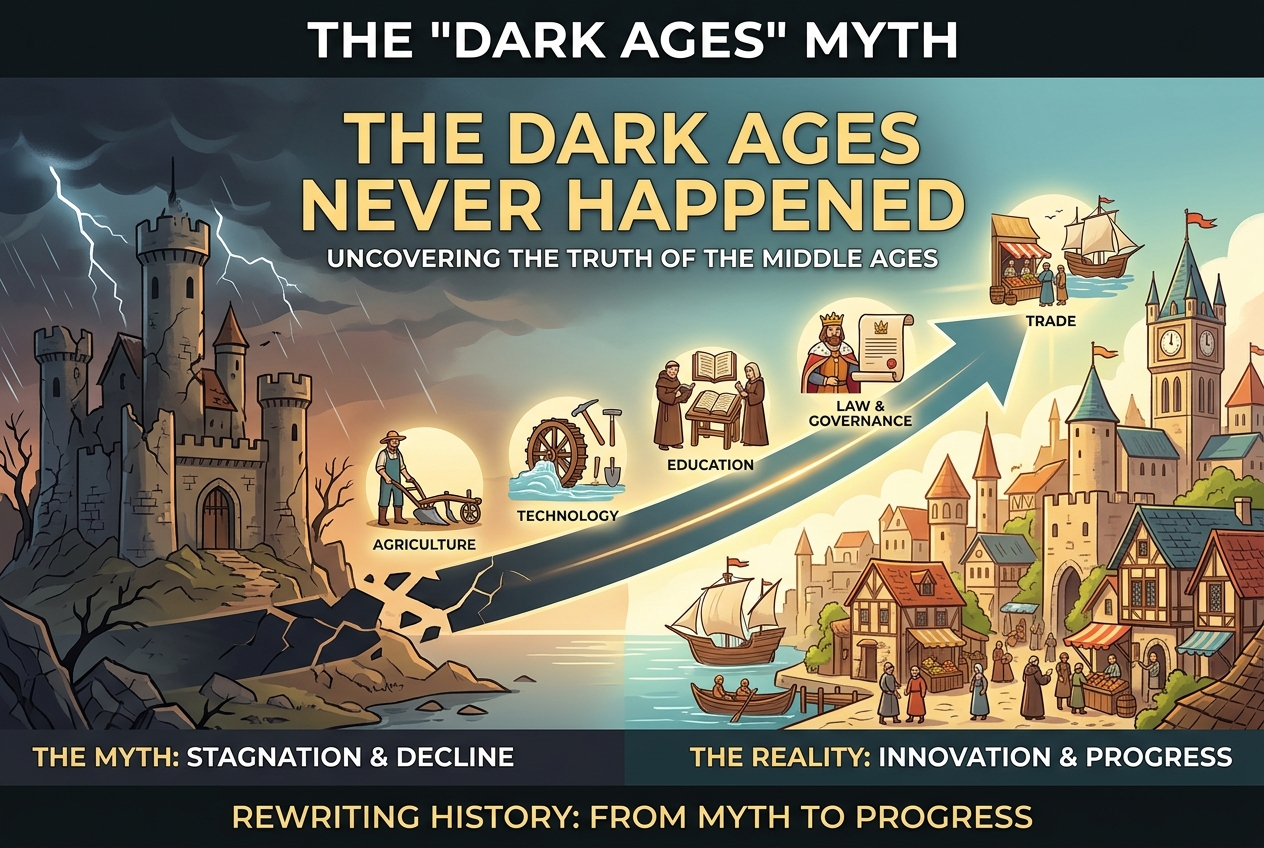
The Dark Ages Never Happened
The idea of the 'Dark Ages' as a period of stagnation is a modern myth that overlooks the Middle Ages' many innovations and advancements. Contrary to popular belief, this era saw breakthroughs in agriculture, technology, education, law, and governance that laid the groundwork for the Renaissance and modern society. Recognizing this changes how we view history, highlighting continuity and progress rather than decline.
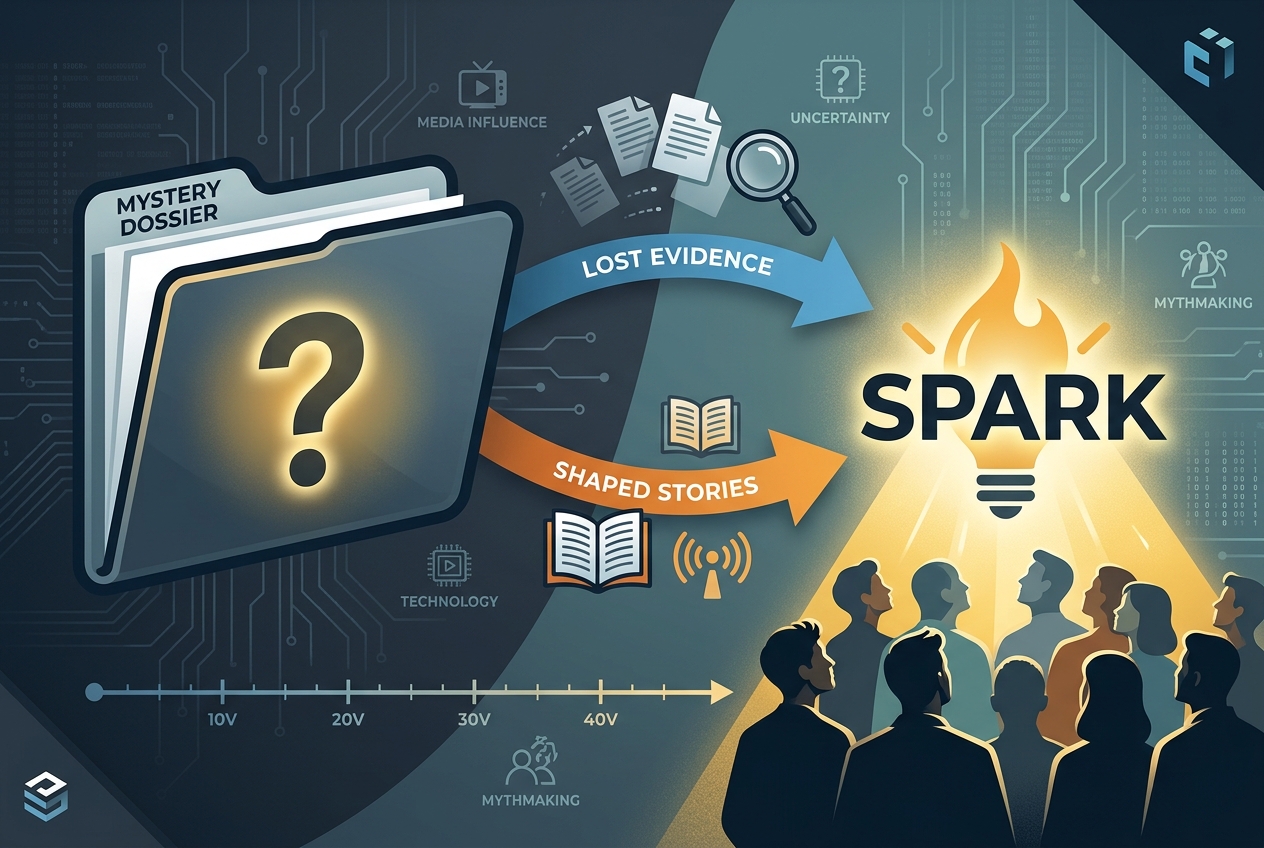
Famous Mysteries Stay Famous Because Key Evidence Is Lost and Stories Are Shaped
Famous mysteries stay famous because key evidence is lost and stories are shaped over time, keeping them open to endless speculation. While most people think mysteries remain popular due to their unresolved nature alone, the real reason is how missing facts and evolving narratives fuel ongoing fascination. Understanding this changes how you see mysteries, revealing that their fame is as much about storytelling as it is about the unknown.
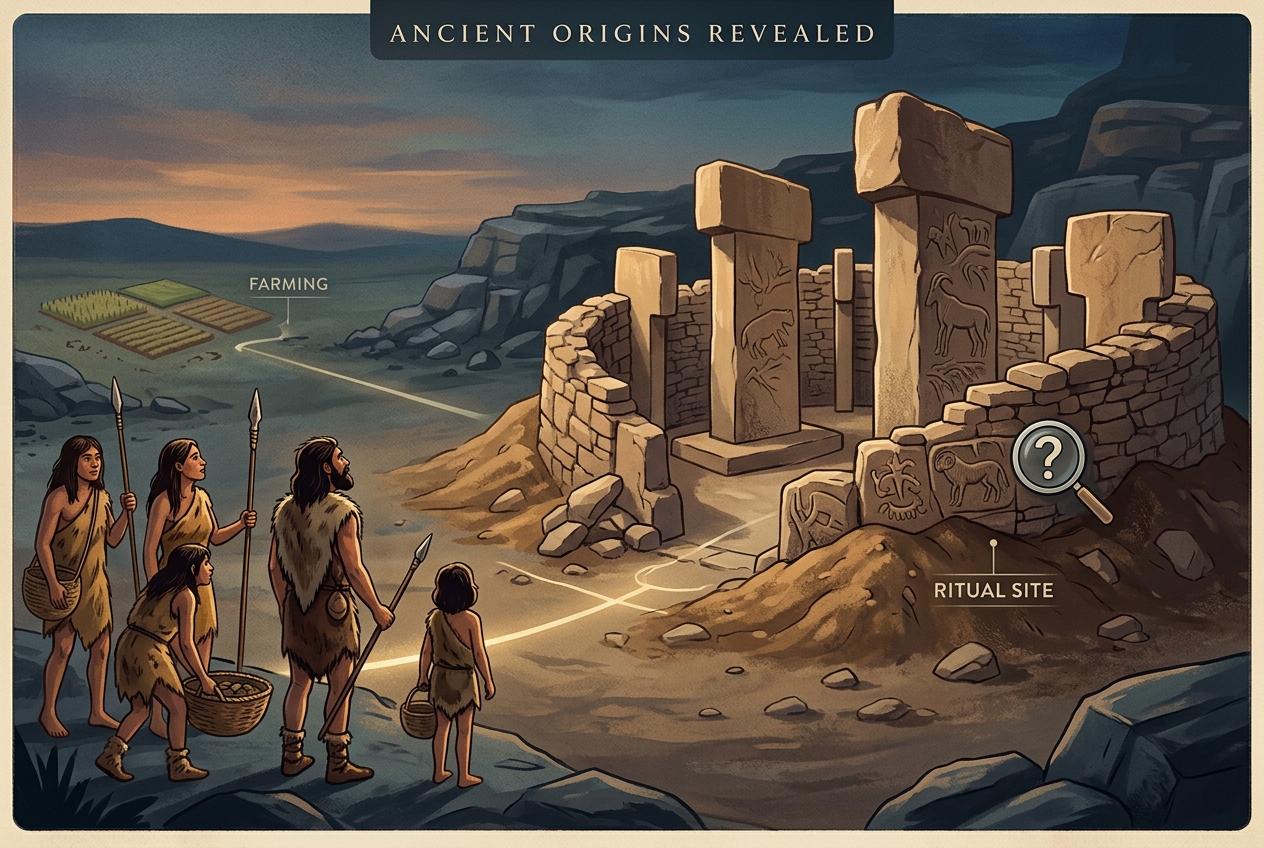
Stone Age Wanderers Built a Temple Before They Built Farms
The textbook story says farming came first and religion followed, but a massive ancient temple raised by hunter-gatherers turns that order upside down. These claims differ on what the site really proves: some say organized ritual life predates agriculture entirely, while others insist the conclusions stand or fall on how carefully the evidence was dug up, handled, and cross-checked. Reading them together, you can judge for yourself when organized human society actually began.
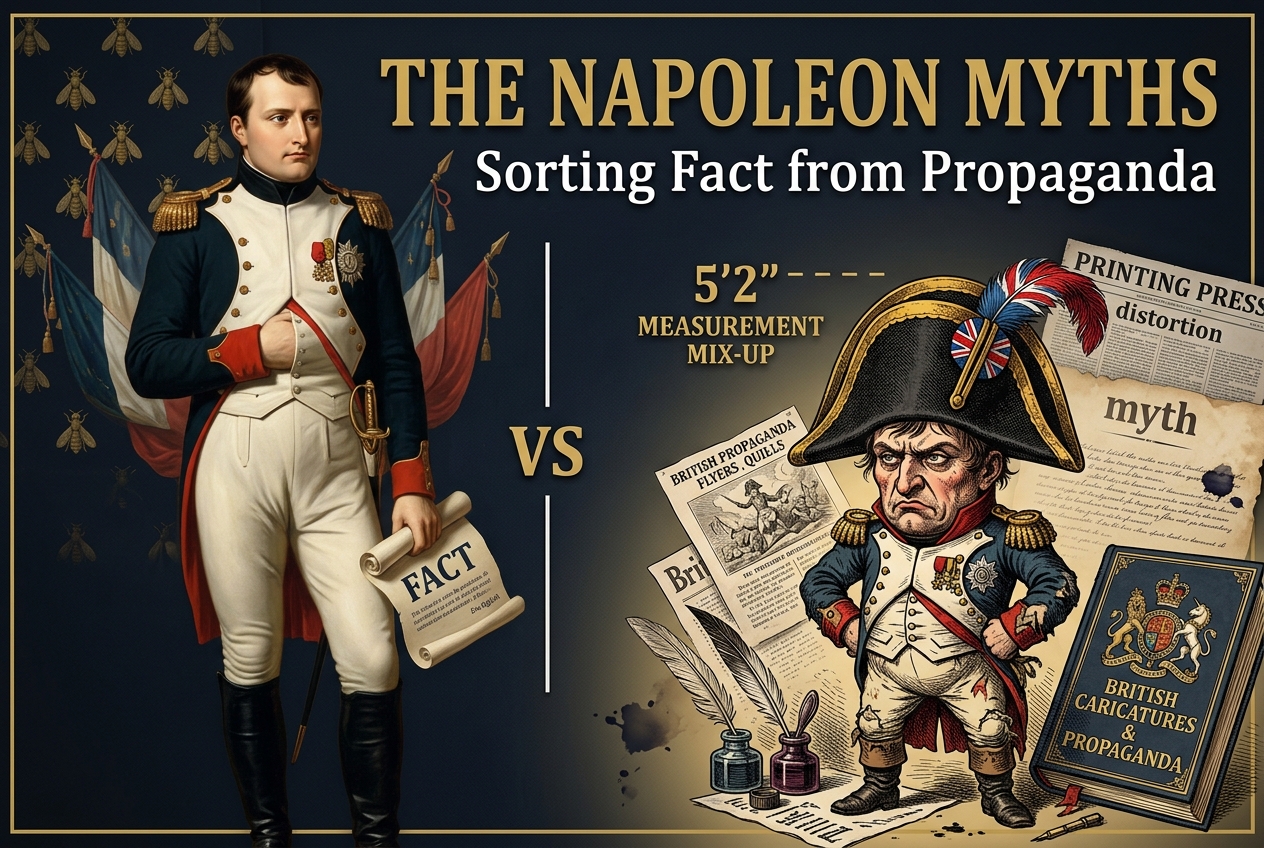
The Myths That Shaped Napoleon's Image for Two Centuries
The short, spider-like Napoleon most people picture was largely built by his enemies. These myths trace how British propaganda distorted his image, how a measurement mix-up birthed the height legend, and how caricatures were preserved and catalogued over time. Sort fact from exaggeration and see how a reputation gets manufactured.
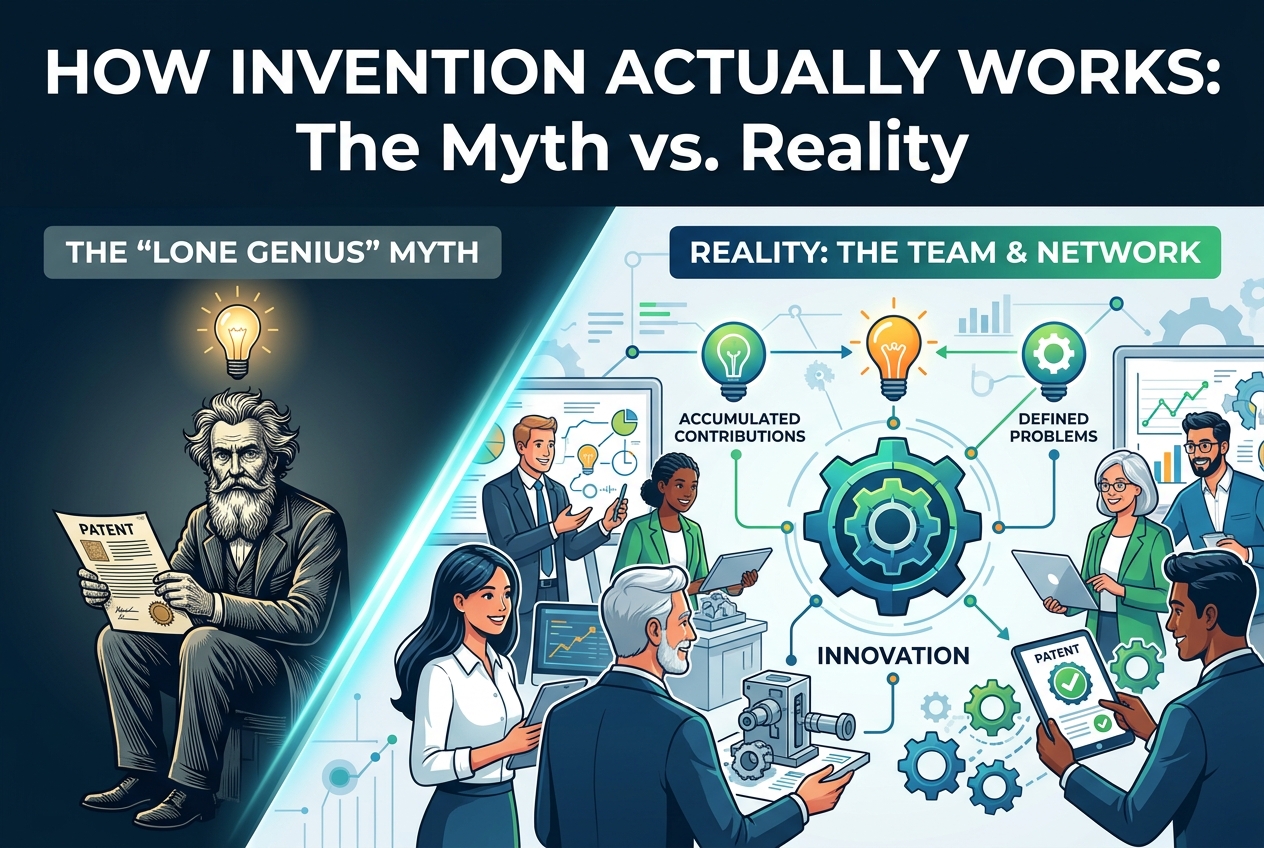
The Lone Genius Inventor Is Mostly a Myth
The flash-of-insight story hides how breakthroughs usually happen: teams, accumulated contributions, and well-defined problems. The theories here differ on what really drives invention and on whether patents protect inventors or block the cumulative improvements progress depends on. How invention actually works changes how you would chase, fund, or protect an idea.

What Really Moves Your Credit Score
Your credit score gates your mortgage rate, your car loan, and sometimes your apartment, yet the advice about what drives it is contradictory. The factors get ranked differently: payment history versus credit utilization as the big lever, published weightings versus what scores legally can and cannot use, and whether alternative data improves fairness or imports bias. Knowing which view holds up tells you which habits genuinely move your number.

Why Runners Keep Getting Hurt, and What Actually Helps
Running injuries are common, but the best prevention is contested. These fixes range from strength training that builds resilience and raising your cadence to ease joint stress, to structured gait retraining and the argument that impact forces matter less than we think. You can decide which approach fits your stride and your injury history.

Your First Credit Card Can Build You or Bury You
The same piece of plastic that builds the credit history you'll need for a car or home can just as easily start a debt spiral. The tips here emphasize different guardrails: choosing the right first card, following its terms to dodge fees, respecting age rules, and building safe habits from day one. Decide which discipline fits your life before the first swipe.