
Browse the Context Marketplace
Expert-level knowledge on any topic. Each capsule guides you through what matters most.
24 capsules
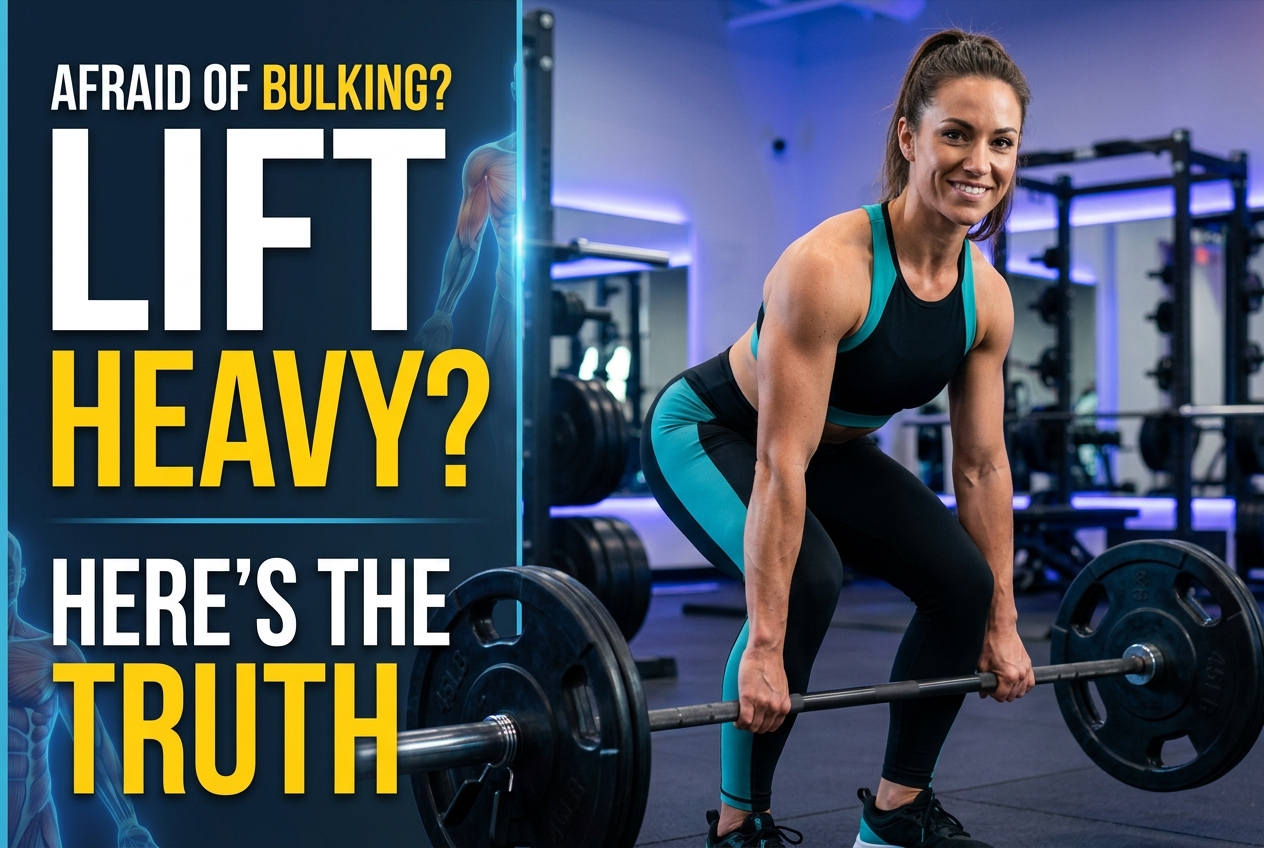
Why Lifting Heavy Won't Make Women Bulky
Fear of getting bulky keeps many women away from heavy weights, but the biology says otherwise. These explanations cover how hormones like testosterone limit muscle size, what sex-difference research actually shows, and why heavy training is both safe and effective. You can decide how to approach strength work without the bulk worry holding you back.
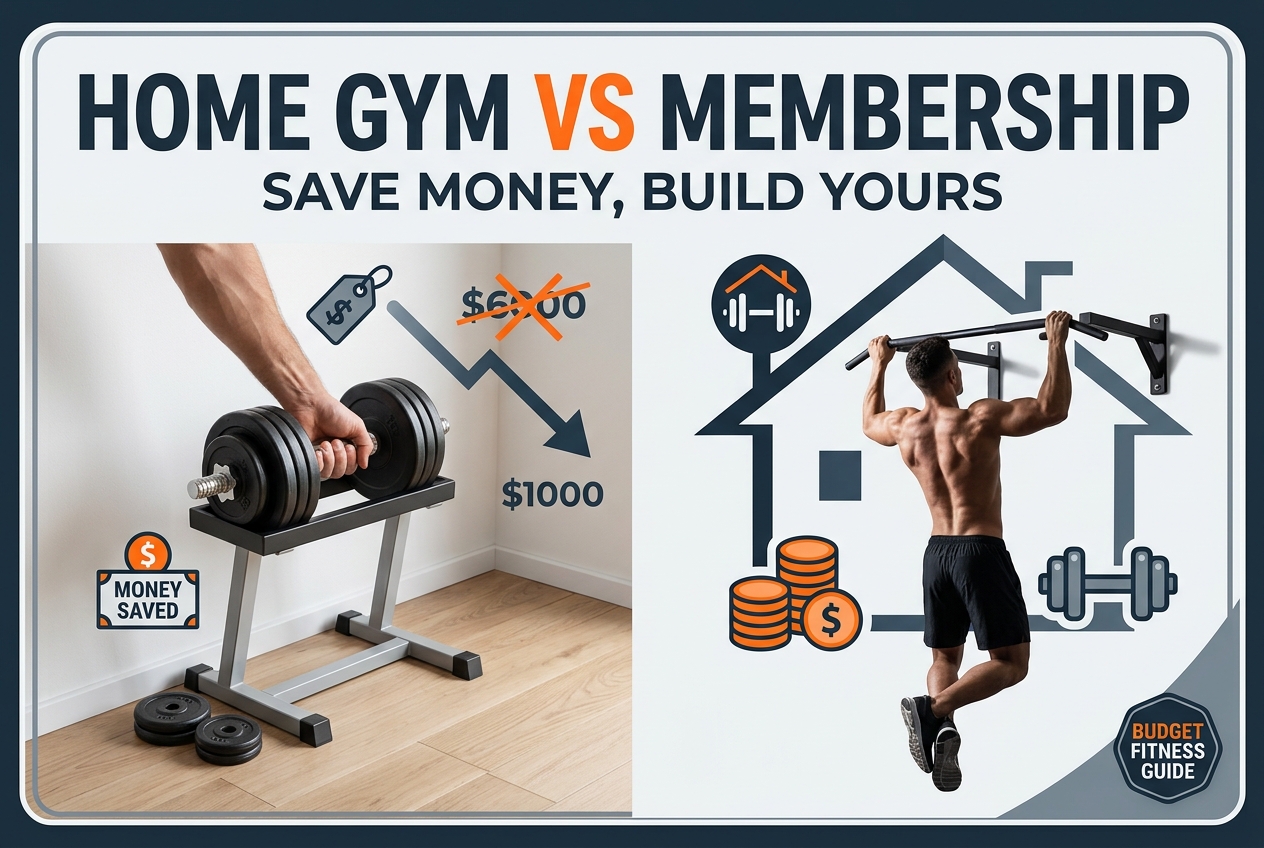
A Real Home Gym Costs Less Than Your Membership
Building a home gym on a budget forces choices about cost, space, and versatility. These essentials disagree on the starting point: a few multi-use pieces bought gradually, adjustable dumbbells as the core investment, or a pull-up bar as the best value per dollar. Comparing them shapes a setup that matches your routine and your room.
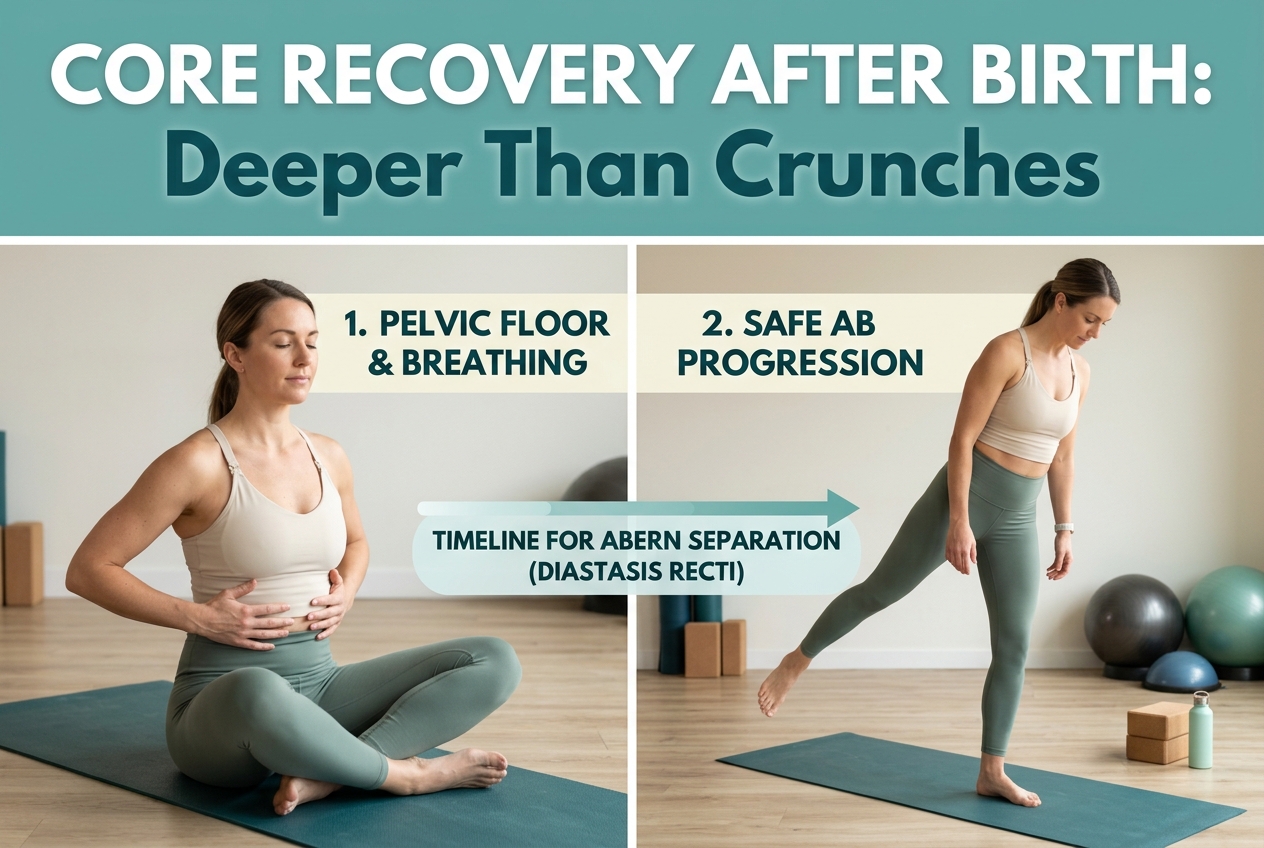
Rebuilding Your Core After Birth Starts Deeper Than Crunches
After giving birth, jumping straight into ab workouts can set recovery back. These steps sequence the comeback from breathing and pelvic floor work up to specific programming and managing abdominal separation, and they split on how cautious or assertive to be along the way. Weigh what the evidence supports and pace a recovery that fits your body.
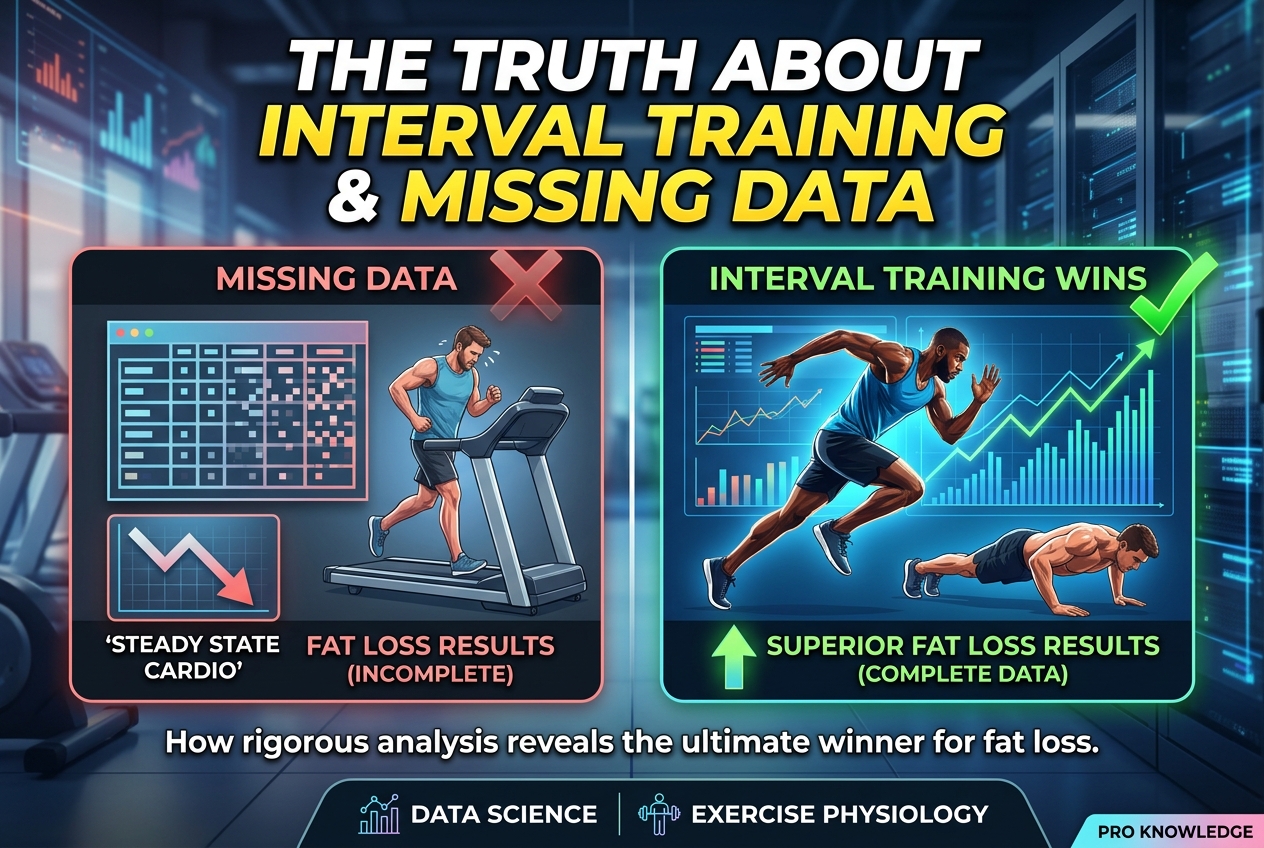
Fix the Missing Data and Interval Training Wins
The cardio-versus-intervals argument drags on partly because fat loss studies are riddled with dropouts and missing measurements. This take argues that when those gaps are filled with rigorous statistical methods instead of ignored, high intensity interval training pulls clearly ahead of steady state cardio. If you care what the evidence really says, the way researchers handle incomplete data should change which workout you trust.
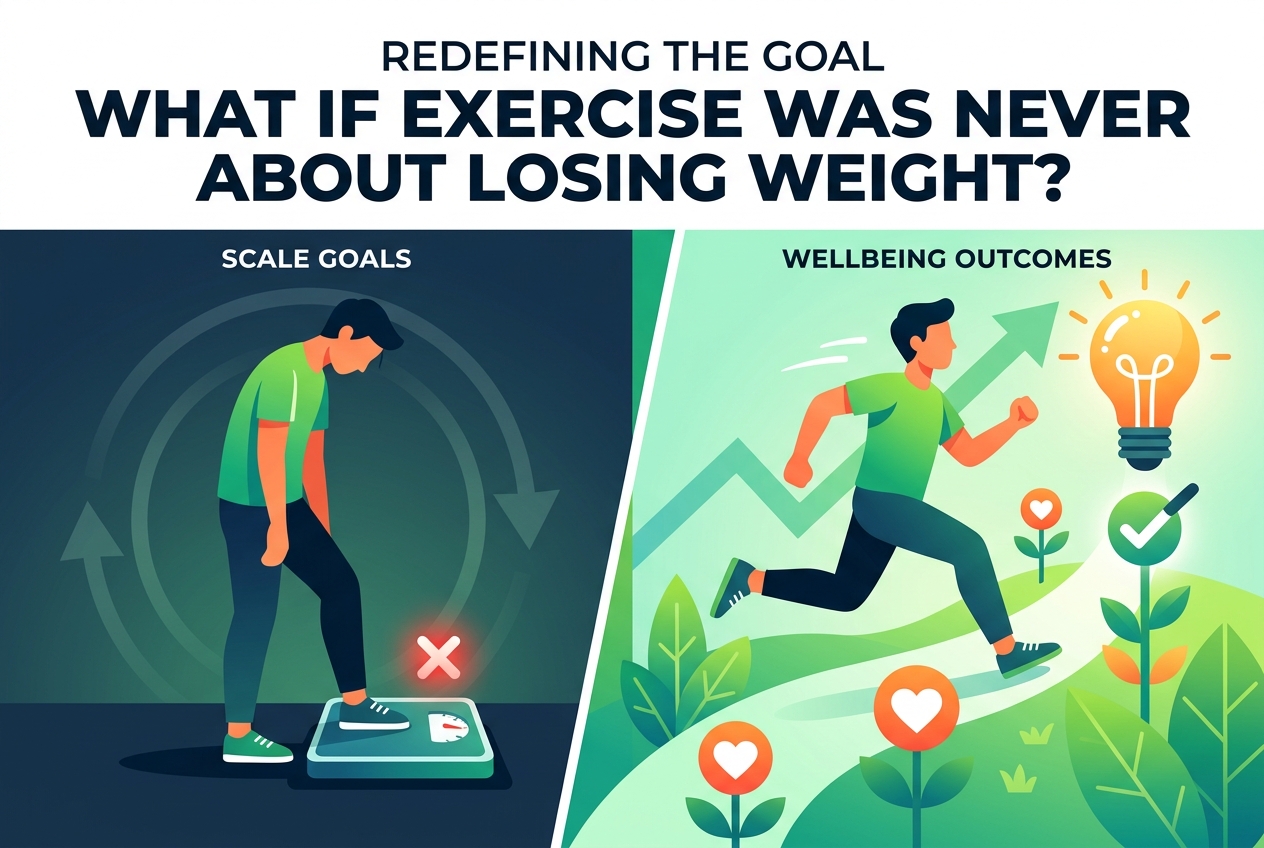
What If Exercise Was Never About Losing Weight?
If the scale is your only reason to work out, the evidence may be pointing you at the wrong target. These views split on whether exercise should be judged by health gains regardless of weight, whether lasting habits come from enjoying movement rather than punishing yourself, and whether diet quietly does the real work of weight loss. Deciding what you want from exercise changes how you should do it.
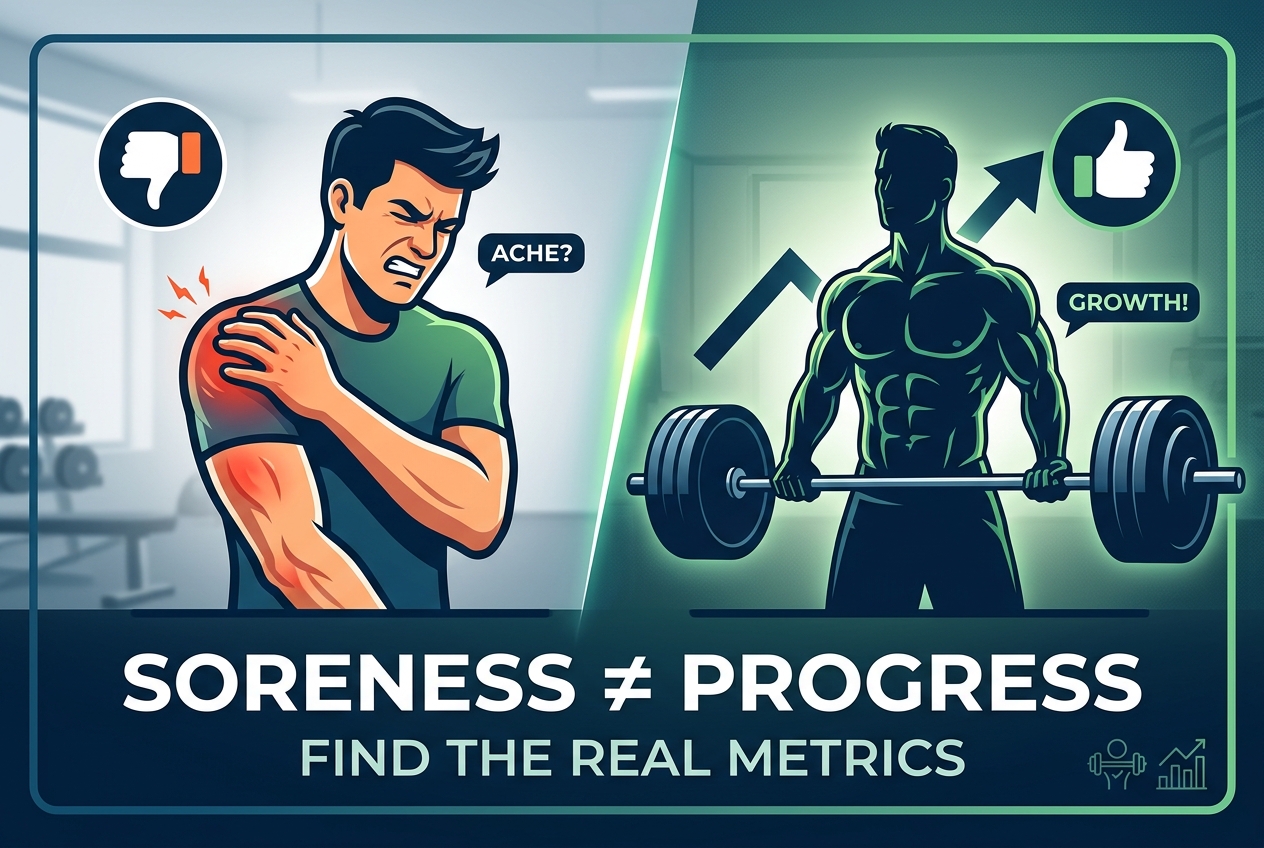
Sore Muscles Don't Prove Your Workout Worked
If you judge workouts by how much you ache the next day, you may be chasing the wrong signal. These claims separate soreness from actual progress, pointing to strength gains as the real markers, debunking the idea that soreness equals growth, and showing how fitness influencers keep the myth alive. Use them to decide what to track instead of pain.

Games, Not Gym Workouts, Are the Best Lifelong Fitness Plan
Gym memberships get abandoned; games keep people coming back. The claim here is that recreational play, from pickleball to active video games, beats solo workout routines for lifelong fitness because fun sustains the habit while building heart health, balance, and social connection. Especially for older adults, the move is to pick a game you love, clear it with your doctor, and let enjoyment do the discipline.
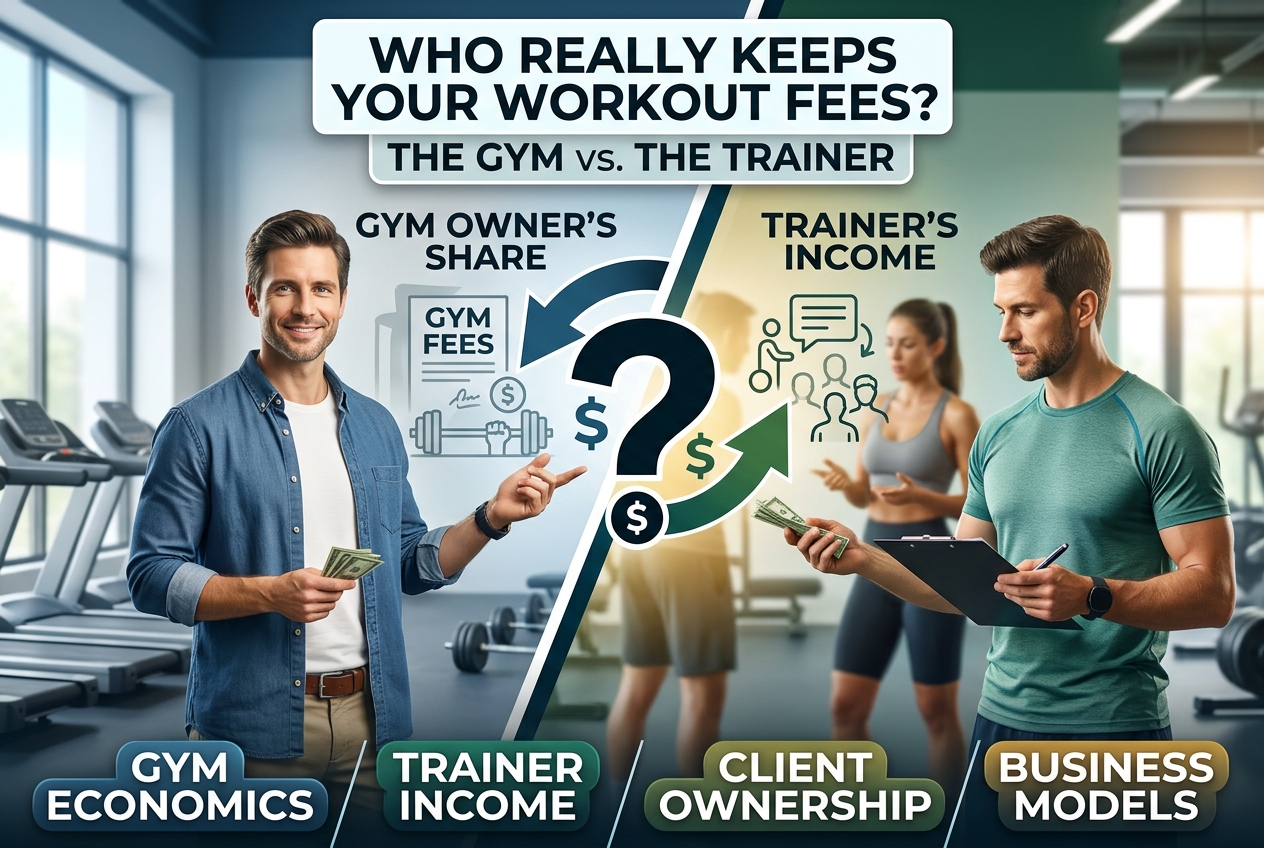
Who Really Keeps Your Workout Fees Gym Owners or Trainers
When you pay for personal training, the split between gym owners and trainers shapes who earns what and who controls your sessions. Models differ on client ownership, fee distribution, and trainer independence, revealing why some trainers earn more by managing their own clients and schedules while others work under gym policies that limit their take-home pay. Understanding these models helps trainers and clients see the real economics behind personal training fees and the trade-offs between convenience, control, and income.

Did Power Posing Ever Really Work?
Standing like a superhero was supposed to change your hormones, then the science wobbled. These views split on whether the original findings were biased flukes, whether stricter and larger studies could still rescue the effect, and whether personal experience counts when replication fails. Sort out which confidence boosters actually hold up before you rely on one.
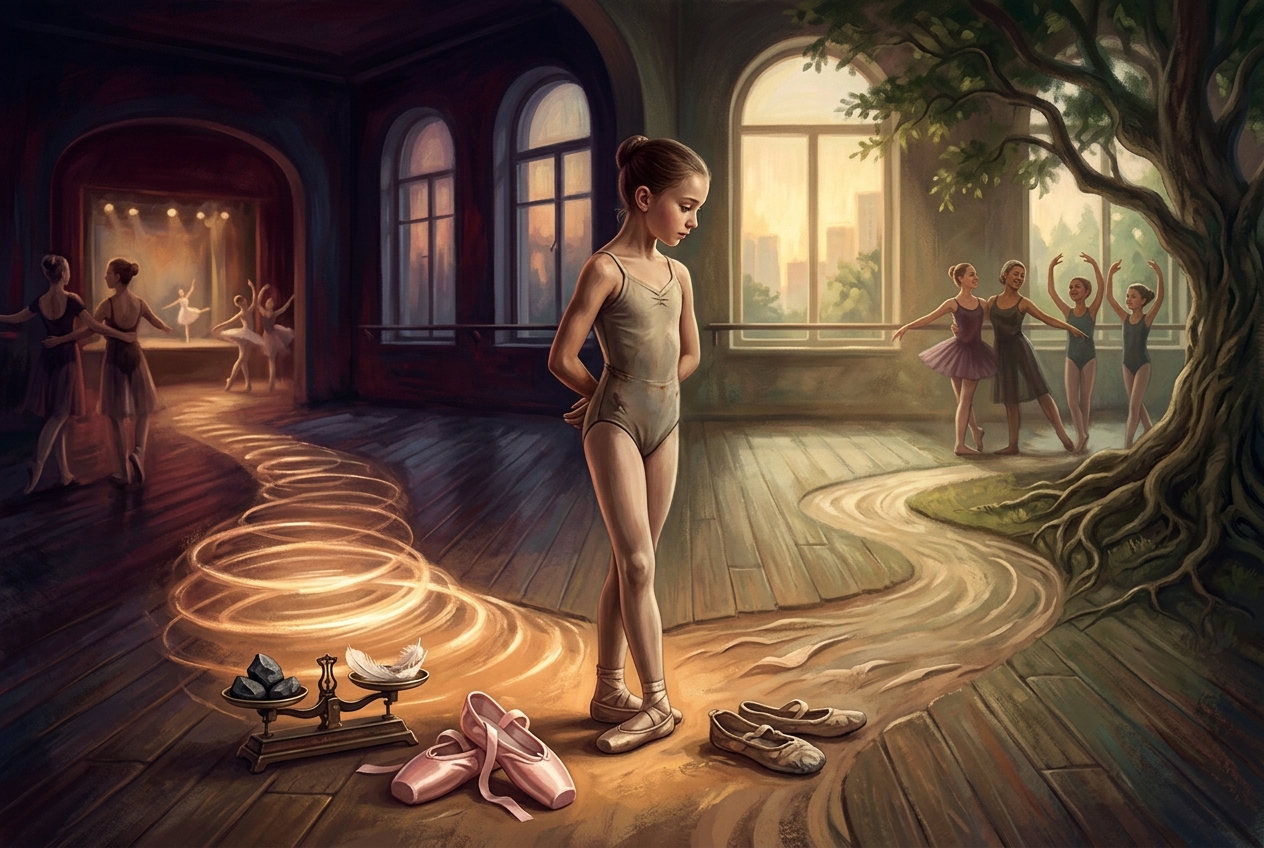
When Should a Child Start Serious Ballet Training
Push ballet too early and a child risks injury, burnout, and growth-plate damage; wait too long and they may fall behind. These views differ on whether early specialization builds skill faster or whether a child-first pace that follows the body's readiness matters more. You can decide the safest path for a young dancer's health and progress.
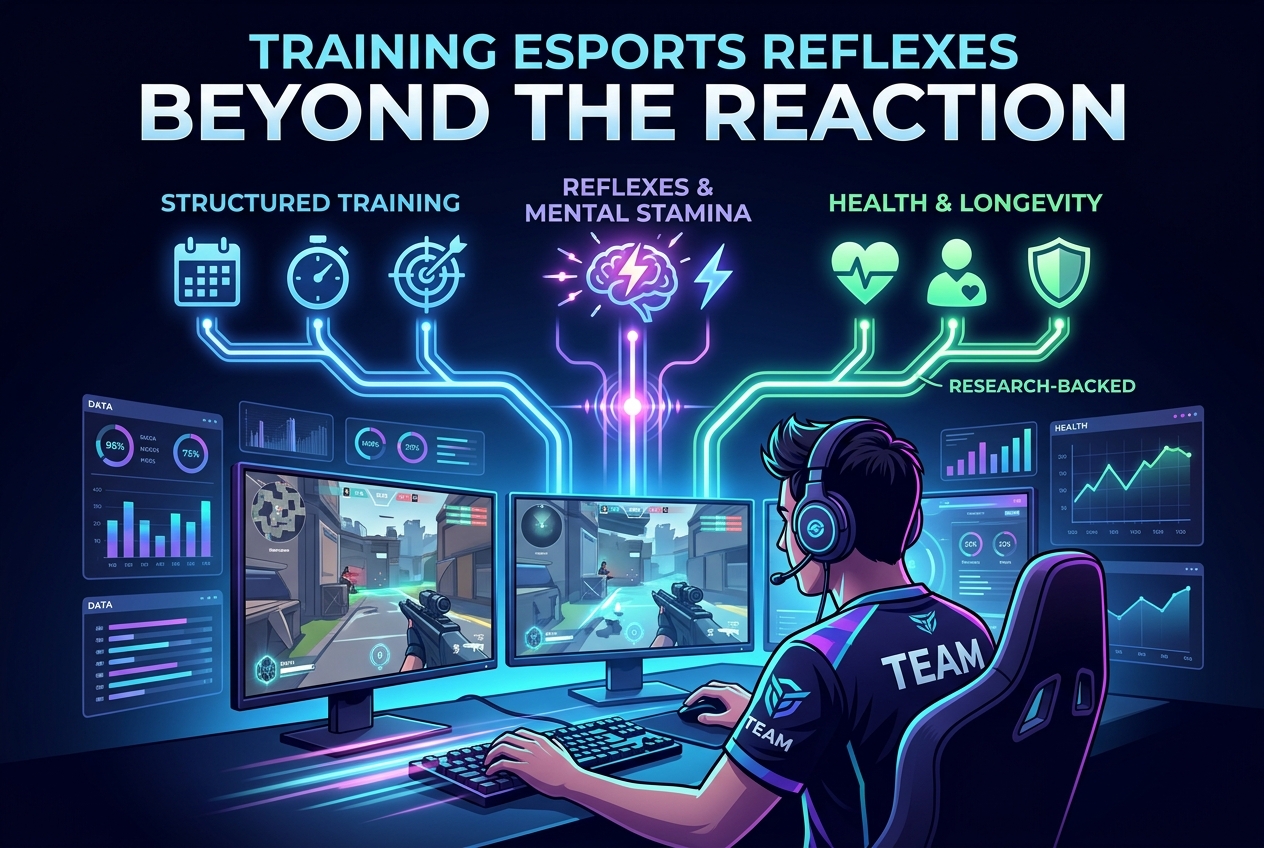
Esports Reflexes Are Trained, Not Born
At the top of competitive gaming, reaction time and mental stamina decide matches, and how to build them is contested. These methods split between structured practice regimens, long-term community health programs that protect player wellbeing, and research-driven interventions built on actual evidence. The choice shapes not just performance but how long a career lasts.
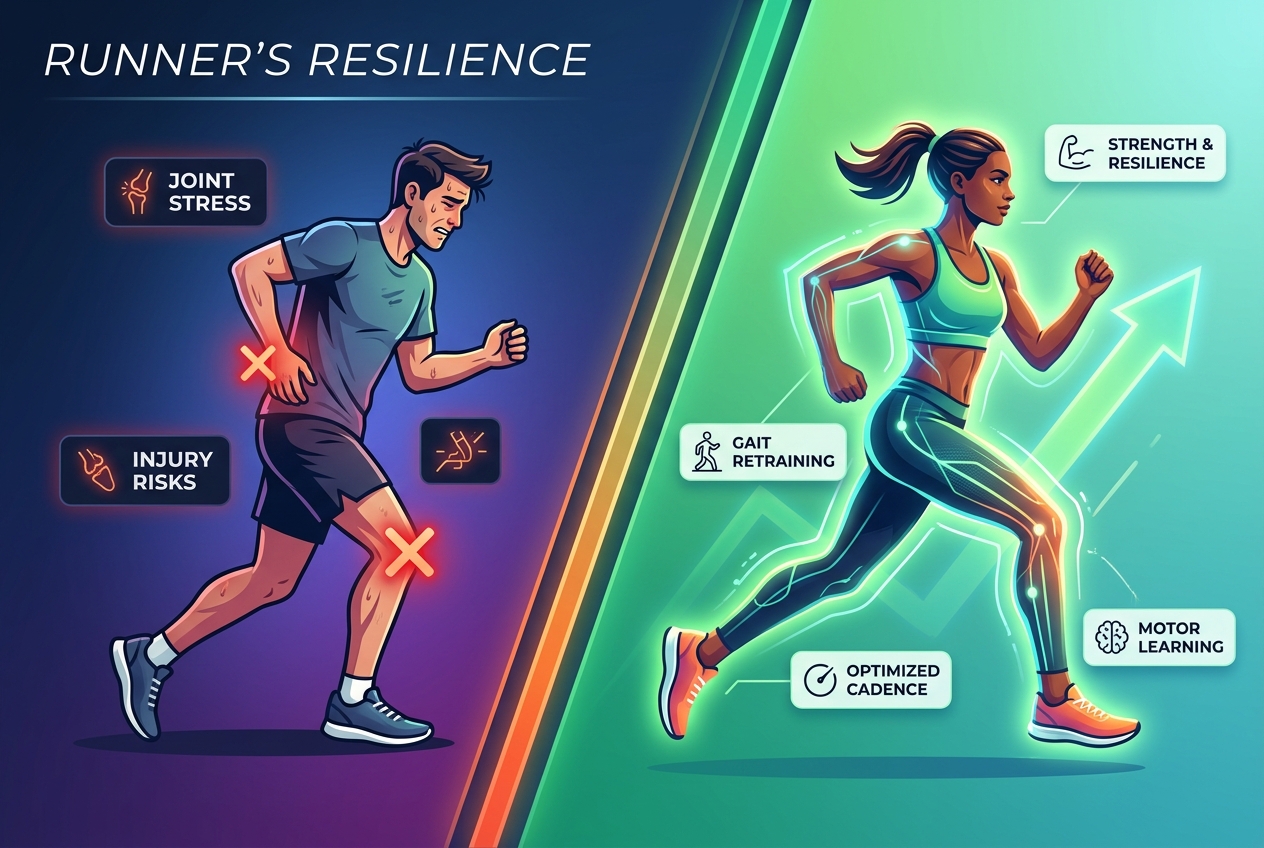
Why Runners Keep Getting Hurt, and What Actually Helps
Running injuries are common, but the best prevention is contested. These fixes range from strength training that builds resilience and raising your cadence to ease joint stress, to structured gait retraining and the argument that impact forces matter less than we think. You can decide which approach fits your stride and your injury history.