
Browse the Context Marketplace
Expert-level knowledge on any topic. Each capsule guides you through what matters most.
27 capsules
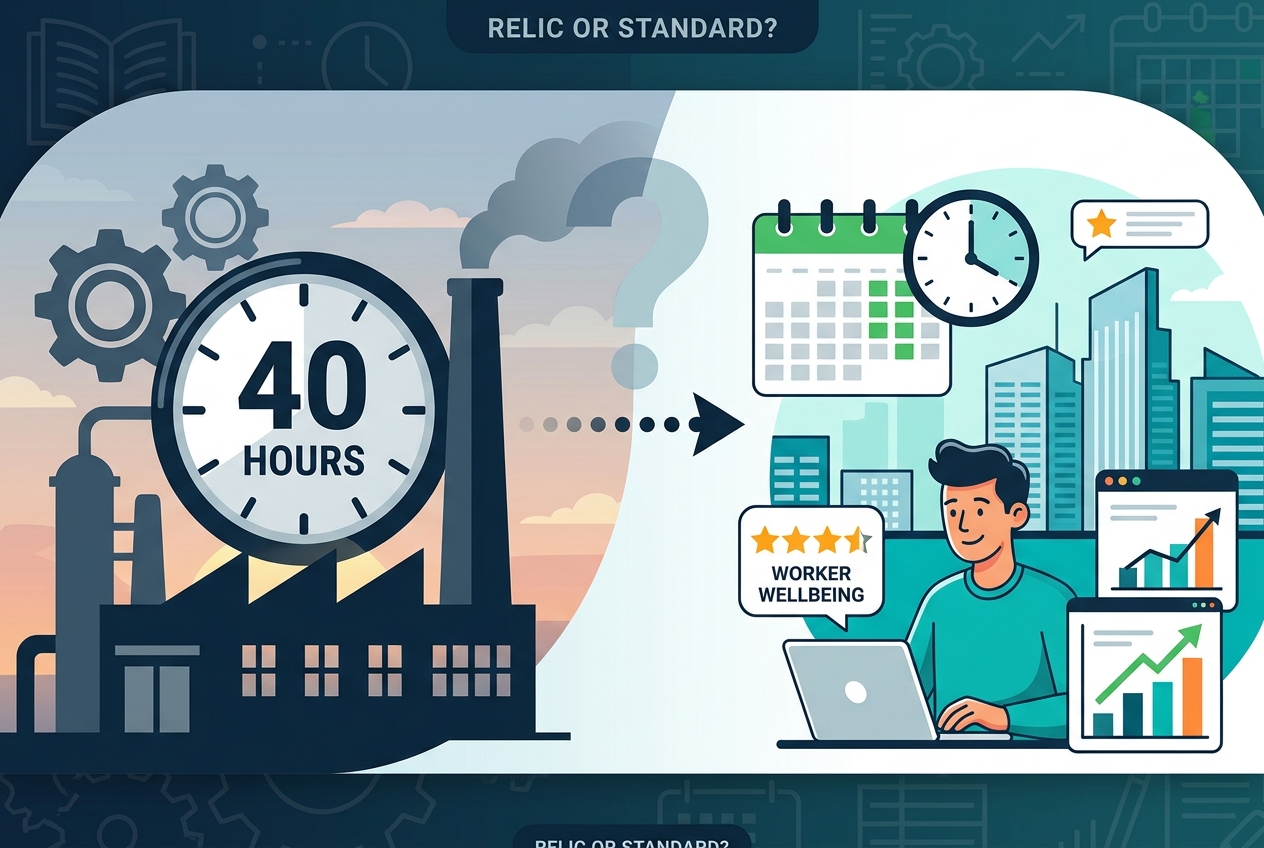
Is the 40-Hour Workweek a Relic of the Factory Floor?
The 40-hour week was built for the industrial era, and the case for keeping it is under real pressure. One argument defends fixed hours as a stable standard, another points to trials where shorter and flexible schedules lifted productivity and wellbeing, and a third questions the sources behind both claims. Sorting through them helps you judge what a sane workweek should look like now.

Clear Work Rules and Limits Keep Projects From Falling Apart
Clear work rules and limits, like setting work-in-progress limits and defining when tasks are ready or done, keep projects on track and prevent chaos. While many believe flexibility and constant changes help projects succeed, having firm boundaries actually creates smoother progress and fewer disasters. Following this approach means you will manage projects with more control and less stress, leading to better outcomes.
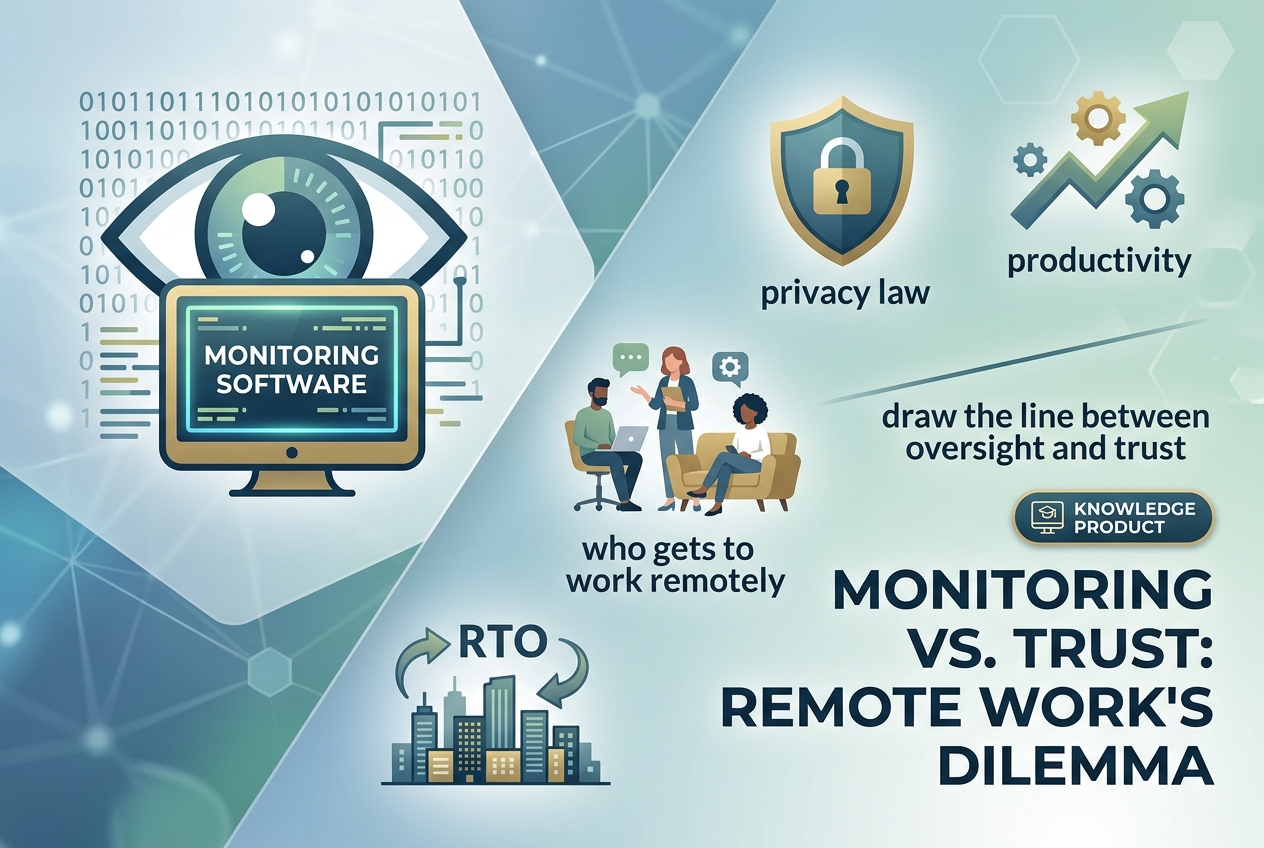
Your Boss Can Watch You Work From Home. Should They?
Monitoring software promises accountability and quietly corrodes the trust remote work runs on. The competing positions here weigh privacy law and ethics against performance tracking, ask who even gets to work remotely, and trace how policy is pushing people back into offices. Work out where your organization should draw the line between oversight and trust.

Staying Loyal to Your Employer Quietly Costs You Money
If you've stayed put while colleagues switched jobs for raises, the wage gap is real and measurable. The findings differ on what drives it: career interruptions and stigma, job levels mattering more than occupations, or the trade-off between internal promotions and outside offers. Use them to decide whether your next raise comes from staying or leaving.

When Money Means Family, What Counts as Fair for All Kids?
Blended families face complex financial challenges that go beyond simple fairness, involving legal planning, inheritance, and ongoing support between biological and stepchildren. The approaches differ on how to protect assets, balance responsibilities, and prevent conflict—whether through formal agreements, trusts, or partnership-based decisions. Understanding these distinct paths helps families create clear, legally sound plans that respect everyone’s needs and avoid unintended disinheritance or resentment.
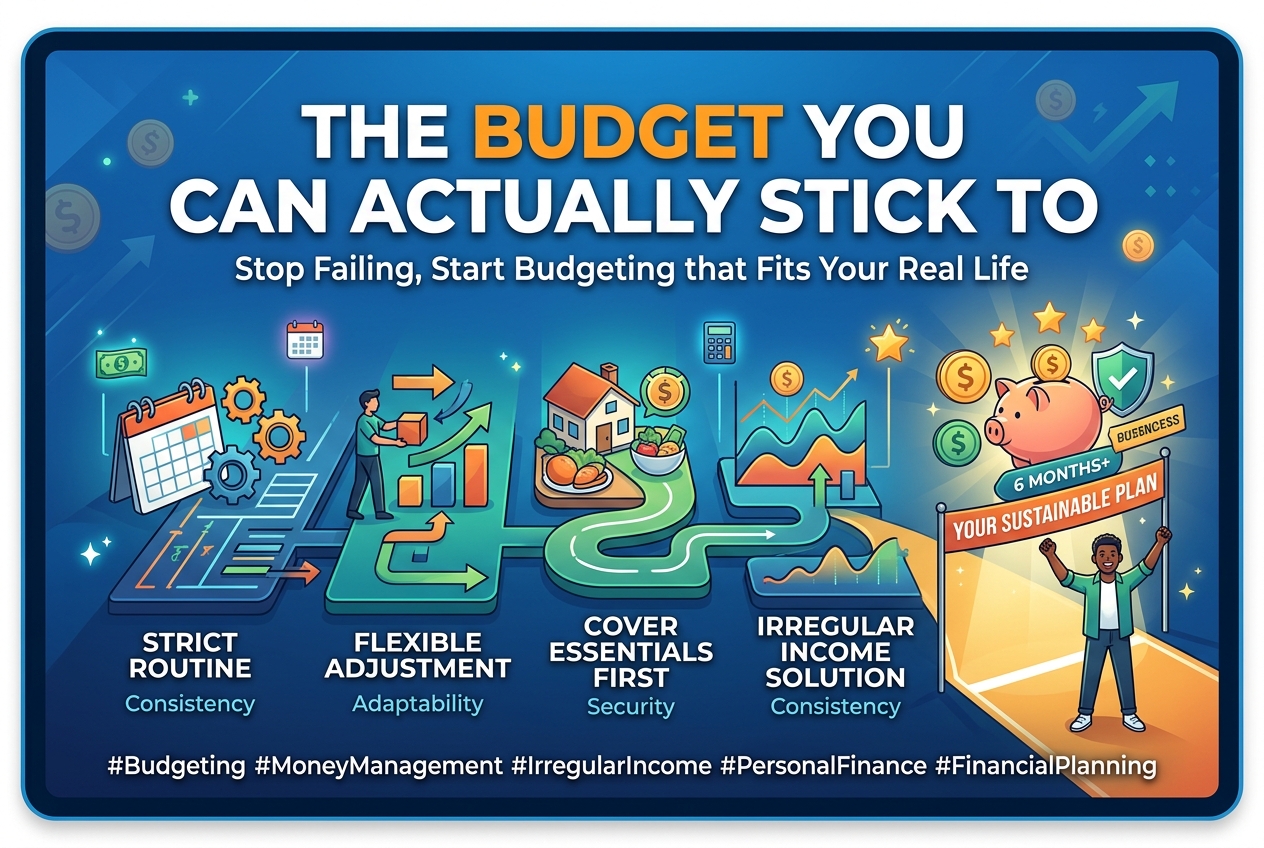
The Budget You Can Actually Stick To
Most budgets fail not from bad math but from not fitting real life. These approaches split between strict routines, flexible month-to-month adjustment, and covering essentials first, with special answers for irregular income. Comparing them points you to the money plan you'll still be using in six months.

Why Handling Stress Needs Different Strategies for Different Challenges
Stress and resilience are not one-size-fits-all. Some strategies focus on practical daily habits like deep breathing and social support, while others confront harsh realities or tailor responses to specific stressors. Understanding these distinct approaches helps you choose the right way to manage stress and build resilience that fits your unique situation.

Whole Life or Term and Invest the Difference?
Protecting your family means picking a policy you may pay into for decades, so the choice deserves real scrutiny. The options split between term insurance plus separate investing, whole life with guaranteed benefits and cash value, and a compliance-minded path focused on commissions and disclosure. Weigh simplicity and growth against guarantees to decide which fits your family and savings.

Turning Family Facts Into a Plan Everyone Can Live With
Making a family plan means juggling safety, mental health, and daily routines all at once. These recommendations part ways on where to start: clear communication and safety protocols during parenting transitions, tackling trauma and mental health first, or using structured decision tools to settle arrangements. Seeing the differences helps you choose the path that fits your family's real situation.

The Conversation You Keep Avoiding at Work Is Costing You
Unsaid feedback and dodged conflict quietly compound into resentment, stalled projects, and missed promotions. These approaches split on the way in: structured dialogue steps that build mutual respect, active listening and collaborative negotiation, or first dismantling the cultural barriers that make speaking up feel dangerous. The right fit depends on your workplace and how high the stakes have climbed.
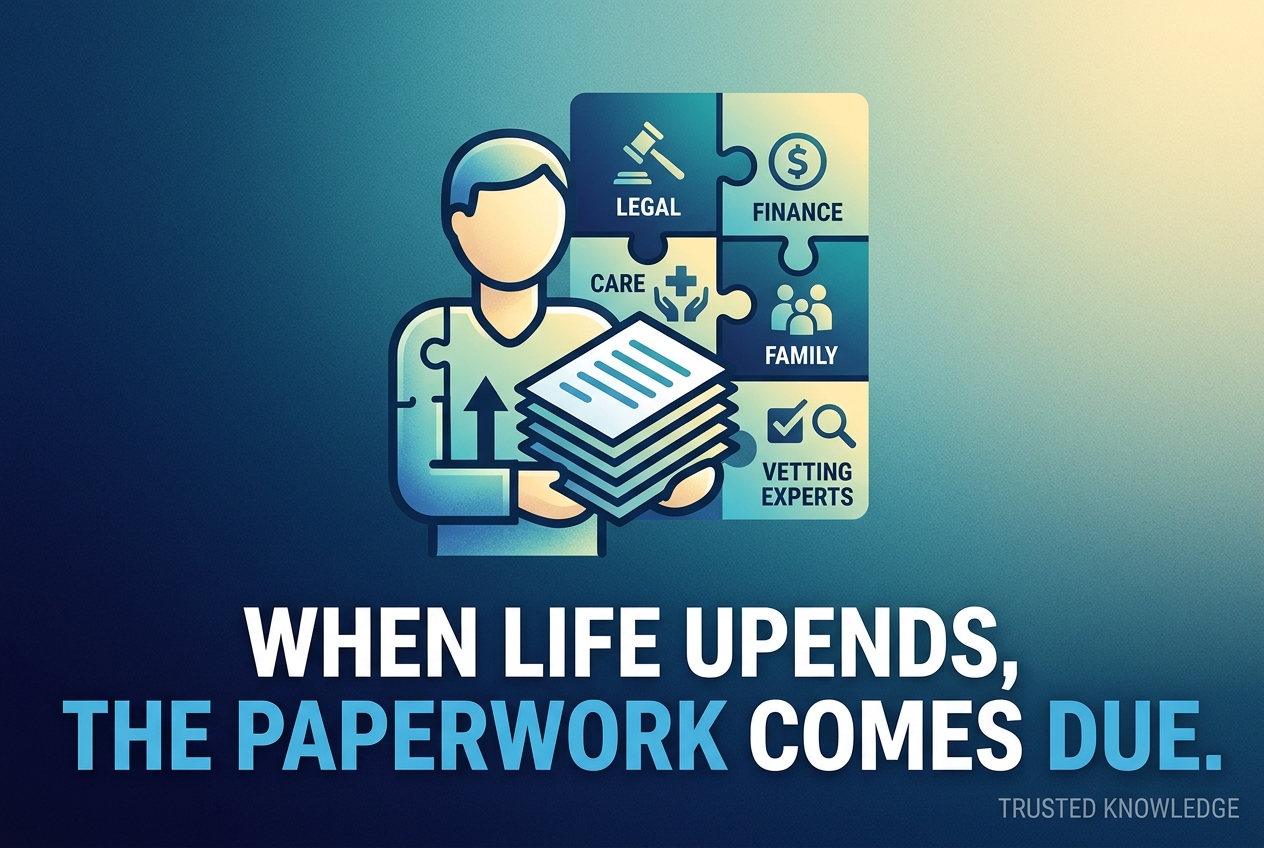
When Life Upends, the Paperwork You Skipped Comes Due
A divorce, a diagnosis, or a death in the family rarely announces itself, and the plans you made before rarely survive it intact. These planning elements differ on what to put first: legal documents for incapacity, smart money moves, coordinating care and communication with family, or verifying that the experts you hire are the real thing. Together they show you how to rebuild your life piece by piece with connected decisions instead of isolated ones made under pressure.
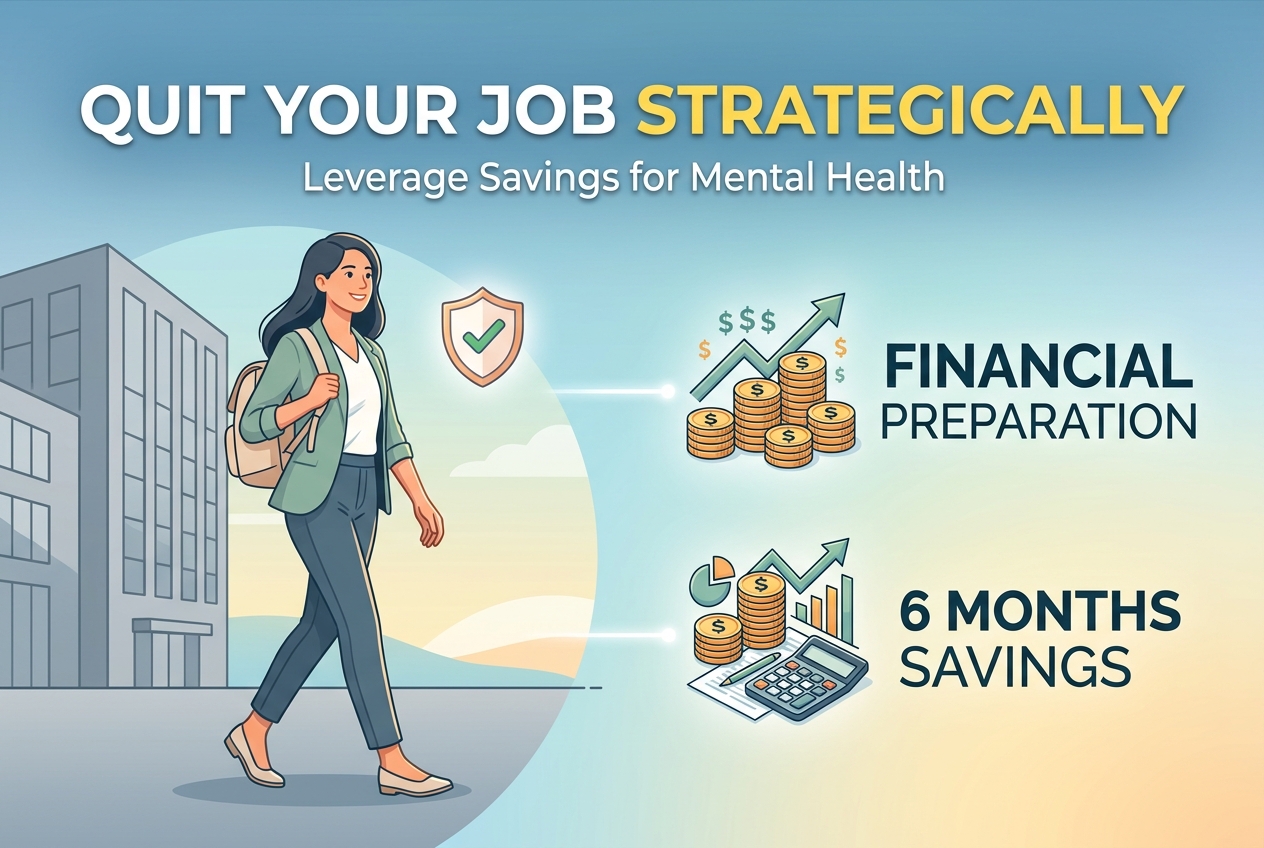
Quit Your Job Without Another If You Can Afford the Risk
Leaving a full-time job without another lined up can protect your mental and physical health if your current job is harmful, but it demands careful financial preparation. The mainstream advice to secure a new job first overlooks the reality that with at least six months of savings and a solid financial plan, quitting can be a strategic choice rather than a desperate risk. By understanding your financial runway and risk capacity, you can make a confident break that prioritizes well-being over uncertainty.