
Browse the Context Marketplace
Expert-level knowledge on any topic. Each capsule guides you through what matters most.
601 capsules

Your Coffee Problem Might Be the Water, Not the Beans
If your brew never tastes like the cafe's, the water is the suspect most people ignore. The factors pull in different directions: adding minerals back after purification for flavor, keeping hardness down to protect taste and equipment, and balancing pH for proper extraction. Test what comes out of your tap and match the fix to it.

Pixar Engineers the Emotion in Its Stories
Pixar's tearjerker moments feel spontaneous, but there's real debate over how much is deliberate machinery. These techniques range from precise animation controls that engineer feeling, to flexible creative guidelines, to leaning on character dilemmas and thematic clarity. Explore them to see how much of that emotion is built like a machine.

The Chemistry That Separates Tender Ribs from Shoe Leather
Tender brisket and ribs come down to chemistry: collagen breaking down at the right temperature, pH steering the bark, and partial combustion painting the smoke ring. The factors cover heat management, membrane removal, and the safety rules that keep long, low cooks from going wrong. Understand the reactions and you can steer them instead of hoping.

What Do Your Blood Test Numbers Actually Mean?
Your results arrive in a portal full of numbers and flags, and nobody walks you through them. The approaches split on who should translate: your doctor putting numbers in personal context, AI tools that turn them into plain language, or better-designed portals that explain results directly, and they differ on how much simplification is safe. Weighing them helps you get clarity without missing the clinical nuance behind a number.
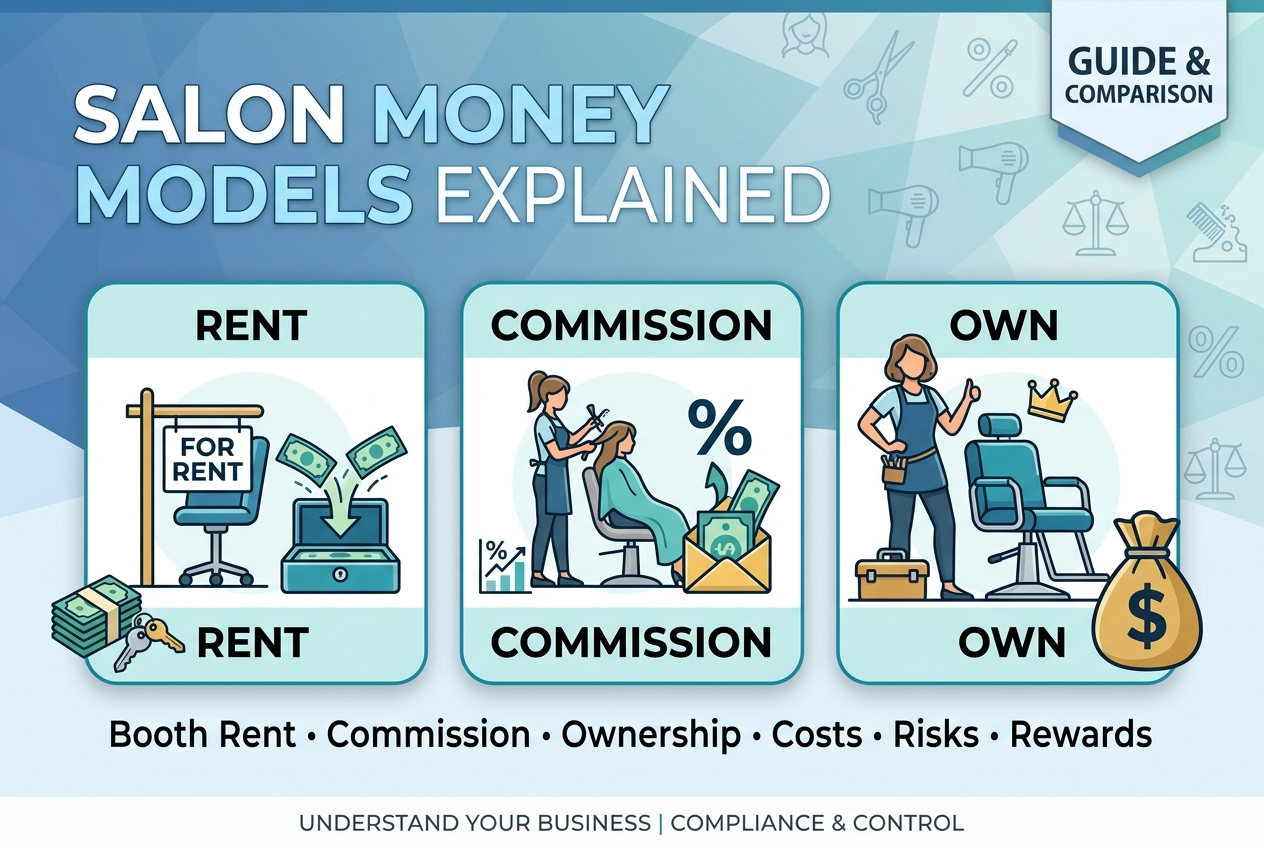
Who Really Pays When You Rent, Work Commission, or Own Your Salon Chair
Salon and barbershop money models differ sharply in who handles costs, risks, and rewards—from renting a booth to earning commission or owning a chair outright. These models vary in tax responsibilities, licensing, insurance requirements, and client management strategies. Understanding these differences helps workers and owners decide the best path for financial control, legal compliance, and steady income.

Why Leading Others Is Tougher Than Doing the Work Yourself
Stepping into your first management role means shifting from focusing on your own tasks to enabling your team’s success. The principles differ on how to communicate expectations, delegate effectively, and build trust by empowering others rather than controlling every detail. Understanding these differences helps new managers decide how to balance letting go of direct control while taking full responsibility for their team’s outcomes and growth.
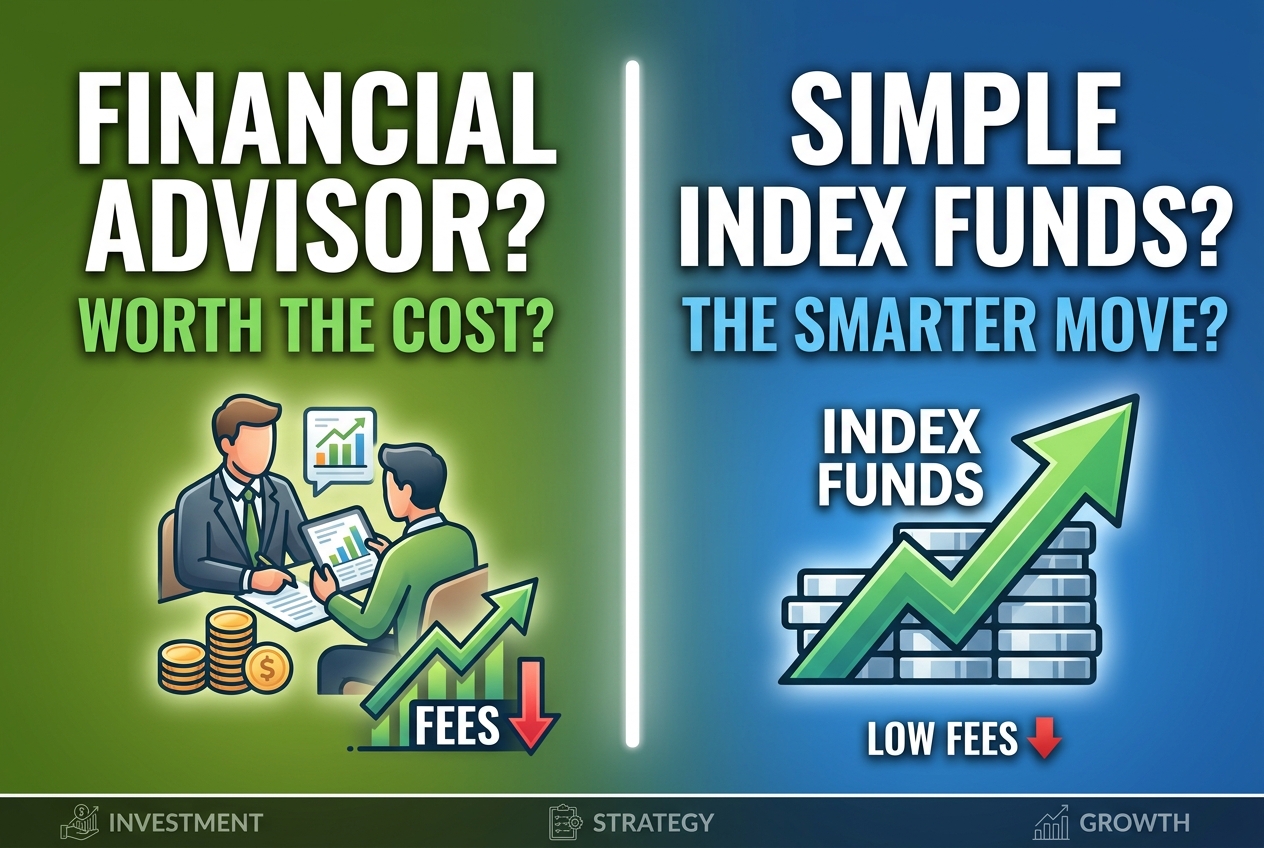
Is Paying for a Financial Advisor Worth the Cost Over Simple Index Funds
Investing with low-cost index funds often outperforms portfolios managed by financial advisors once fees and conflicts of interest are considered. Approaches differ on whether advisors add value through active management, behavioral guidance, or tailored strategies versus the simplicity and cost-efficiency of a buy-and-hold index fund portfolio. Understanding these differences helps investors decide if paying advisory fees aligns with their goals or if a straightforward index fund strategy is enough.

When Insurance Says No, How Do You Fight Back?
Denied insurance claims can feel like hitting a wall, but knowing how to respond can make all the difference. Approaches vary from strict procedural persistence—tracking deadlines and filing timely appeals—to enlisting professionals and documenting thoroughly. Others focus on understanding policy exclusions like flood damage in home insurance or pushing for cooperative reform. This knowledge helps you decide whether to appeal internally, seek external review, or challenge exclusions effectively.

The Best Debt Payoff Plan Is the One Almost Nobody Picks
Getting out of debt is as much a psychology problem as a math problem, and the plan that performs best is the one people choose least. These strategies differ on what to attack first: the highest interest rates, better terms won through prepayments and leases, or a payoff order matched to how your mind naturally makes decisions. You'll see the real cost of each route and pick the one you will actually follow to the end.

You Never Needed That Checked Bag
Dragging a checked bag through airports is a habit, not a requirement. These strategies differ on where the space savings come from: a mix-and-match wardrobe in neutral colors, washing clothes as you go, ruthless digitizing and letting go, smarter folding, or choosing the right gear like a travel power bank. Compare them and you can board with one bag and still have everything you actually need.

The Fittest Version of You Might Weigh More
If the bathroom scale is your only referee, you may be training for the wrong prize. These principles differ on what fitness really means: building strength gradually enough to avoid injury, valuing a strong heart over a low weight, tailoring the whole plan to your own body and life, and knowing where fitness research stops being trustworthy. Together they let you choose a path that makes you genuinely healthier, not just lighter.

When Stopping Short Builds More Muscle Than Grinding On
Grinding every set until you physically cannot move the weight feels hardcore, but it may be quietly stalling your progress. These methods differ on how to dose effort instead: rating how hard a set feels, leaving repetitions in reserve, and protecting recovery so fatigue does not swallow your gains. Compare them and you can decide exactly when pushing to failure earns its cost and when to rack the bar early.