
Browse the Context Marketplace
Expert-level knowledge on any topic. Each capsule guides you through what matters most.
61 capsules

Gut Microbiome Tests Can't Guide Your Diet or Health Choices
Despite popular marketing, gut microbiome tests lack FDA approval and clinical reliability, making them unsuitable for diagnosing conditions or guiding diet changes. The mainstream hype suggests these tests offer personalized health insights, but experts warn against making lifestyle or medical decisions without professional advice. Following this cautious approach helps avoid ineffective or potentially harmful self-prescribed treatments based on unproven test results.

Companies Secretly Shorten Product Lifespans to Force You to Buy More
That phone slowing down or lightbulb dying on schedule may not be an accident. Manufacturers have a long record of deliberately shortening product lifespans to drive repeat sales, hiding it behind software restrictions and legal barriers to repair, while most people write the failures off as natural wear. Seeing the tactic clearly is the first step toward repairing what you own and demanding products built to last.

Numbers Alone Don't Prove Truth Without Careful Context
Statistics feel like proof, which is exactly why flawed arguments and propaganda lean on them. Against the habit of taking numbers and expert endorsements at face value, the case here is to interrogate context, assumptions, and reasoning before believing any figure. Read data that way and manipulation becomes far easier to spot.
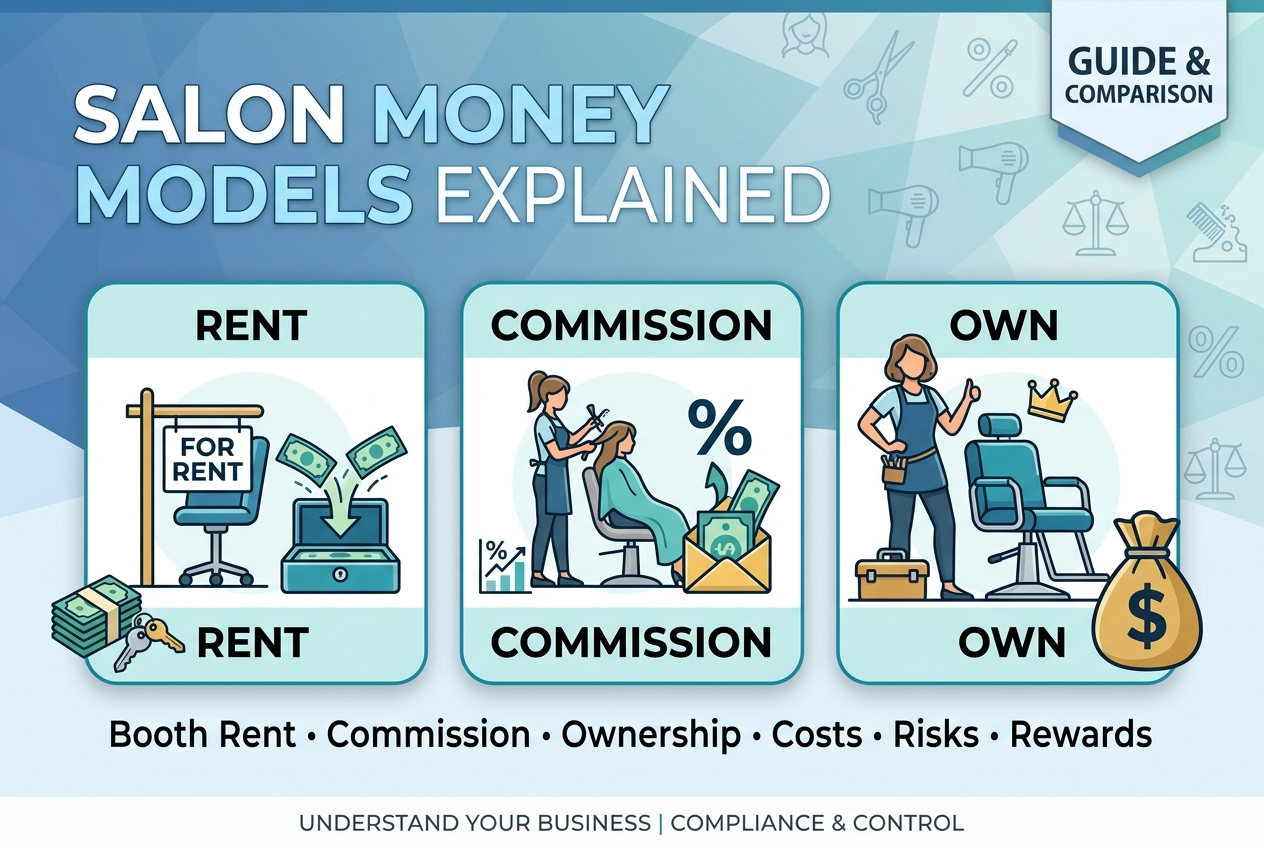
Who Really Pays When You Rent, Work Commission, or Own Your Salon Chair
Salon and barbershop money models differ sharply in who handles costs, risks, and rewards—from renting a booth to earning commission or owning a chair outright. These models vary in tax responsibilities, licensing, insurance requirements, and client management strategies. Understanding these differences helps workers and owners decide the best path for financial control, legal compliance, and steady income.

Why Leading Others Is Tougher Than Doing the Work Yourself
Stepping into your first management role means shifting from focusing on your own tasks to enabling your team’s success. The principles differ on how to communicate expectations, delegate effectively, and build trust by empowering others rather than controlling every detail. Understanding these differences helps new managers decide how to balance letting go of direct control while taking full responsibility for their team’s outcomes and growth.

Why Letting Go of Your Stuff Is So Hard
Owning less sounds simple until you face the drawers you cannot empty. The approaches read the problem differently: emotional attachment that drives hoarding, personal transformation stories, gift economies like the Buy Nothing Project, minimalism as a class performance, and the hidden costs of fast fashion. Decide which lens fits your values before you start clearing shelves.
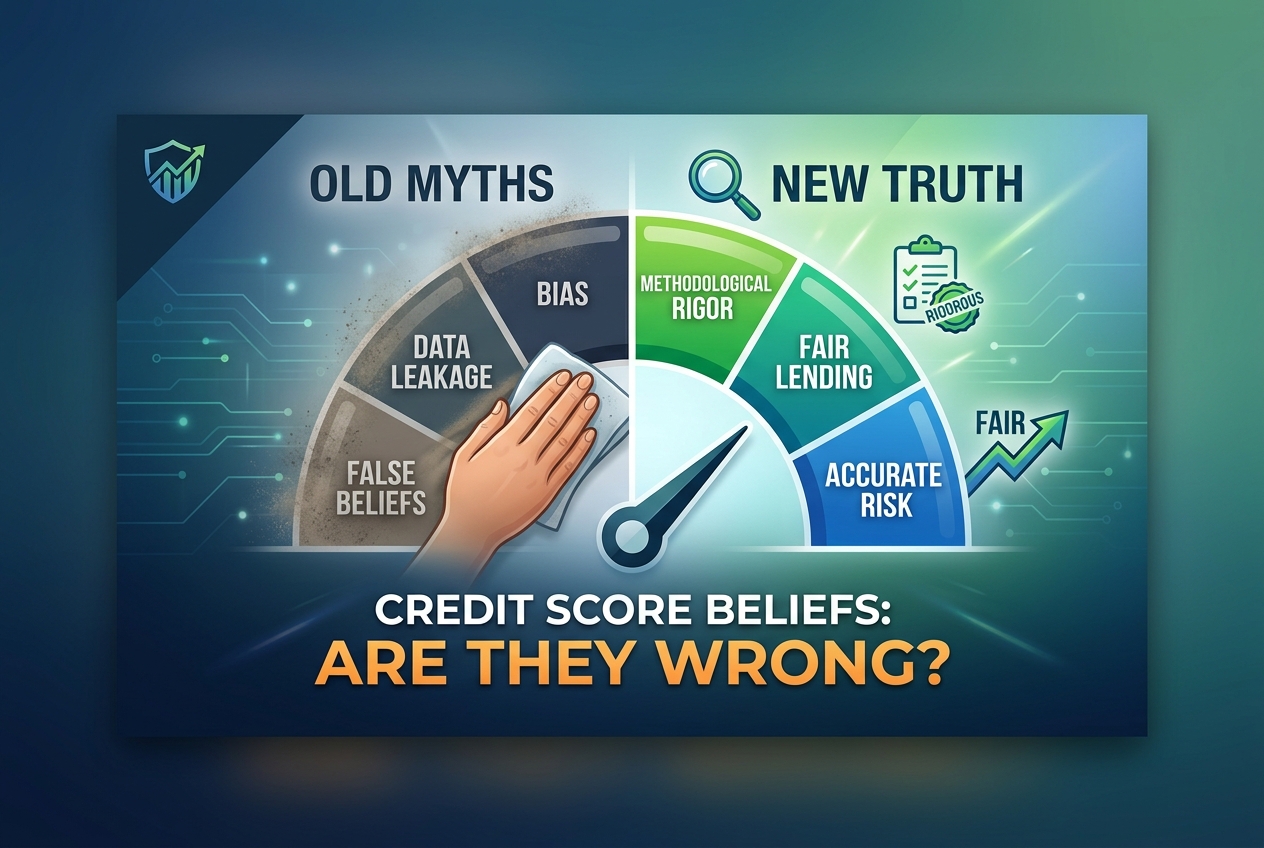
Most Credit Score Beliefs Are Wrong and Cost You Money
Common beliefs about credit scores often rely on flawed studies that overlook critical methodological issues like data leakage and sample bias. By demanding rigorous, transparent research and understanding the true factors behind credit scoring, consumers and lenders can avoid costly mistakes and promote fairer, more accurate credit decisions. Embracing these insights helps you challenge myths that lead to unfair lending and financial loss.
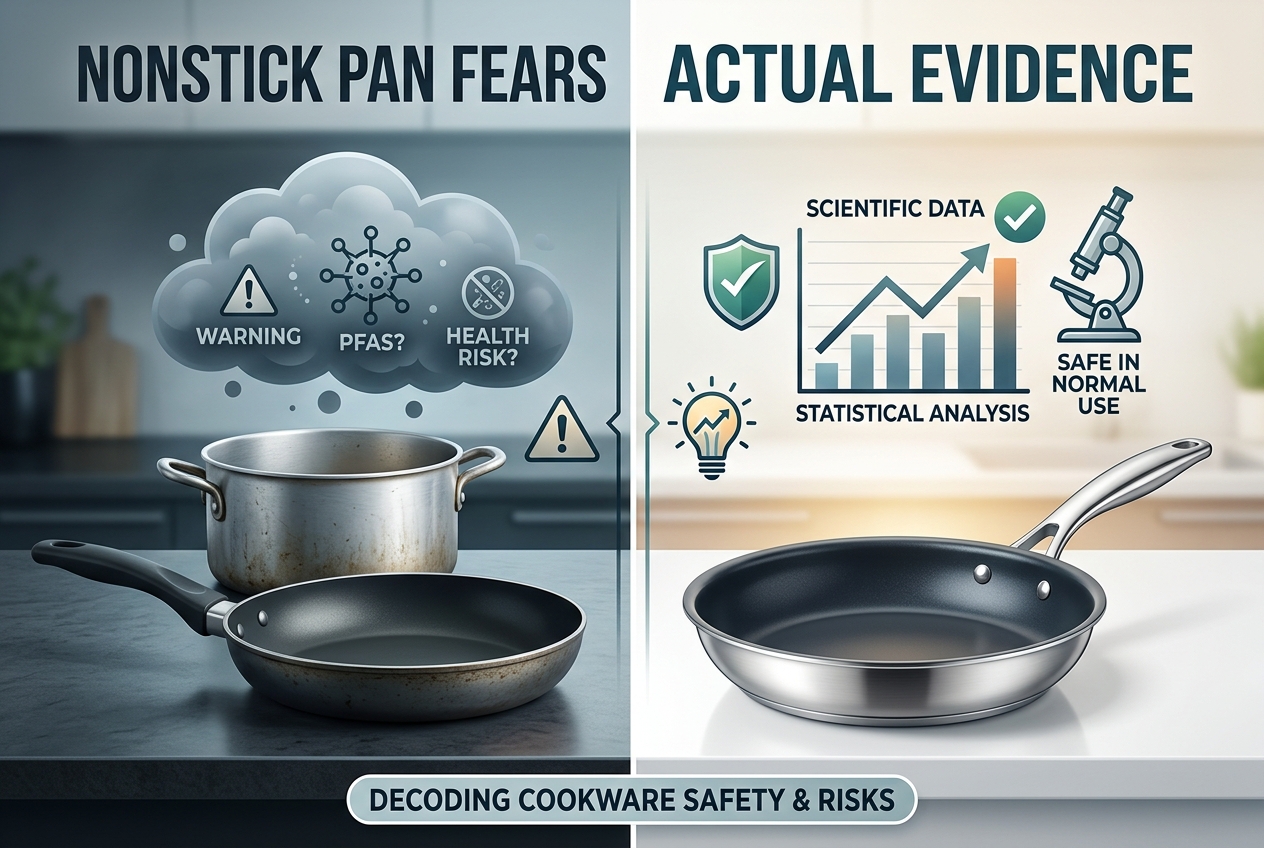
Nonstick Pan Fears Meet the Actual Evidence
Warnings about aluminum and nonstick cookware are everywhere, yet much of the science points the other way. The views differ on how to read that evidence: some urge precaution over any potential hazard, while others argue the data show these pans are safe in normal use and that panic itself does harm. Sorting rigor from alarm helps you decide what belongs in your kitchen.

You Don't Need a Budget to Start Automating
Small teams drown in repetitive work while assuming automation requires money they don't have. These approaches disagree on where to begin: free Microsoft tools, lead management, the bottlenecks your team complains about most, or people-first changes before any software. Comparing them gives you a first step that costs nothing but attention.

Nobody Actually Needs Eight Glasses of Water a Day
The eight-glasses rule has survived decades without evidence behind it. These myths cover the fixed daily quota, the fear of chronic mild dehydration, and the overlooked danger of drinking too much. Unpacking them leaves you with a simpler guide: thirst, urine color, and your own body's signals.

Make Board Meetings Worth Your Directors' Time
Too many board meetings burn hours on status updates while the real strategic questions never get airtime. The practices here differ on where the fix lives: some say it is won before the meeting through CEO-led director engagement and sharper prep, others say it is won in the room through facilitation, time discipline, and follow-through on action items afterward. Comparing them shows what turns a reporting session into actual strategy for your board.
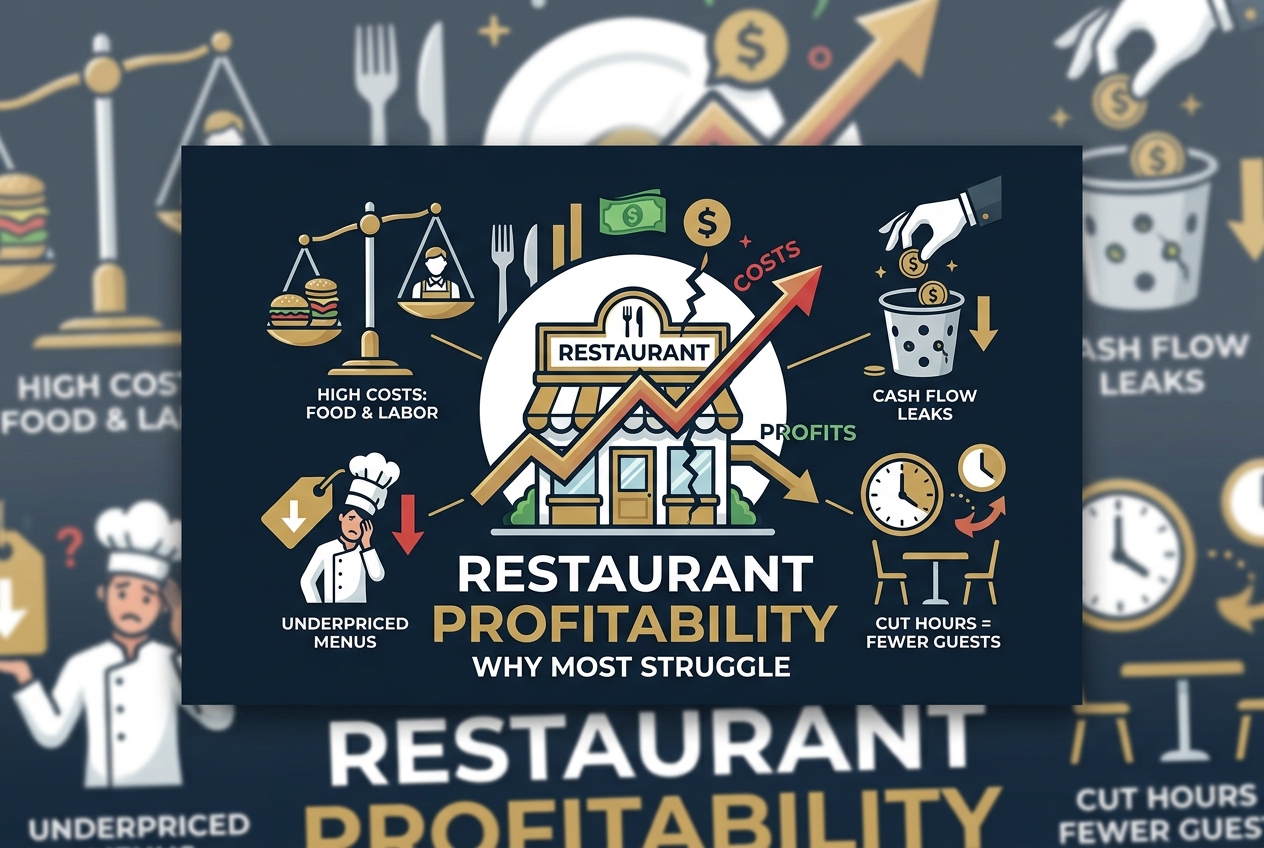
Why Most Restaurants Struggle to Stay Profitable
Running a restaurant means balancing tight profit margins where food and labor costs alone consume about two-thirds of every sales dollar. The reasons restaurants fail differ widely—from mismanaging cash flow and underpricing menus to cutting hours that harm quality and customer demand. Understanding these distinct reasons helps owners make smarter decisions about pricing, cost control, and staffing to keep their business sustainable.