
Browse the Context Marketplace
Expert-level knowledge on any topic. Each capsule guides you through what matters most.
32 capsules
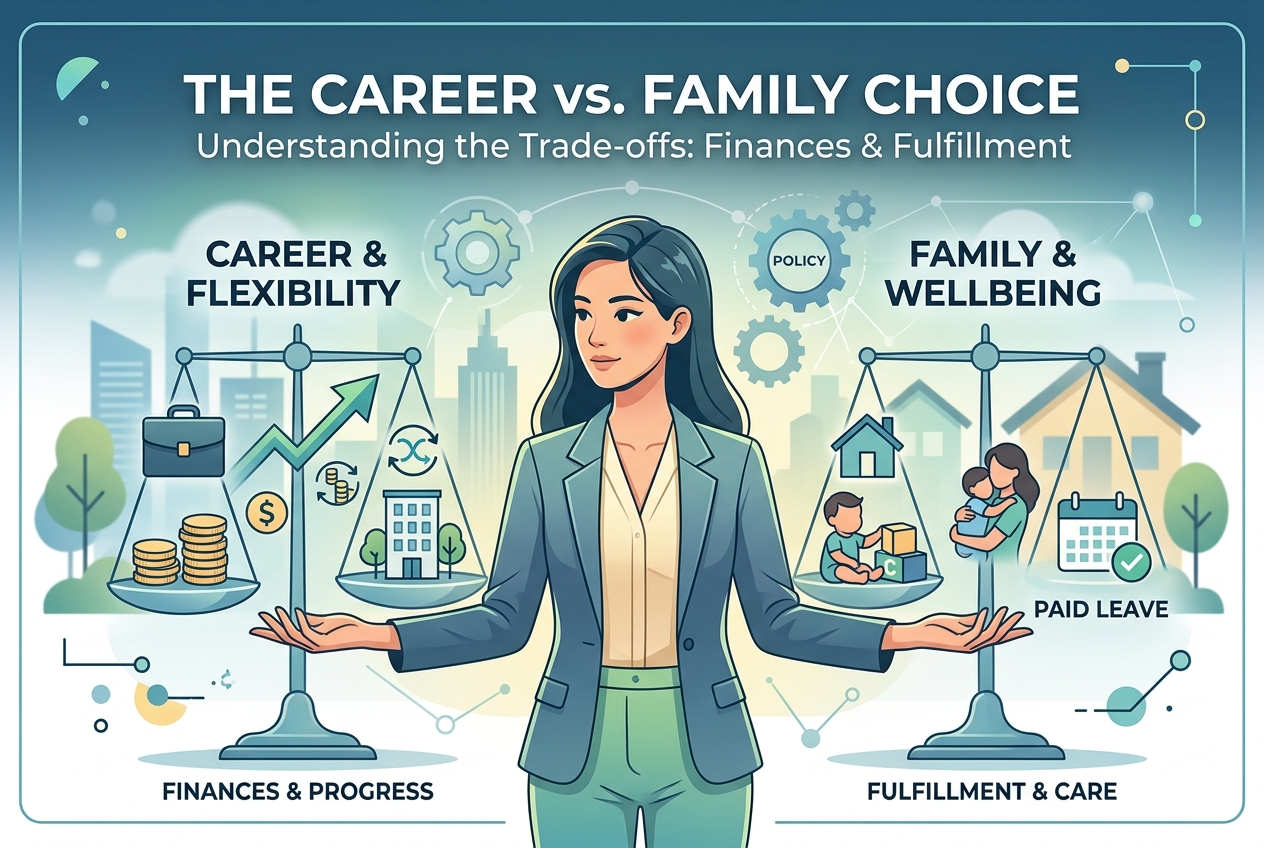
When Staying Home or Working Both Impact Family Finances and Fulfillment
Deciding between pursuing a career or staying at home to care for children involves weighing financial realities against personal and family fulfillment. Some items emphasize the hidden costs and reduced financial resilience of a second income after childcare and taxes, while others highlight the value of paid leave, flexible work, and policies that support caregiving without sacrificing career progress. Understanding these differences helps families and policymakers navigate the complex trade-offs in childcare, income, and well-being.
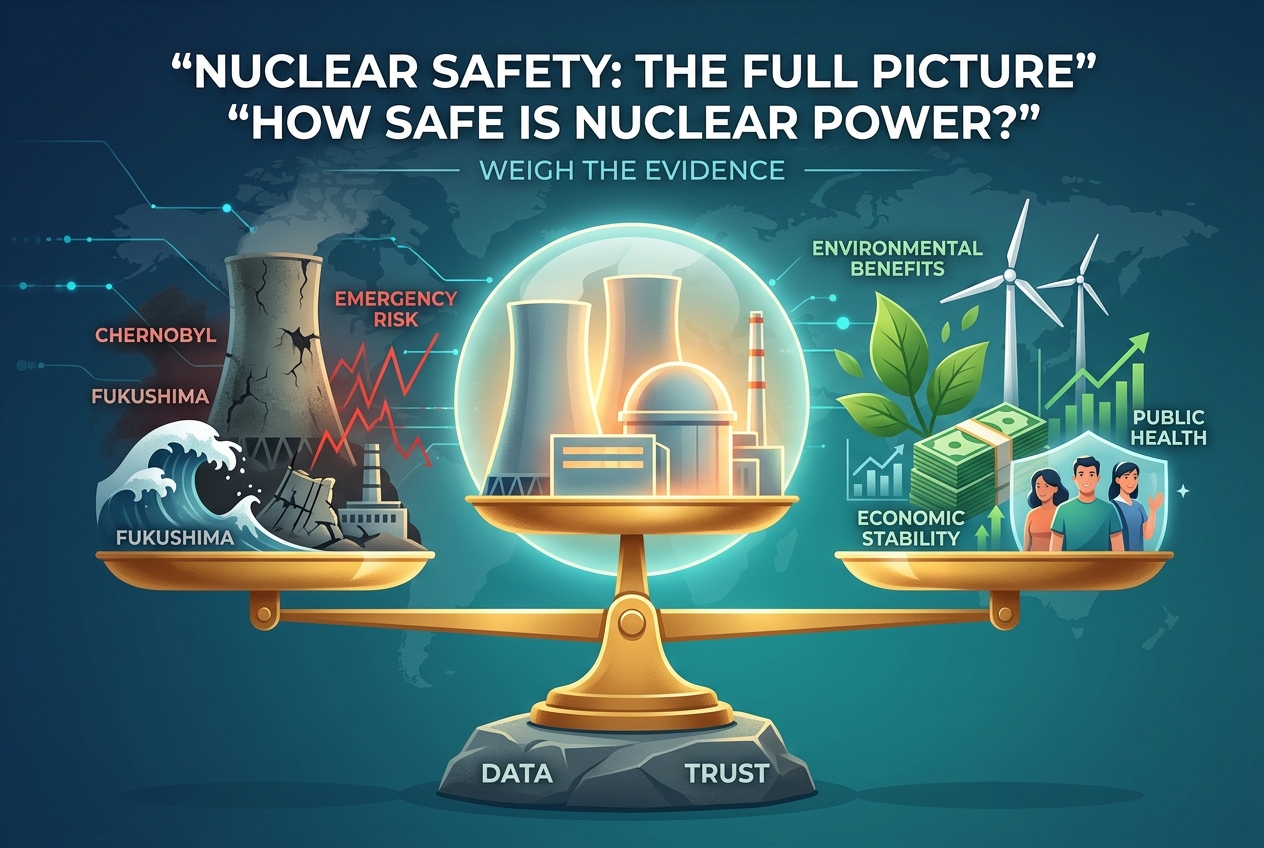
How Safe Is Nuclear Power, Really
Nuclear safety gets argued from very different starting points. These views cover lessons drawn from Chernobyl and Fukushima to harden emergency systems, the case that nuclear is safer than many economic and environmental threats we already accept, and hard questions about how trustworthy safety assurances really are. You can weigh them and decide what nuclear safety means to you.
Your Calendar Is Eating the Work That Matters
If your best work only happens before nine or after five, the meeting load is the problem. The strategies range from company-wide meeting-free days and calendar blocking to interruption management and privacy-conscious monitoring, with top-down and bottom-up camps disagreeing on who should enforce focus. Weigh what actually protects concentration and pick the policy your team will keep.
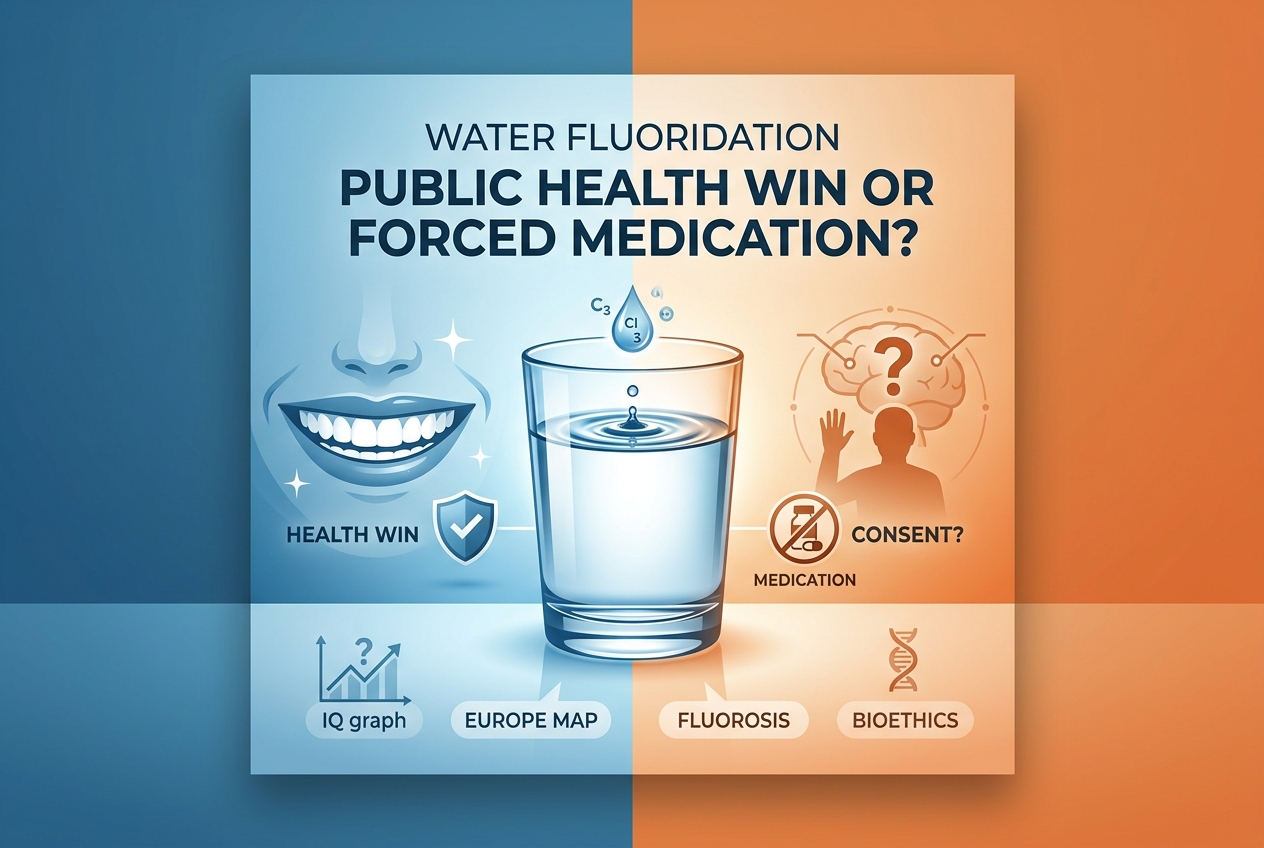
Water Fluoridation, Public Health Win or Forced Medication
Fluoride in tap water is either one of public health's great wins or mass medication without consent, depending on who you ask. These sides weigh new neurotoxicity and IQ-loss evidence, total exposure from many sources, the 0.7 mg/L level debate, and why much of Europe rejected the practice. You can weigh the science against the ethics and reach your own view.
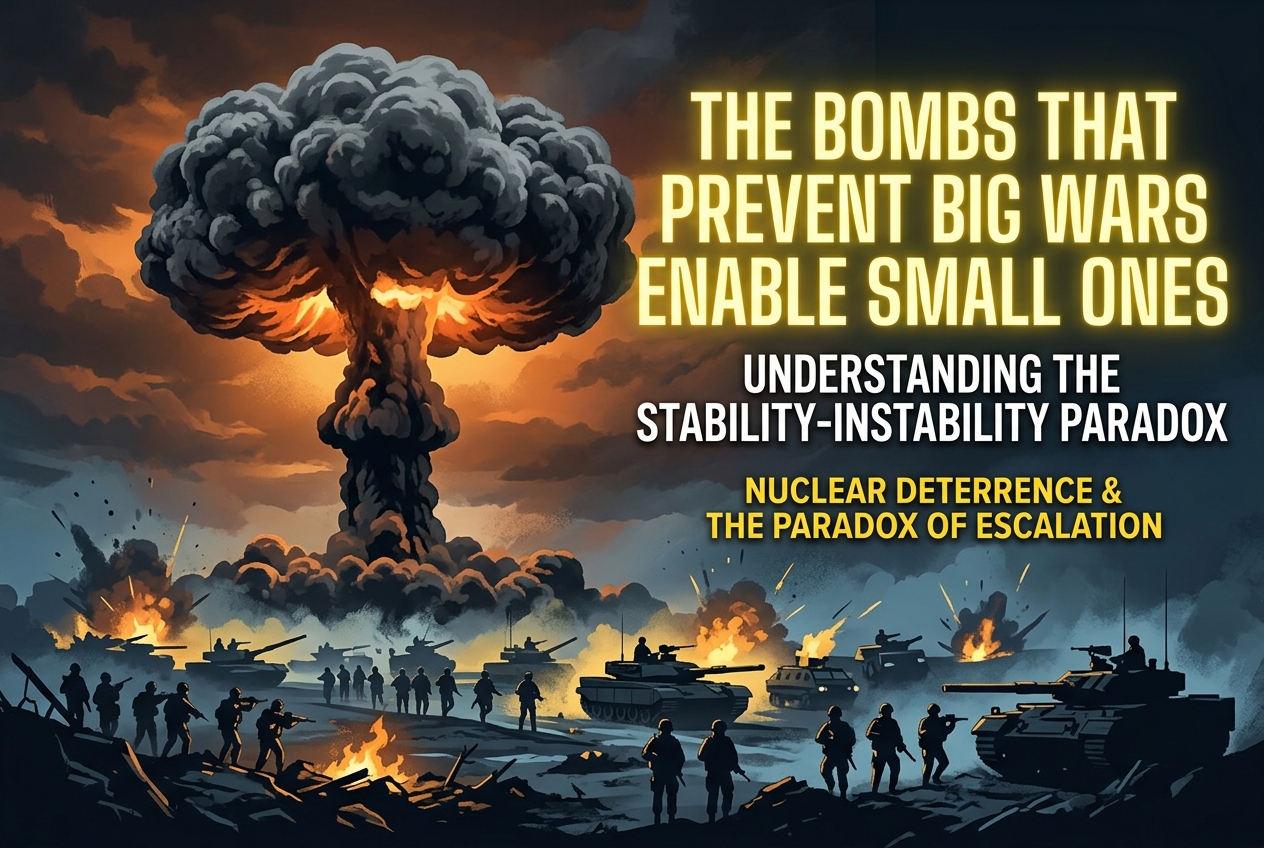
The Bombs That Prevent Big Wars Enable Small Ones
Nuclear weapons have kept great powers from all-out war while giving them cover to fight smaller conflicts beneath the threshold. The views wrestle with how to keep deterrence credible while honoring moral limits and controlling escalation, and whether failed disarmament makes elimination the only safe endpoint. Understand the paradox and the existential stakes behind every debate about the arsenal.
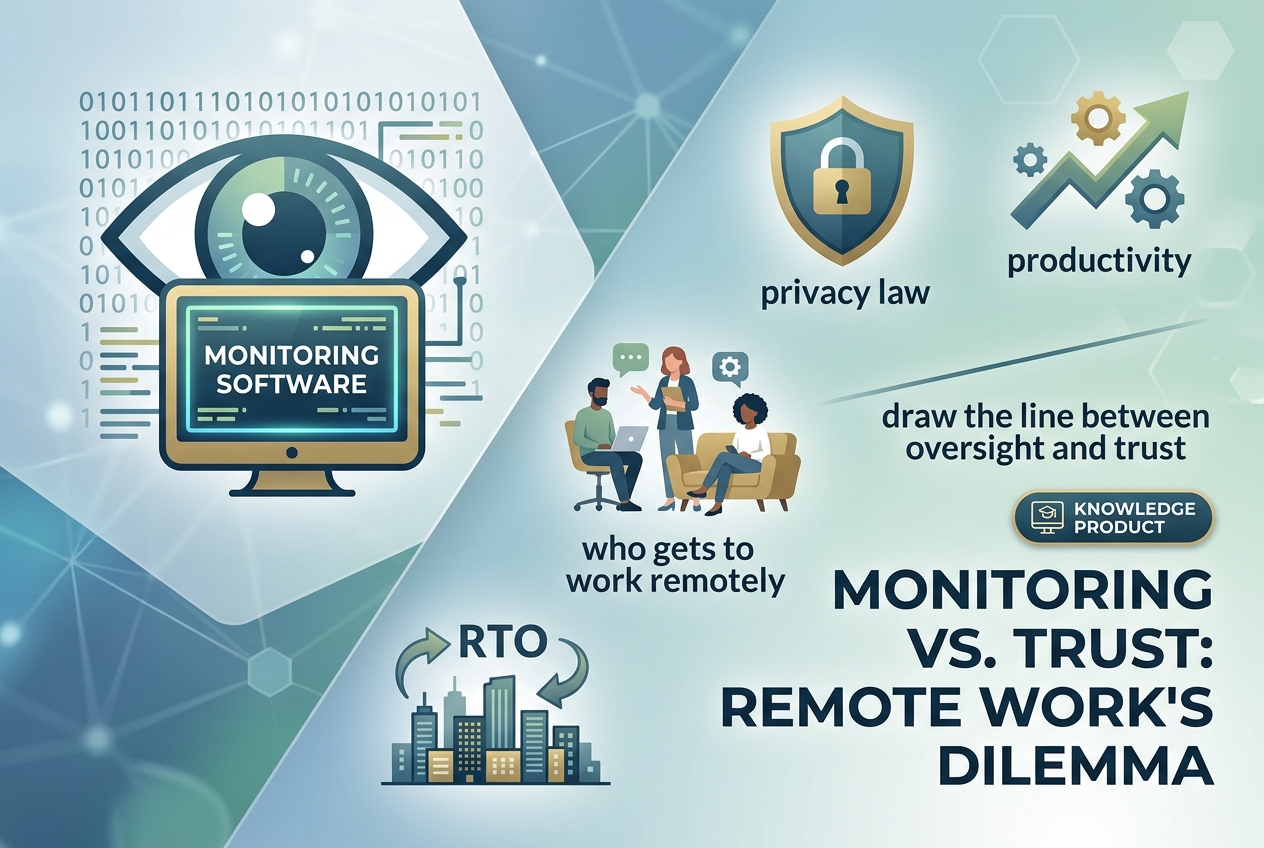
Your Boss Can Watch You Work From Home. Should They?
Monitoring software promises accountability and quietly corrodes the trust remote work runs on. The competing positions here weigh privacy law and ethics against performance tracking, ask who even gets to work remotely, and trace how policy is pushing people back into offices. Work out where your organization should draw the line between oversight and trust.
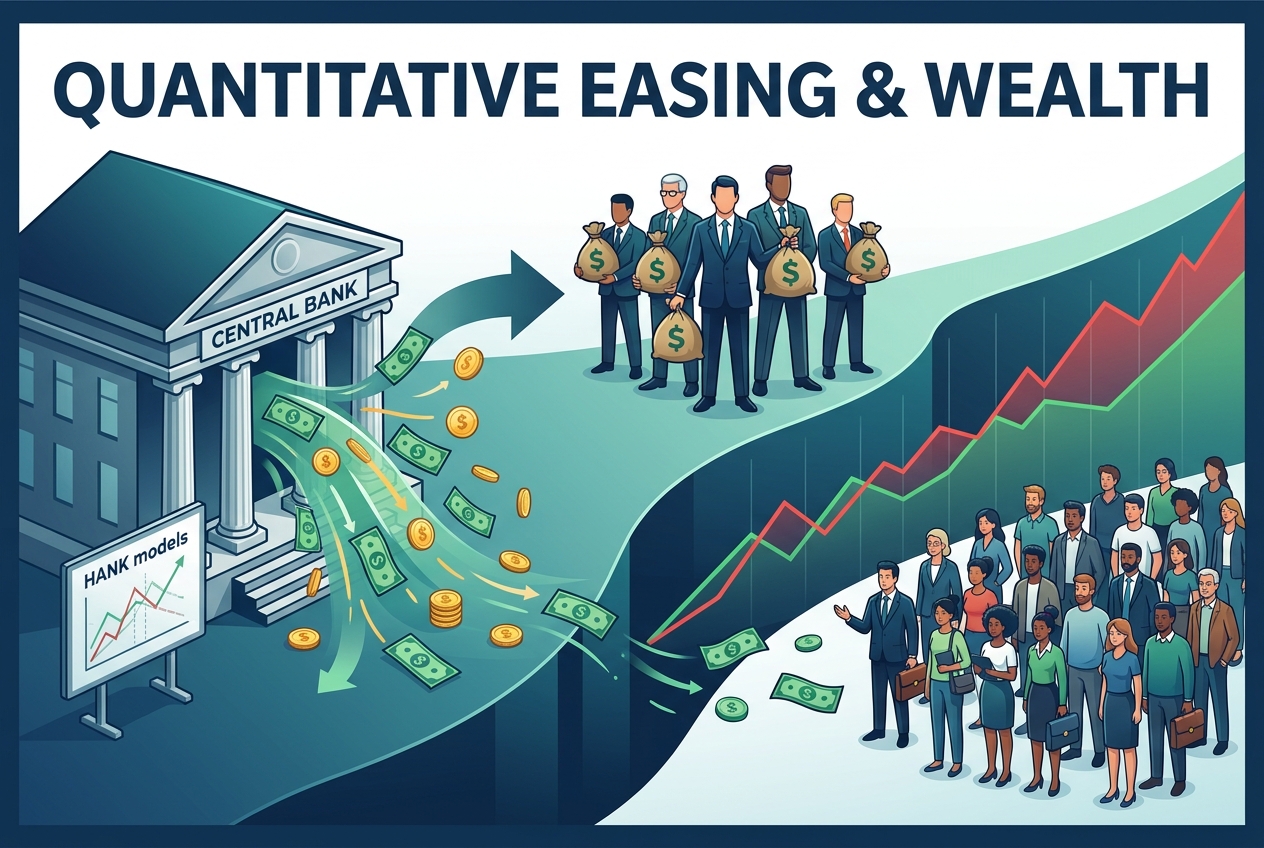
How Quantitative Easing Quietly Makes the Rich Richer
When central banks pump money in, the first hands to touch it may gain most, widening the gap. These reasons span asset-price channels, the Cantillon effect, Gini-coefficient evidence, and the models economists use to measure it all. See where critics and defenders of central banking clash and weigh the case yourself.
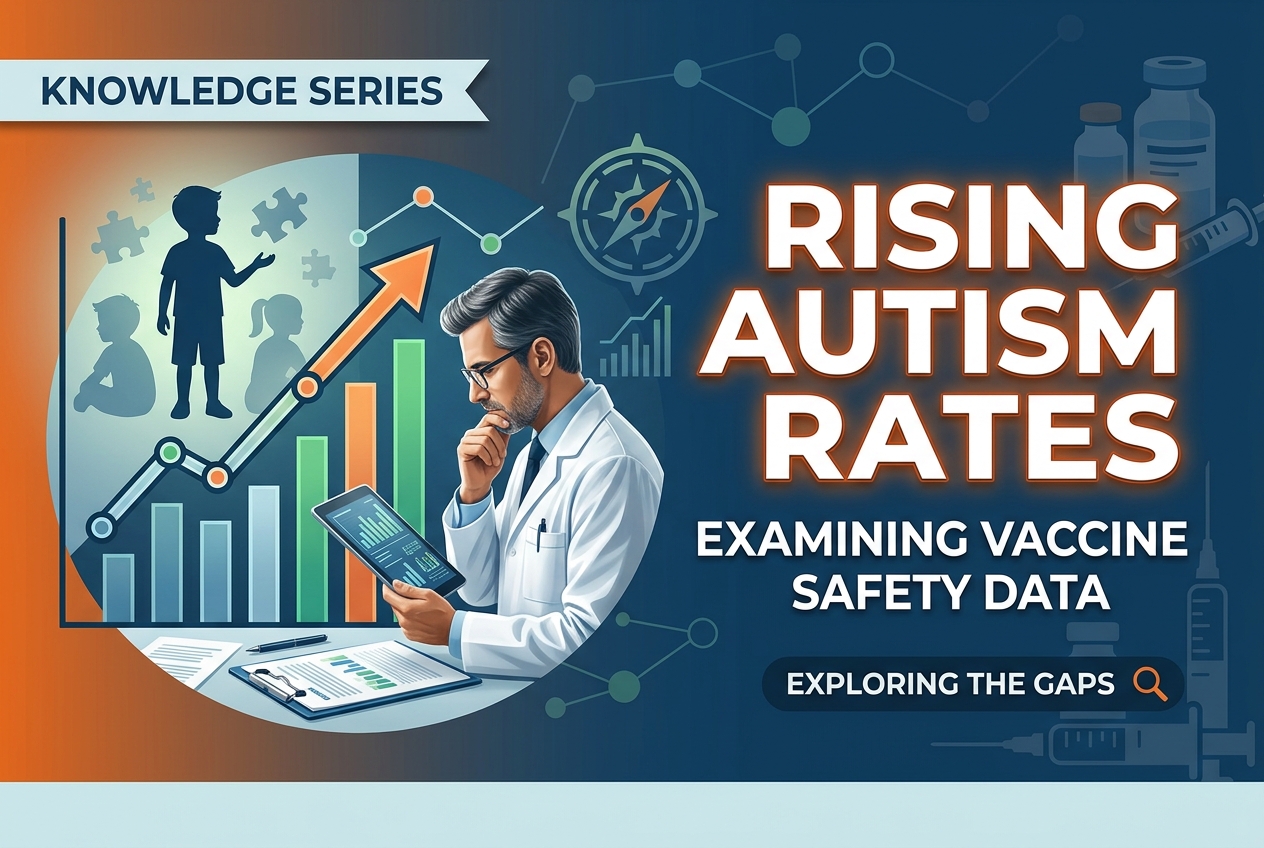
Rising Autism Rates Reveal Gaps in Vaccine Safety Assumptions
Autism and other childhood disorders have increased alongside expanding vaccine schedules, challenging the assumption that vaccines are entirely safe. Evidence and expert calls for transparency show that vaccine safety has been oversimplified, and parents deserve honest information and freedom to make informed vaccination choices. The real path forward requires open investigation and respect for individual decisions rather than dismissing concerns.