
Browse the Context Marketplace
Expert-level knowledge on any topic. Each capsule guides you through what matters most.
33 capsules
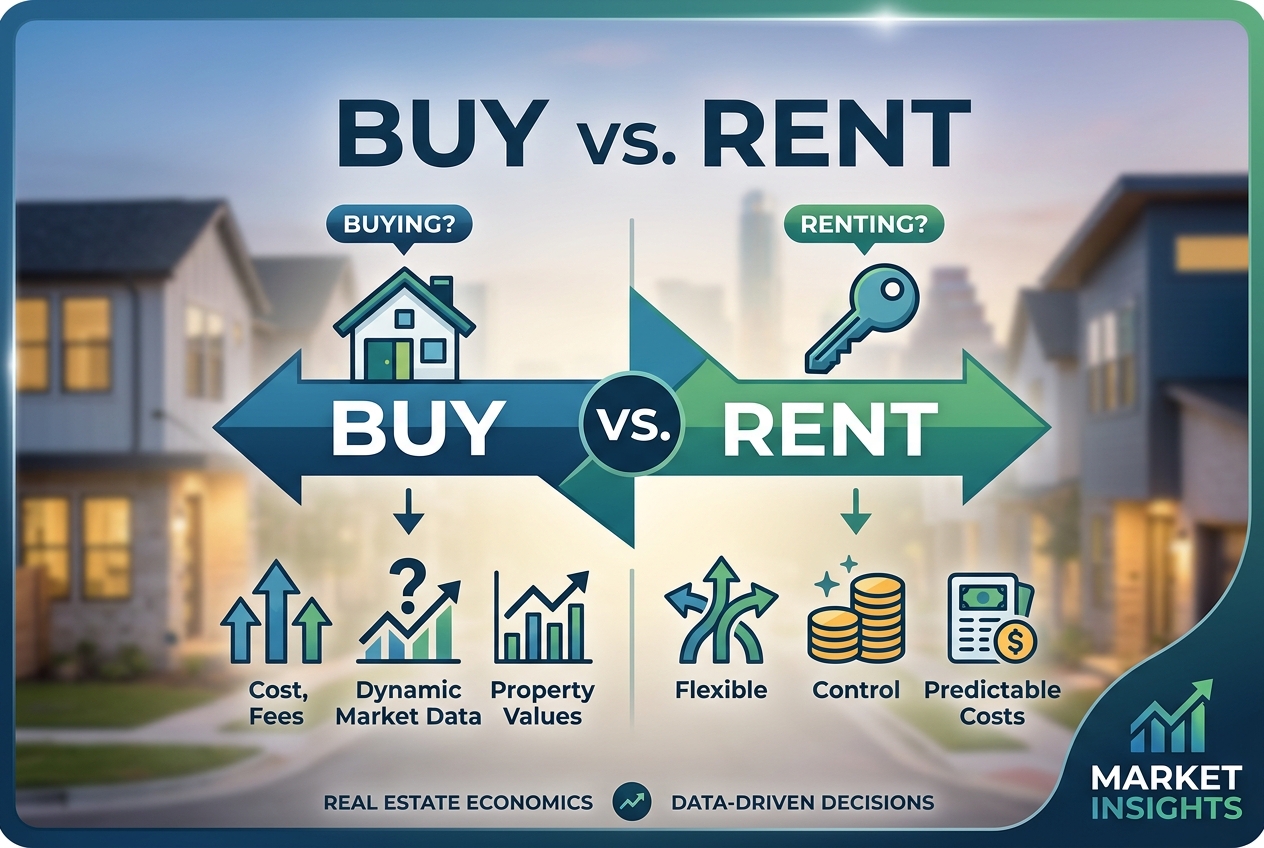
Why Buying in Austin Isn’t Always Better Than Renting After the Boom
Austin’s housing market shifted dramatically after a pandemic-driven surge and a sharp price correction, challenging the assumption that buying is always the smarter choice. Key factors like property tax rules, special district fees, and local market comps reveal different financial impacts on buyers versus renters. Understanding these factors helps you weigh affordability, tax benefits, and long-term costs to decide what truly fits your situation.
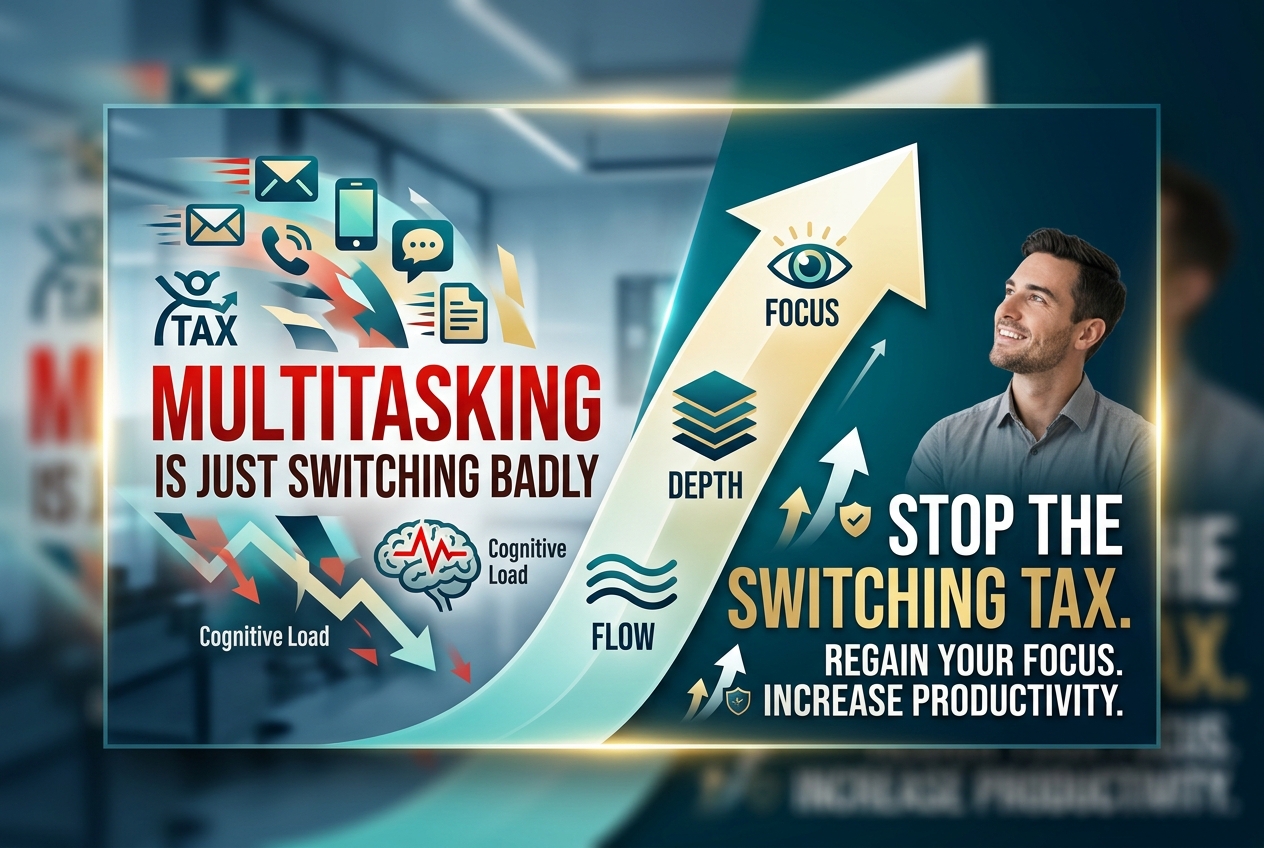
Multitasking Is Just Switching Badly and Paying for It
What feels like doing three things at once is really rapid switching, and every switch taxes your focus and multiplies errors. The arguments differ on the remedy: capping how many tasks stay active, scheduling rest at transitions, or protecting long stretches of single-task depth. Pick the discipline that fits your work and stop paying the switching tax.

Your Will Might Not Decide Who Gets Your Money
Beneficiary forms, joint ownership, and trusts can quietly override whatever your will says, which is why estate plans fail people who thought they were covered. The elements here pull in different directions: trusts to dodge probate and taxes, strict formalities that keep a will valid, powers of attorney for incapacity, and regular updates that keep everything current. Sorting out which pieces your situation needs is how you keep your wishes intact.
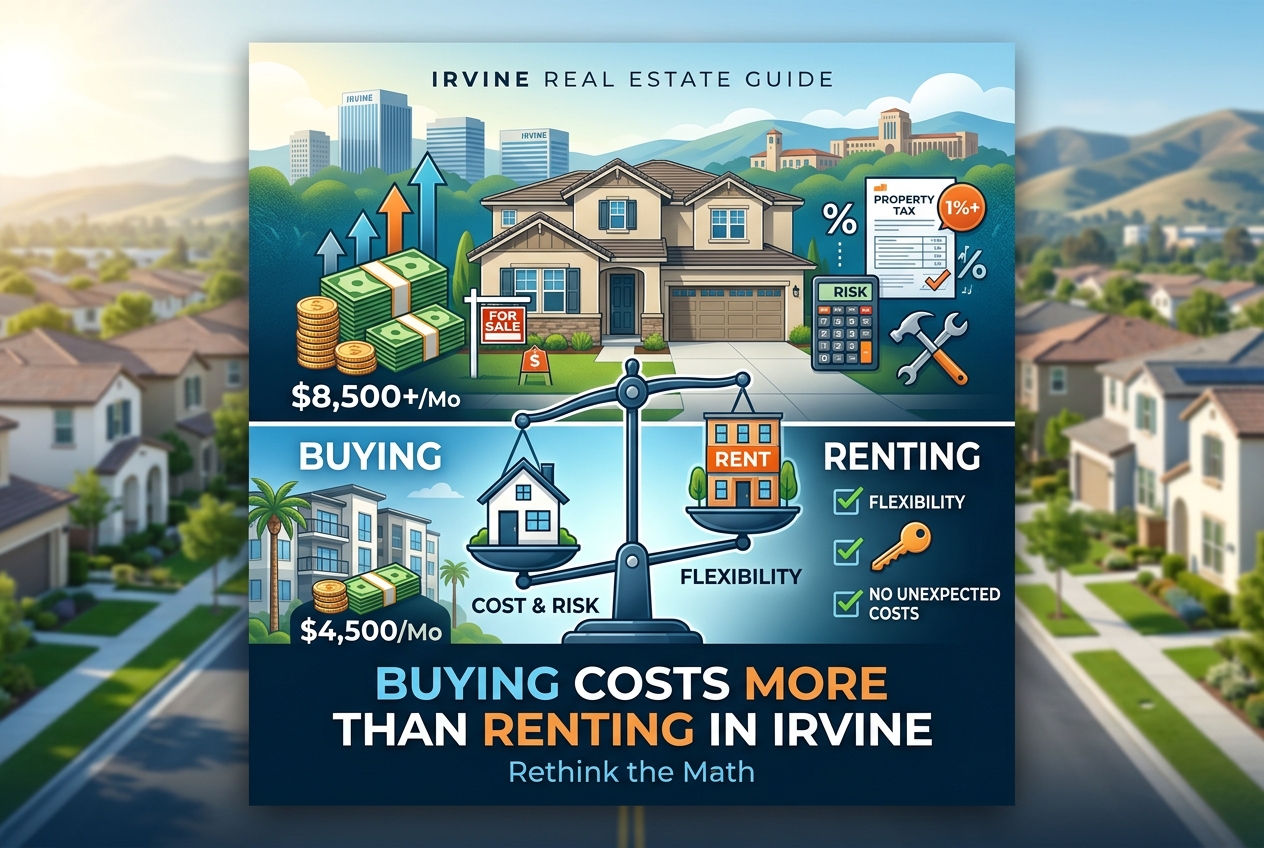
Buying a Home in Irvine Often Costs More Than Renting and Risks Don’t Disappear
In Irvine, California, home prices rarely crash but owning a home typically costs thousands more per month than renting, challenging the usual math that buying always makes financial sense. Unlike common assumptions, selling a home doesn’t eliminate housing costs, and buyers face risks like rising interest rates, higher property taxes after reassessment, and costly repairs. Recognizing these realities helps avoid overpaying and losing mobility in a market where prices soften but don’t freefall.
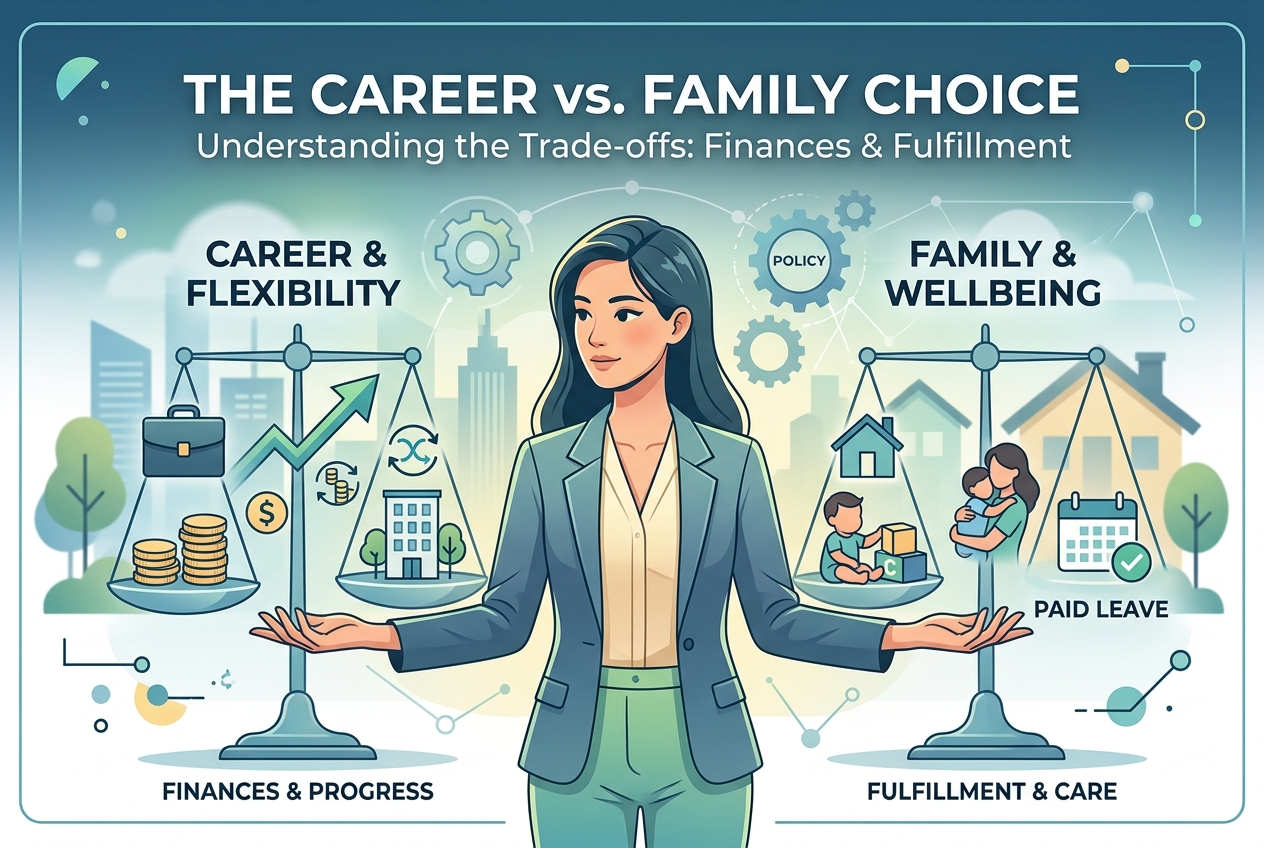
When Staying Home or Working Both Impact Family Finances and Fulfillment
Deciding between pursuing a career or staying at home to care for children involves weighing financial realities against personal and family fulfillment. Some items emphasize the hidden costs and reduced financial resilience of a second income after childcare and taxes, while others highlight the value of paid leave, flexible work, and policies that support caregiving without sacrificing career progress. Understanding these differences helps families and policymakers navigate the complex trade-offs in childcare, income, and well-being.
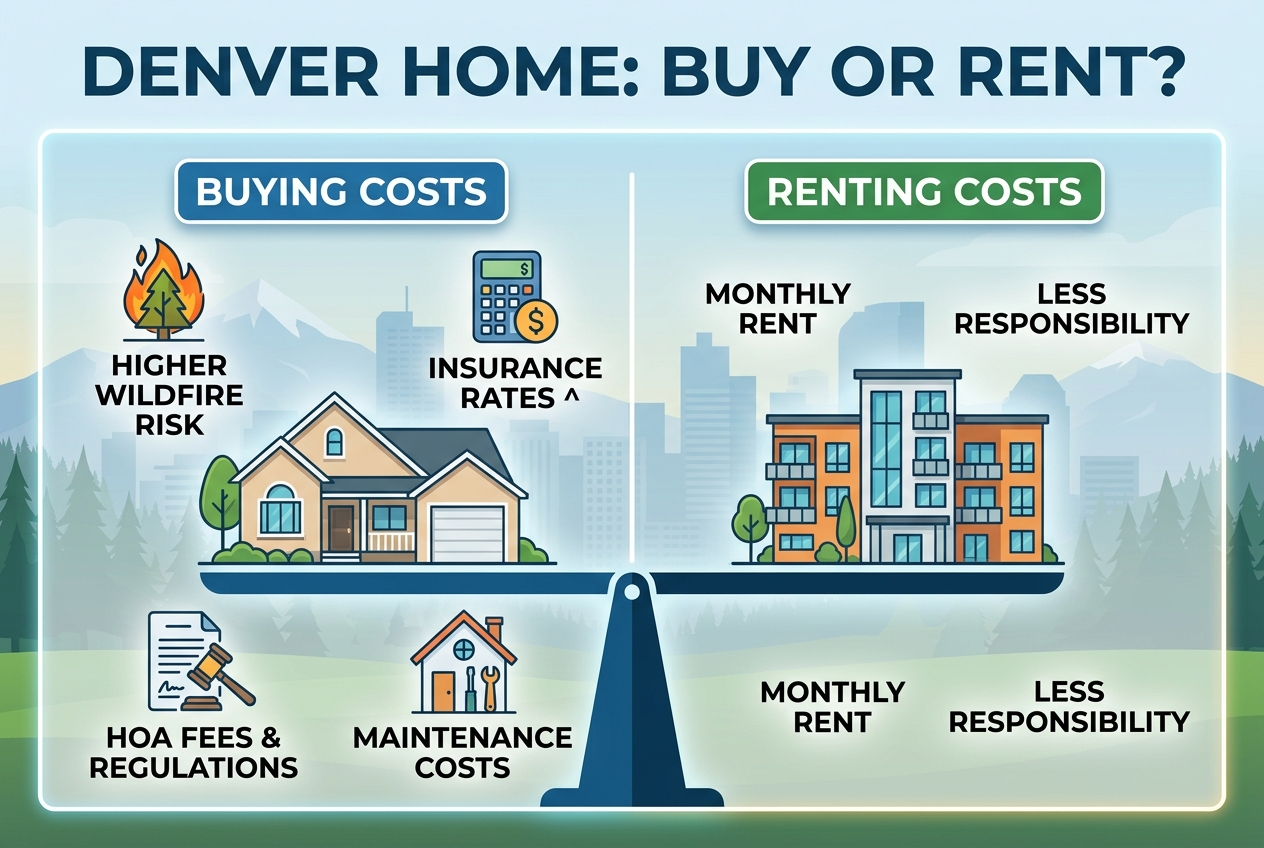
When Does Buying a Denver Home Cost More Than Renting
Deciding whether to buy or rent in Denver hinges on factors like wildfire risk, insurance costs, and homeowners association responsibilities. Wildfire-prone areas can drive insurance rates up dramatically and require costly mitigation efforts, while HOA fees and maintenance obligations add to homeownership expenses. Understanding these factors helps you weigh monthly costs and risks to choose the best option for your lifestyle and budget.
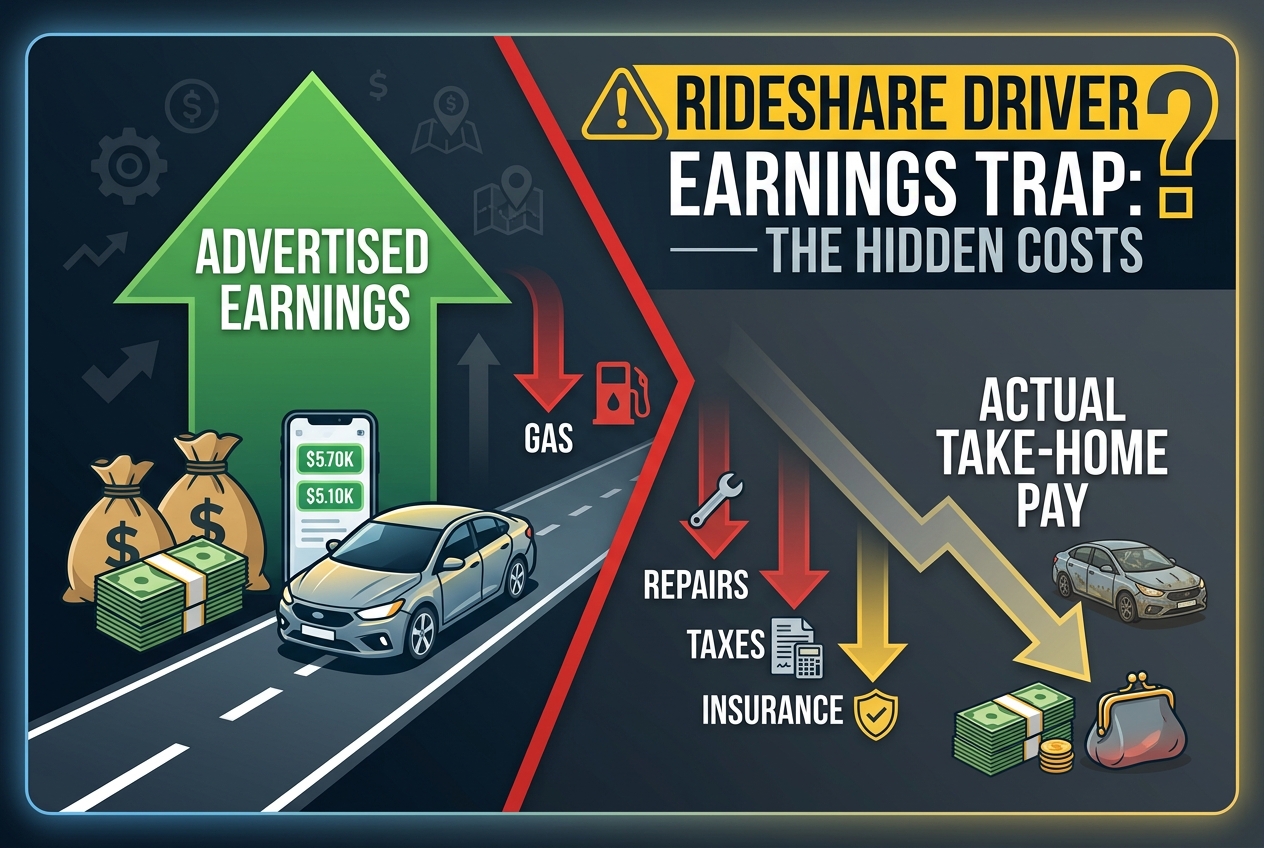
Rideshare Drivers Earn Much Less After Paying for Gas, Repairs, and Taxes
Rideshare and delivery drivers often see advertised earnings that ignore critical costs like gas, vehicle maintenance, insurance, and taxes. Platforms report only active trip miles, excluding other driving necessary for the job, which hides the true expenses drivers face. Recognizing these hidden costs reveals that drivers take home significantly less money than the apps suggest, reshaping how drivers should evaluate their real income.

Executors Must Pay Debts First or Risk Personal Financial Ruin
Being an executor means handling estate debts and taxes before giving out assets to heirs. Many fail to prioritize creditor claims or meet deadlines, exposing themselves to personal liability. Following strict probate rules and acting as a loyal fiduciary protects executors from costly lawsuits and financial loss.
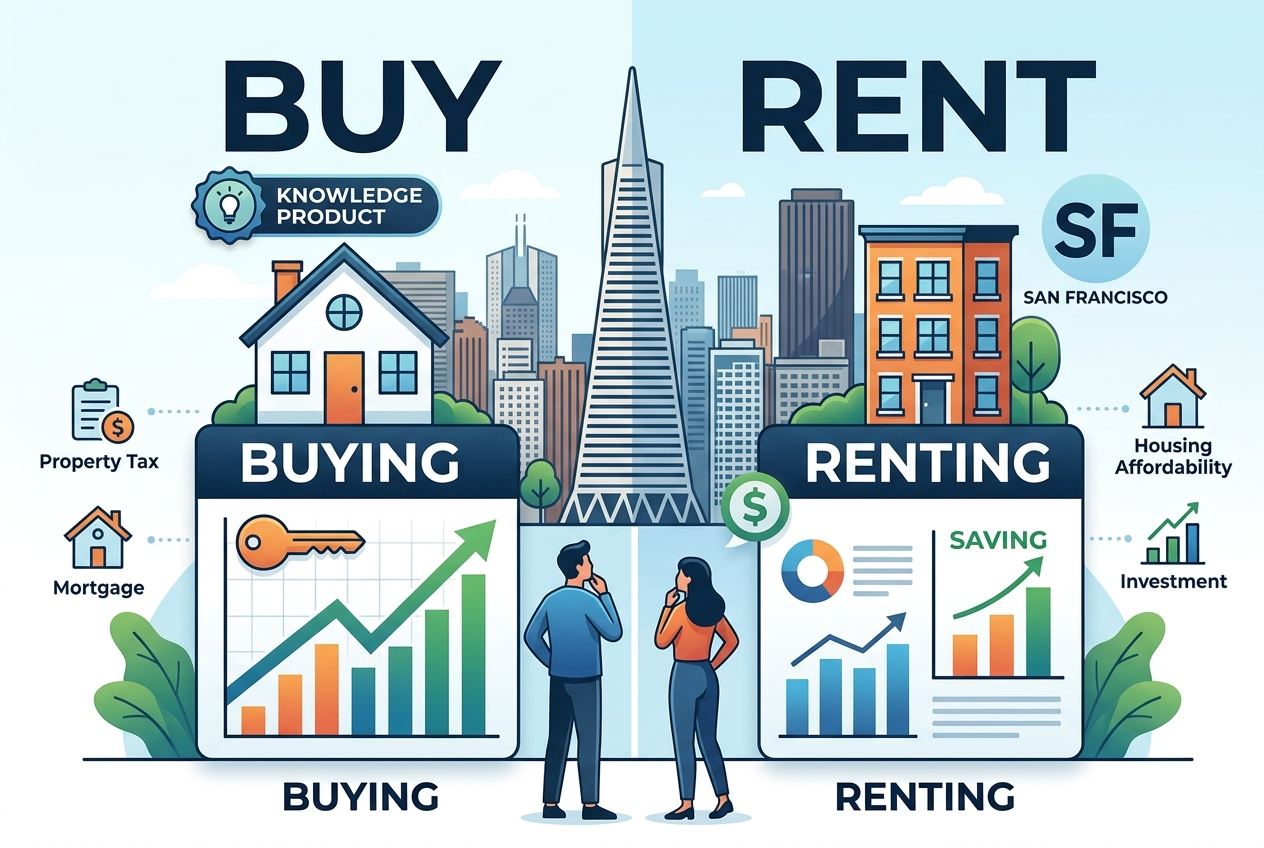
Is Buying a Home on a Tech Salary Worth It in San Francisco
Deciding whether to buy or rent in the San Francisco Bay Area on a tech salary involves weighing high ownership costs against renting savings and long-term financial assumptions. Approaches differ on how to model expenses like property taxes, mortgage interest, and opportunity costs, and whether to factor in personal safety nets or expert real estate guidance. Understanding these varied approaches helps clarify when buying makes sense despite the steep price gap and when renting remains the smarter choice.