Browse the Context Marketplace
Expert-level knowledge on any topic. Each capsule guides you through what matters most.
602 capsules
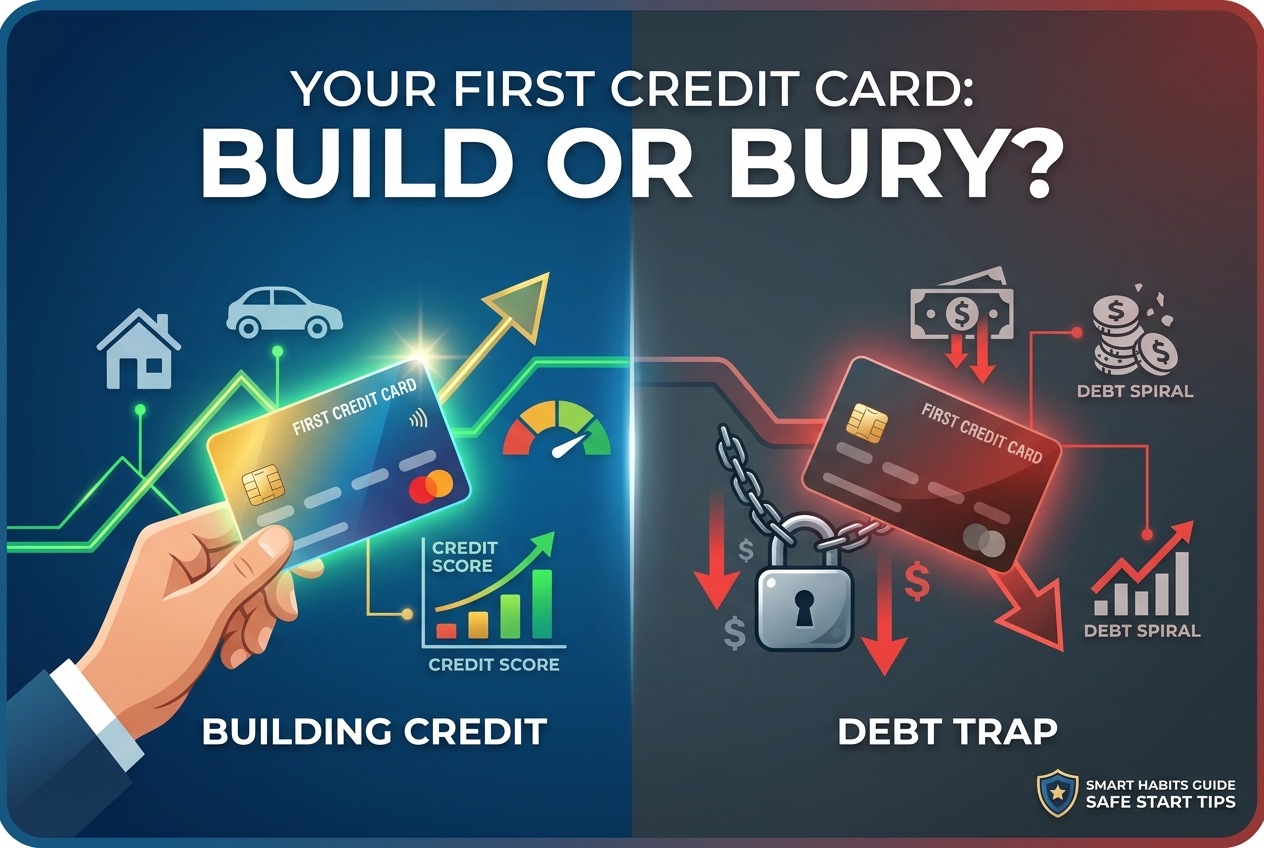
Your First Credit Card Can Build You or Bury You
The same piece of plastic that builds the credit history you'll need for a car or home can just as easily start a debt spiral. The tips here emphasize different guardrails: choosing the right first card, following its terms to dodge fees, respecting age rules, and building safe habits from day one. Decide which discipline fits your life before the first swipe.
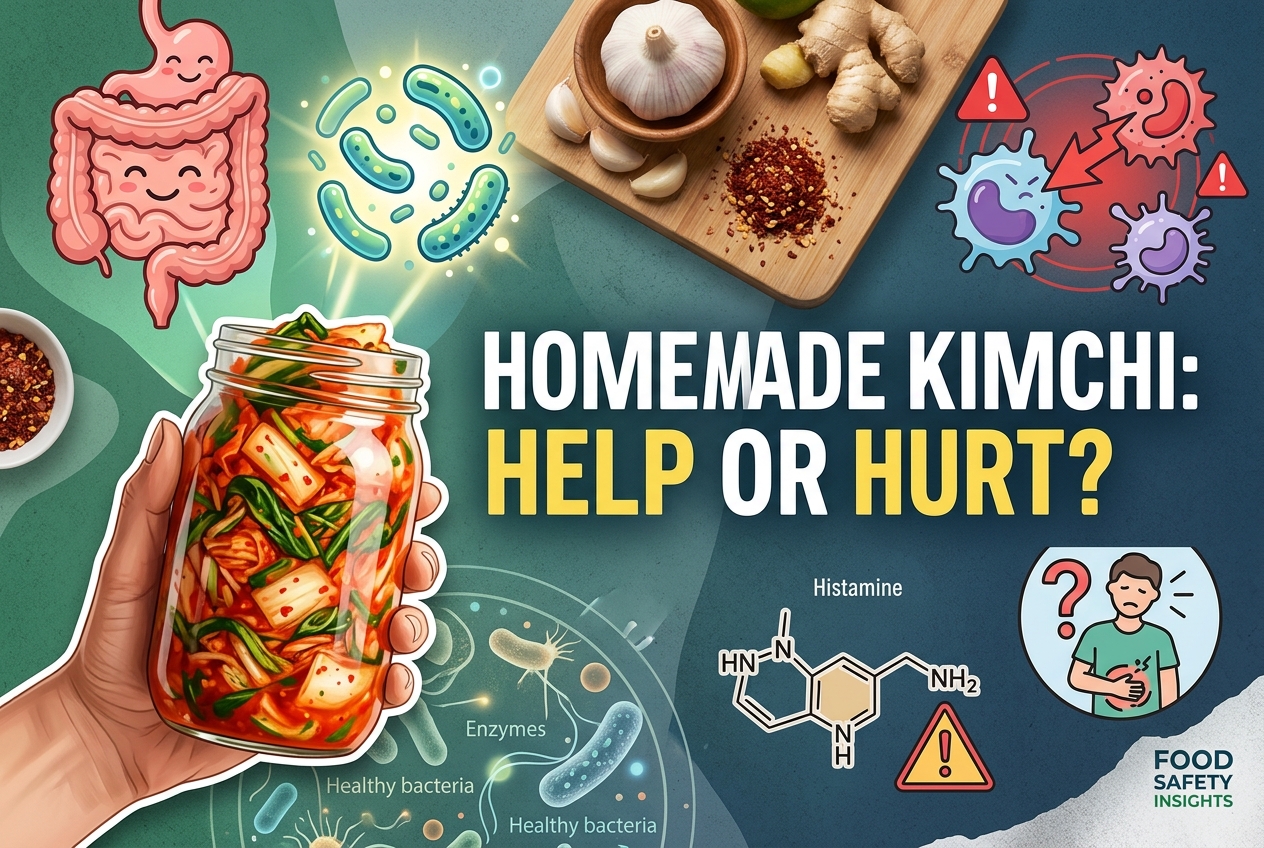
Is Your Homemade Kimchi Helping or Hurting You?
Home fermentation promises live cultures and gut benefits, but done wrong it carries real risks, especially for people with weakened immune systems or histamine intolerance. The approaches here differ on how strictly to control salt ratios and technique, who should skip ferments entirely, and whether live homemade batches truly beat processed versions. Learn where the real dangers are so you can brew and pickle with confidence.
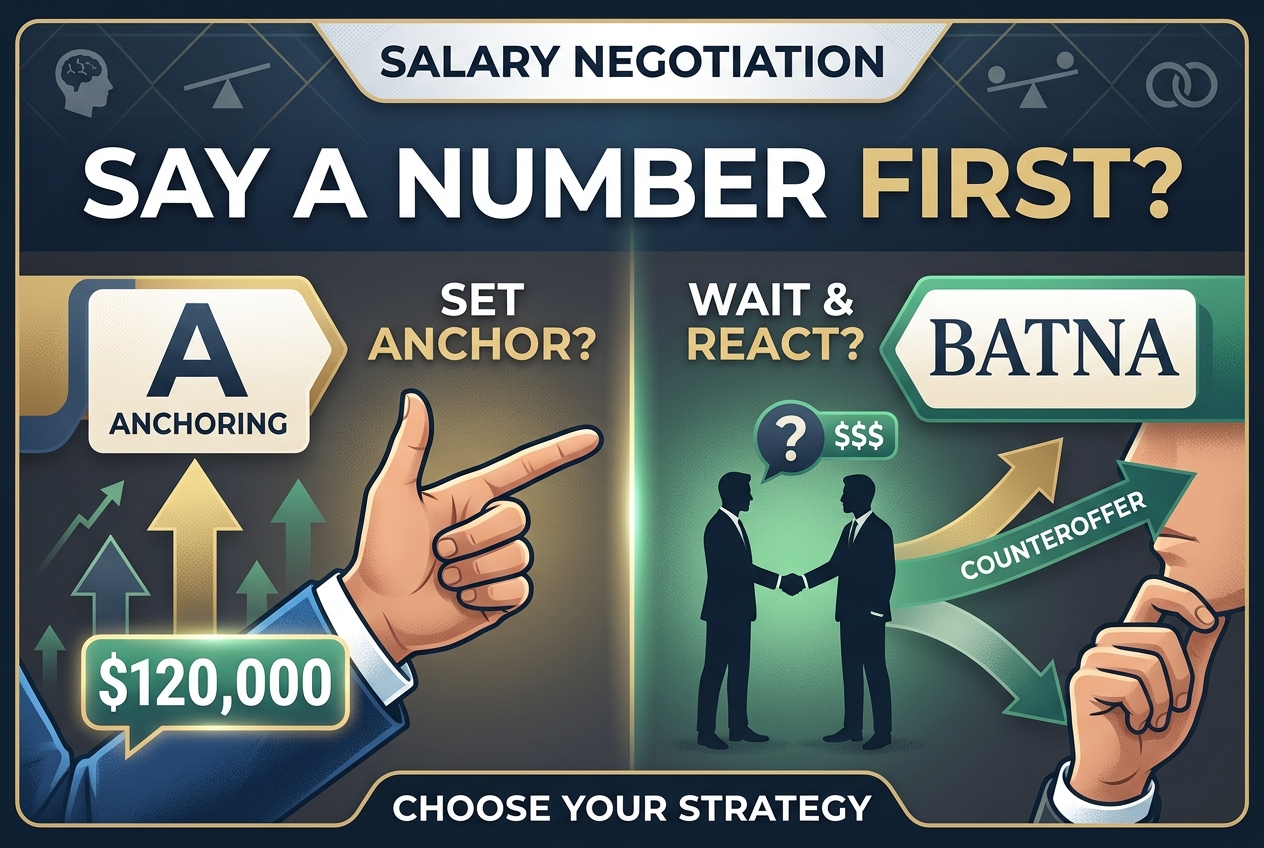
Should You Say a Salary Number First?
Name a number first and you might anchor the whole negotiation in your favor, or lowball yourself out of thousands. These tactics split on whether to set a high anchor or wait for the employer's offer, and on how competing offers, counteroffers, and psychological pressure shape the outcome. Walk in knowing which move fits your leverage.
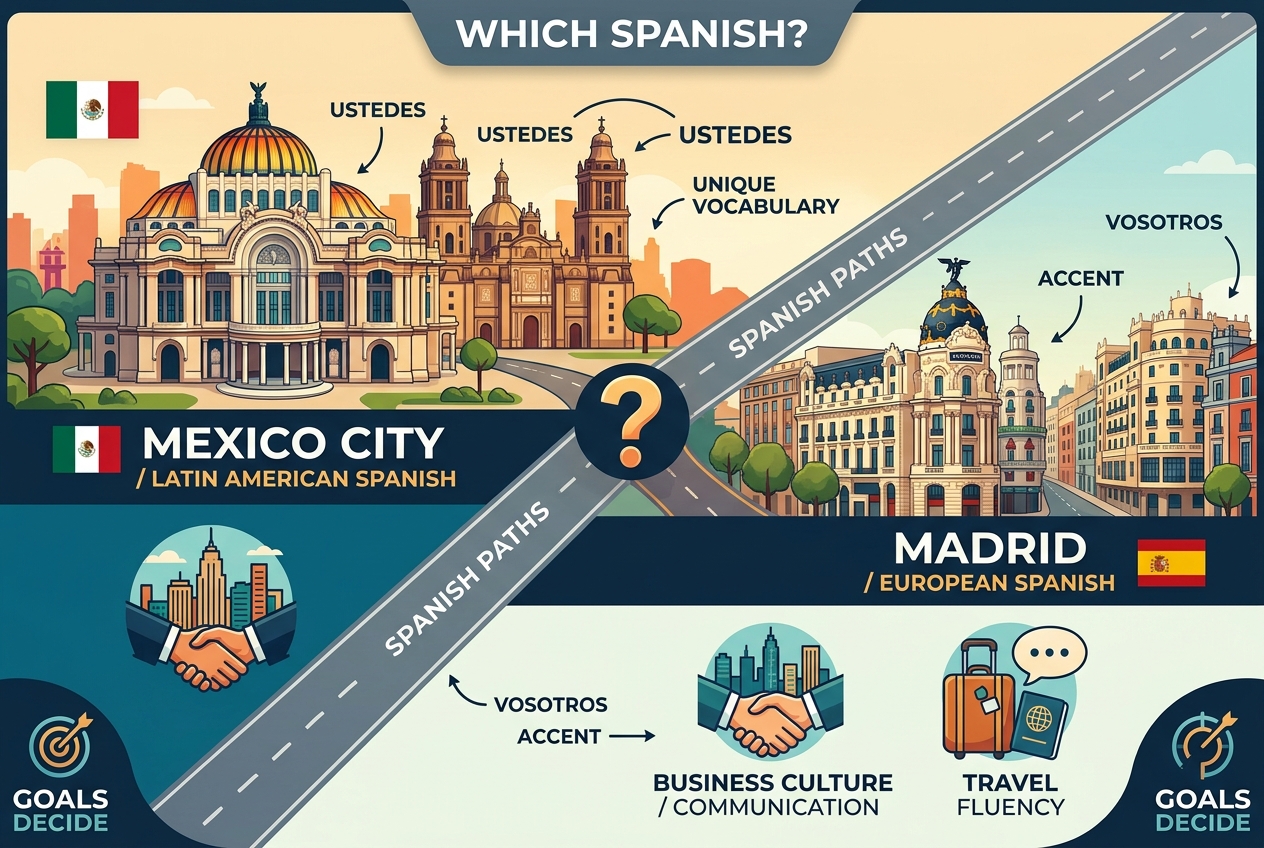
Which Spanish Should You Actually Learn?
The Spanish of Mexico City and the Spanish of Madrid diverge in pronouns, verb forms, vocabulary, and customs, and learners have to pick a lane. These options split on what matters most: mastering regional grammar like ustedes and voseo, prioritizing communication over accent perfection, adapting to local business culture, or refusing to sweat the dialect debate at all. Your goals, whether travel, business, or broad fluency, decide which path pays off.
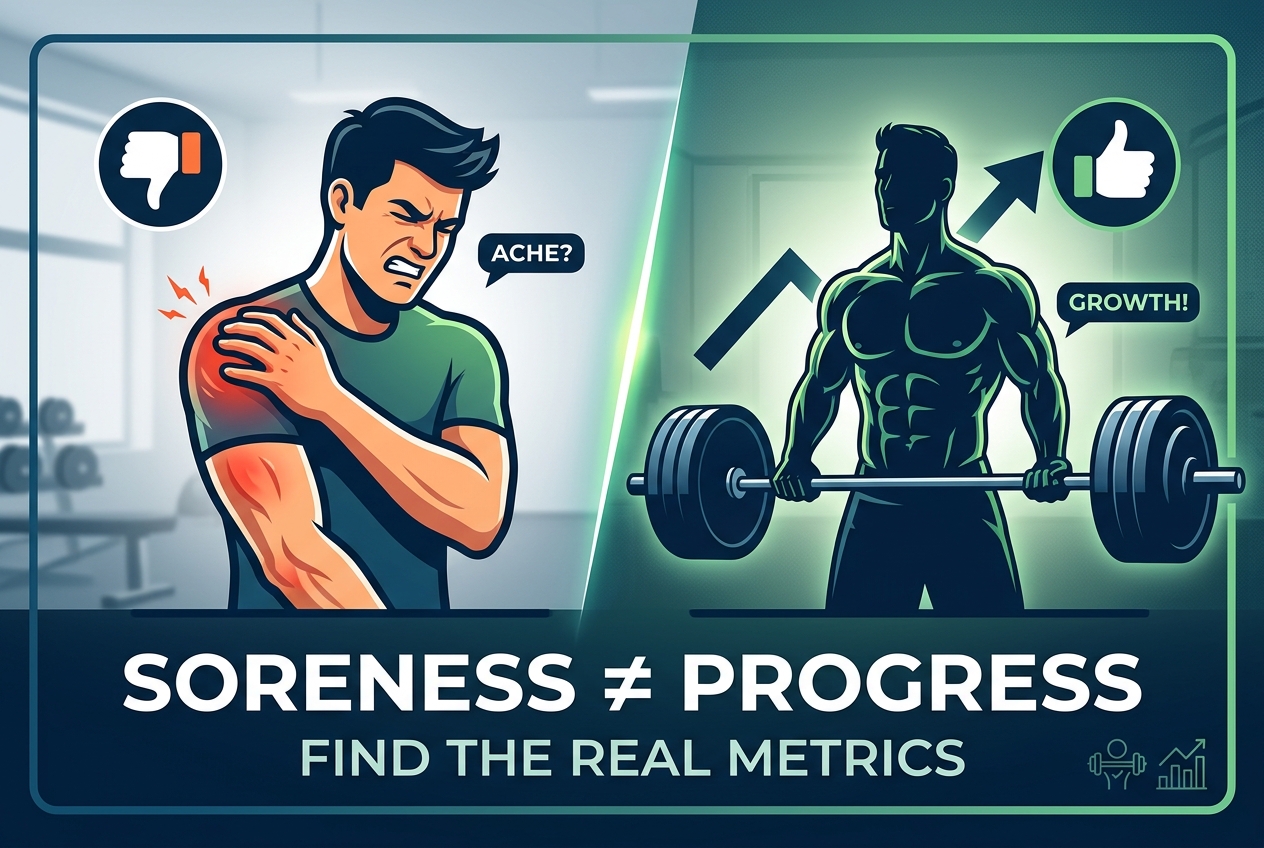
Sore Muscles Don't Prove Your Workout Worked
If you judge workouts by how much you ache the next day, you may be chasing the wrong signal. These claims separate soreness from actual progress, pointing to strength gains as the real markers, debunking the idea that soreness equals growth, and showing how fitness influencers keep the myth alive. Use them to decide what to track instead of pain.
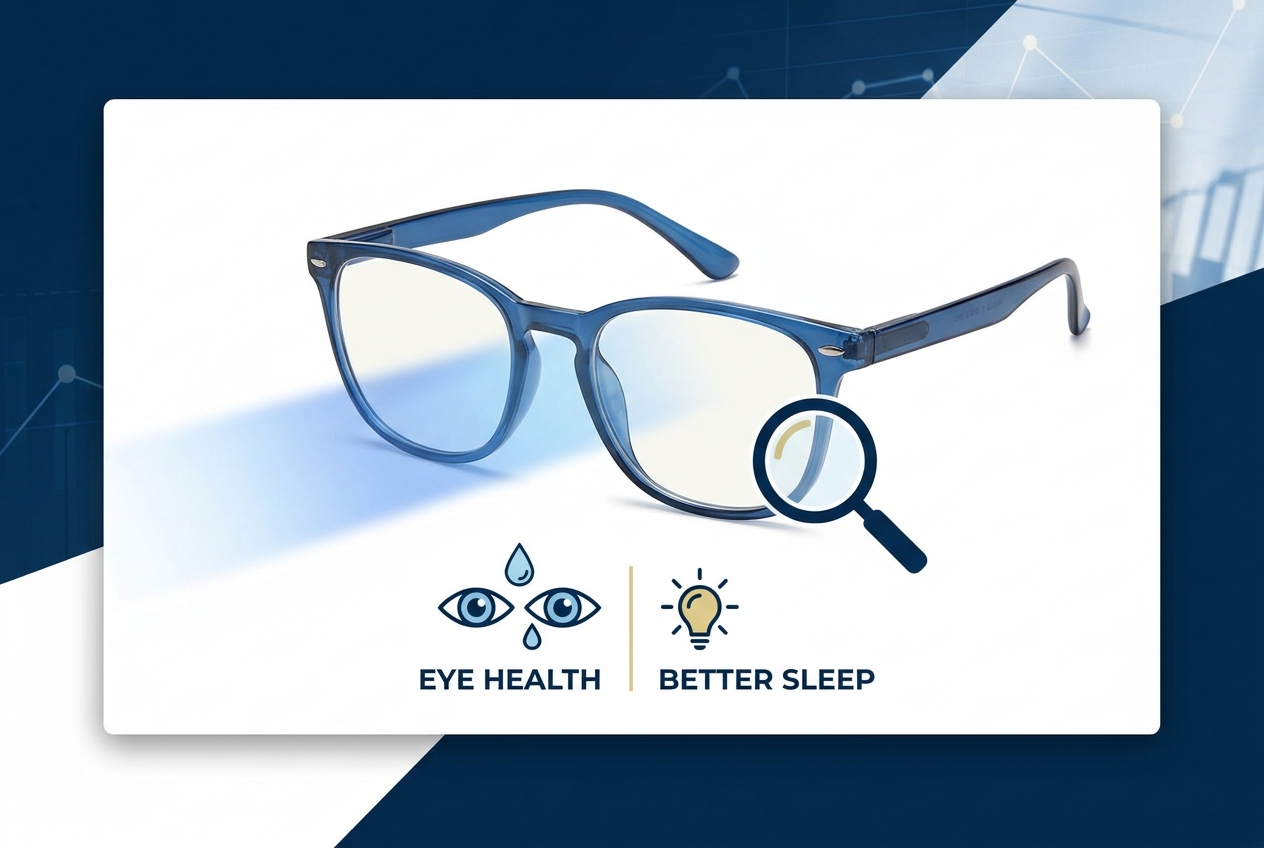
Those Blue Light Glasses Might Be Doing Nothing
Screen-weary eyes have made blue light glasses a booming product, but the evidence behind them is shakier than the marketing suggests. The views here split over whether relief really comes from treating dry eyes, fixing your desk setup, and changing screen habits before bed rather than from tinted lenses. Sort out which fixes are backed by evidence before you spend on the wrong one.
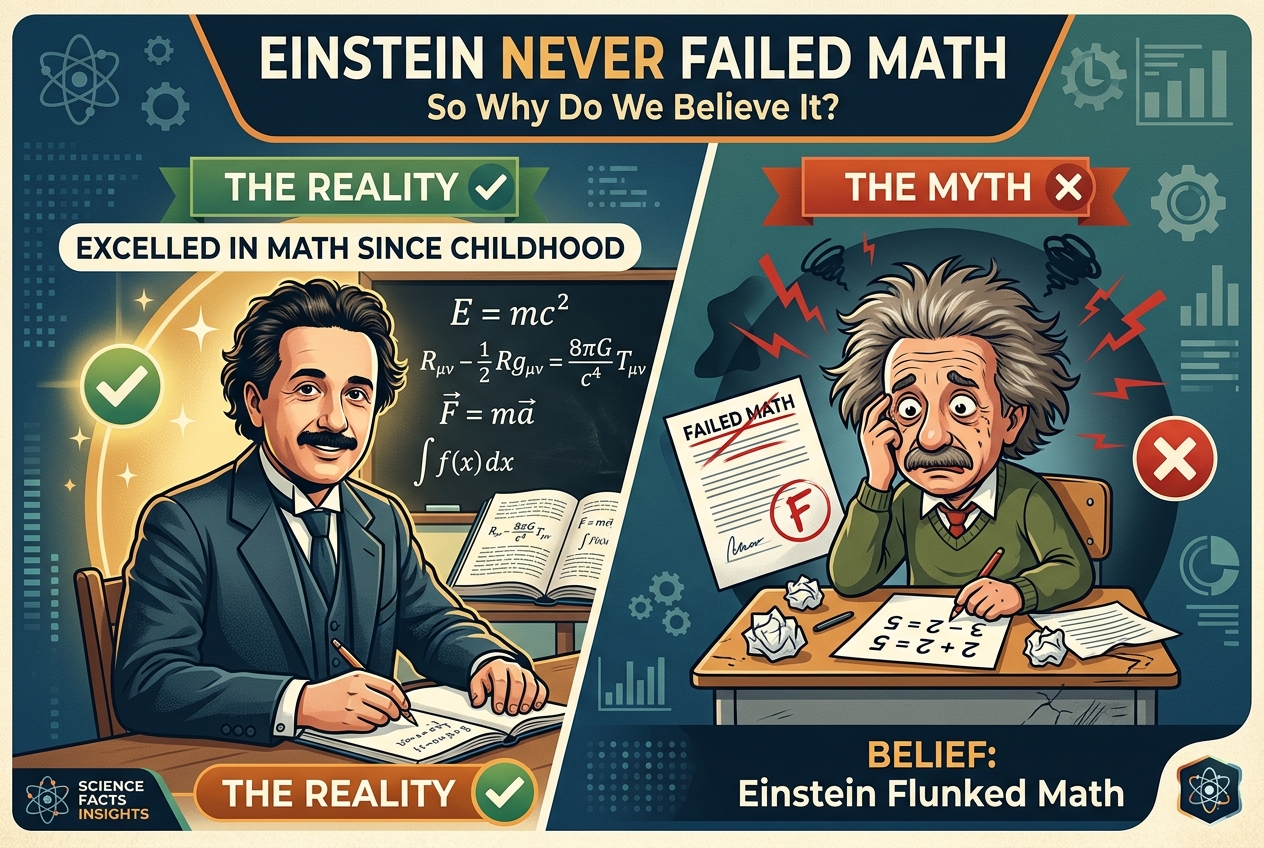
Einstein Never Failed Math, So Why Do We Believe It?
The story that Einstein flunked math is flatly false; he excelled from childhood. Yet the myth refuses to die, and the arguments here dig into why comforting stories outcompete documented facts and what that says about how we talk about struggle and genius in science. Unpicking one famous myth gives you tools for spotting the others you have absorbed.
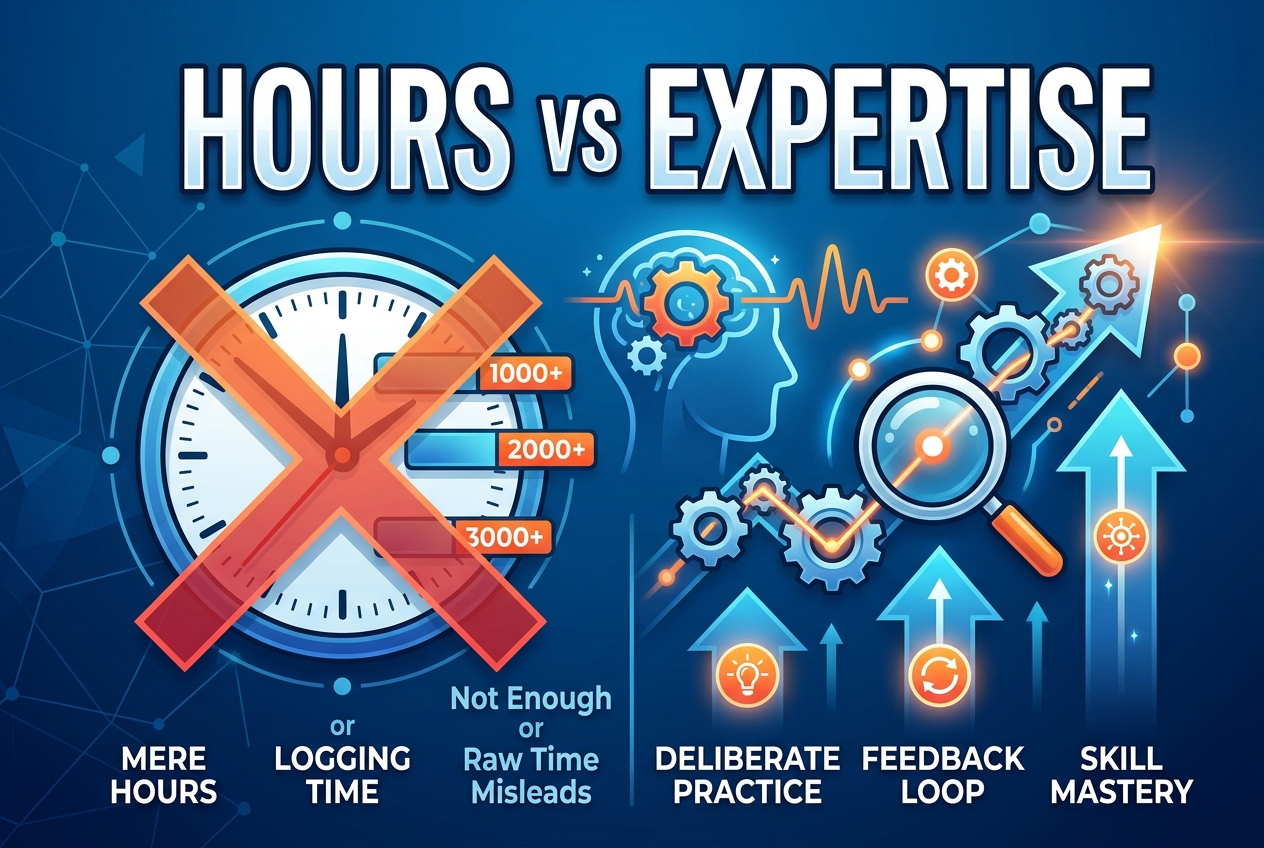
Why Just Putting in Hours Won't Make You an Expert
Logging thousands of hours does not automatically make you great at something. These arguments split between deliberate, feedback-driven practice, the warning that raw hour counts mislead, and the case that the quality and conditions of practice matter more than time. You can decide how to build real skill instead of just clocking time.
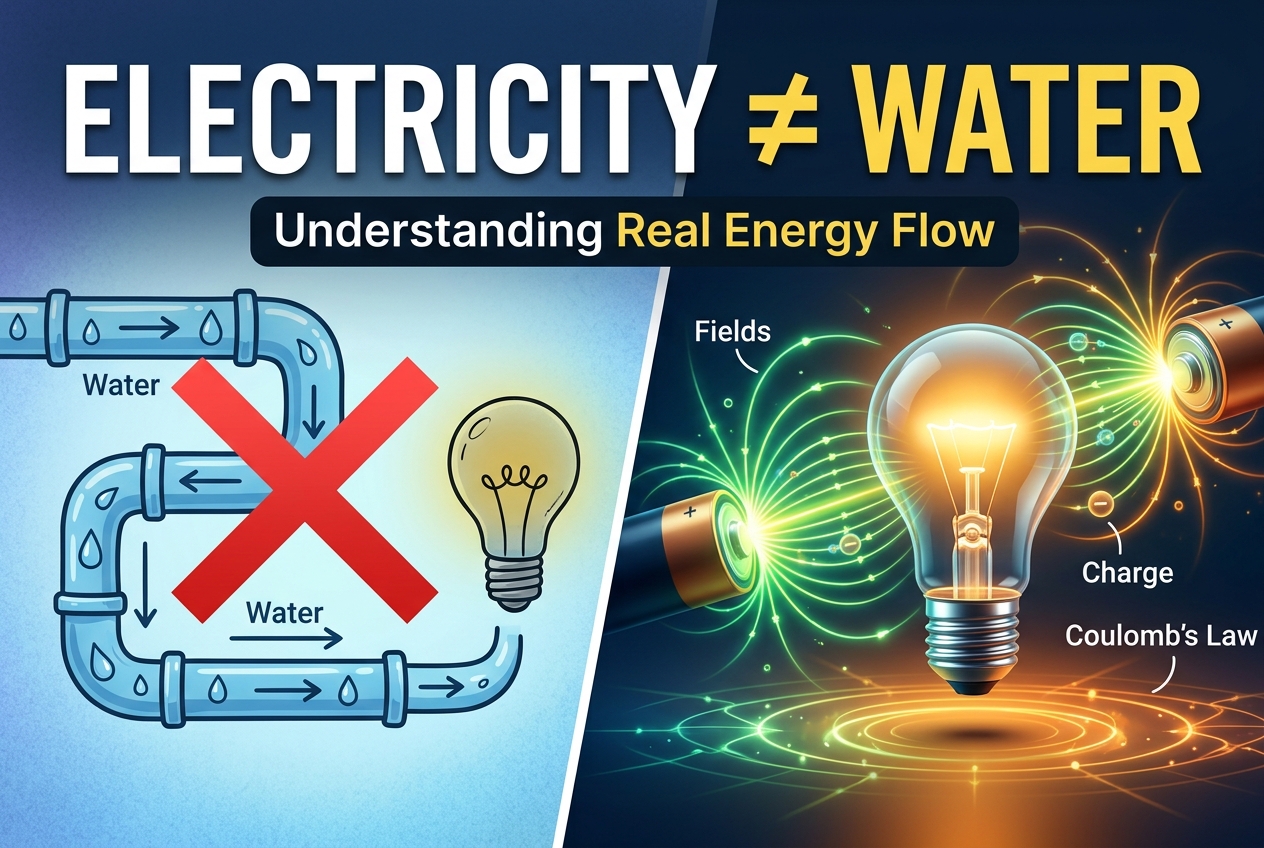
Electricity Doesn't Flow Like Water, No Matter What School Said
The water-pipe picture of electricity is comfortable, but it quietly breaks down when you ask how energy actually reaches a lightbulb. These explanations split on the best replacement: energy traveling through fields around the wire, moving charges governed by Coulomb's law, or teaching methods built to dismantle the misconceptions first. Pick the account that finally makes circuits make sense to you.
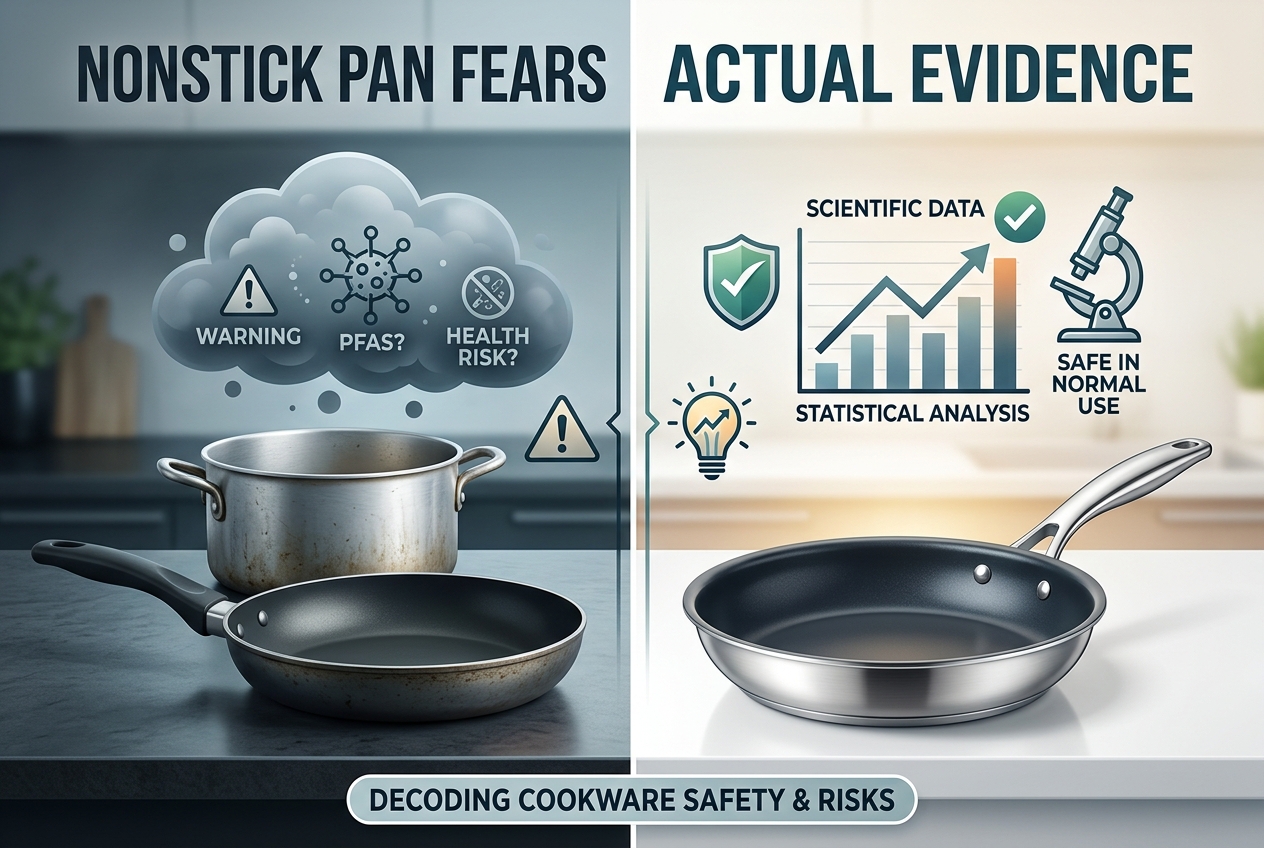
Nonstick Pan Fears Meet the Actual Evidence
Warnings about aluminum and nonstick cookware are everywhere, yet much of the science points the other way. The views differ on how to read that evidence: some urge precaution over any potential hazard, while others argue the data show these pans are safe in normal use and that panic itself does harm. Sorting rigor from alarm helps you decide what belongs in your kitchen.
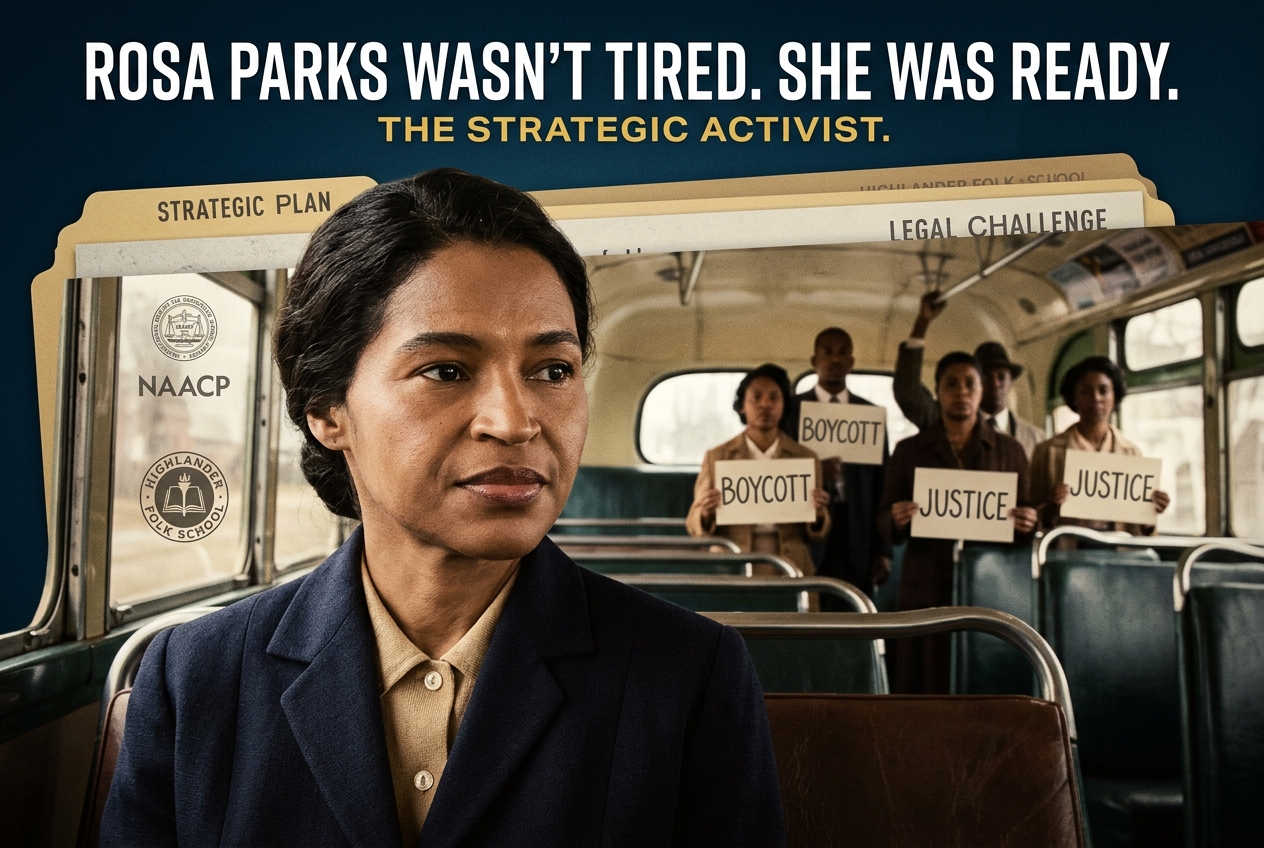
Rosa Parks Wasn't Tired. She Was Ready.
The common story that Rosa Parks refused to give up her bus seat because she was physically tired is a myth that oversimplifies her role. In reality, Parks was a trained activist who deliberately chose that moment as part of a strategic campaign against segregation. Recognizing this changes how we understand her courage and the organized nature of the Civil Rights Movement.
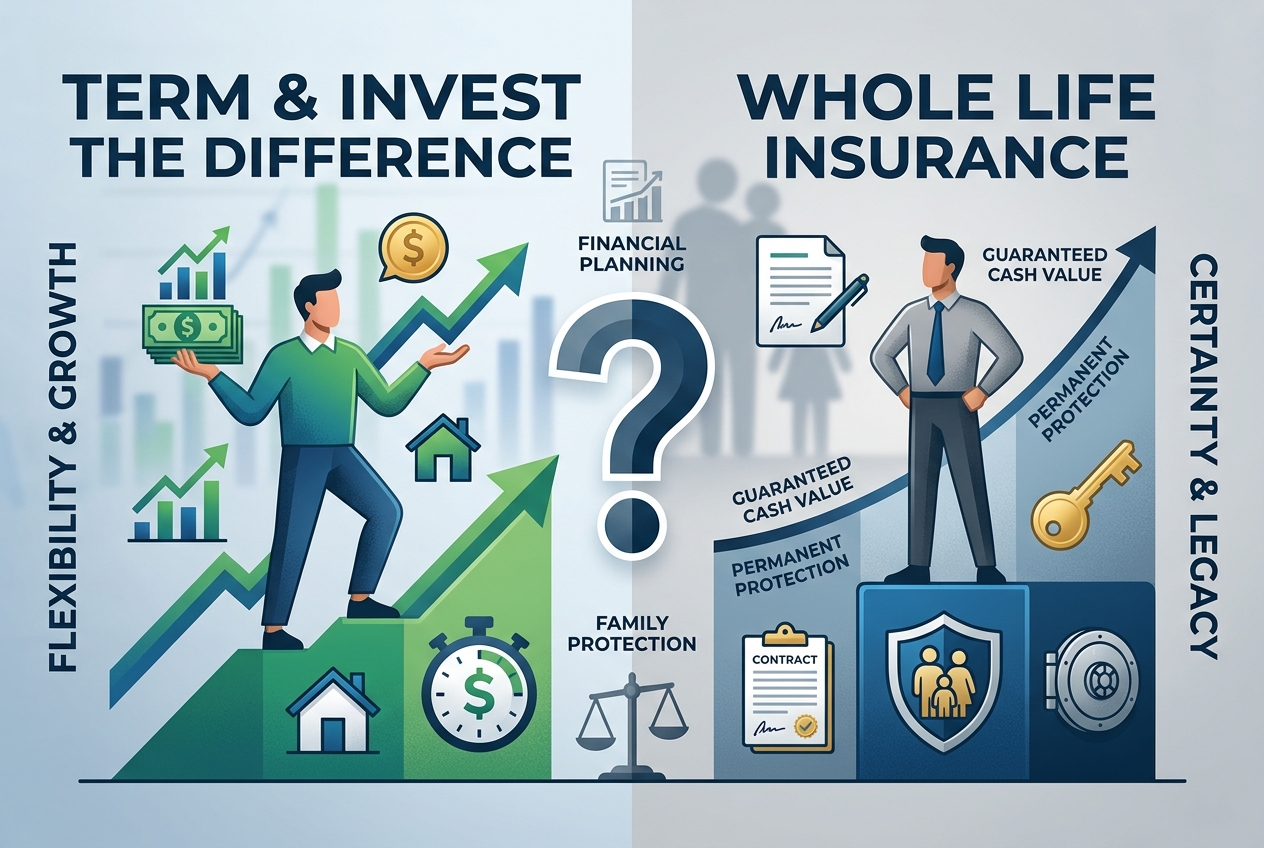
Whole Life or Term and Invest the Difference?
Protecting your family means picking a policy you may pay into for decades, so the choice deserves real scrutiny. The options split between term insurance plus separate investing, whole life with guaranteed benefits and cash value, and a compliance-minded path focused on commissions and disclosure. Weigh simplicity and growth against guarantees to decide which fits your family and savings.