
Browse the Context Marketplace
Expert-level knowledge on any topic. Each capsule guides you through what matters most.
42 capsules
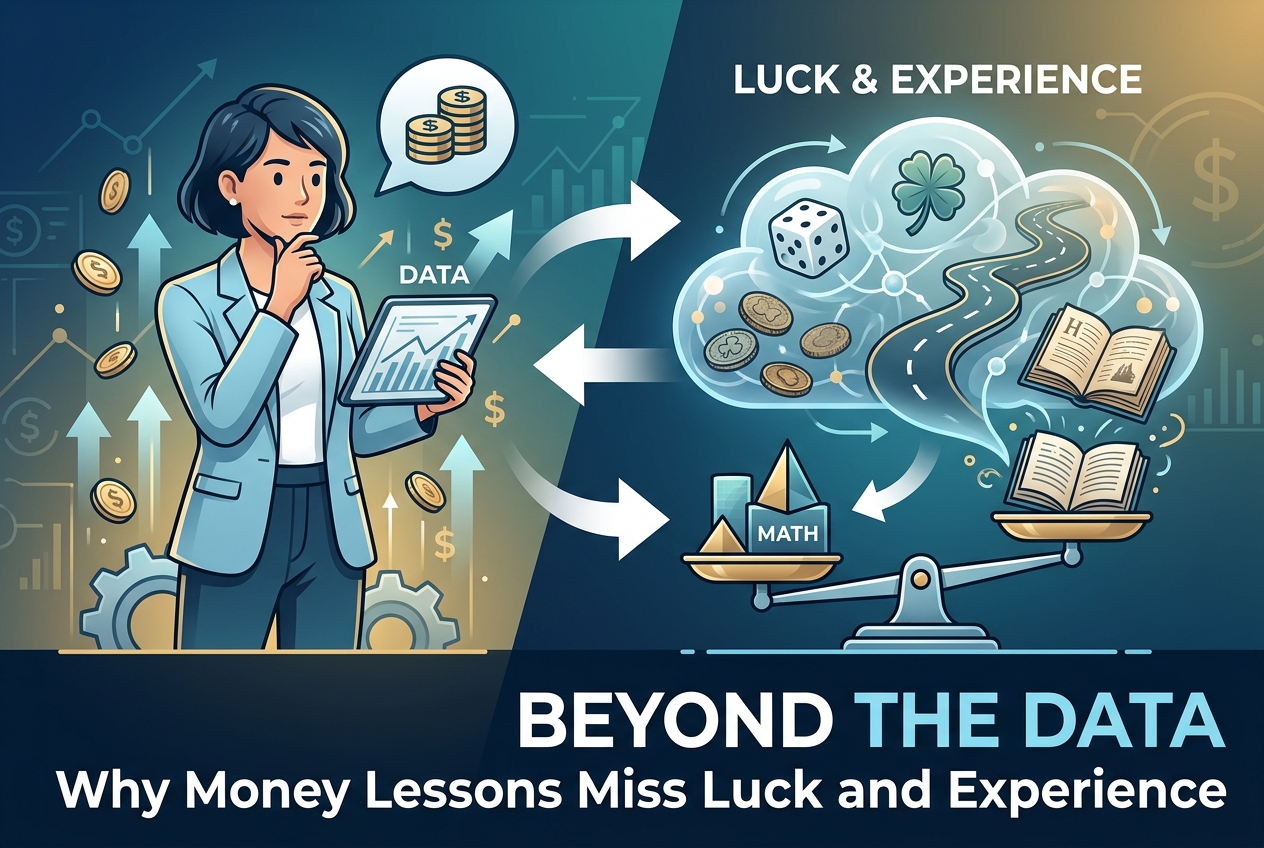
Why Money Lessons Often Miss What Luck and Experience Really Mean
Money decisions are shaped not just by data but by personal experience and unpredictable luck, which can make comparing financial outcomes misleading. This collection reveals how stories from history, risk perception, and real-world examples highlight both the strengths and blind spots in common money advice, helping you see where lessons apply and where they don’t. Understanding these points lets you better prepare for uncertainty and avoid pitfalls in financial thinking.
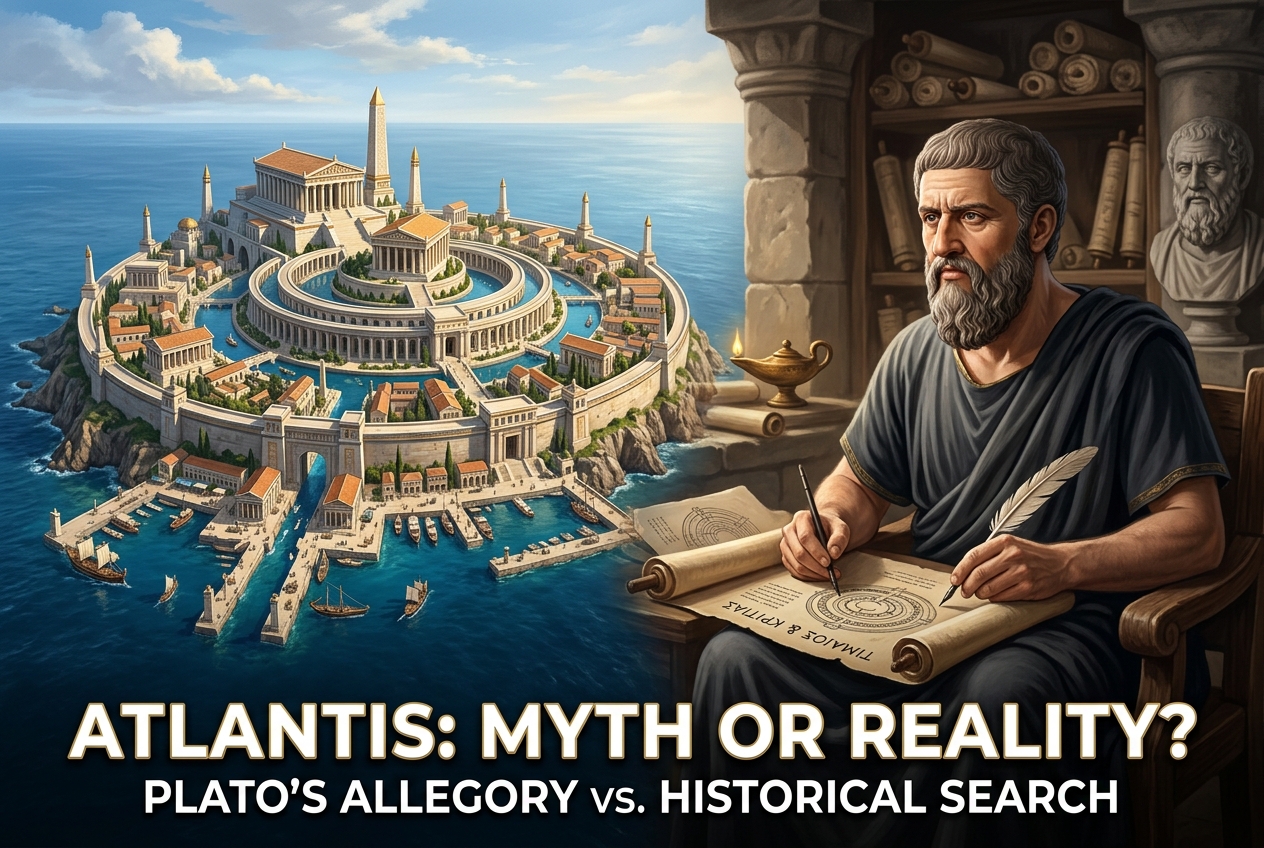
Did Atlantis Ever Exist, or Did Plato Make It Up?
Atlantis sits at the crossroads of archaeology, myth, and one philosopher's imagination. These theories run from hunts for a real sunken location and flood-myth echoes to the idea that Plato wrote a moral allegory, with skeptics testing each against the actual evidence. Following them lets you decide which Atlantis you find believable.
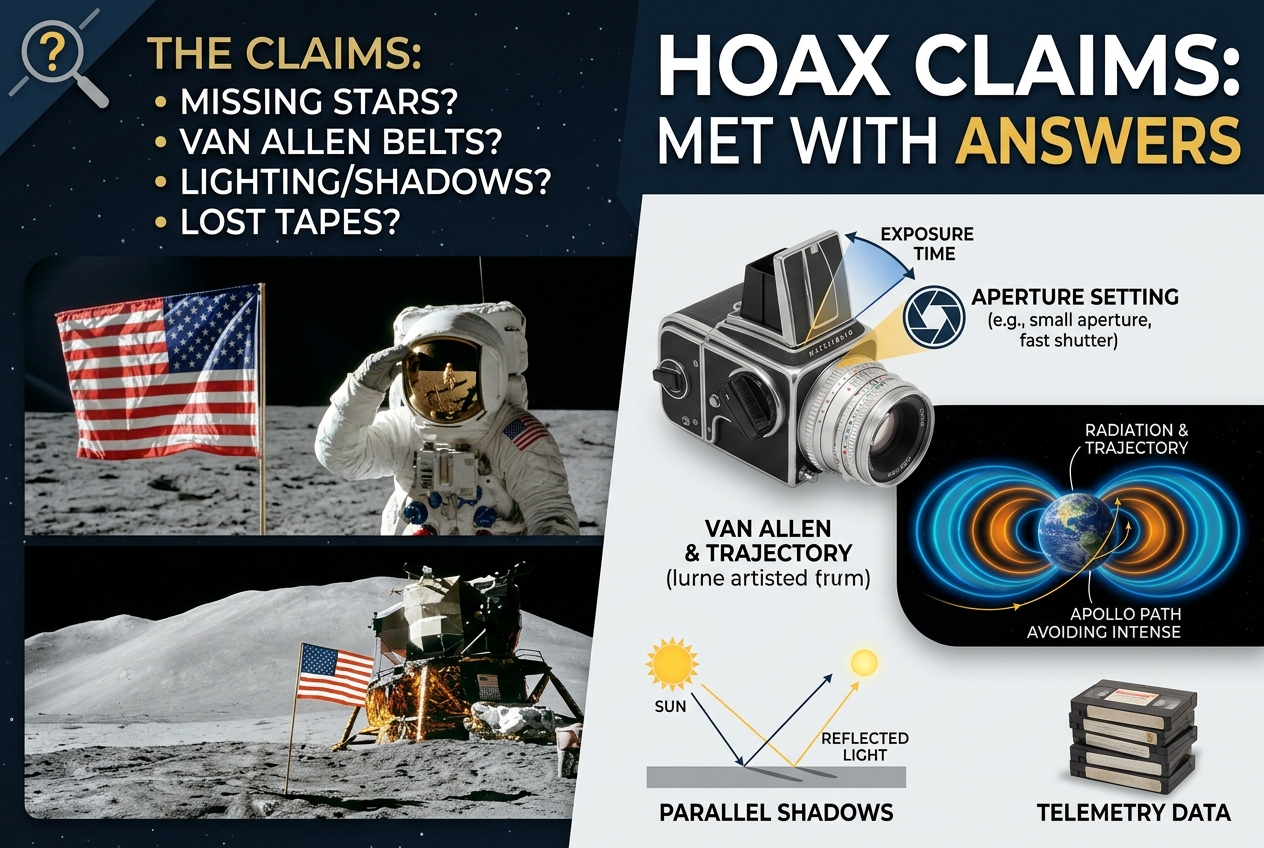
Every Moon Landing Hoax Claim Meets Its Answer
If the moon landing was faked, why do the stars, shadows, and waving flag all have technical explanations? The claims run from missing stars and Van Allen belt radiation to lighting physics and the lost tapes, each paired with its rebuttal from camera settings and physics. Weigh the evidence claim by claim and reach your own verdict.

Why Astrology Fails Every Test and Still Won't Die
Astrology keeps failing rigorous tests of predictive power, yet millions still organize their lives around it. These views span the science that debunks it, the cognitive biases that sustain belief, and the case for horoscopes as tools for self-reflection rather than prediction. Weighing them shows what astrology can't do and what it still does for people anyway.
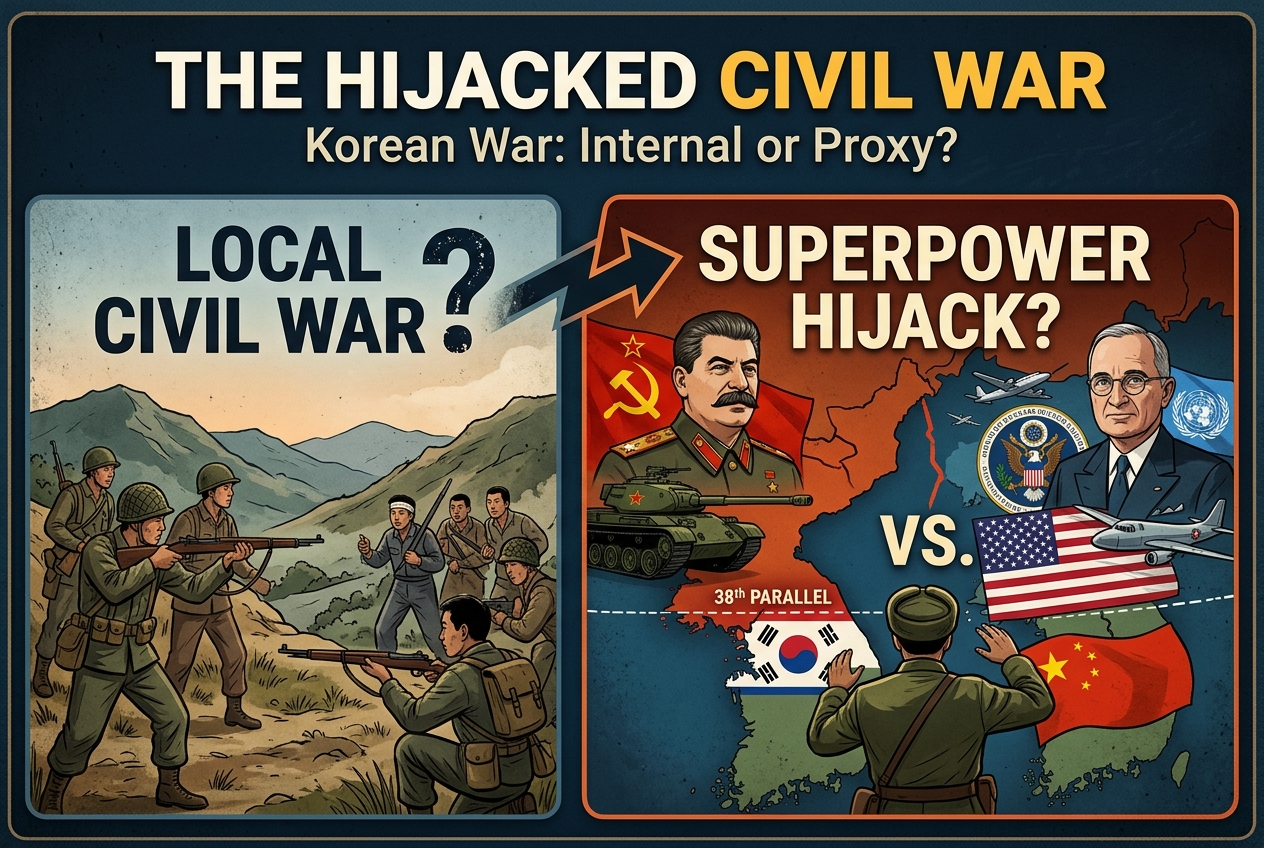
The Korean War Was a Civil War the Superpowers Hijacked
Whether Korea's war began at home or in Washington and Moscow changes everything about its meaning. The case here is that a local civil conflict came first and the great powers turned it into a Cold War proxy, tracing the UN's role and China's defensive calculus against the standard superpower-first telling. Follow the evidence and decide which reading holds.
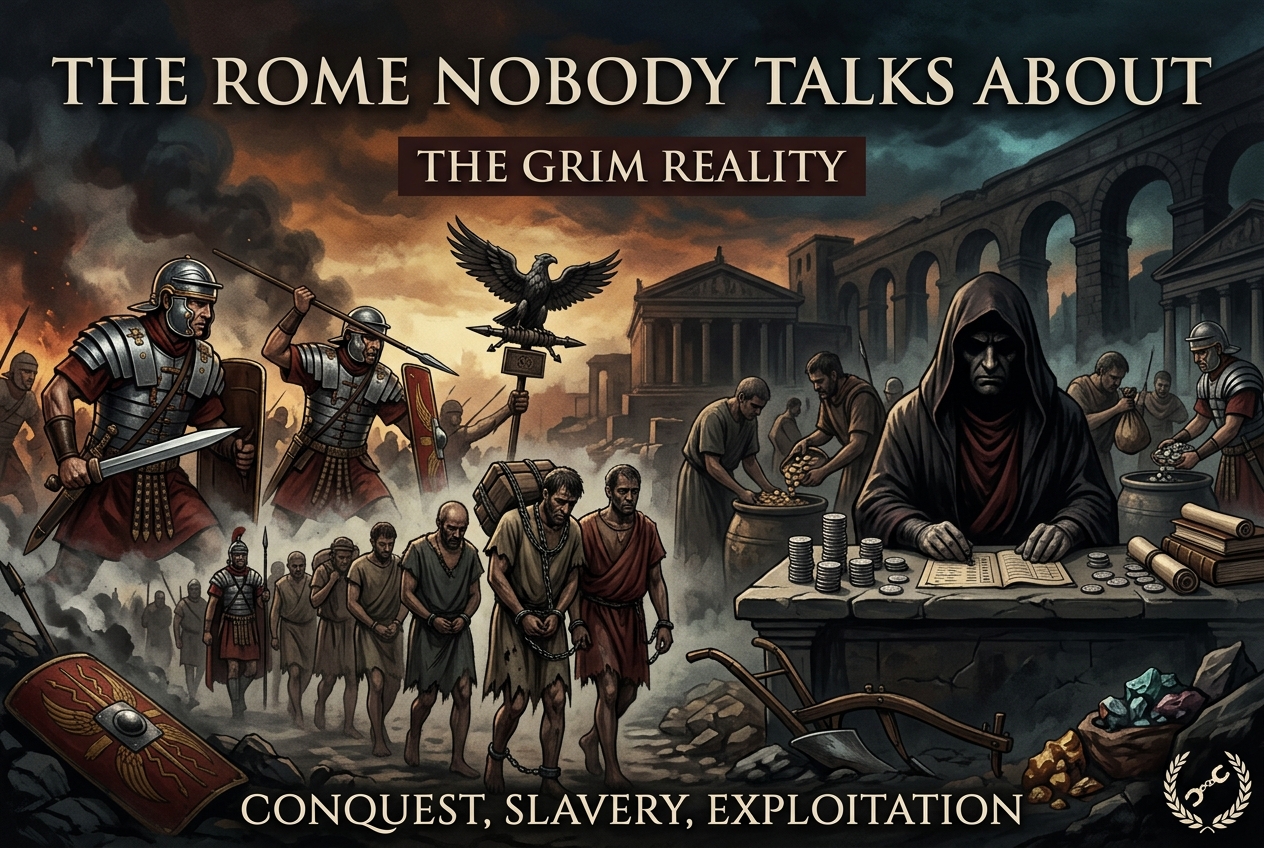
The Roman Empire Thrived on Brutal Conquest, Slavery, and Exploitation
Contrary to the popular image of Rome as a bringer of civilization and peace, the Empire held power through military conquest, ruthless taxation, and systemic slavery. Resource extraction, forced labor, and harsh punishment were not side effects but the machinery of its dominance. Seeing that machinery changes what Rome's grandeur actually cost.