
Browse the Context Marketplace
Expert-level knowledge on any topic. Each capsule guides you through what matters most.
70 capsules
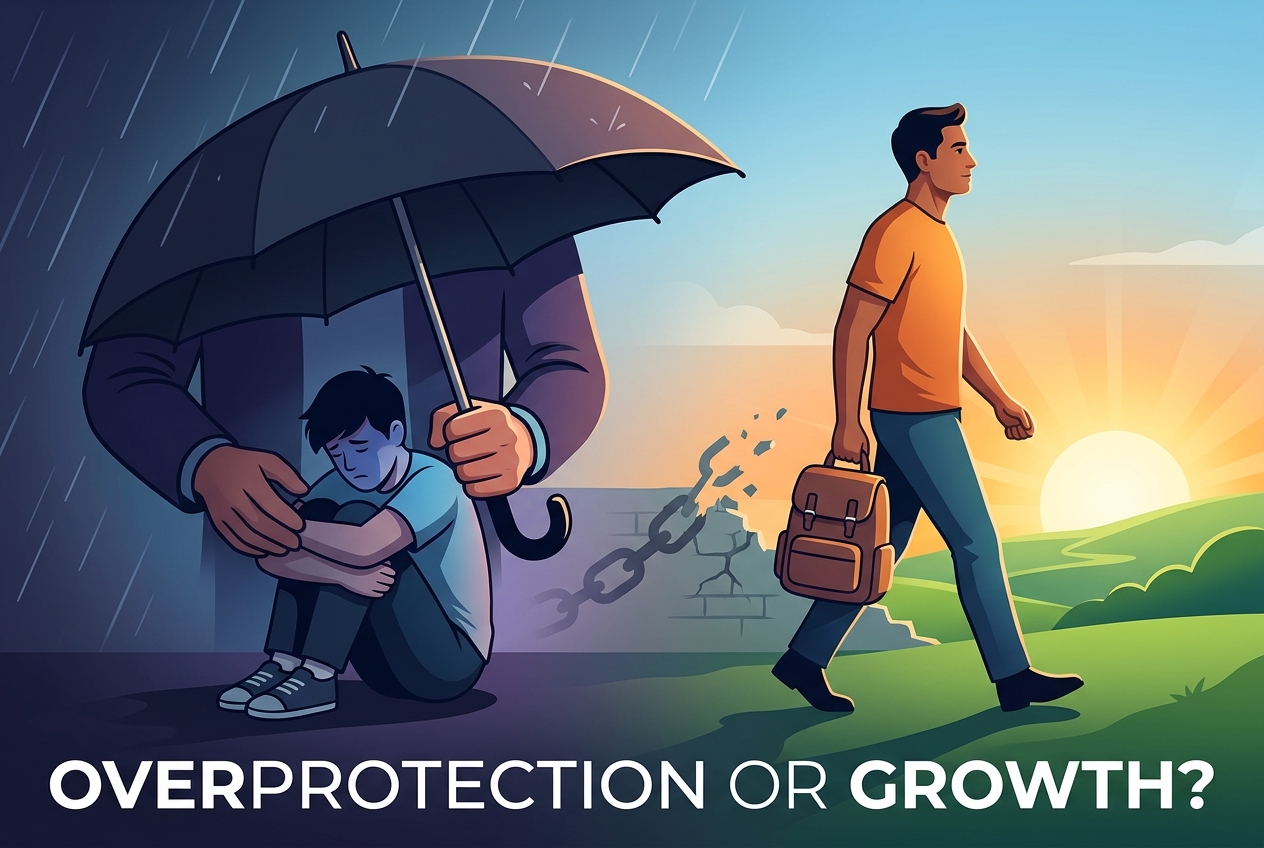
Protecting Someone From Everything Can Keep Them Broken
Shielding a struggling person from every stress feels kind, but avoidance can quietly sustain trauma and stall growth. From PTSD recovery to adolescent independence, the hard question is when protection heals and when it holds someone back.
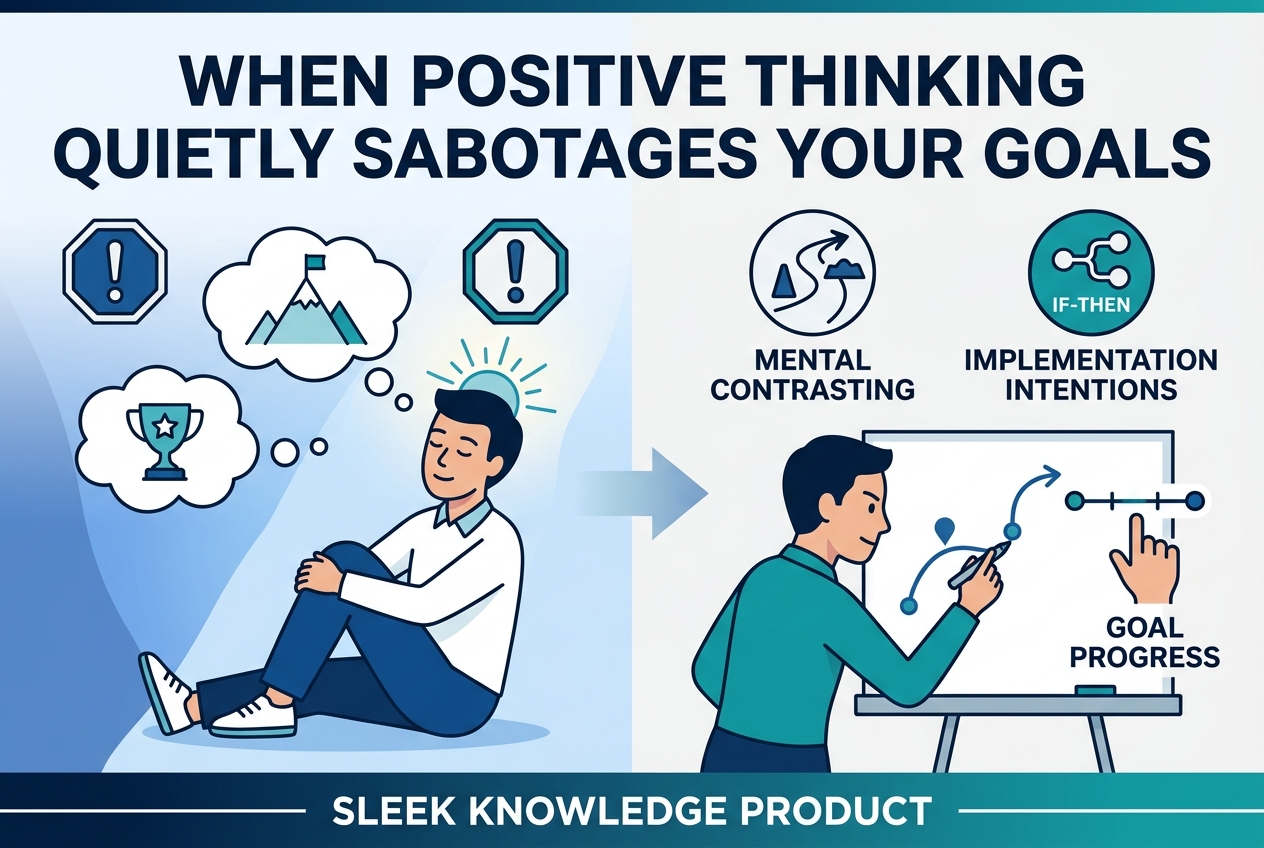
When Positive Thinking Quietly Sabotages Your Goals
Dreaming about success can actually drain the energy needed to achieve it. These methods differ on the remedy: pairing optimism with a hard look at obstacles, using if-then plans to pre-decide responses, or knowing when to adjust a goal and let go. They apply everywhere from daily habits to pain rehab, and they change how you use hope.
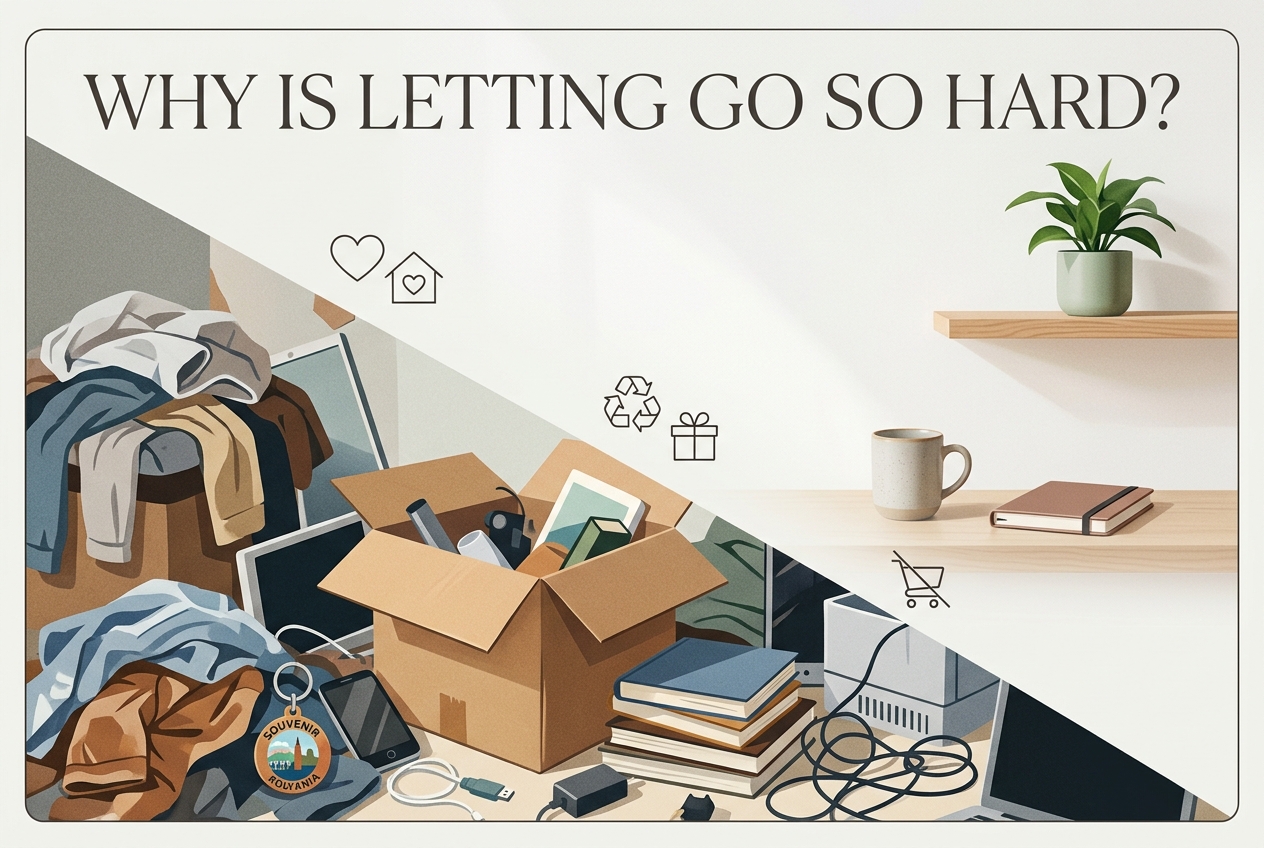
Why Letting Go of Your Stuff Is So Hard
Owning less sounds simple until you face the drawers you cannot empty. The approaches read the problem differently: emotional attachment that drives hoarding, personal transformation stories, gift economies like the Buy Nothing Project, minimalism as a class performance, and the hidden costs of fast fashion. Decide which lens fits your values before you start clearing shelves.
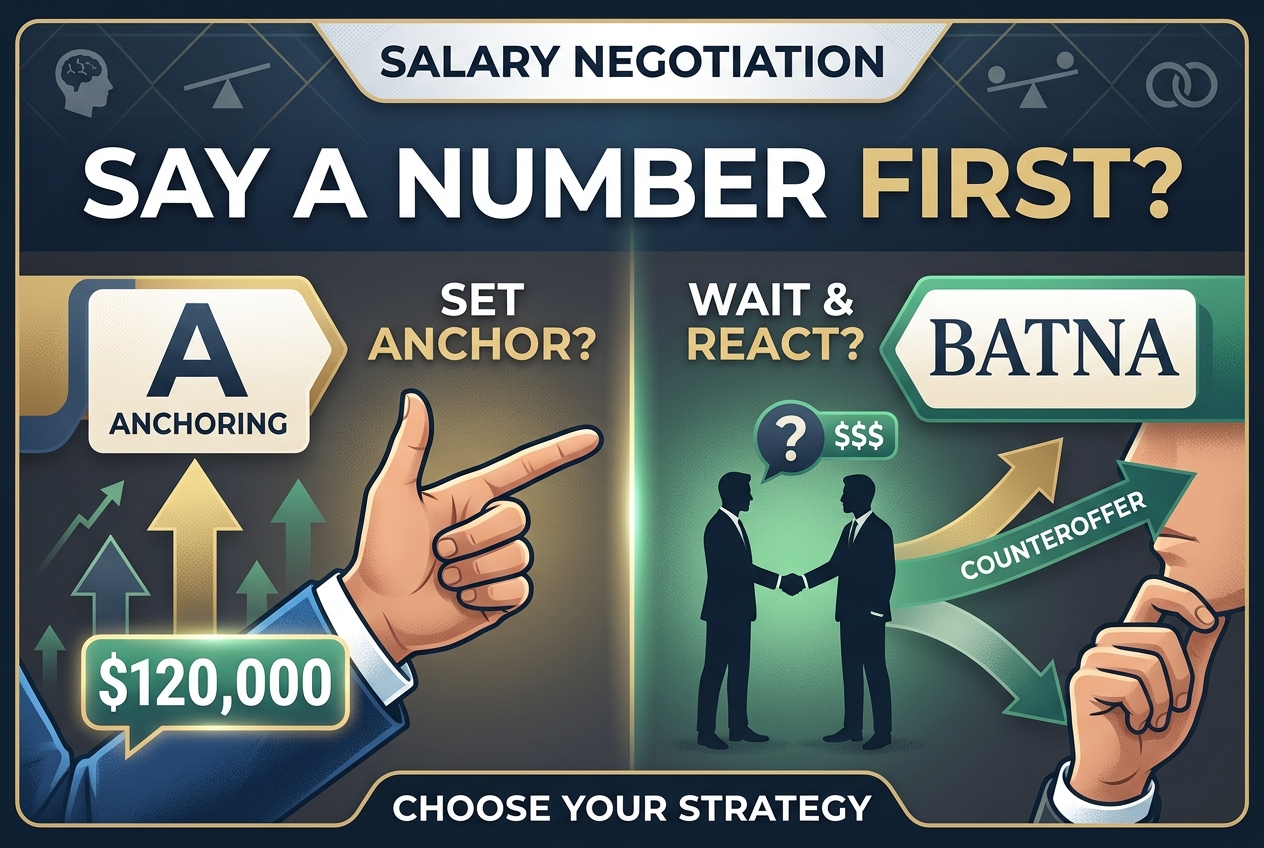
Should You Say a Salary Number First?
Name a number first and you might anchor the whole negotiation in your favor, or lowball yourself out of thousands. These tactics split on whether to set a high anchor or wait for the employer's offer, and on how competing offers, counteroffers, and psychological pressure shape the outcome. Walk in knowing which move fits your leverage.
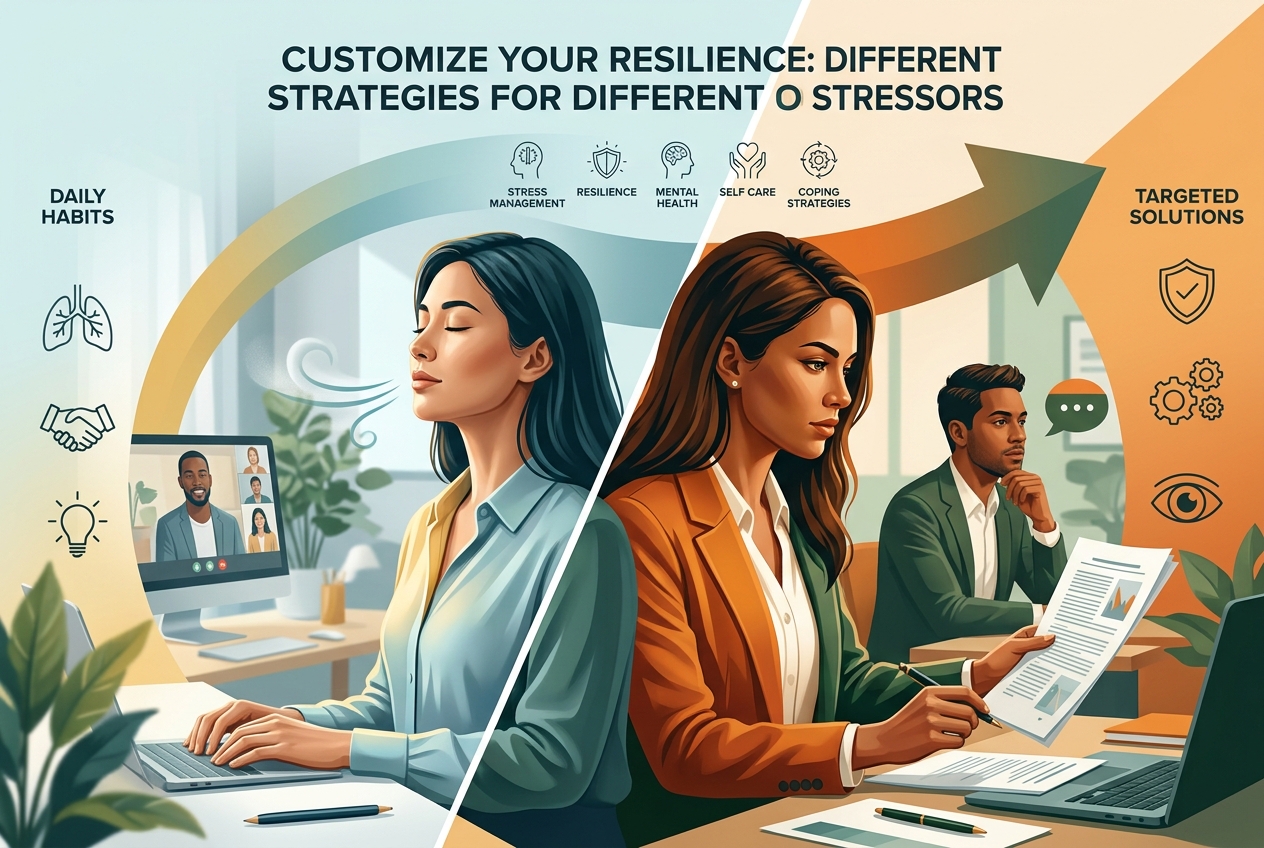
Why Handling Stress Needs Different Strategies for Different Challenges
Stress and resilience are not one-size-fits-all. Some strategies focus on practical daily habits like deep breathing and social support, while others confront harsh realities or tailor responses to specific stressors. Understanding these distinct approaches helps you choose the right way to manage stress and build resilience that fits your unique situation.

Why Some Couples Last and Others Quietly Fall Apart
The science of lasting relationships is messier than the famous studies suggest. Innate compatibility, learned habits, and active repair each claim the starring role, and which one you believe changes how you fight for your relationship.
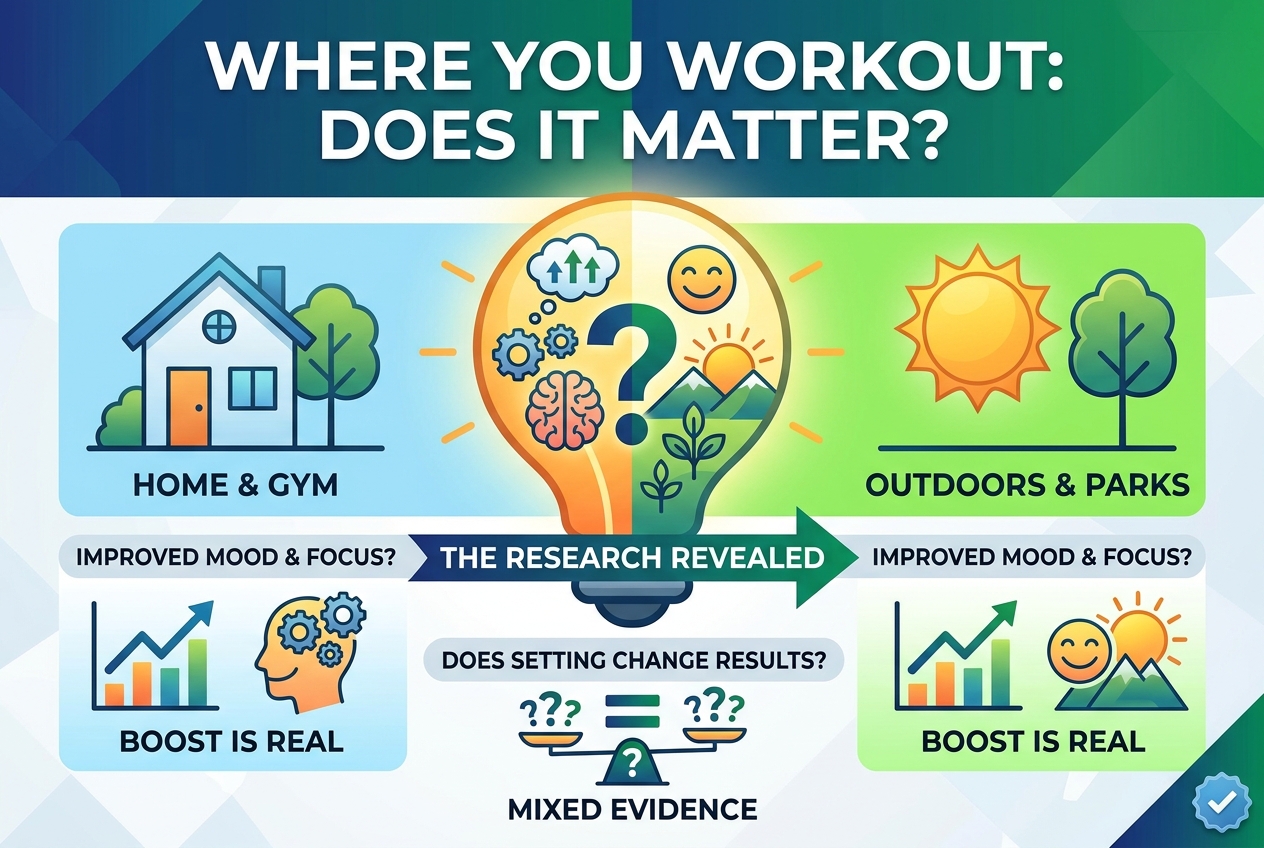
Does Where You Exercise Change What It Does for Your Mind?
Outdoor workouts are praised as a mood cure, yet much of that research is thinner than it looks. Gym, park, or living room, the setting may matter less, or more, than you think, depending on what you need exercise to do for you.

How to Set Family Boundaries Without Pushing Them Away
Setting boundaries with family is a delicate balance between protecting your needs and preserving relationships. Approaches differ on whether to lead with compassion, enforce limits through actions, or seek professional support, each offering a unique path to maintaining respect without conflict. Understanding these approaches helps you choose how to communicate clearly, manage your emotions, and hold your ground while keeping family ties intact.

Sleep Training Won't Break Your Baby's Trust
The fear that letting a baby learn to sleep damages attachment is exactly what follow-up studies were built to test, and they keep finding no harm in bonding or stress hormones. The evidence here covers how cortisol data was measured and cleaned, why parental exhaustion carries its own risks, and where the studies' limits genuinely lie. You can weigh the reassurance and the caveats together before deciding what your family needs.

Should You Really Delay Your Kid's First Smartphone?
Every parent handing over a first phone is running an experiment on a developing mind. The views range from strict regulation and delaying phones outright to coaching safe social media habits, with some insisting the research itself is too weak to justify panic. Weigh the evidence and the caution to decide what protects your kid without cutting them off.

Is a Performance Plan a Lifeline or a Paper Trail?
For the employee on one, a performance improvement plan either means the company is invested in their turnaround or quietly building a case to fire them. The approaches here differ on whether plans should be developmental or measured strictly by data, how goals should be framed to reduce conflict, and how much wellbeing and psychological safety drive real improvement. How you run one decides which message your team hears.
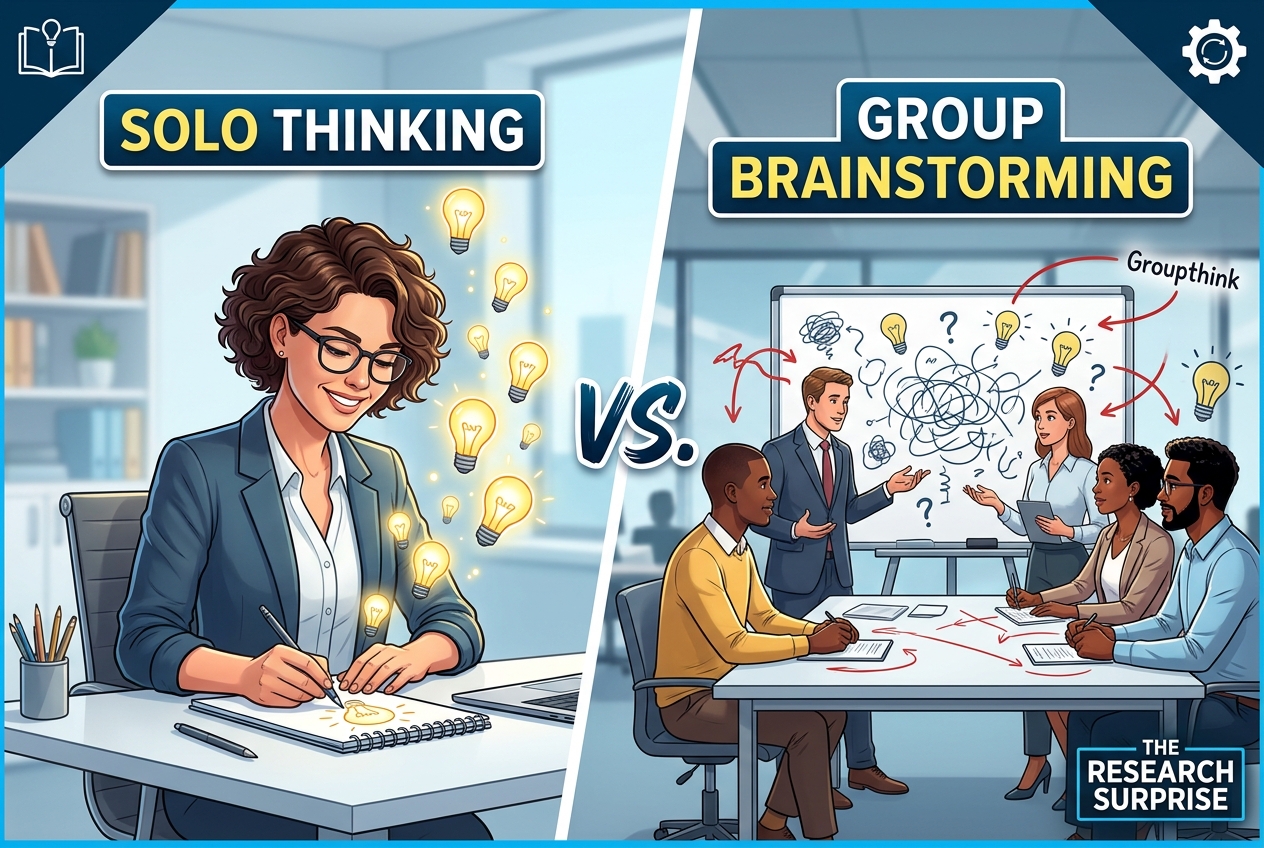
Working Alone May Beat Group Brainstorming for Ideas
The default is to gather everyone in a room, but the research on whether groups actually out-create solo work is surprising. These findings split over evidence that brainstorming yields fewer ideas than individuals working alone, the quality data behind it, the methodological limits, and the case for thinking solo before the group meets. Use them to design how your team really generates ideas.