
Browse the Context Marketplace
Expert-level knowledge on any topic. Each capsule guides you through what matters most.
4 capsules
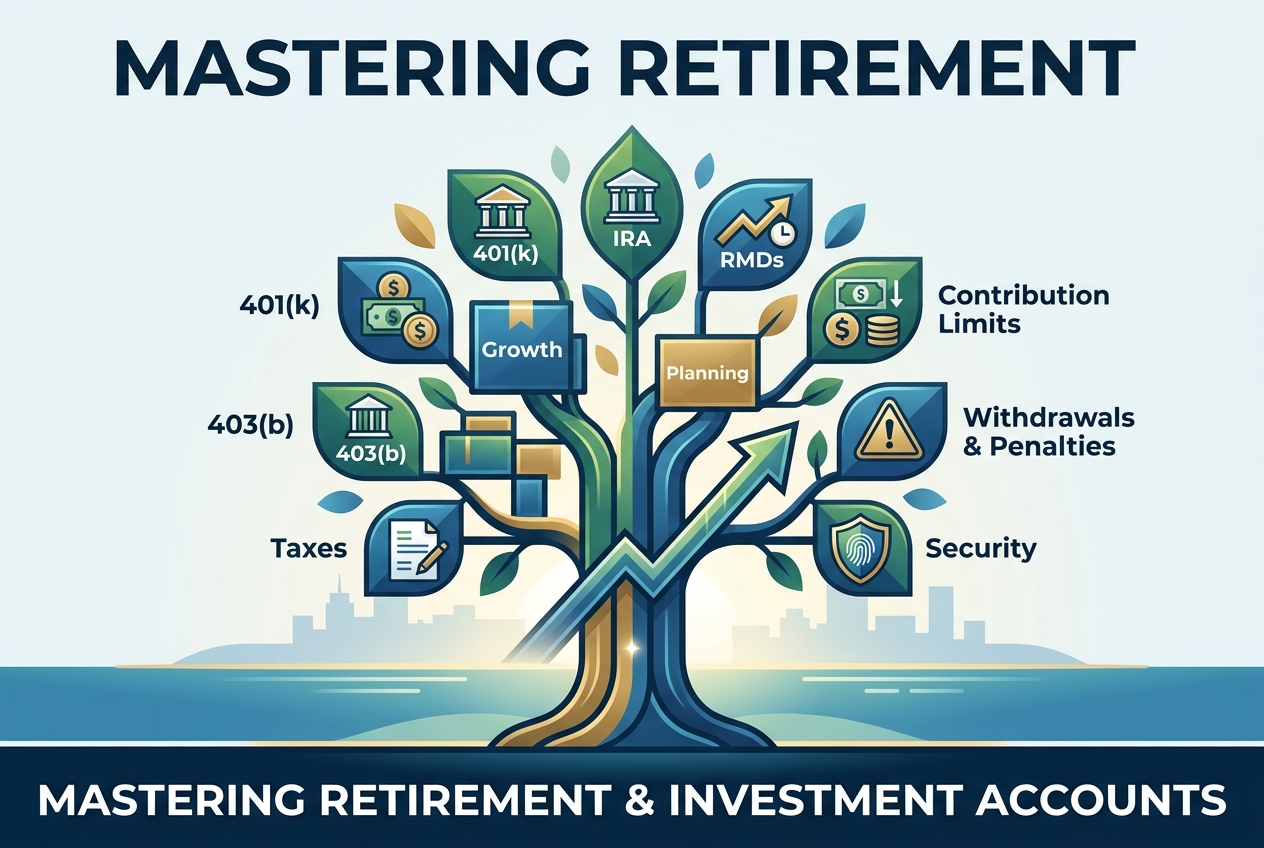
Types of Retirement and Investment Accounts and Their Rules
Retirement and investment accounts come with specific rules about contributions, withdrawals, taxes, and required distributions. This collection covers how to comply with deadlines, understand penalties for early withdrawals, and manage account safety with modern authentication. It also explains the barriers to entering the market as a custodian and how fees and account limits affect participants.
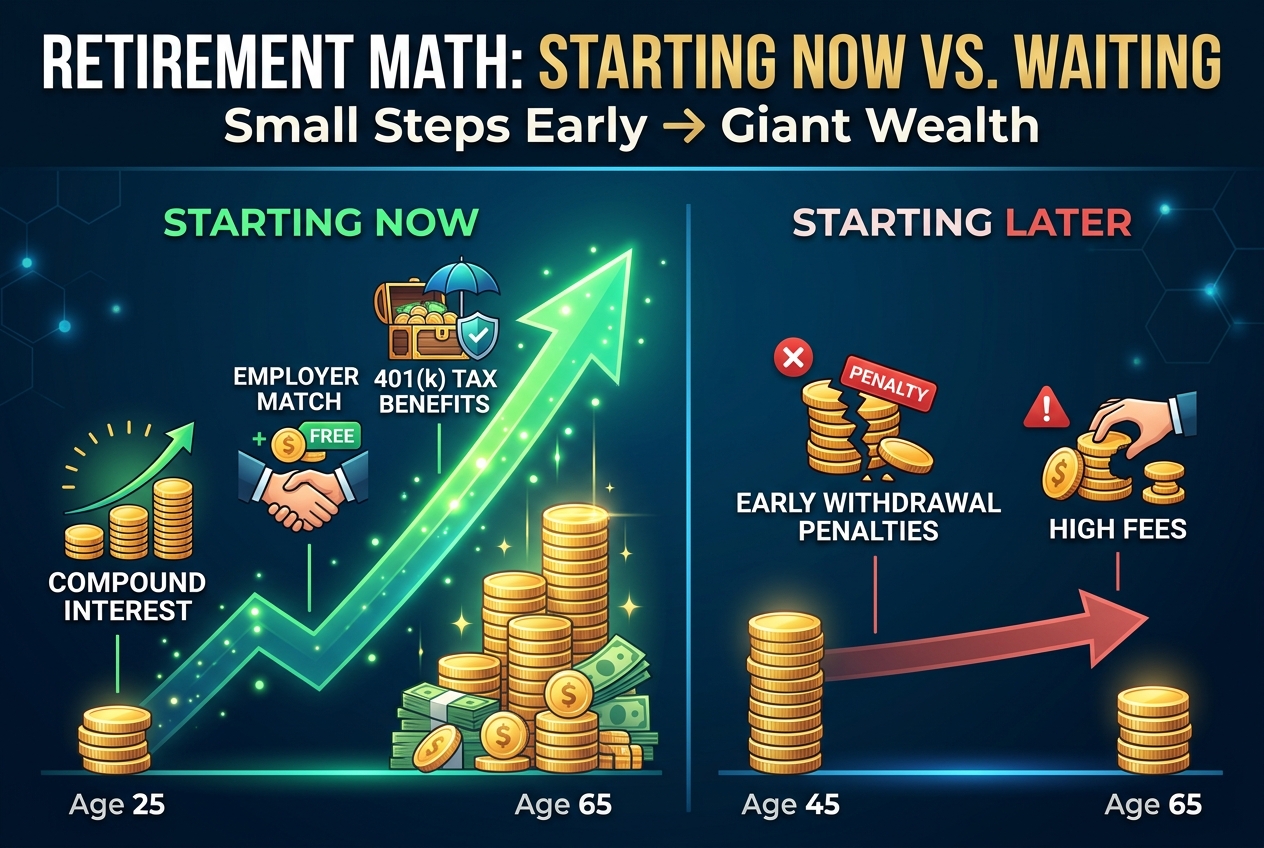
The Retirement Math That Rewards Starting Now
Every year you wait to save for retirement costs far more than the amount you skip. These strategies cover where the real money hides: compound growth from starting early, free employer matches, 401(k) tax rules, low-fee funds, and the penalties that punish early withdrawals. Together they map the moves that quietly decide how you retire.
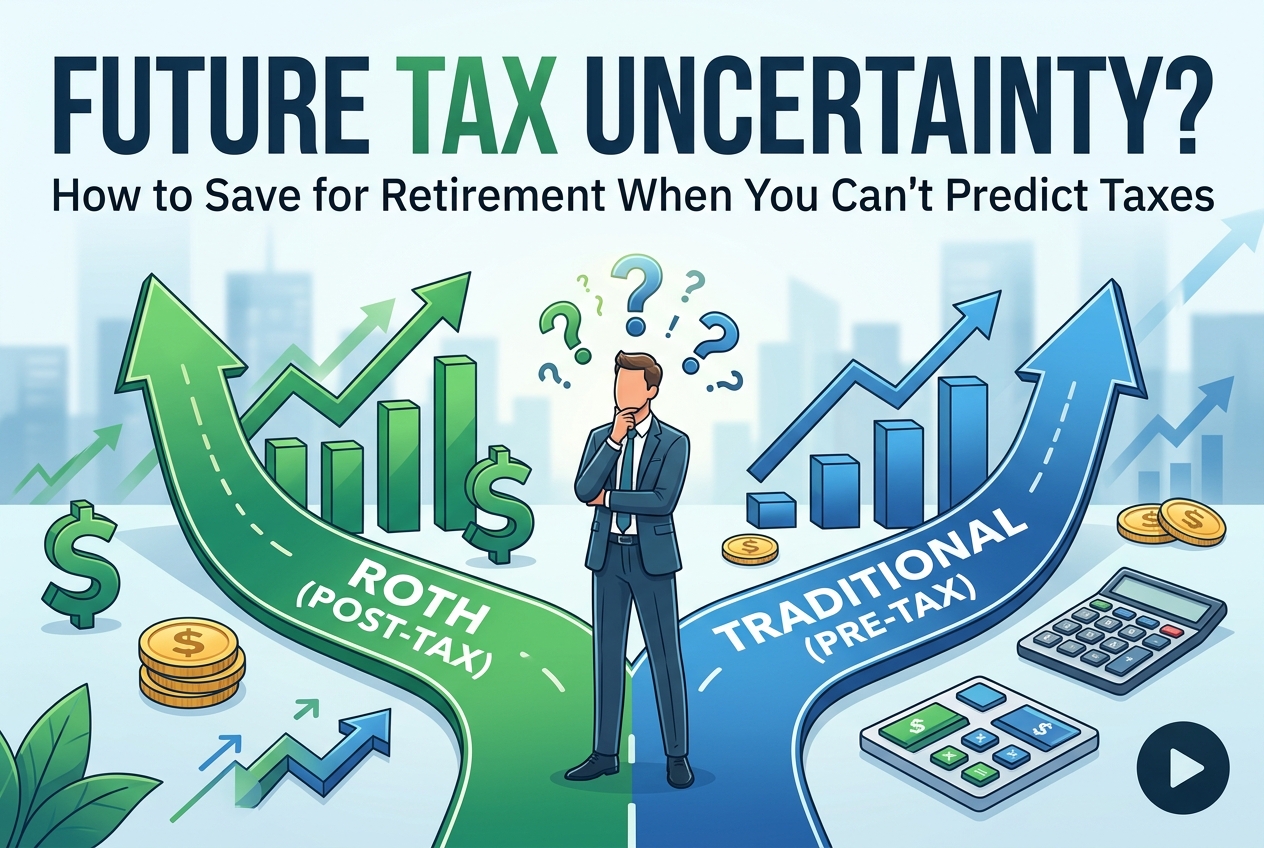
When You Can’t Predict Taxes, How Should You Save for Retirement
Choosing between Roth and traditional retirement contributions is complicated by the uncertainty of future tax rates and personal circumstances. Strategies differ on whether to focus on tax bracket predictions, use probabilistic trade-offs, adapt plans over time, maximize employer matches, or navigate IRA rules to avoid costly mistakes. Understanding these approaches helps you decide how to balance tax risks and benefits without relying on precise forecasts.

Missing the 30-Day Deadline for Startup Equity Taxes Means Losing Your Chance Forever
When employees receive startup equity, they must file a special tax election within 30 days or risk losing critical tax benefits permanently. Unlike common beliefs, there is no reliable way to file late or get an extension, so proof of timely filing is essential. This strict deadline means employees must act quickly and use official IRS channels with verified identity to protect their financial interests.