
Browse the Context Marketplace
Expert-level knowledge on any topic. Each capsule guides you through what matters most.
15 capsules
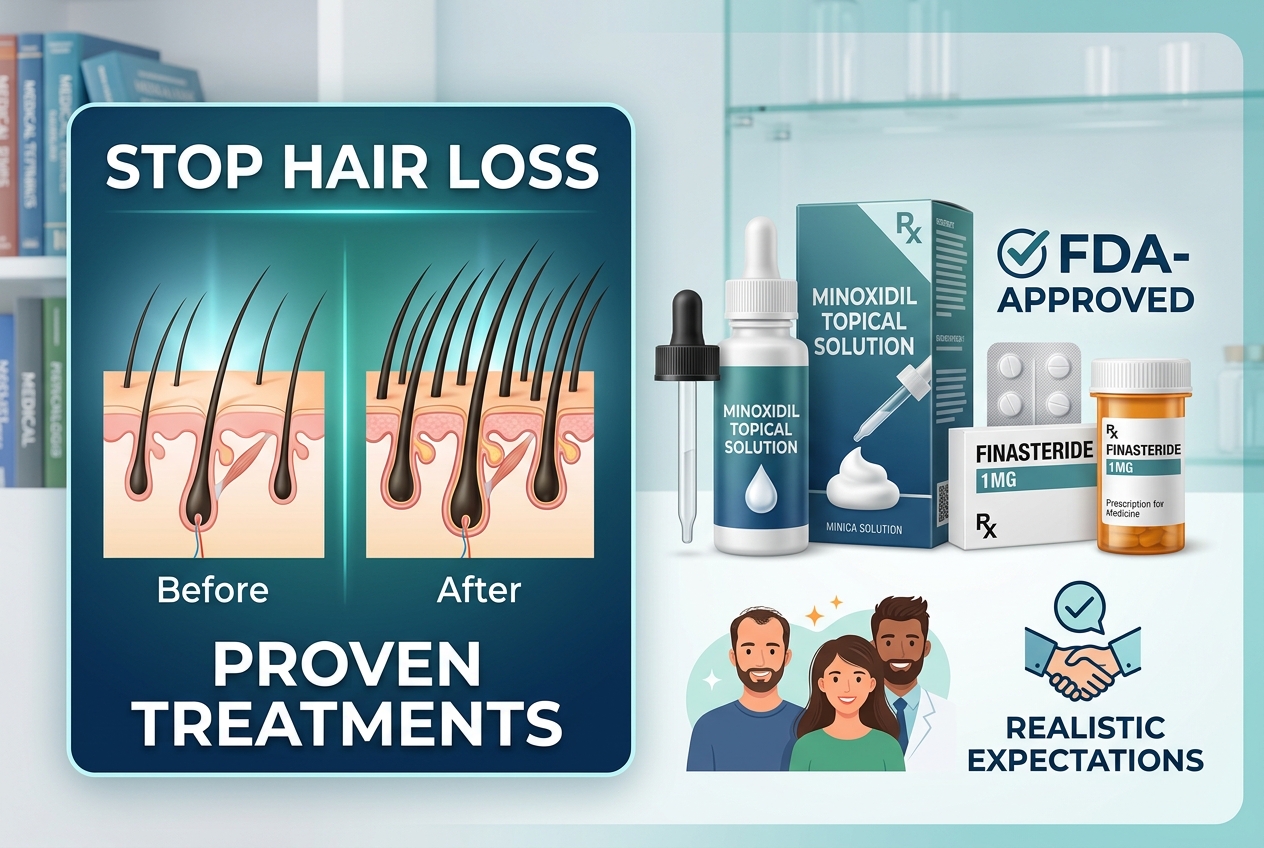
Stopping Hair Loss Requires Proven Treatments and Realistic Expectations
Hair loss, especially androgenetic alopecia, is best addressed by starting with FDA-approved treatments like topical minoxidil and oral finasteride, which have solid evidence supporting their effectiveness. While many options exist, the honest truth is that most hair regrowth depends on ongoing treatment and individual factors, so consulting a healthcare provider to identify the cause and choose the right approach is essential.

Protect Your Skin Every Day and Use Proven Treatments to Look Younger
Looking younger as you age depends largely on daily sun protection and using scientifically supported skin treatments. Consistent application of broad-spectrum sunscreen prevents premature aging by shielding collagen and reducing pigmentation, while topical retinoids help rebuild collagen and improve wrinkles when used carefully alongside sun protection. Avoiding harmful habits like smoking and excessive sun exposure completes the honest, evidence-based approach to maintaining youthful skin.

Gut Microbiome Tests Can't Guide Your Diet or Health Choices
Despite popular marketing, gut microbiome tests lack FDA approval and clinical reliability, making them unsuitable for diagnosing conditions or guiding diet changes. The mainstream hype suggests these tests offer personalized health insights, but experts warn against making lifestyle or medical decisions without professional advice. Following this cautious approach helps avoid ineffective or potentially harmful self-prescribed treatments based on unproven test results.

Who Actually Wrote the Study Behind Your Prescription?
The research behind your medications may carry hidden ghostwriters and massaged trial data. The views split on the remedy: exposing manipulated studies one by one, forcing legal and regulatory reform on the companies, or practicing evidence-based care that routes around the bias, especially for vulnerable patients. Decide how much to trust drug claims and how to protect yourself in the meantime.
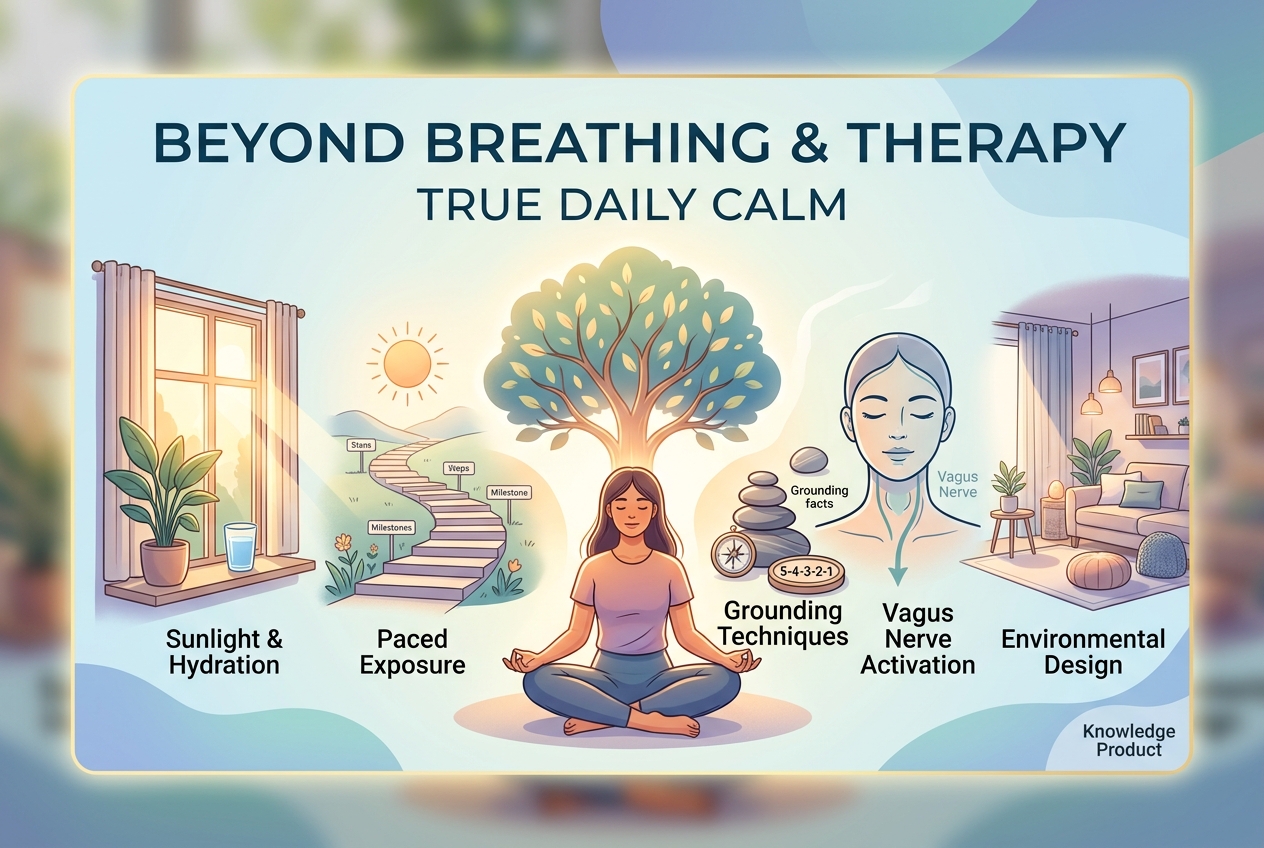
What Truly Calms Daily Anxiety Beyond Breathing and Therapy
Daily anxiety relief goes far beyond simple advice like breathing exercises or therapy visits. Different techniques focus on practical routines involving sunlight, hydration, and pacing exposure to fears, while others use grounding facts or even environmental design to reduce anxiety. Understanding these distinct approaches helps you choose methods that fit your life and build lasting calm.
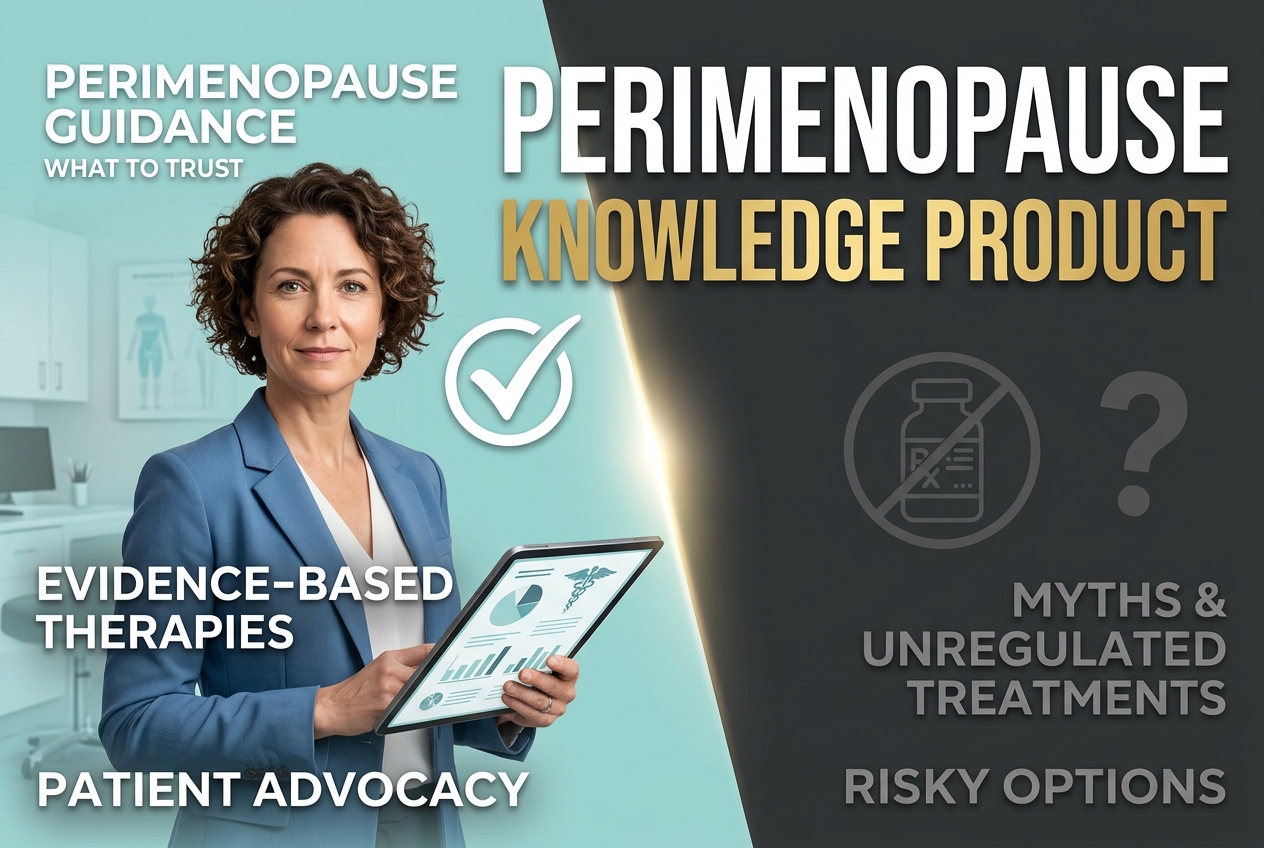
What to Trust and What to Skip When Facing Perimenopause
Perimenopause brings a mix of symptoms and treatment options that can be confusing and sometimes risky. This topic lays out clear differences between evidence-based hormone therapies, patient advocacy for personalized care, common myths about unregulated treatments, and practical advice for doctor visits. Understanding these distinct perspectives helps you ask the right questions, recognize safe options, and avoid misinformation during this important health transition.
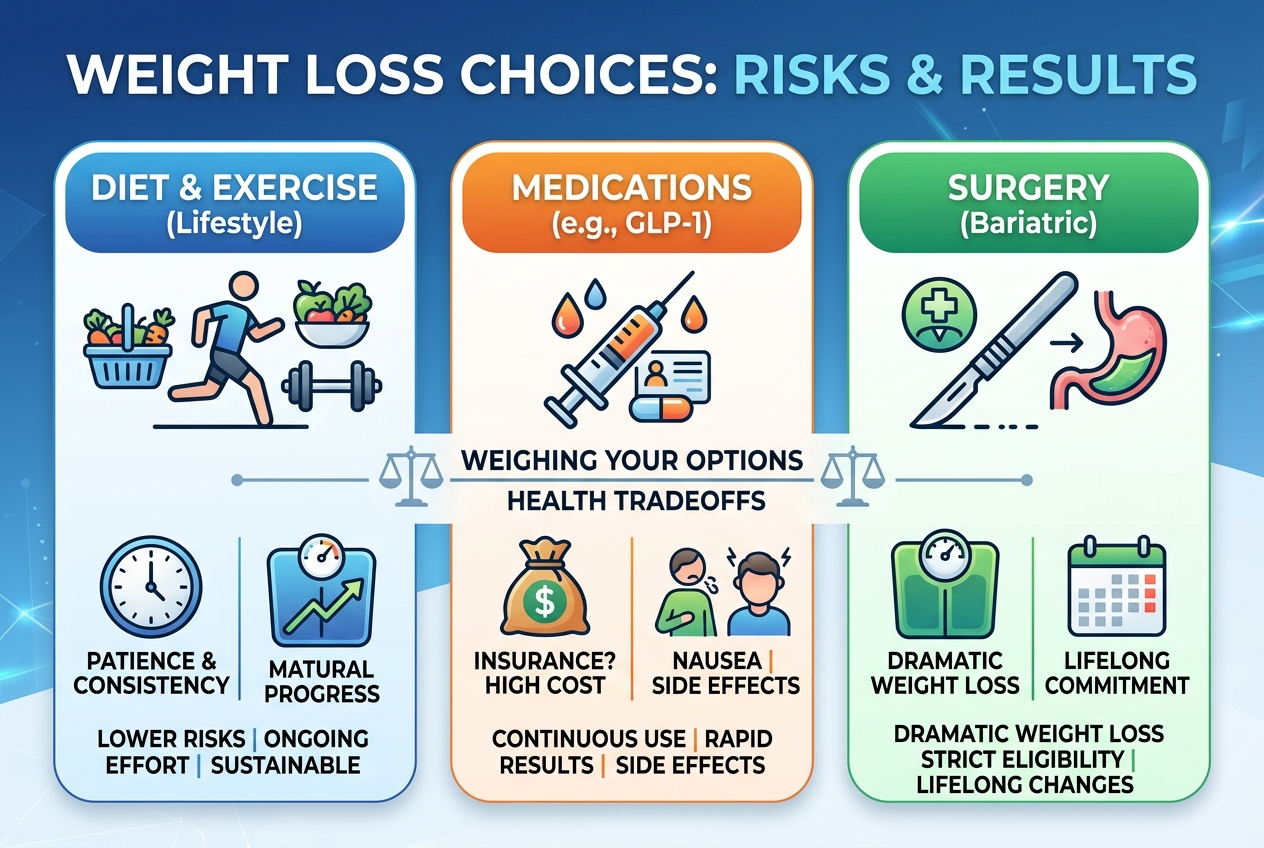
Weight Loss Choices, Real Risks, and What You Actually Get
Deciding between medication, diet and exercise, or surgery for weight loss means weighing realistic outcomes, ongoing commitments, and potential risks. Medications like GLP-1 require continuous use to maintain results but come with side effects and limited insurance coverage. Surgery offers the most dramatic weight loss but involves strict eligibility and lifelong changes, while lifestyle changes demand patience and consistency with more modest results.
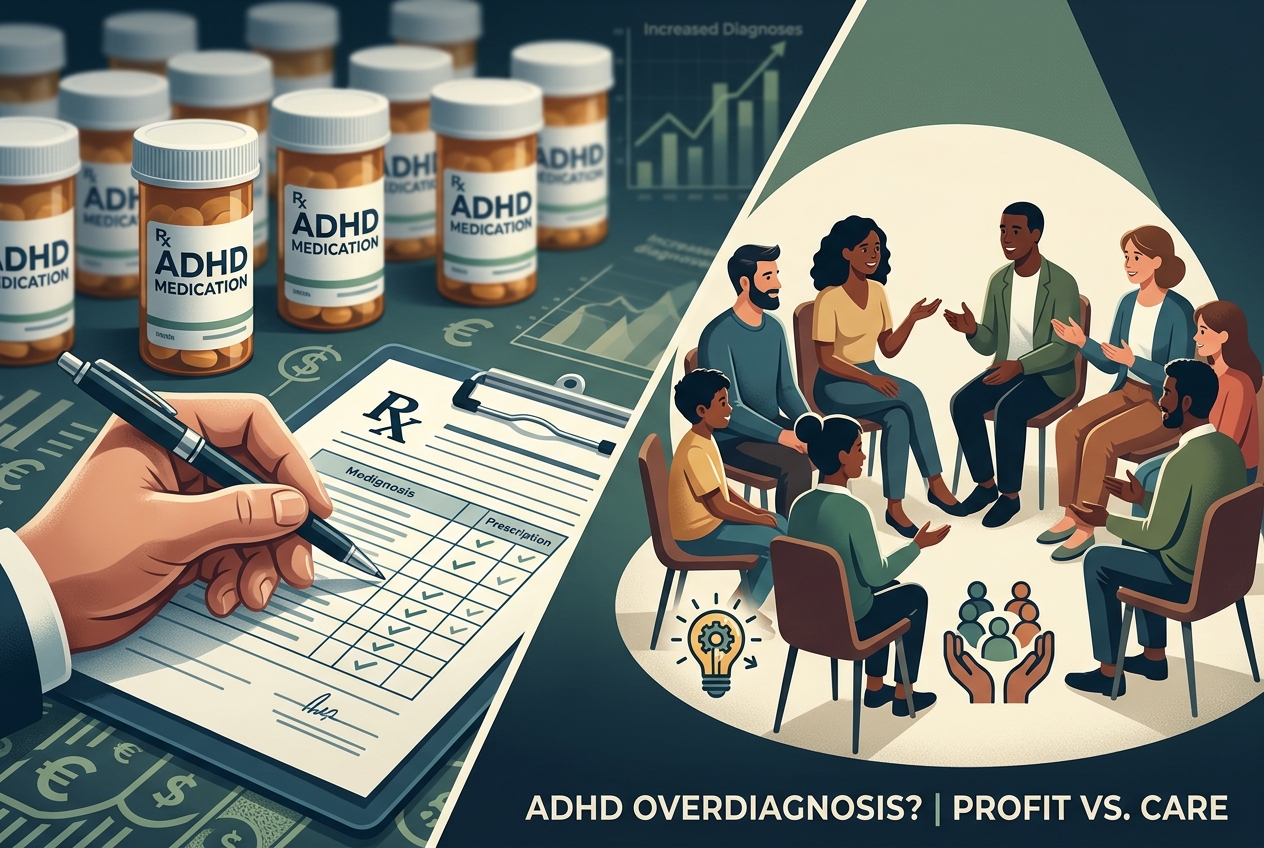
ADHD Is Overdiagnosed Because Pills Are Profitable
Rising ADHD diagnoses track less with patient need than with an industry that profits from every prescription. Against the mainstream default of medication first, this take says drug-company influence biases research and guidelines, and that community-based and behavioral approaches address root causes without pathologizing normal behavior. Skepticism toward profit-driven diagnosis is the starting point for more honest mental health care.
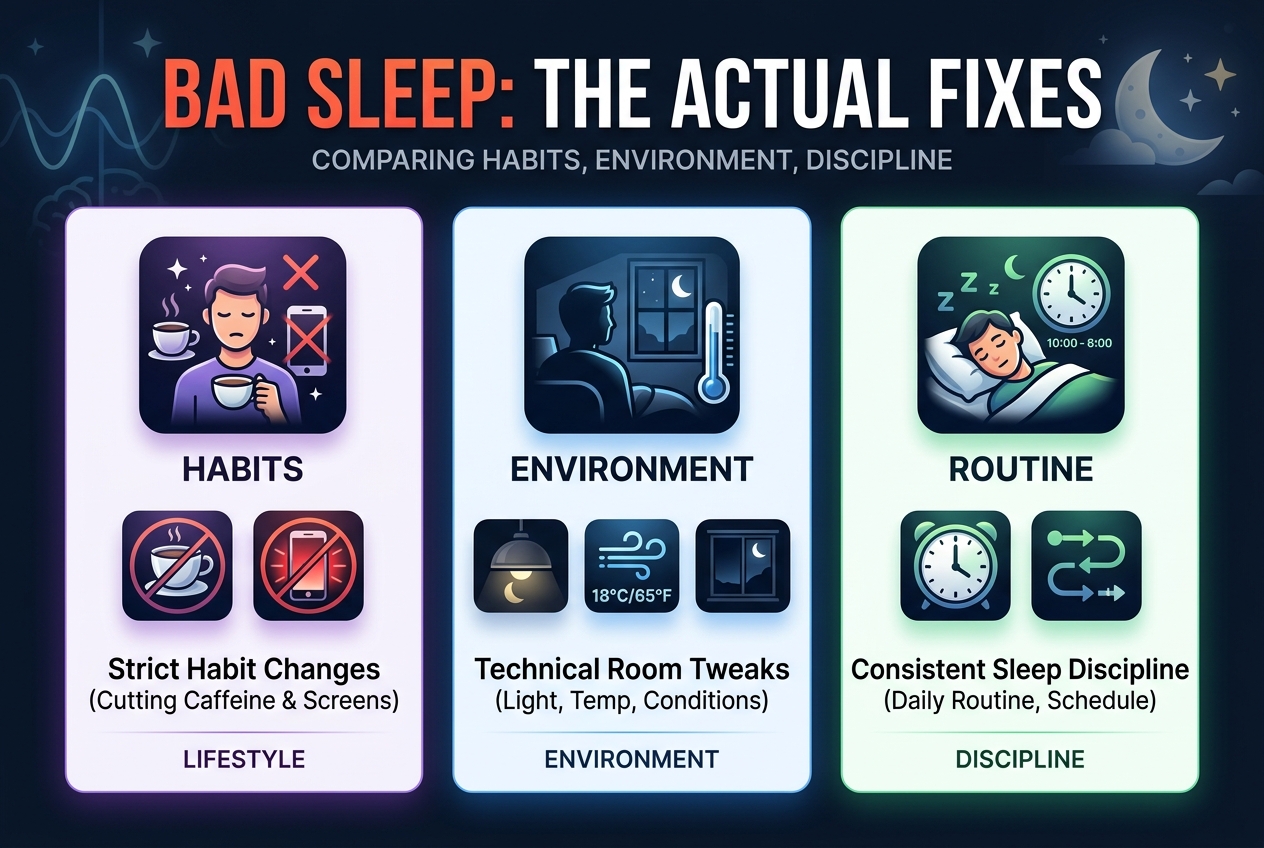
What Actually Fixes Bad Sleep
If you sleep badly, the advice you get points in different directions. Some approaches bet on strict habits like cutting caffeine and evening screens, others on technical fixes like light and room conditions, and a third on simply practicing a consistent routine until it holds. Comparing them helps you decide whether lifestyle changes, environment tweaks, or plain discipline is your fastest route to deeper nights.
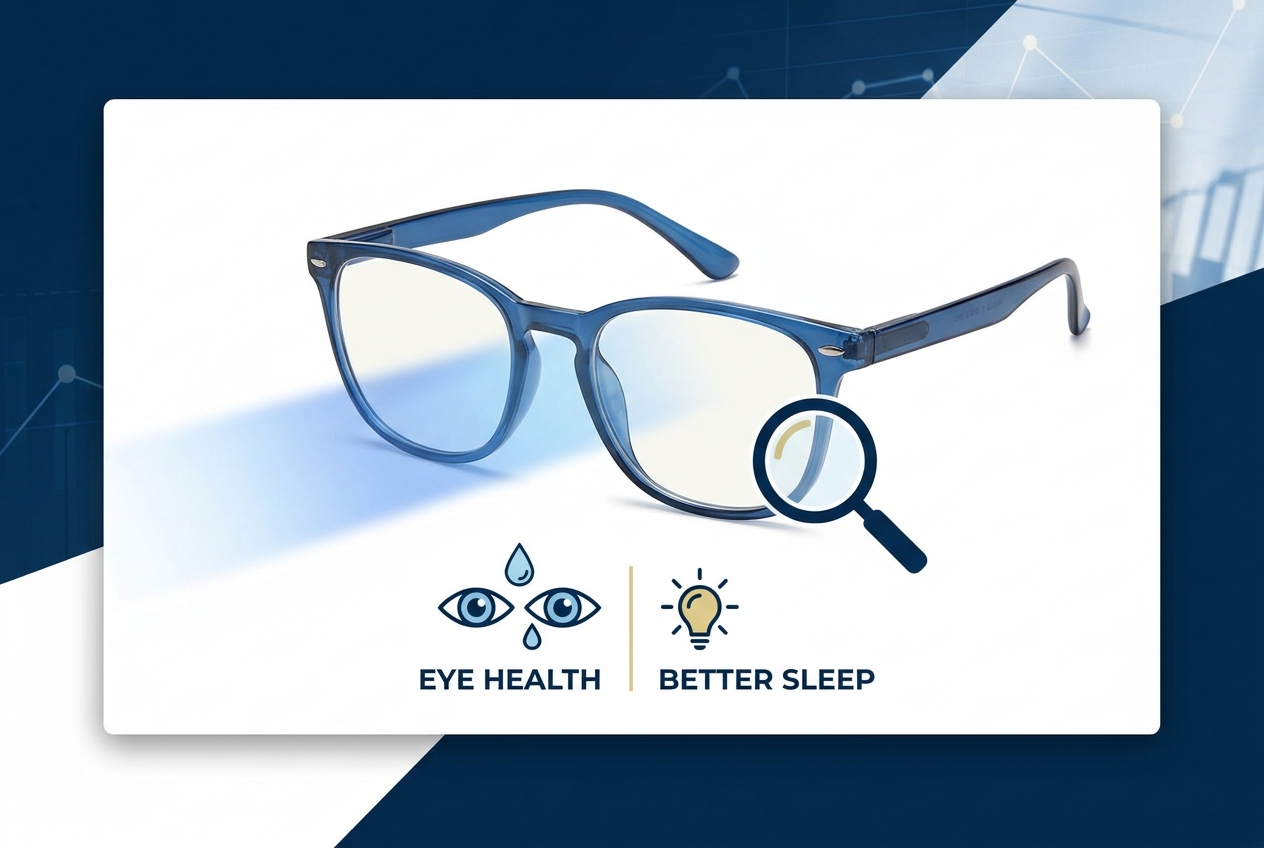
Those Blue Light Glasses Might Be Doing Nothing
Screen-weary eyes have made blue light glasses a booming product, but the evidence behind them is shakier than the marketing suggests. The views here split over whether relief really comes from treating dry eyes, fixing your desk setup, and changing screen habits before bed rather than from tinted lenses. Sort out which fixes are backed by evidence before you spend on the wrong one.
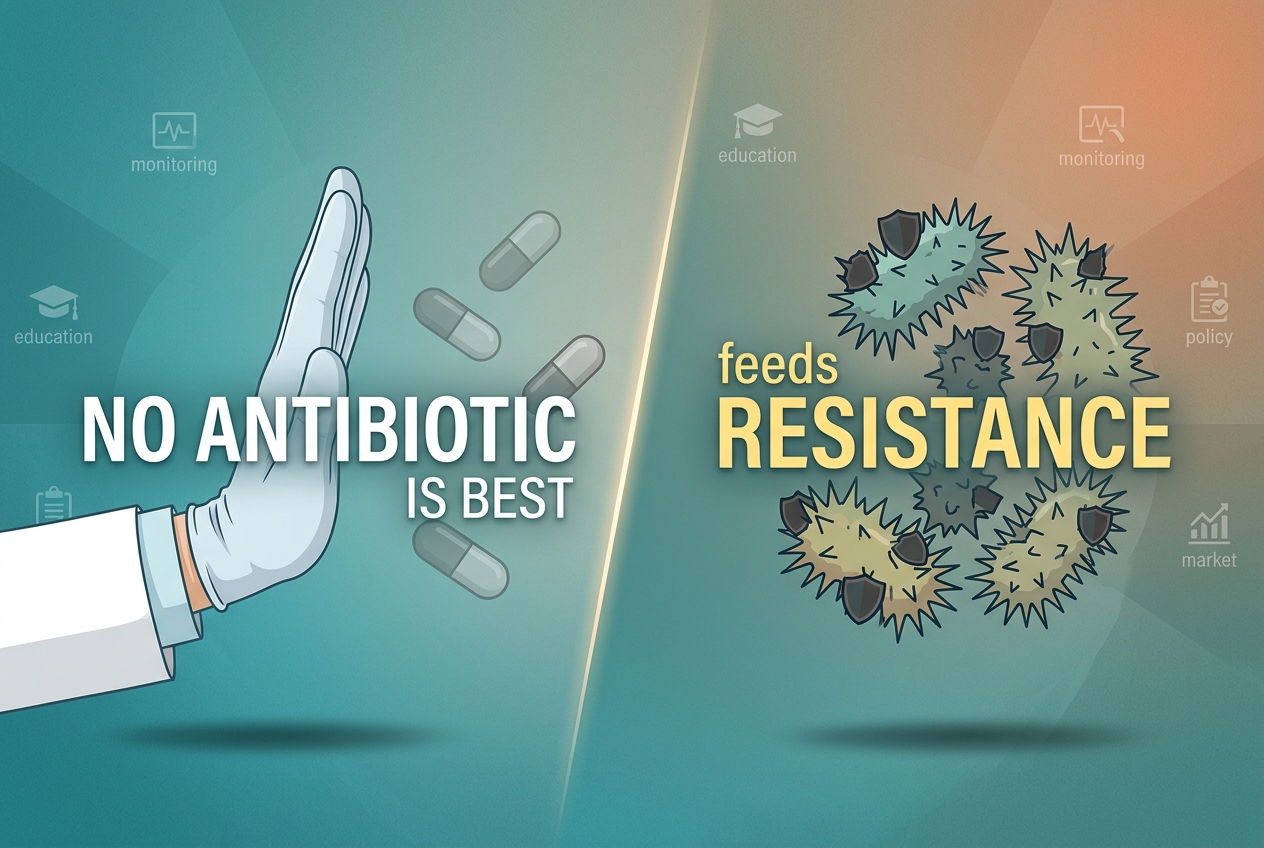
The Best Antibiotic Is Sometimes None at All
Every unnecessary antibiotic prescription feeds resistance that makes future infections harder to treat. These approaches differ on the fix: delayed prescribing, outright refusal, patient education, stewardship programs, monitoring prescribers, or repairing the broken antibiotic market. Comparing them shows where the fight against superbugs is actually won.
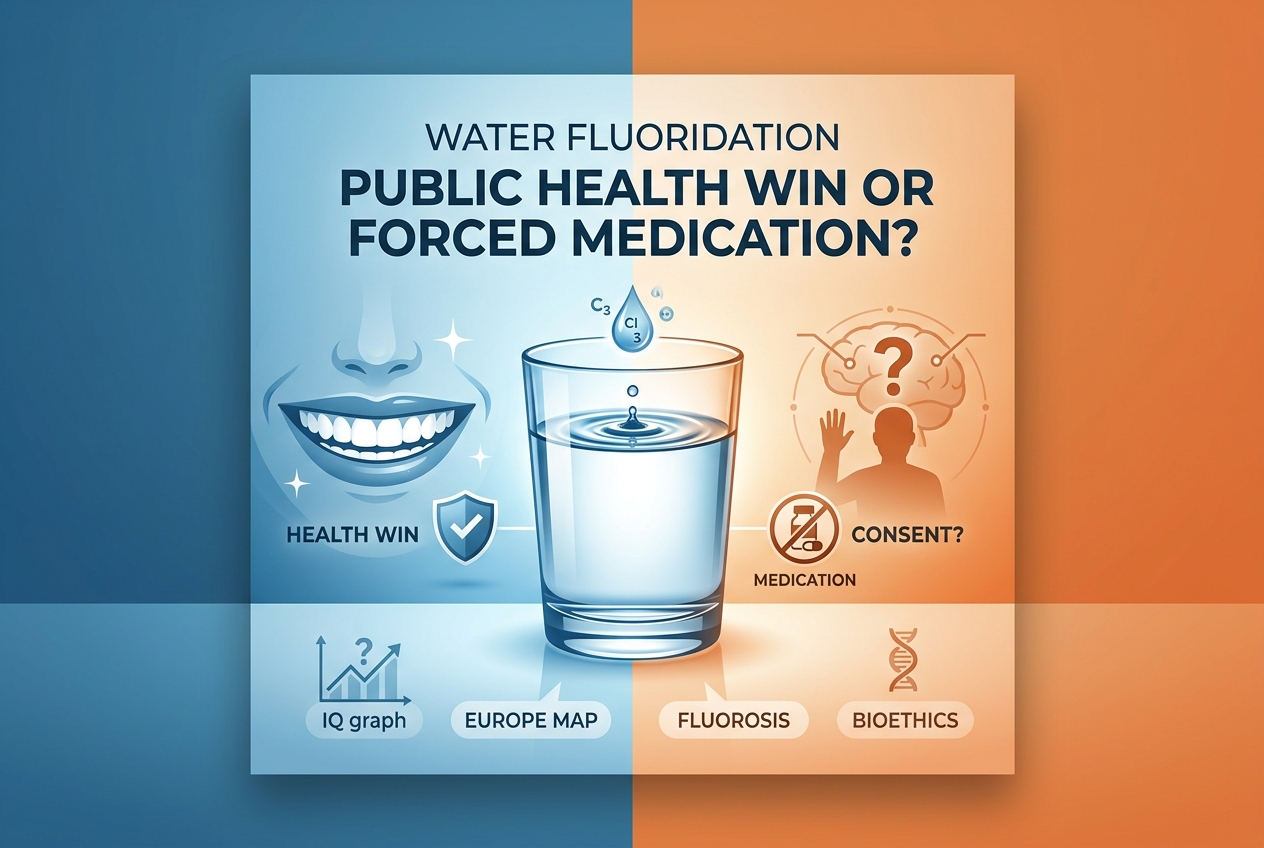
Water Fluoridation, Public Health Win or Forced Medication
Fluoride in tap water is either one of public health's great wins or mass medication without consent, depending on who you ask. These sides weigh new neurotoxicity and IQ-loss evidence, total exposure from many sources, the 0.7 mg/L level debate, and why much of Europe rejected the practice. You can weigh the science against the ethics and reach your own view.