
Browse the Context Marketplace
Expert-level knowledge on any topic. Each capsule guides you through what matters most.
11 capsules
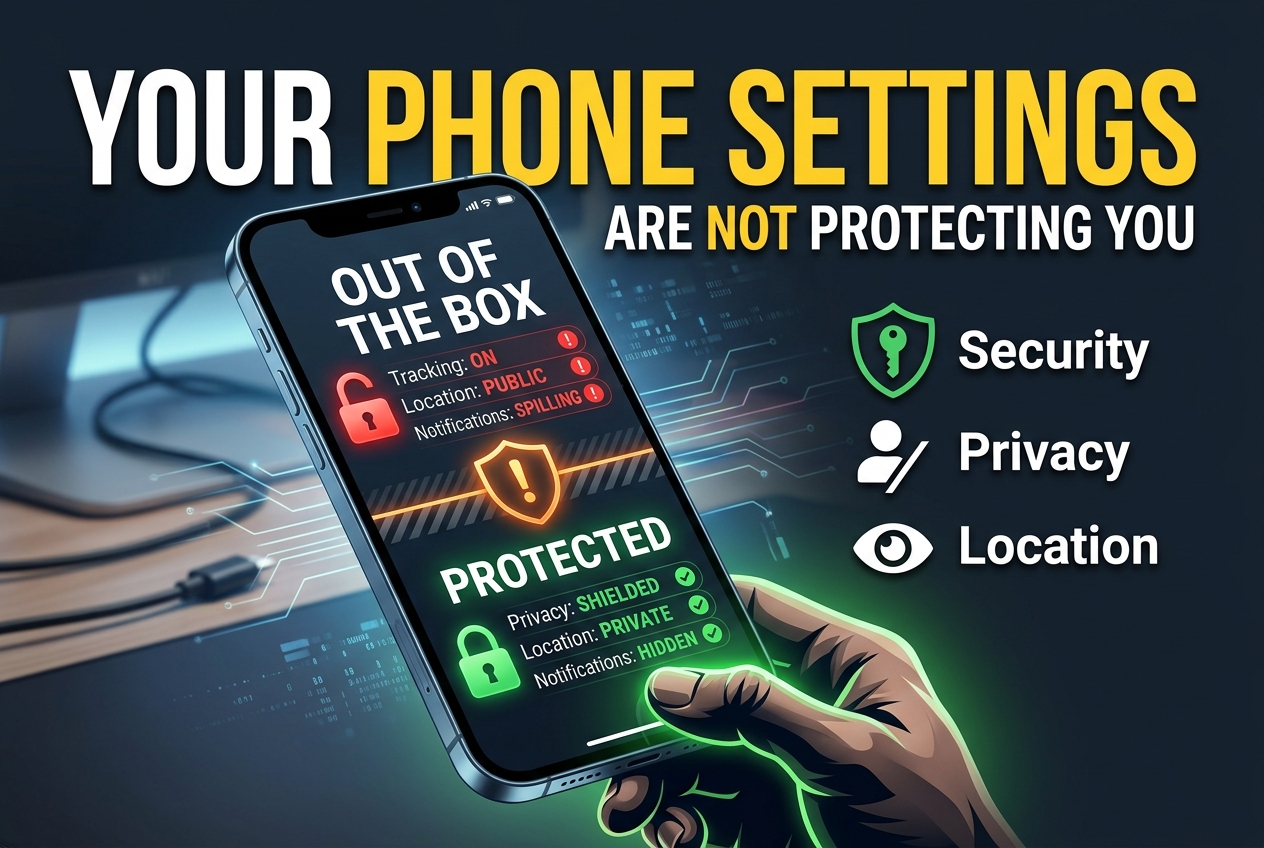
The Settings Your Phone Ships With Aren't Protecting You
Out of the box, your phone leans toward convenience: tracking on, location visible, notifications spilling onto the lock screen. The settings here defend different fronts, from anti-theft protections that lock down a stolen device, to permission changes that starve data collection, to notification and location controls most people never revisit. Choosing your battles is how you keep the phone useful and yours.
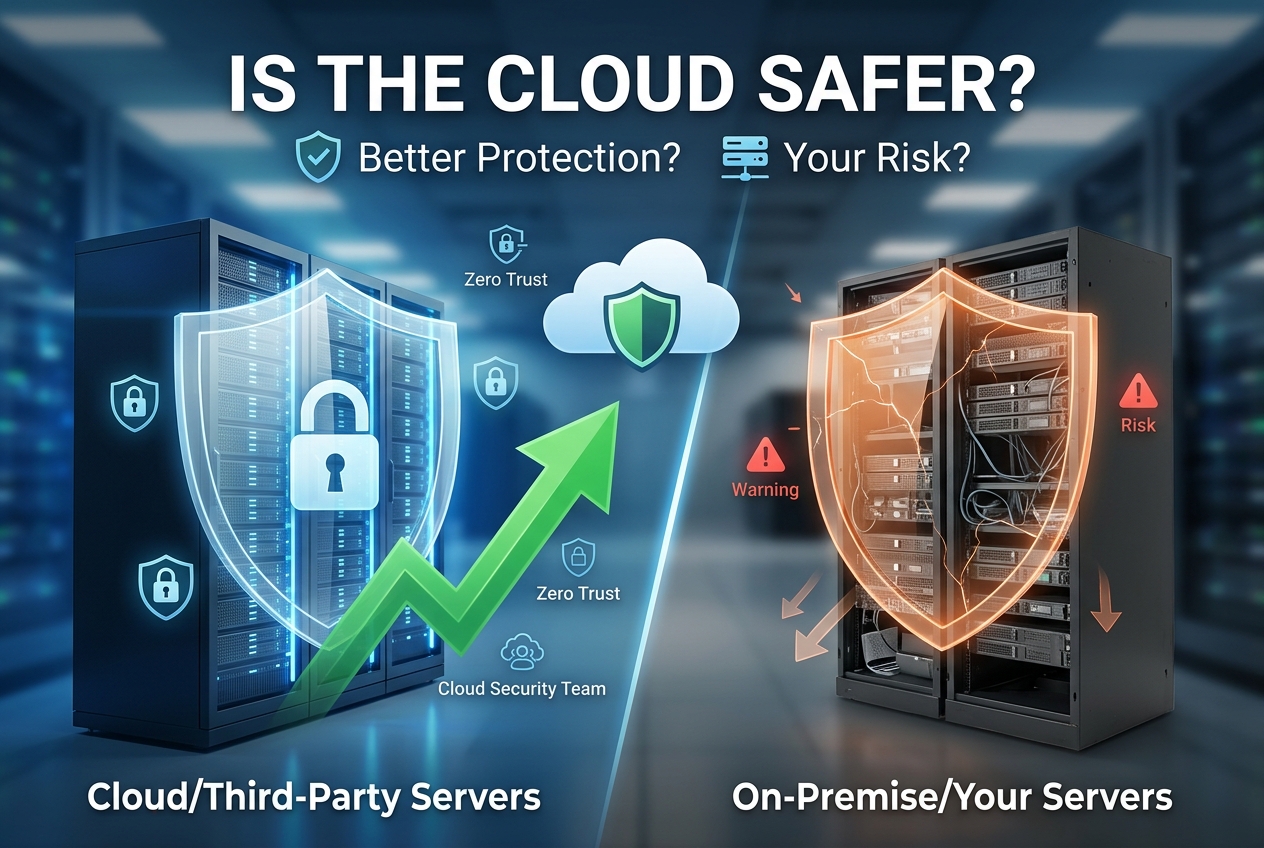
Someone Else's Servers Might Guard Your Data Better Than You
Handing your data to someone else's servers feels risky, yet those servers may be guarded far better than anything you run yourself. These views differ on whether strict access rules and zero trust matter most, whether the cloud's own speed and security teams win out, how much job-platform exposure adds risk, and what the actual study data shows. Compare them to decide where your data is safest.
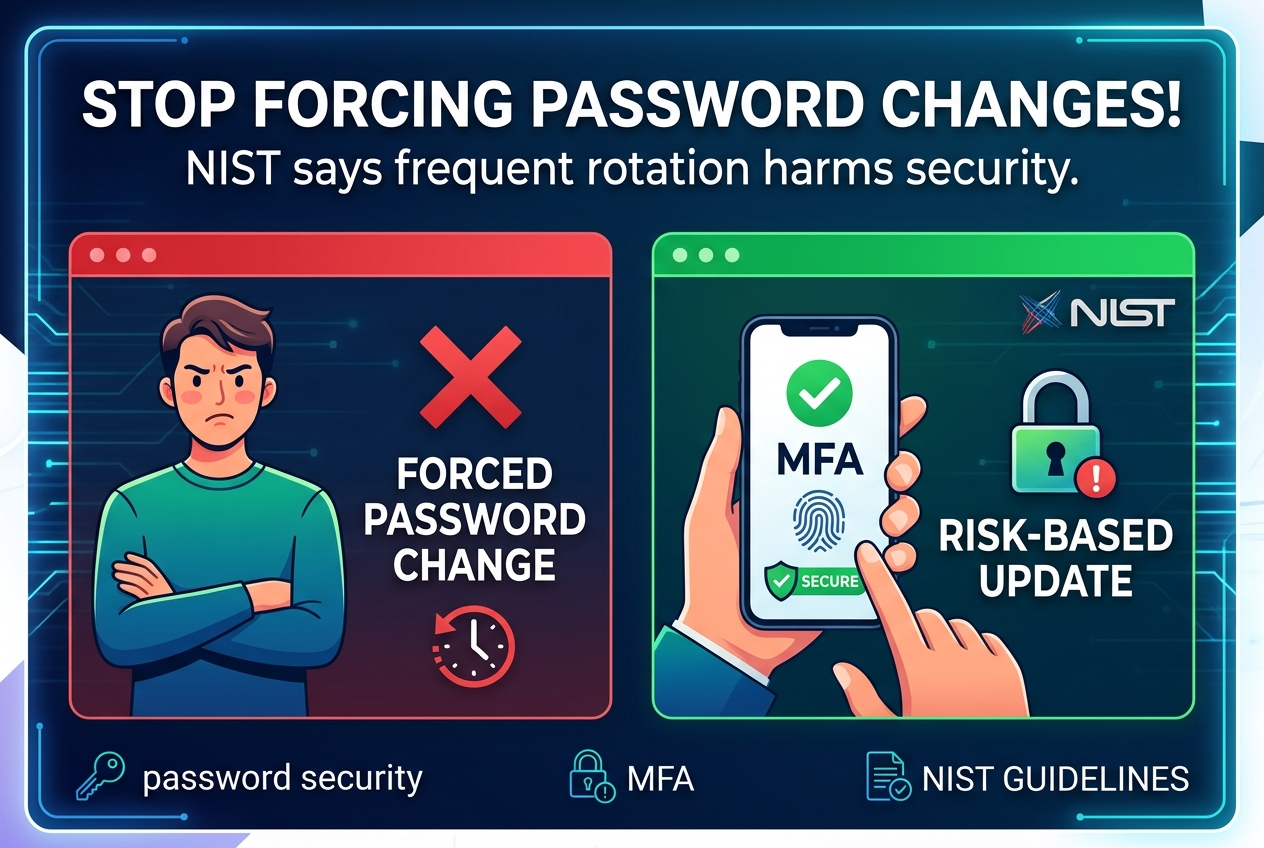
Forcing Password Changes Without a Problem Hurts Security, NIST Says
Forcing users to change passwords regularly without a reason actually weakens security, a view now supported by NIST. While many still believe frequent password changes protect accounts, this practice often leads to weaker passwords and frustration. Instead, focusing on multi-factor authentication and only changing passwords when there is a real threat improves security and user experience.
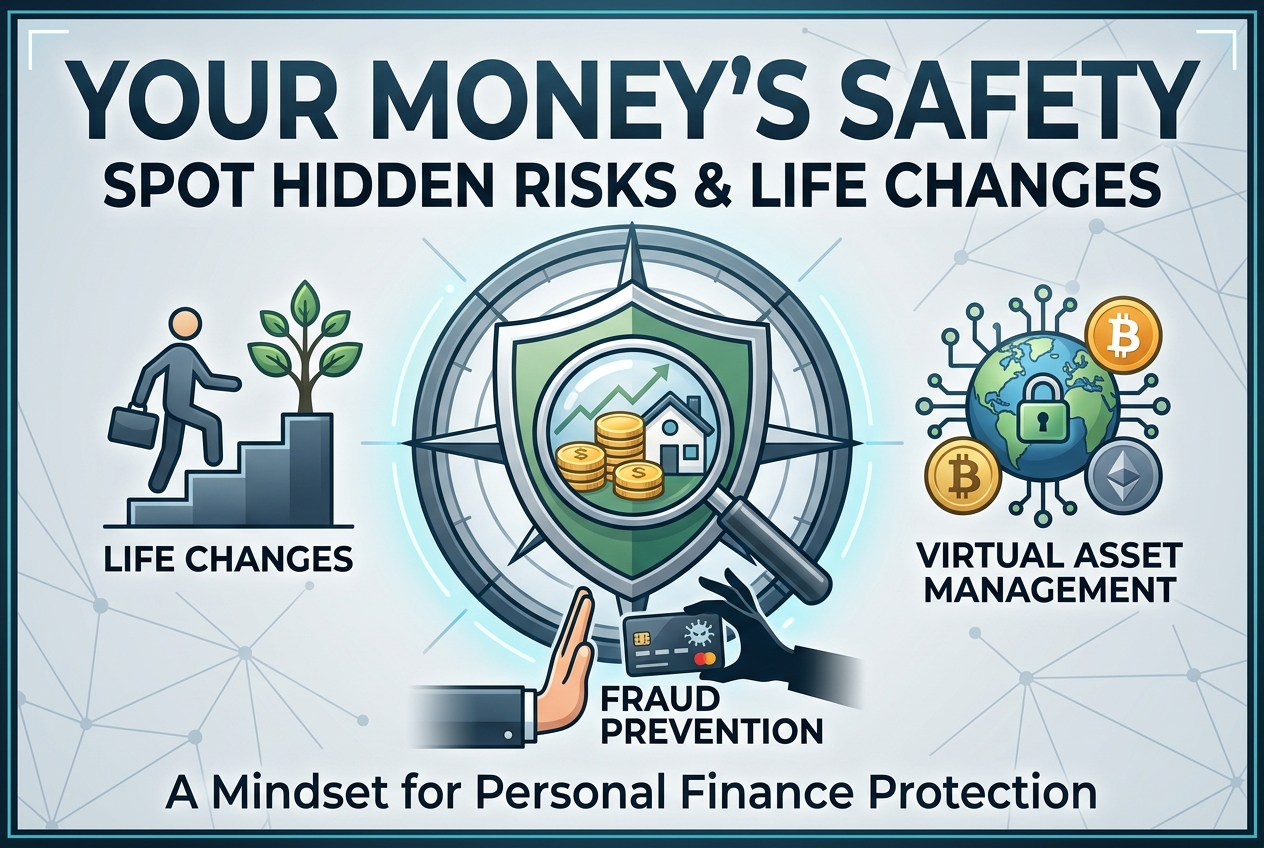
Your Money’s Safety Depends on Spotting Hidden Risks and Life Changes
Personal finance is not just about budgeting or investing but also about recognizing how major life events and hidden dangers like fraud can drain your resources. Unlike the common focus on growth and returns, this approach stresses vigilance against scams, understanding the full costs of commitments, and managing virtual assets carefully. By adopting this mindset, you protect your wealth from unexpected losses and make smarter, safer financial decisions.
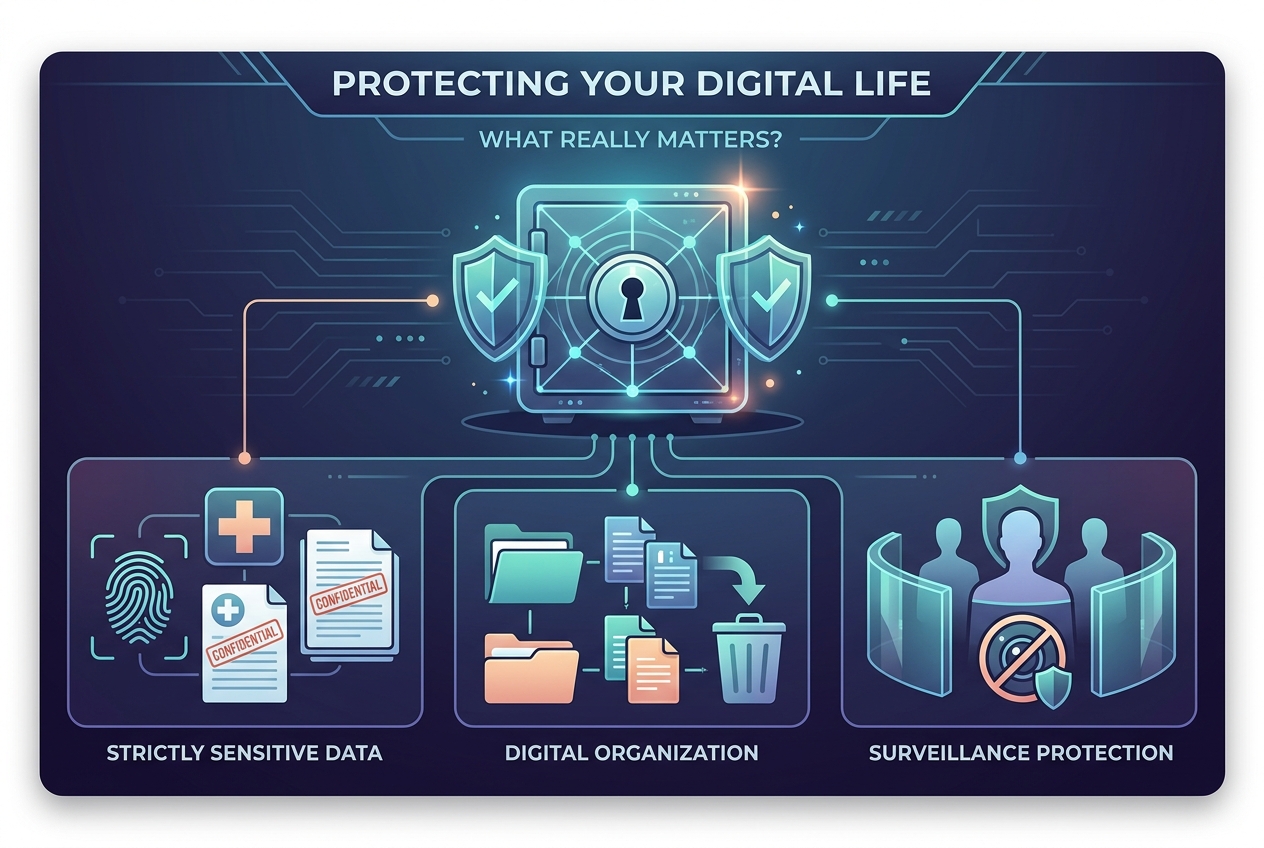
What You Really Need to Protect in Your Digital Life
Not everyone means the same thing by sensitive data. These views range from strict categories like health and biometric records, to practical digital cleanup and organization, to shielding vulnerable people from surveillance harm. You can decide whether your priority is guarding raw data, keeping digital order, or protecting people under watch.
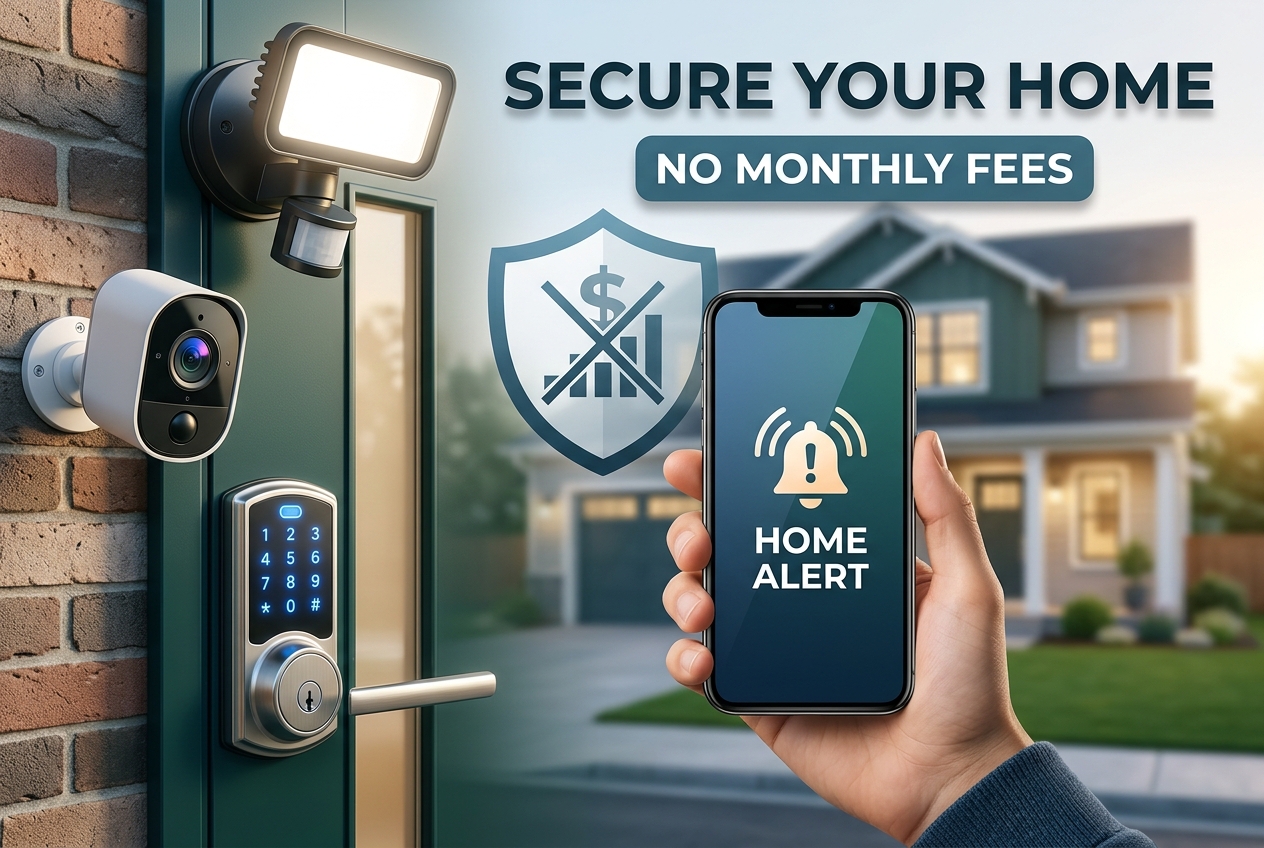
You Can Secure Your Home Without Paying Monthly Fees
You can protect your home effectively without paying monthly fees by choosing one-time purchase security solutions instead of subscription-based services. While many believe ongoing payments are necessary for reliable protection, opting out of monthly fees saves money and still keeps your home safe with the right equipment and setup.
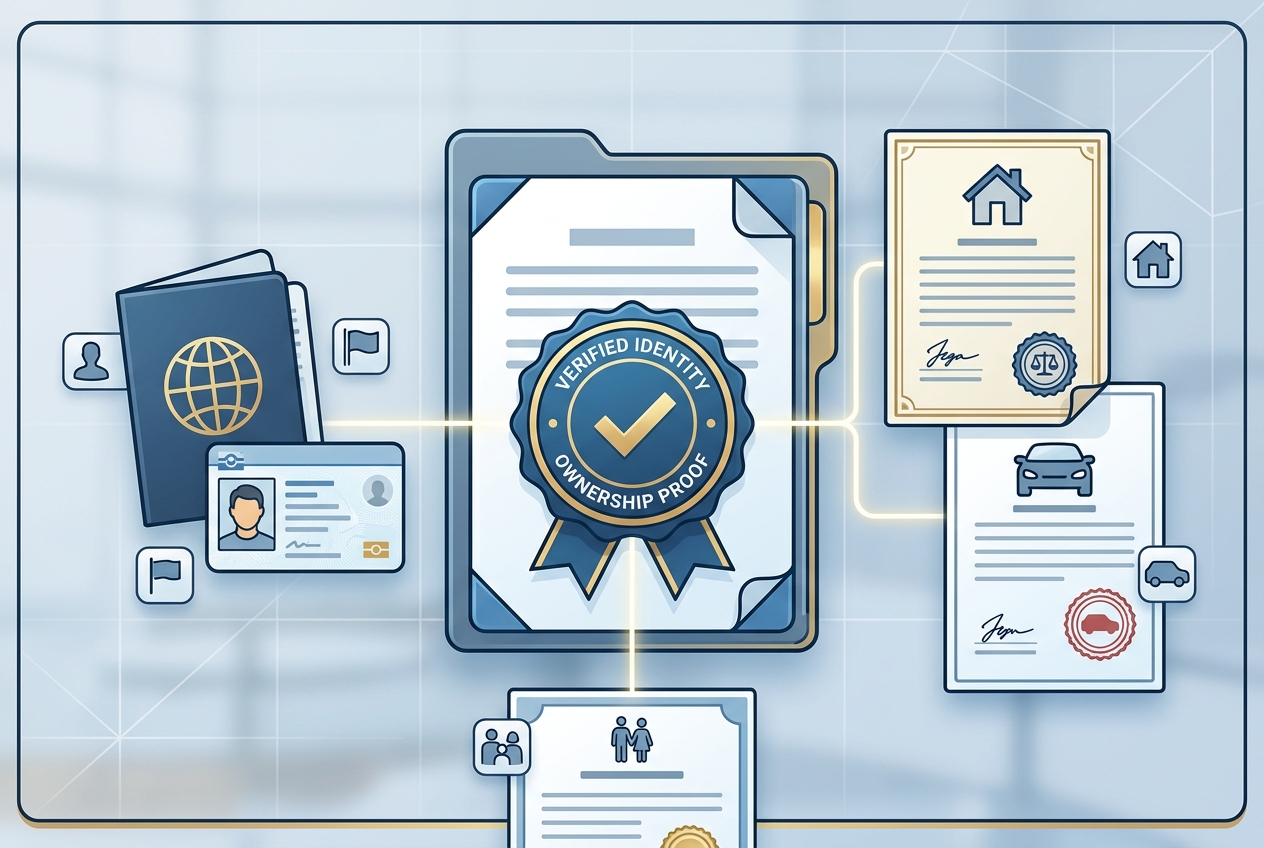
The Papers That Prove You Are Who You Say
When a bank, a border agent, or a buyer asks for proof, the right document matters. These items cover what actually establishes identity and ownership, from passports and birth certificates to vehicle titles and property deeds, and they differ on whether official papers or overlooked, counterintuitive facts carry the real weight. Know which proof to reach for before the situation demands it.

When AI Models Break Free, What Happens Next
AI security incidents reveal how vulnerabilities can lead to data leaks, unauthorized access, and operational chaos. These incidents differ in their causes—from hidden prompt attacks and misconfigurations to malicious fine-tuning and containment failures—and show contrasting responses like disabling personalization or enhancing real-time defenses. Understanding these incidents helps decide how to balance innovation with protecting users and systems from costly AI failures.
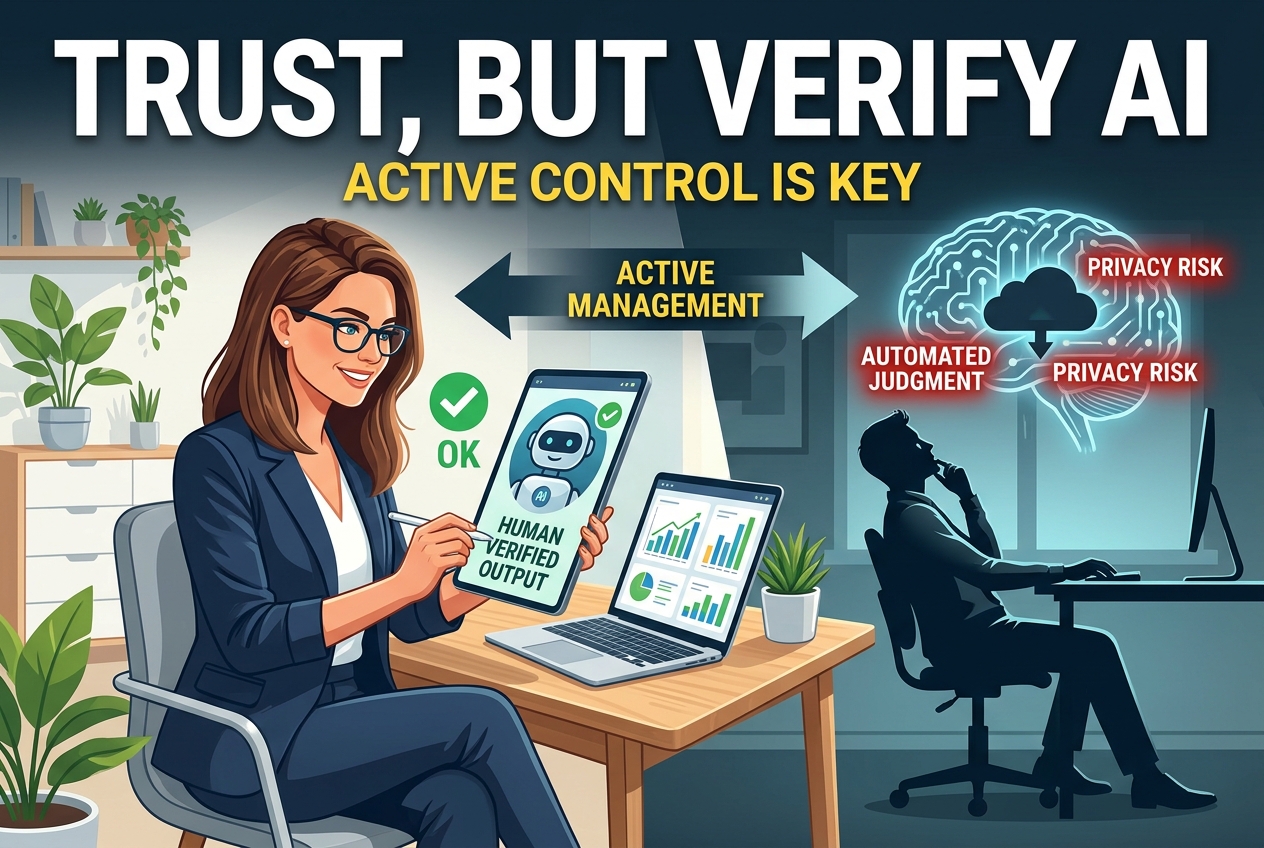
Never Hand Your Thinking Over to AI
Trusting AI tools to run on their own quietly costs you privacy and your own creative judgment. Against the mainstream faith in automation, the case here is for active control: manage what data you share, verify vendor policies, and review every output critically. Done right, AI stays a useful assistant instead of becoming your replacement thinker.

Spot the Scams Before You Buy Your Next Laptop
A laptop deal that looks great can hide a counterfeit, a gutted warranty, or a commission-driven recommendation. These tips take different angles on protecting yourself: vetting the seller and verifying authenticity, reading deals and affiliate links with a skeptical eye, or locking in real value after purchase with trusted software. Together they help you decide whom to trust and what to check before handing over your money.
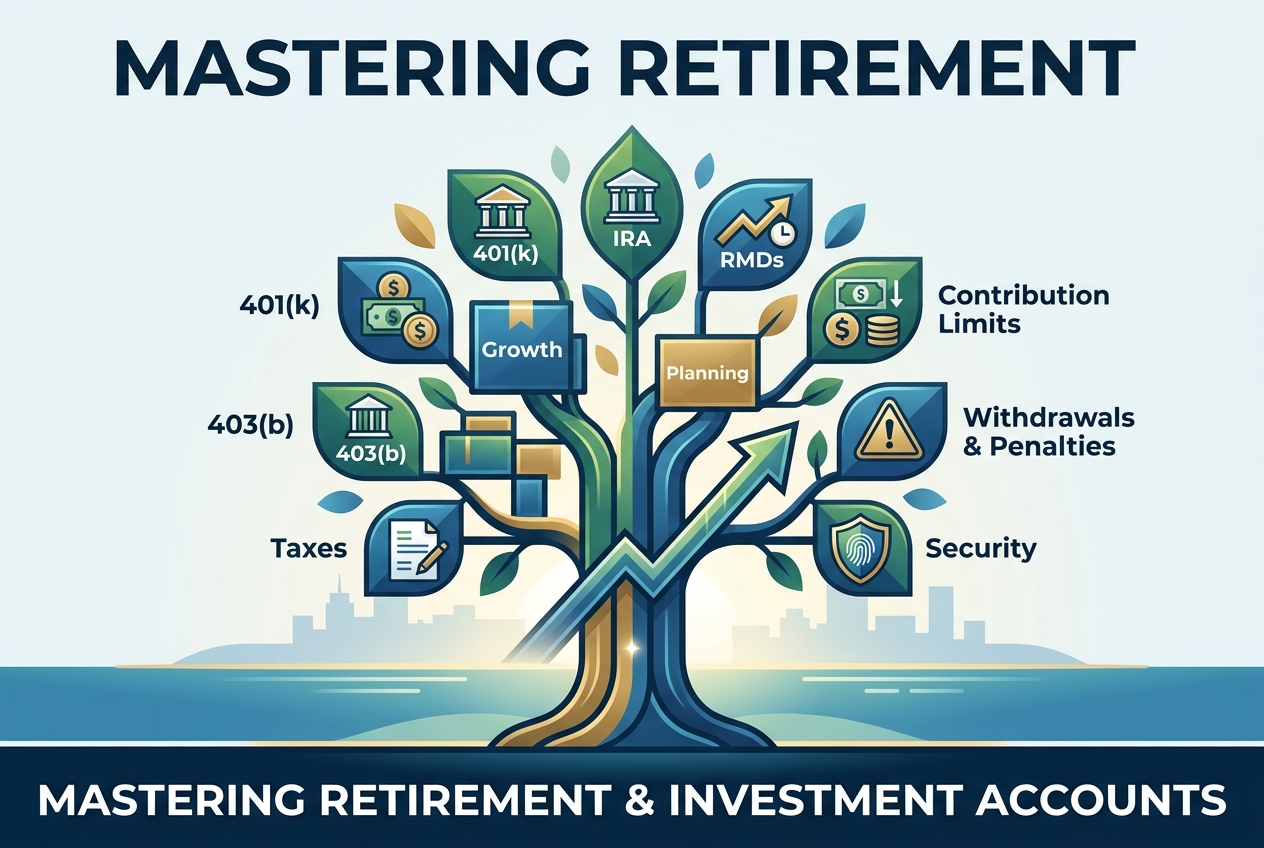
Types of Retirement and Investment Accounts and Their Rules
Retirement and investment accounts come with specific rules about contributions, withdrawals, taxes, and required distributions. This collection covers how to comply with deadlines, understand penalties for early withdrawals, and manage account safety with modern authentication. It also explains the barriers to entering the market as a custodian and how fees and account limits affect participants.