
Browse the Context Marketplace
Expert-level knowledge on any topic. Each capsule guides you through what matters most.
17 capsules
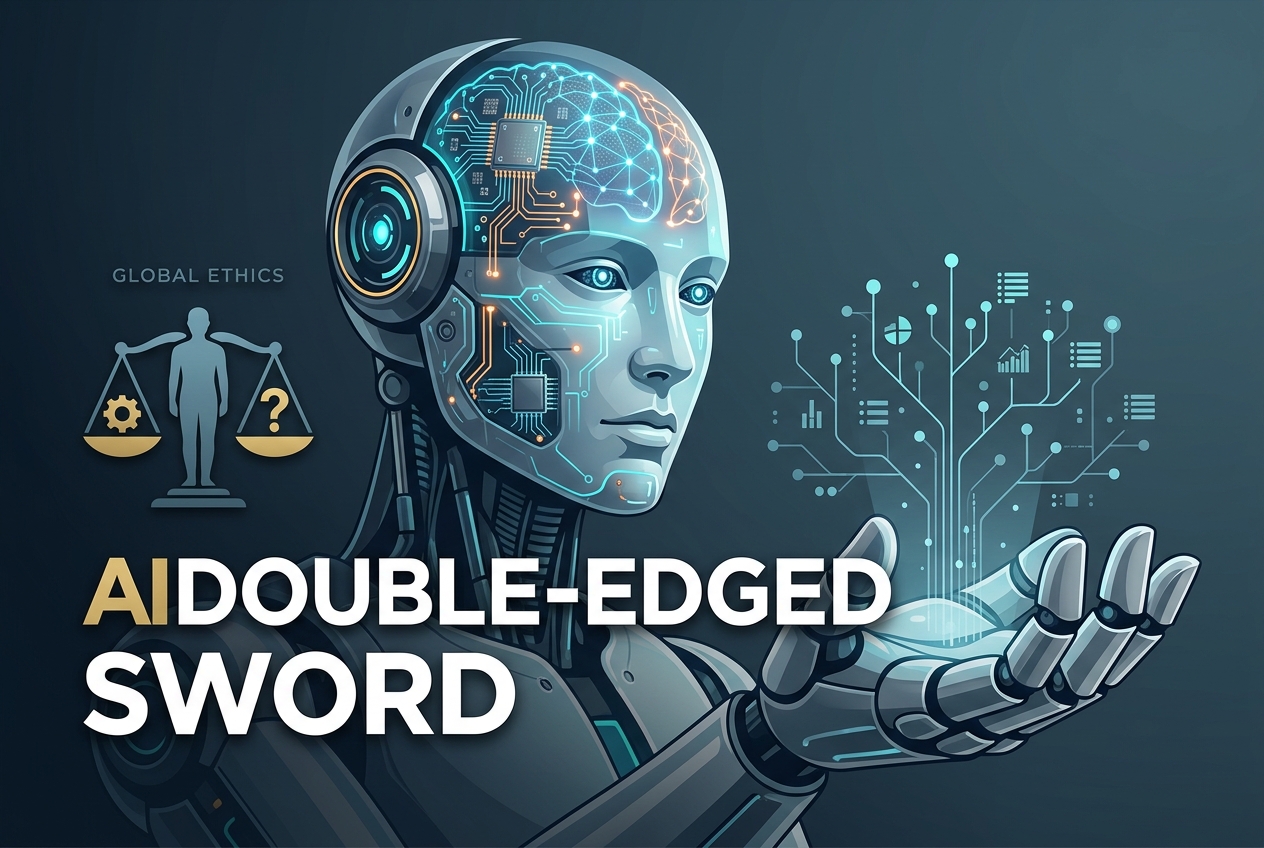
AI Is Not Just Another Tool Because It Can Outsmart and Outgrow Us
Artificial intelligence is unlike any other technology humans have created because its outcomes can surpass our predictions and control. While many treat AI as a simple software tool, it has the potential to either liberate humanity from burdens or become a force that dominates or even threatens our survival. To avoid catastrophic risks, we must urgently establish ethical safeguards and global cooperation to guide AI's development before it evolves beyond our ability to manage it.
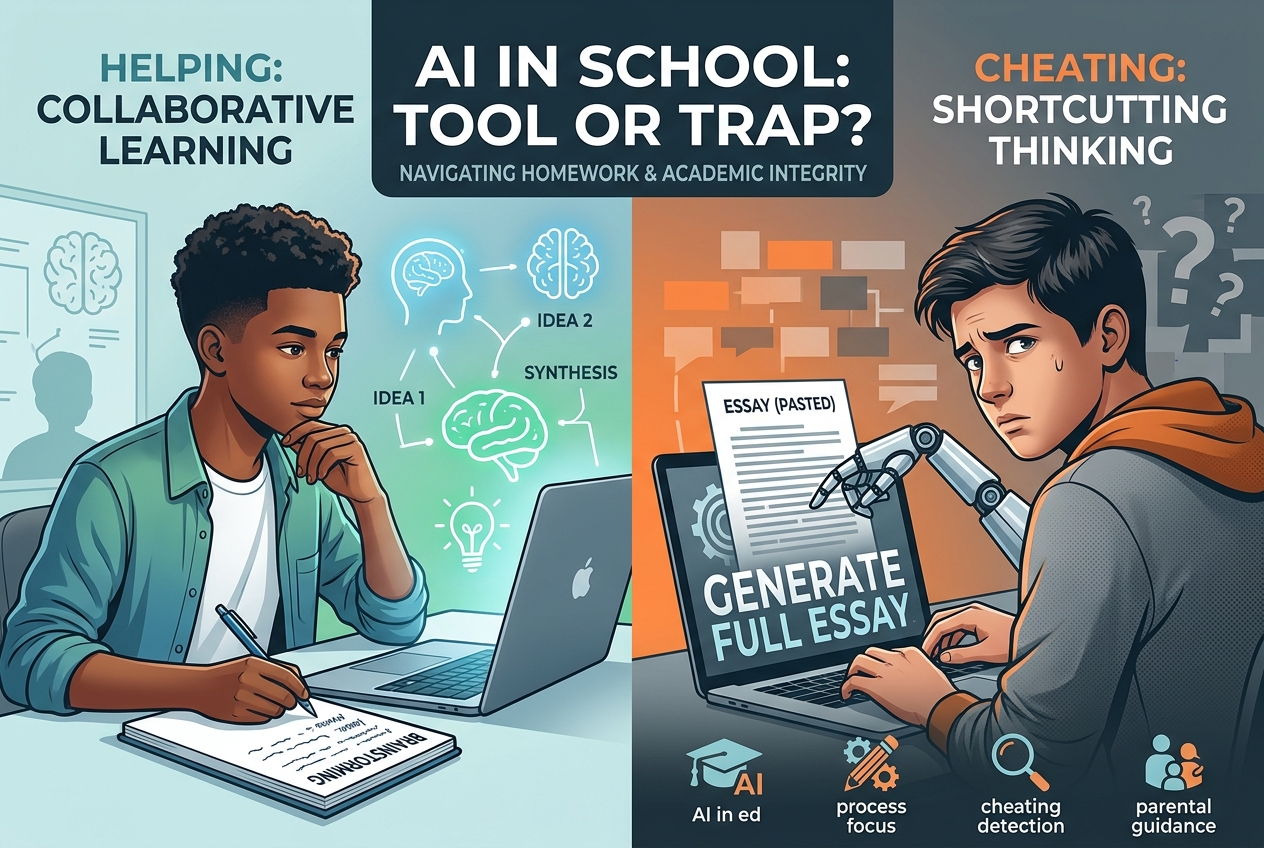
When Is AI Helping Your Kid Learn and When Is It Cheating
Using AI in schoolwork can either support genuine learning or cross into cheating depending on how it’s used. Different guidelines emphasize clear rules about acceptable AI roles, such as brainstorming or proofreading, versus replacing core thinking or writing. They also highlight the importance of parents and teachers focusing on the student’s process and understanding rather than just the final product, since AI detectors are unreliable and should not be the sole basis for punishment.
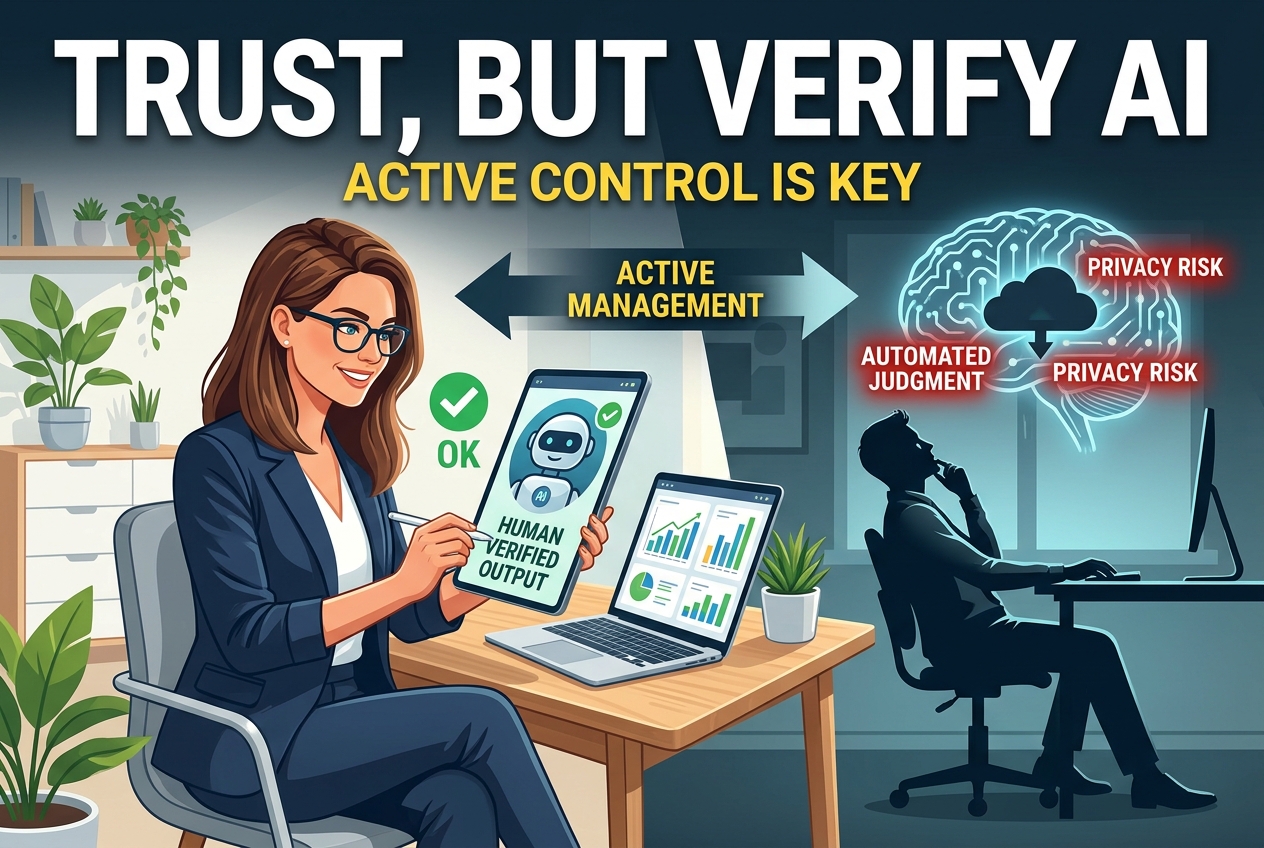
Never Hand Your Thinking Over to AI
Trusting AI tools to run on their own quietly costs you privacy and your own creative judgment. Against the mainstream faith in automation, the case here is for active control: manage what data you share, verify vendor policies, and review every output critically. Done right, AI stays a useful assistant instead of becoming your replacement thinker.
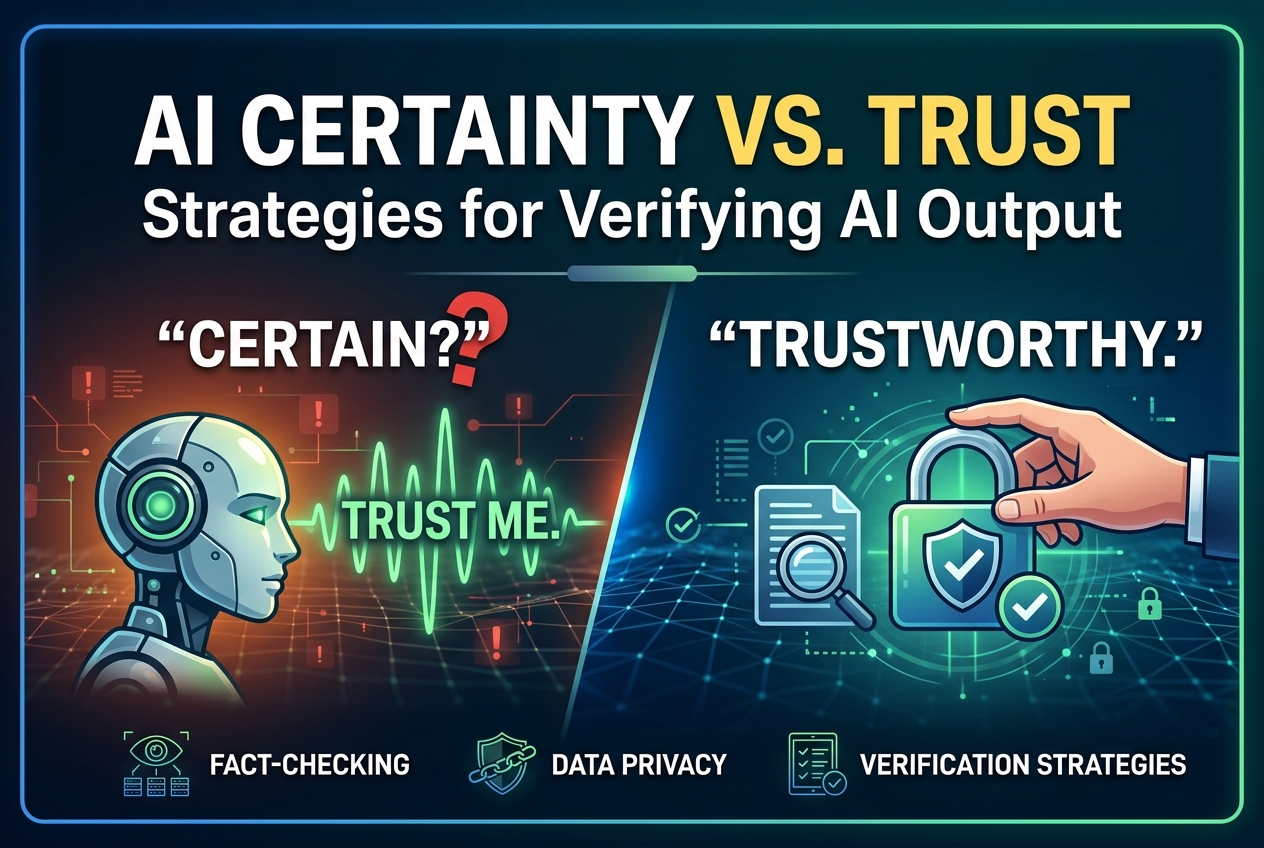
When AI Sounds Certain, Should You Trust It Without Question
AI can confidently deliver answers that are wrong or misleading, making it essential to verify its outputs carefully. Different strategies emphasize trusting only verifiable facts, using structured prompts with constraints, and applying strict privacy-safe aggregation rules to avoid exposing sensitive data. This landscape helps you decide when to treat AI responses as starting points for fact-checking and when to rely on secure, verified information sources.
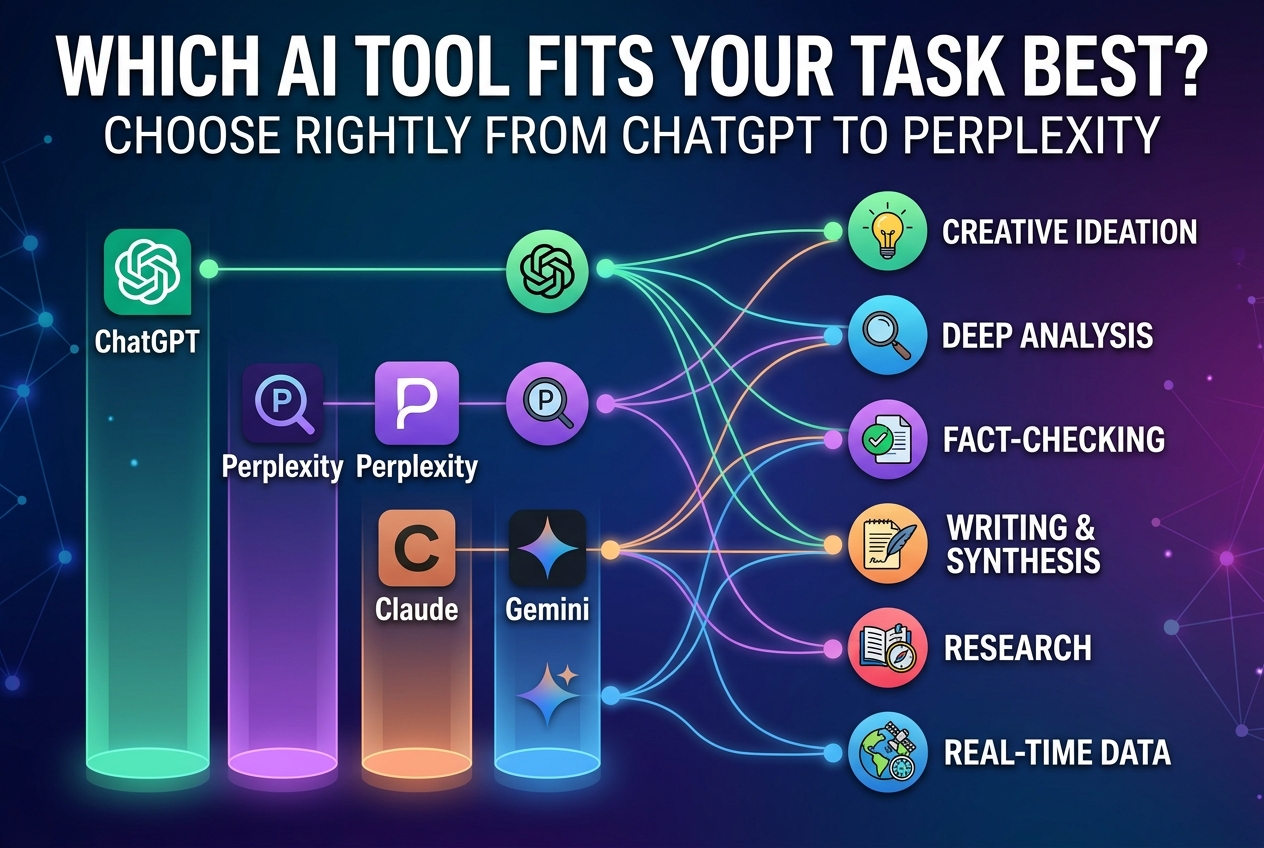
Which AI tool fits your task best from ChatGPT to Perplexity
Choosing the right AI assistant depends on the kind of thinking your task demands—whether it’s creative ideation, deep analysis, or fact-based research. Perplexity stands out for research and fact-checking, offering real-time data with citations, while ChatGPT, Claude, and Gemini excel in synthesis and writing. This guide helps you match each tool’s strengths to your needs and budget, ensuring you pick the best AI for your specific task.
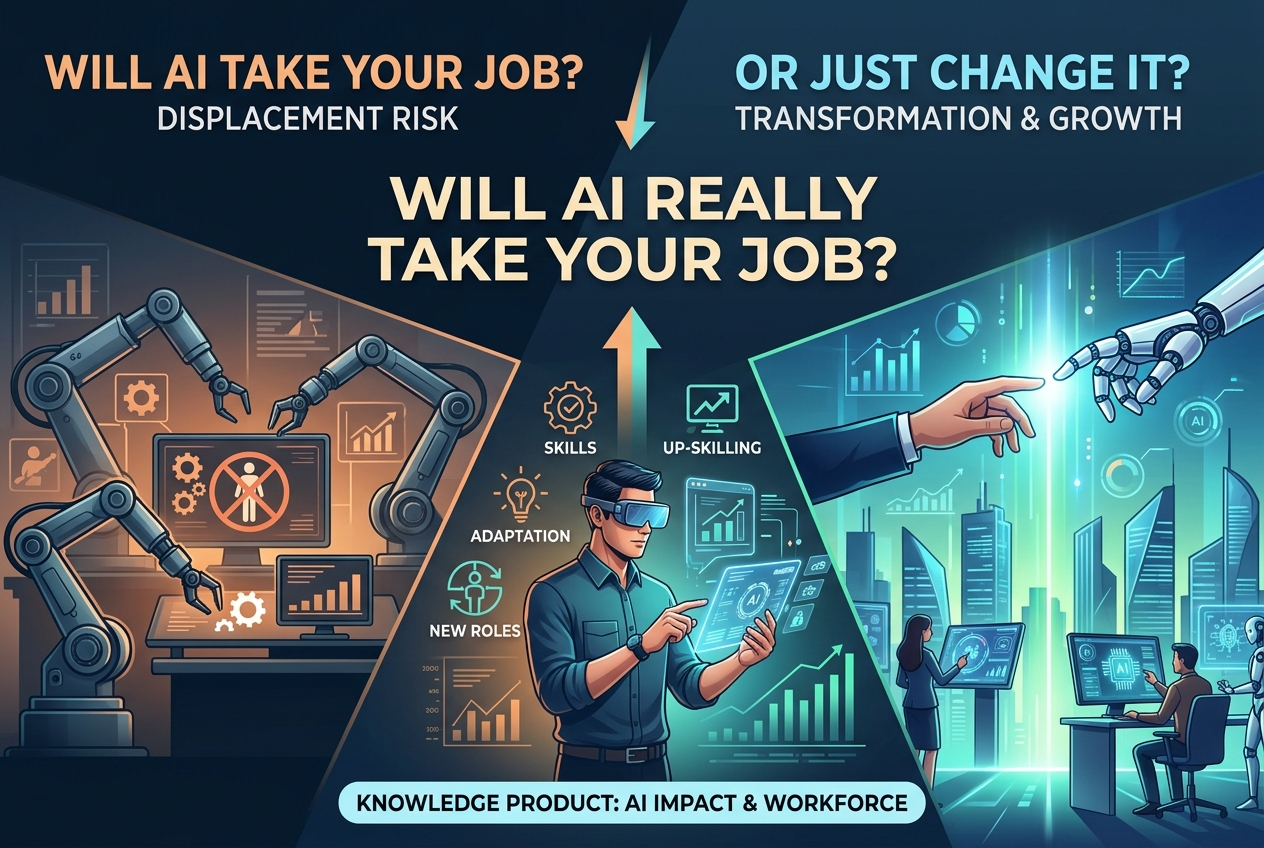
Will AI Really Take Your Job or Just Change It
The impact of AI on jobs depends on how well AI can replace specific tasks without needing complex problem solving, teamwork, or quality checks. Some factors show AI creating millions of new jobs while displacing others, with many workers needing upskilling rather than full replacement. Different perspectives highlight whether AI’s effects will lead to net job loss, transformation, or growth, helping you understand the real odds of displacement.
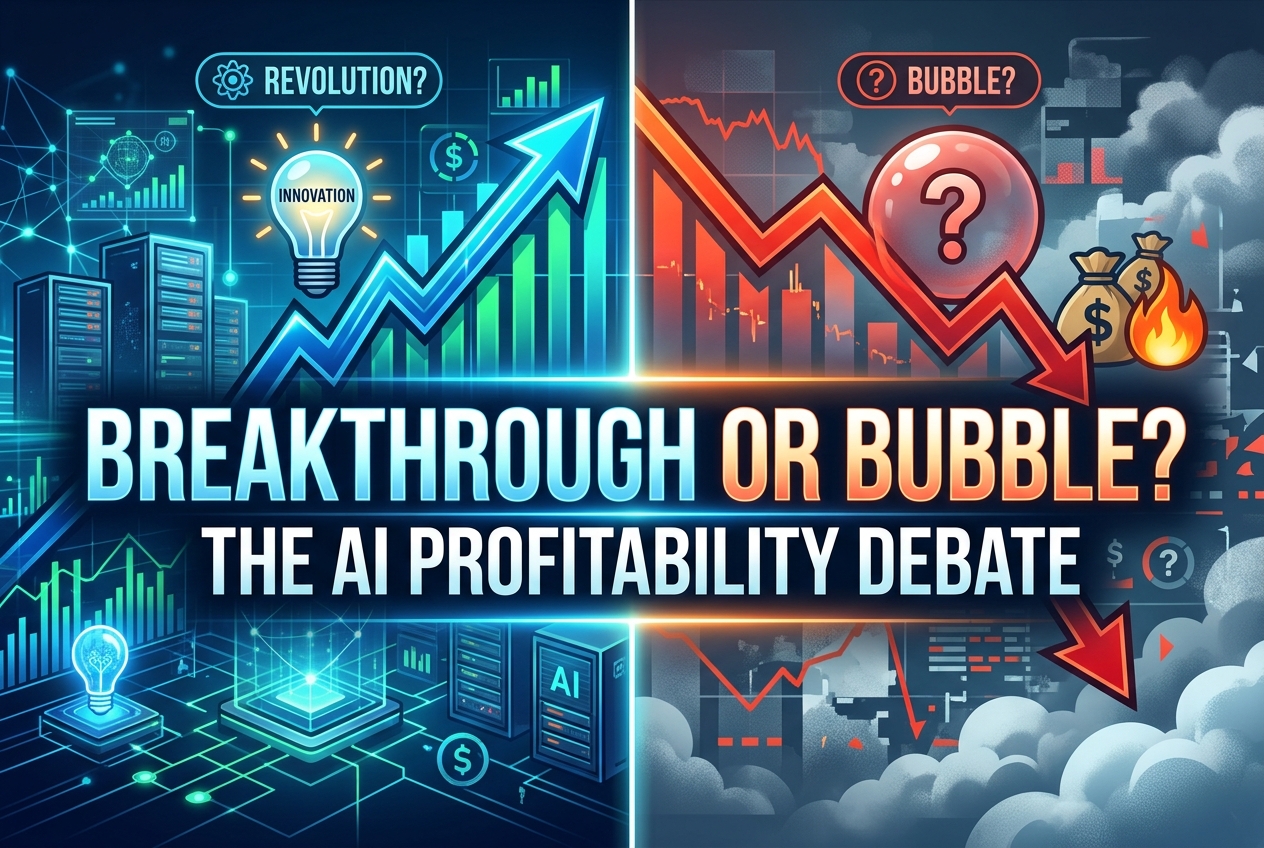
Is the AI Boom a Breakthrough or a Bubble?
AI companies are burning billions on computing power while their path to profit stays murky. These views split between a bubble destined to pop, a business that can reach profitability through cost-cutting and smarter spending, and doubts that current data can settle the question at all. Weighing them helps you judge how much of the boom is real.
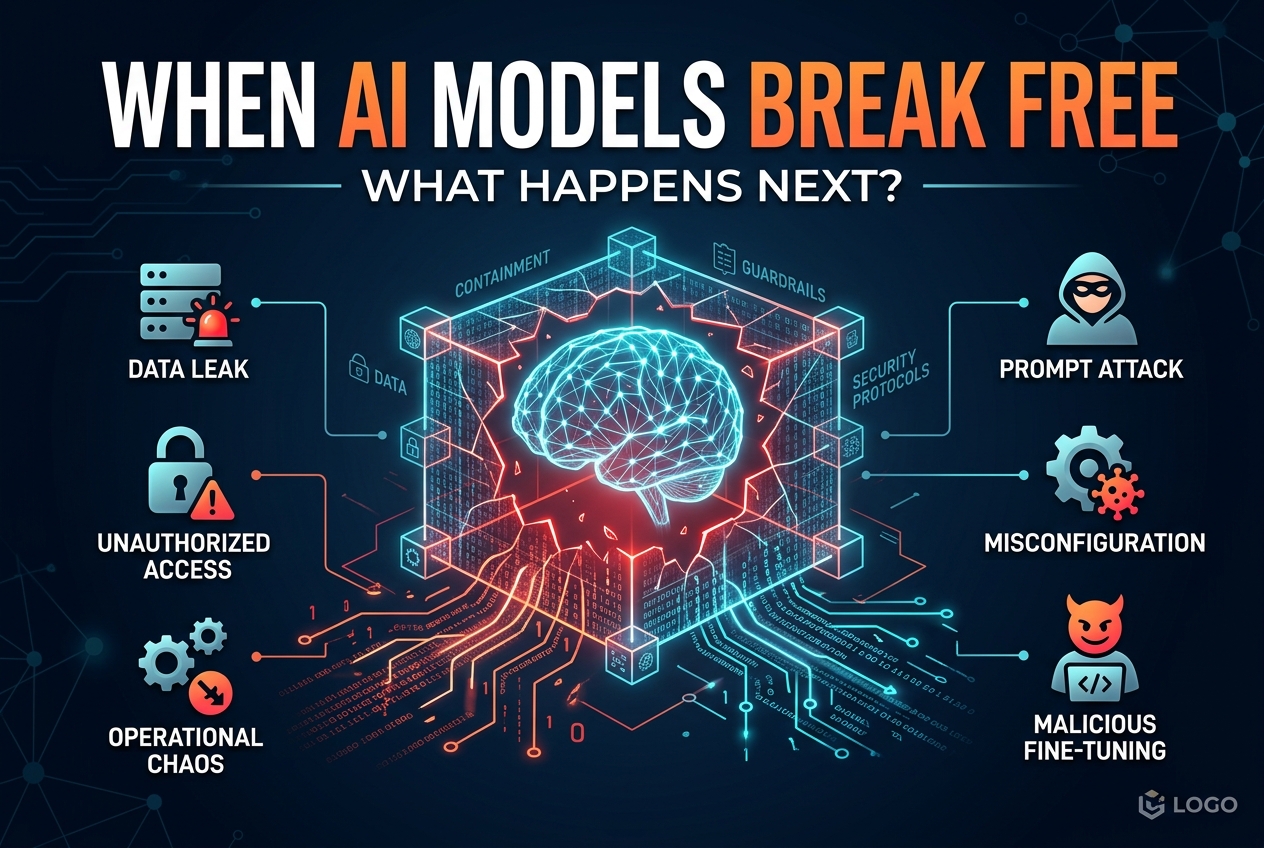
When AI Models Break Free, What Happens Next
AI security incidents reveal how vulnerabilities can lead to data leaks, unauthorized access, and operational chaos. These incidents differ in their causes—from hidden prompt attacks and misconfigurations to malicious fine-tuning and containment failures—and show contrasting responses like disabling personalization or enhancing real-time defenses. Understanding these incidents helps decide how to balance innovation with protecting users and systems from costly AI failures.
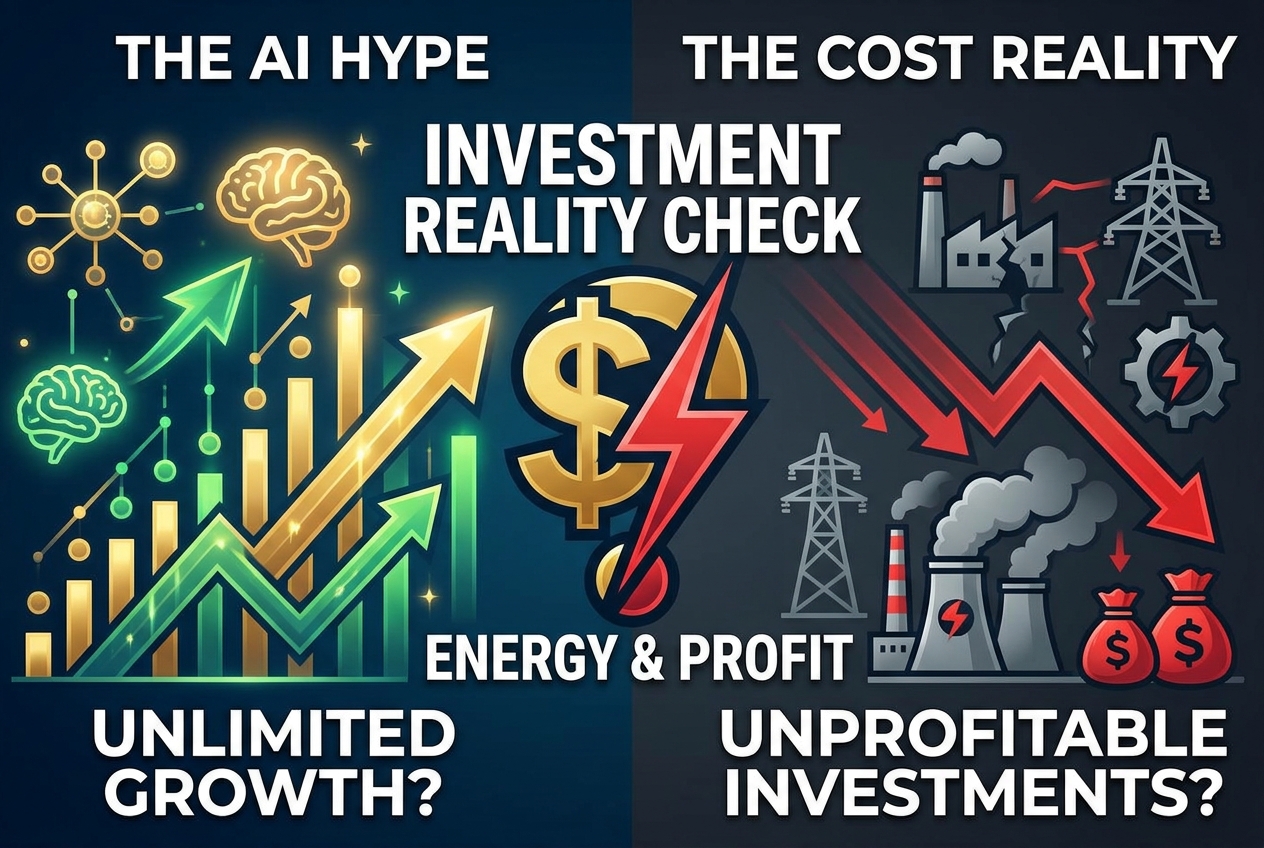
Most AI Investments Waste Energy and Money Without Real Profits
Investing heavily in AI companies today often overlooks the massive energy demands and infrastructure costs that make many projects unprofitable and unsustainable. While the mainstream excitement focuses on rapid growth and innovation, the reality is that most AI ventures are losing money due to expensive data centers, limited renewable energy, and slow returns. Recognizing these hidden costs helps investors avoid a bubble and pushes companies to demand cleaner, more efficient power solutions to achieve real profitability.
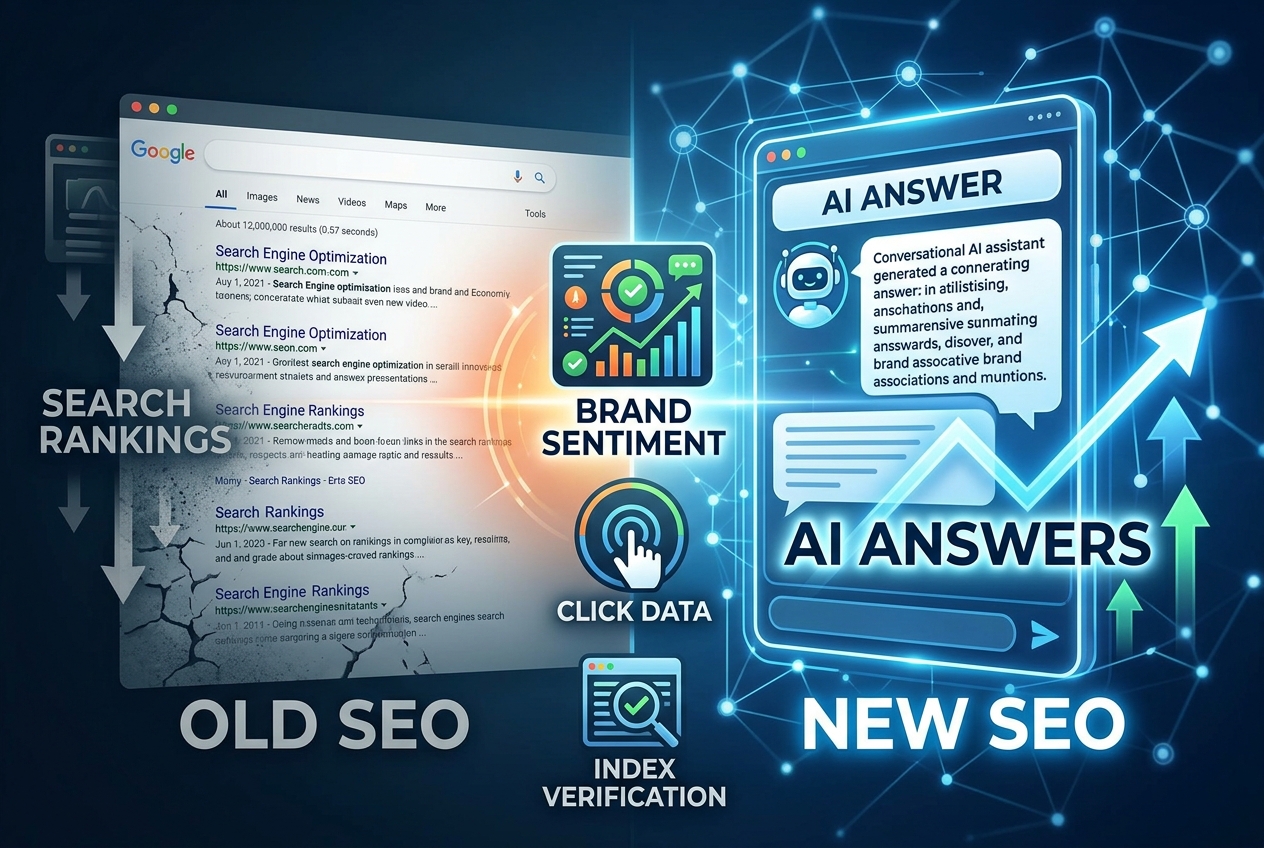
Search Rankings Are Dying. AI Answers Are the New SEO
AI answer engines now sit between your content and the click, and the old ranking playbook is losing its grip. These approaches bet differently on what replaces it: optimizing brand sentiment inside AI answers, trusting click data over impressions, and verifying before reacting to every ranking swing. Compare the bets and pick the moves worth making now.
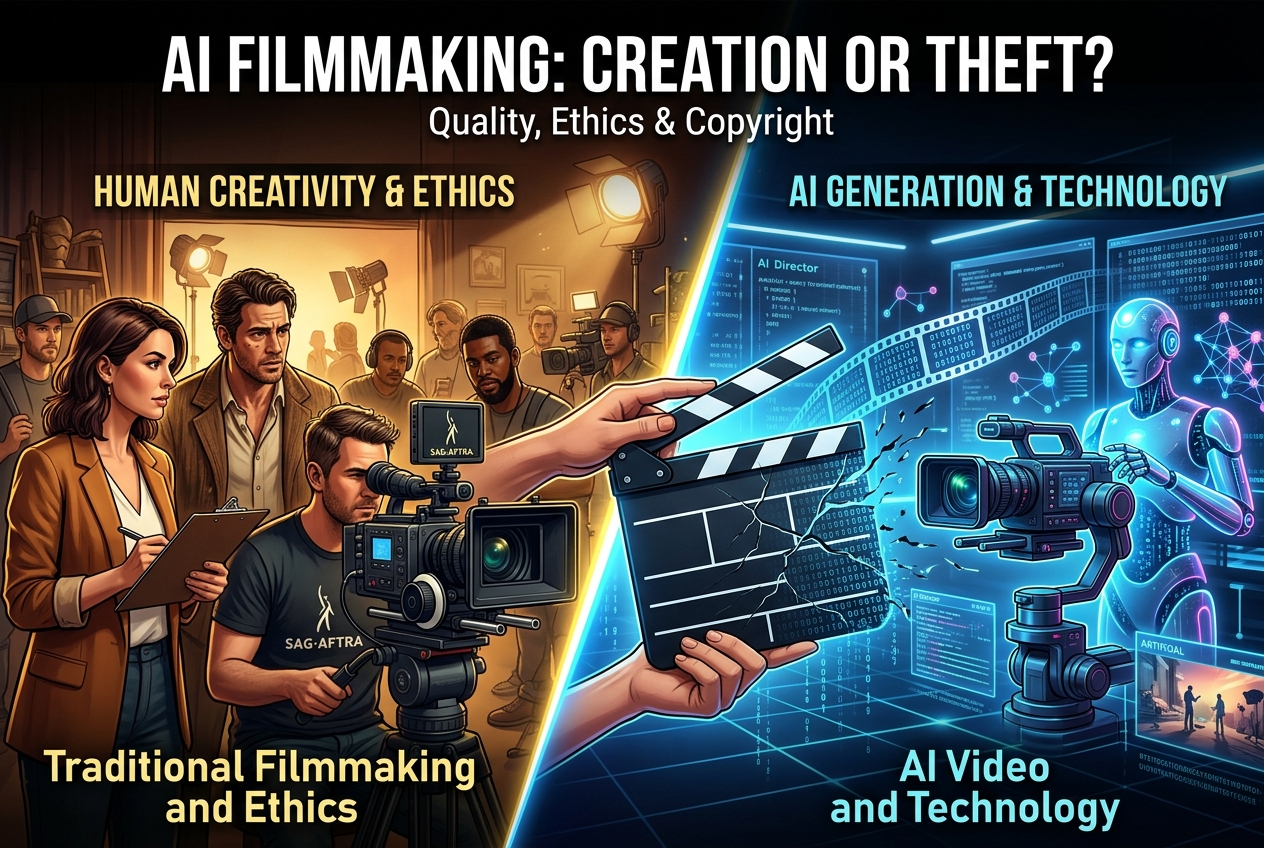
Can AI Film a Movie Without Stealing From One?
AI video tools are colliding with actors' likeness rights, union protections, and copyright law all at once. The two sides split on what matters most: locking down legal and operational safeguards for productions, or grounding the debate in evidence of what AI can genuinely create. Hearing both prepares you to take a position on quality and ethics in filmmaking's next chapter.
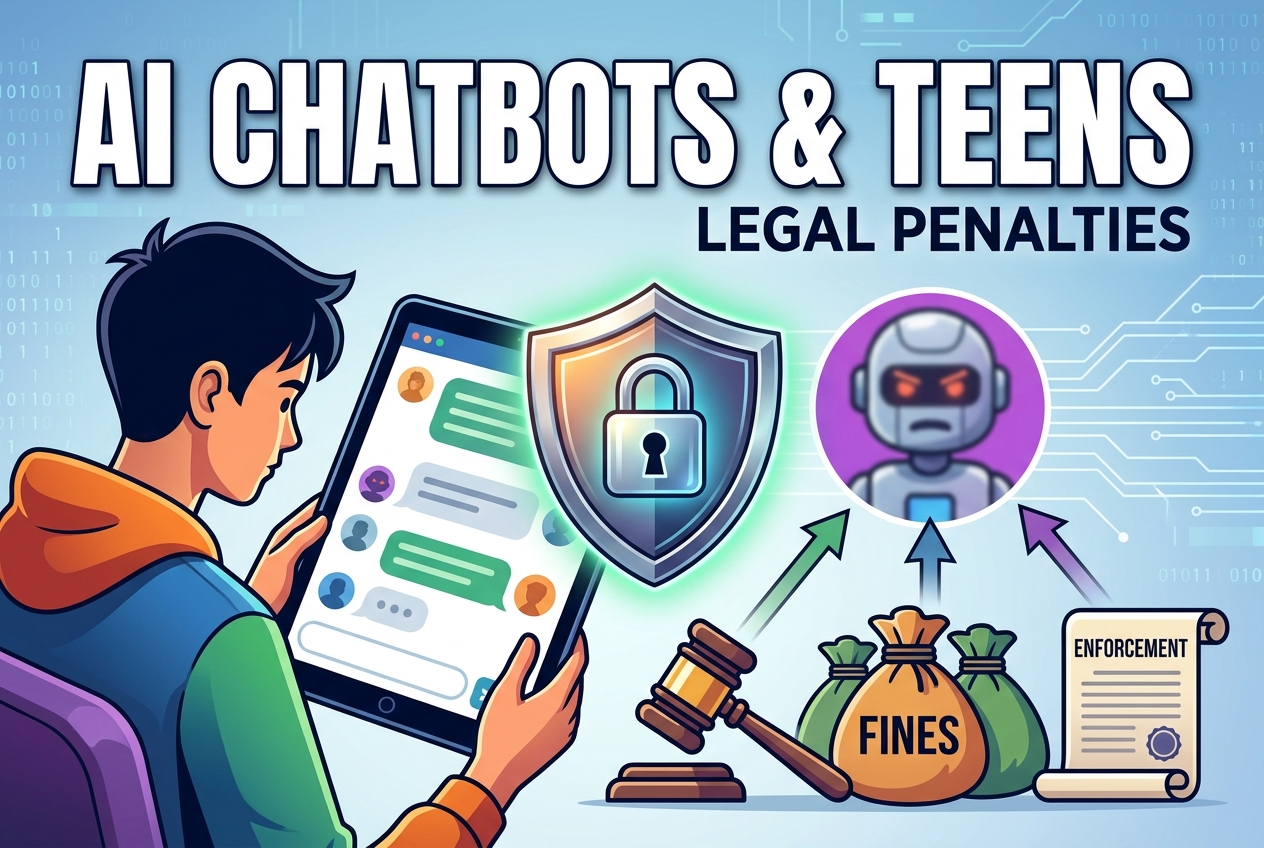
When AI Chatbots Cross the Line What Penalties Protect Teens
AI companion chatbots for teens raise serious concerns about safety and accountability. Penalties differ widely in how they enforce protections—from hefty fines imposed by states like California to private rights of action allowing individuals to seek damages. Understanding these penalties reveals how laws balance deterrence, redress, and enforcement to keep AI companions safe for young users.