
Browse the Context Marketplace
Expert-level knowledge on any topic. Each capsule guides you through what matters most.
4 capsules
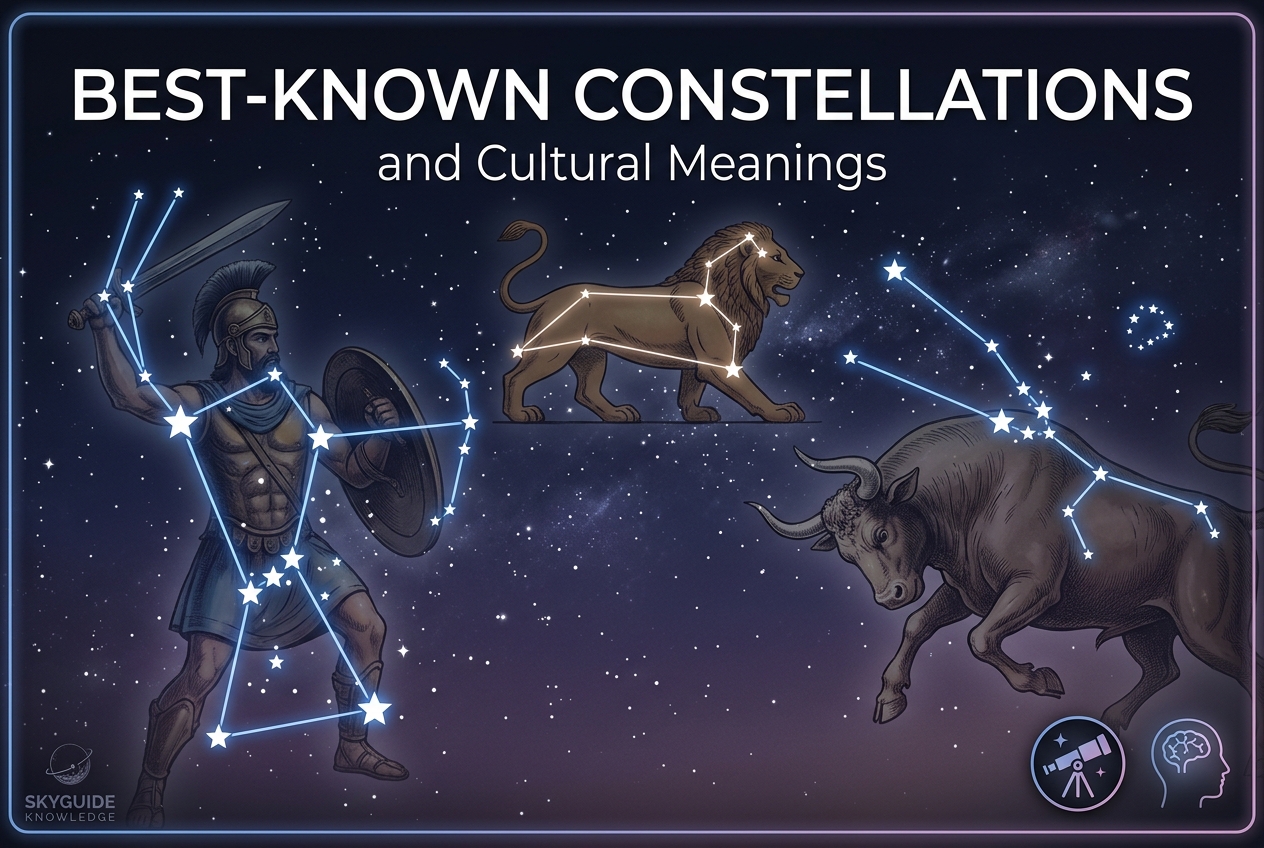
The Best-Known Constellations and Their Cultural Meanings
Constellations are patterns of stars officially recognized by astronomers, with 88 modern constellations mapped by the International Astronomical Union. This collection presents well-known constellations like Orion, Leo, and Taurus, exploring their star compositions, visibility from different latitudes, and diverse cultural interpretations. It also offers guidance on selecting knowledgeable constellation facilitators who combine astronomy with responsible mental health training.
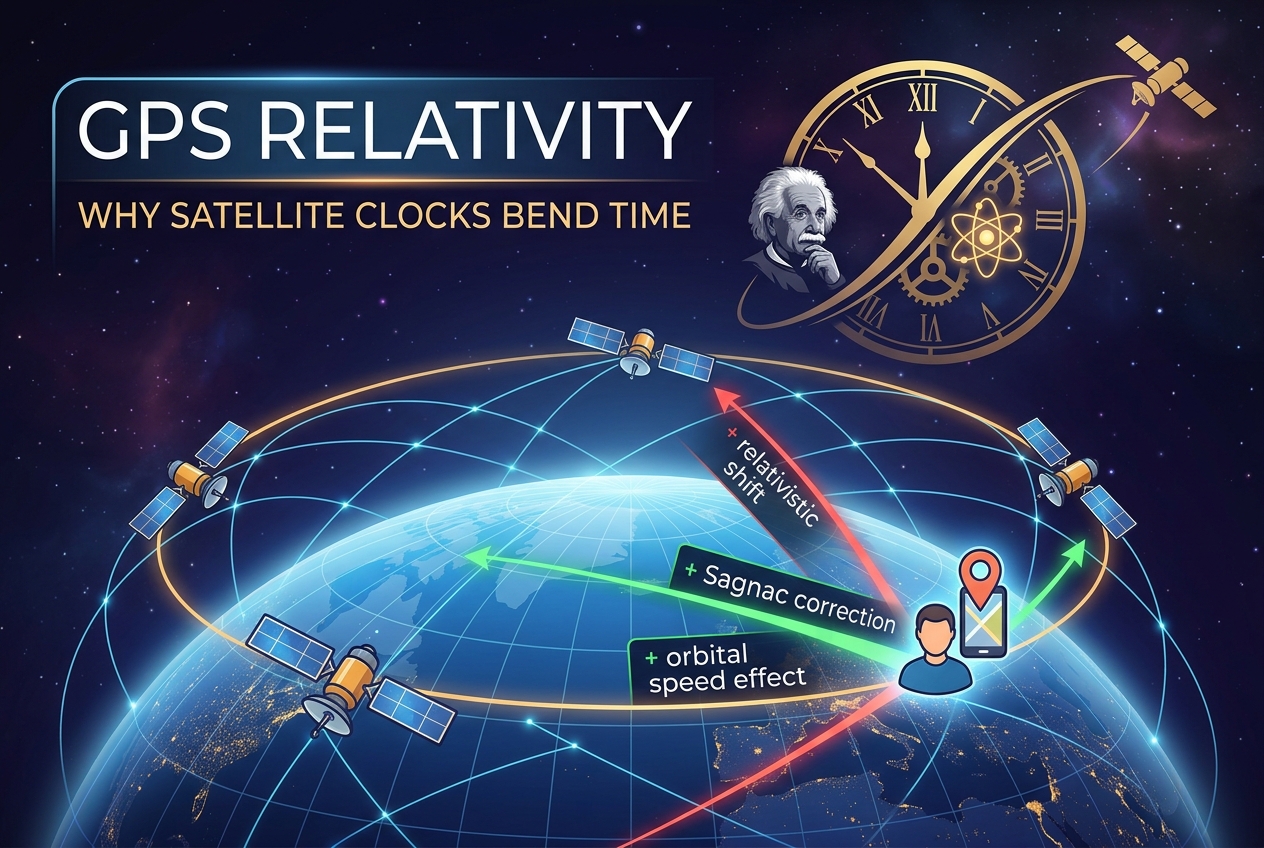
Your GPS Needs Einstein's Relativity to Tell Time Right
Most people think GPS just uses satellite signals to find your location, but it actually depends heavily on Einstein’s relativity to keep clocks synchronized. Unlike common belief that satellites’ clocks run perfectly, GPS receivers must apply precise relativistic corrections for satellite orbit shape and Earth’s rotation to avoid errors. By understanding and using these corrections, GPS devices achieve the accuracy we rely on every day.
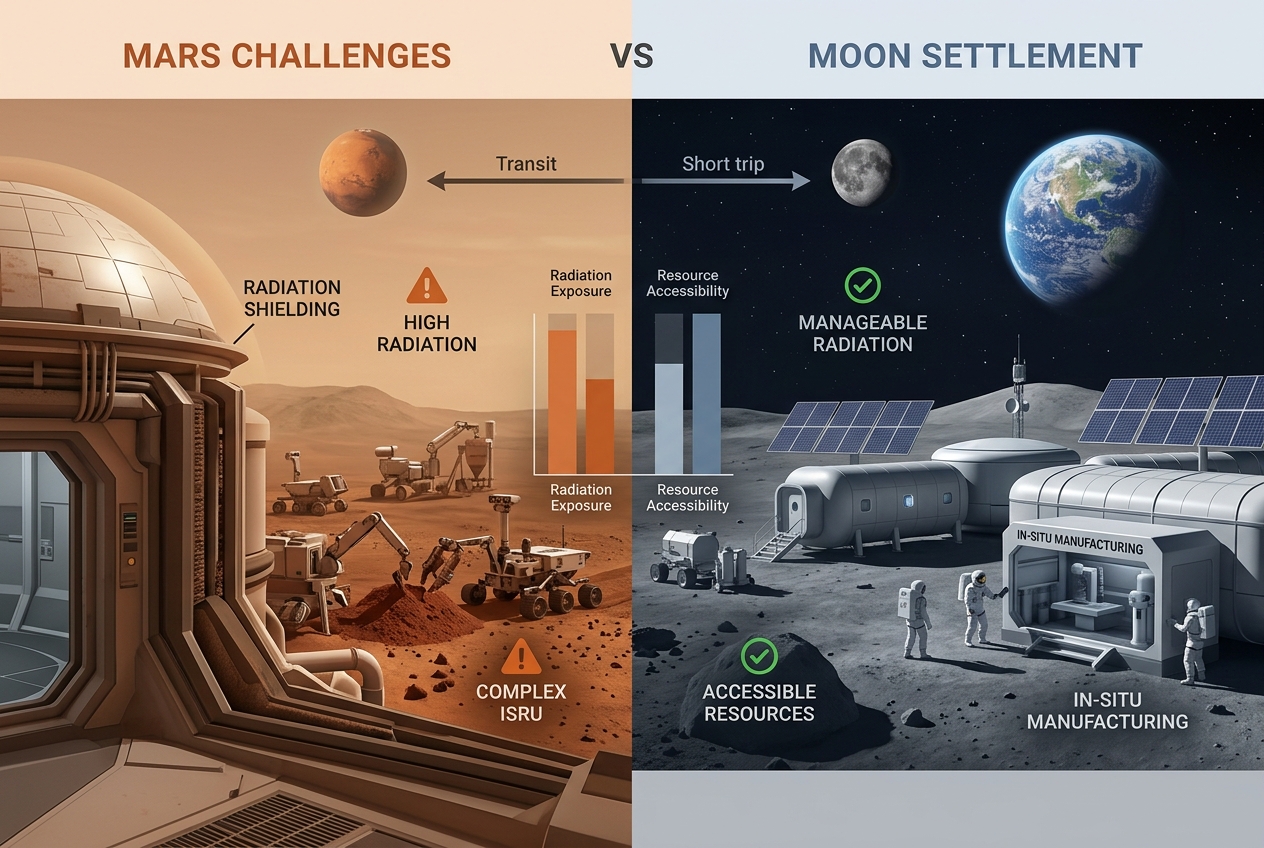
Mars Colonies Face Bigger Radiation and Resource Hurdles Than Moon Settlements
This capsule argues that colonizing Mars presents far greater challenges than lunar bases due to intense radiation exposure during transit and on the surface, along with complex resource extraction needs requiring advanced shielding and in-situ manufacturing. While many expect Mars to be the next step, the Moon’s closer proximity and more accessible resources make it a more realistic and practical first target for sustainable space colonization. Adopting this view shifts focus toward developing lunar infrastructure and technologies that can later support Mars missions more safely and efficiently.
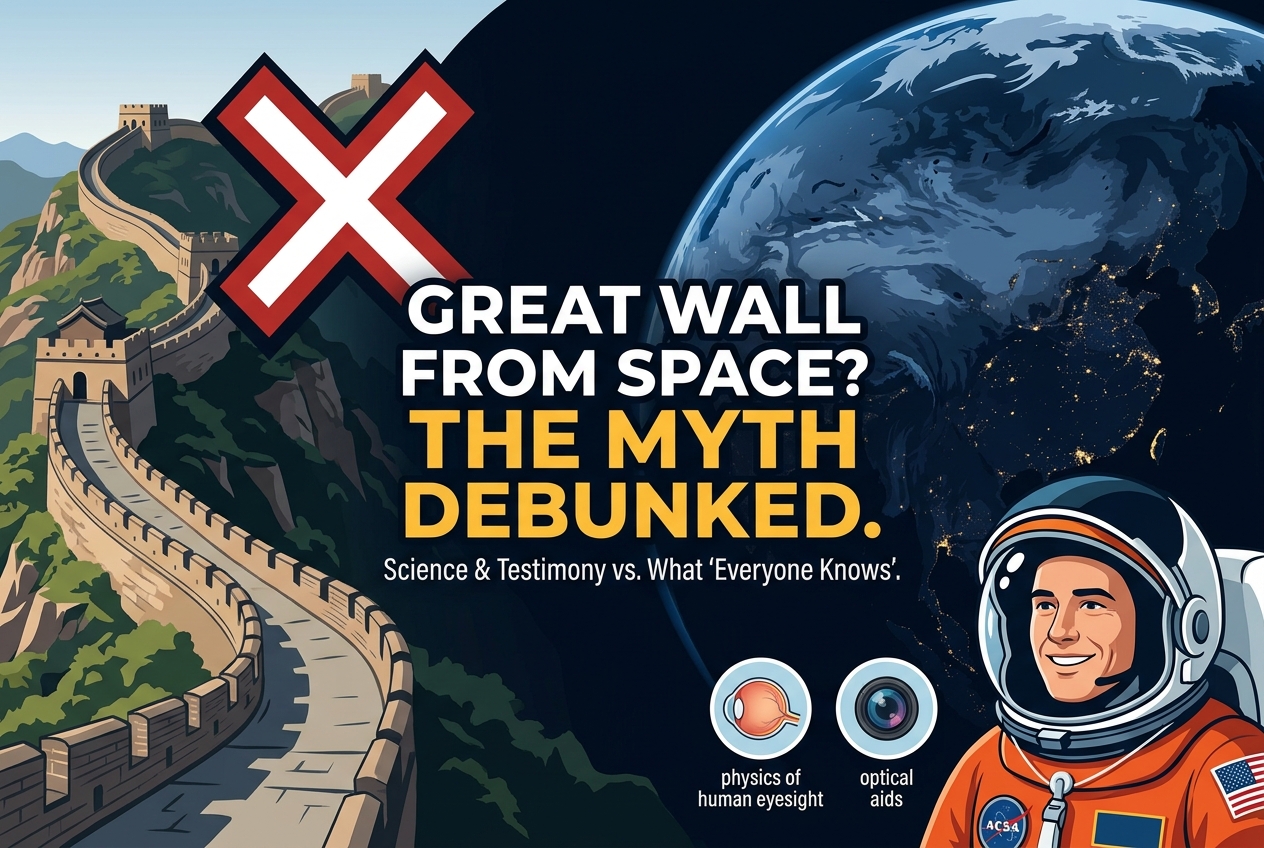
You Can't See the Great Wall from Space
The claim that the Great Wall is visible from orbit survives in textbooks and trivia nights despite astronauts saying otherwise. The arguments here approach the myth from different angles: the physics of human eyesight, firsthand astronaut testimony, the role of cameras and optical aids, and why comfortable falsehoods outlive clear corrections. It becomes a lesson in how to test what everyone knows.