
Browse the Context Marketplace
Expert-level knowledge on any topic. Each capsule guides you through what matters most.
14 capsules
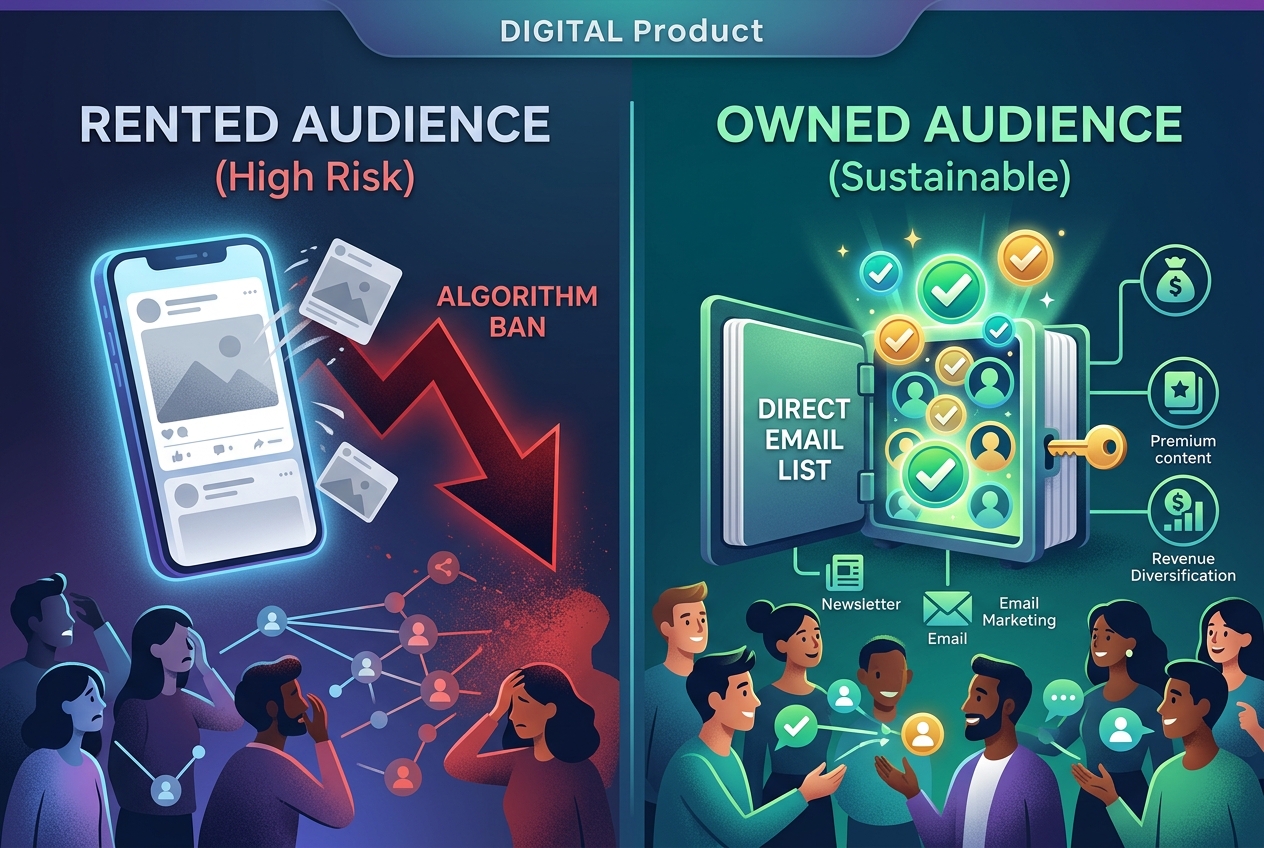
Creators Who Rent Their Audience Can Lose It Overnight
One algorithm change or ban can erase an audience a creator spent years building. These strategies split on the answer: keep betting on social platforms, move fans onto email lists you control, or study how platform work really pays before choosing. They show what owning your audience costs and what renting it risks.

Do You Perform Presence, or Simply Have It?
Walking into a room full of executives, some coaches tell you to engineer every gesture and vocal tone, while others insist quiet authenticity commands more respect than any performance. The techniques here span deliberate physical control, managing pressure, audience-adapted communication, and listening first. Test them against your own style to find the version of authority that holds up.

The Essential Tools for Persuasive and Impactful Communication
Rhetorical devices are powerful techniques that enhance how we express ideas and influence audiences. This collection presents a wide range of methods—from building credibility and appealing to emotions to using repetition, contrast, and figurative language—that help speakers and writers craft compelling arguments and memorable messages. Learn how to apply these tools effectively to engage listeners, clarify points, and enrich your communication.
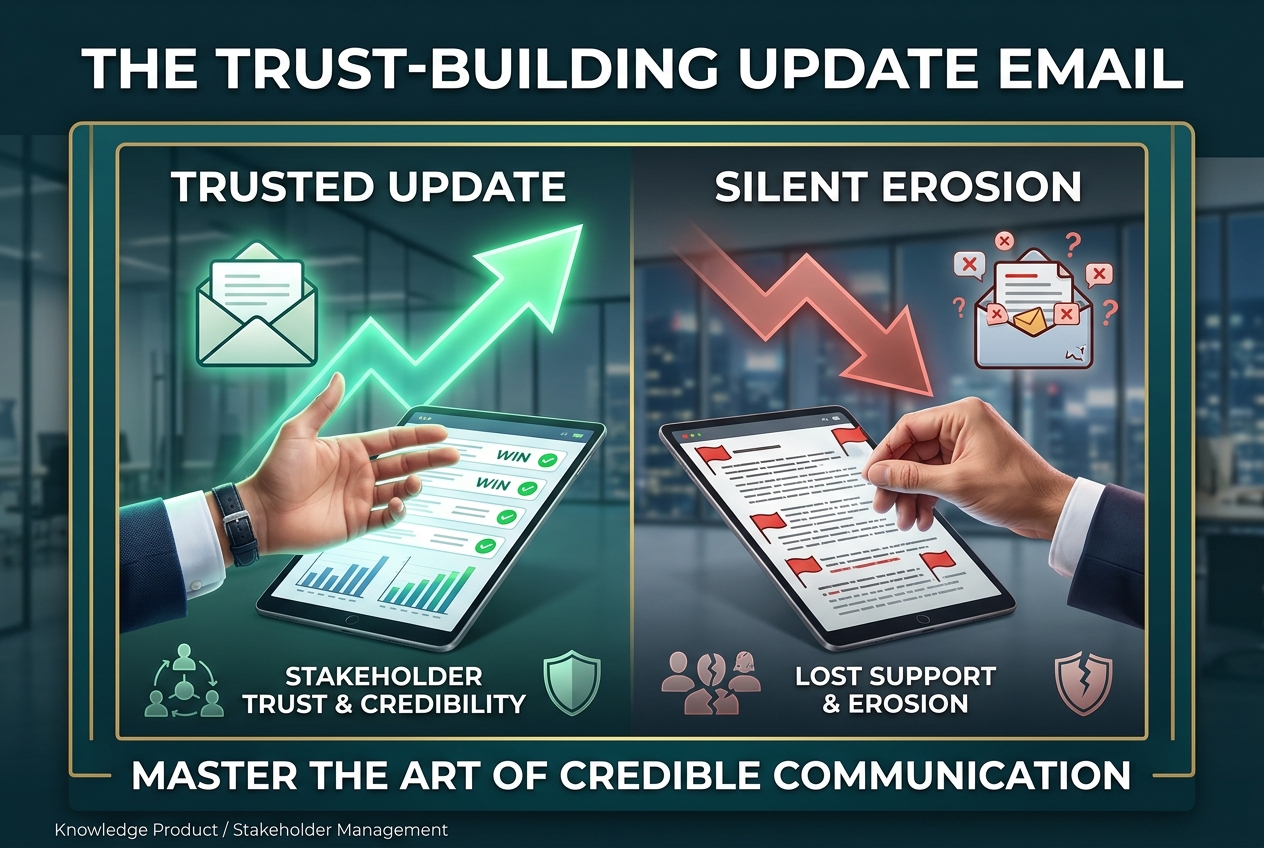
The Update Email That Makes Stakeholders Trust You
A project update lands in a crowded inbox and either builds your credibility or quietly erodes it. These approaches split on what earns trust: full transparency including the risks, leading with wins and next steps, tailoring each message to a stakeholder's influence and interest, or positioning yourself as a strategic ally to leadership. The choice shapes not just the project's support but your own visibility.

The Fear of the Stage Can Be Trained Away
Your heart pounds before a talk because your brain treats the audience as a threat. These techniques disagree on the fix: gradual exposure and rewiring negative thoughts, breathing and pacing to manage the surge, putting the audience first with authentic engagement, or relentless practice with recording and feedback. Match the technique to how your fear actually shows up and work at it deliberately.

Your Pitch Deck Has Seconds to Earn a Meeting
Investors skim hundreds of decks, so yours wins or loses before you ever present. The approaches split over what earns attention: tailoring every pitch to the individual investor, leading with hard traction metrics, bottom-up market sizing, ruthless brevity, or a dead-simple business model slide. Choose the strategy that fits your startup and the investors you actually want.
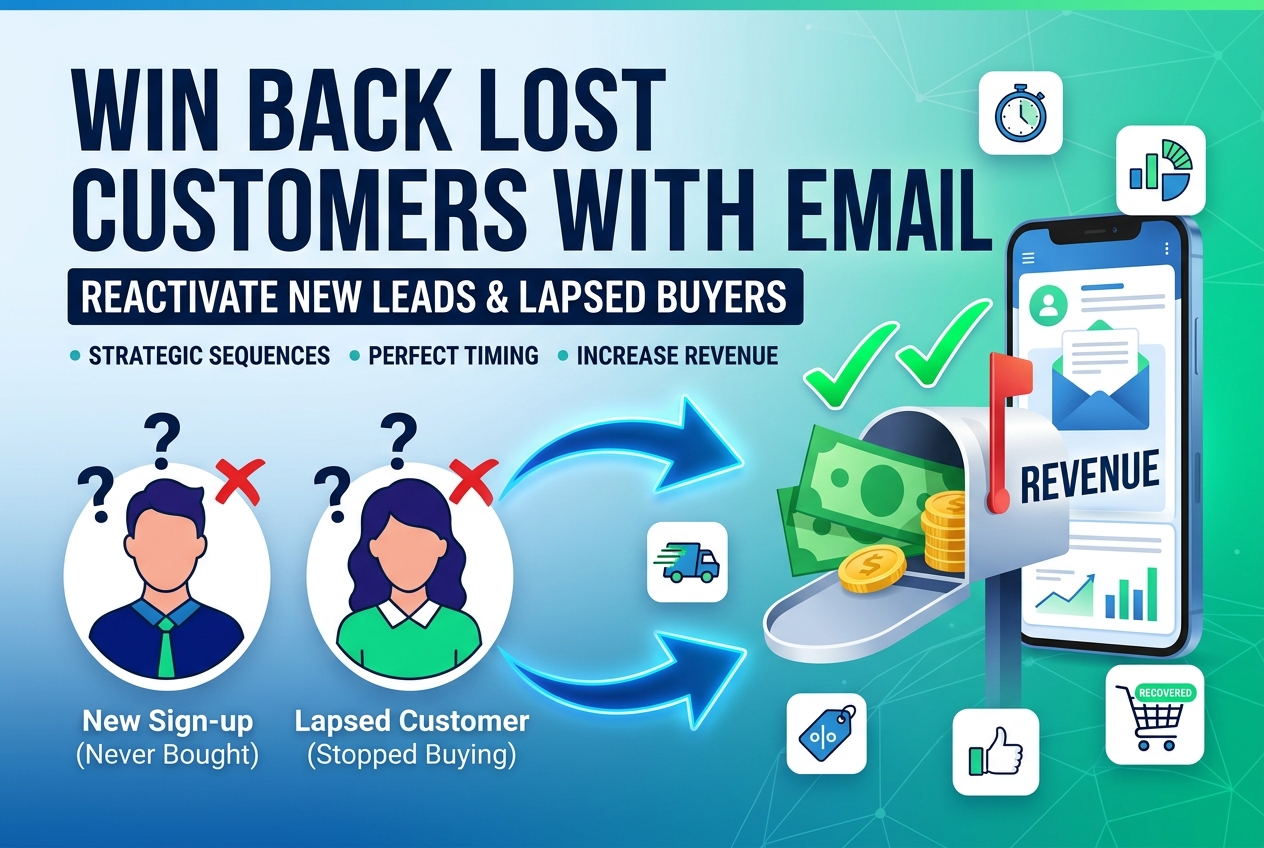
Win Back the Customers Your Emails Are Losing
A new sign-up who never buys and a lapsed customer who never returns are both recoverable, if the right email lands at the right moment. The tactics differ on timing and leverage: immediate welcomes with clear offers, staged lifecycle sequences, strategic discounts, social proof, and deliverability work that keeps you out of the spam folder. How you sequence and target decides whether your list produces revenue or unsubscribes.

The Weekly One-on-One Is Where Managers Quietly Fail
A one-on-one can be the most valuable half hour on a manager's calendar or a status update nobody needed. These approaches clash over who should lead the meeting, whether trust and open dialogue or structured agendas with follow-up drive growth, and what role coaching, culture, and data play. Pick the approach that turns your recurring meeting into actual performance.
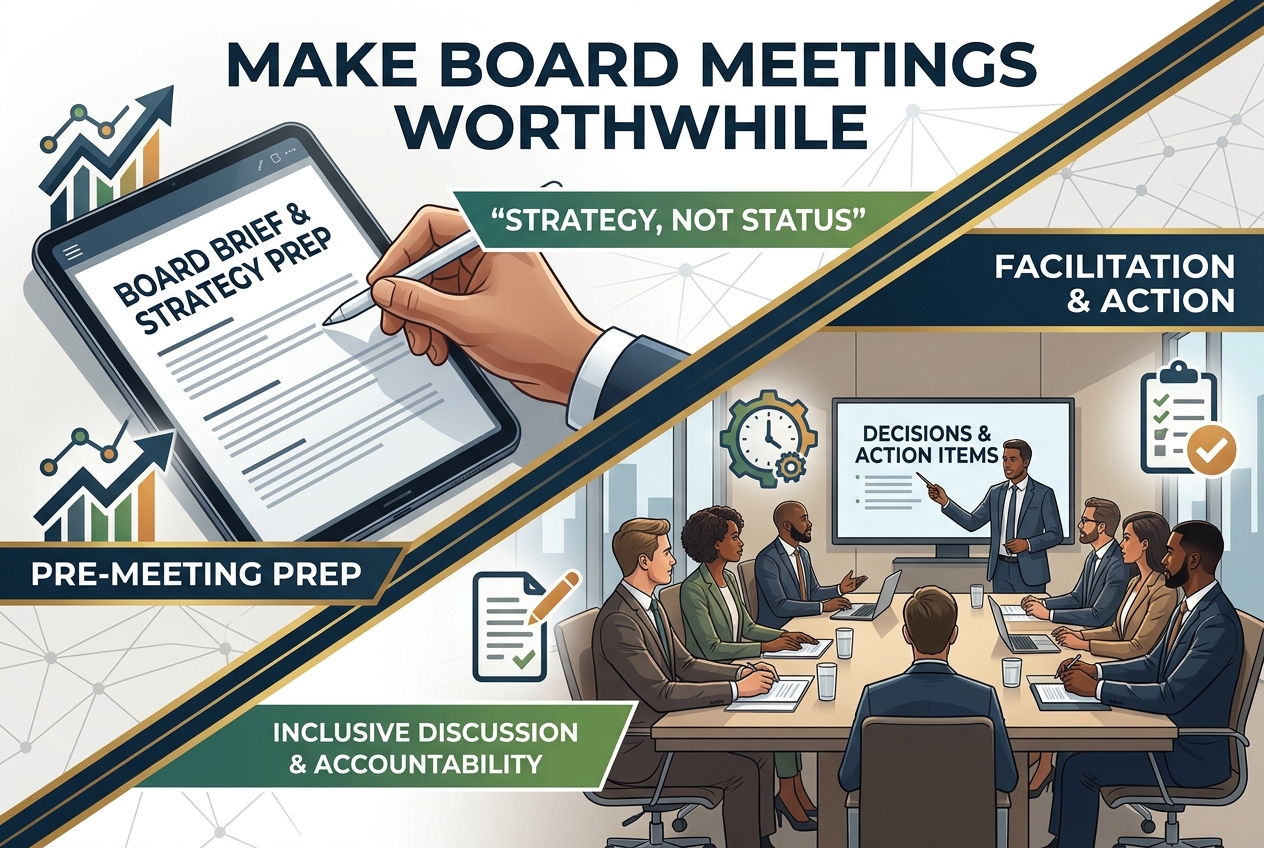
Make Board Meetings Worth Your Directors' Time
Too many board meetings burn hours on status updates while the real strategic questions never get airtime. The practices here differ on where the fix lives: some say it is won before the meeting through CEO-led director engagement and sharper prep, others say it is won in the room through facilitation, time discipline, and follow-through on action items afterward. Comparing them shows what turns a reporting session into actual strategy for your board.

Not Every Customer Deserves Your Sales Team's Attention
Chasing every prospect spreads a sales team thin over accounts that were never going to buy. These approaches pick targets differently: financial signals, sales and marketing alignment, fast-growing regulated industries, or data-driven scoring refined over time. Decide how your business should choose its best customers before spending to win them.

Spot the Customer Who Is About to Leave
Customers rarely announce they are leaving; they just quietly stop showing up. These tactics split on how to catch it in time: mining data patterns to predict churn early, reacting to real-time behavioral triggers, personalizing the experience so leaving feels costly, or rewarding loyalty outright. The right mix depends on how much warning your business actually gets.

Write Emails People Actually Read and Answer
Most workplace messages get skimmed, misread, or ignored, and the fixes on offer pull in different directions. Some approaches favor warm, polite phrasing while others push blunt brevity; some trust AI drafting tools while others insist on human oversight; and email's open flexibility competes with Slack's speed. Seeing where each leads helps you pick a style that gets read without rubbing your team the wrong way.