
Browse the Context Marketplace
Expert-level knowledge on any topic. Each capsule guides you through what matters most.
10 capsules
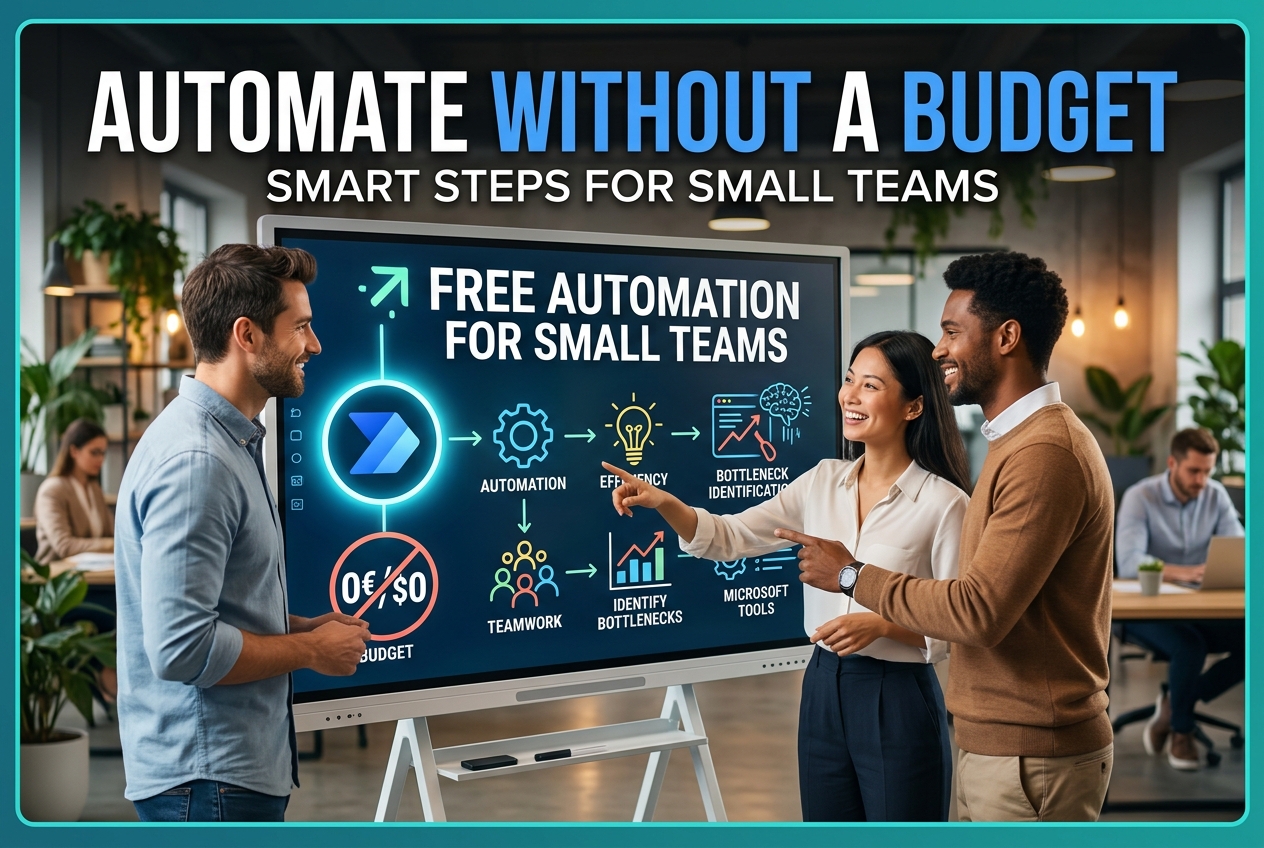
You Don't Need a Budget to Start Automating
Small teams drown in repetitive work while assuming automation requires money they don't have. These approaches disagree on where to begin: free Microsoft tools, lead management, the bottlenecks your team complains about most, or people-first changes before any software. Comparing them gives you a first step that costs nothing but attention.
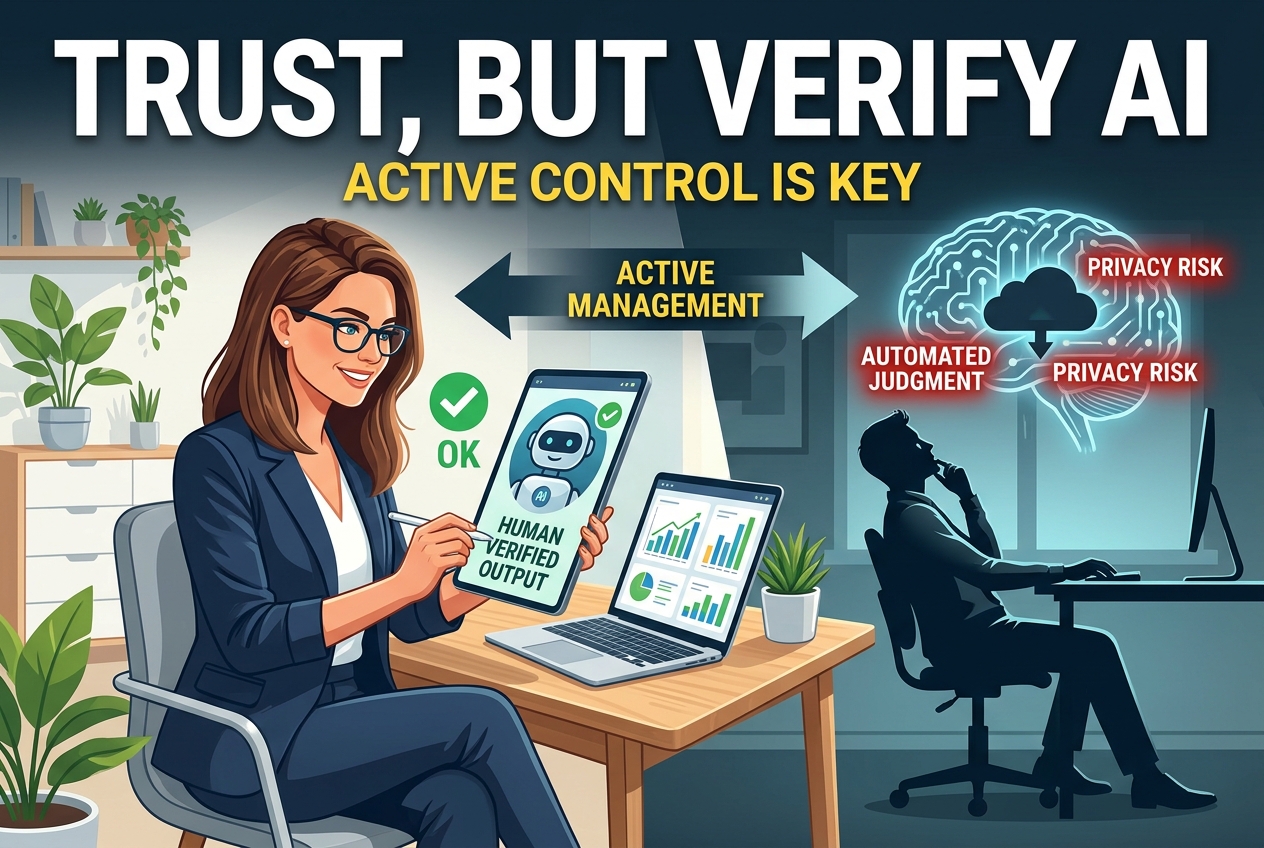
Never Hand Your Thinking Over to AI
Trusting AI tools to run on their own quietly costs you privacy and your own creative judgment. Against the mainstream faith in automation, the case here is for active control: manage what data you share, verify vendor policies, and review every output critically. Done right, AI stays a useful assistant instead of becoming your replacement thinker.

AI Is Not Just Another Tool Because It Can Outsmart and Outgrow Us
Artificial intelligence is unlike any other technology humans have created because its outcomes can surpass our predictions and control. While many treat AI as a simple software tool, it has the potential to either liberate humanity from burdens or become a force that dominates or even threatens our survival. To avoid catastrophic risks, we must urgently establish ethical safeguards and global cooperation to guide AI's development before it evolves beyond our ability to manage it.
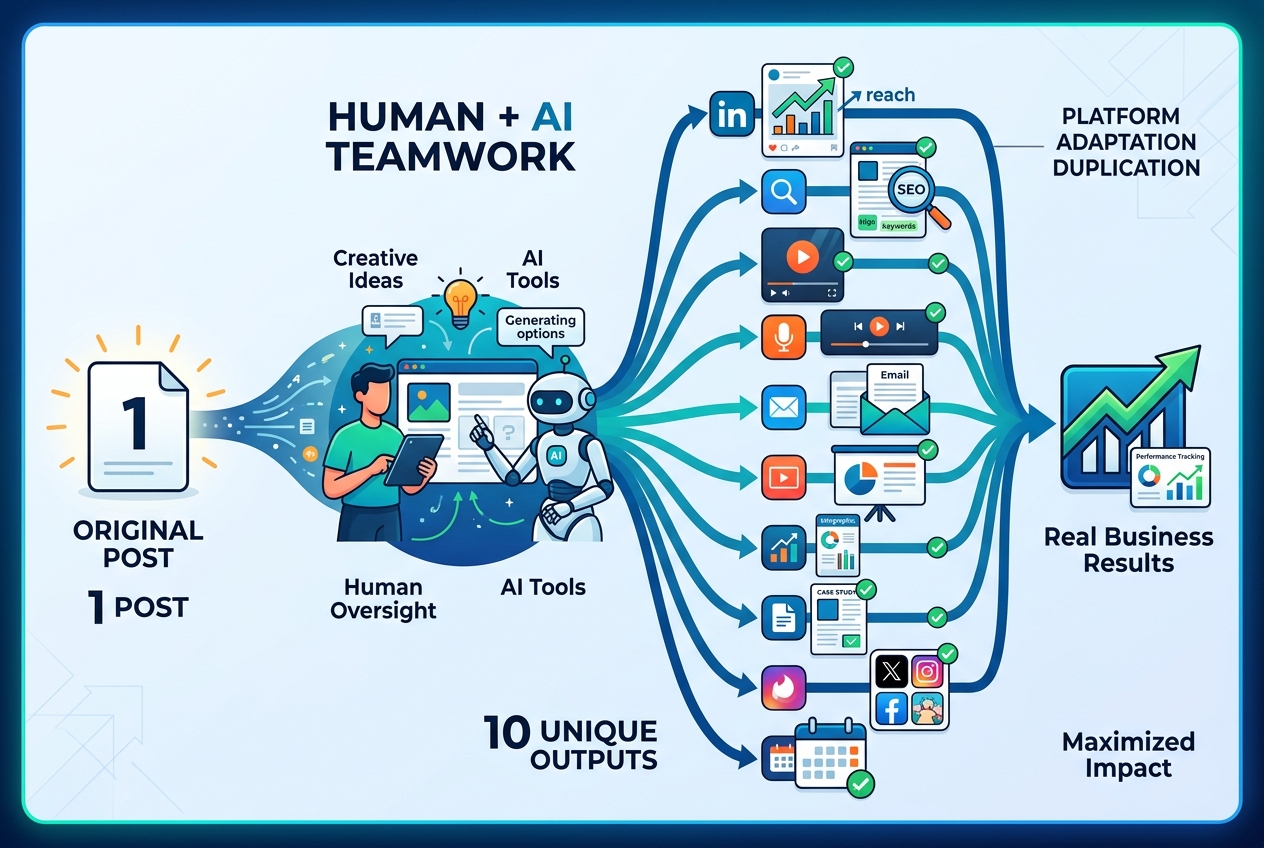
Turn One Post Into Ten Only With Human-AI Teamwork
Most people think simply reposting the same content everywhere saves time, but this risks SEO penalties and wasted effort. The best way is to combine AI tools with human creativity to tailor content for each platform, track real business results, and avoid duplicate content problems. Following this approach saves time, boosts reach, and improves marketing impact.
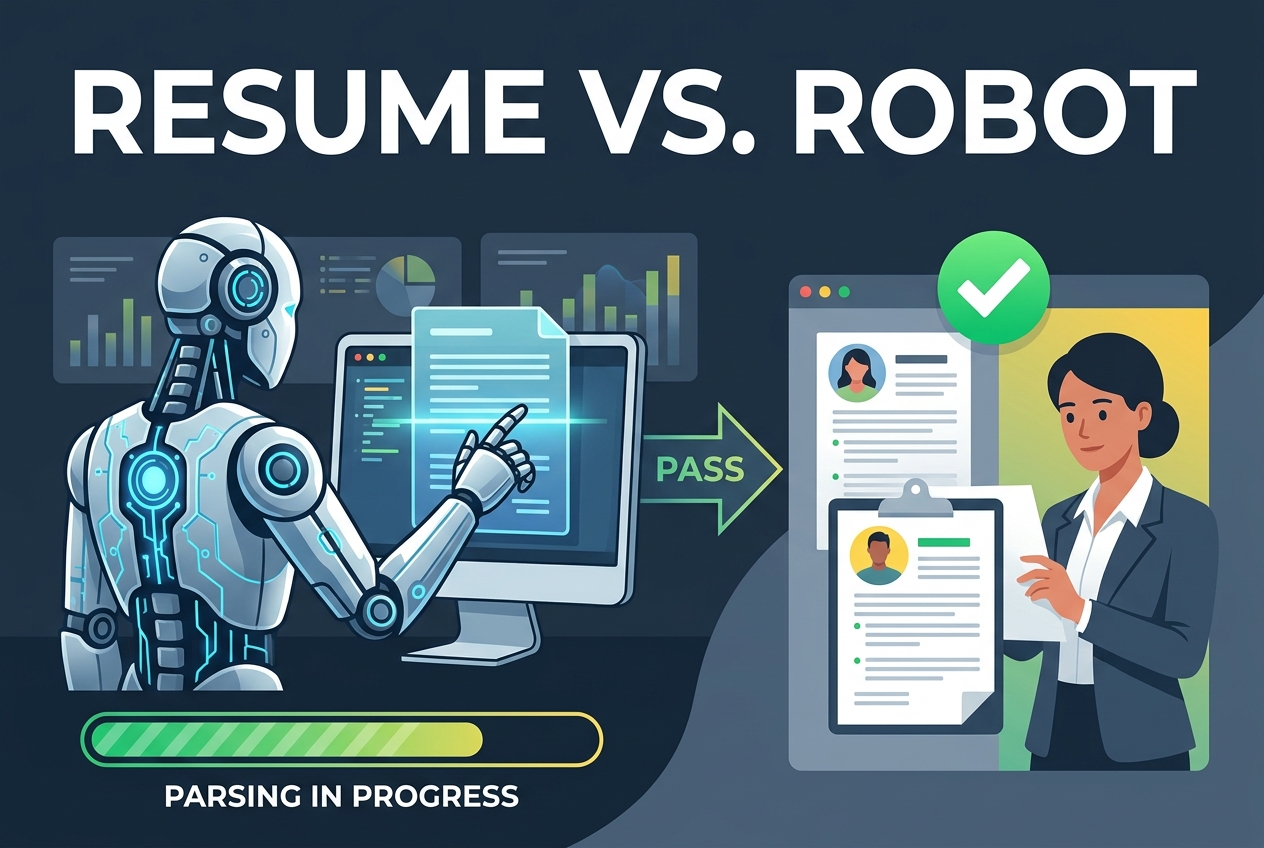
A Robot Reads Your Resume Before Any Human Does
Your resume has to survive parsing software before a recruiter ever sees your name. These tactics split on how far to bend to the machine: strict formatting rules to avoid parsing errors, running your file through the same software recruiters use, or writing for the human reader first and trusting clean structure to pass. The balance you strike decides whether you get filtered out or called back.
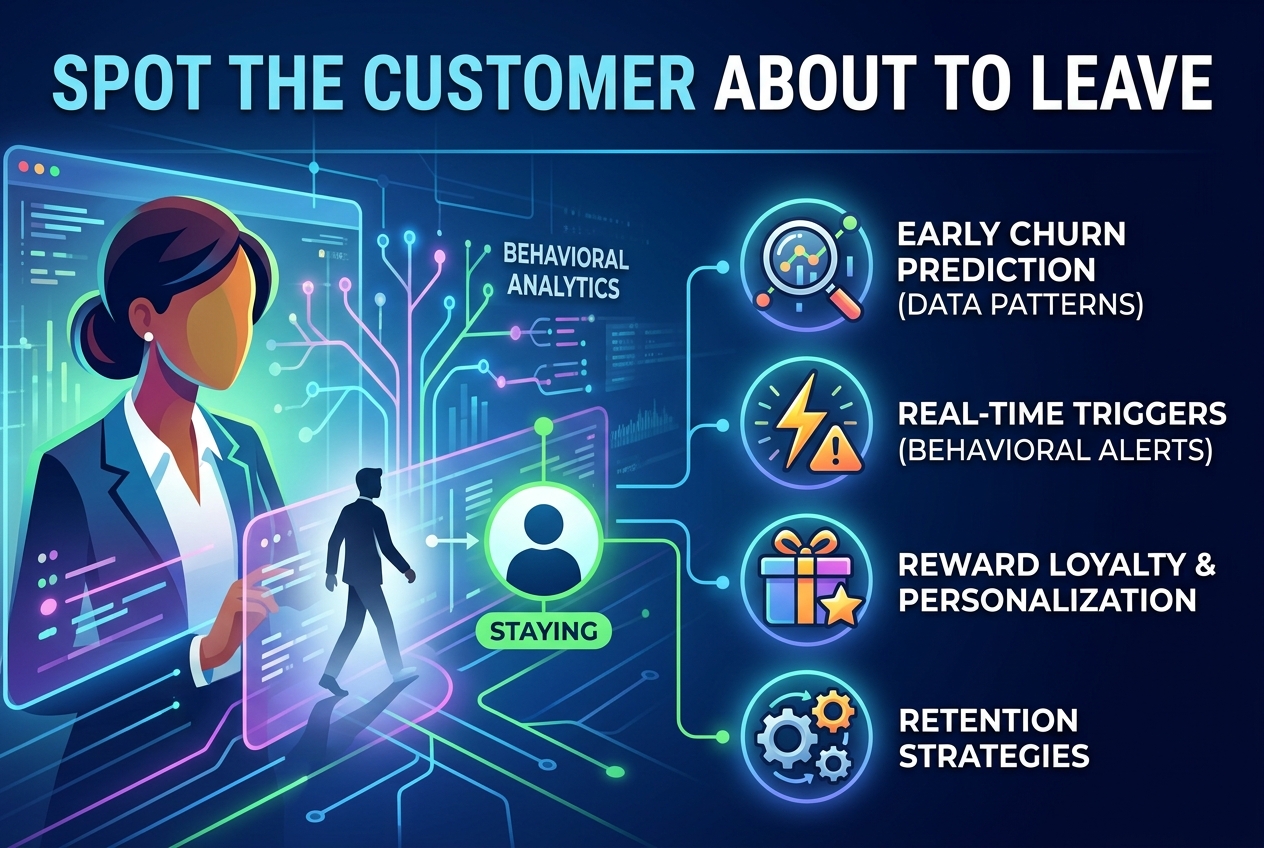
Spot the Customer Who Is About to Leave
Customers rarely announce they are leaving; they just quietly stop showing up. These tactics split on how to catch it in time: mining data patterns to predict churn early, reacting to real-time behavioral triggers, personalizing the experience so leaving feels costly, or rewarding loyalty outright. The right mix depends on how much warning your business actually gets.
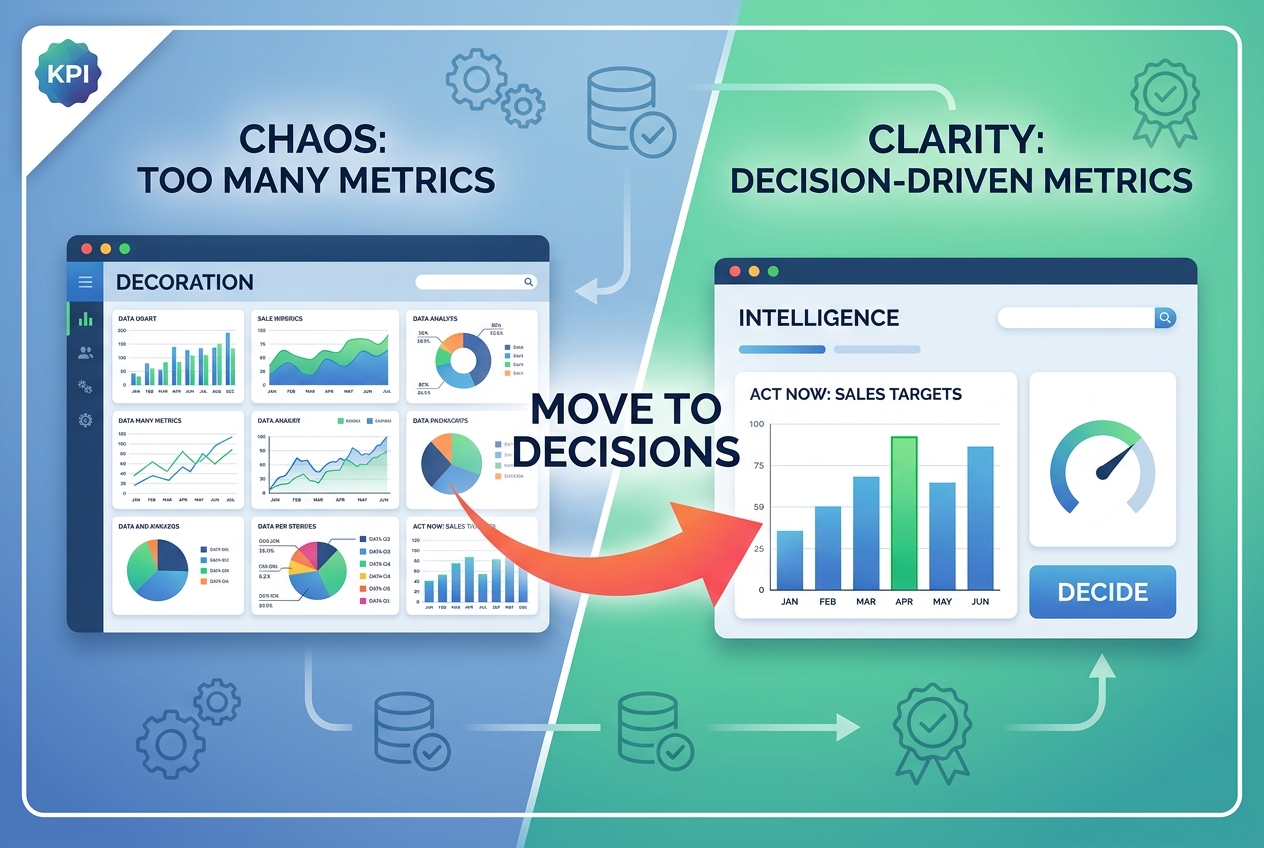
Most Dashboards Decorate. Yours Should Decide
A dashboard full of charts nobody acts on is decoration, not intelligence. These approaches split between ruthless simplicity around a few decision-linked metrics and comprehensive data integration with automation for real-time accuracy, with governance and data quality contested in between. Build the dashboard around the decisions it must drive, then choose your side.
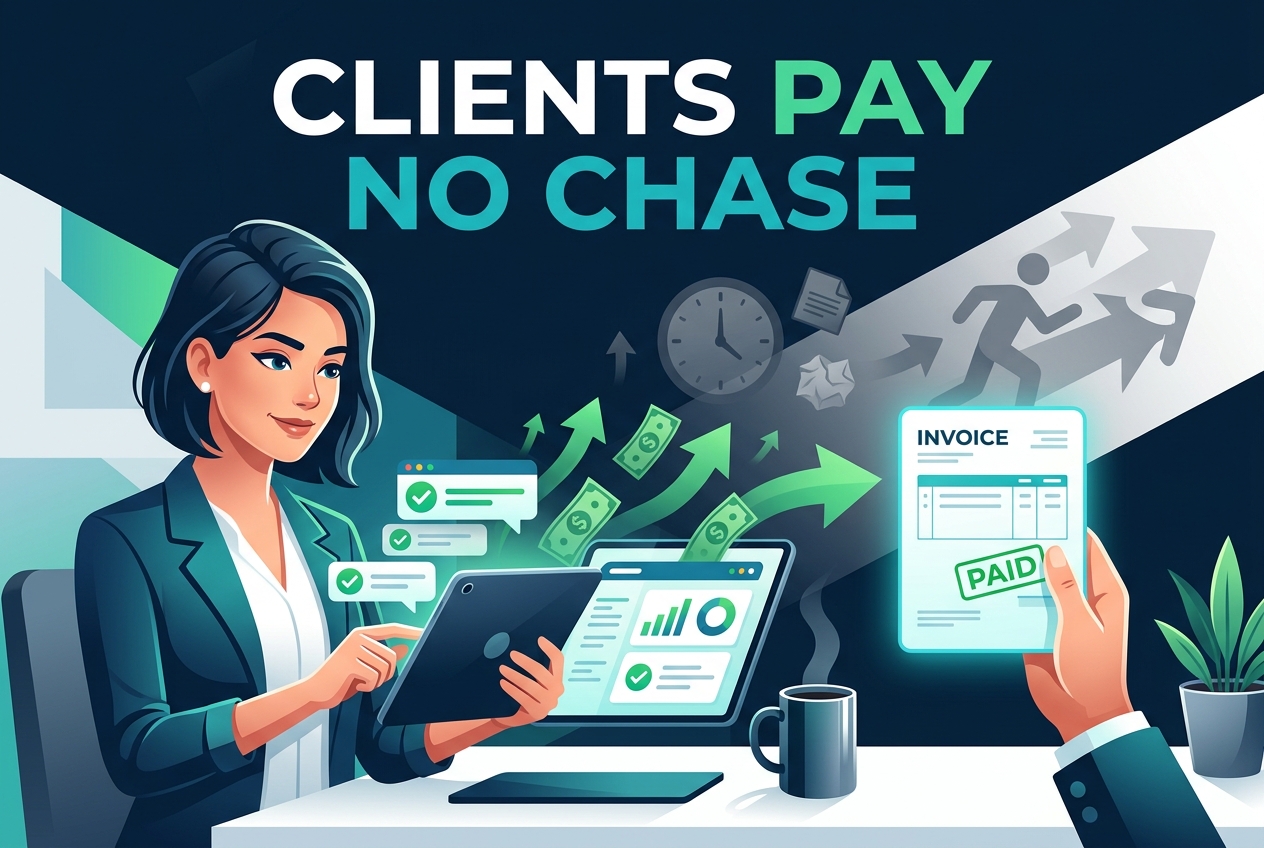
Getting Clients to Pay Without the Awkward Chase
Late-paying clients strangle cash flow, and how hard you push is a real judgment call. These tactics range from clear upfront contracts and automated reminders to firm cutoffs that stop work until the invoice clears, plus early-payment discounts and easy payment options. Weigh them to set terms and collections that keep money moving.
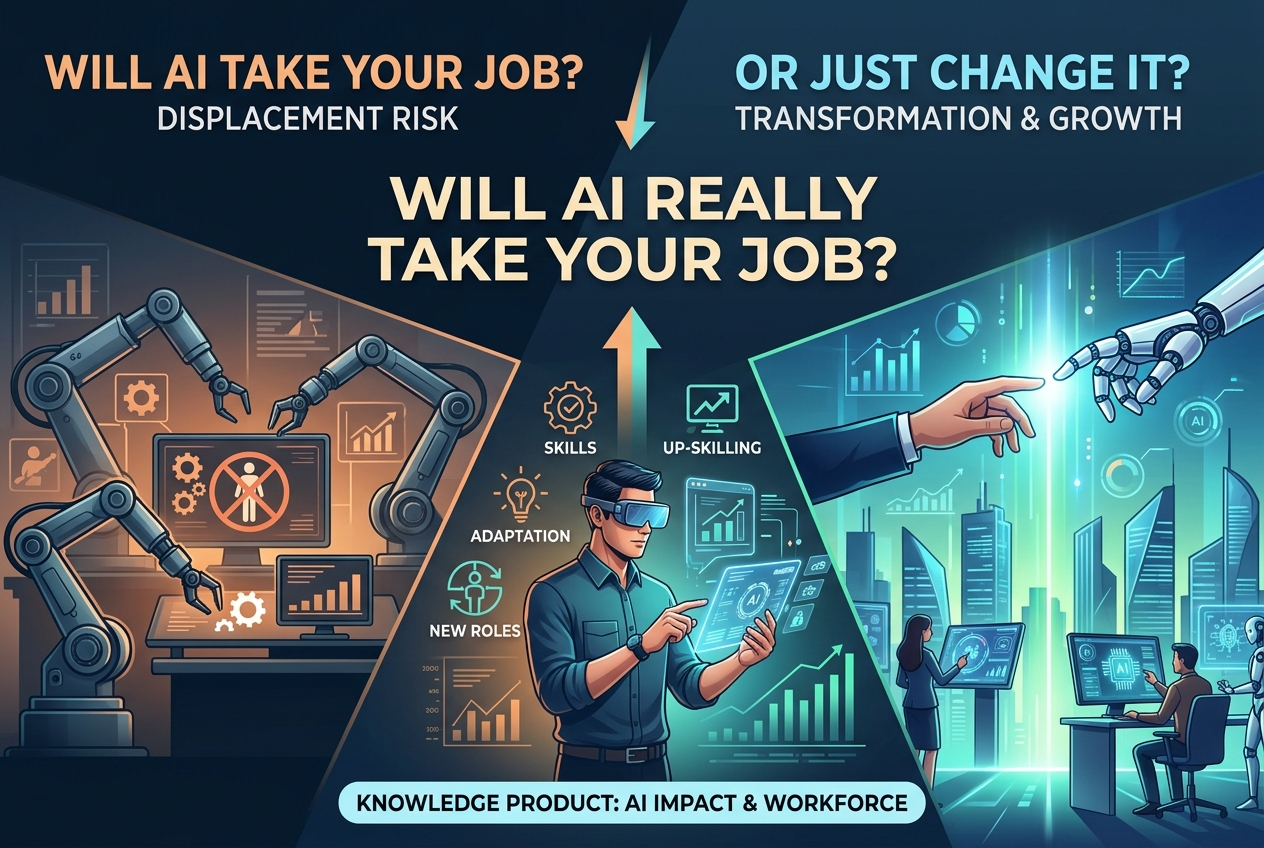
Will AI Really Take Your Job or Just Change It
The impact of AI on jobs depends on how well AI can replace specific tasks without needing complex problem solving, teamwork, or quality checks. Some factors show AI creating millions of new jobs while displacing others, with many workers needing upskilling rather than full replacement. Different perspectives highlight whether AI’s effects will lead to net job loss, transformation, or growth, helping you understand the real odds of displacement.
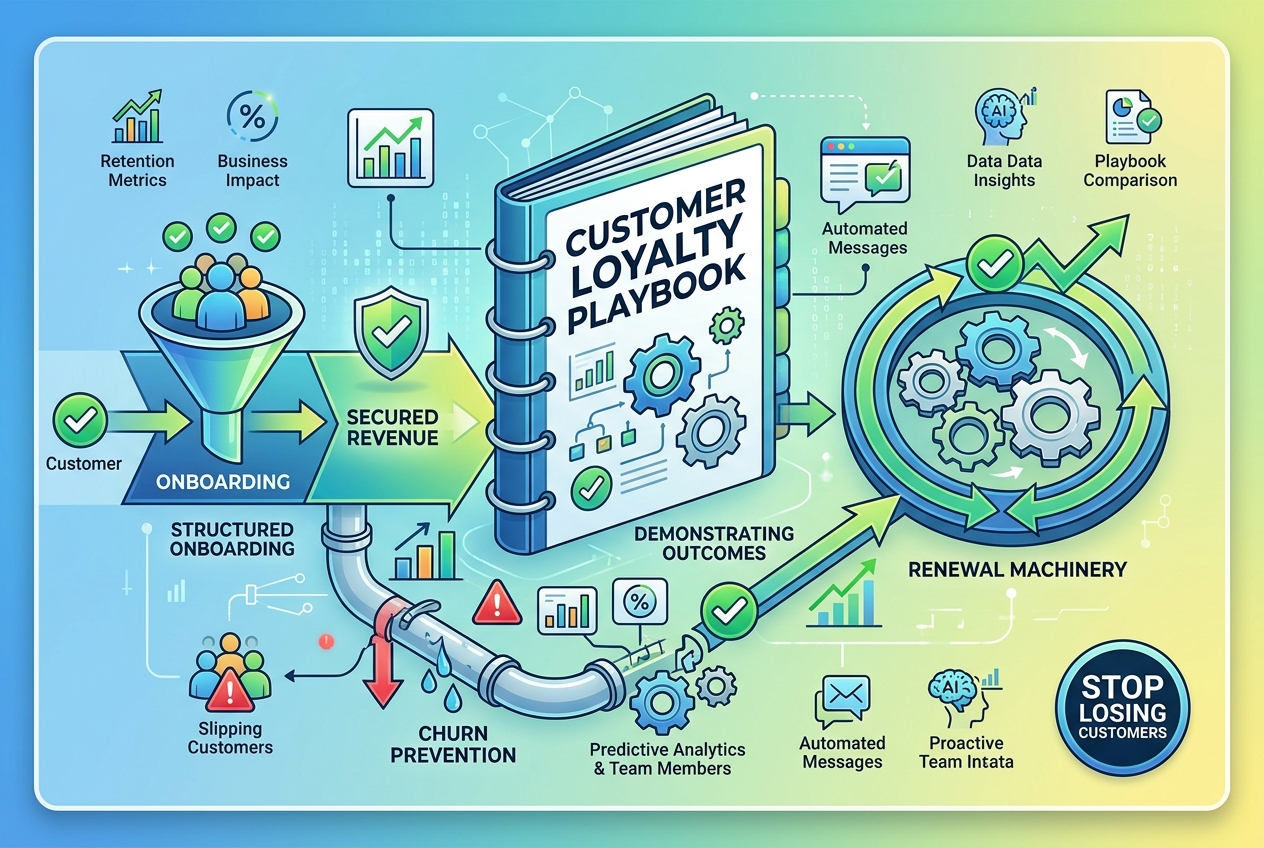
Stop Losing Customers You Already Won
Winning a customer means little if they quietly churn out a year later. The playbooks differ on where retention is really earned: structured onboarding, proactive churn prevention, demonstrating outcomes the customer can point to, or automating the renewal machinery, and each philosophy allocates your team's time differently. Comparing them helps you design the one that fits how your product delivers value.