
Browse the Context Marketplace
Expert-level knowledge on any topic. Each capsule guides you through what matters most.
51 capsules

Classic Software Design Patterns and Their Core Principles
Software design patterns provide proven solutions to common programming challenges by defining reusable templates for object creation, behavior, and structure. This collection covers fundamental patterns such as those that manage object creation, enable flexible behavior changes, and facilitate communication between components, helping developers build maintainable and scalable software systems.

Common Patterns and Best Practices for Using Regular Expressions Safely
Regular expressions are powerful tools for matching and validating text, but they require careful construction to avoid errors and performance issues. This collection presents practical patterns for common tasks like email and IP address validation, explains how to use anchors and assertions to control matches, and highlights strategies to prevent security risks such as catastrophic backtracking. It also covers Unicode-aware techniques and testing methods to ensure reliable and efficient regex usage.
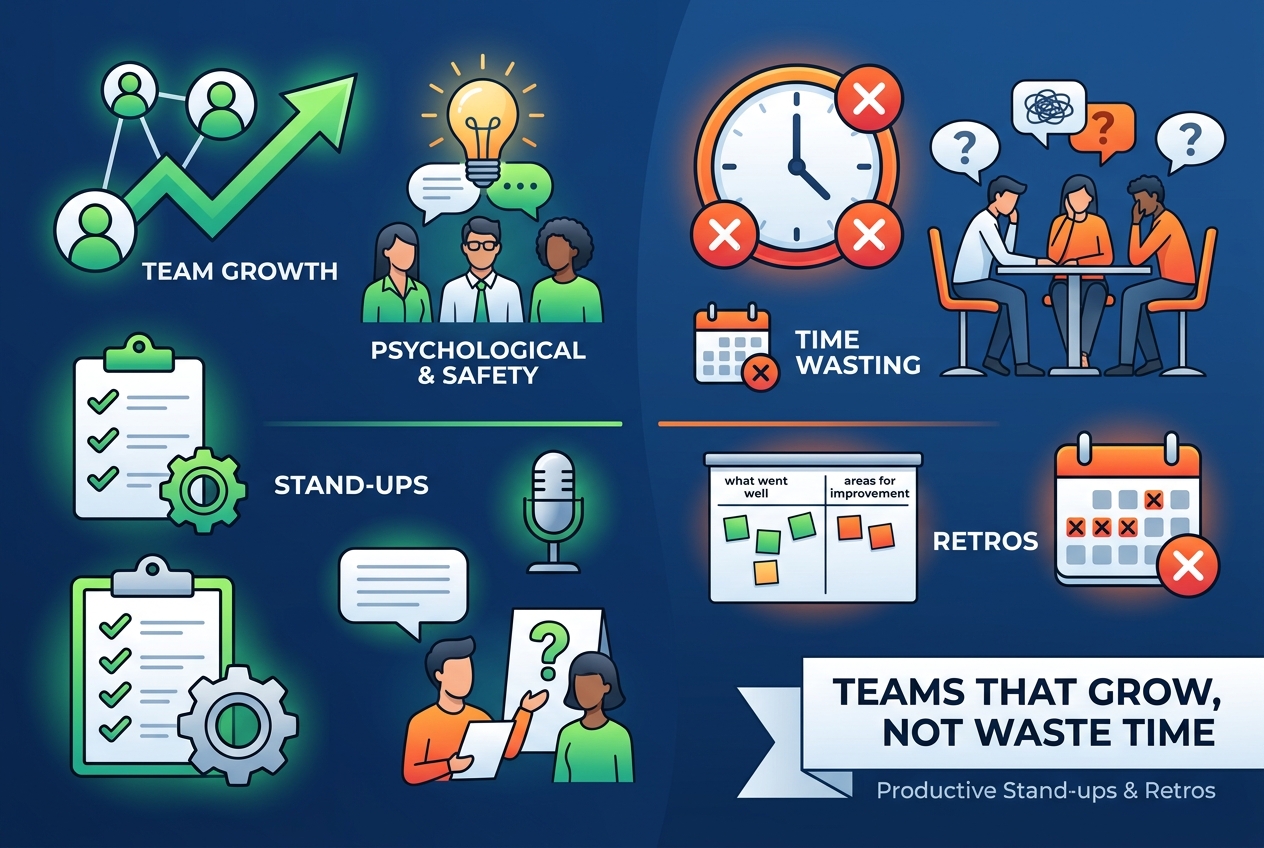
Stand-Ups and Retros That Grow Teams, Not Waste Time
Daily stand-ups and retros either build a team or burn everyone's morning. These approaches split on what keeps them honest: psychological safety first, ruthless action focus, async written updates with live time saved for connection, or strict question formats that keep things short. Weigh the structured against the lightweight and pick the rhythm your team will keep.

Why Some Proposals Win the Deal and Others Get Ignored
A proposal either moves the client to act or gets filed away. These approaches split on what does the moving: customer evidence and clear messaging, value-based pricing checked against cost and competition, rigorous quality reviews, or structured sales enablement. Decide which style fits how you sell and shape your next proposal around it.
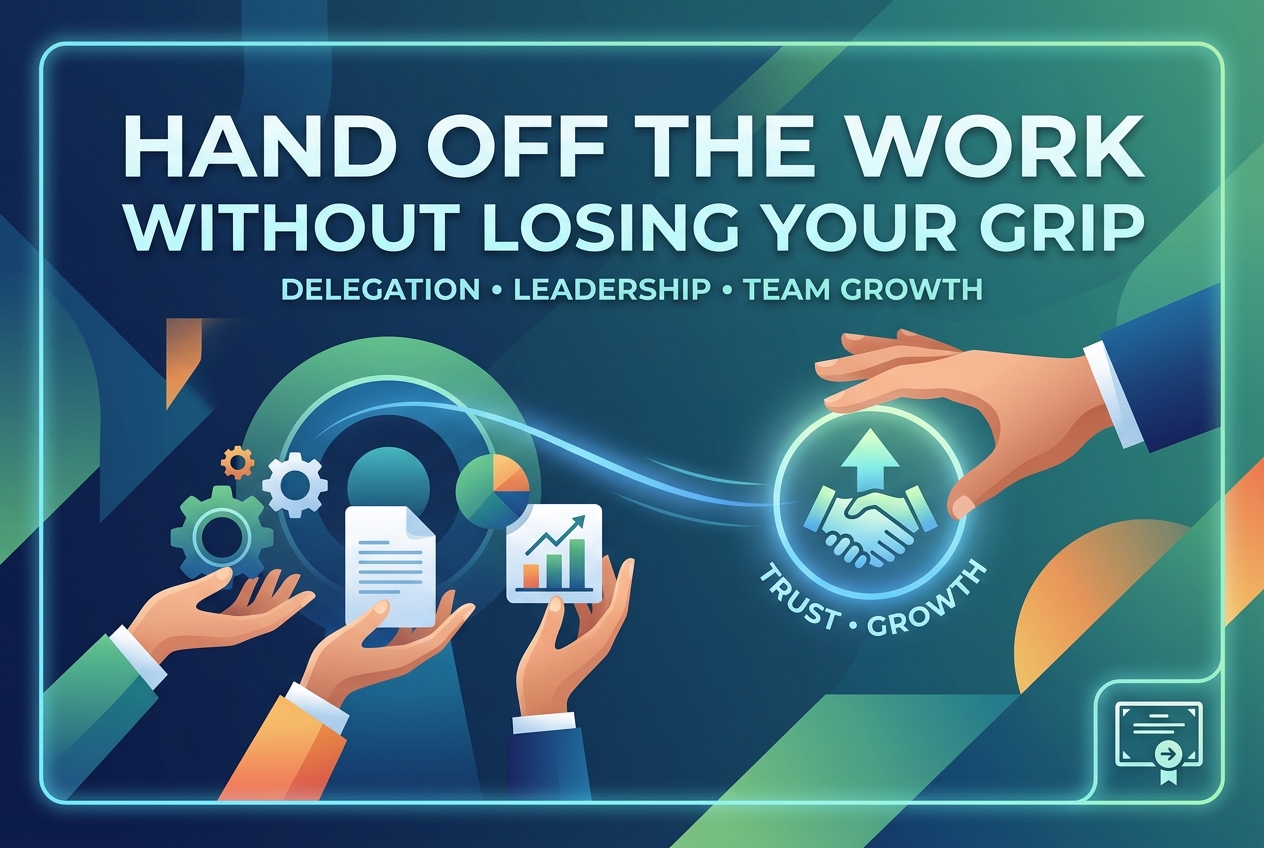
Hand Off the Work Without Losing Your Grip
Delegate too little and you become the bottleneck; delegate carelessly and outcomes slip. The approaches disagree on how close to stay: founders keeping vision while releasing operations, frameworks for choosing which tasks to hand off, gradual trust-building with tolerance for mistakes, and structured oversight that stops short of micromanaging. The balance you strike decides whether your team grows or just waits for your sign-off.

Keeping a Customer Pays Better Than Finding a New One
Chasing new customers is expensive; the growth may already be sitting in the ones you have. These strategies differ on how to keep them: doubling down on your most valuable customers, personalized communication, metrics-driven churn reduction, or selective retention over broad acquisition. Decide where loyalty deserves your budget before pouring more into acquisition.
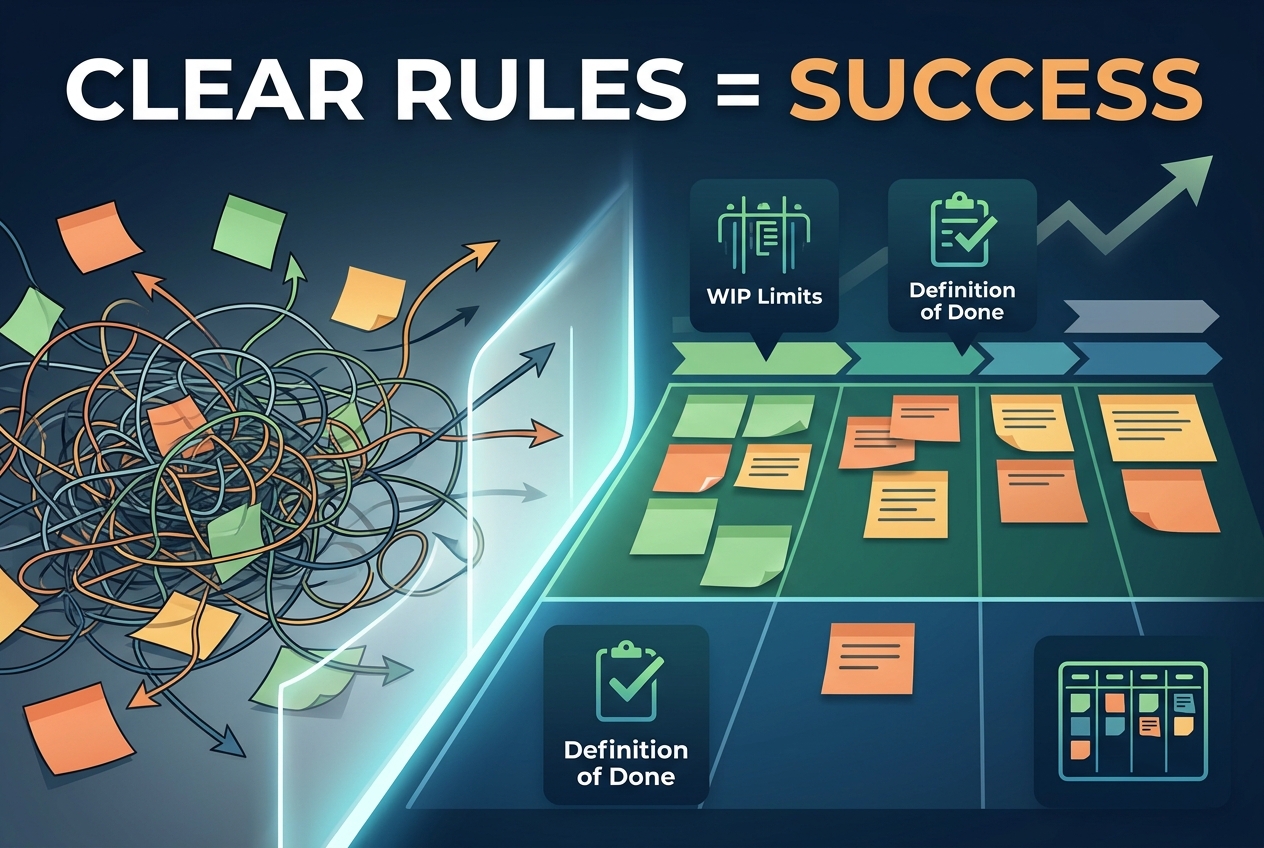
Clear Work Rules and Limits Keep Projects From Falling Apart
Clear work rules and limits, like setting work-in-progress limits and defining when tasks are ready or done, keep projects on track and prevent chaos. While many believe flexibility and constant changes help projects succeed, having firm boundaries actually creates smoother progress and fewer disasters. Following this approach means you will manage projects with more control and less stress, leading to better outcomes.

Why Nobody Follows the Procedures You Carefully Wrote
Most workplace procedures die in a folder nobody opens, and the reasons split these approaches: some blame documents written far from the people doing the work, others blame procedures stored nowhere near the point of work itself. They agree adoption is the real test but differ on whether co-writing with frontline staff or relentless accessibility drives it. Use the disagreement to design procedures your team actually opens every day.
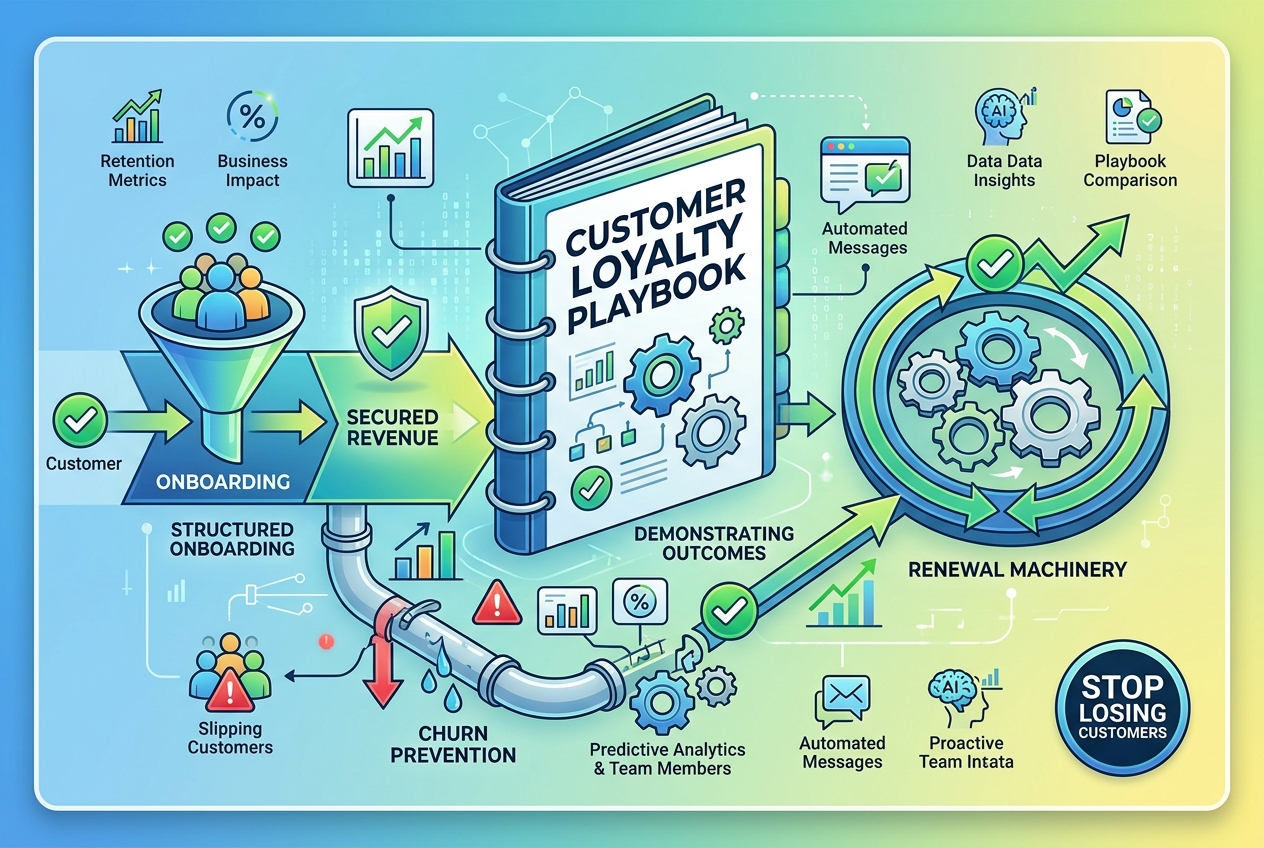
Stop Losing Customers You Already Won
Winning a customer means little if they quietly churn out a year later. The playbooks differ on where retention is really earned: structured onboarding, proactive churn prevention, demonstrating outcomes the customer can point to, or automating the renewal machinery, and each philosophy allocates your team's time differently. Comparing them helps you design the one that fits how your product delivers value.

Cramming Feels Productive. Spreading It Out Actually Works
Much of what schools and parents assume about learning, including learning styles, doesn't survive testing. These strategies center on what does: spacing practice over time, recalling material instead of rereading it, and lesson designs backed by experiments. Comparing them shows where to put effort so kids actually remember what they learn.

Remote Teams Don't Drift Into Trust, They Build It
A remote team that never shares a hallway has to make culture on purpose. These practices run from designed social rituals and explicit norms to transparency and recognition, and they split on whether cohesion should be engineered or left to grow organically. Choose the practices that fit your team and start building trust deliberately.

Hire for What Matters, Outsource the Rest to Protect Your Culture
The usual outsourcing debate stops at cost, but that misses what really holds a company together. This take says hire only for roles that are strategic, core, or need long-term commitment, and send non-core or overflow work outside. Aligning those calls with strategy and compliance protects your culture while still tapping outside help.