
Browse the Context Marketplace
Expert-level knowledge on any topic. Each capsule guides you through what matters most.
8 capsules
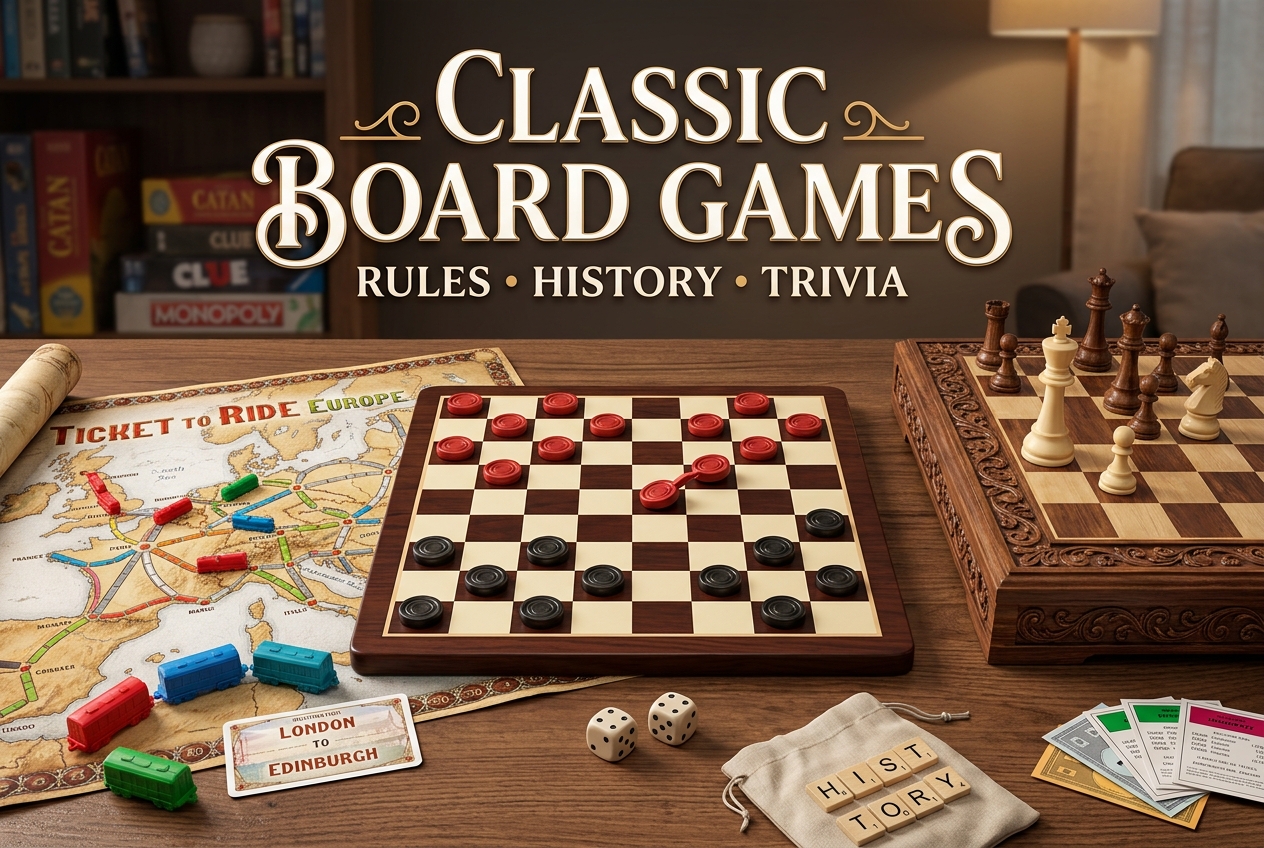
Classic Board Games Rules, History, and Trivia
Classic board games have shaped entertainment with their unique rules, historical significance, and interesting trivia. This collection presents detailed rules from popular games, explores their impact over time, and shares fascinating facts that enrich the playing experience. Whether learning how to claim routes in Ticket to Ride or understanding capture moves in checkers, this resource offers comprehensive knowledge for players and enthusiasts.
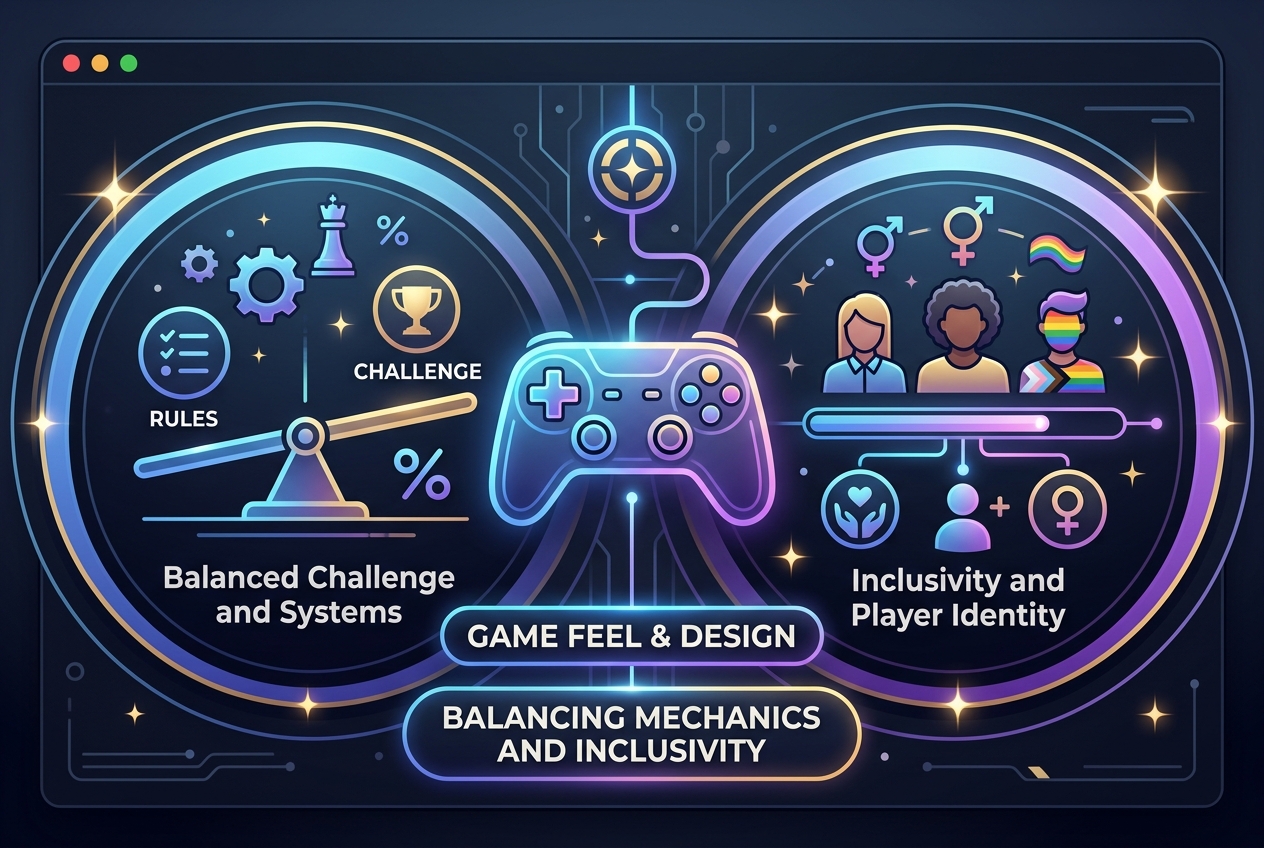
What Actually Makes a Game Feel Good to Play
A game feels rewarding when its rules manage power, fairness, and meaningful choice well. These approaches differ on what matters most: one focuses on balanced challenge and clear rules, the other on which player identities games leave out, like queerness getting overlooked next to gender and race. You can weigh which lens shapes a more satisfying, inclusive experience.

Games, Not Gym Workouts, Are the Best Lifelong Fitness Plan
Gym memberships get abandoned; games keep people coming back. The claim here is that recreational play, from pickleball to active video games, beats solo workout routines for lifelong fitness because fun sustains the habit while building heart health, balance, and social connection. Especially for older adults, the move is to pick a game you love, clear it with your doctor, and let enjoyment do the discipline.
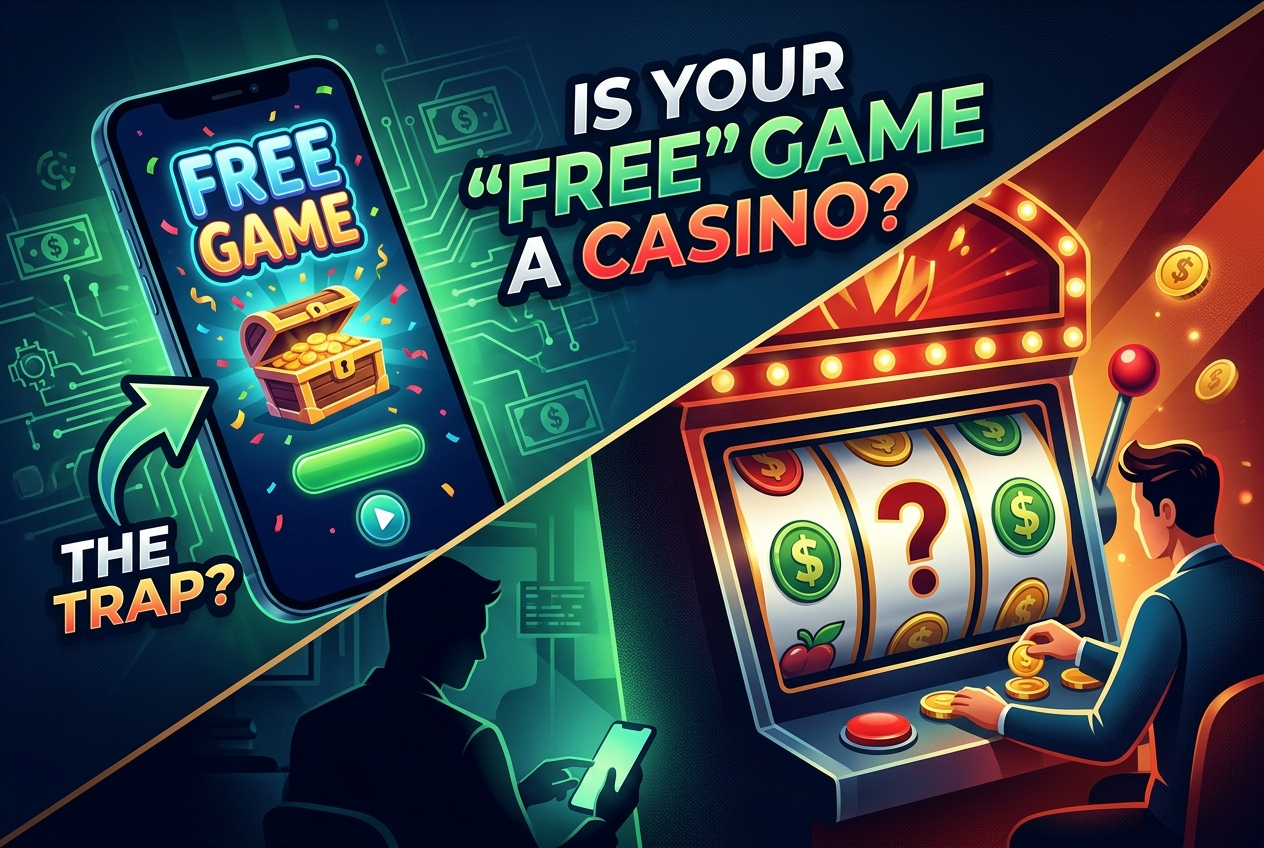
Free Games Make Their Money Like Casinos Do
Free games look harmless, but their profits come overwhelmingly from a small group of heavy spenders drawn into chance-based purchases like loot boxes. The spending patterns mirror gambling and track with problem-gambling risk, which is why the case here calls for transparency and spending limits to protect vulnerable players. Once you see the model, free stops looking free.
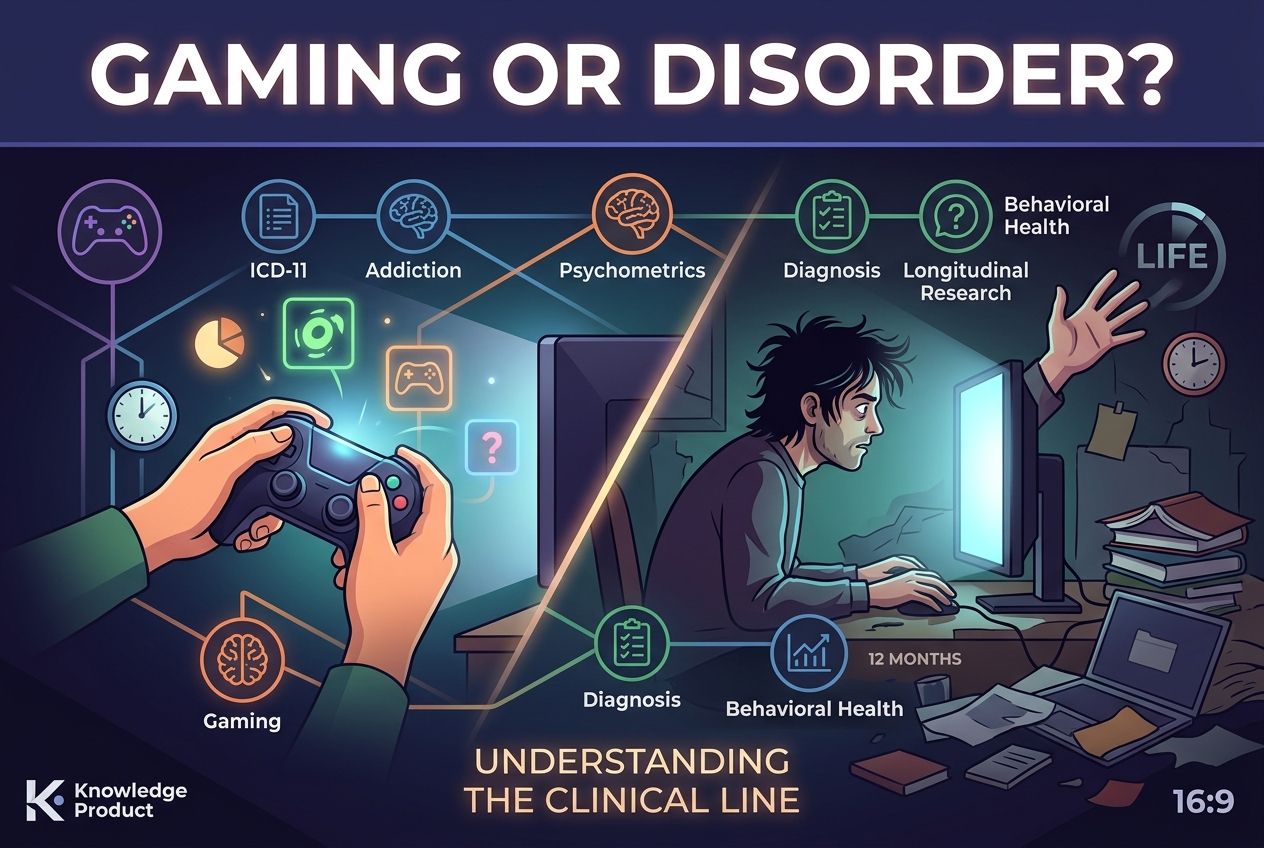
When Does Gaming Cross the Line Into a Real Disorder?
Plenty of people worry their gaming is a problem, but the clinical bar is far higher than a busy week. This view holds that a gaming disorder means impaired control, gaming crowding out everything else, and continuing despite real harm for at least twelve months. Using that stricter standard separates genuinely harmful patterns from normal enthusiasm.
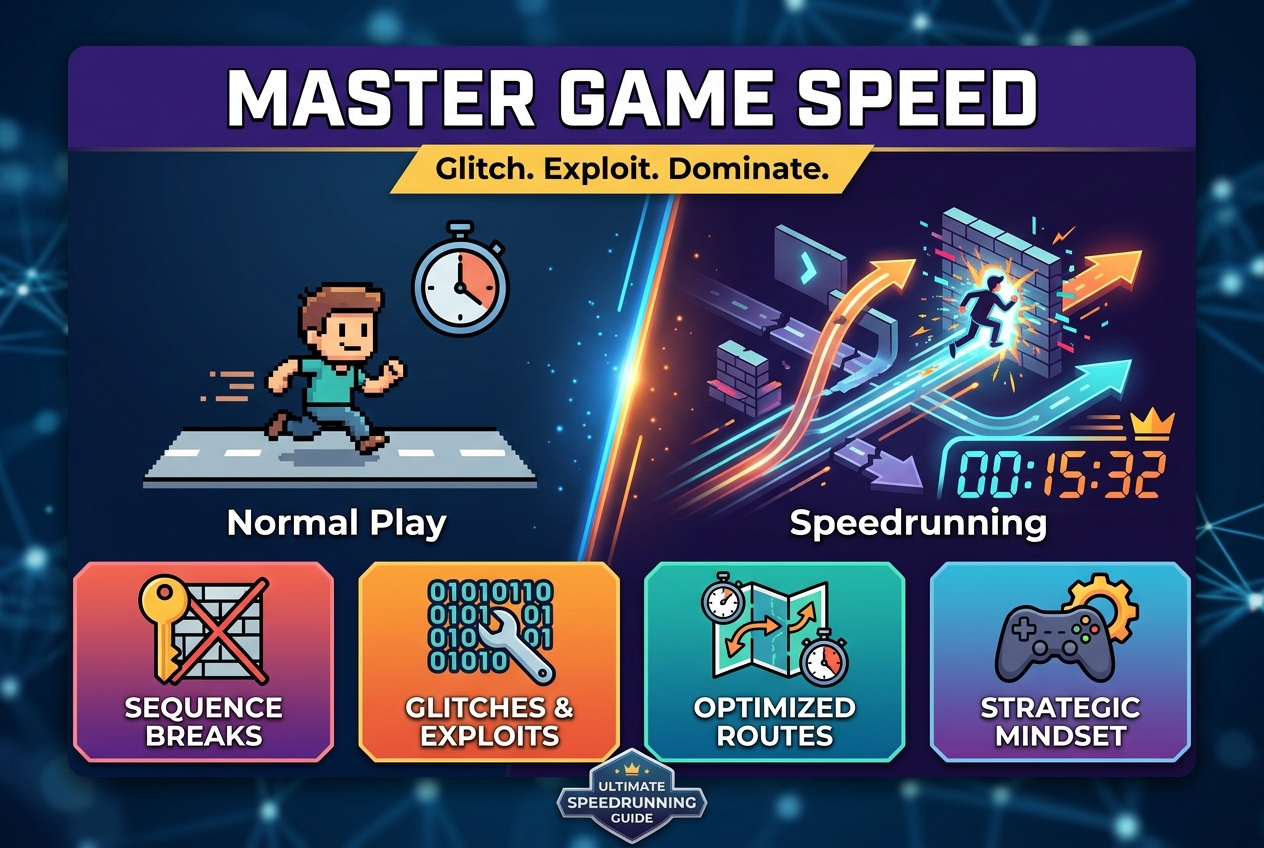
Mastering Game Speed Means Breaking the Rules and Using Every Trick
Beating games as fast as possible requires deliberately exploiting glitches, sequence breaks, and optimized routes that most casual players overlook or avoid. While mainstream play focuses on completing games normally, speedrunning embraces bending or breaking rules within community guidelines to minimize completion time. Adopting this mindset transforms gaming into a precise, strategic challenge where deep knowledge and creative tactics deliver dramatically faster results.
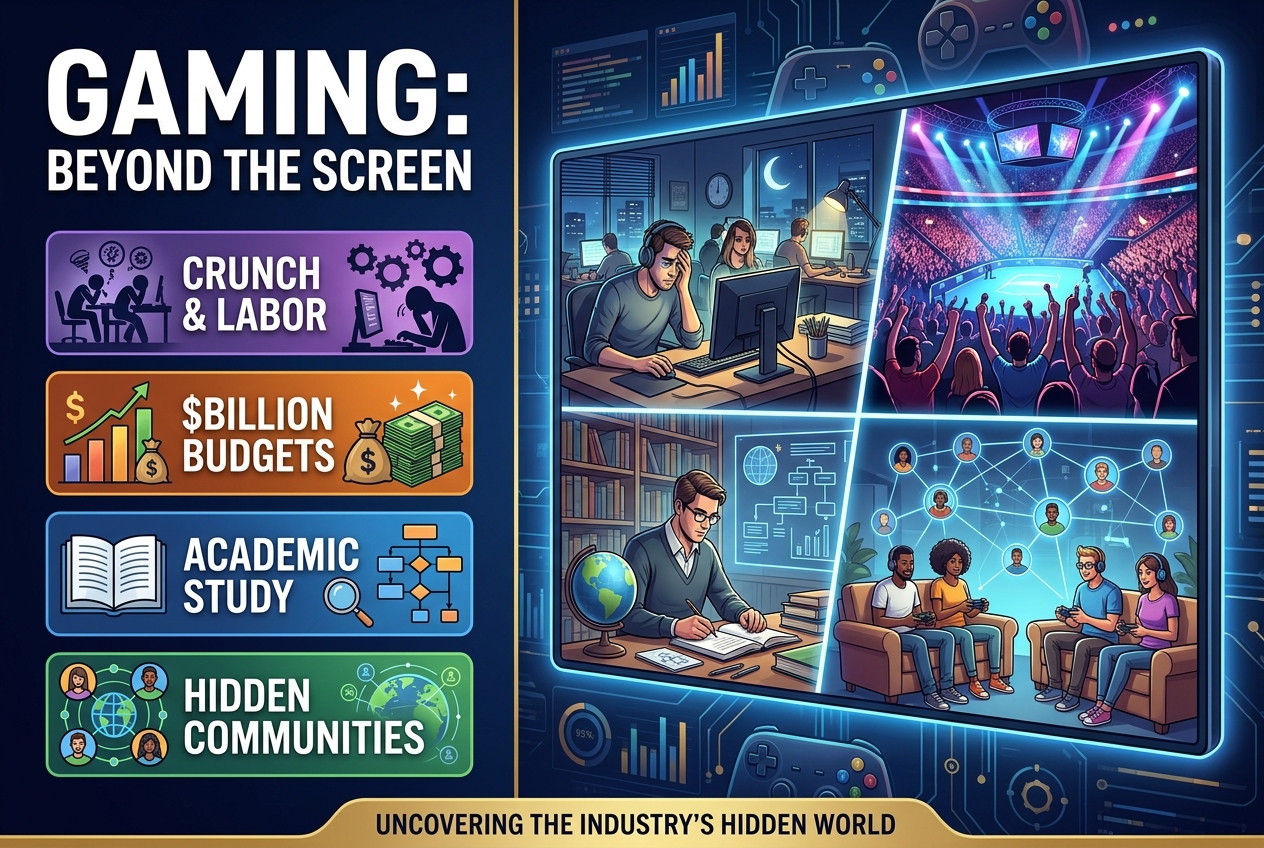
The Facets of Gaming Culture Most Players Never See
Gaming is a billion-dollar industry, a labor story, an academic field, and a set of living communities all at once. These facets cover the hidden conditions behind game development, the eye-watering scale and financial risk of big projects, the scholarly push to define gaming terms, and the communities that keep games alive. Compare them for a fuller picture of the world you play in.
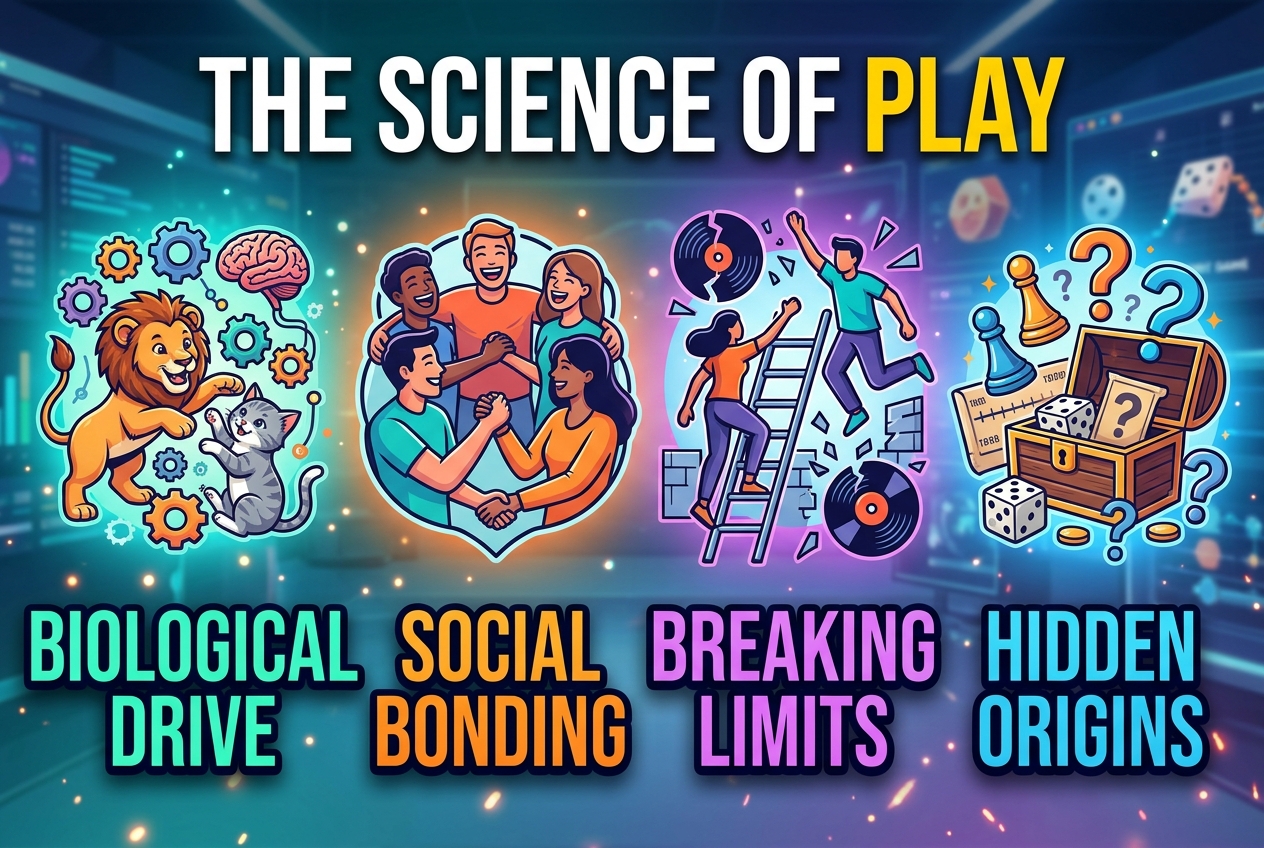
What Actually Drives Us to Play
Play looks trivial but runs deep, and its explanations point in different directions. Some frame it as a biological drive wired into mammals, others as social bonding and belonging, another as the way humans test and break their limits, plus a trove of surprising origins behind games we take for granted. You can explore which explanation fits your own experience.