
Browse the Context Marketplace
Expert-level knowledge on any topic. Each capsule guides you through what matters most.
45 capsules

The Essential Tools for Persuasive and Impactful Communication
Rhetorical devices are powerful techniques that enhance how we express ideas and influence audiences. This collection presents a wide range of methods—from building credibility and appealing to emotions to using repetition, contrast, and figurative language—that help speakers and writers craft compelling arguments and memorable messages. Learn how to apply these tools effectively to engage listeners, clarify points, and enrich your communication.
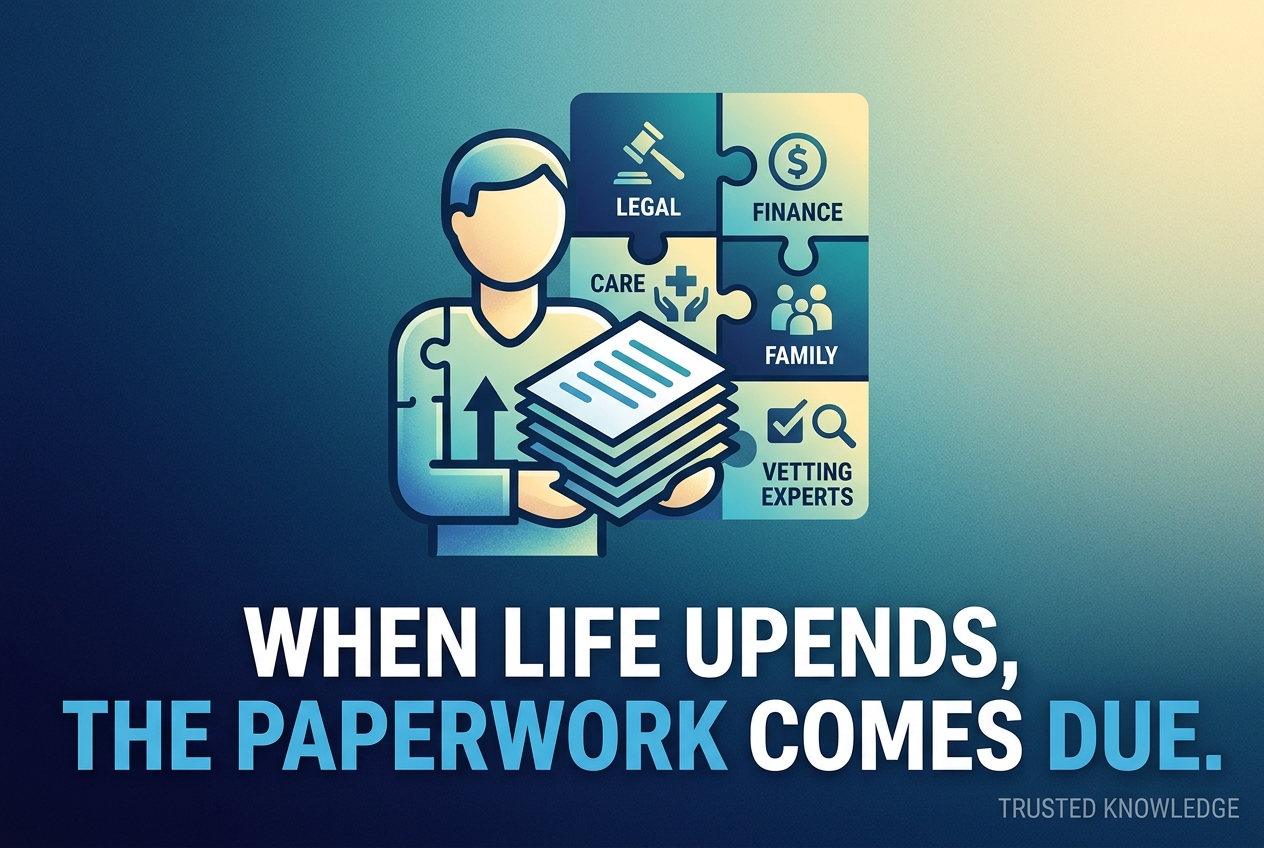
When Life Upends, the Paperwork You Skipped Comes Due
A divorce, a diagnosis, or a death in the family rarely announces itself, and the plans you made before rarely survive it intact. These planning elements differ on what to put first: legal documents for incapacity, smart money moves, coordinating care and communication with family, or verifying that the experts you hire are the real thing. Together they show you how to rebuild your life piece by piece with connected decisions instead of isolated ones made under pressure.

Turning Family Facts Into a Plan Everyone Can Live With
Making a family plan means juggling safety, mental health, and daily routines all at once. These recommendations part ways on where to start: clear communication and safety protocols during parenting transitions, tackling trauma and mental health first, or using structured decision tools to settle arrangements. Seeing the differences helps you choose the path that fits your family's real situation.

Knowing When to Ask for Help Keeps You in Control
Many believe self-reliance means handling everything alone, but this approach overlooks the power of strategic support. By clearly communicating your needs and seeking help when challenges exceed your capacity, you maintain authority over your situation rather than losing control. Embracing help at the right time ensures you stay engaged and lead effectively through complex or emotional challenges.

The Story That Sells Isn't About Your Product
Busy executives tune out feature lists, but they lean in for a story where they are the hero reaching a better future. The techniques here differ on the craft: strip the message to structured simplicity, lead with the main point, open a curiosity gap, or ground everything in proven facts and achievements. Choose the shape that fits the room you need to persuade.

Why Some Proposals Win the Deal and Others Get Ignored
A proposal either moves the client to act or gets filed away. These approaches split on what does the moving: customer evidence and clear messaging, value-based pricing checked against cost and competition, rigorous quality reviews, or structured sales enablement. Decide which style fits how you sell and shape your next proposal around it.

Keeping a Customer Pays Better Than Finding a New One
Chasing new customers is expensive; the growth may already be sitting in the ones you have. These strategies differ on how to keep them: doubling down on your most valuable customers, personalized communication, metrics-driven churn reduction, or selective retention over broad acquisition. Decide where loyalty deserves your budget before pouring more into acquisition.
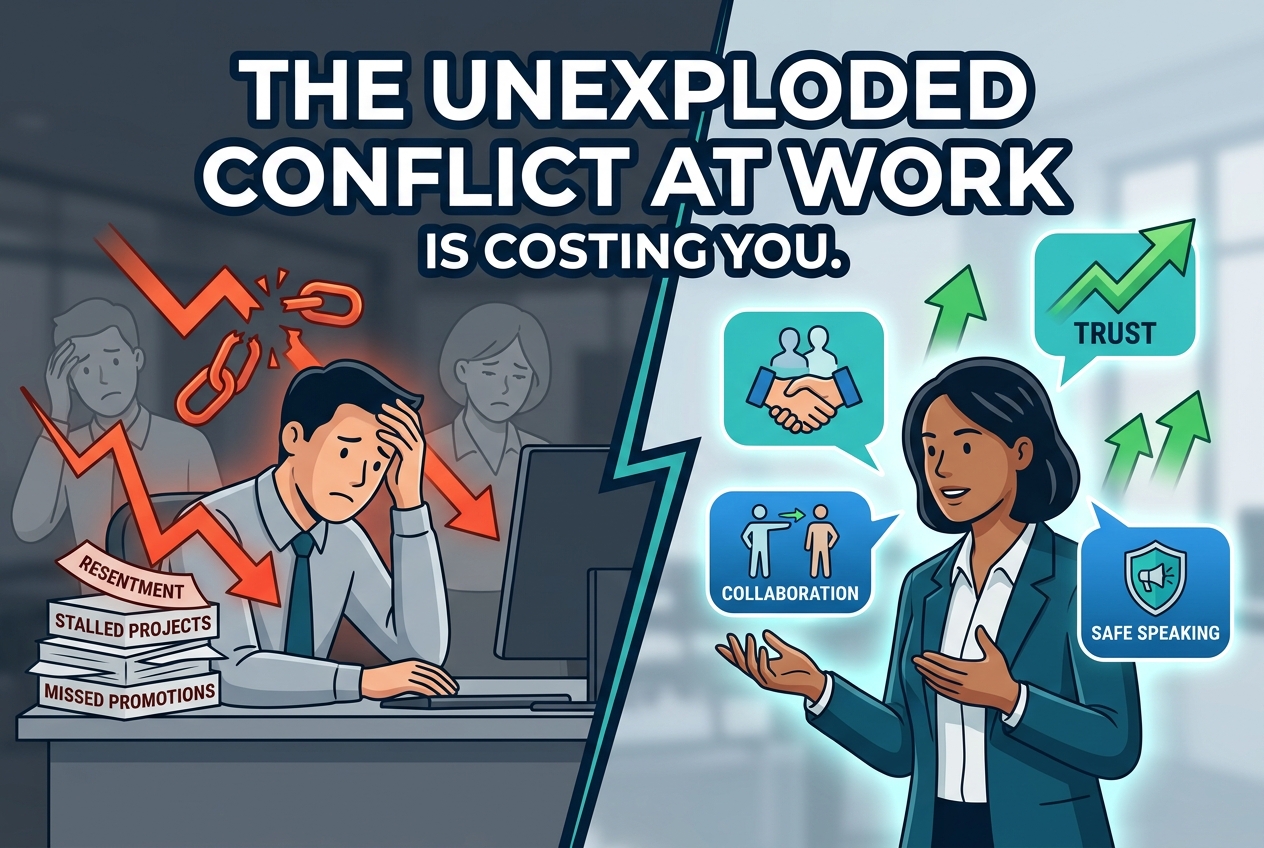
The Conversation You Keep Avoiding at Work Is Costing You
Unsaid feedback and dodged conflict quietly compound into resentment, stalled projects, and missed promotions. These approaches split on the way in: structured dialogue steps that build mutual respect, active listening and collaborative negotiation, or first dismantling the cultural barriers that make speaking up feel dangerous. The right fit depends on your workplace and how high the stakes have climbed.

How to Talk Money and Care with Aging Parents Before It’s Too Late
Discussing money and care with aging parents before a crisis helps avoid confusion and conflict later. The steps differ on how to organize important documents, set ethical boundaries, and prepare legally and financially for future needs. You’ll learn how to gather and secure critical information, plan for long-term care costs, and ensure smooth access to accounts and decisions when the time comes.
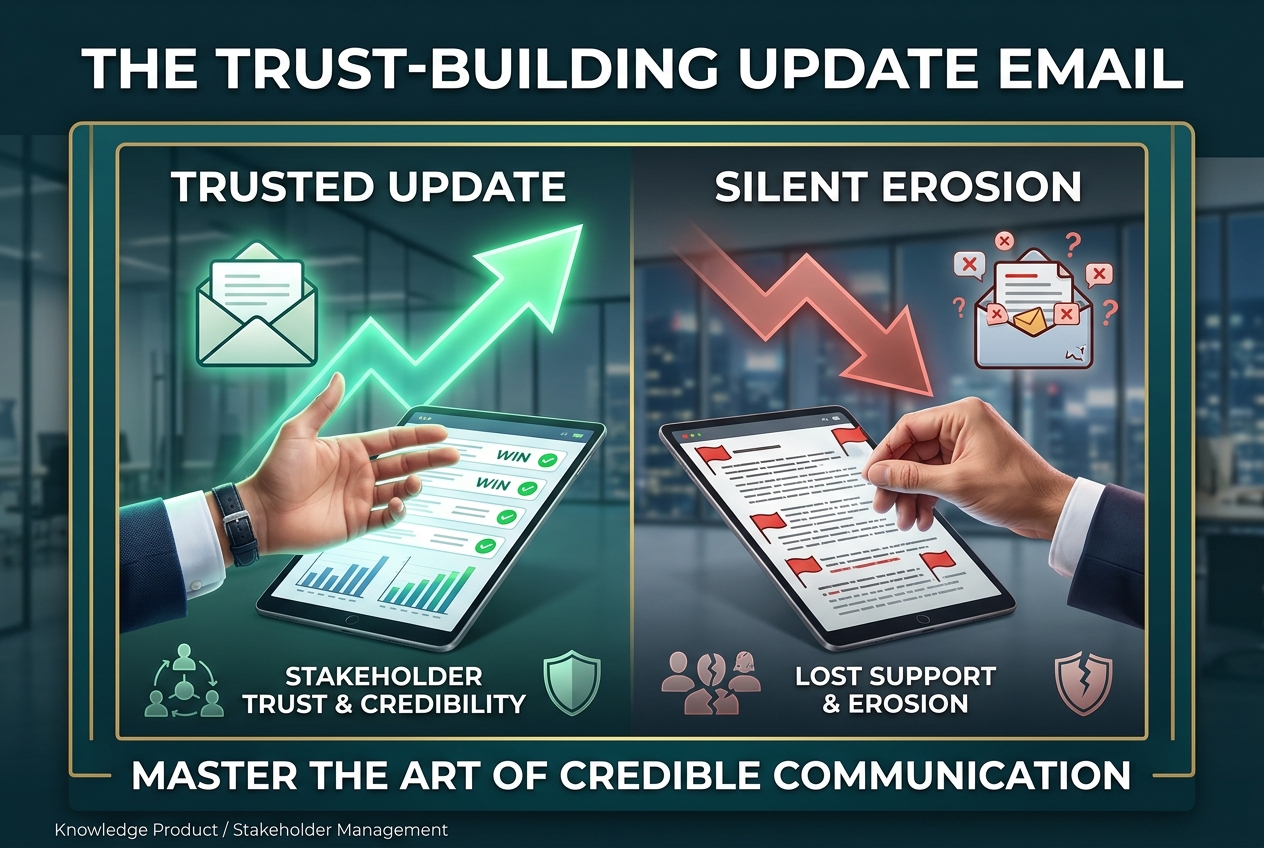
The Update Email That Makes Stakeholders Trust You
A project update lands in a crowded inbox and either builds your credibility or quietly erodes it. These approaches split on what earns trust: full transparency including the risks, leading with wins and next steps, tailoring each message to a stakeholder's influence and interest, or positioning yourself as a strategic ally to leadership. The choice shapes not just the project's support but your own visibility.

Classic Software Design Patterns and Their Core Principles
Software design patterns provide proven solutions to common programming challenges by defining reusable templates for object creation, behavior, and structure. This collection covers fundamental patterns such as those that manage object creation, enable flexible behavior changes, and facilitate communication between components, helping developers build maintainable and scalable software systems.

Your First Months as a Manager Set Everything After
New managers rarely fail from lack of skill; they fail from picking the wrong early priorities. The approaches split over what comes first: structured onboarding and mentorship, mastering clear and timely feedback, building psychological safety, or a cautious relationship-first start with careful delegation. Decide where your team's trust and performance need you most in the critical early months.