
Browse the Context Marketplace
Expert-level knowledge on any topic. Each capsule guides you through what matters most.
14 capsules
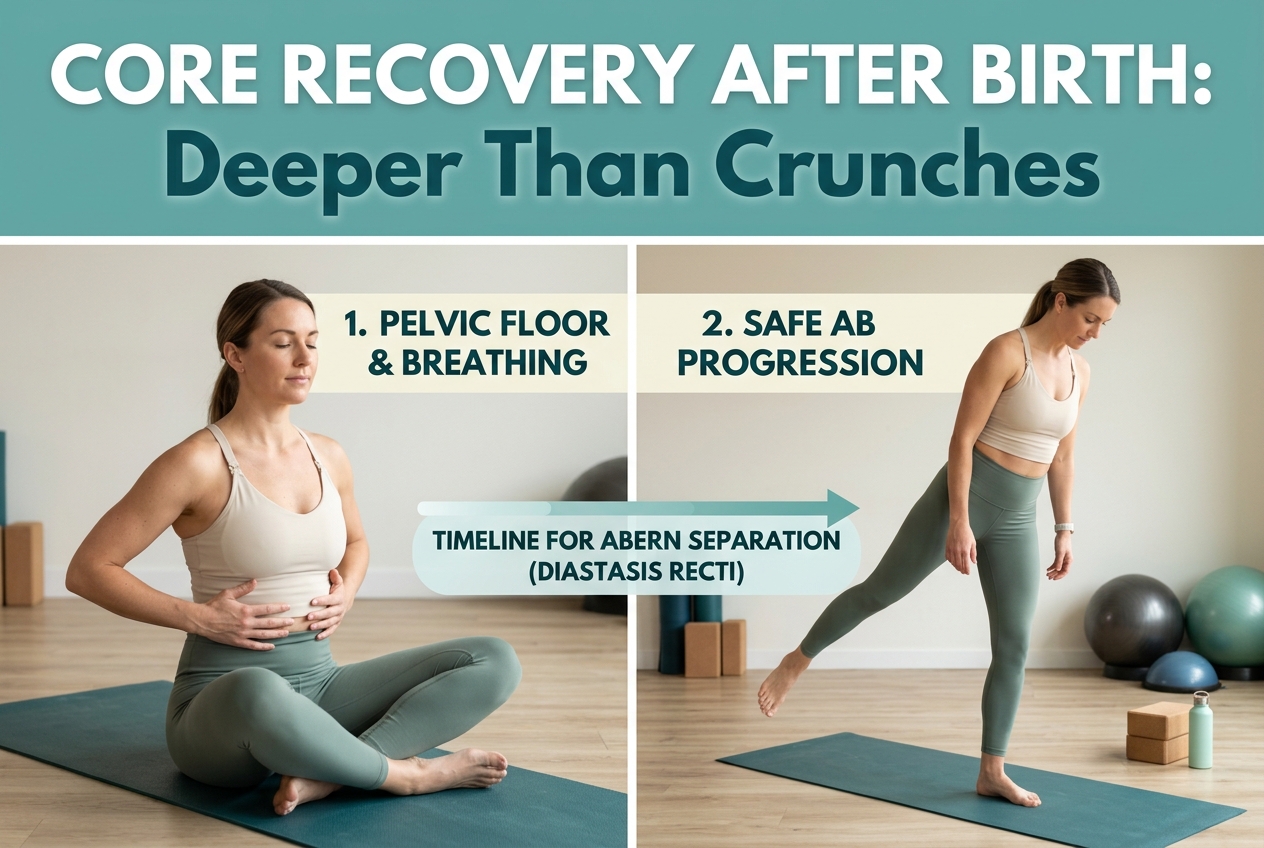
Rebuilding Your Core After Birth Starts Deeper Than Crunches
After giving birth, jumping straight into ab workouts can set recovery back. These steps sequence the comeback from breathing and pelvic floor work up to specific programming and managing abdominal separation, and they split on how cautious or assertive to be along the way. Weigh what the evidence supports and pace a recovery that fits your body.
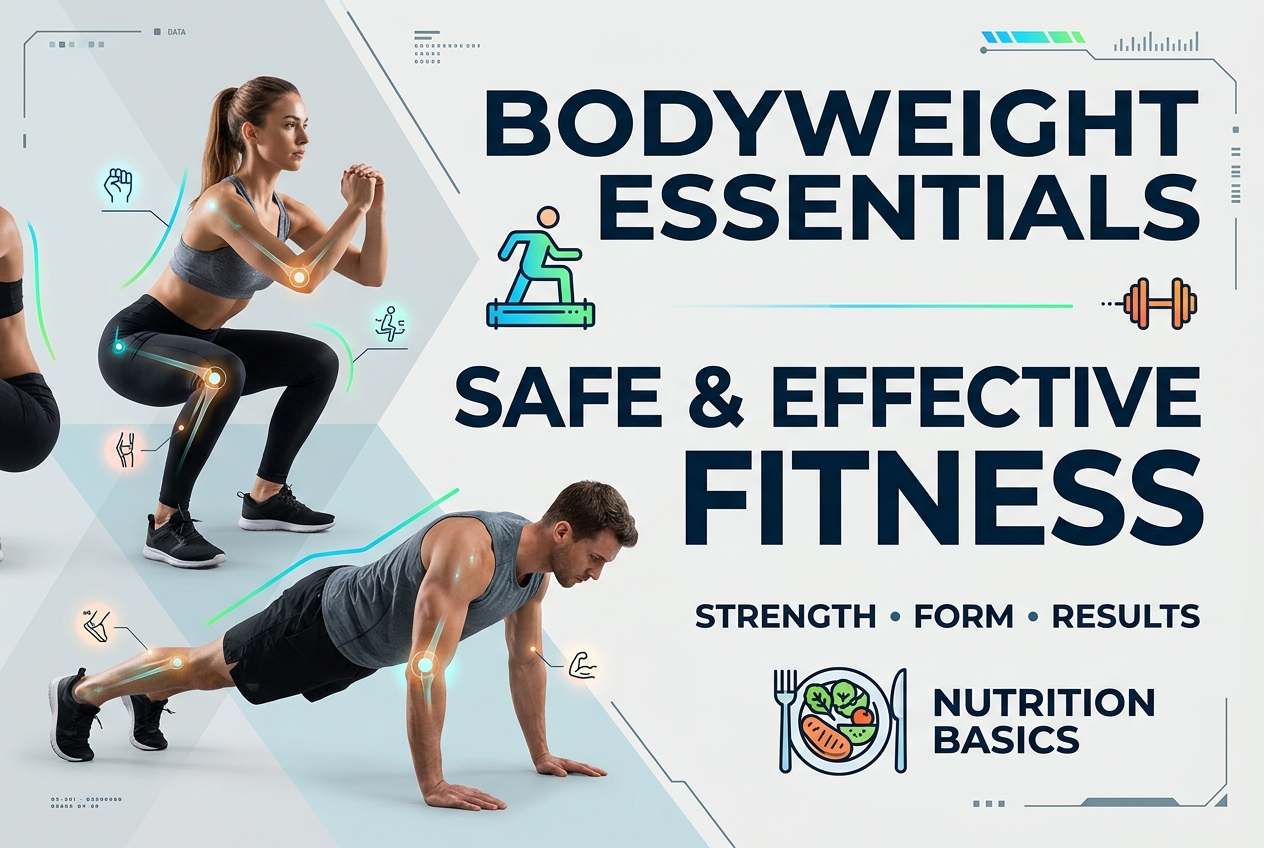
The Essential Bodyweight Exercises for Safe and Effective Fitness
Bodyweight exercises are foundational movements that build strength, stability, and mobility without equipment. This collection covers key exercises with detailed guidance on maintaining proper form, progressing safely, and avoiding injury. It also includes nutritional basics to support your training and help you achieve consistent, effective results.
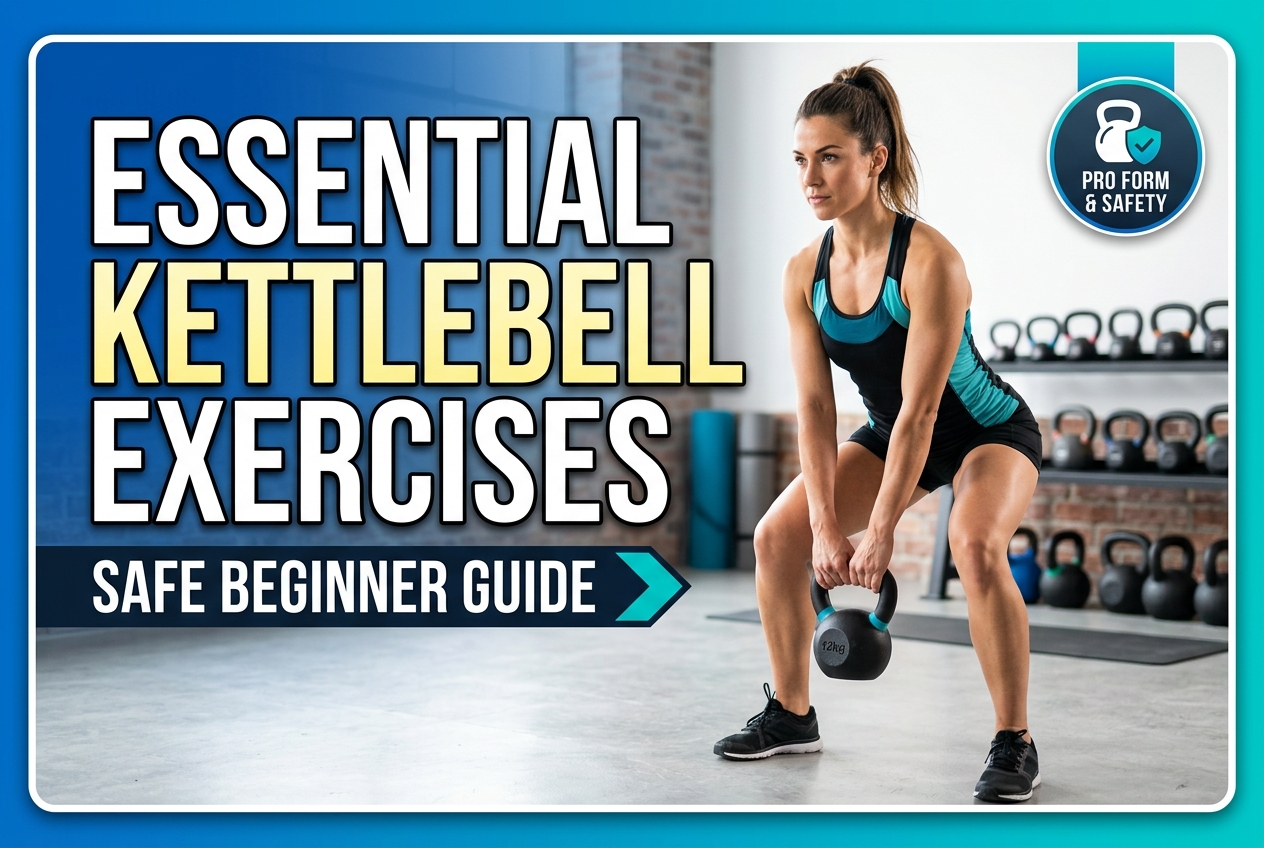
Safe and Essential Kettlebell Exercises for Beginners
Kettlebell training requires mastering fundamental exercises with proper form to prevent injury and build strength effectively. This collection presents essential kettlebell movements, detailed step-by-step techniques, and common form mistakes to avoid, emphasizing safe progression and injury prevention. It guides users to focus on correct posture, controlled movements, and gradual load increases under professional supervision.
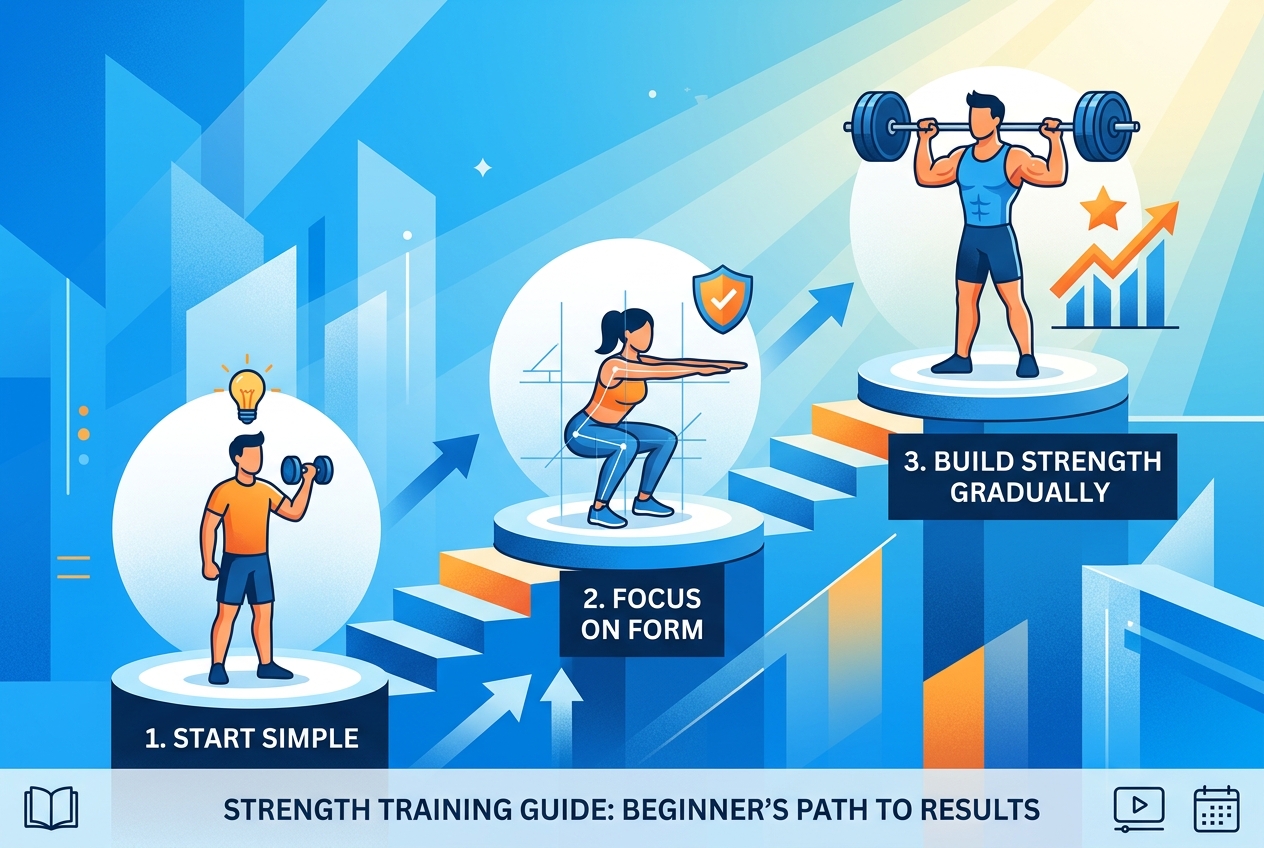
Start Simple, Focus on Form, and Build Strength Gradually
Strength training works best when you begin with manageable weights and prioritize proper technique over lifting heavy. Instead of pushing through pain or rushing progress, focus on consistent, gradual improvements and listen to your body to avoid injury. This practical approach overcomes common barriers like time constraints and fear of injury, making strength training accessible and effective for everyone.

How to Train Safely and Effectively After 50 Without Risking Injury
Strength and fitness training after 50 requires careful attention to safety, proper technique, and listening to your body. Different guidelines emphasize warming up, avoiding breath-holding, managing joint pain, and recognizing warning signs like chest discomfort. Understanding these varied approaches helps you choose a routine that balances progress with real-world health considerations and emergency preparedness.
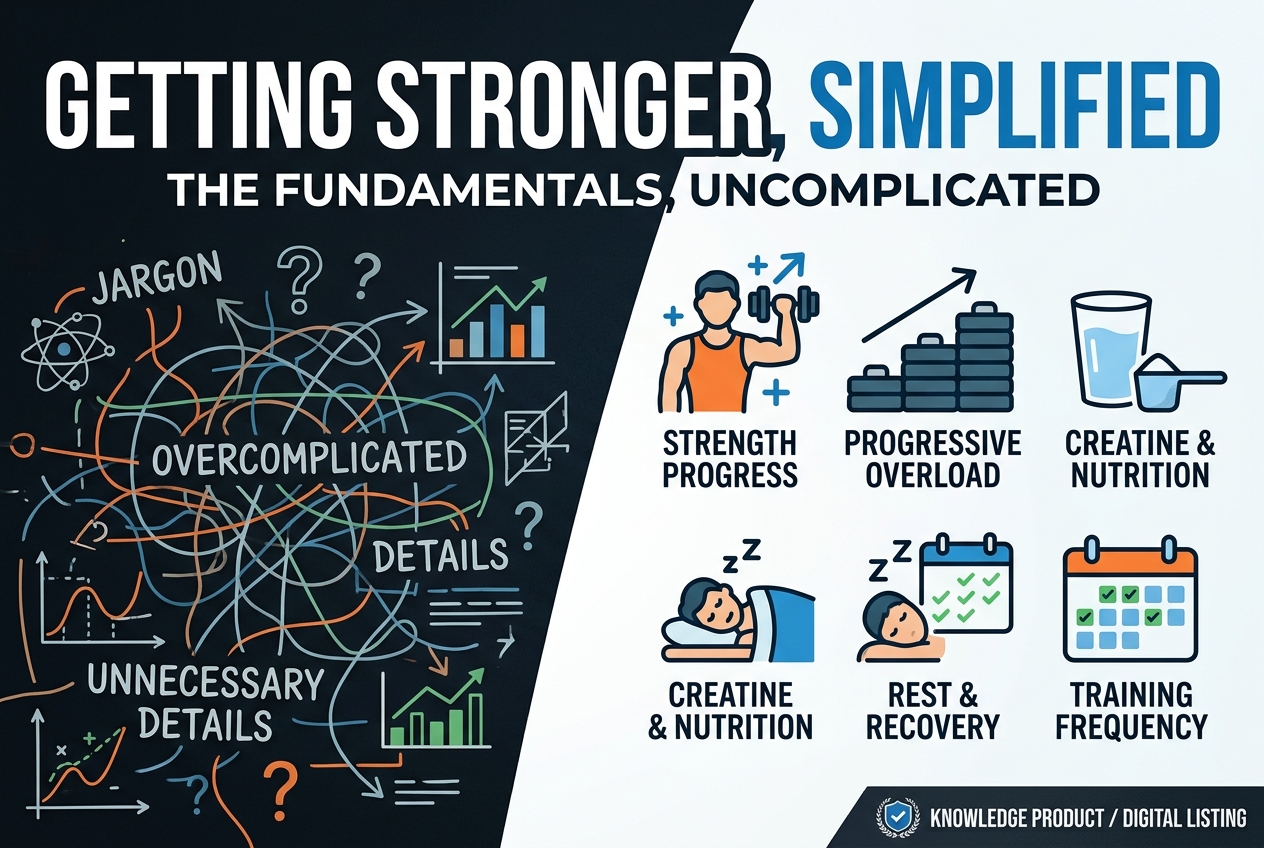
Getting Stronger Without Overcomplicating It
Strength advice gets buried under jargon, but the fundamentals are simpler than the internet makes them. These methods differ on how far you can strip training principles down, how much protein, creatine, and frequency matter, and when simple advice needs context and limits. Pick the level of detail that fits your goals and life.
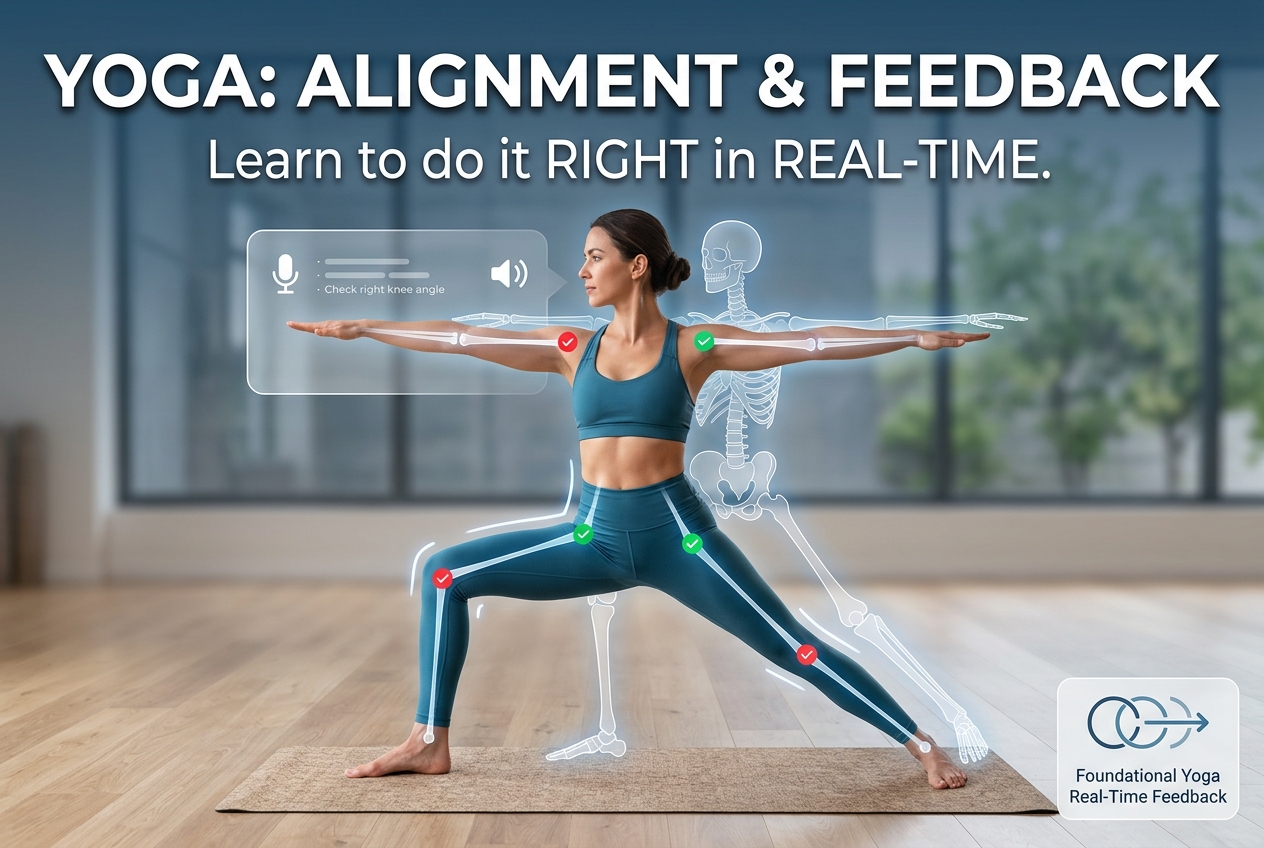
Foundational Yoga Poses with Real-Time Corrective Feedback
Yoga poses require precise alignment to avoid injury and maximize benefits. This collection offers detailed guidance on foundational poses, integrating real-time visual and voice feedback systems that compare user posture to ideal models using biomechanical joint-angle analysis. It also highlights safety precautions and modifications for common pain or injuries, helping practitioners perform poses correctly and safely.
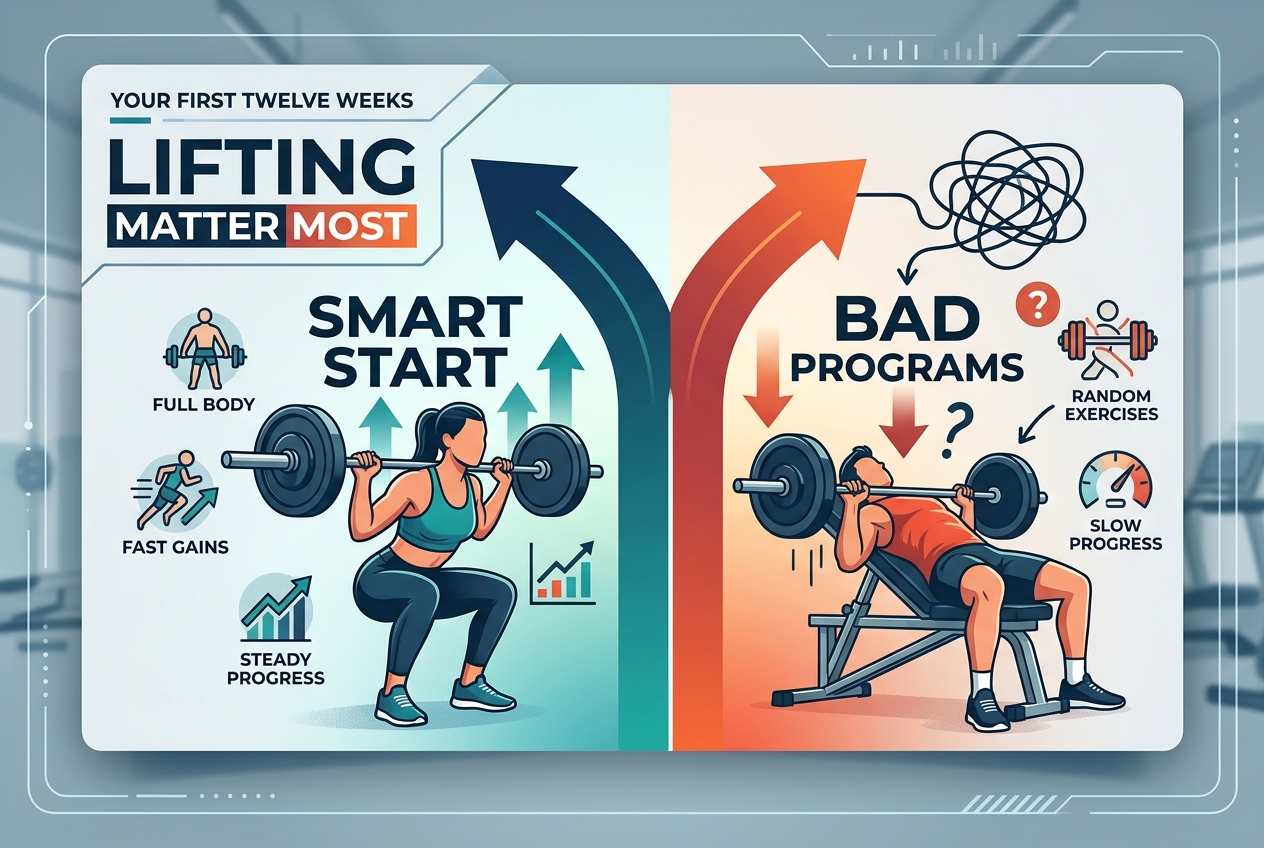
Your First Twelve Weeks of Lifting Matter Most
Beginners make their fastest strength gains early, which is exactly when bad programs waste the most. These methods differ on training frequency, full-body versus split routines, rest, and how quickly to add weight. Setting them side by side helps you pick a plan you can sustain past the honeymoon.

Who Really Keeps Your Workout Fees Gym Owners or Trainers
When you pay for personal training, the split between gym owners and trainers shapes who earns what and who controls your sessions. Models differ on client ownership, fee distribution, and trainer independence, revealing why some trainers earn more by managing their own clients and schedules while others work under gym policies that limit their take-home pay. Understanding these models helps trainers and clients see the real economics behind personal training fees and the trade-offs between convenience, control, and income.
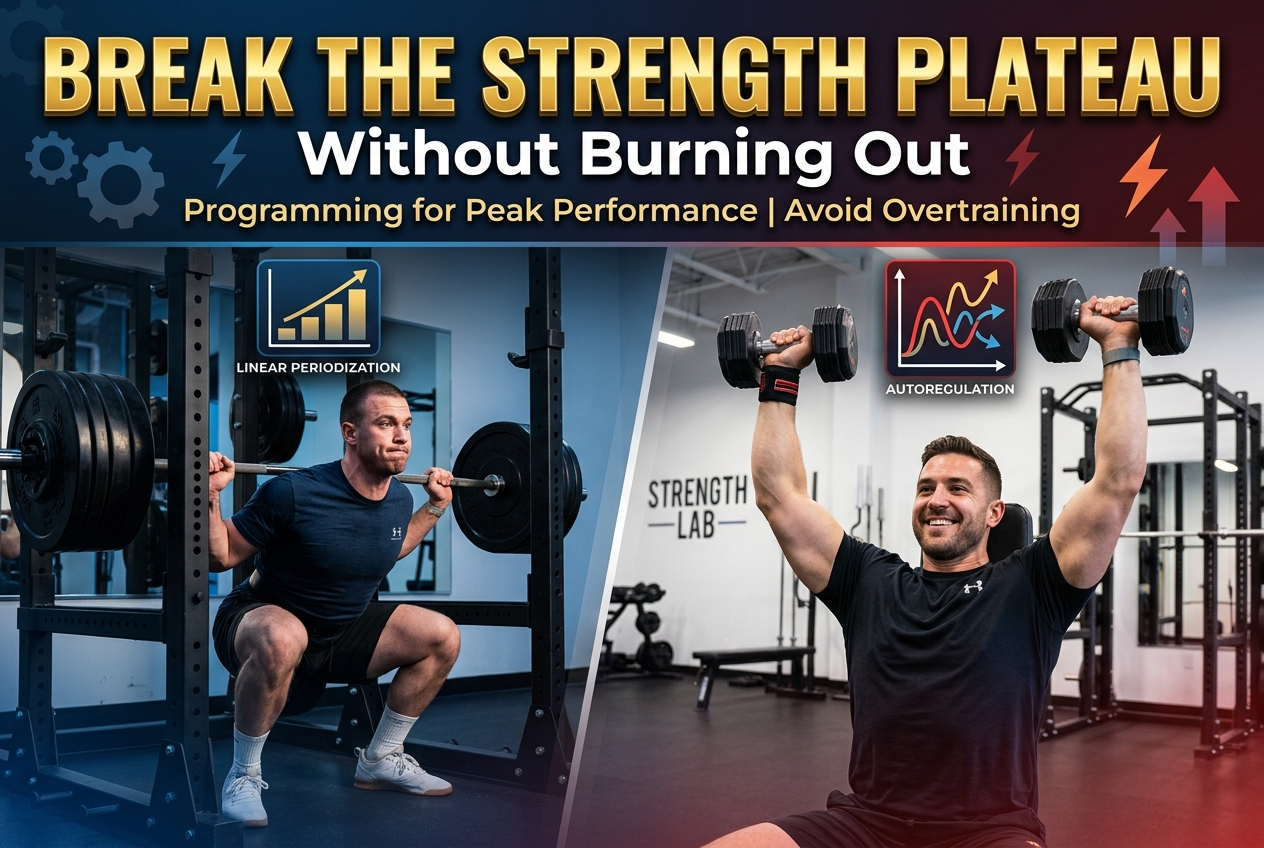
Break Through a Strength Plateau Without Burning Out
When your lifts stall, the fix depends on how you plan progress. These methods differ between steady, pre-planned changes in intensity and volume over weeks and a flexible daily approach that adjusts to how ready you feel that session. You can decide which one breaks your plateau without pushing you into injury.
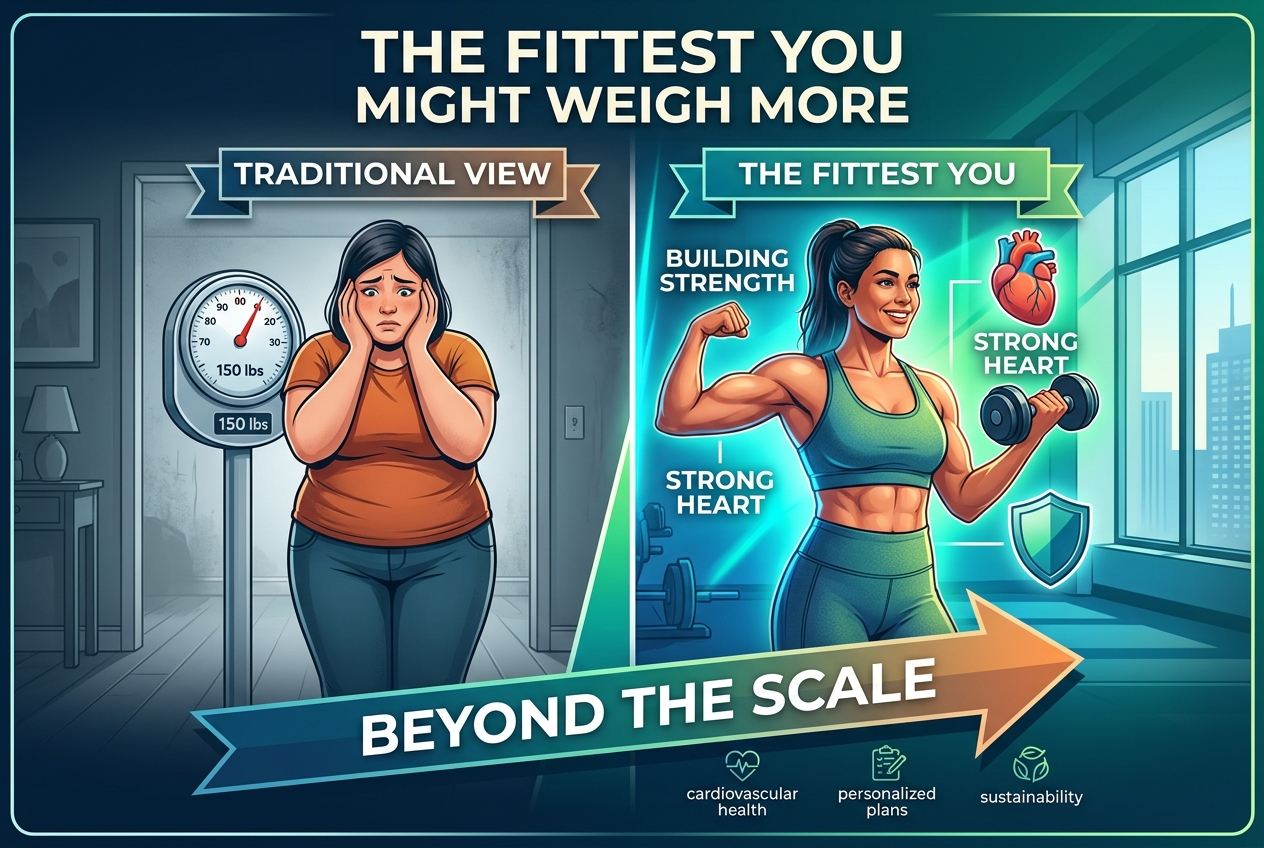
The Fittest Version of You Might Weigh More
If the bathroom scale is your only referee, you may be training for the wrong prize. These principles differ on what fitness really means: building strength gradually enough to avoid injury, valuing a strong heart over a low weight, tailoring the whole plan to your own body and life, and knowing where fitness research stops being trustworthy. Together they let you choose a path that makes you genuinely healthier, not just lighter.
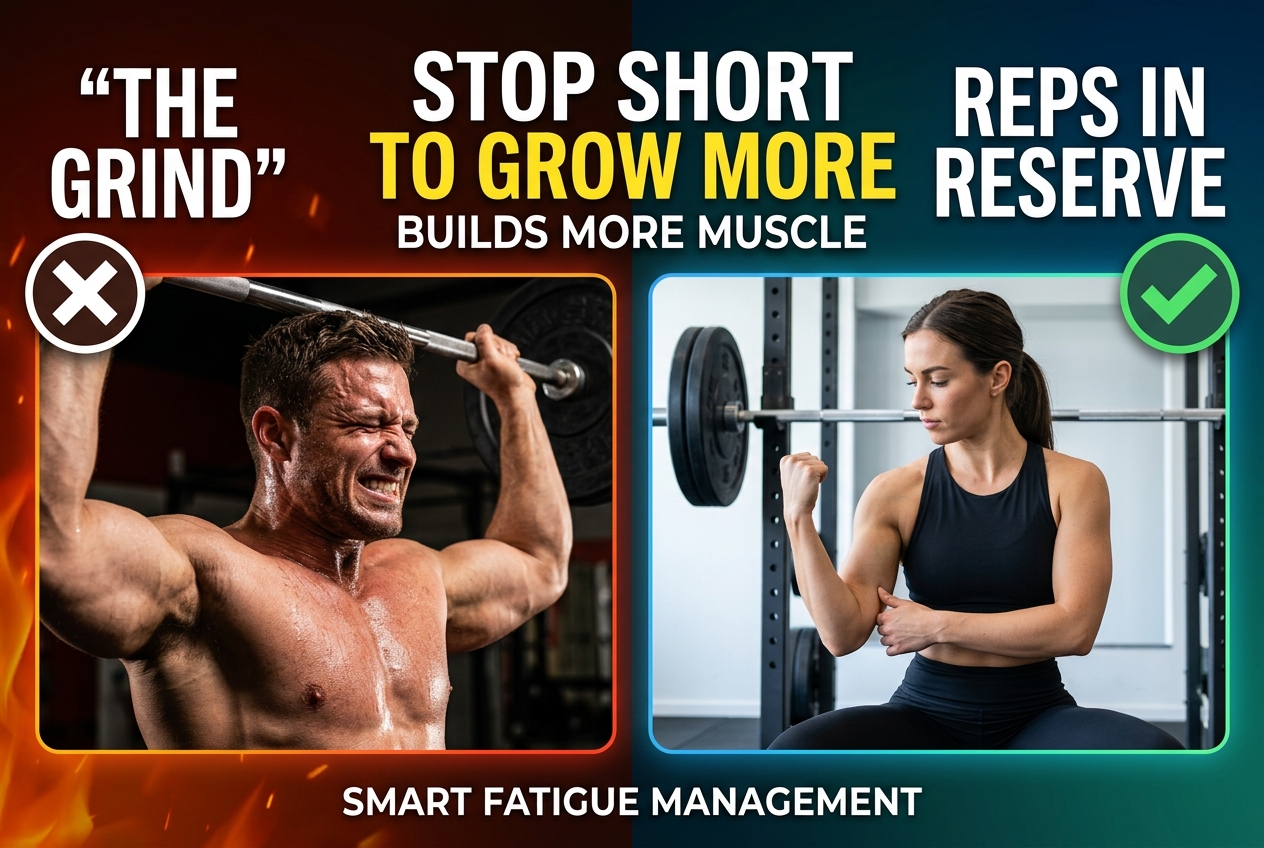
When Stopping Short Builds More Muscle Than Grinding On
Grinding every set until you physically cannot move the weight feels hardcore, but it may be quietly stalling your progress. These methods differ on how to dose effort instead: rating how hard a set feels, leaving repetitions in reserve, and protecting recovery so fatigue does not swallow your gains. Compare them and you can decide exactly when pushing to failure earns its cost and when to rack the bar early.