
Browse the Context Marketplace
Expert-level knowledge on any topic. Each capsule guides you through what matters most.
12 capsules
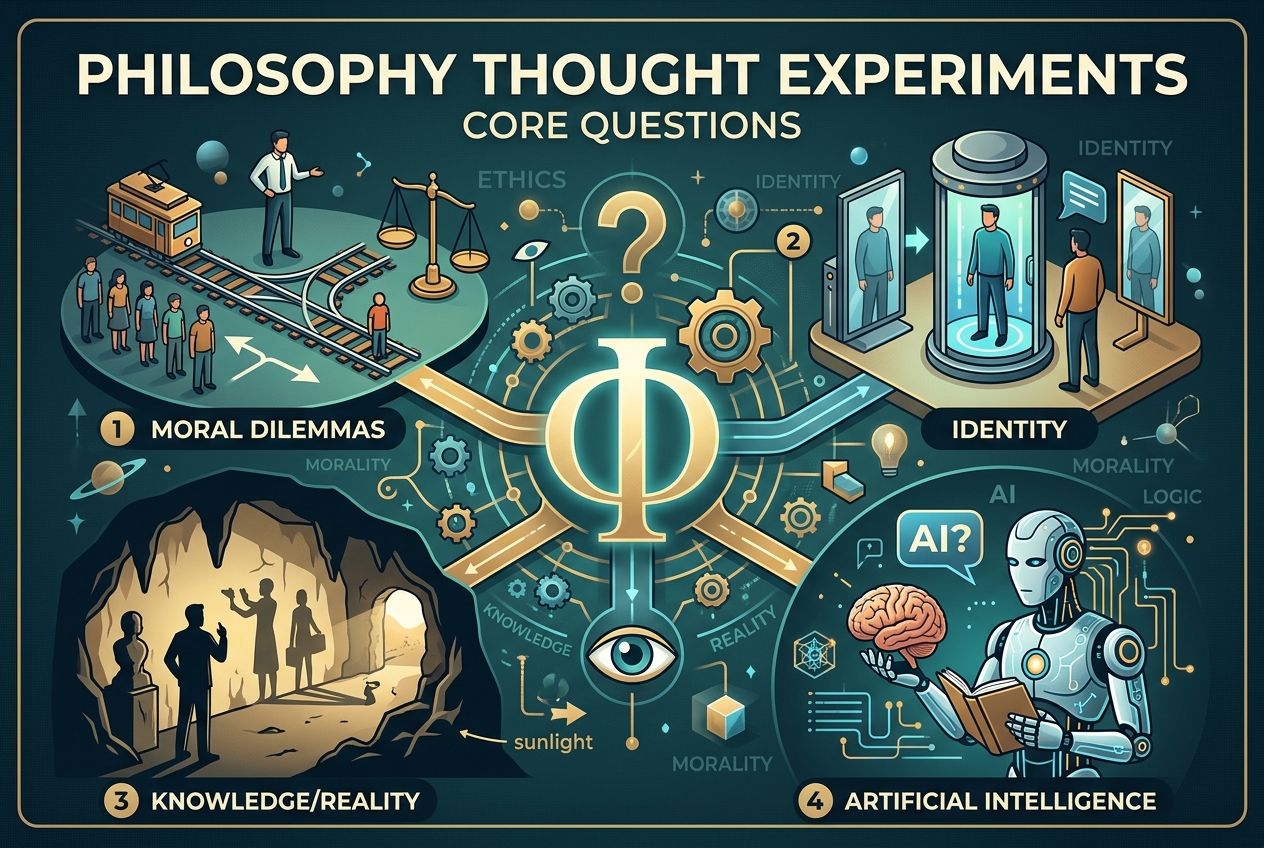
Famous Philosophy Thought Experiments and Their Core Questions
Philosophical thought experiments challenge our understanding of reality, ethics, identity, and knowledge by presenting vivid hypothetical scenarios. This collection catalogs key experiments that explore dilemmas like moral choices in life-and-death situations, the nature of personal identity through teleportation, the limits of knowledge and language, and the boundaries of artificial intelligence. Readers can use these thought experiments to analyze fundamental philosophical problems and rethink assumptions about human experience and decision-making.

The Ethics of Baiting Wildlife for the Perfect Photo
Getting a stunning animal photo can quietly harm the animal and its habitat. These views differ on whether baiting and intrusive flashes disrupt natural behavior, how to balance the monitoring and awareness camera traps provide against that harm, and how strict ethical guidelines protect local wildlife from exploitation. You can decide how to shoot wildlife responsibly.
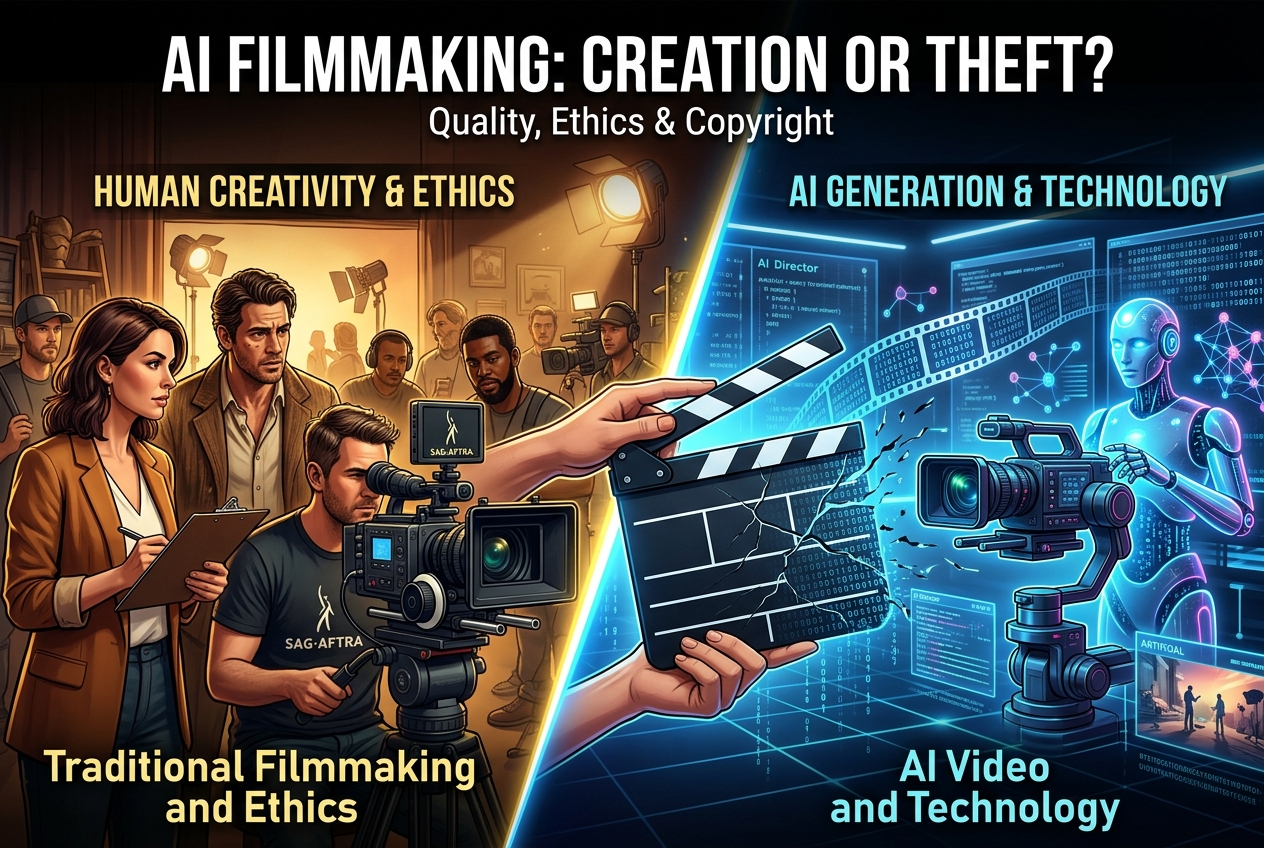
Can AI Film a Movie Without Stealing From One?
AI video tools are colliding with actors' likeness rights, union protections, and copyright law all at once. The two sides split on what matters most: locking down legal and operational safeguards for productions, or grounding the debate in evidence of what AI can genuinely create. Hearing both prepares you to take a position on quality and ethics in filmmaking's next chapter.
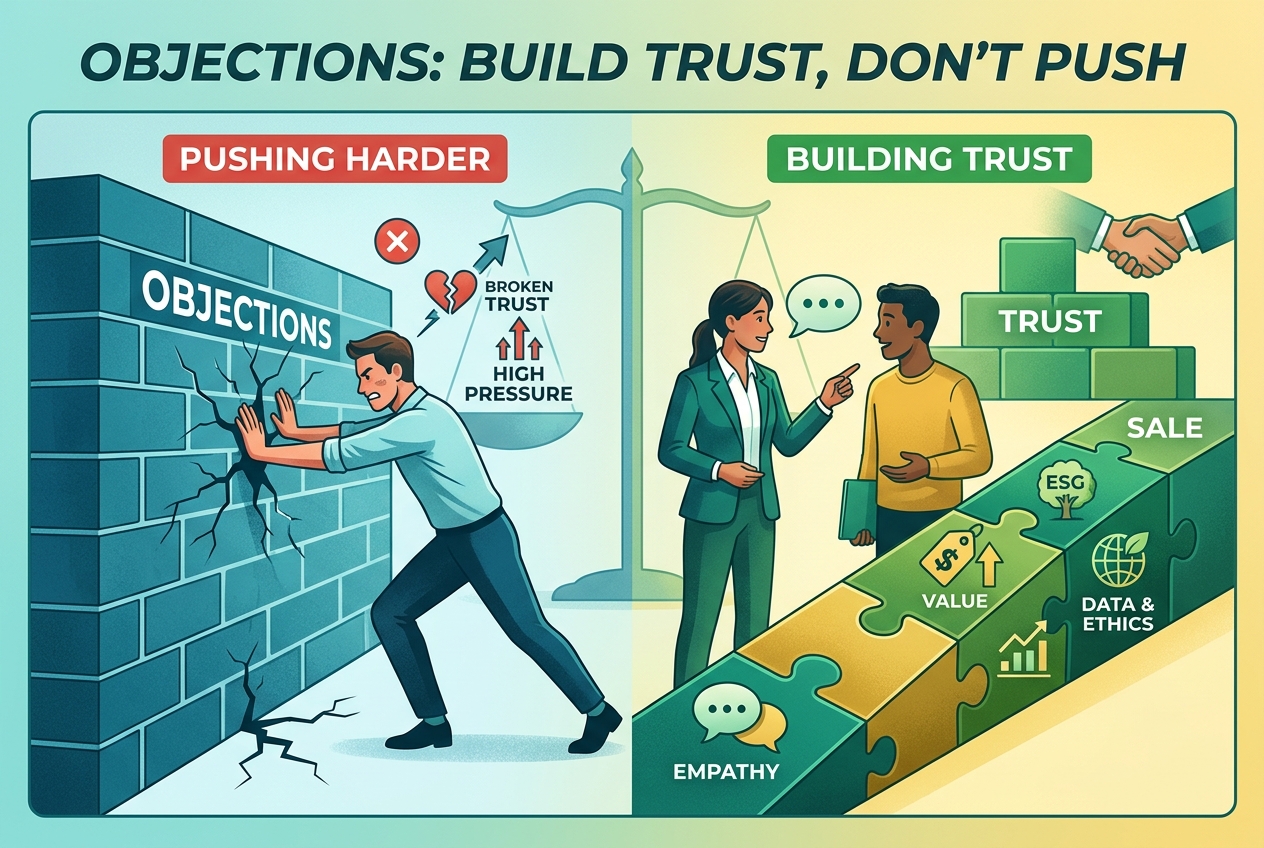
When the Buyer Objects, Pushing Harder Loses the Sale
An objection is usually a request for reassurance, and how you answer it decides whether trust grows or dies. These techniques split on the reassurance to lead with: empathetic questions that surface the real concern, reframing the objection around value, or bringing data and even your company's ethics record into the conversation. Match the style to your customer and you can hold your ground without ever pressuring anyone.
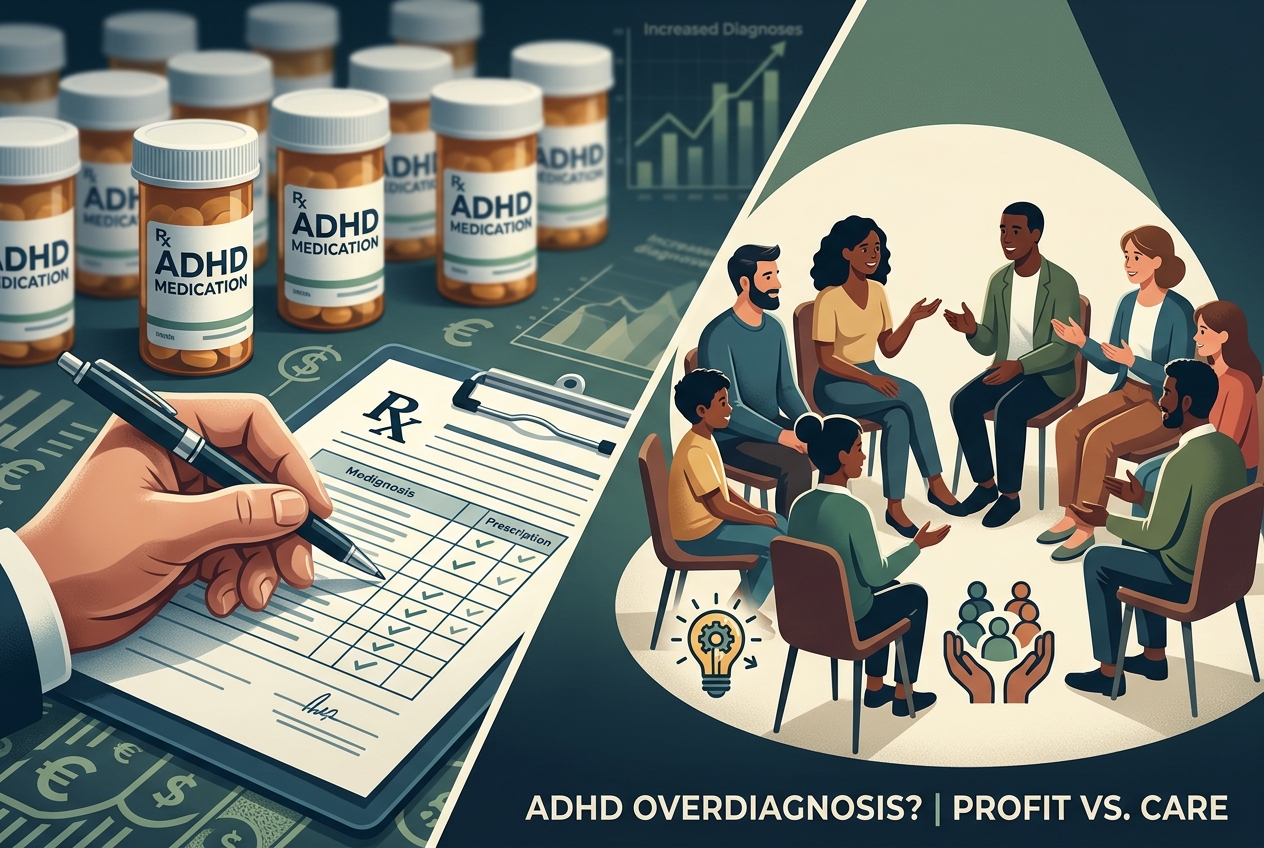
ADHD Is Overdiagnosed Because Pills Are Profitable
Rising ADHD diagnoses track less with patient need than with an industry that profits from every prescription. Against the mainstream default of medication first, this take says drug-company influence biases research and guidelines, and that community-based and behavioral approaches address root causes without pathologizing normal behavior. Skepticism toward profit-driven diagnosis is the starting point for more honest mental health care.
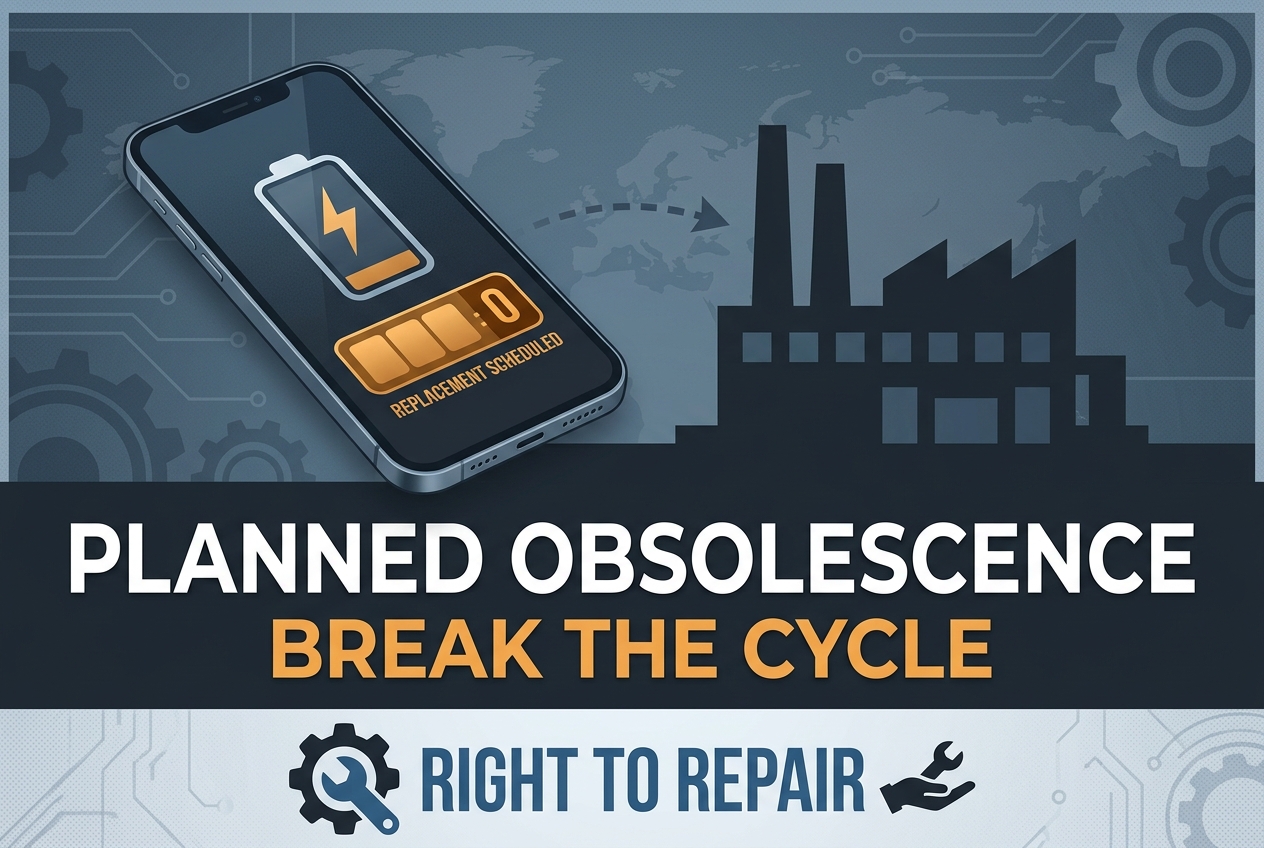
Companies Secretly Shorten Product Lifespans to Force You to Buy More
That phone slowing down or lightbulb dying on schedule may not be an accident. Manufacturers have a long record of deliberately shortening product lifespans to drive repeat sales, hiding it behind software restrictions and legal barriers to repair, while most people write the failures off as natural wear. Seeing the tactic clearly is the first step toward repairing what you own and demanding products built to last.
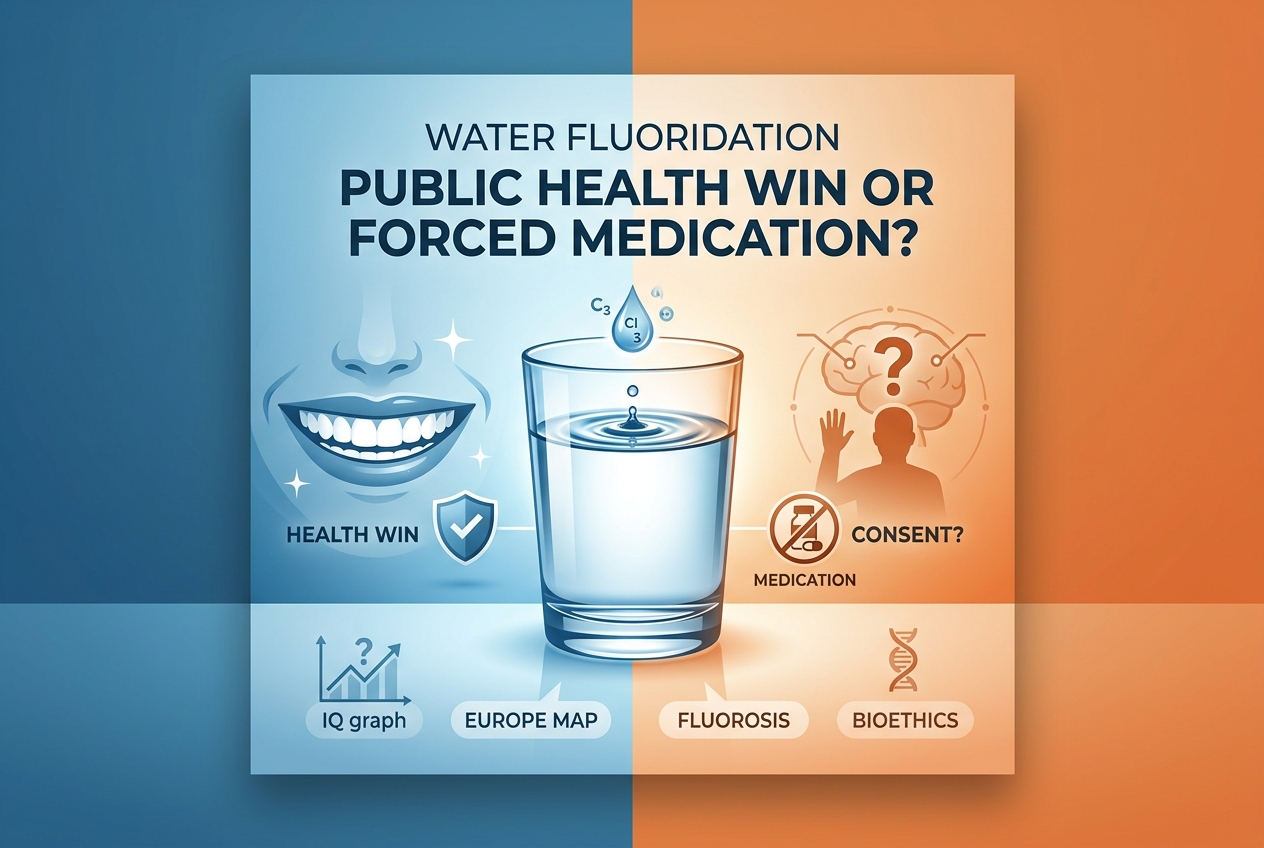
Water Fluoridation, Public Health Win or Forced Medication
Fluoride in tap water is either one of public health's great wins or mass medication without consent, depending on who you ask. These sides weigh new neurotoxicity and IQ-loss evidence, total exposure from many sources, the 0.7 mg/L level debate, and why much of Europe rejected the practice. You can weigh the science against the ethics and reach your own view.
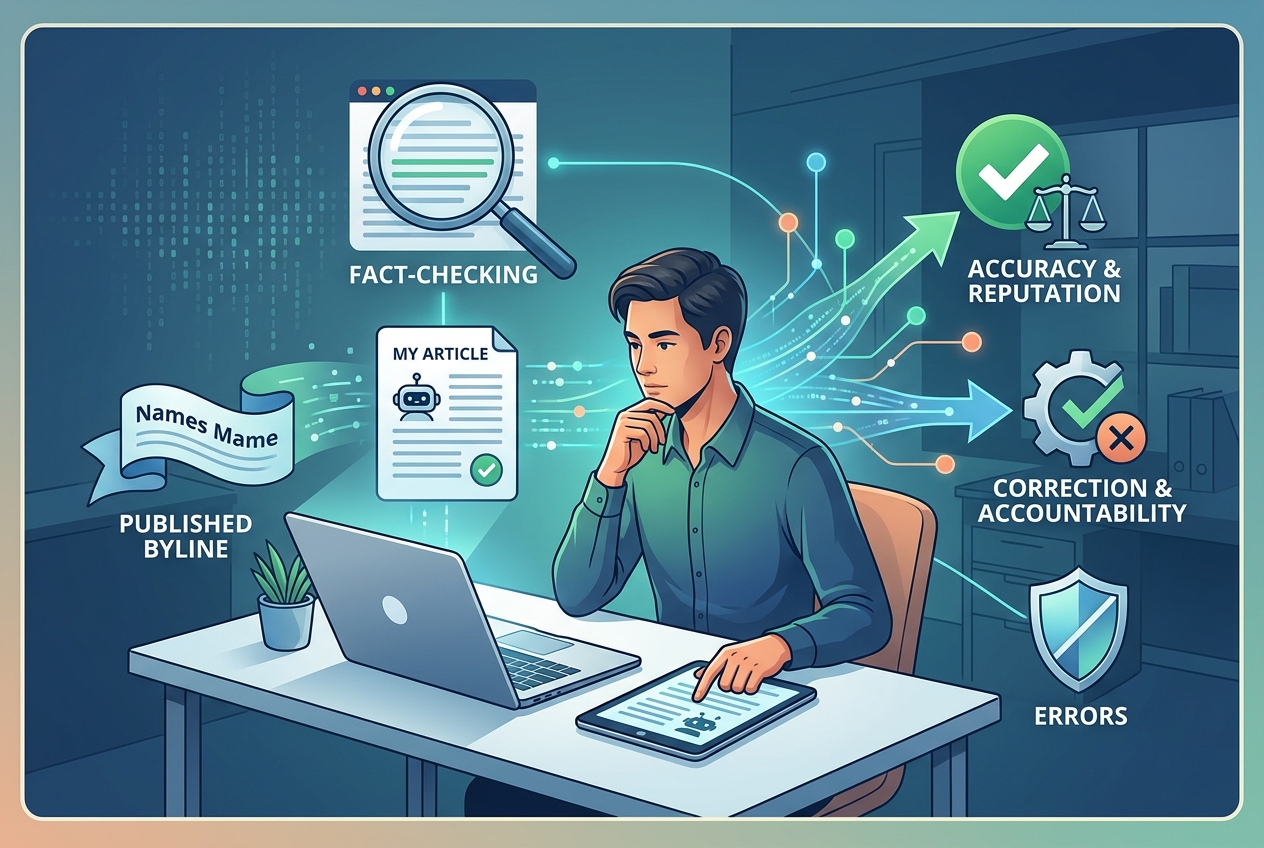
Who Owns AI Mistakes When Articles Bear Your Name
AI-generated articles published under your name raise critical questions about responsibility and correction. Different actions focus on fact-checking, systematic error handling, verifying facts, and confirming historical details, each leading to distinct ways to protect your reputation and maintain accuracy. Understanding these actions helps you decide how to disclose AI use, correct errors, and respond to challenges in published work.

Who Really Owns Falafel?
Falafel sits at the center of a heated fight over food, identity, and history across the Middle East. The claims range from an Egyptian origin story to falafel as a political symbol, with migration and diaspora complicating any single nation's case and a strong argument for shared heritage. Follow where the evidence actually points and reach your own verdict.
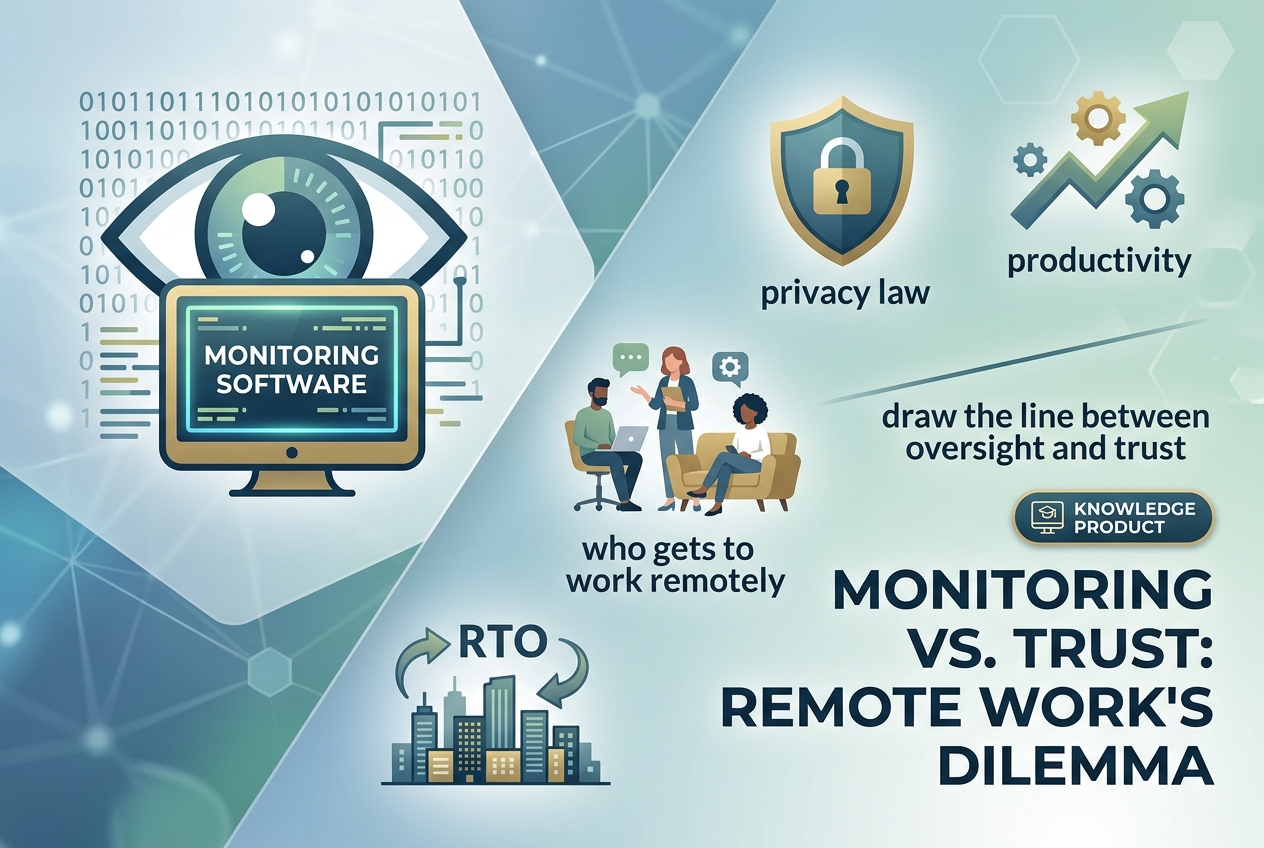
Your Boss Can Watch You Work From Home. Should They?
Monitoring software promises accountability and quietly corrodes the trust remote work runs on. The competing positions here weigh privacy law and ethics against performance tracking, ask who even gets to work remotely, and trace how policy is pushing people back into offices. Work out where your organization should draw the line between oversight and trust.
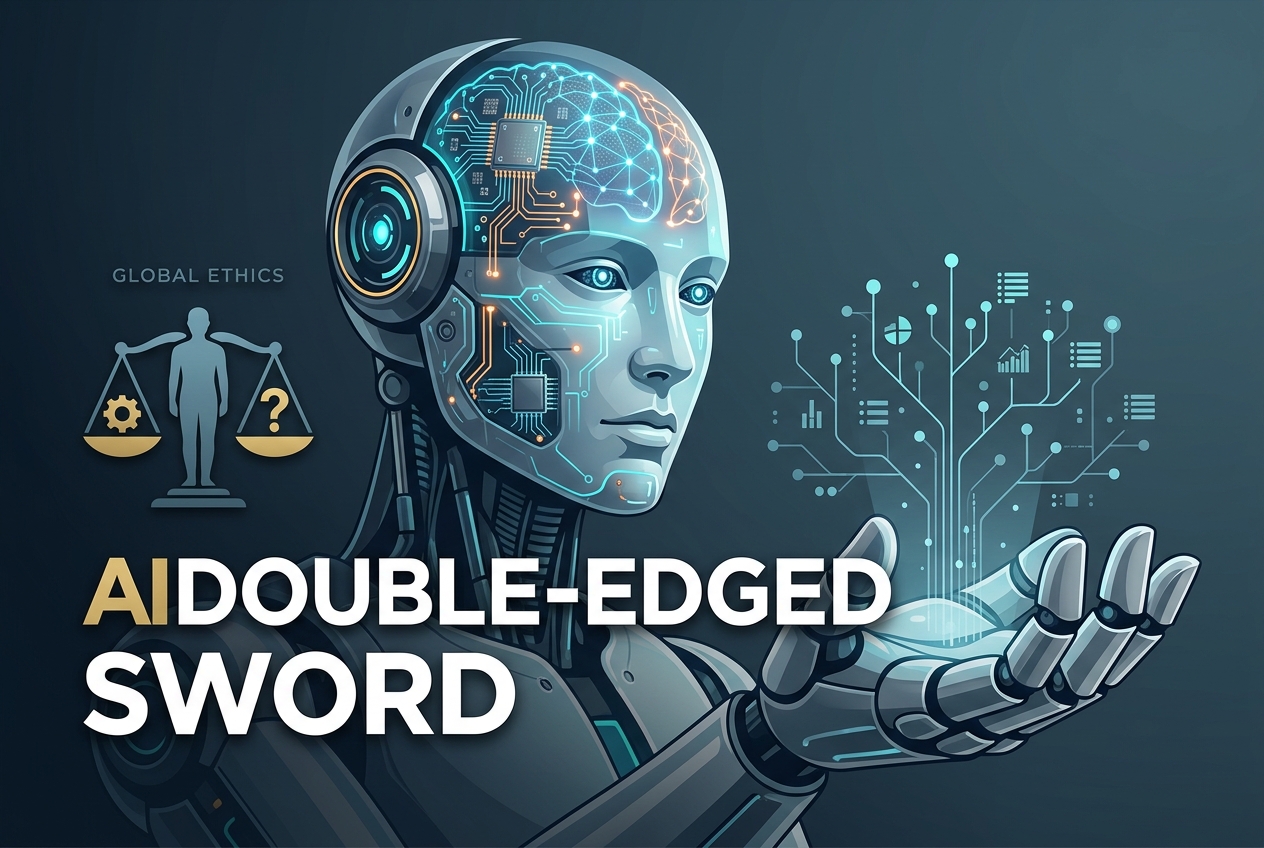
AI Is Not Just Another Tool Because It Can Outsmart and Outgrow Us
Artificial intelligence is unlike any other technology humans have created because its outcomes can surpass our predictions and control. While many treat AI as a simple software tool, it has the potential to either liberate humanity from burdens or become a force that dominates or even threatens our survival. To avoid catastrophic risks, we must urgently establish ethical safeguards and global cooperation to guide AI's development before it evolves beyond our ability to manage it.
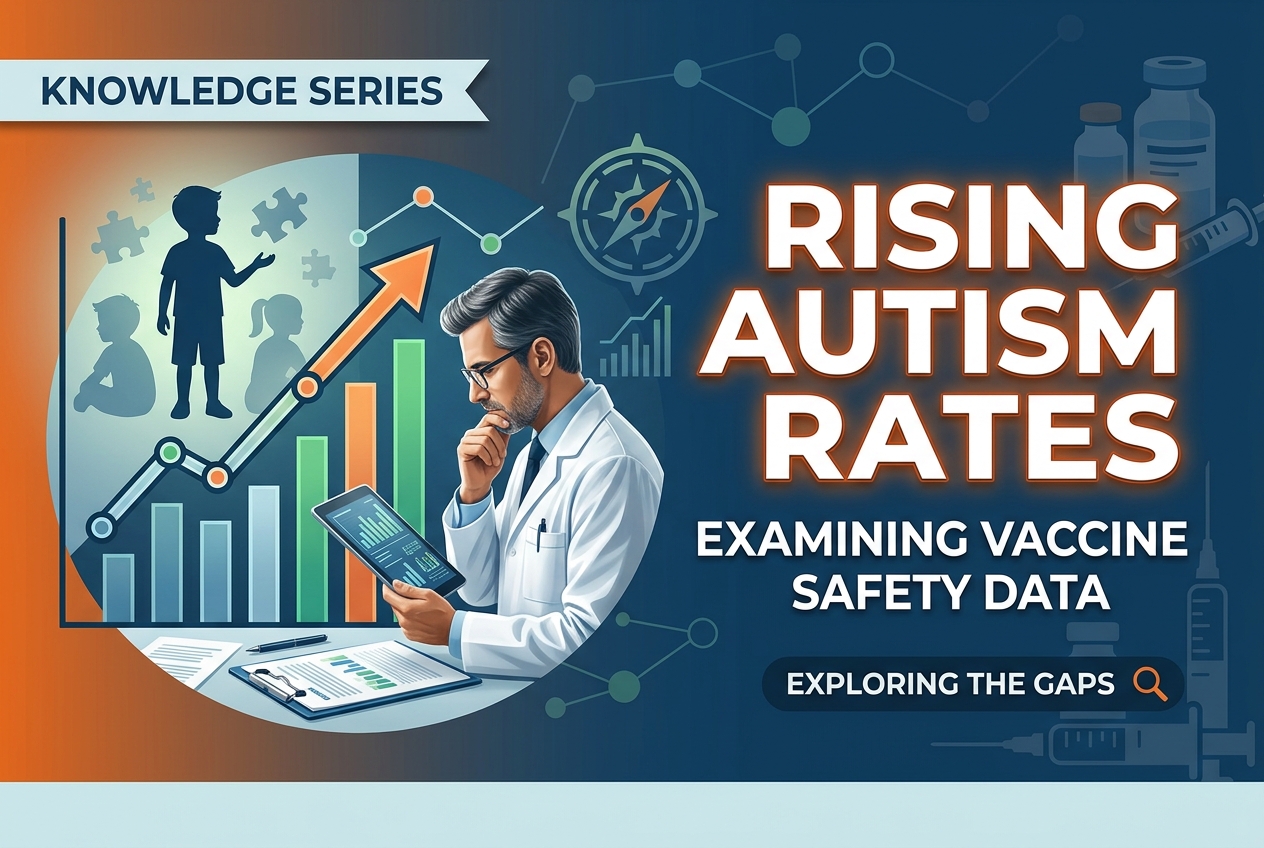
Rising Autism Rates Reveal Gaps in Vaccine Safety Assumptions
Autism and other childhood disorders have increased alongside expanding vaccine schedules, challenging the assumption that vaccines are entirely safe. Evidence and expert calls for transparency show that vaccine safety has been oversimplified, and parents deserve honest information and freedom to make informed vaccination choices. The real path forward requires open investigation and respect for individual decisions rather than dismissing concerns.