
Browse the Context Marketplace
Expert-level knowledge on any topic. Each capsule guides you through what matters most.
4 capsules

Memorized Answers Fail the System Design Interview
Interviewers can smell a rehearsed architecture, and the methods for preparing honestly point in different directions. Some start simple and iterate, others drill core systems until they are second nature, and others train the curiosity to reason through database choices and trade-offs live. Picking the method that matches how you think is what keeps you from freezing at the whiteboard.
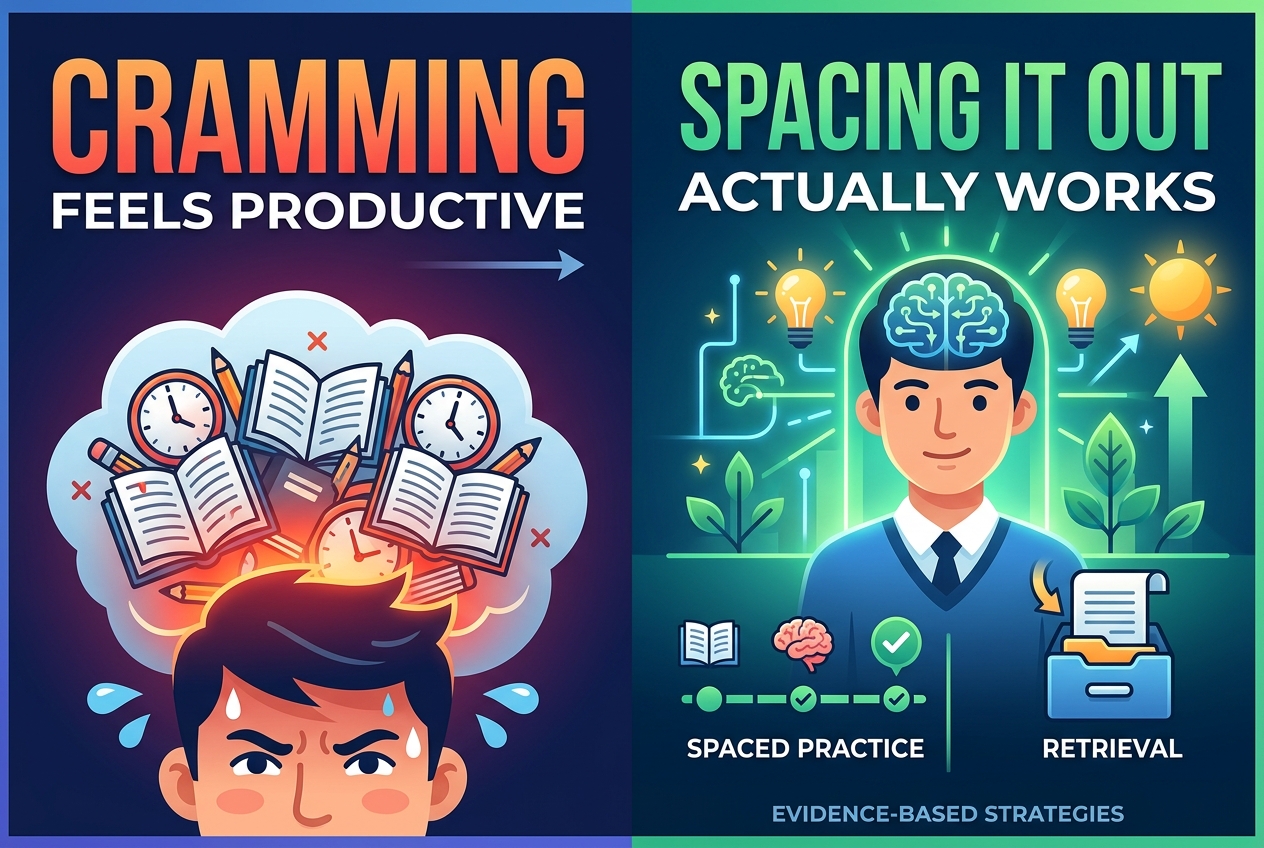
Cramming Feels Productive. Spreading It Out Actually Works
Much of what schools and parents assume about learning, including learning styles, doesn't survive testing. These strategies center on what does: spacing practice over time, recalling material instead of rereading it, and lesson designs backed by experiments. Comparing them shows where to put effort so kids actually remember what they learn.
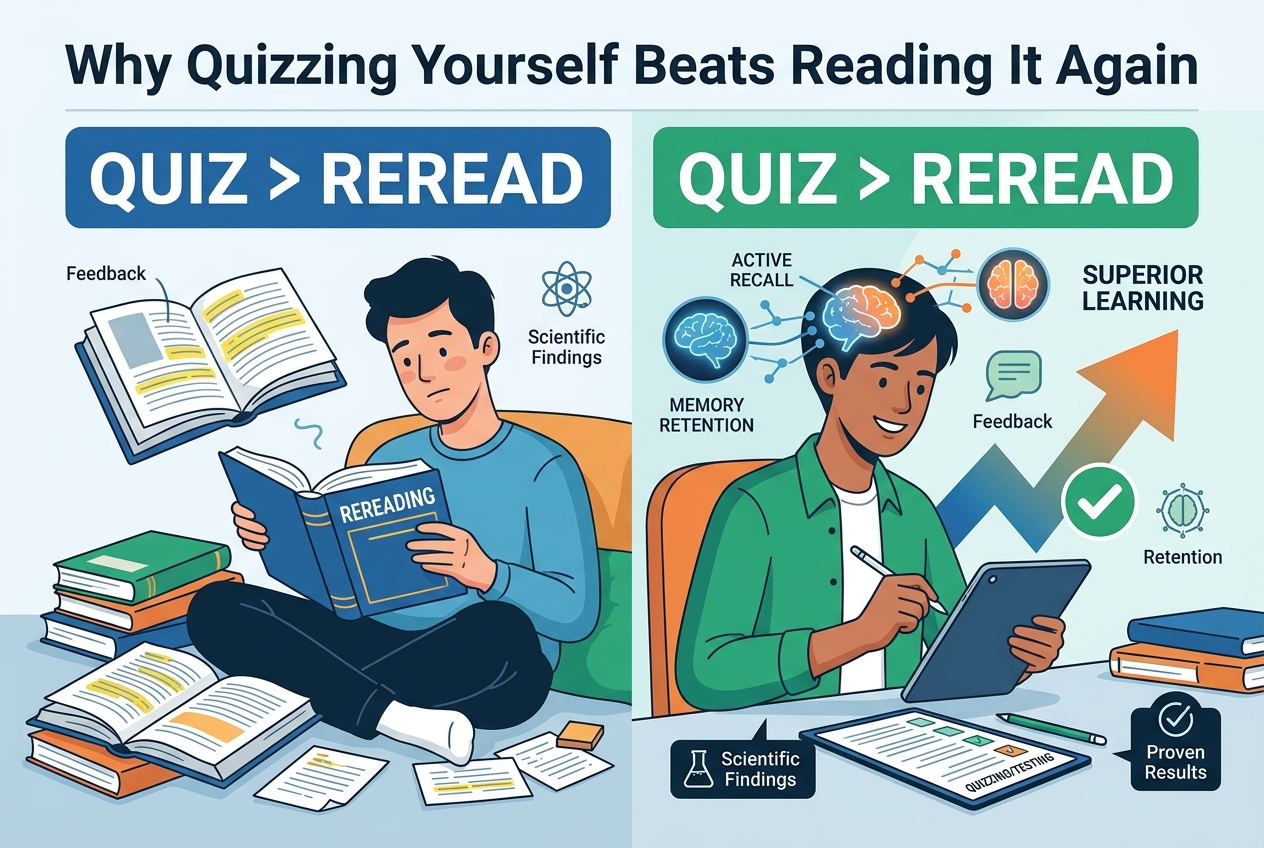
Why Quizzing Yourself Beats Reading It Again
Rereading notes feels productive, but testing yourself locks learning in far more effectively. These findings cover the memory boost from active recall and feedback, the study designs and statistics used to measure it, and debates over how widely the effect holds across learners and material. You can decide how to study for what actually sticks.

The Essential Literary Devices Collection
Literary devices shape how stories and poems communicate meaning and emotion. This collection presents a comprehensive catalog of key devices, including figures of speech like metaphor and simile, narrative techniques such as non-linear timelines and soliloquies, and sound-based tools like alliteration and onomatopoeia. It also offers guidance on poetic forms and exam strategies to recognize and analyze these devices effectively.