
Browse the Context Marketplace
Expert-level knowledge on any topic. Each capsule guides you through what matters most.
11 capsules

How to Train Safely and Effectively After 50 Without Risking Injury
Strength and fitness training after 50 requires careful attention to safety, proper technique, and listening to your body. Different guidelines emphasize warming up, avoiding breath-holding, managing joint pain, and recognizing warning signs like chest discomfort. Understanding these varied approaches helps you choose a routine that balances progress with real-world health considerations and emergency preparedness.
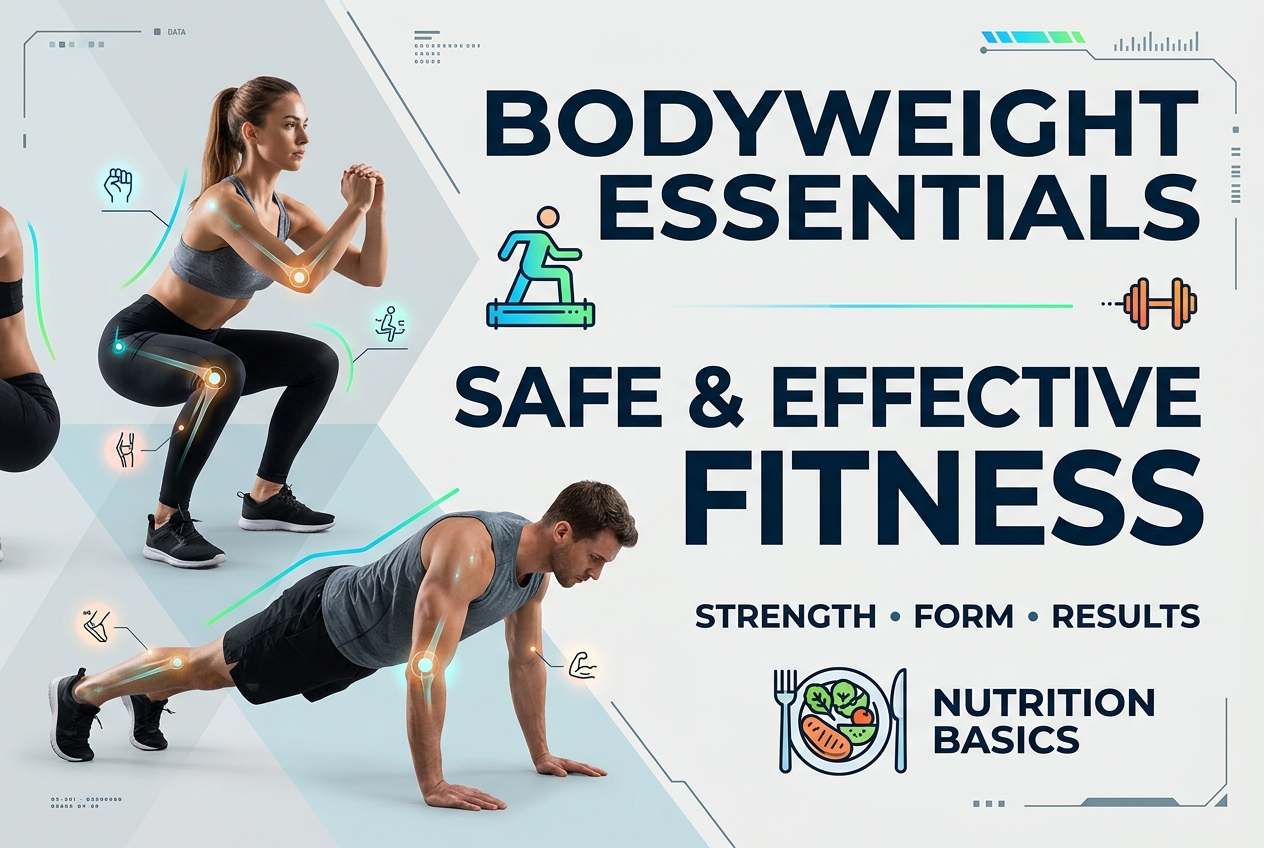
The Essential Bodyweight Exercises for Safe and Effective Fitness
Bodyweight exercises are foundational movements that build strength, stability, and mobility without equipment. This collection covers key exercises with detailed guidance on maintaining proper form, progressing safely, and avoiding injury. It also includes nutritional basics to support your training and help you achieve consistent, effective results.
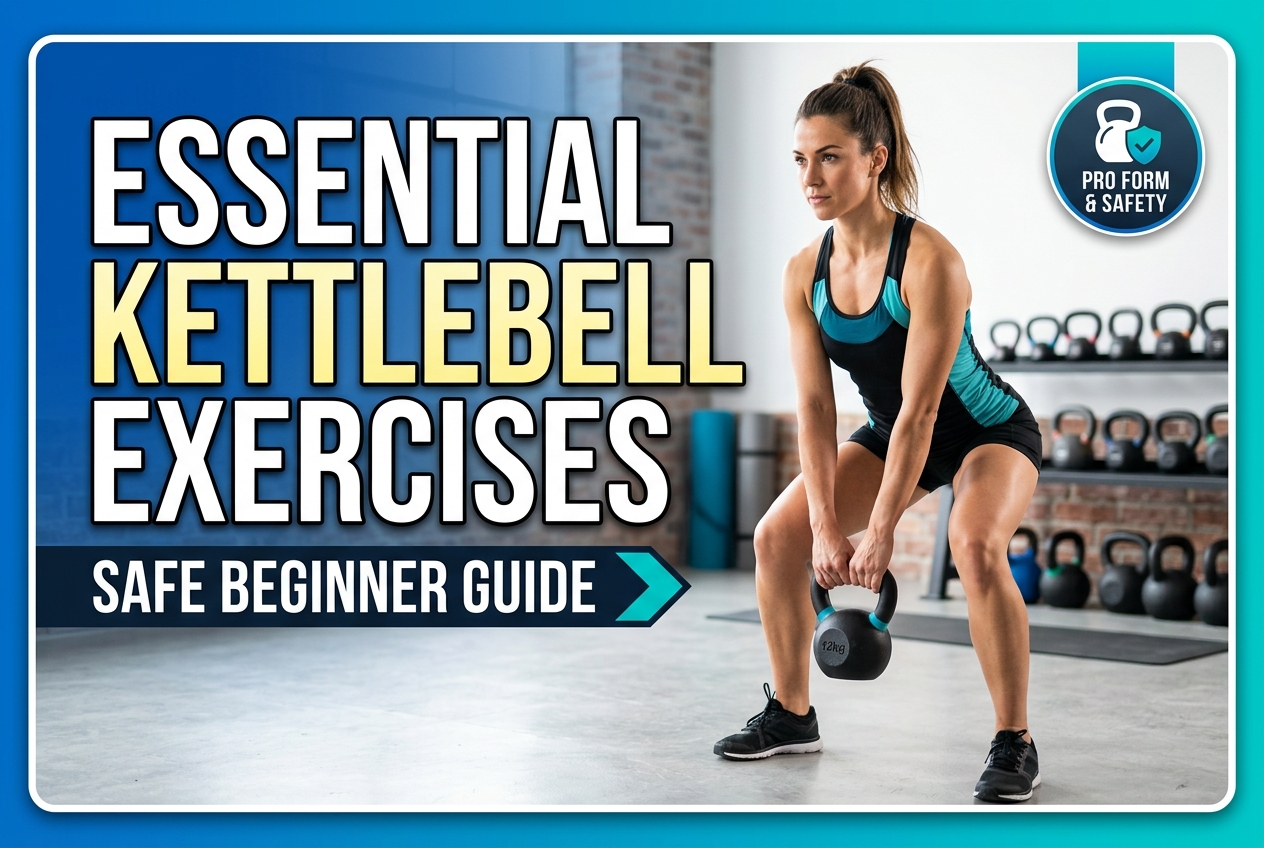
Safe and Essential Kettlebell Exercises for Beginners
Kettlebell training requires mastering fundamental exercises with proper form to prevent injury and build strength effectively. This collection presents essential kettlebell movements, detailed step-by-step techniques, and common form mistakes to avoid, emphasizing safe progression and injury prevention. It guides users to focus on correct posture, controlled movements, and gradual load increases under professional supervision.

Stop Fearing the Sharp Knife. Fear the Dull One.
The knife most likely to send you to the emergency room is the dull one that slips, not the sharp one you respect. These techniques differ on where safety comes from: some teach precise sharpening angles and edge upkeep, some measure how an edge actually performs, and others use gradual, controlled exposure to tame a real fear of blades. You'll be able to keep a safer edge on your knives and handle them without dread.
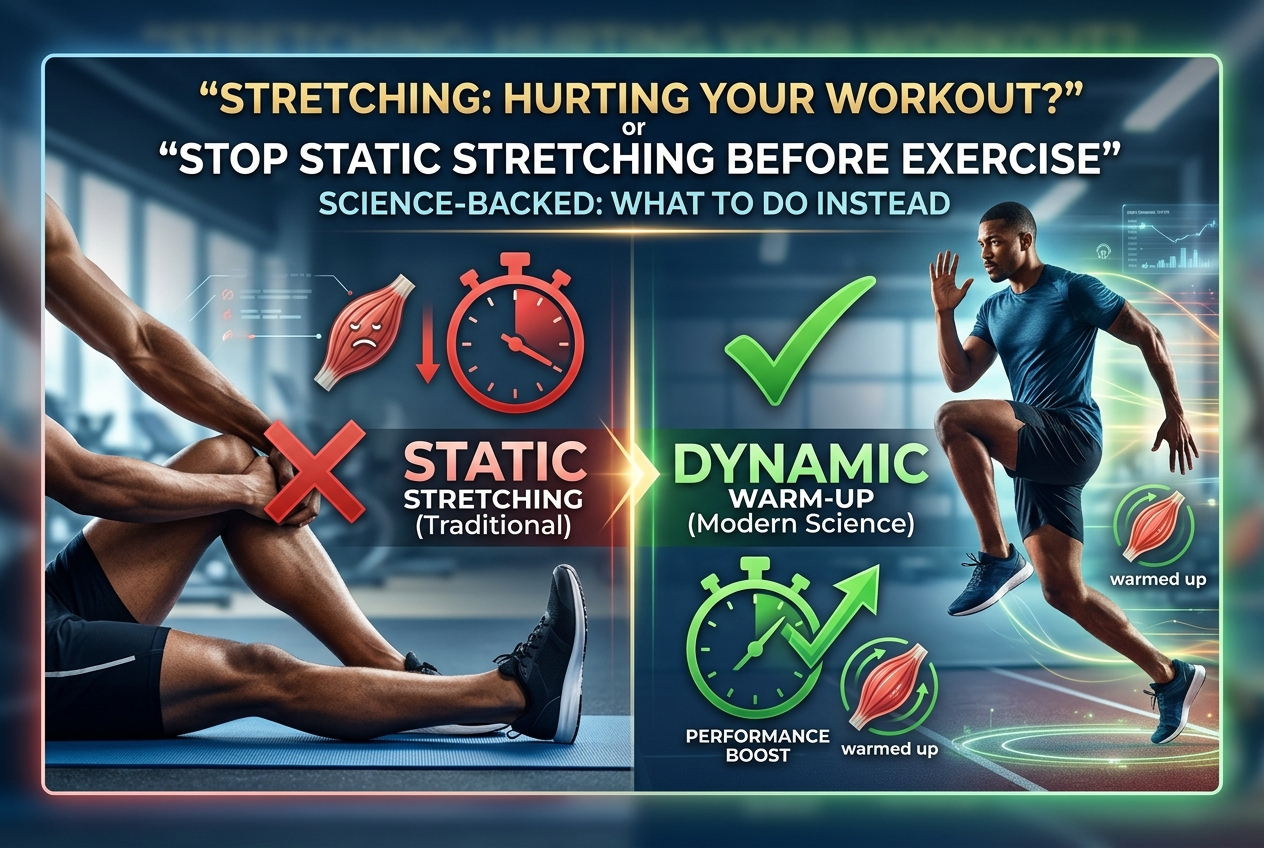
Stretching Before Exercise May Be Hurting Your Performance
The pre-workout static stretch you learned in gym class may reduce power without preventing a single injury. These recommendations split on what replaces it: dynamic movements that wake up muscles and nerves, sport-specific warm-ups, or saving static stretching for after the session when it aids flexibility and recovery. Where they differ is timing, and timing turns out to be most of the answer.
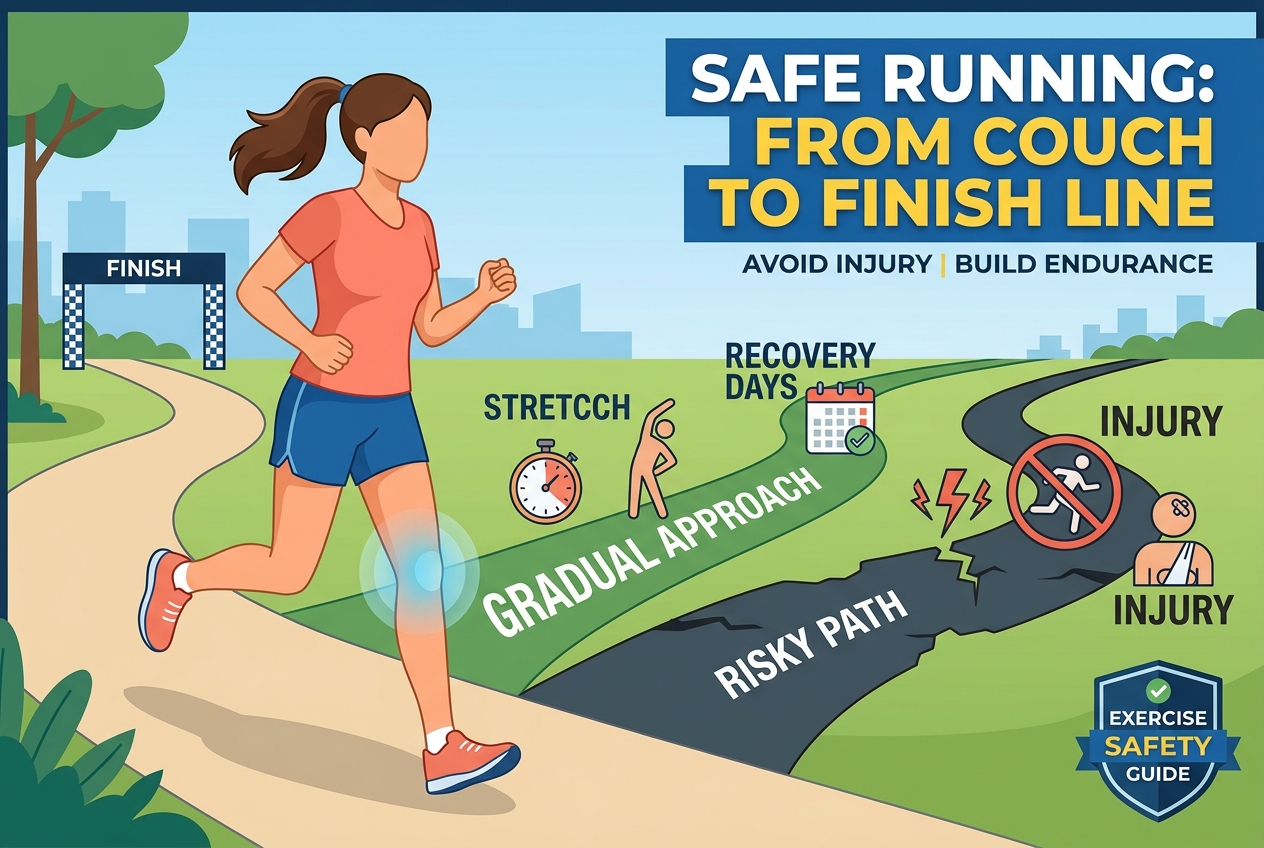
Getting Off the Couch Shouldn't Land You in Physical Therapy
Most people who abandon a new running plan are stopped by injury, not laziness. These approaches differ on how to protect you on the way to the finish line: some build in strict recovery days, some start with medical clearance, and others rely on gradual walk-run pacing and listening to your body. You'll be able to choose a path from inactivity to race day that builds endurance without breaking you.

Why Runners Keep Getting Hurt, and What Actually Helps
Running injuries are common, but the best prevention is contested. These fixes range from strength training that builds resilience and raising your cadence to ease joint stress, to structured gait retraining and the argument that impact forces matter less than we think. You can decide which approach fits your stride and your injury history.
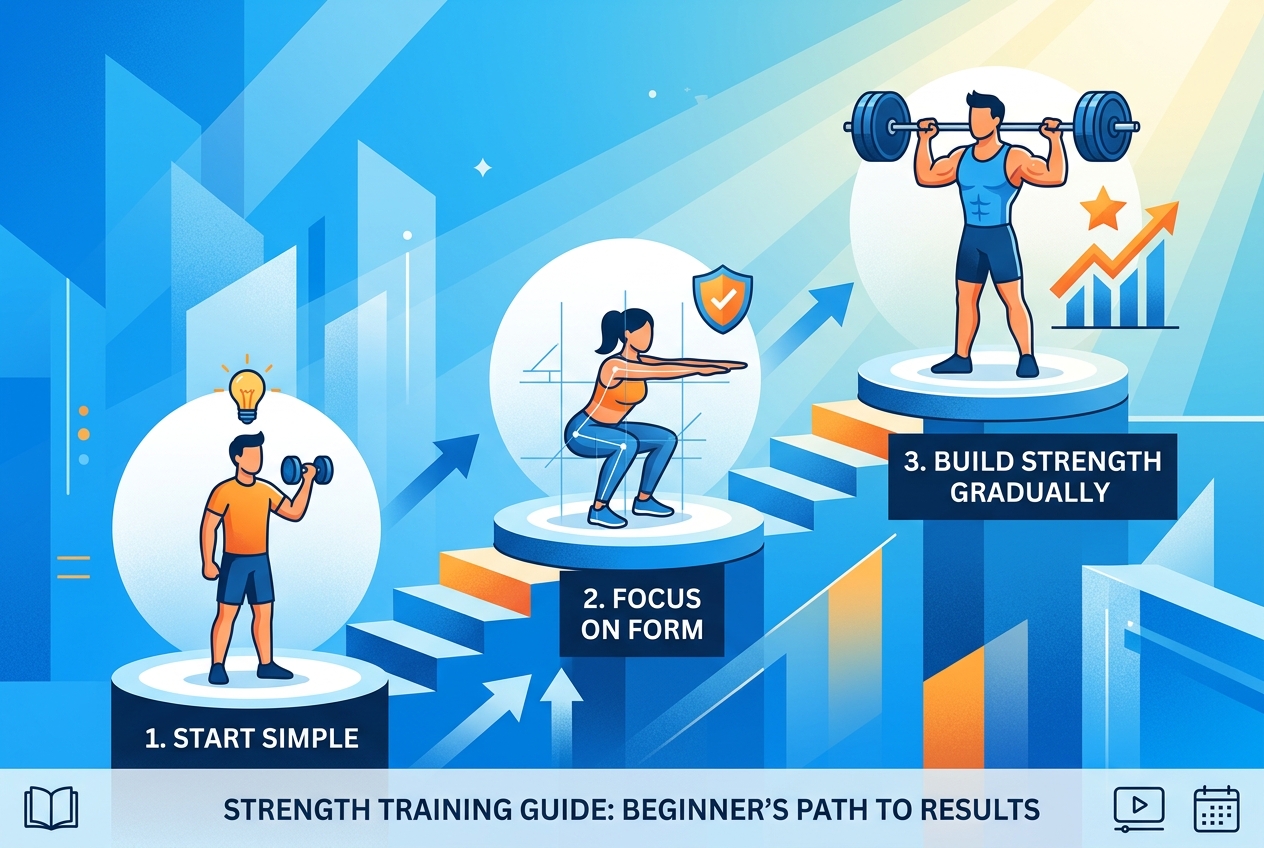
Start Simple, Focus on Form, and Build Strength Gradually
Strength training works best when you begin with manageable weights and prioritize proper technique over lifting heavy. Instead of pushing through pain or rushing progress, focus on consistent, gradual improvements and listen to your body to avoid injury. This practical approach overcomes common barriers like time constraints and fear of injury, making strength training accessible and effective for everyone.
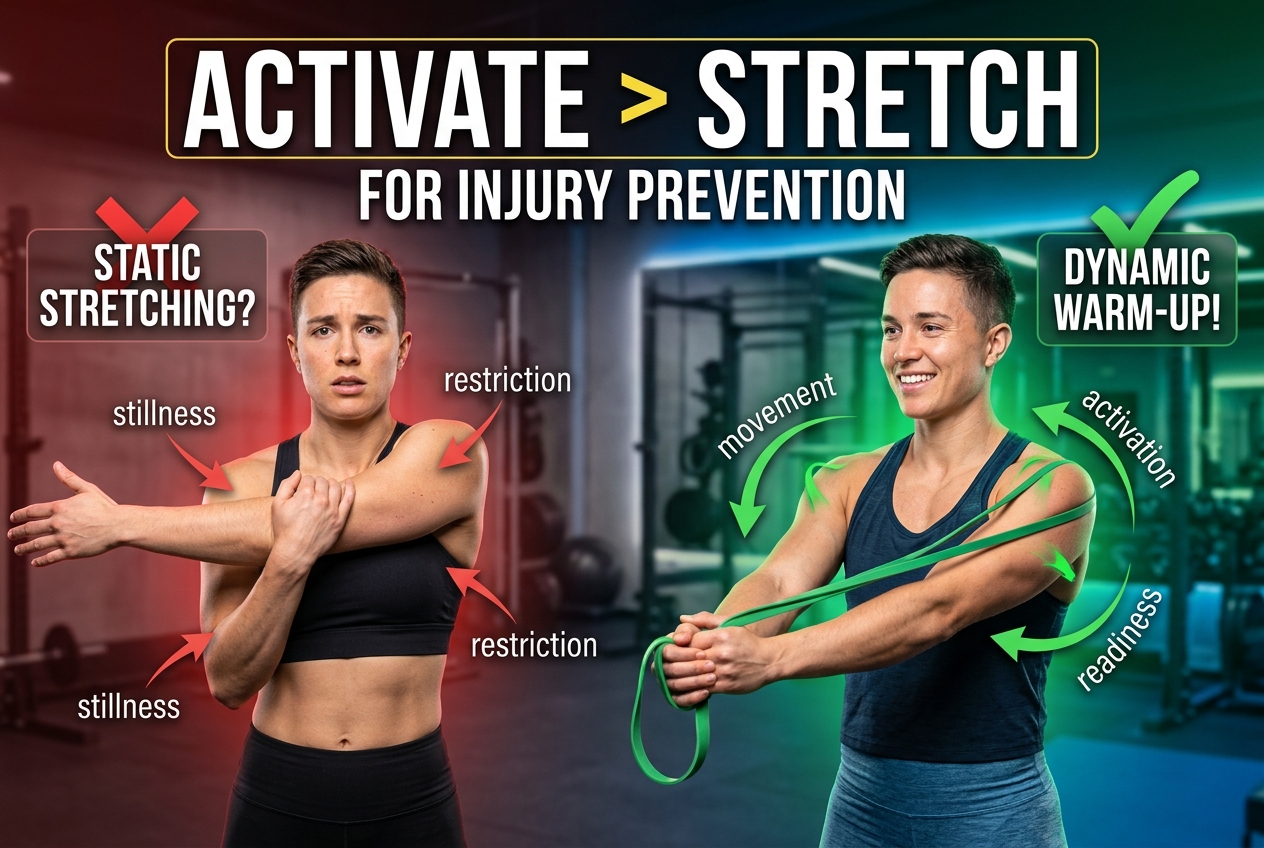
Dynamic Shoulder Warm-Ups Beat Static Stretching for Injury Prevention
Static stretching before a workout holds your shoulder muscles still exactly when they need to switch on. The case here is that dynamic warm-ups built on controlled rotations, resistance bands, and scapular activation wake up the stabilizer muscles and build the joint awareness that actually prevents injury. Trading your pre-lift stretches for controlled movement prepares your shoulders for real load.

Basic Car Maintenance Every Driver Should Know
Car maintenance is essential for safety, efficiency, and vehicle longevity. This collection covers key tasks such as checking and maintaining tire pressure, inspecting and replacing air filters, and monitoring brake condition. It guides drivers on when to perform these tasks themselves and when to seek professional help to keep their vehicles running smoothly.
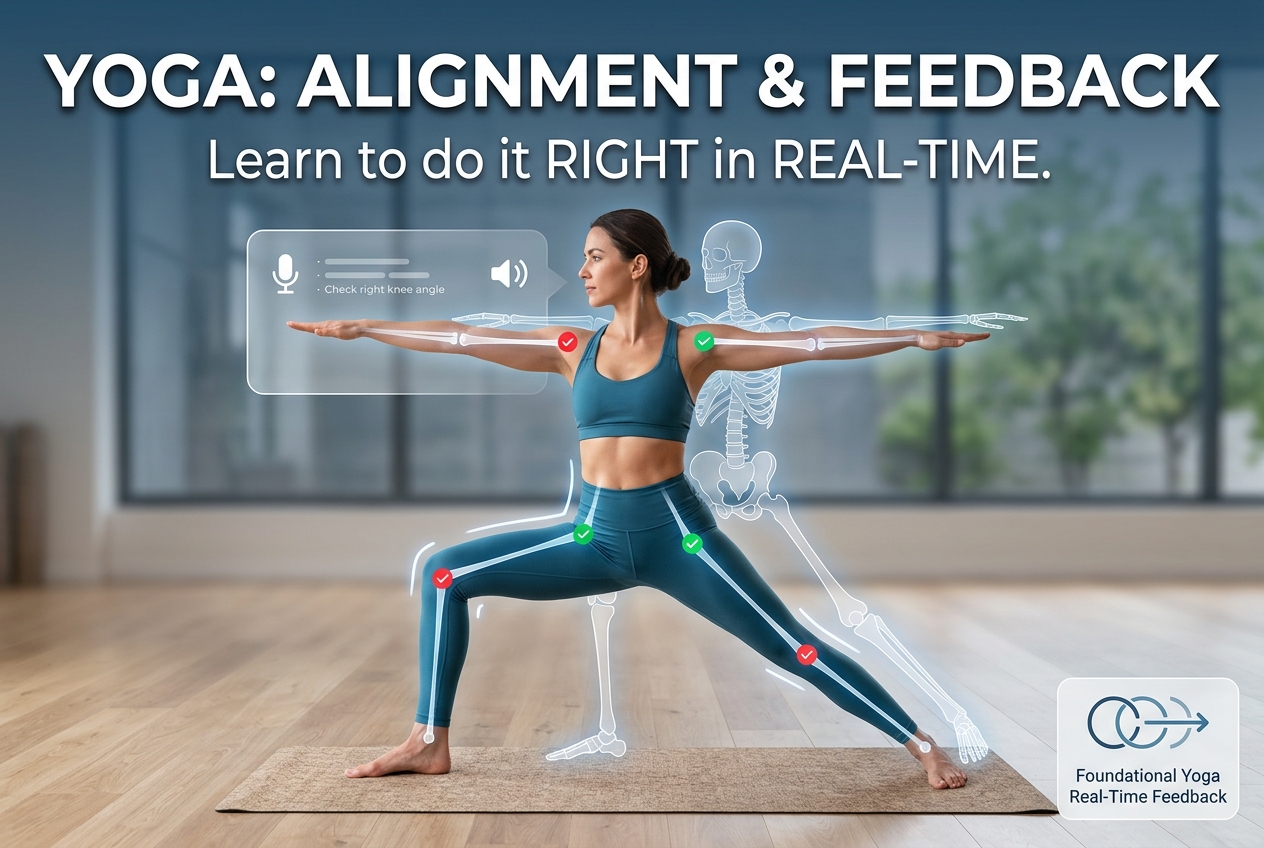
Foundational Yoga Poses with Real-Time Corrective Feedback
Yoga poses require precise alignment to avoid injury and maximize benefits. This collection offers detailed guidance on foundational poses, integrating real-time visual and voice feedback systems that compare user posture to ideal models using biomechanical joint-angle analysis. It also highlights safety precautions and modifications for common pain or injuries, helping practitioners perform poses correctly and safely.