
Browse the Context Marketplace
Expert-level knowledge on any topic. Each capsule guides you through what matters most.
30 capsules

When Money Means Family, What Counts as Fair for All Kids?
Blended families face complex financial challenges that go beyond simple fairness, involving legal planning, inheritance, and ongoing support between biological and stepchildren. The approaches differ on how to protect assets, balance responsibilities, and prevent conflict—whether through formal agreements, trusts, or partnership-based decisions. Understanding these distinct paths helps families create clear, legally sound plans that respect everyone’s needs and avoid unintended disinheritance or resentment.

Turning Family Facts Into a Plan Everyone Can Live With
Making a family plan means juggling safety, mental health, and daily routines all at once. These recommendations part ways on where to start: clear communication and safety protocols during parenting transitions, tackling trauma and mental health first, or using structured decision tools to settle arrangements. Seeing the differences helps you choose the path that fits your family's real situation.

Should Your Parent Stay Home or Move to Care? What Really Matters
Deciding whether to help a parent age in place or move them into care hinges on deeply personal factors like their preferences, safety, and health needs. These factors differ on how much independence, medical support, and community involvement are prioritized, guiding families to choose between home-based care, assisted living, or nursing homes. Understanding these differences helps families make decisions that honor their parent’s values while ensuring dignity and peace of mind.

How to Set Family Boundaries Without Pushing Them Away
Setting boundaries with family is a delicate balance between protecting your needs and preserving relationships. Approaches differ on whether to lead with compassion, enforce limits through actions, or seek professional support, each offering a unique path to maintaining respect without conflict. Understanding these approaches helps you choose how to communicate clearly, manage your emotions, and hold your ground while keeping family ties intact.

Families Should Not Bear the Burden of AI Voice Cloning Scams Alone
AI voice cloning scams exploit families by impersonating loved ones to steal money, shifting the responsibility of defense onto victims through codewords and verification steps. This approach fails because law enforcement and regulatory resources are underfunded and constrained, leaving families vulnerable. Strengthening coordinated state-level identity theft centers and improving enforcement capacity are essential to protect families rather than expecting them to act as the first line of defense.
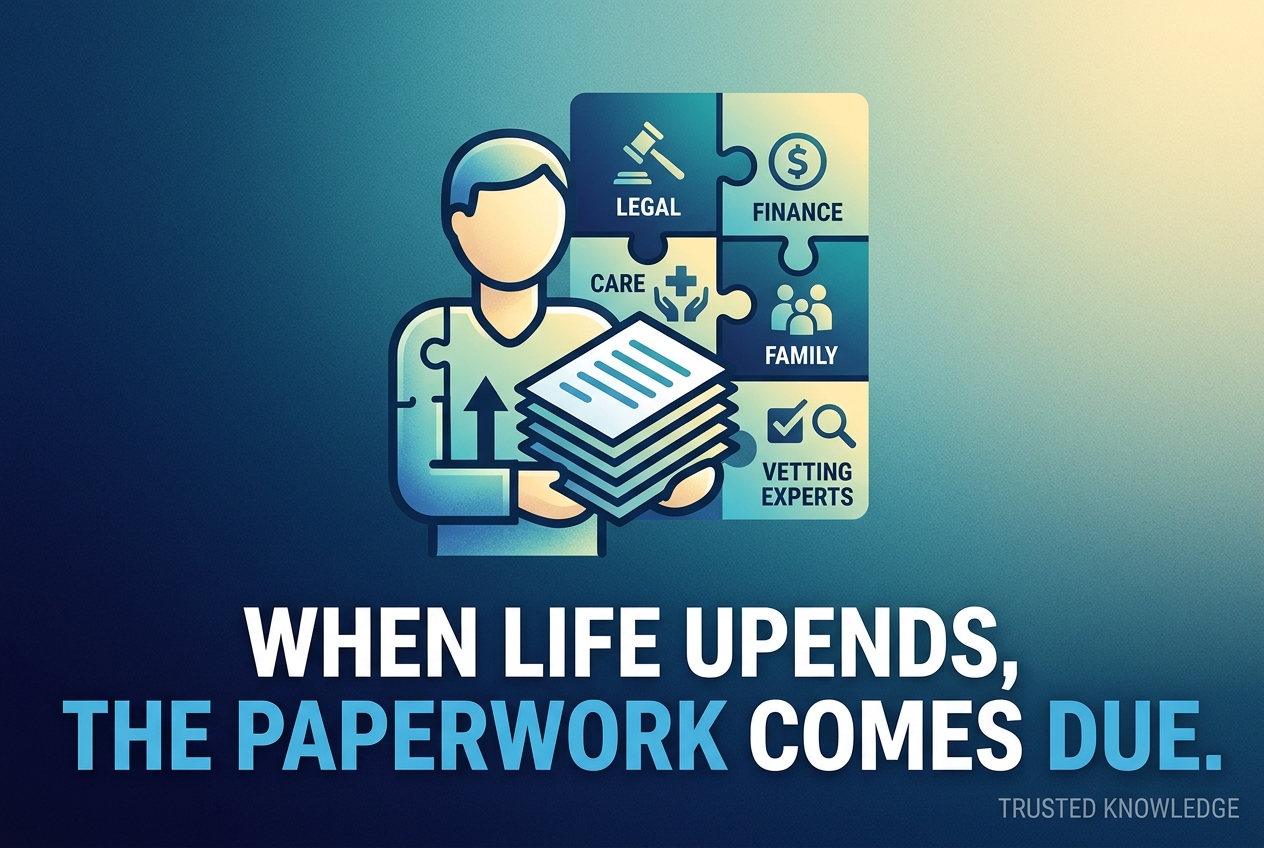
When Life Upends, the Paperwork You Skipped Comes Due
A divorce, a diagnosis, or a death in the family rarely announces itself, and the plans you made before rarely survive it intact. These planning elements differ on what to put first: legal documents for incapacity, smart money moves, coordinating care and communication with family, or verifying that the experts you hire are the real thing. Together they show you how to rebuild your life piece by piece with connected decisions instead of isolated ones made under pressure.
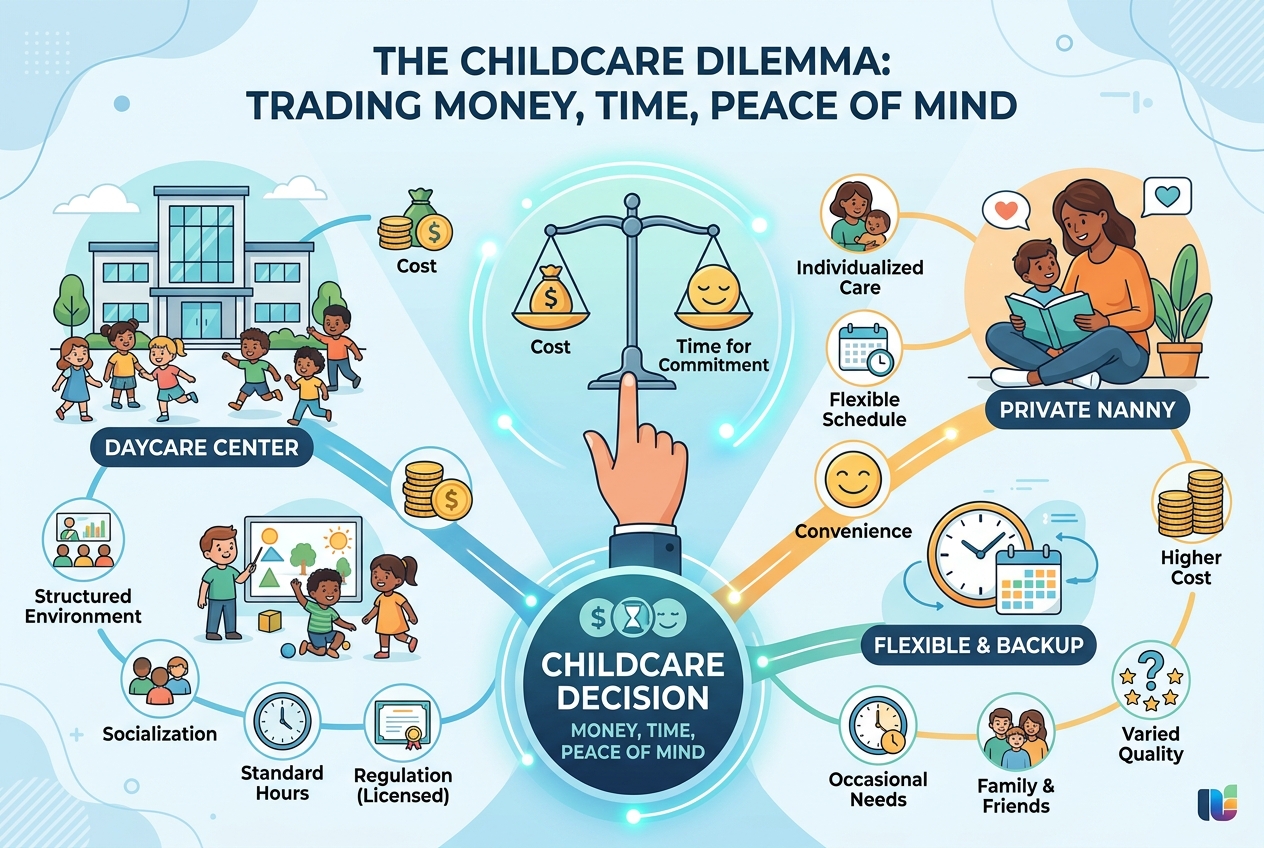
Choosing Childcare Means Trading Money, Time, and Peace of Mind
Few decisions weigh on a family like who cares for your child while you work, and the price tags are only half the story. These childcare options differ on cost, quality, scheduling, and regulation, from daycare centers to nannies to flexible backup arrangements, and the research behind them comes with caveats worth knowing. You'll be able to match your child's needs and your family's finances to the option whose trade-offs you can actually live with.

When a Meltdown Hits, What Actually Helps?
In the middle of a tantrum or meltdown, most advice feels useless. These approaches differ on where to intervene: changing the environment to prevent episodes, measuring behavior carefully to spot triggers, or leaning on practical calming routines for the whole family. Comparing them helps you pick a response that fits your child and keeps everyone steadier.

How to Talk Money and Care with Aging Parents Before It’s Too Late
Discussing money and care with aging parents before a crisis helps avoid confusion and conflict later. The steps differ on how to organize important documents, set ethical boundaries, and prepare legally and financially for future needs. You’ll learn how to gather and secure critical information, plan for long-term care costs, and ensure smooth access to accounts and decisions when the time comes.
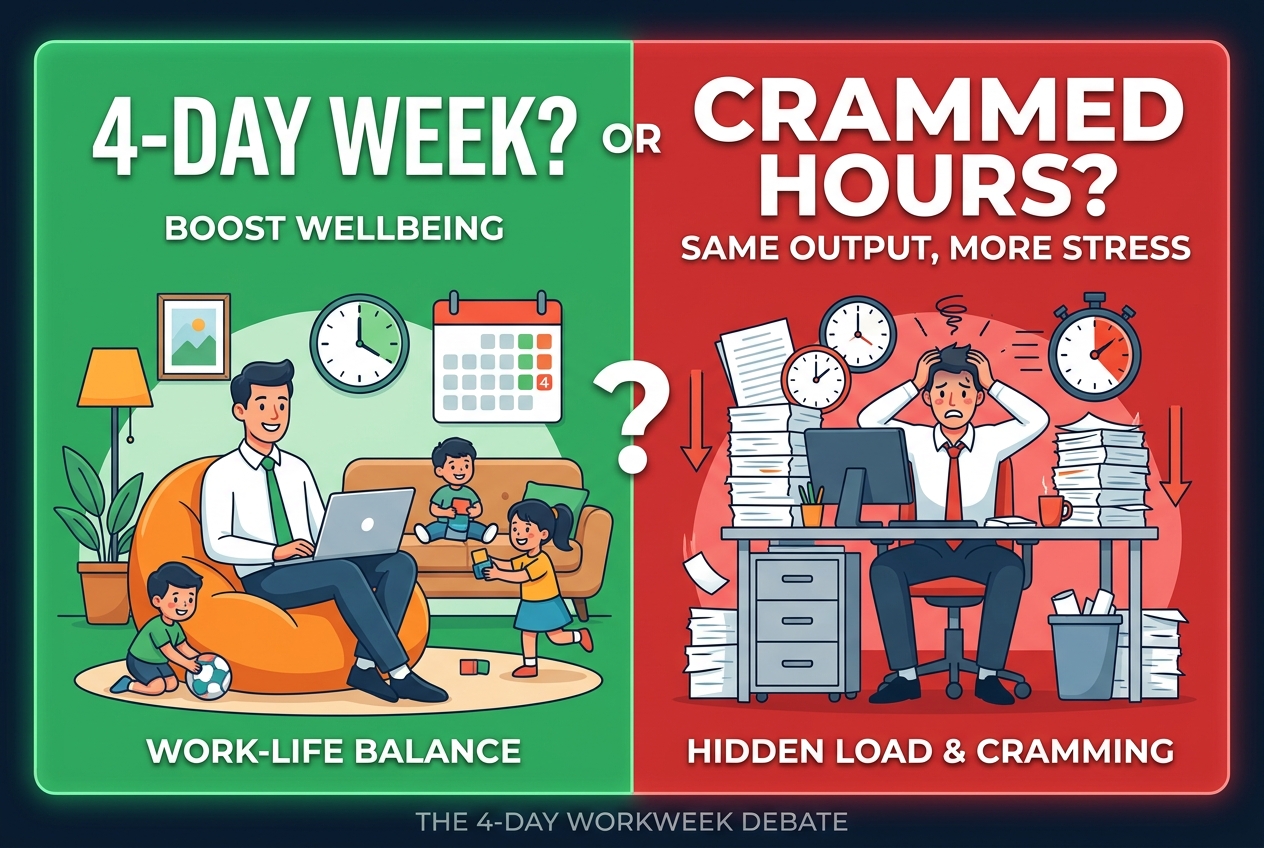
Does a Four-Day Workweek Really Work, or Just Hide the Load?
Cutting to four days sounds great until you ask whether output holds or work just gets crammed into less time. These views range from strict use of the full-pay, reduced-hours model, to cutting hidden inefficiencies, to doubts that it fits every role, to social wins like more time with family. Weigh them to judge whether it could work where you are.
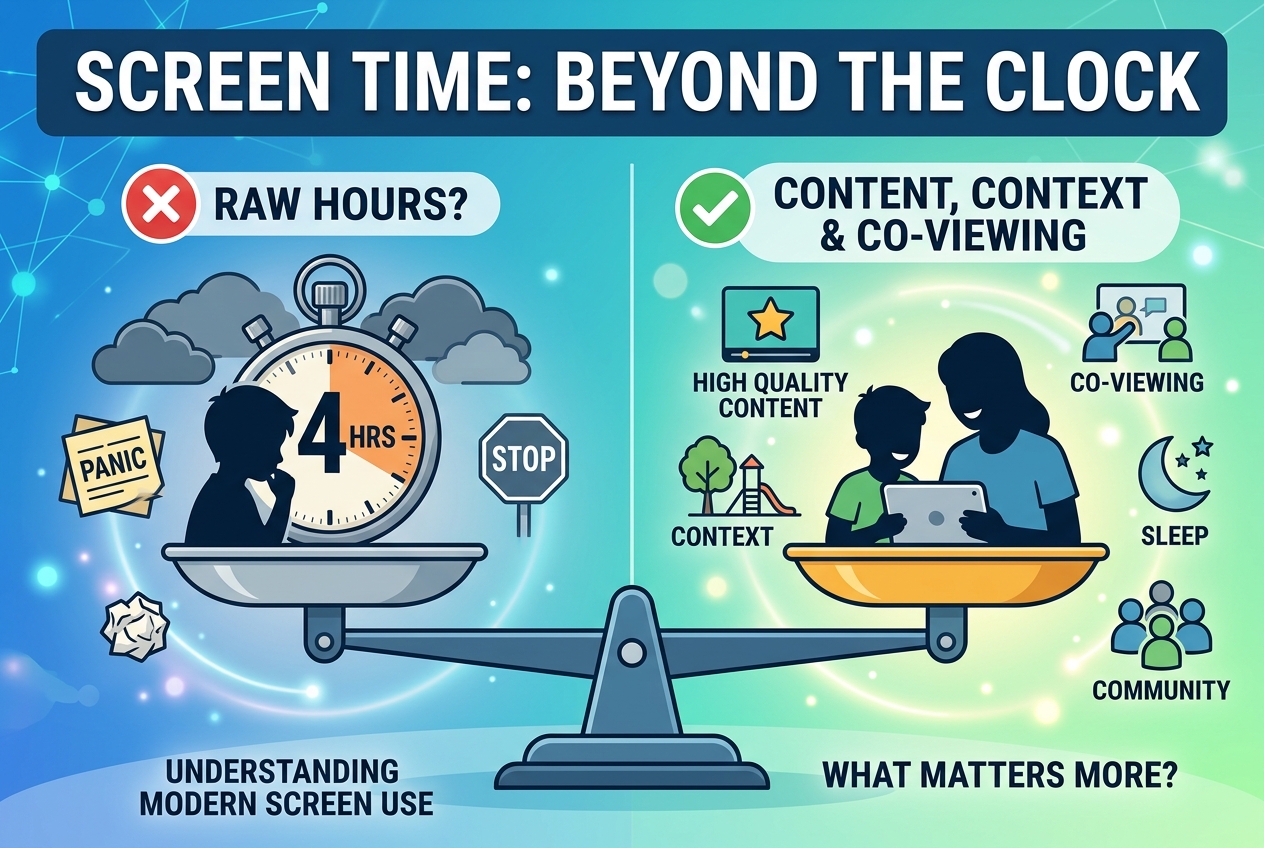
The Screen Time Panic May Be Aimed at the Wrong Target
Hour caps are the popular fix, yet much of the evidence points elsewhere. These views argue over content quality, context, and co-viewing versus raw hours, with some critiquing the research itself and others insisting sleep and community matter more than screens do. Weigh the panic against the evidence and decide what screen time means for your family.

What Nobody Tells You About the Daily Grind and Burnout of Family Caregiving
Being a family caregiver means juggling unseen logistics like managing finances, coordinating medical care, and navigating complex paperwork, all while facing emotional and physical burnout. The tasks differ in how they address these hidden sacrifices, from the financial strain and healthcare coordination to the emotional toll and systemic barriers. Understanding these distinct caregiving tasks helps you recognize the full scope of challenges and decide where to focus support or advocacy efforts.