
Browse the Context Marketplace
Expert-level knowledge on any topic. Each capsule guides you through what matters most.
29 capsules

Your Money’s Safety Depends on Spotting Hidden Risks and Life Changes
Personal finance is not just about budgeting or investing but also about recognizing how major life events and hidden dangers like fraud can drain your resources. Unlike the common focus on growth and returns, this approach stresses vigilance against scams, understanding the full costs of commitments, and managing virtual assets carefully. By adopting this mindset, you protect your wealth from unexpected losses and make smarter, safer financial decisions.
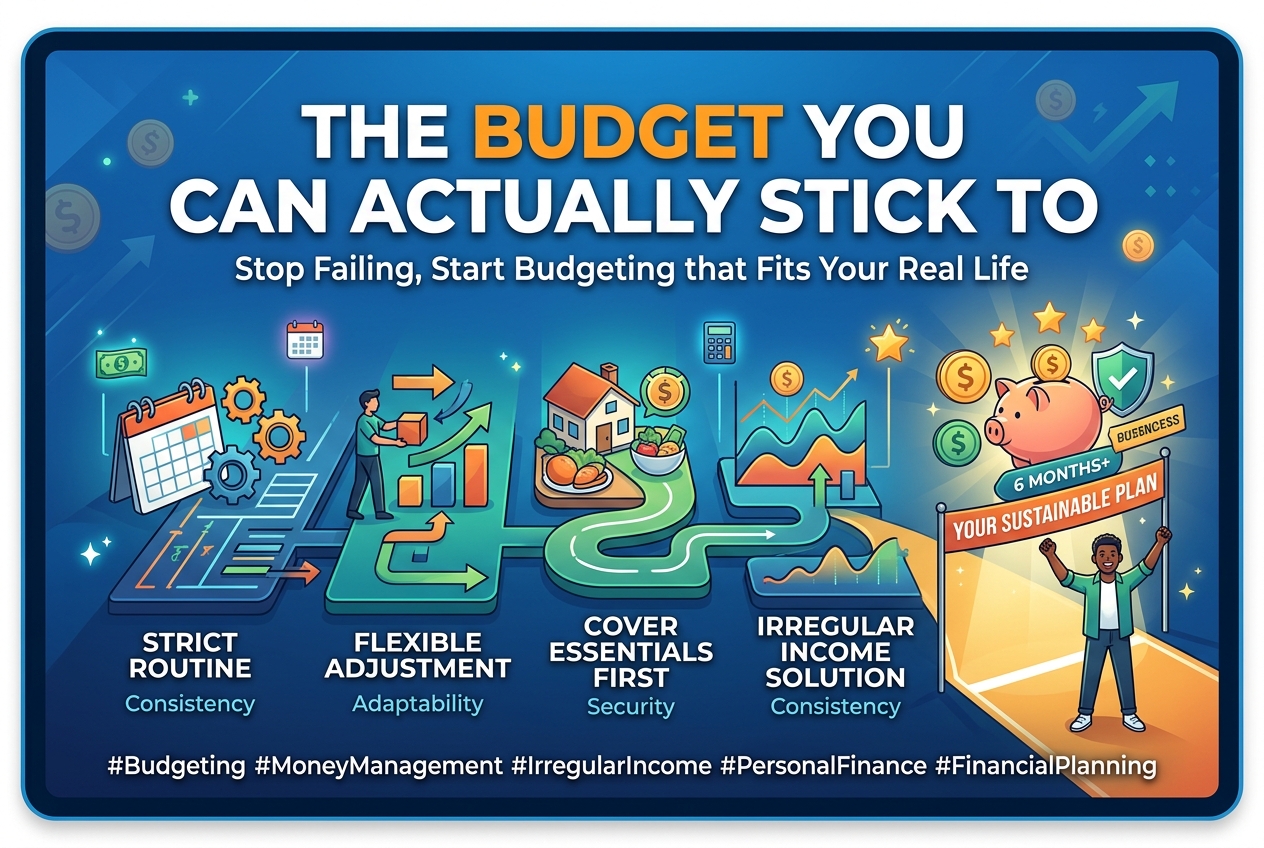
The Budget You Can Actually Stick To
Most budgets fail not from bad math but from not fitting real life. These approaches split between strict routines, flexible month-to-month adjustment, and covering essentials first, with special answers for irregular income. Comparing them points you to the money plan you'll still be using in six months.

Should Couples Pool All Their Money or Keep Some Separate
Couples face a key choice in managing money together: fully joint finances, completely separate accounts, or a hybrid system blending both. These approaches differ on how to balance shared goals like emergency funds and bills with personal spending autonomy. Understanding each approach helps couples build financial stability, reduce conflict, and align their money management with their relationship dynamics.
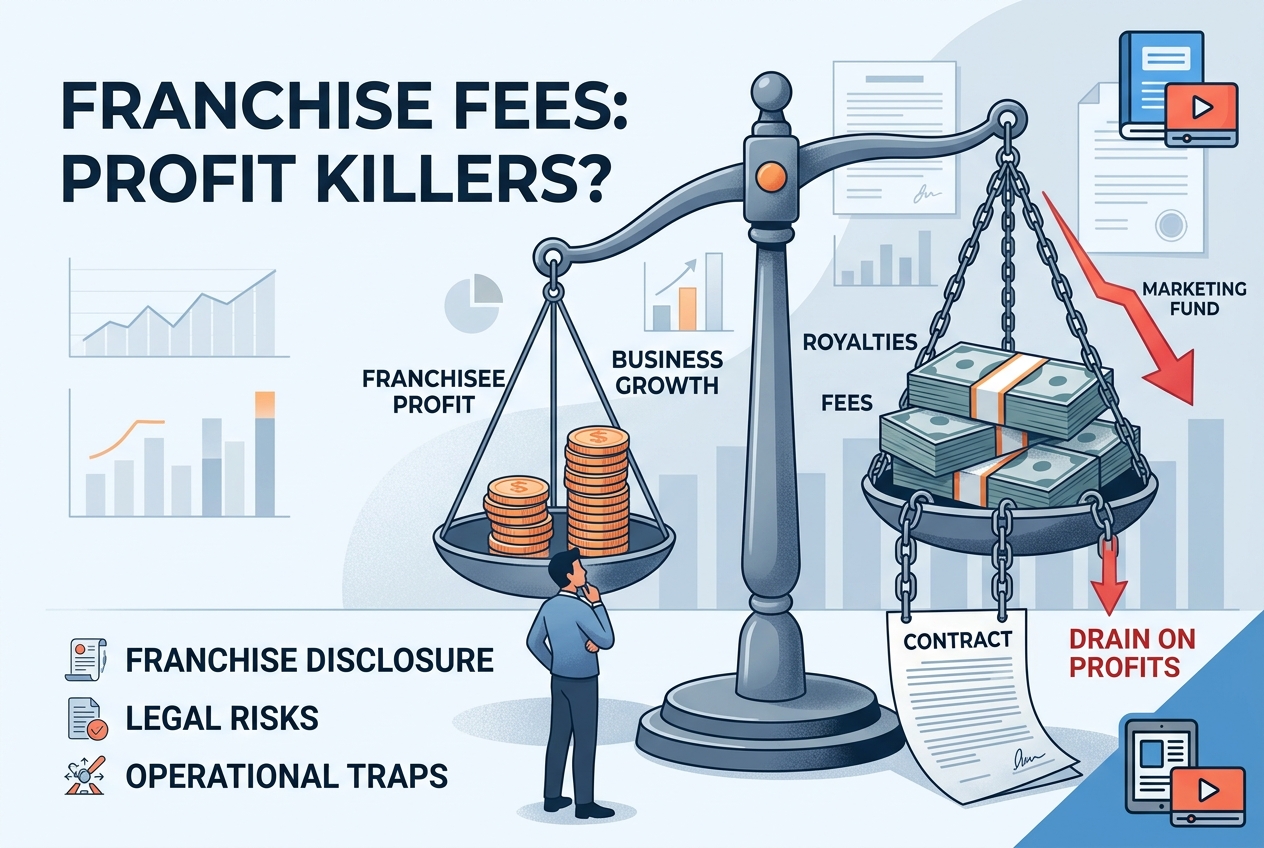
Why Franchise Fees and Royalties Can Sink Your Business
Franchise ownership involves complex financial commitments like upfront franchise fees, ongoing royalties, and marketing fund contributions that can strain profitability. The topics reveal how disclosure rules, legal obligations, and operational risks vary widely, affecting whether a franchise thrives or fails. Understanding these differences helps prospective franchisees assess true costs, legal risks, and growth potential before signing on.

When Money Means Family, What Counts as Fair for All Kids?
Blended families face complex financial challenges that go beyond simple fairness, involving legal planning, inheritance, and ongoing support between biological and stepchildren. The approaches differ on how to protect assets, balance responsibilities, and prevent conflict—whether through formal agreements, trusts, or partnership-based decisions. Understanding these distinct paths helps families create clear, legally sound plans that respect everyone’s needs and avoid unintended disinheritance or resentment.
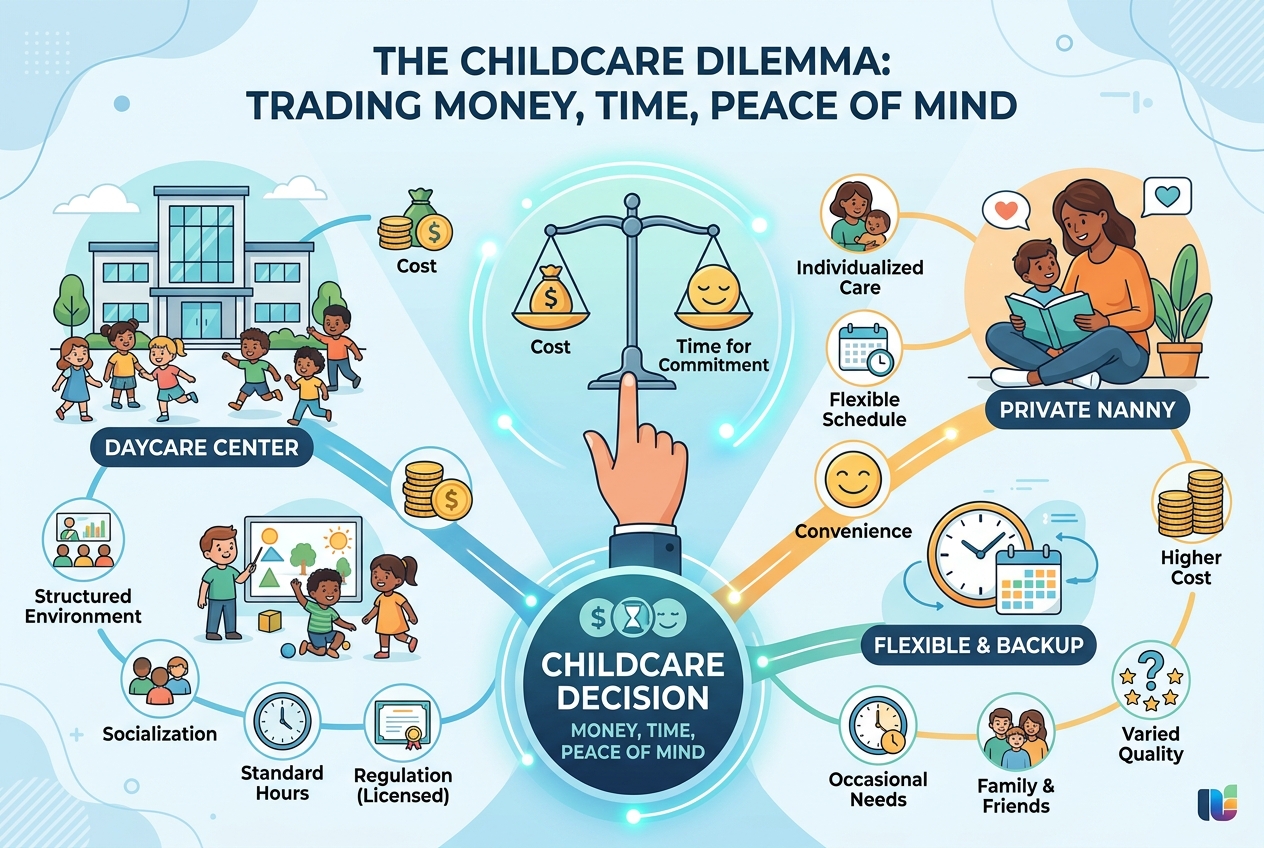
Choosing Childcare Means Trading Money, Time, and Peace of Mind
Few decisions weigh on a family like who cares for your child while you work, and the price tags are only half the story. These childcare options differ on cost, quality, scheduling, and regulation, from daycare centers to nannies to flexible backup arrangements, and the research behind them comes with caveats worth knowing. You'll be able to match your child's needs and your family's finances to the option whose trade-offs you can actually live with.

Free Market Prices Beat Active Investing and Planning Every Time
Central planners and active managers promise to outsmart the market, but this take says prices already do the coordinating better than anyone could. Because market prices bundle scattered knowledge about scarcity and demand, passive index investing and tax optimization beat trying to beat the market. Lean into it and compounding does the heavy lifting toward financial independence.

Making Money Online Means Mastering Taxes or Managing Honey Sales
Earning income online involves two very different business realities: one focuses on strict tax compliance and financial tracking to avoid penalties, while the other centers on the practical facts of running a beekeeping business with high honey demand. Understanding these distinct steps helps creators decide how to handle income reporting, tax payments, and business operations to build sustainable revenue streams.

Money Didn't Start With Barter, and Banks Don't Lend Deposits
Much of what school taught about money is contested at the roots. These theories clash over whether money began as barter or as a social and political creation, whether banks lend existing deposits or create new money when they lend, and how much central banks really control the supply. Sort out which story fits history and today's economy.

What New Teachers Don’t Know About Money and Career Rules Can Cost Them
New teachers face hidden rules about pay raises, retirement benefits, and service credits that can dramatically affect their financial future. These rules differ on how salary increases depend on degree credits, when lane changes take effect, and the risks of leaving before retirement eligibility. Understanding these rules helps teachers make informed decisions about advanced degrees, service purchases, and career moves to maximize earnings and benefits.

What Nobody Tells You About the Daily Grind and Burnout of Family Caregiving
Being a family caregiver means juggling unseen logistics like managing finances, coordinating medical care, and navigating complex paperwork, all while facing emotional and physical burnout. The tasks differ in how they address these hidden sacrifices, from the financial strain and healthcare coordination to the emotional toll and systemic barriers. Understanding these distinct caregiving tasks helps you recognize the full scope of challenges and decide where to focus support or advocacy efforts.

When to Switch From Cash to Accrual Accounting
Switch your accounting method at the wrong time, or the wrong way, and you invite IRS penalties and messy books. The options divide on what should drive the move: hard revenue thresholds and inventory rules, strict compliance steps like Form 3115, or the practical needs of your business regardless of thresholds. Laying them side by side shows when a switch is required, when it is merely wise, and how to land it cleanly.