
Browse the Context Marketplace
Expert-level knowledge on any topic. Each capsule guides you through what matters most.
14 capsules
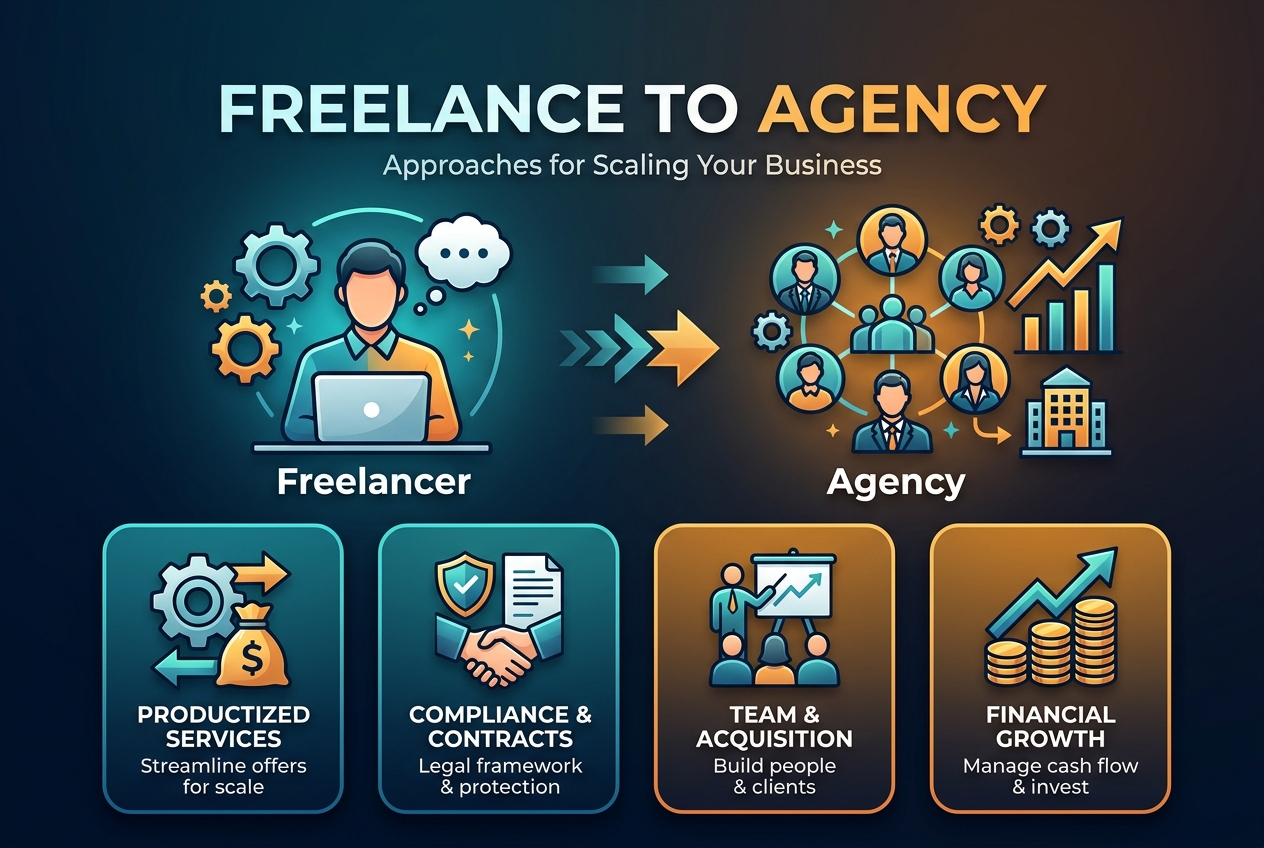
Approaches for Turning a Solo Freelance Gig Into an Agency
Turning a one-person freelance business into an agency forces choices about how you price, what infrastructure you build, and how you track clients. The approaches here differ on whether to productize services, invest early in legal and financial structure, obsess over engagement metrics, or focus on compliance and contracts. Compare them against your cash flow and goals to pick the path to a scalable agency.

That Remote Job Posting May Not Be Remote at All
Behind every remote listing is a hiring strategy, and some hide bait-and-switch terms or outright scams. These strategies show where companies really recruit, from trusted job boards to the hidden market reached through networking, and differ on how much risk a candidate should accept. Learn to verify a role is genuinely remote before you commit.

Making Money Online Requires Choosing the Right Method for Your Skills and Goals
Making money online is not a one-size-fits-all solution. Success depends on selecting an approach that fits your skills, time availability, and resources—whether that means freelancing, selling products, performing simple tasks, offering specialized services, or building AI tools. Understanding these options and their demands is the real key to turning online opportunities into income.

When Taxes Get Tricky with Freelance Work, Moving, and Crypto Sales
Filing taxes becomes complex when freelance income, moving between states, or selling stocks and cryptocurrency come into play. Different tax topics show how capital gains, residency rules, and reporting requirements vary, affecting what you owe and when. Understanding these differences helps you handle taxable events properly, avoid costly mistakes, and decide how to report income and losses across states and asset types.
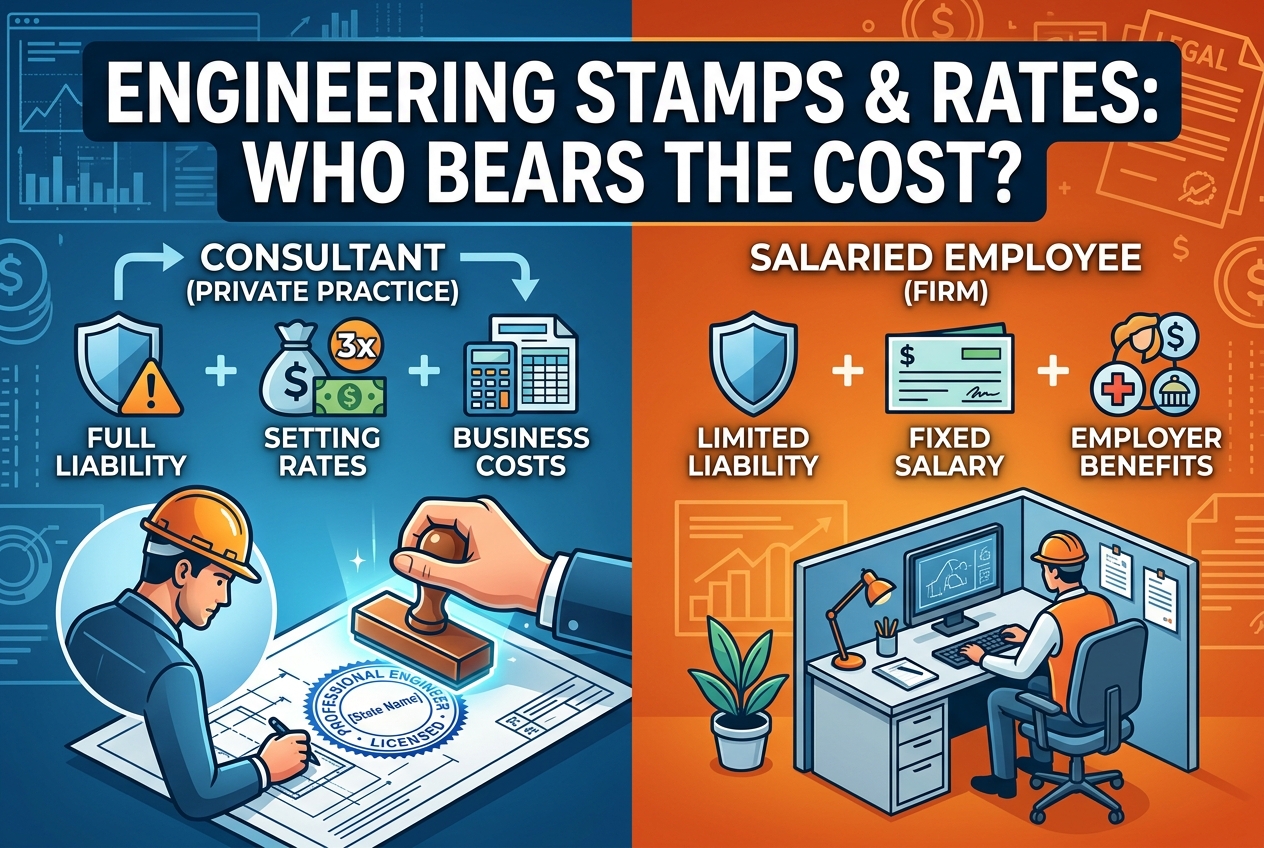
Who Really Pays When Engineers Stamp Their Work and Set Their Rates
Choosing between consulting and a salaried engineering job involves understanding billing rates, professional licensing, and liability risks. Topics cover how overhead and utilization rates impact firm profitability, the legal limits on using a professional engineer's stamp, and the fine line between employee and contractor classifications with their financial and legal consequences. This knowledge helps engineers and firms decide how to price work, comply with regulations, and manage risks tied to professional responsibility and employment status.

Hire for What Matters, Outsource the Rest to Protect Your Culture
The usual outsourcing debate stops at cost, but that misses what really holds a company together. This take says hire only for roles that are strategic, core, or need long-term commitment, and send non-core or overflow work outside. Aligning those calls with strategy and compliance protects your culture while still tapping outside help.
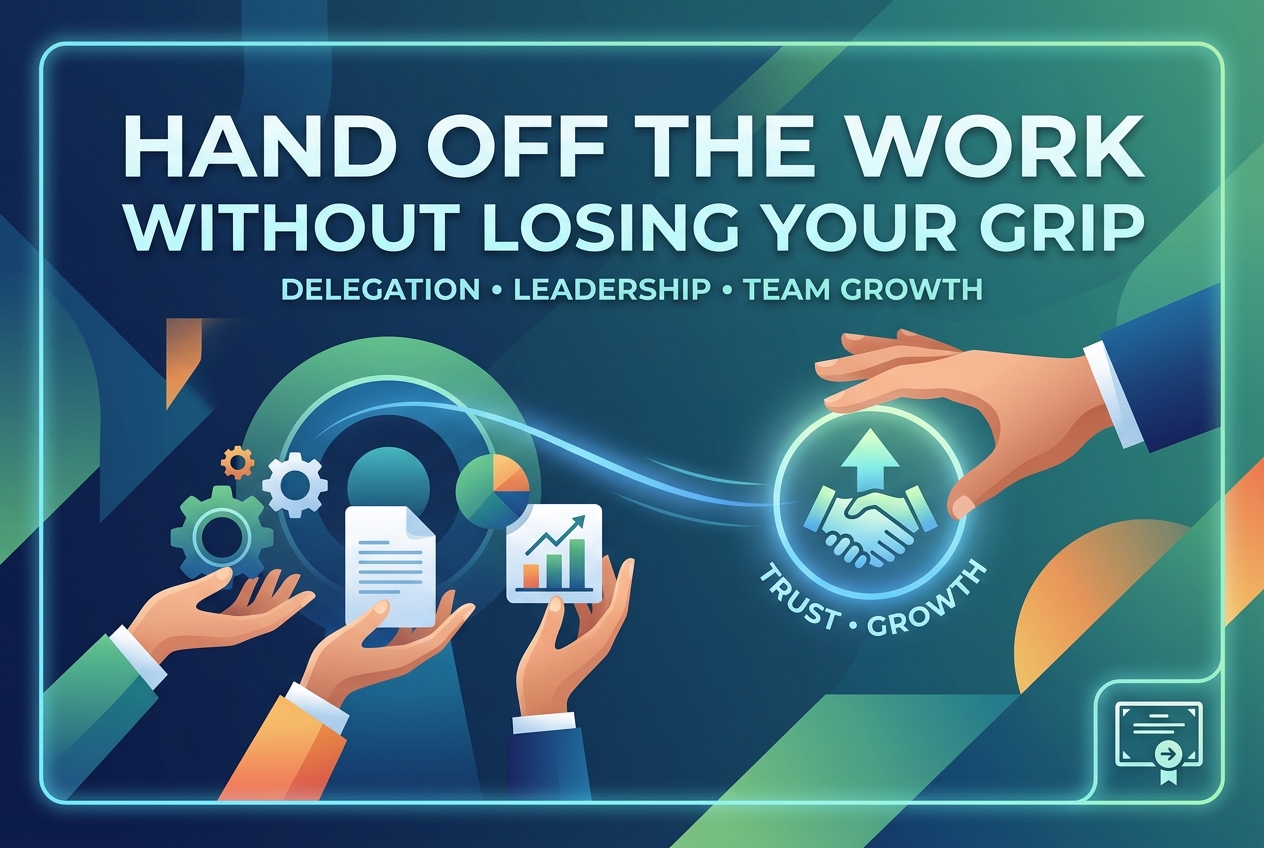
Hand Off the Work Without Losing Your Grip
Delegate too little and you become the bottleneck; delegate carelessly and outcomes slip. The approaches disagree on how close to stay: founders keeping vision while releasing operations, frameworks for choosing which tasks to hand off, gradual trust-building with tolerance for mistakes, and structured oversight that stops short of micromanaging. The balance you strike decides whether your team grows or just waits for your sign-off.

Getting Clients to Pay Without the Awkward Chase
Late-paying clients strangle cash flow, and how hard you push is a real judgment call. These tactics range from clear upfront contracts and automated reminders to firm cutoffs that stop work until the invoice clears, plus early-payment discounts and easy payment options. Weigh them to set terms and collections that keep money moving.
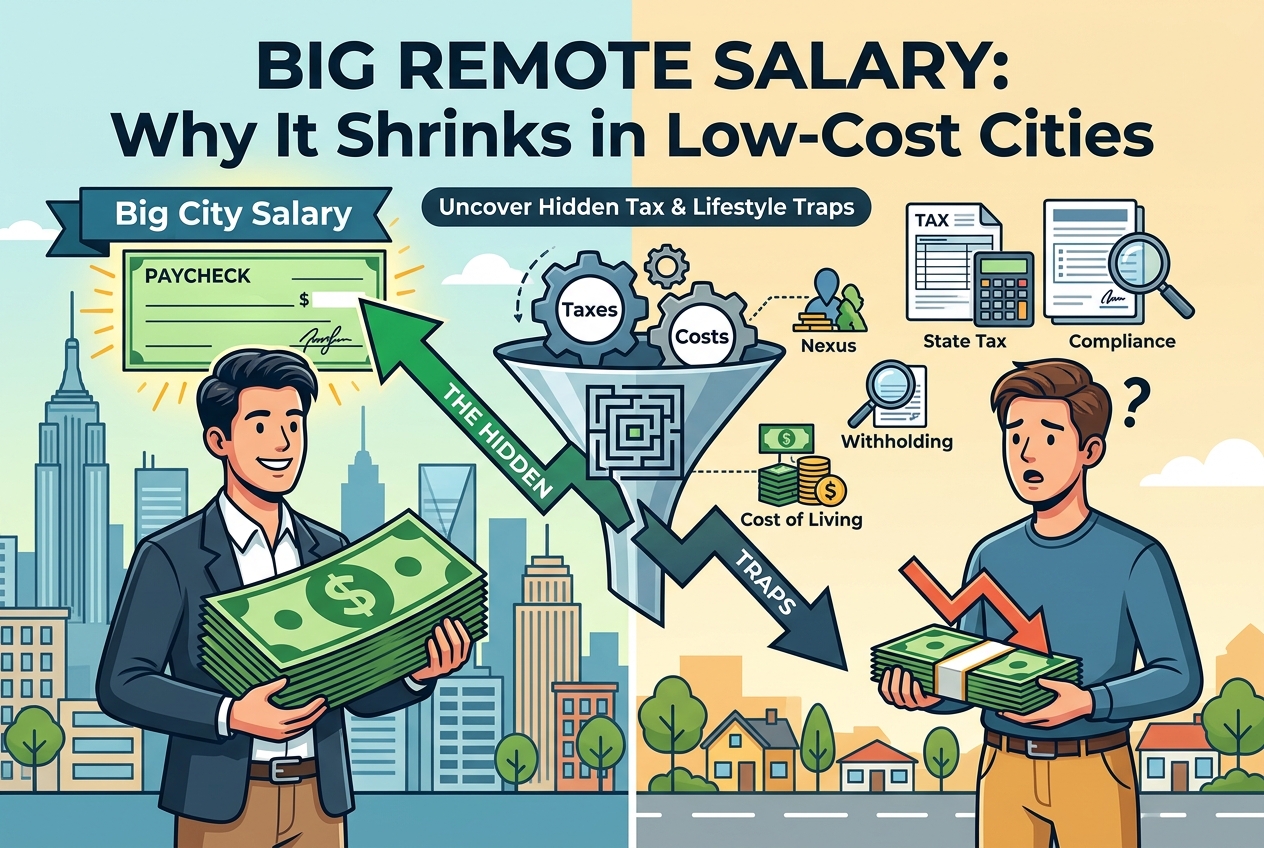
Why a Big Remote Salary Can Shrink in a Low-Cost City
Earning a high remote salary from a big city while living in a low-cost area can backfire due to hidden tax and lifestyle traps. These traps differ on how state and local taxes apply to remote work, including unexpected tax obligations from employer nexus and complex rules like New York’s convenience of the employer. Understanding these differences helps you avoid overpaying taxes and misjudging your true spending power.

Quitting Your Job Without a Backup Is Risky but Sometimes Right
Deciding to leave your job without another one lined up can feel reckless or liberating depending on your preparation and mindset. Some approaches emphasize having a solid financial safety net and clear documentation, while others highlight the personal growth and grace found in taking bold leaps. This collection reveals how timing, savings, rights, and even spiritual perspectives shape whether quitting is a calculated risk or a leap of faith.
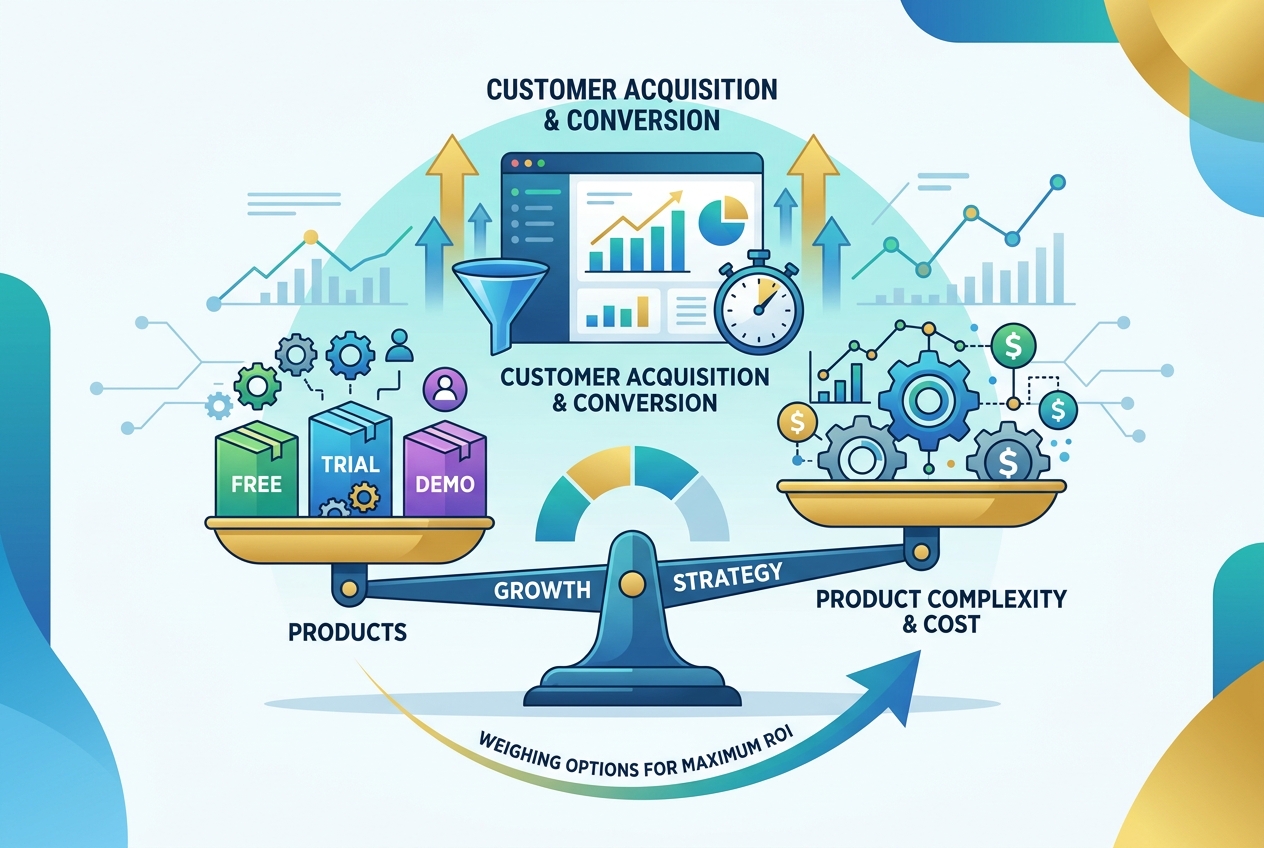
Should You Offer Free, a Trial, or a Demo?
Whether you give the product away, hand out a trial, or run a demo reshapes your whole sales motion. These options differ on whether users can self-activate cheaply enough for freemium, whether fast trial activation lifts conversions, or whether a tailored demo that hits real pain points closes better. Weigh them against your product's complexity and cost to serve.
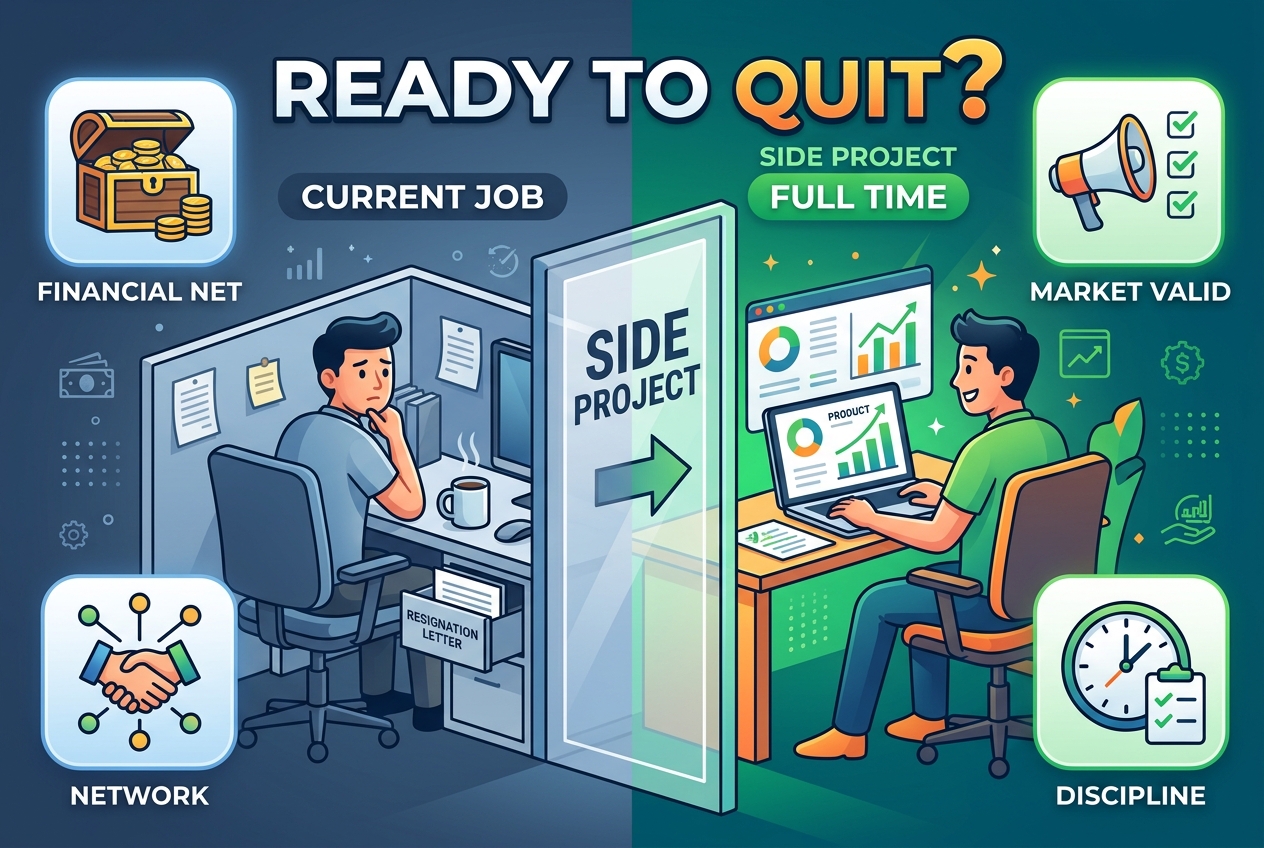
When Is the Side Project Ready for Your Resignation?
Leaving a paycheck for a side project is a one-way door most people time badly. These approaches disagree on what must be true first: a financial safety net, a validated market, a built-out network, or ruthless task discipline while still employed. Test your own readiness against each before you hand in notice.