
Browse the Context Marketplace
Expert-level knowledge on any topic. Each capsule guides you through what matters most.
15 capsules
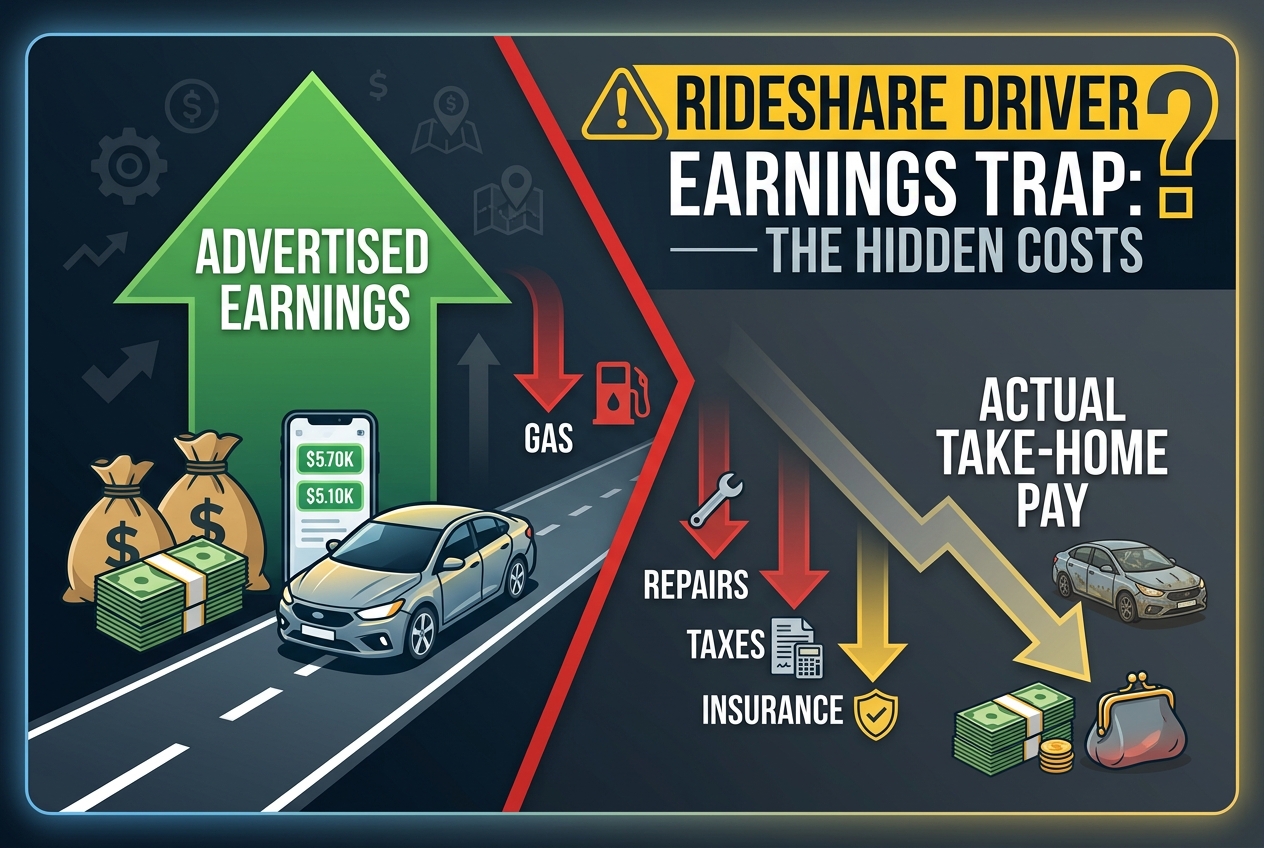
Rideshare Drivers Earn Much Less After Paying for Gas, Repairs, and Taxes
Rideshare and delivery drivers often see advertised earnings that ignore critical costs like gas, vehicle maintenance, insurance, and taxes. Platforms report only active trip miles, excluding other driving necessary for the job, which hides the true expenses drivers face. Recognizing these hidden costs reveals that drivers take home significantly less money than the apps suggest, reshaping how drivers should evaluate their real income.

Why Tradespeople Face Hidden Money Risks No Apprenticeship Warns You About
Getting paid as a tradesperson or contractor involves more than just work done; it’s shaped by complex laws, union dynamics, and emerging challenges like AI displacement. This topic reveals how union rules, legal classifications, mental health trends, and industrial shifts create very different financial realities depending on where and how you work. Understanding these distinct perspectives helps you spot risks and opportunities that traditional training never covers.
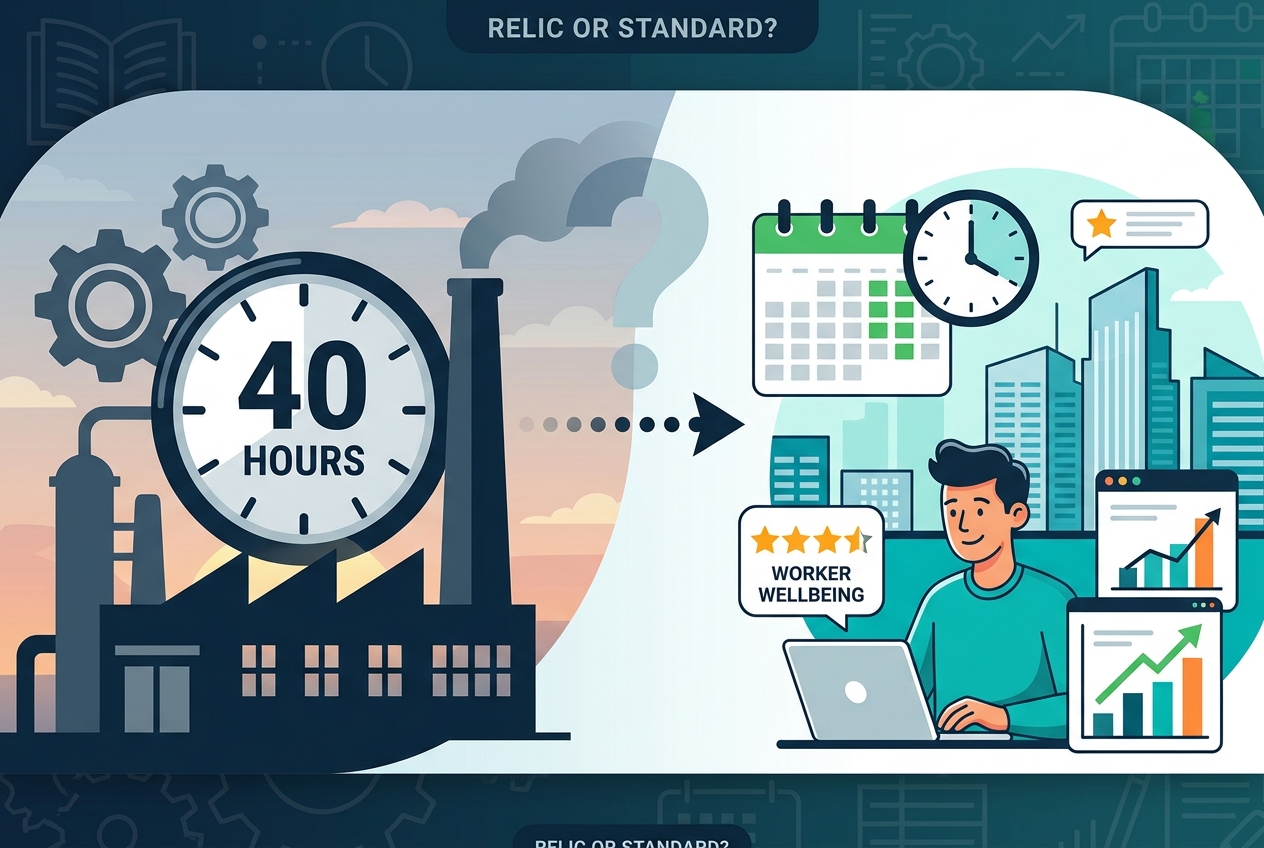
Is the 40-Hour Workweek a Relic of the Factory Floor?
The 40-hour week was built for the industrial era, and the case for keeping it is under real pressure. One argument defends fixed hours as a stable standard, another points to trials where shorter and flexible schedules lifted productivity and wellbeing, and a third questions the sources behind both claims. Sorting through them helps you judge what a sane workweek should look like now.
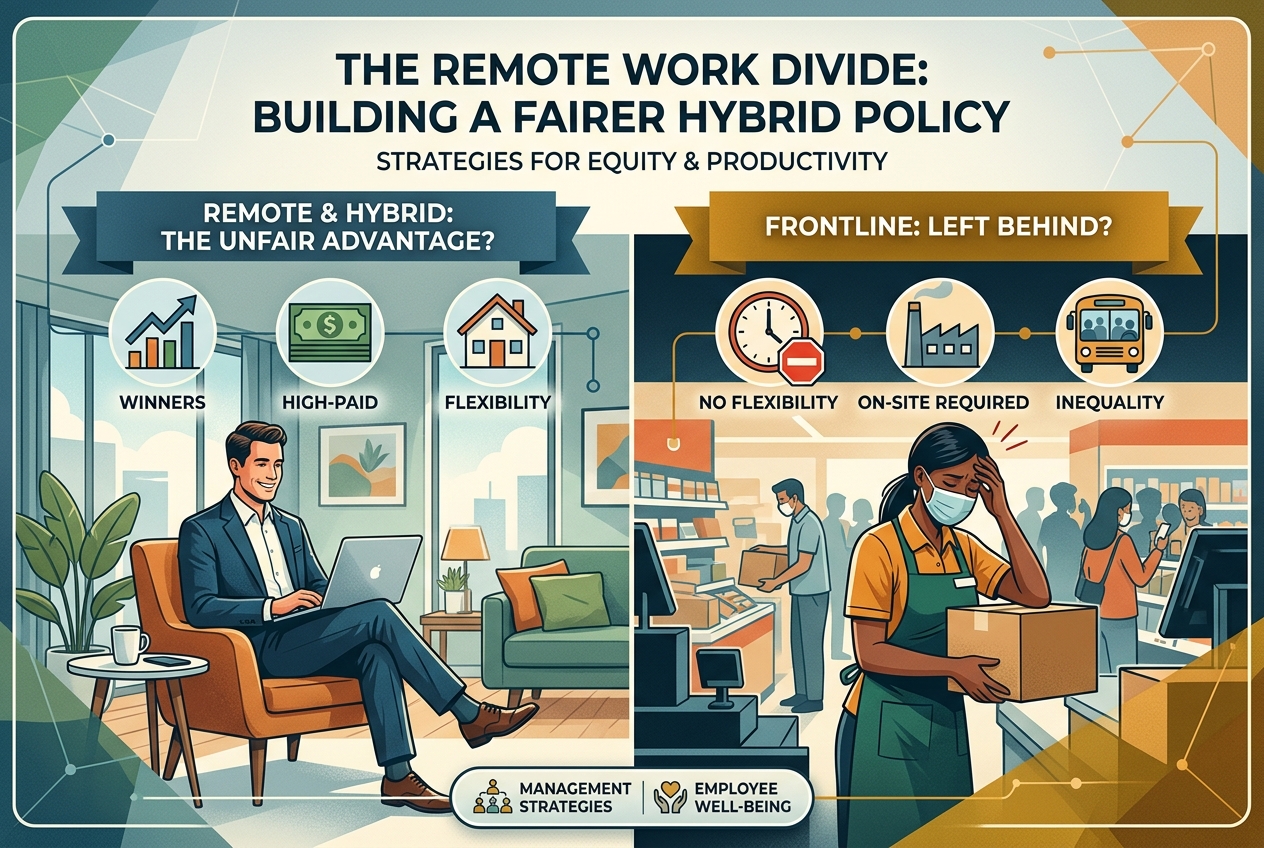
Remote Work's Biggest Winners Were Already Winning
Hybrid policies tend to reward the highest-paid workers while frontline staff get none of the flexibility. These views clash on whether remote work truly lifts productivity or just moves the strain into family life, and on how to run hybrid schedules without deepening inequality. Use them to shape a remote policy that is both effective and fair.

That Remote Job Posting May Not Be Remote at All
Behind every remote listing is a hiring strategy, and some hide bait-and-switch terms or outright scams. These strategies show where companies really recruit, from trusted job boards to the hidden market reached through networking, and differ on how much risk a candidate should accept. Learn to verify a role is genuinely remote before you commit.
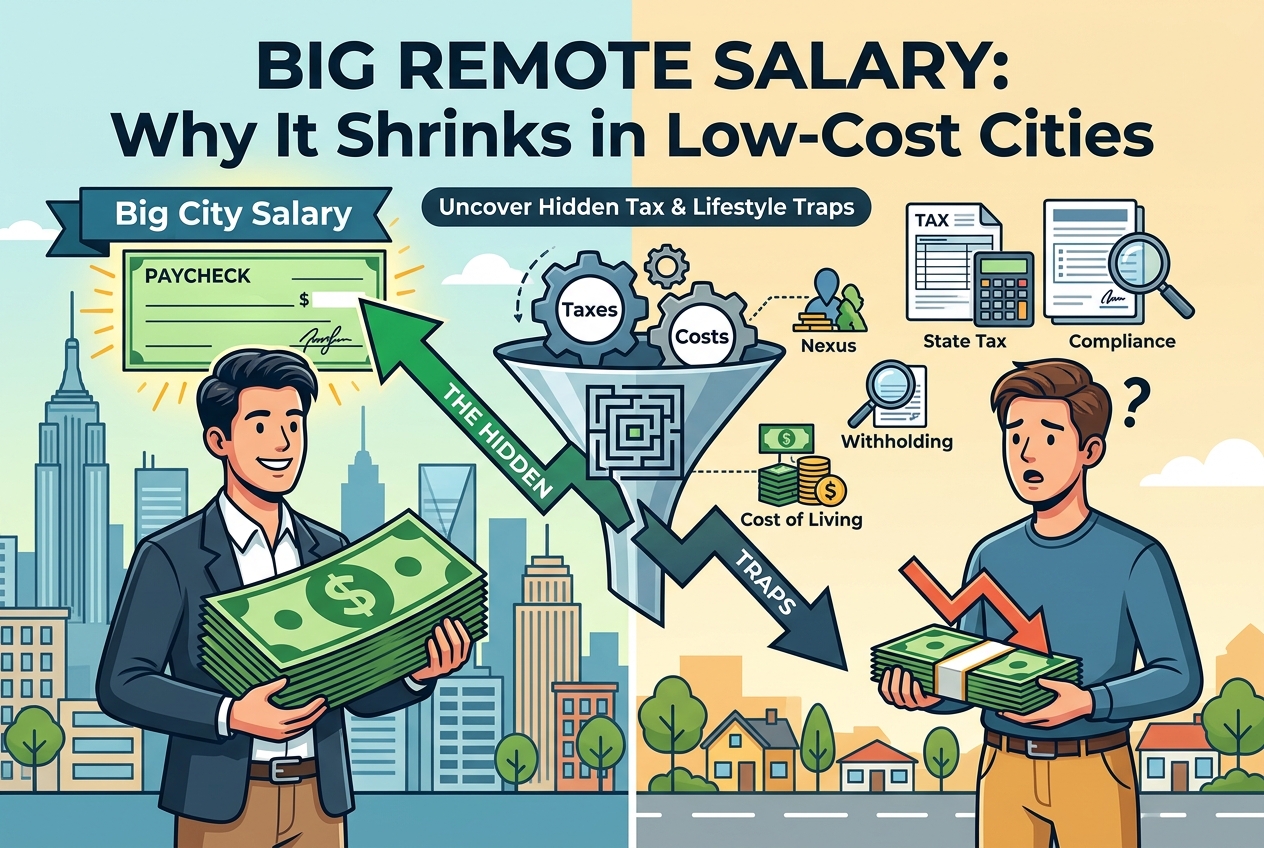
Why a Big Remote Salary Can Shrink in a Low-Cost City
Earning a high remote salary from a big city while living in a low-cost area can backfire due to hidden tax and lifestyle traps. These traps differ on how state and local taxes apply to remote work, including unexpected tax obligations from employer nexus and complex rules like New York’s convenience of the employer. Understanding these differences helps you avoid overpaying taxes and misjudging your true spending power.
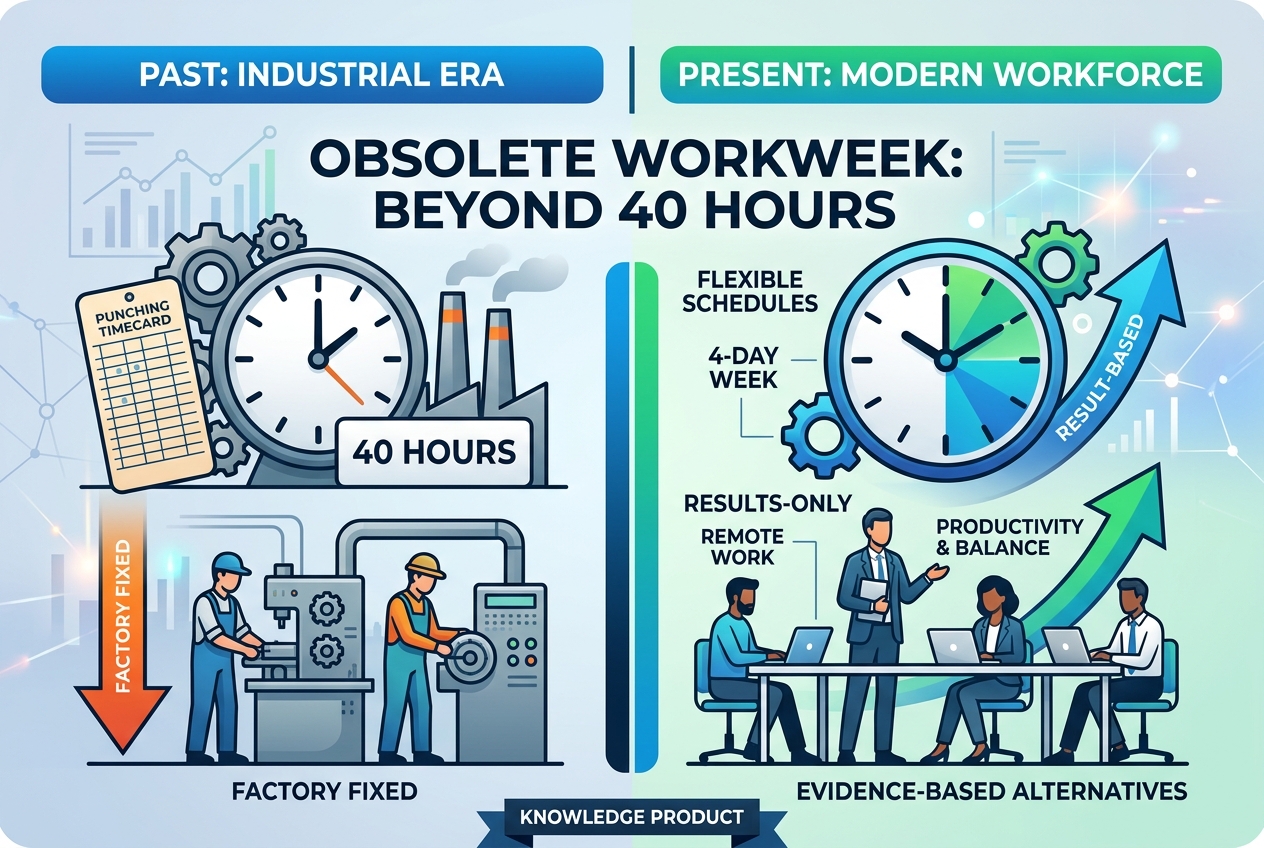
The 40-Hour Workweek Is Obsolete
The 40-hour week was designed for factory floors, not for how people produce today. The case traces where the standard came from, why it misaligns with modern productivity, and which alternatives the evidence actually supports, alongside the strongest counterpoints. Follow the argument and decide whether the schedule deserves to survive.
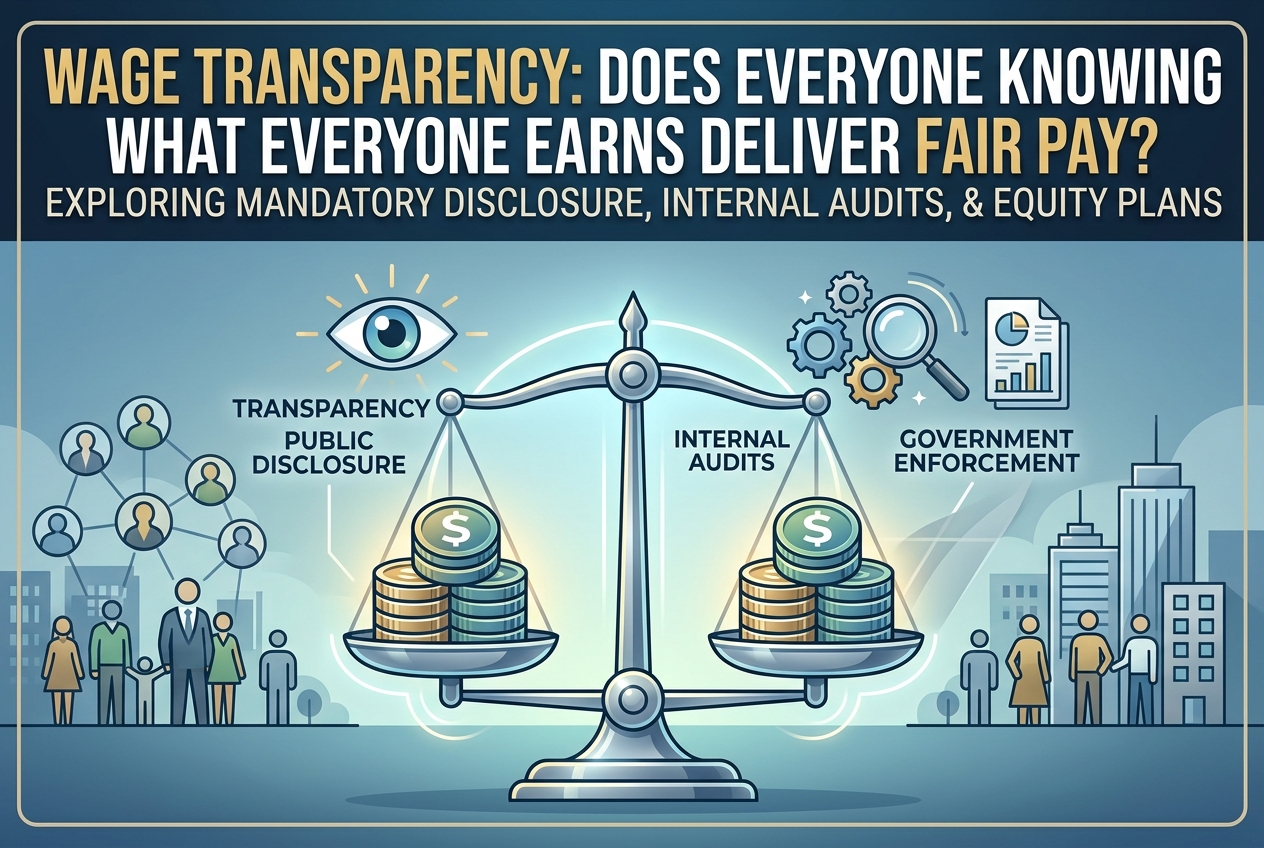
What Happens When Everyone Knows What Everyone Earns
Pay transparency is spreading, but posting a range in a job ad is only one lever. These approaches differ on whether real progress comes from mandatory disclosure, internal pay audits and equity plans, or government enforcement rather than voluntary employer action, and on how to tell whether any of it narrows wage gaps. Judge which levers actually deliver fair pay.
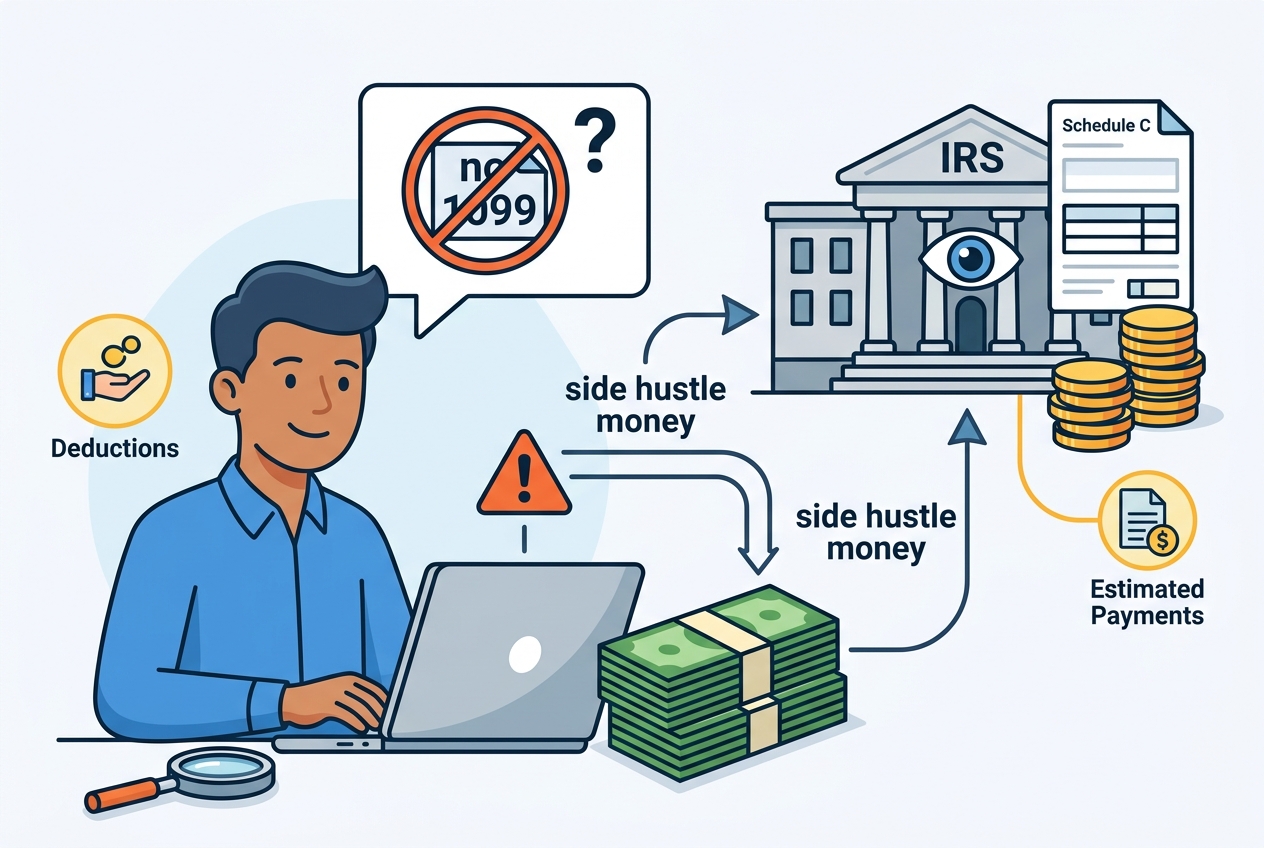
The IRS Sees Your Side Hustle Income, Even Without a 1099
Cash gigs and app payouts count as income whether or not a form arrives, and getting that wrong invites penalties. These tactics split on where to focus: sticking strictly to the ordinary-and-necessary test for deductions, maximizing every legitimate write-off, or making estimated payments and Schedule C the priority so penalties never start. Choose the mix that keeps your tax bill low without inviting an audit.

Hire for What Matters, Outsource the Rest to Protect Your Culture
The usual outsourcing debate stops at cost, but that misses what really holds a company together. This take says hire only for roles that are strategic, core, or need long-term commitment, and send non-core or overflow work outside. Aligning those calls with strategy and compliance protects your culture while still tapping outside help.

Is the AI Boom a Breakthrough or a Bubble?
AI companies are burning billions on computing power while their path to profit stays murky. These views split between a bubble destined to pop, a business that can reach profitability through cost-cutting and smarter spending, and doubts that current data can settle the question at all. Weighing them helps you judge how much of the boom is real.

Approaches for Turning a Solo Freelance Gig Into an Agency
Turning a one-person freelance business into an agency forces choices about how you price, what infrastructure you build, and how you track clients. The approaches here differ on whether to productize services, invest early in legal and financial structure, obsess over engagement metrics, or focus on compliance and contracts. Compare them against your cash flow and goals to pick the path to a scalable agency.