
Browse the Context Marketplace
Expert-level knowledge on any topic. Each capsule guides you through what matters most.
18 capsules
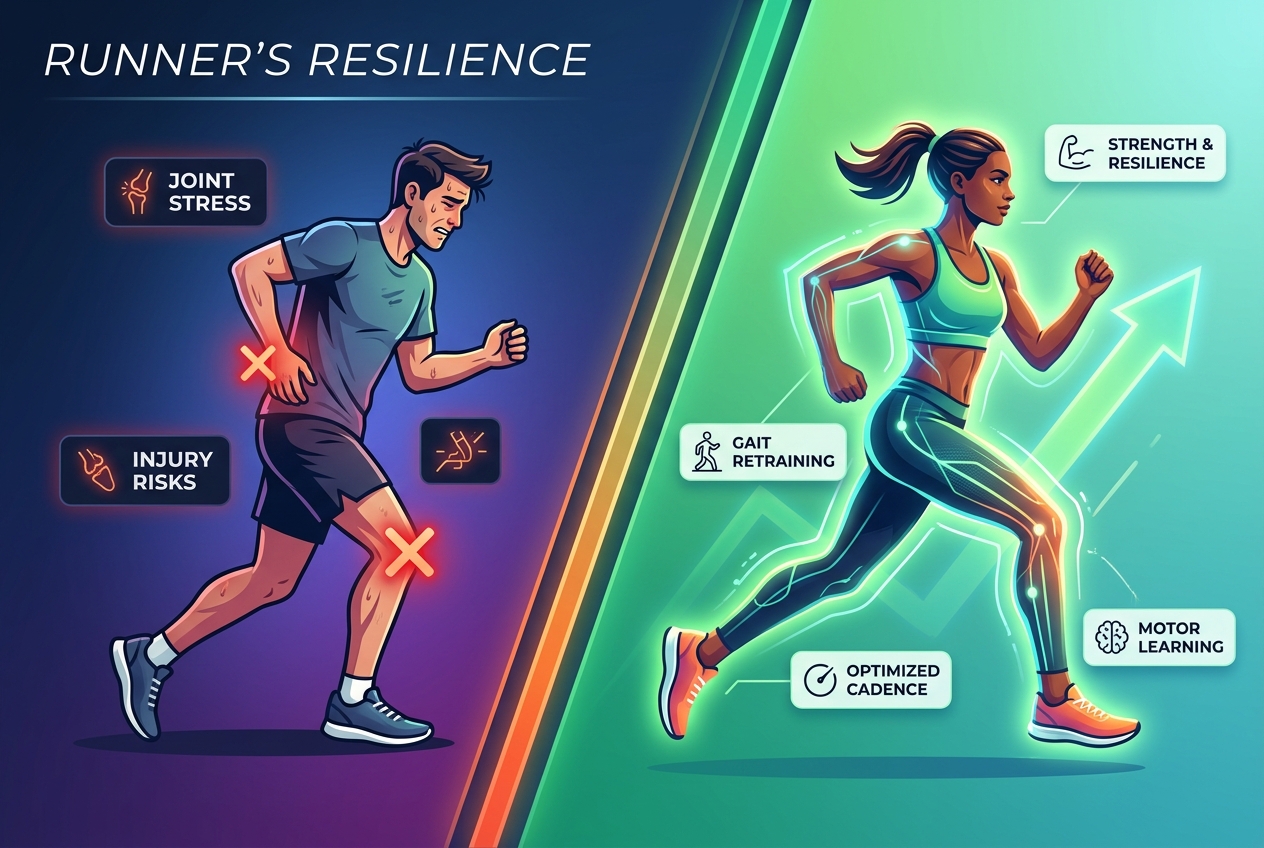
Why Runners Keep Getting Hurt, and What Actually Helps
Running injuries are common, but the best prevention is contested. These fixes range from strength training that builds resilience and raising your cadence to ease joint stress, to structured gait retraining and the argument that impact forces matter less than we think. You can decide which approach fits your stride and your injury history.
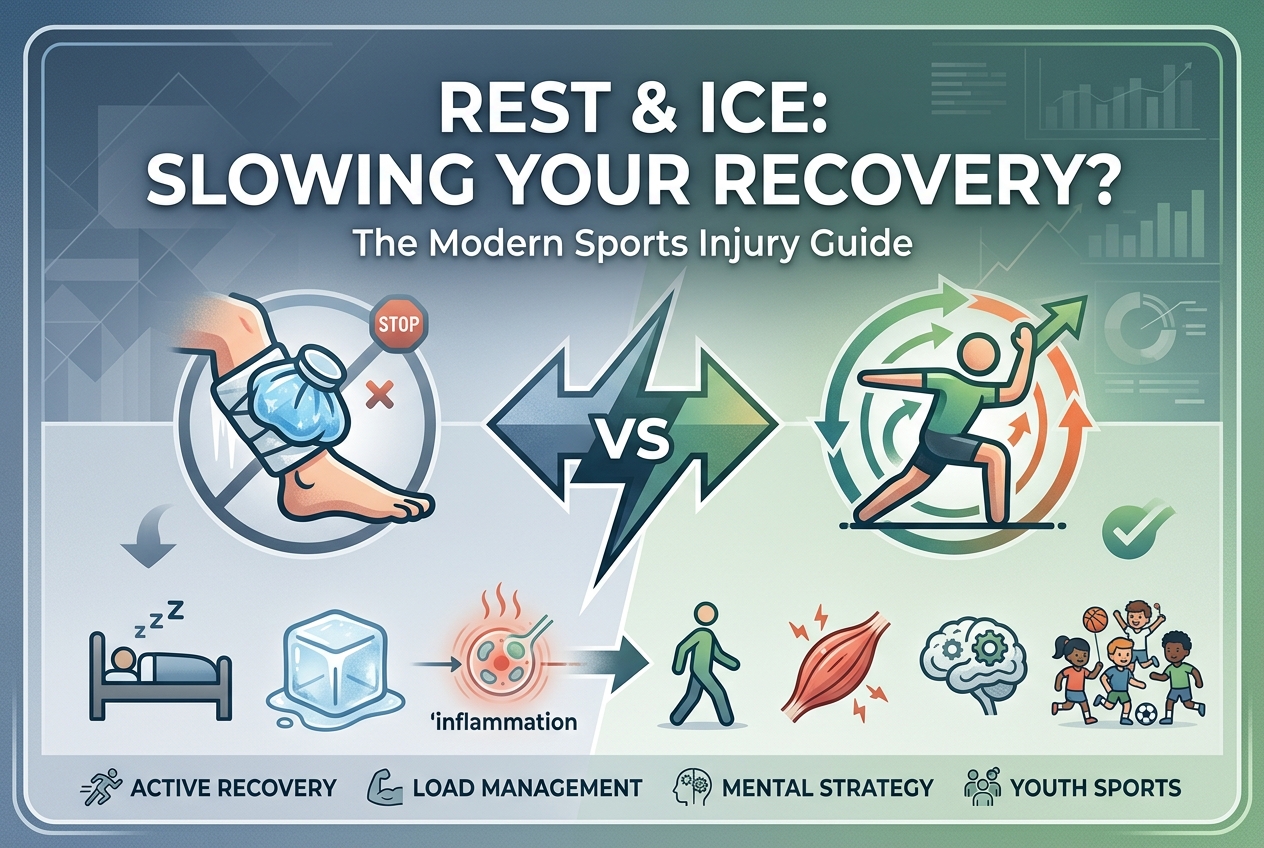
Rest and Ice Might Be Slowing Your Recovery
The instinct after a sports injury is to stop everything and ice it, yet that may be the slowest road back. These views split on how much controlled movement should replace passive rest, whether ice helps or hinders tissue repair, and how much of recovery is mental strategy versus physical load. There is even a longer game at stake: varied sport participation over early specialization.
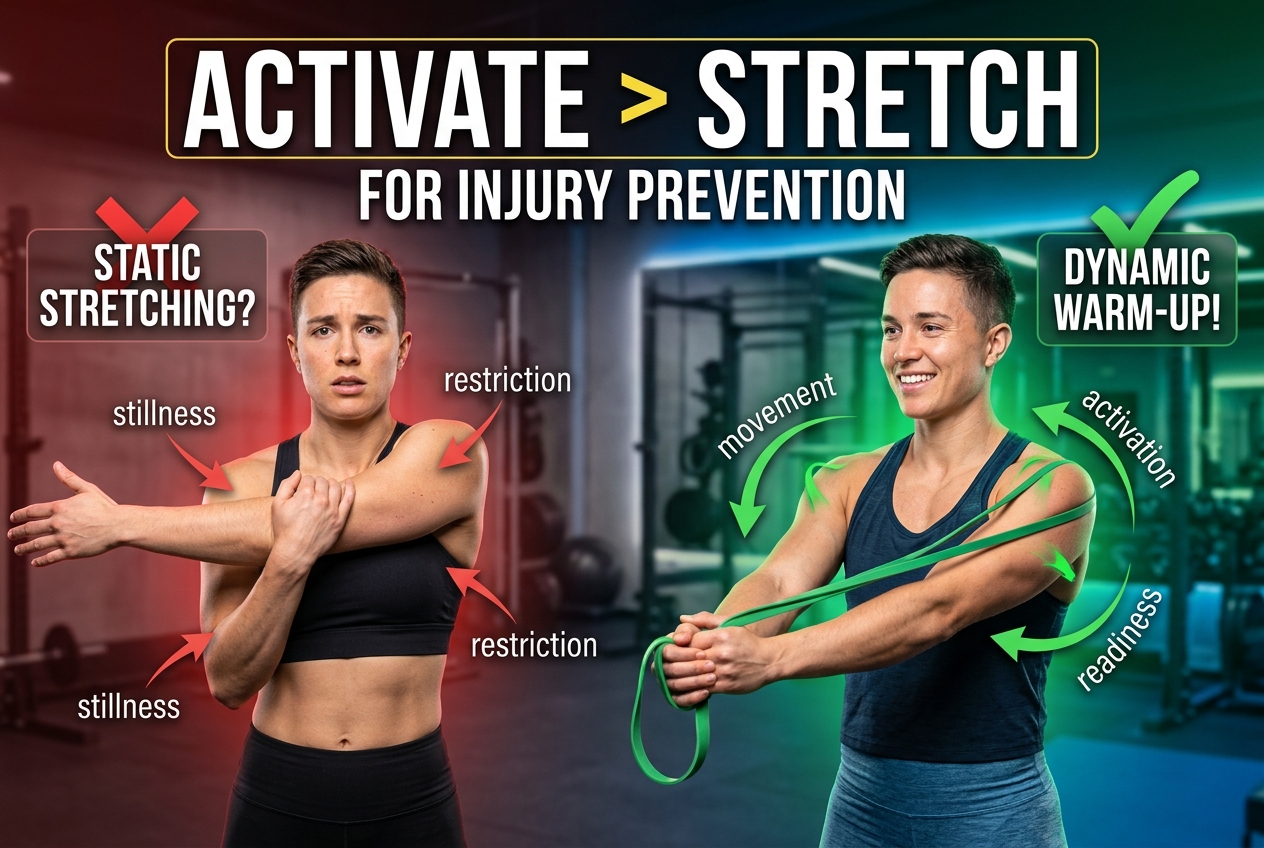
Dynamic Shoulder Warm-Ups Beat Static Stretching for Injury Prevention
Static stretching before a workout holds your shoulder muscles still exactly when they need to switch on. The case here is that dynamic warm-ups built on controlled rotations, resistance bands, and scapular activation wake up the stabilizer muscles and build the joint awareness that actually prevents injury. Trading your pre-lift stretches for controlled movement prepares your shoulders for real load.

How to Train Safely and Effectively After 50 Without Risking Injury
Strength and fitness training after 50 requires careful attention to safety, proper technique, and listening to your body. Different guidelines emphasize warming up, avoiding breath-holding, managing joint pain, and recognizing warning signs like chest discomfort. Understanding these varied approaches helps you choose a routine that balances progress with real-world health considerations and emergency preparedness.
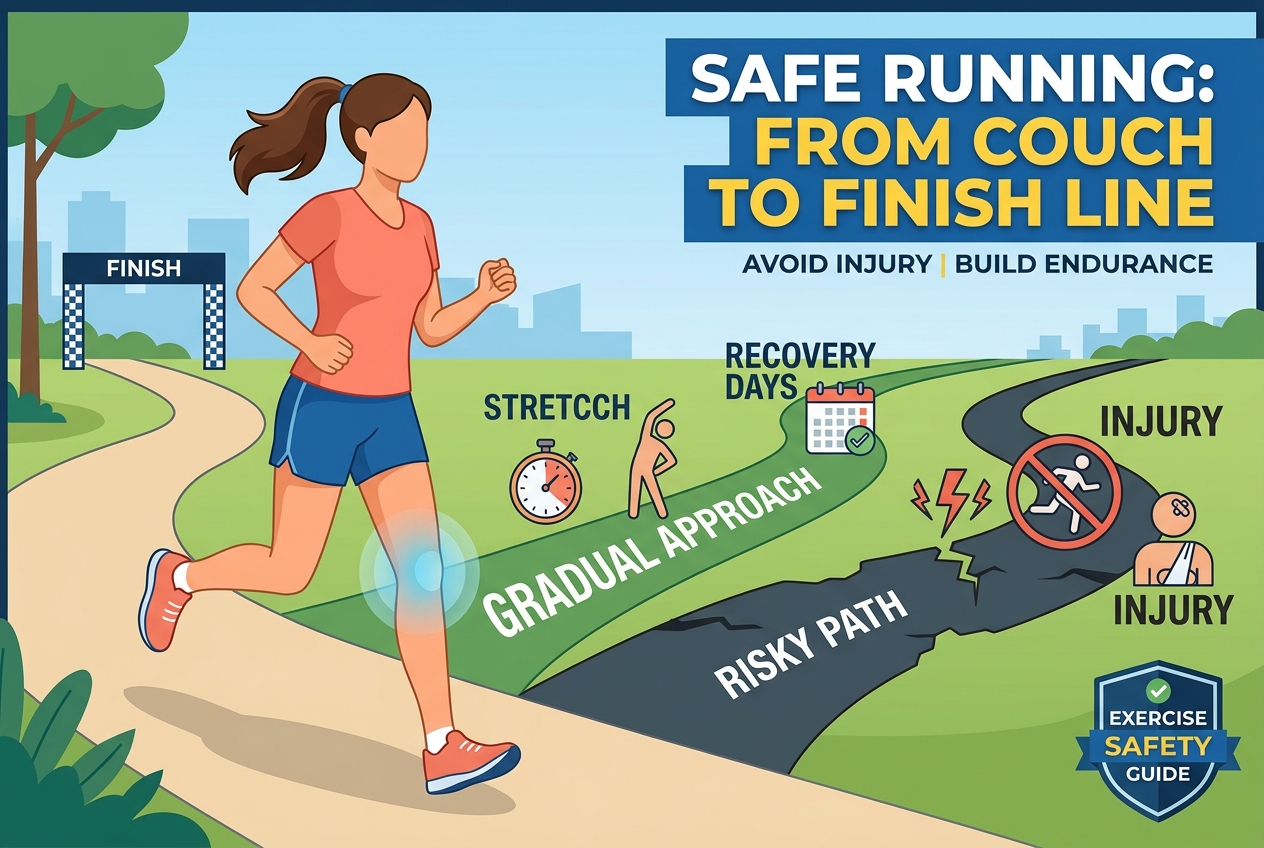
Getting Off the Couch Shouldn't Land You in Physical Therapy
Most people who abandon a new running plan are stopped by injury, not laziness. These approaches differ on how to protect you on the way to the finish line: some build in strict recovery days, some start with medical clearance, and others rely on gradual walk-run pacing and listening to your body. You'll be able to choose a path from inactivity to race day that builds endurance without breaking you.

Protecting Someone From Everything Can Keep Them Broken
Shielding a struggling person from every stress feels kind, but avoidance can quietly sustain trauma and stall growth. From PTSD recovery to adolescent independence, the hard question is when protection heals and when it holds someone back.
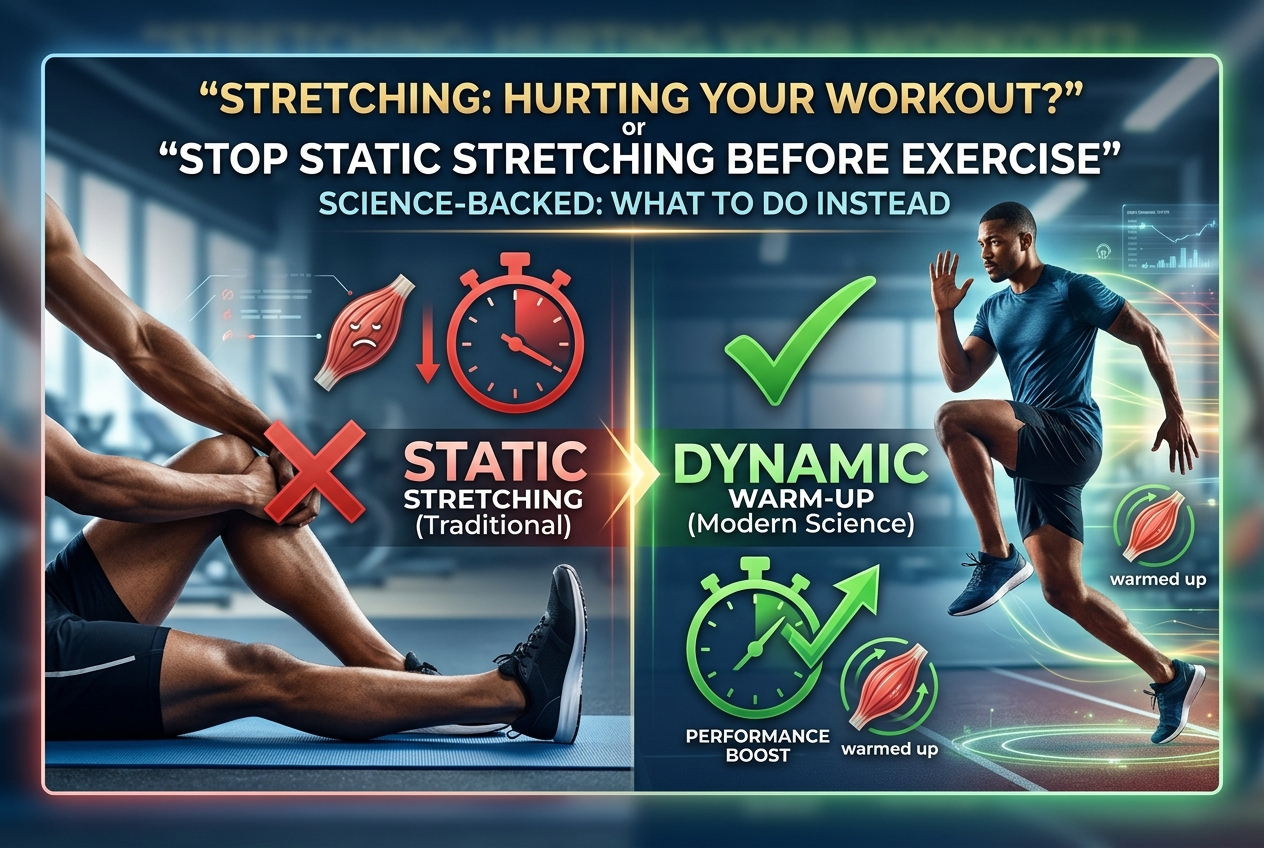
Stretching Before Exercise May Be Hurting Your Performance
The pre-workout static stretch you learned in gym class may reduce power without preventing a single injury. These recommendations split on what replaces it: dynamic movements that wake up muscles and nerves, sport-specific warm-ups, or saving static stretching for after the session when it aids flexibility and recovery. Where they differ is timing, and timing turns out to be most of the answer.
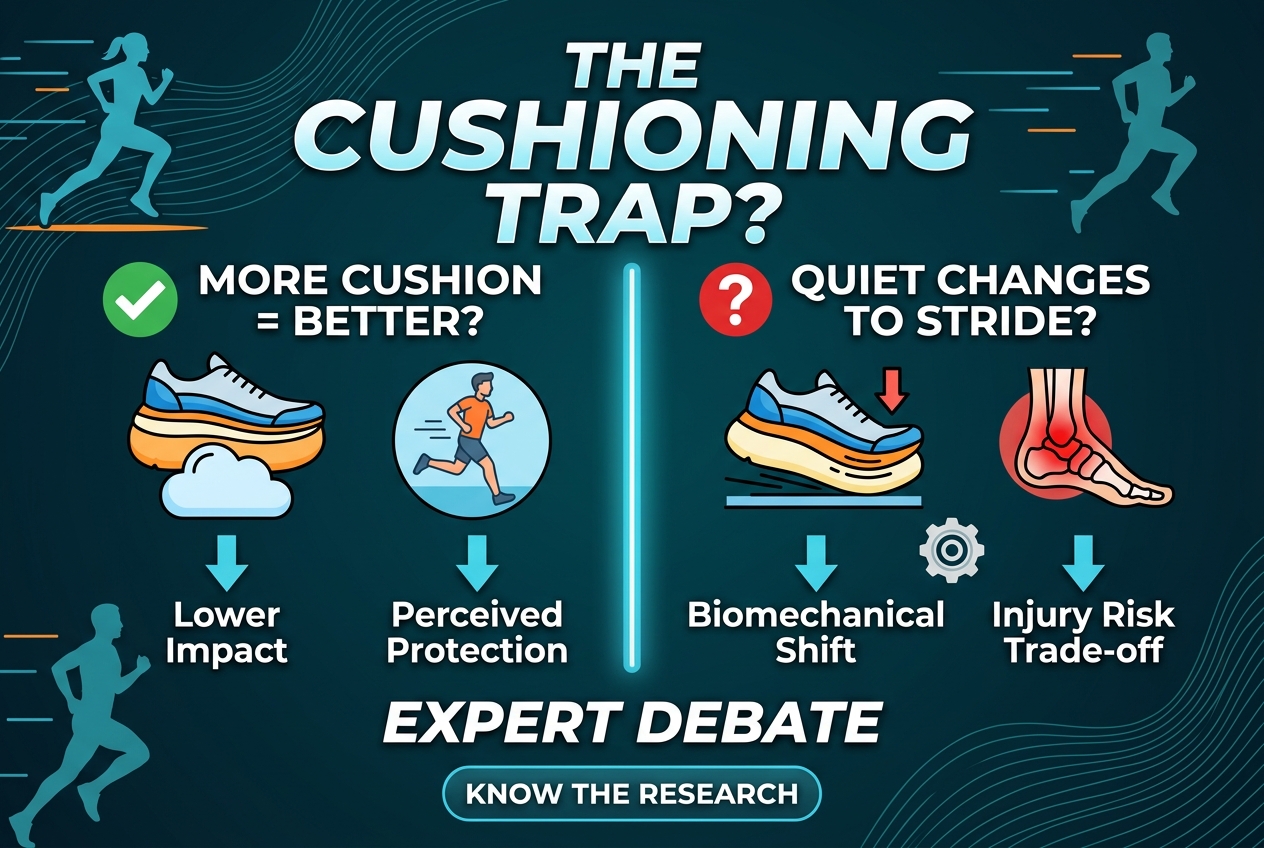
More Cushioning in Running Shoes May Not Save Your Knees
More cushion feels protective, but whether it actually lowers injury risk or quietly changes your stride is genuinely unsettled. These views split over cost and expert opinion, the research methods behind the claims, and the personal trade-off between cushion and stability. See where they clash so you can choose what fits your stride and mileage.
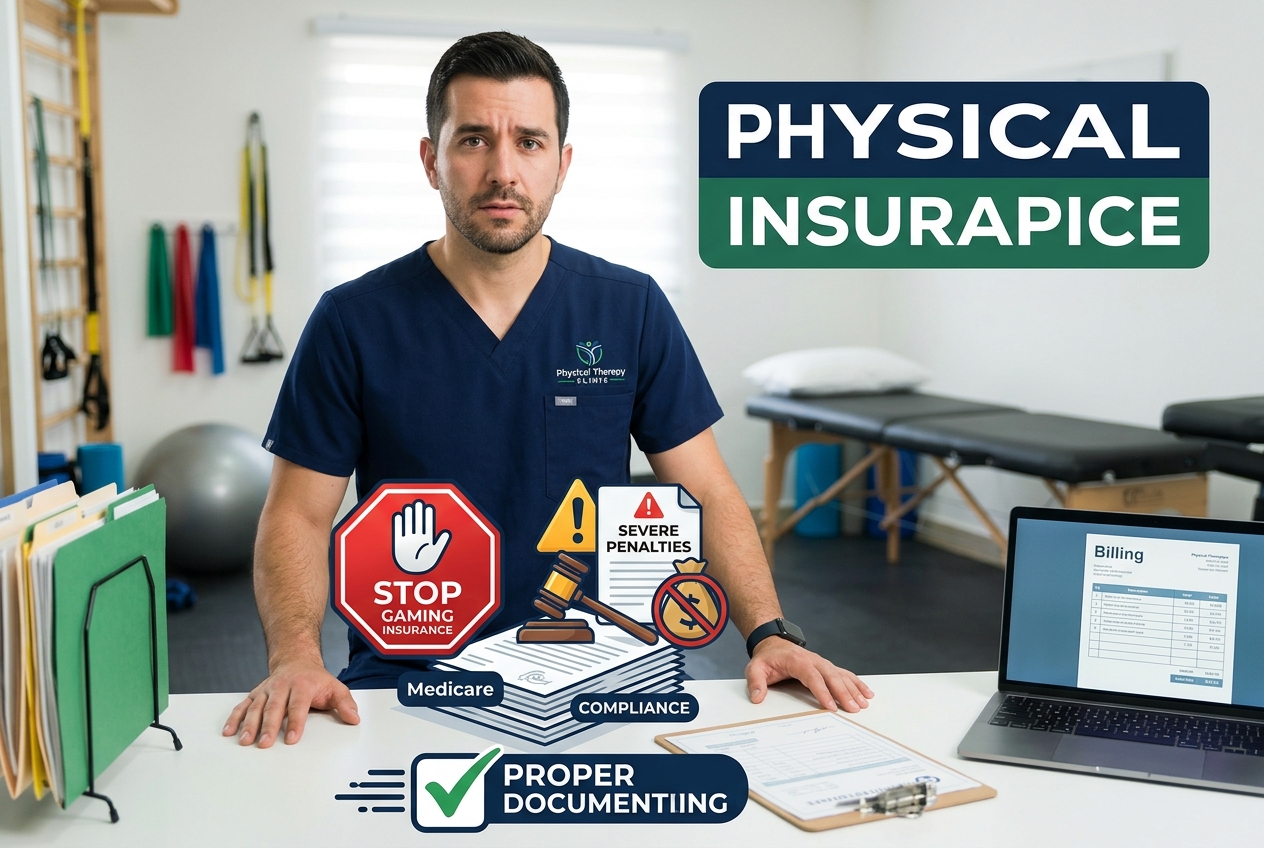
Physical Therapy Clinics Must Stop Gaming Insurance or Face Severe Penalties
Physical therapy clinics often face strict rules against billing practices like unbundling, upcoding, and overbilling, which are designed to prevent fraud and abuse in Medicare payments. While some providers try to bypass insurance caps or misrepresent services to increase revenue, these actions risk costly audits, legal penalties, and exclusion from Medicare programs. Clinics that follow proper documentation, billing codes, and Medicare regulations can avoid these risks and maintain sustainable operations despite reimbursement limits.
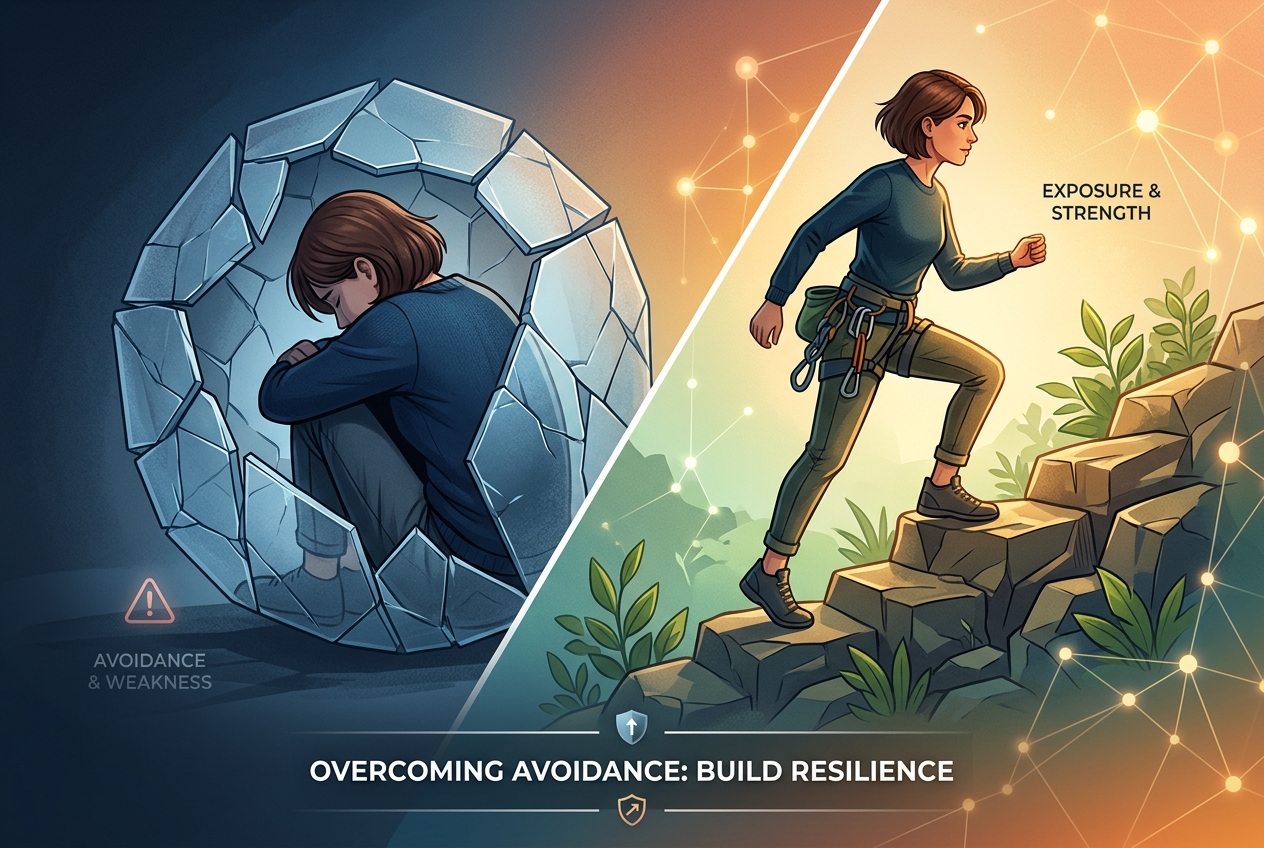
Avoiding Tough Topics Harms Mental Health More Than Facing Them
Trigger warnings and constant protection promise safety but can leave people more fragile. Drawing on exposure therapy, the argument here is that gradually confronting fears reduces anxiety and trauma symptoms in ways avoidance never will. Choosing exposure over coddling builds the emotional strength that overprotection quietly erodes.

Stop Fearing the Sharp Knife. Fear the Dull One.
The knife most likely to send you to the emergency room is the dull one that slips, not the sharp one you respect. These techniques differ on where safety comes from: some teach precise sharpening angles and edge upkeep, some measure how an edge actually performs, and others use gradual, controlled exposure to tame a real fear of blades. You'll be able to keep a safer edge on your knives and handle them without dread.
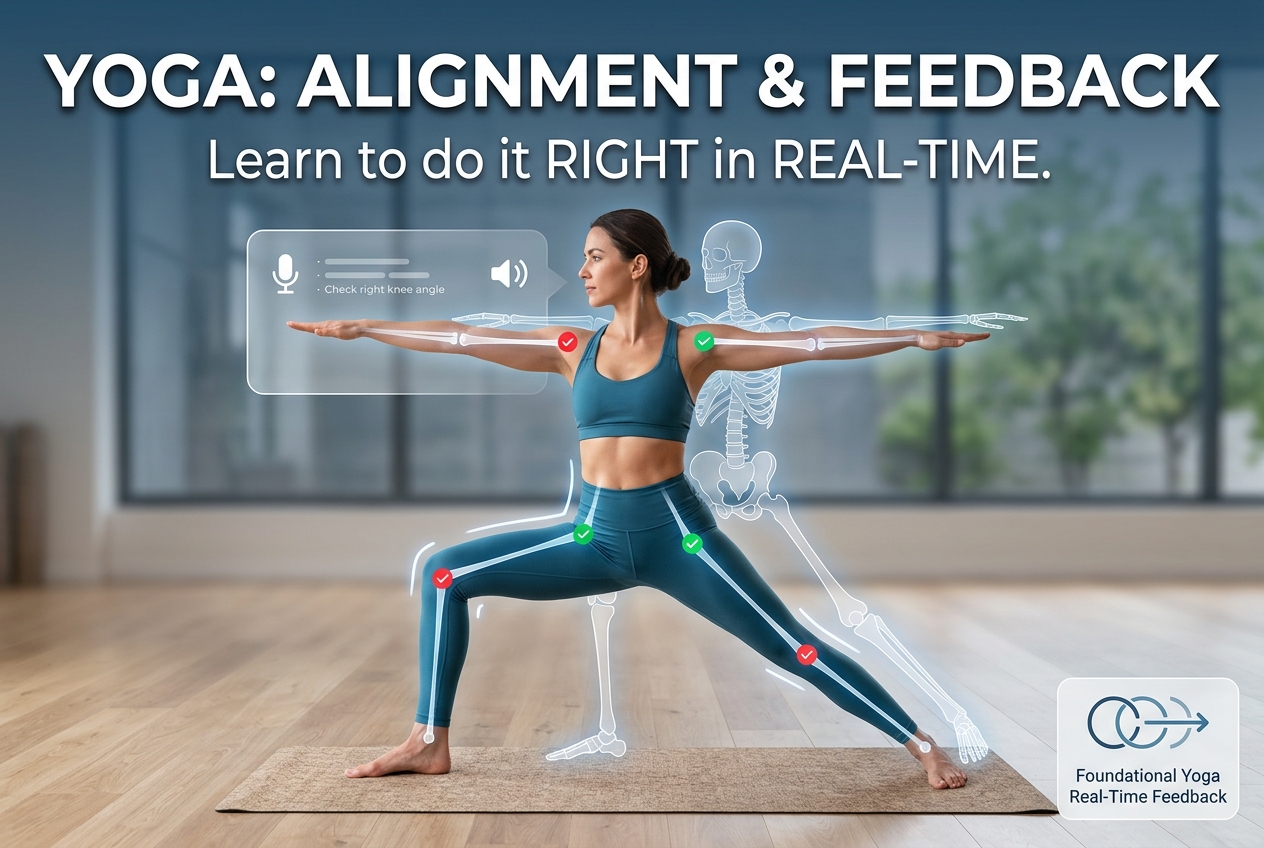
Foundational Yoga Poses with Real-Time Corrective Feedback
Yoga poses require precise alignment to avoid injury and maximize benefits. This collection offers detailed guidance on foundational poses, integrating real-time visual and voice feedback systems that compare user posture to ideal models using biomechanical joint-angle analysis. It also highlights safety precautions and modifications for common pain or injuries, helping practitioners perform poses correctly and safely.