
Browse the Context Marketplace
Expert-level knowledge on any topic. Each capsule guides you through what matters most.
16 capsules
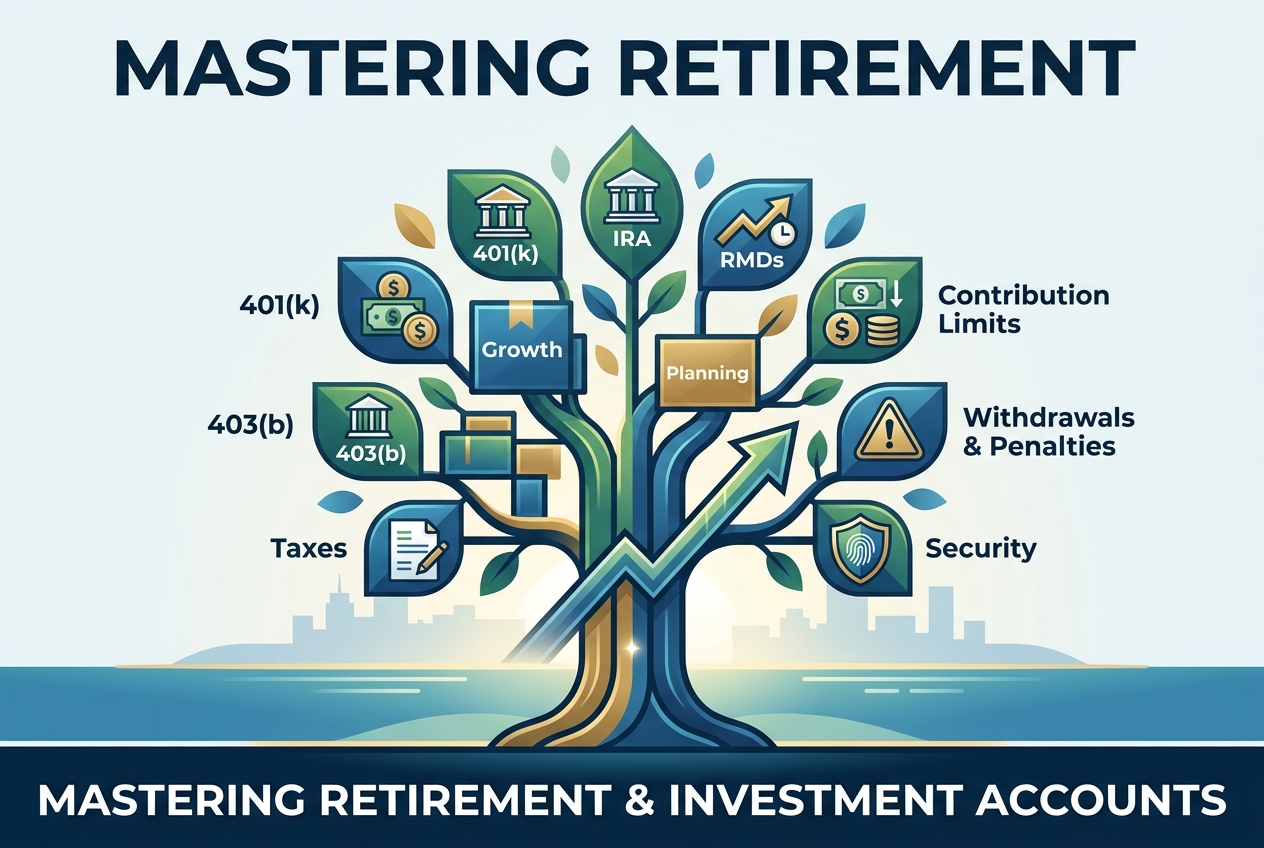
Types of Retirement and Investment Accounts and Their Rules
Retirement and investment accounts come with specific rules about contributions, withdrawals, taxes, and required distributions. This collection covers how to comply with deadlines, understand penalties for early withdrawals, and manage account safety with modern authentication. It also explains the barriers to entering the market as a custodian and how fees and account limits affect participants.
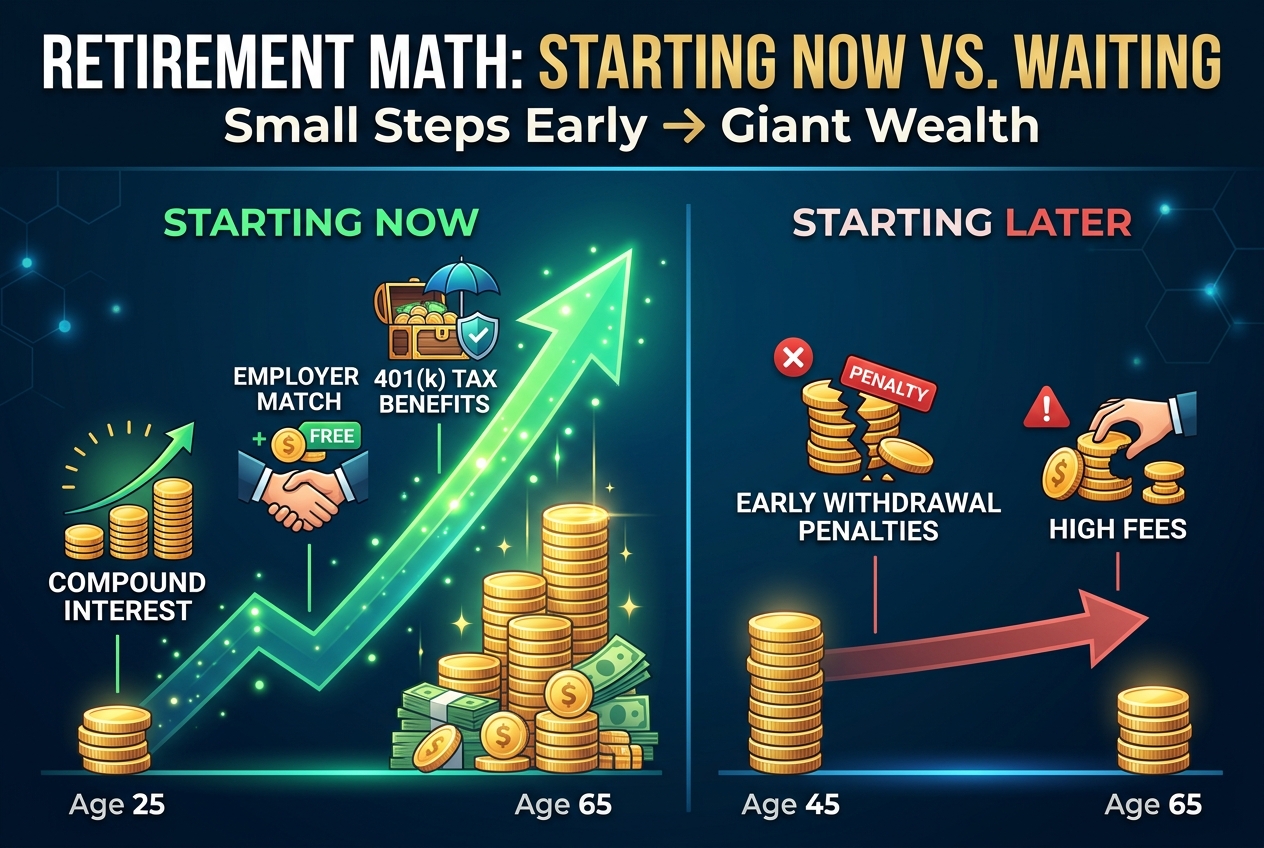
The Retirement Math That Rewards Starting Now
Every year you wait to save for retirement costs far more than the amount you skip. These strategies cover where the real money hides: compound growth from starting early, free employer matches, 401(k) tax rules, low-fee funds, and the penalties that punish early withdrawals. Together they map the moves that quietly decide how you retire.

Whole Life or Term and Invest the Difference?
Protecting your family means picking a policy you may pay into for decades, so the choice deserves real scrutiny. The options split between term insurance plus separate investing, whole life with guaranteed benefits and cash value, and a compliance-minded path focused on commissions and disclosure. Weigh simplicity and growth against guarantees to decide which fits your family and savings.
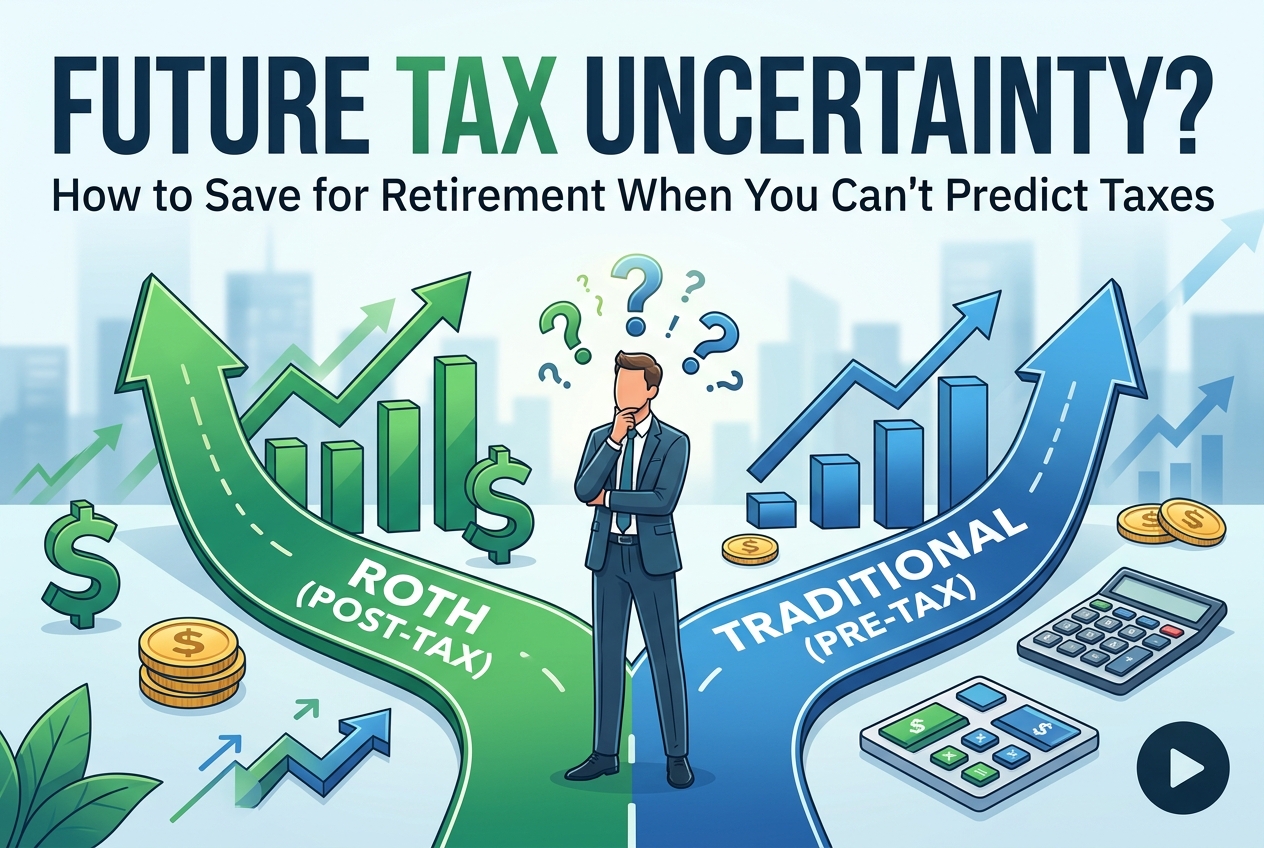
When You Can’t Predict Taxes, How Should You Save for Retirement
Choosing between Roth and traditional retirement contributions is complicated by the uncertainty of future tax rates and personal circumstances. Strategies differ on whether to focus on tax bracket predictions, use probabilistic trade-offs, adapt plans over time, maximize employer matches, or navigate IRA rules to avoid costly mistakes. Understanding these approaches helps you decide how to balance tax risks and benefits without relying on precise forecasts.
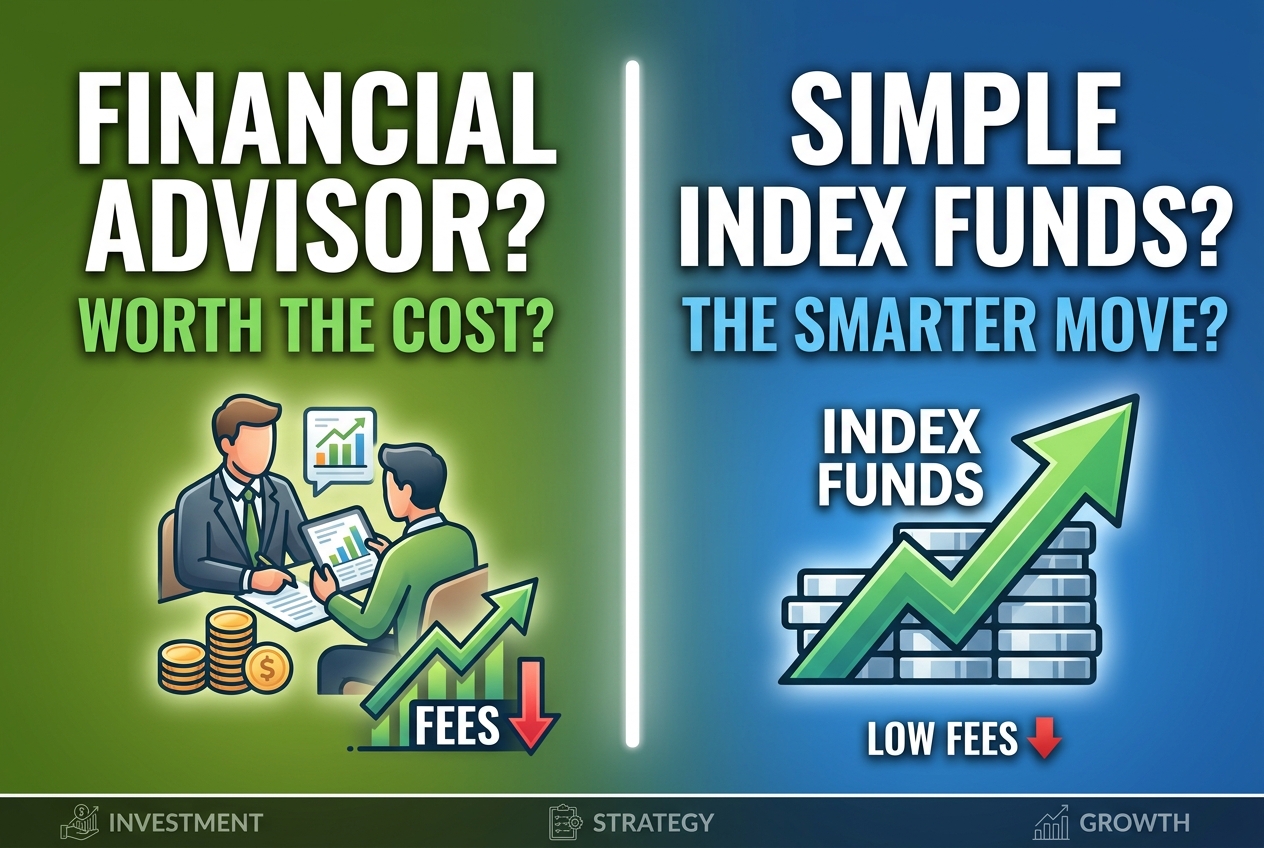
Is Paying for a Financial Advisor Worth the Cost Over Simple Index Funds
Investing with low-cost index funds often outperforms portfolios managed by financial advisors once fees and conflicts of interest are considered. Approaches differ on whether advisors add value through active management, behavioral guidance, or tailored strategies versus the simplicity and cost-efficiency of a buy-and-hold index fund portfolio. Understanding these differences helps investors decide if paying advisory fees aligns with their goals or if a straightforward index fund strategy is enough.

Your Money’s Safety Depends on Spotting Hidden Risks and Life Changes
Personal finance is not just about budgeting or investing but also about recognizing how major life events and hidden dangers like fraud can drain your resources. Unlike the common focus on growth and returns, this approach stresses vigilance against scams, understanding the full costs of commitments, and managing virtual assets carefully. By adopting this mindset, you protect your wealth from unexpected losses and make smarter, safer financial decisions.

Should Couples Pool All Their Money or Keep Some Separate
Couples face a key choice in managing money together: fully joint finances, completely separate accounts, or a hybrid system blending both. These approaches differ on how to balance shared goals like emergency funds and bills with personal spending autonomy. Understanding each approach helps couples build financial stability, reduce conflict, and align their money management with their relationship dynamics.
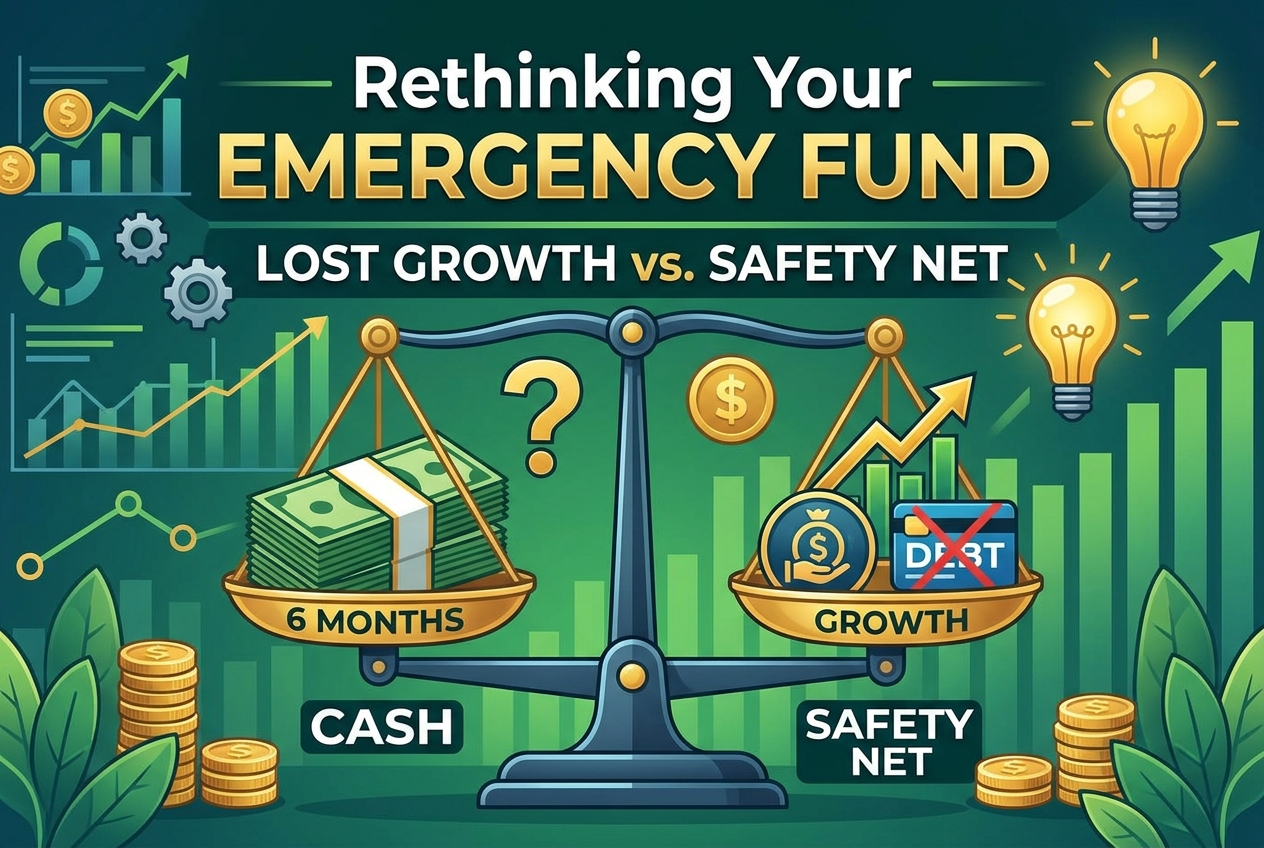
Is Six Months of Cash Just Money Sitting Idle?
The classic advice says park six months of expenses in cash before you do anything else, but that safety net has a real cost in lost growth. The options here split on whether to fund retirement or kill high-interest debt first, keep a slimmer tiered reserve in bonds, or hold the full cushion anyway. Weigh your job security and goals to decide how much cash protection you actually need.
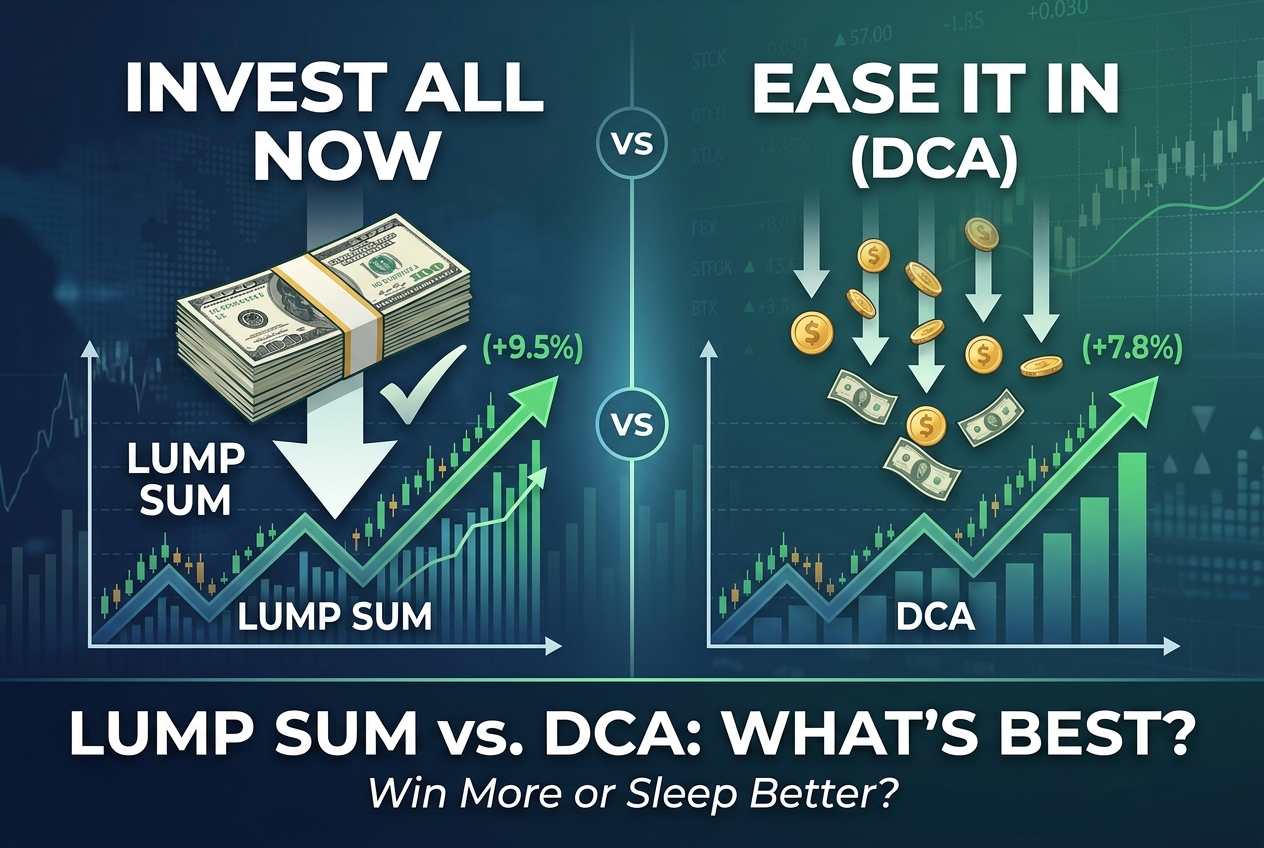
Dripping Money Into the Market Feels Safer. It Usually Costs You.
When a windfall lands, the hardest question is whether to invest it all today or ease it in over months. These strategies split on what matters most: the math, which usually favors investing everything at once, versus the risk and regret of watching a lump sum drop right after you commit. You'll be able to weigh higher expected returns against your own nerves and pick a plan you can actually stick with through a downturn.
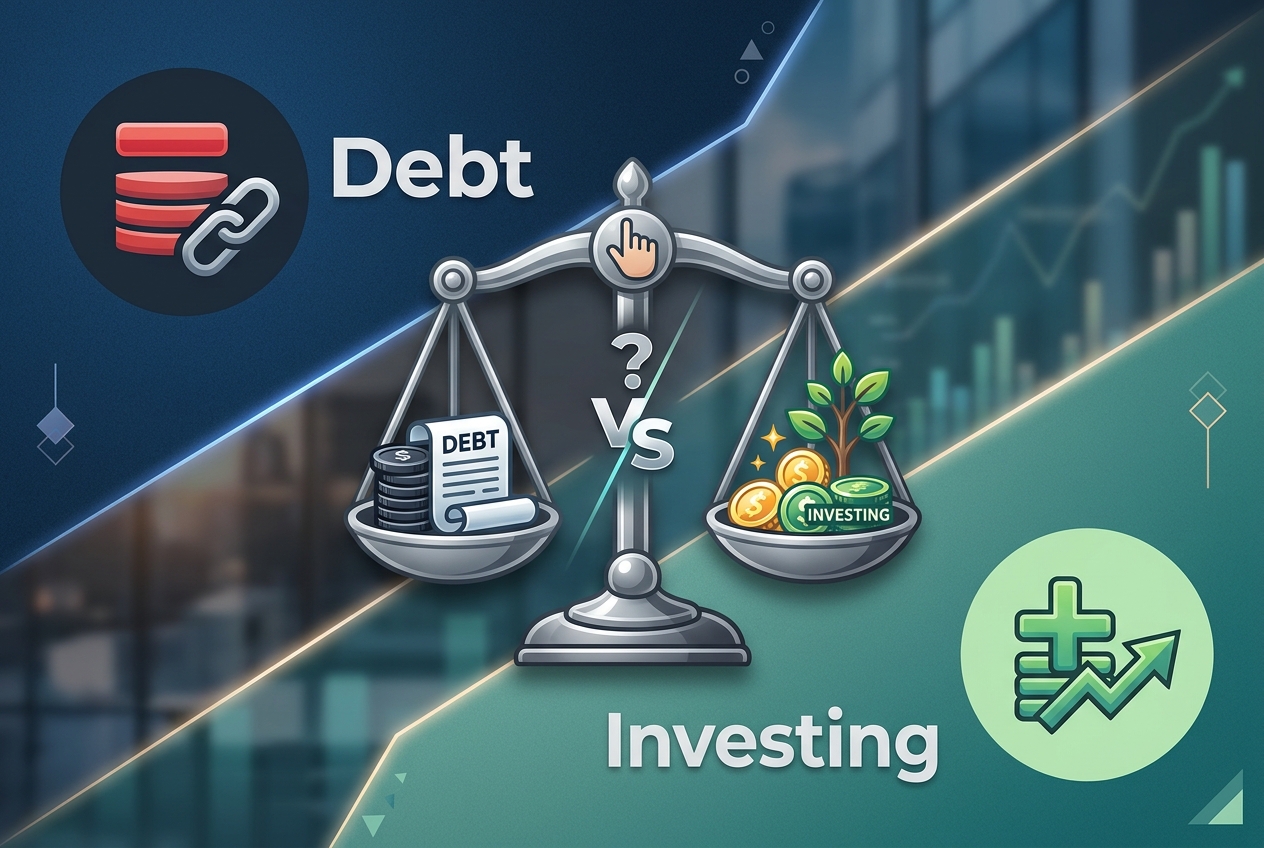
Should You Pay Debt or Invest First When Both Compete for Your Money
Deciding whether to pay off debt or invest first depends on factors like guaranteed savings from reducing debt interest versus uncertain investment returns, employer retirement match opportunities, and specific loan rules such as federal student loan forgiveness programs. Some strategies prioritize capturing every dollar of employer match before tackling debt, while others focus on teamwork and system clarity in managing finances. Understanding these differences helps you choose the approach that fits your goals and financial situation.

How to Handle a Midlife Inheritance When You’re Not Working
Receiving a midlife inheritance without a career brings unique challenges and opportunities that require careful financial and emotional planning. Approaches differ on managing taxes, building emergency funds, engaging professional advisors, and deciding how much financial control to maintain, especially within marriage or trust structures. Understanding these varied strategies helps you protect your wealth, address personal goals, and navigate complex rules without relying on traditional employment.
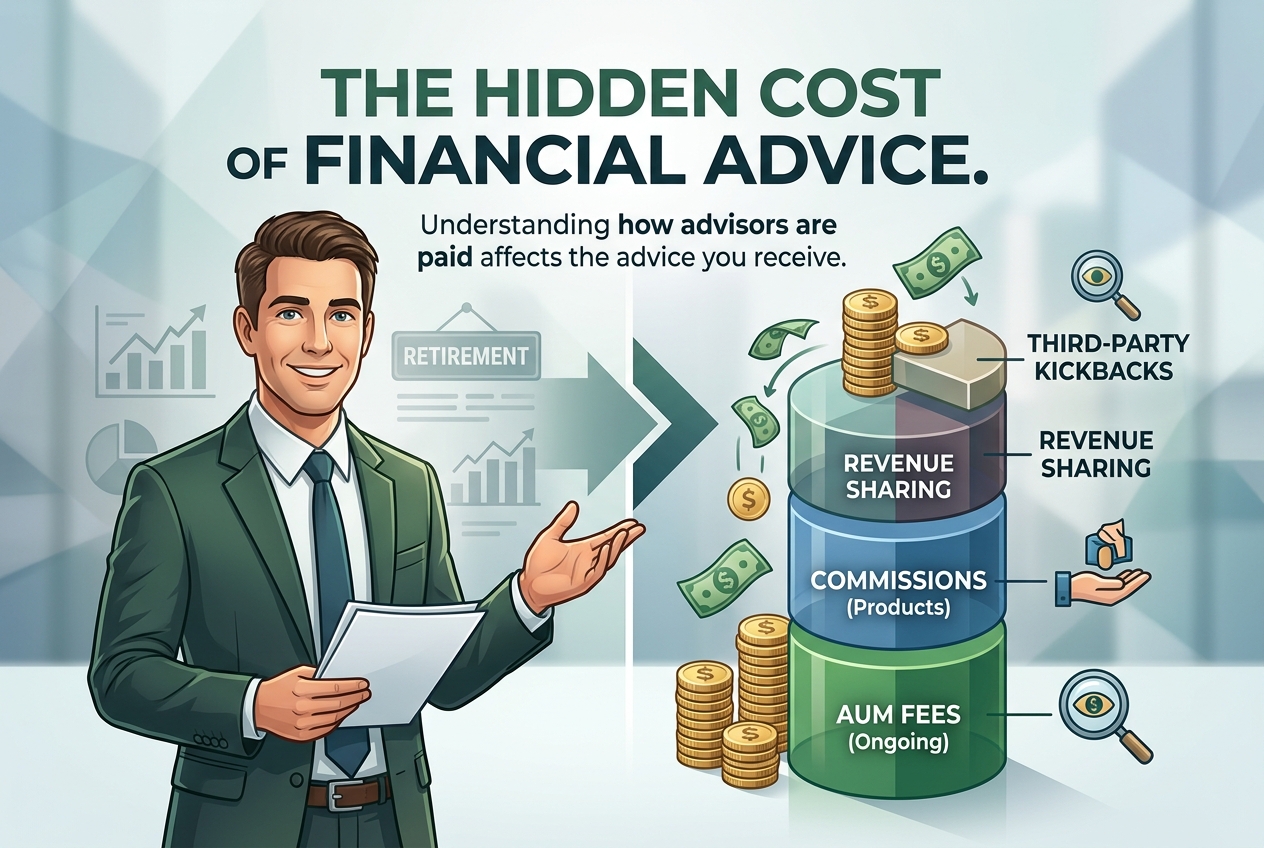
What Your Financial Advisor Isn’t Telling You About Their Pay
Financial advisors get paid in ways that can affect the advice they give, often without clients fully realizing the costs involved. Conflicts arise depending on whether advisors charge fees based on assets, earn commissions hidden in product prices, or operate under different regulatory models like RIAs or broker-dealers. Understanding these conflicts helps clients ask the right questions and make informed decisions about the true cost and incentives behind their financial advice.