
Browse the Context Marketplace
Expert-level knowledge on any topic. Each capsule guides you through what matters most.
9 capsules

Who Actually Wrote the Study Behind Your Prescription?
The research behind your medications may carry hidden ghostwriters and massaged trial data. The views split on the remedy: exposing manipulated studies one by one, forcing legal and regulatory reform on the companies, or practicing evidence-based care that routes around the bias, especially for vulnerable patients. Decide how much to trust drug claims and how to protect yourself in the meantime.

The Best Antibiotic Is Sometimes None at All
Every unnecessary antibiotic prescription feeds resistance that makes future infections harder to treat. These approaches differ on the fix: delayed prescribing, outright refusal, patient education, stewardship programs, monitoring prescribers, or repairing the broken antibiotic market. Comparing them shows where the fight against superbugs is actually won.
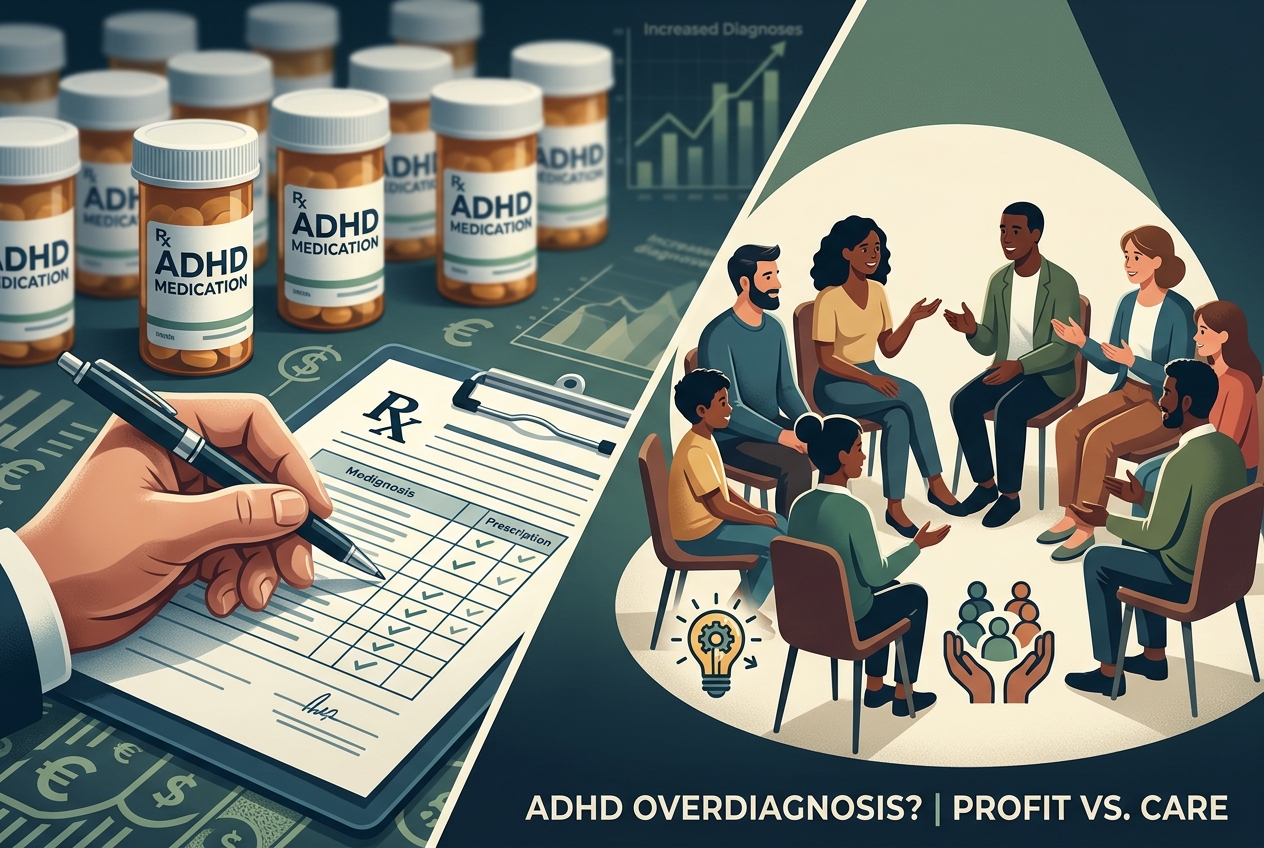
ADHD Is Overdiagnosed Because Pills Are Profitable
Rising ADHD diagnoses track less with patient need than with an industry that profits from every prescription. Against the mainstream default of medication first, this take says drug-company influence biases research and guidelines, and that community-based and behavioral approaches address root causes without pathologizing normal behavior. Skepticism toward profit-driven diagnosis is the starting point for more honest mental health care.
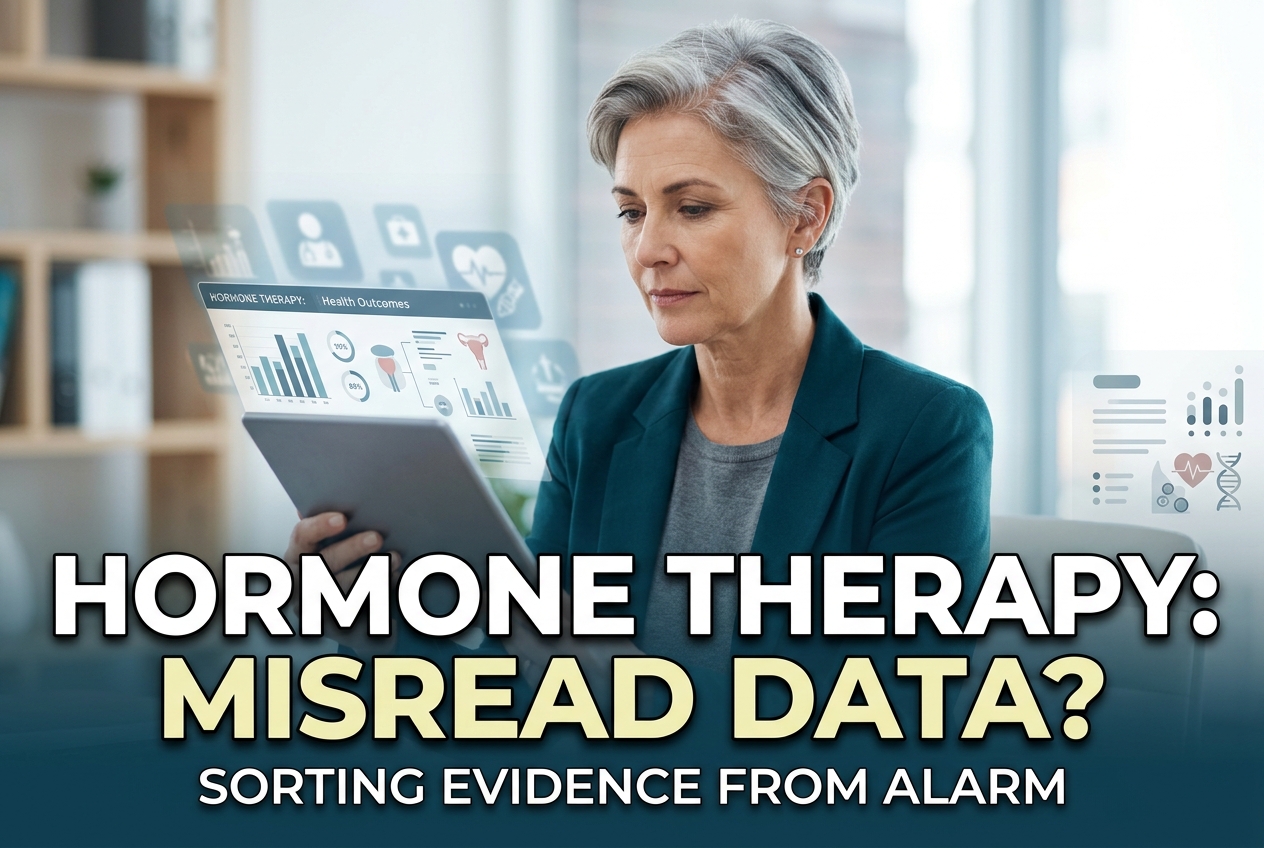
Was the Hormone Therapy Scare Built on Misread Data?
For women weighing hormone therapy, the stakes are relief from menopause symptoms against feared risks of breast cancer and heart disease. The views split over whether the original risk data was exaggerated, how much the timing of treatment matters, and whether low-dose vaginal estrogen is safer than its warnings suggest. Sort the evidence from the alarm and decide with your doctor what fits your health.

Stop Fearing the Sharp Knife. Fear the Dull One.
The knife most likely to send you to the emergency room is the dull one that slips, not the sharp one you respect. These techniques differ on where safety comes from: some teach precise sharpening angles and edge upkeep, some measure how an edge actually performs, and others use gradual, controlled exposure to tame a real fear of blades. You'll be able to keep a safer edge on your knives and handle them without dread.
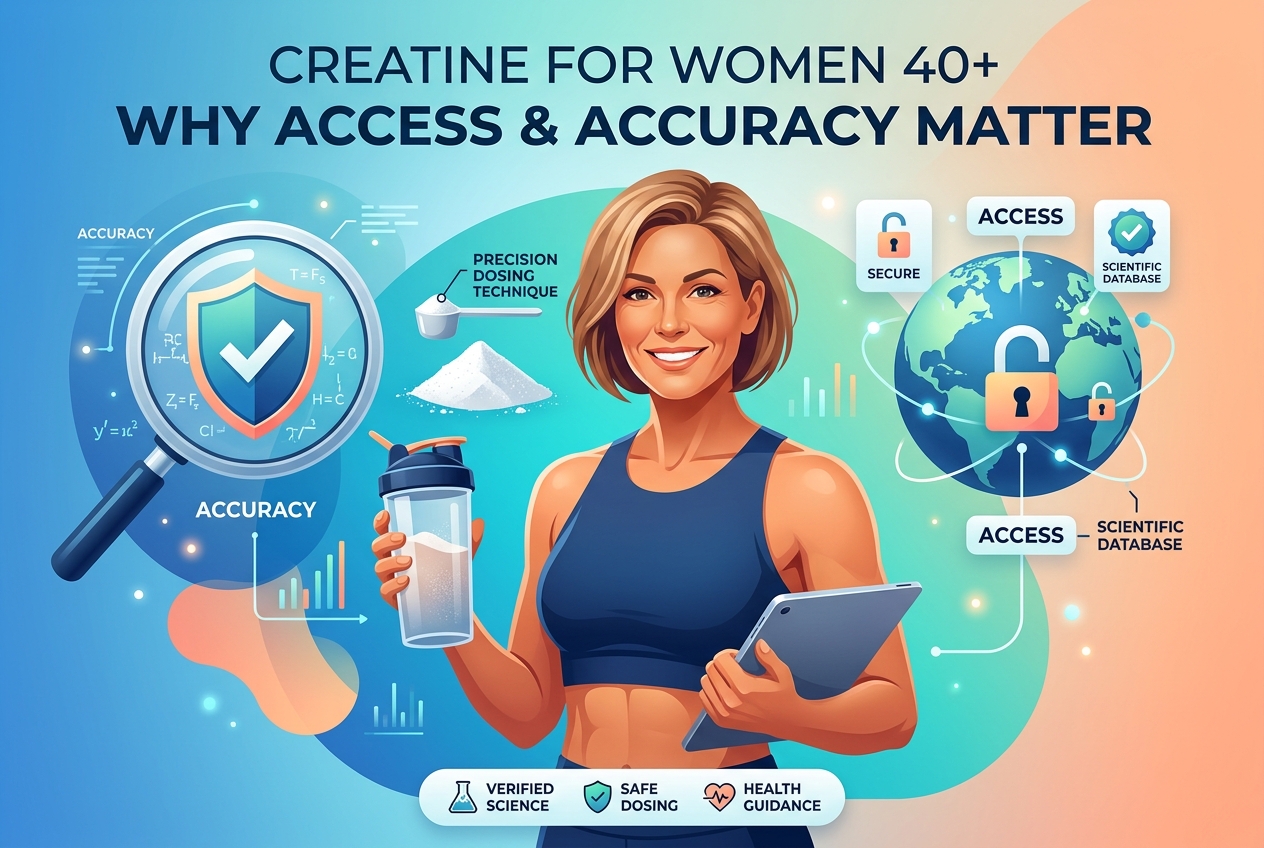
Creatine for Women Over 40, Why Access and Accuracy Matter
Women over 40 face unique challenges when considering creatine supplementation, from ensuring proper dosing technique to navigating restricted access to reliable information. The pitfalls range from misinformation due to security blocks and unclear labeling to the importance of verified science and expert guidance. Understanding these differences helps women make informed choices about creatine use that align with their health goals and safety.
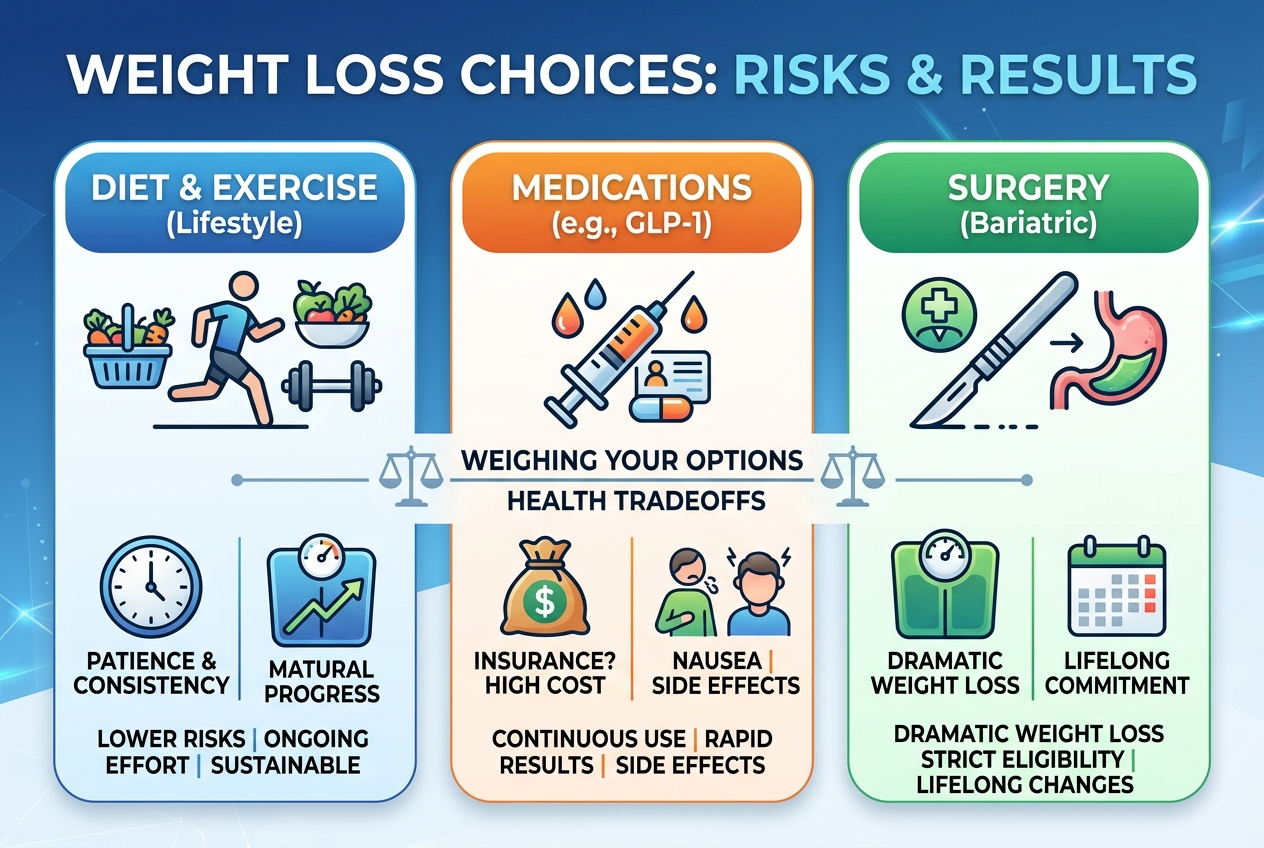
Weight Loss Choices, Real Risks, and What You Actually Get
Deciding between medication, diet and exercise, or surgery for weight loss means weighing realistic outcomes, ongoing commitments, and potential risks. Medications like GLP-1 require continuous use to maintain results but come with side effects and limited insurance coverage. Surgery offers the most dramatic weight loss but involves strict eligibility and lifelong changes, while lifestyle changes demand patience and consistency with more modest results.
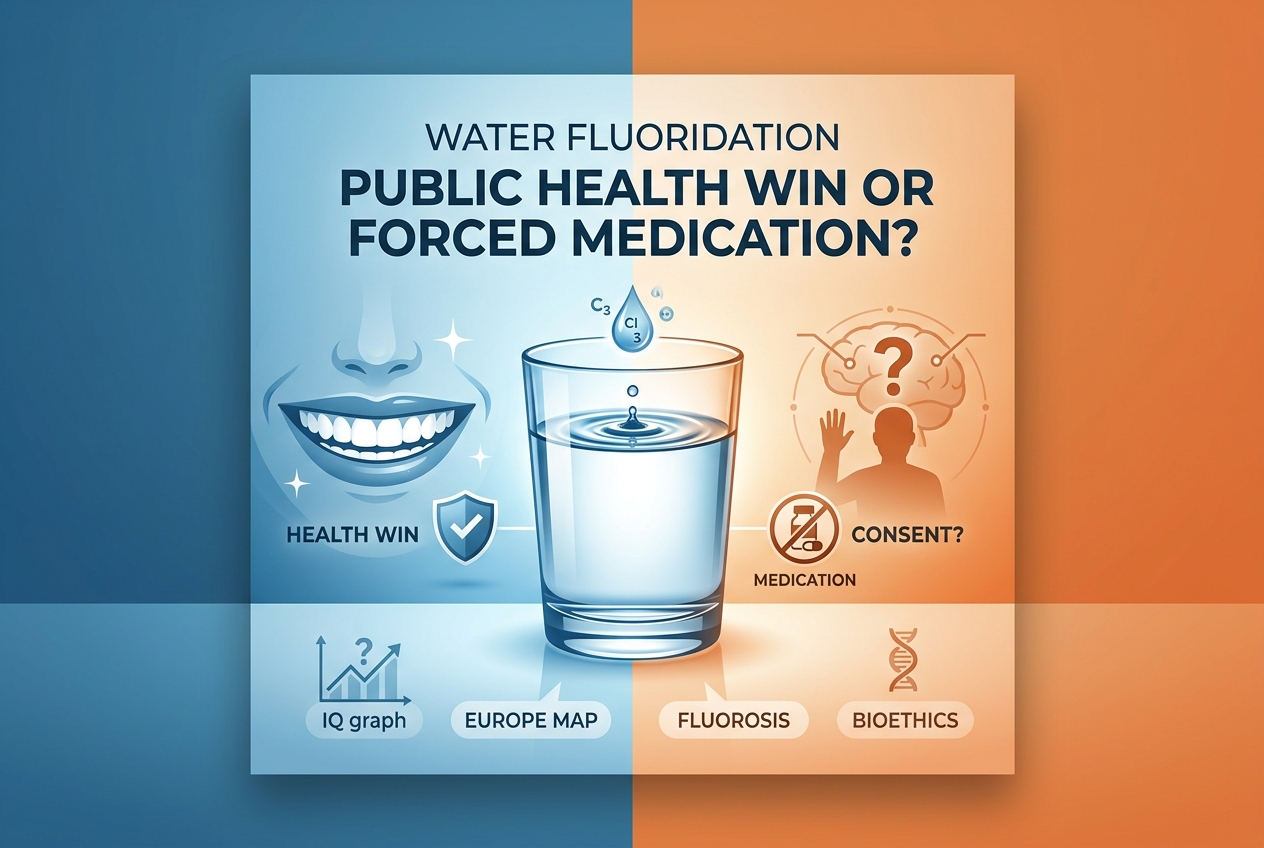
Water Fluoridation, Public Health Win or Forced Medication
Fluoride in tap water is either one of public health's great wins or mass medication without consent, depending on who you ask. These sides weigh new neurotoxicity and IQ-loss evidence, total exposure from many sources, the 0.7 mg/L level debate, and why much of Europe rejected the practice. You can weigh the science against the ethics and reach your own view.

Clear Skin Requires Careful Treatment, Not Quick Fixes
Achieving clear skin and stopping acne is more complex than simply washing your face or using over-the-counter products. Effective acne management often requires guidance from a dermatologist to choose treatments suited to your skin type and condition, avoid harmful practices like aggressive cleansing or improper medication use, and prevent complications such as irritation or scarring. The honest path to clearer skin involves careful, personalized care rather than relying on quick or generic solutions.