
Browse the Context Marketplace
Expert-level knowledge on any topic. Each capsule guides you through what matters most.
9 capsules
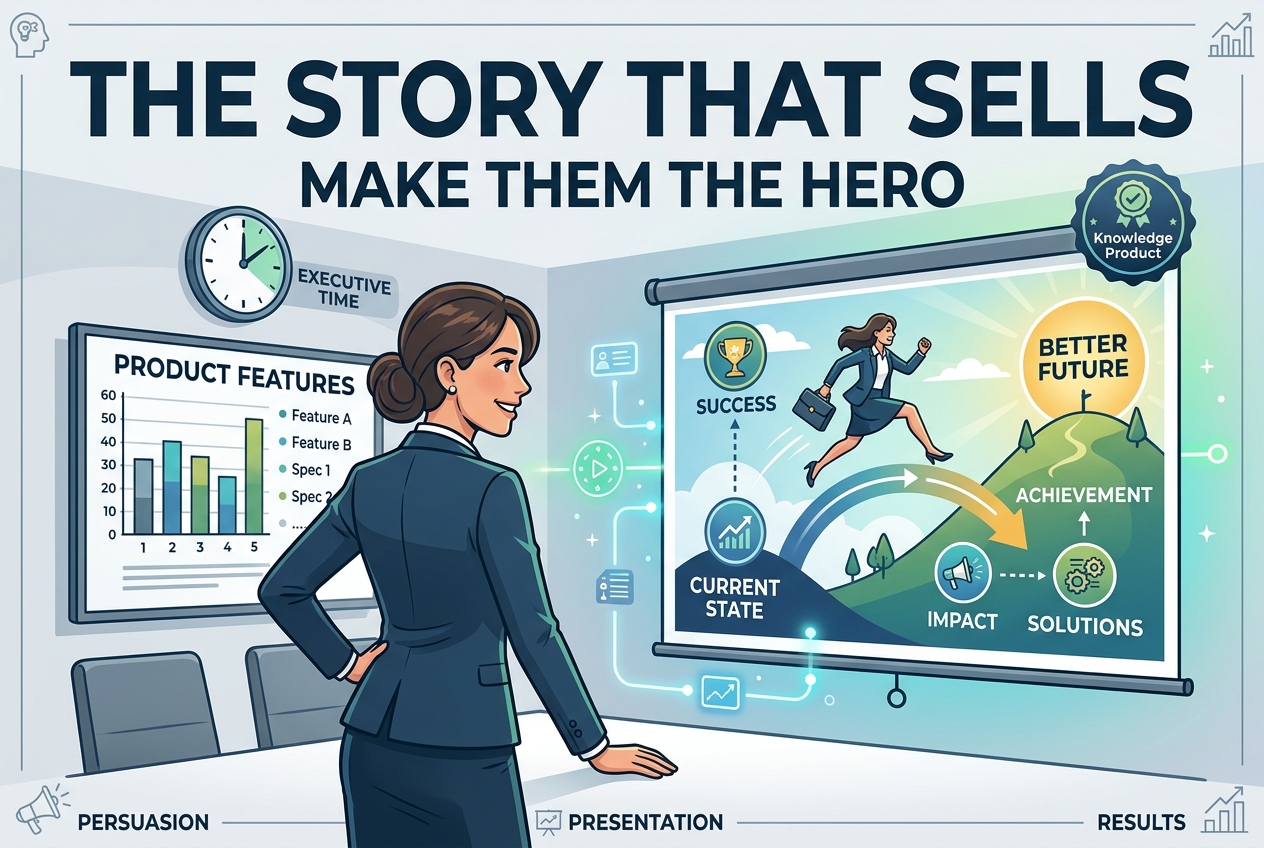
The Story That Sells Isn't About Your Product
Busy executives tune out feature lists, but they lean in for a story where they are the hero reaching a better future. The techniques here differ on the craft: strip the message to structured simplicity, lead with the main point, open a curiosity gap, or ground everything in proven facts and achievements. Choose the shape that fits the room you need to persuade.

How to Tell a Real Clue From a Good Story
Some stories survive because they are true, and some just because they are good, and telling the difference takes more than gut feeling. These methods differ on what counts as solid ground: some weigh the reliability of sources, others lean on hard data and statistical measures, and others read physical or historical traces. You'll be able to pick the right way to test a claim before you believe it or pass it on.

The Essential Literary Devices Collection
Literary devices shape how stories and poems communicate meaning and emotion. This collection presents a comprehensive catalog of key devices, including figures of speech like metaphor and simile, narrative techniques such as non-linear timelines and soliloquies, and sound-based tools like alliteration and onomatopoeia. It also offers guidance on poetic forms and exam strategies to recognize and analyze these devices effectively.
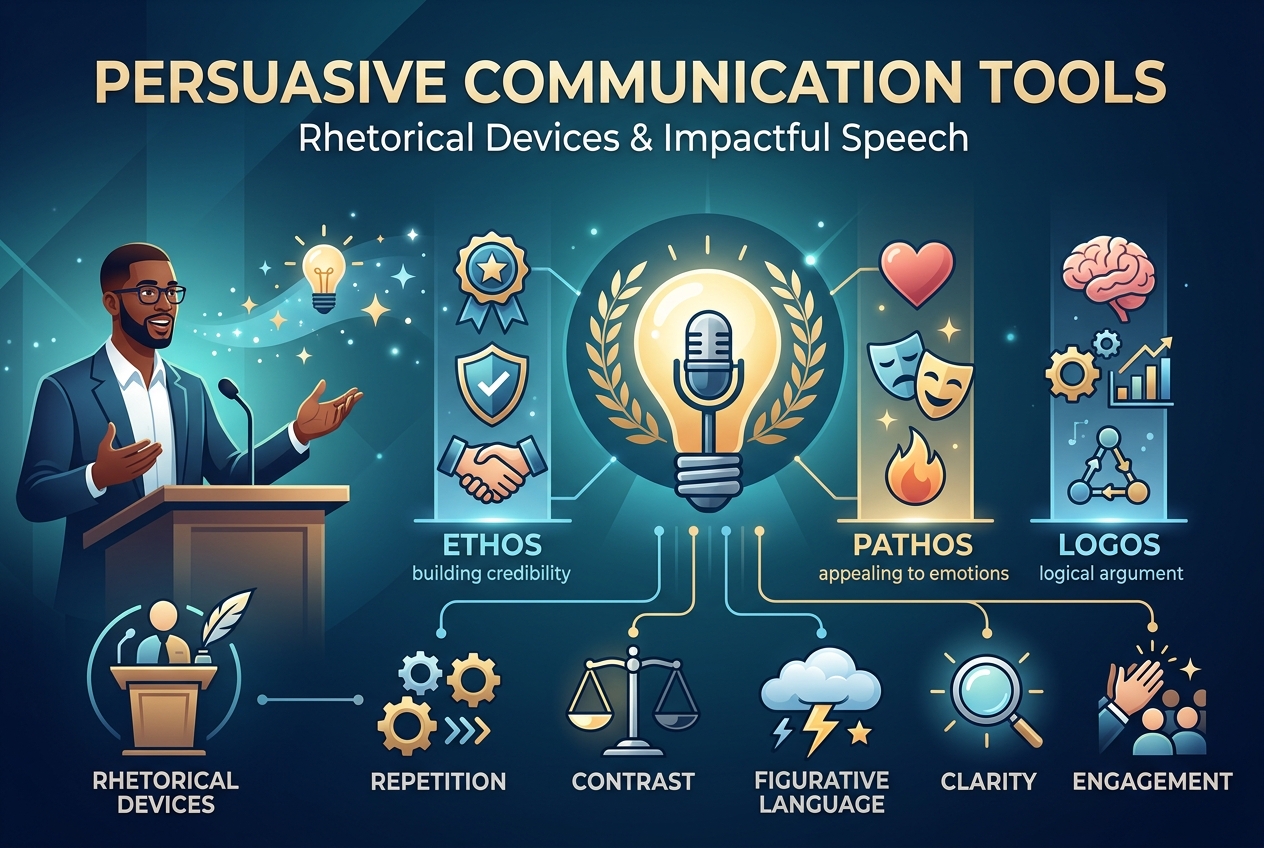
The Essential Tools for Persuasive and Impactful Communication
Rhetorical devices are powerful techniques that enhance how we express ideas and influence audiences. This collection presents a wide range of methods—from building credibility and appealing to emotions to using repetition, contrast, and figurative language—that help speakers and writers craft compelling arguments and memorable messages. Learn how to apply these tools effectively to engage listeners, clarify points, and enrich your communication.
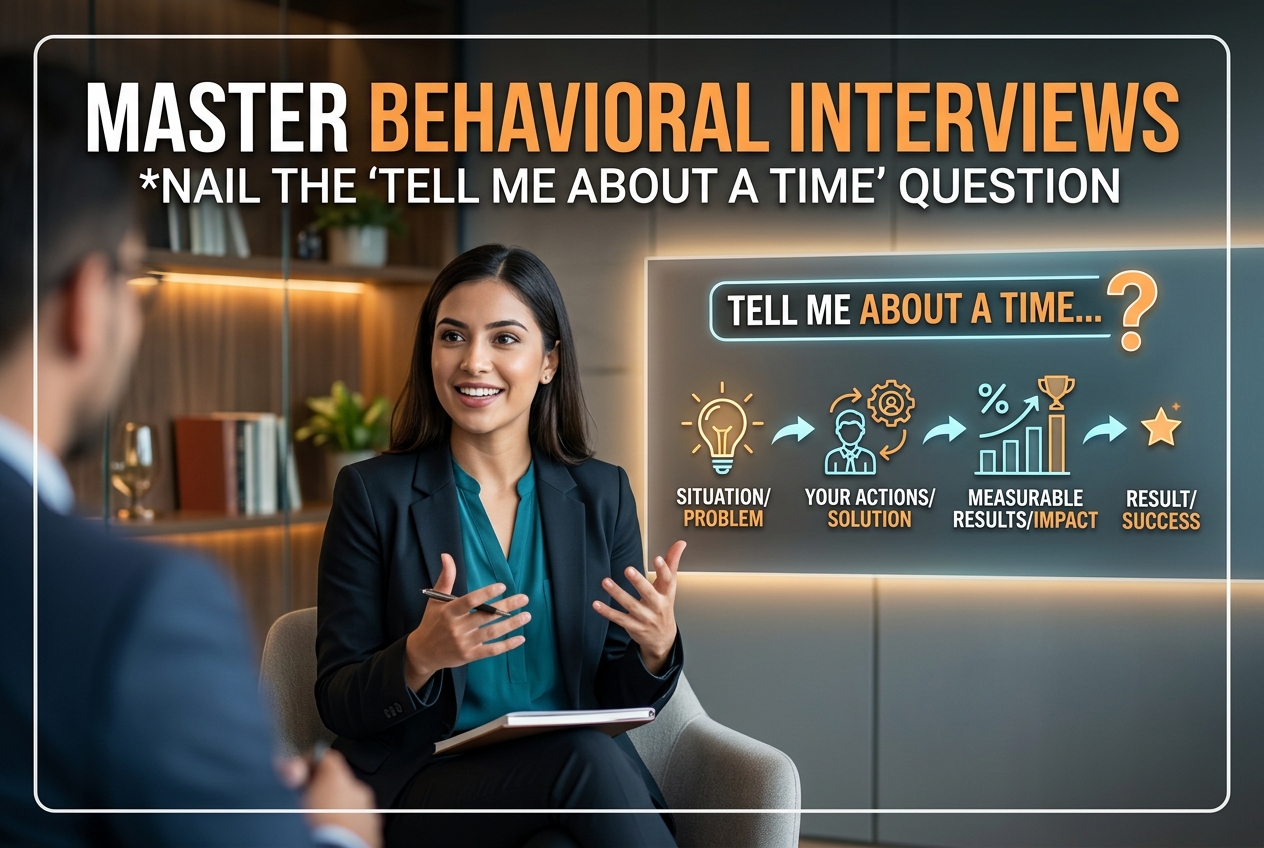
How to Answer 'Tell Me About a Time' Without Freezing in Behavioral Interviews
Behavioral interviews demand clear, structured stories that highlight your role and impact. Different methods guide you to frame your answers by focusing on the problem, your actions, and measurable results while keeping your response concise and engaging. Understanding these varied approaches helps you choose the best way to organize your experience and avoid freezing when faced with tough questions.
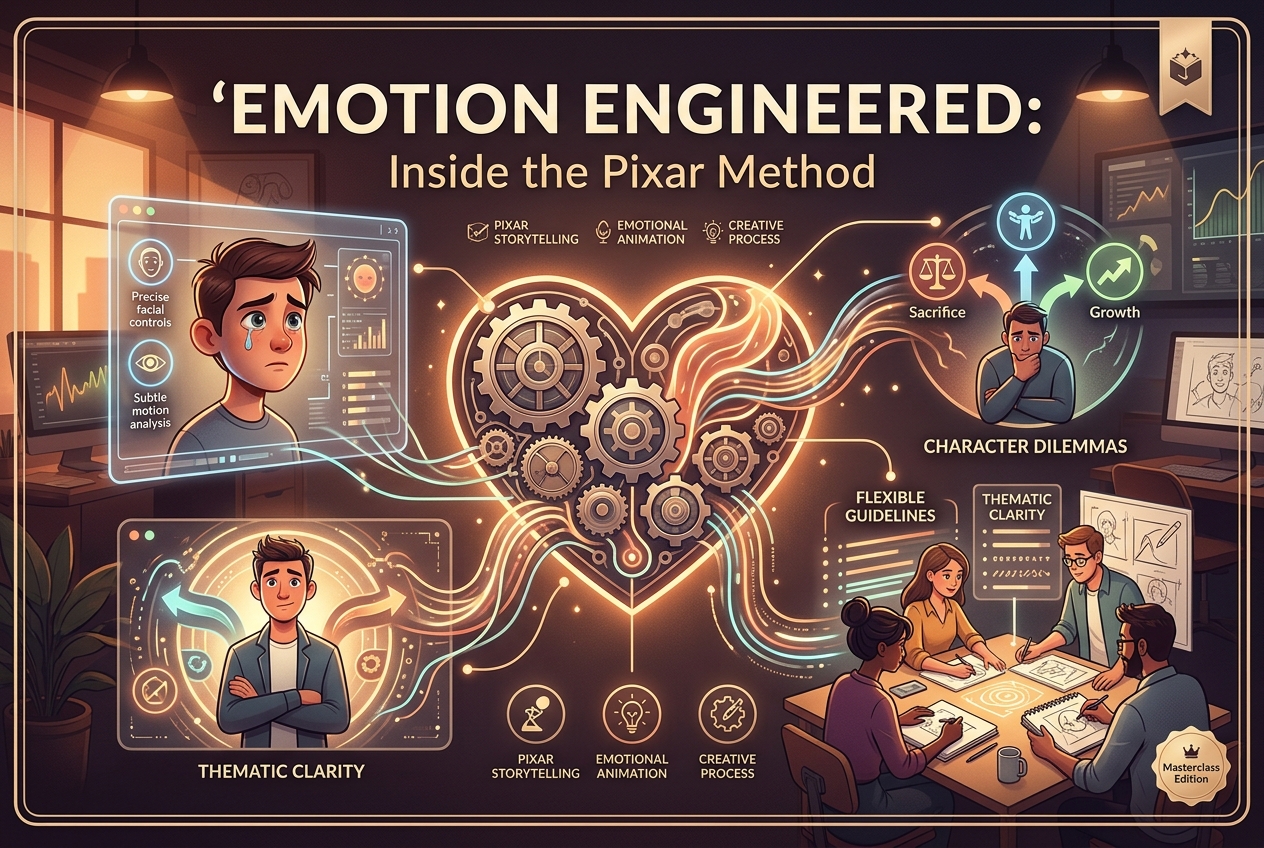
Pixar Engineers the Emotion in Its Stories
Pixar's tearjerker moments feel spontaneous, but there's real debate over how much is deliberate machinery. These techniques range from precise animation controls that engineer feeling, to flexible creative guidelines, to leaning on character dilemmas and thematic clarity. Explore them to see how much of that emotion is built like a machine.

What Turns a Story Into a World Fans Live In?
Some stories end when the book closes, and others grow communities, conventions, and whole creative universes. The approaches here disagree about the engine: authentic community and genuine care, immersive technology and shared experiences, the emotional depth fans bring, or the rules and copyright lines that shape what fans are allowed to make. Deciding what really drives fandom changes how you build or join one.

Spotting the Trick in an Argument Before It Works on You
Bad arguments win every day, not because people are careless but because the tricks are hard to see mid-conversation. These techniques disagree on whether to label faulty reasoning by strict rules or read it in context, and whether arguing is really about pure logic at all or about social persuasion. Learn to catch the move and choose how to answer it.
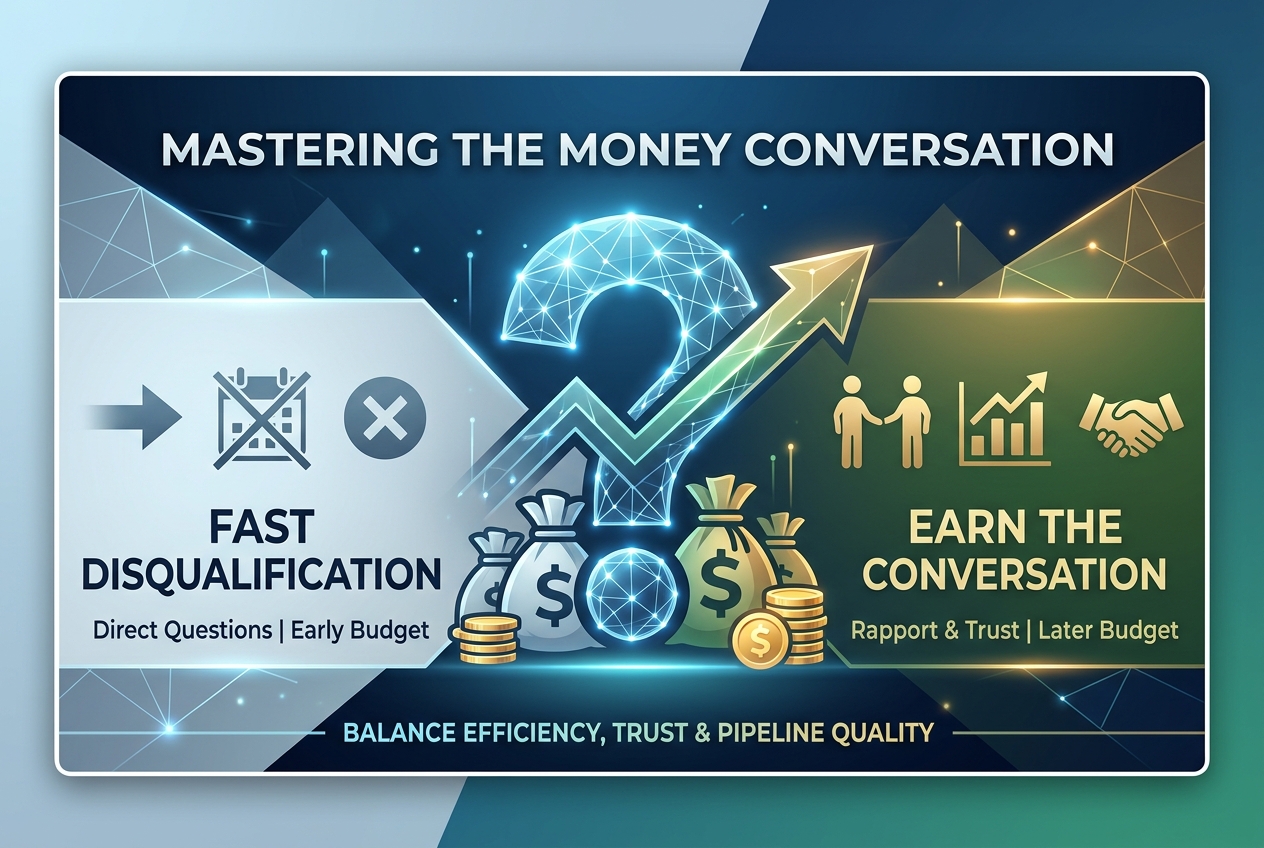
Sales Call Techniques That Get Prospects Talking Money
Ask about budget too early and you sour the conversation; too late and you waste weeks on a deal that was never real. The techniques split between disqualifying fast with direct questions and earning the money conversation through consultative rapport first, with further differences on agendas, how many questions to ask, and follow-up. Your choice sets the balance between efficiency, trust, and pipeline quality.