
Browse the Context Marketplace
Expert-level knowledge on any topic. Each capsule guides you through what matters most.
13 capsules

Making Money Online Requires Choosing the Right Method for Your Skills and Goals
Making money online is not a one-size-fits-all solution. Success depends on selecting an approach that fits your skills, time availability, and resources—whether that means freelancing, selling products, performing simple tasks, offering specialized services, or building AI tools. Understanding these options and their demands is the real key to turning online opportunities into income.

Making Money Online Means Mastering Taxes or Managing Honey Sales
Earning income online involves two very different business realities: one focuses on strict tax compliance and financial tracking to avoid penalties, while the other centers on the practical facts of running a beekeeping business with high honey demand. Understanding these distinct steps helps creators decide how to handle income reporting, tax payments, and business operations to build sustainable revenue streams.
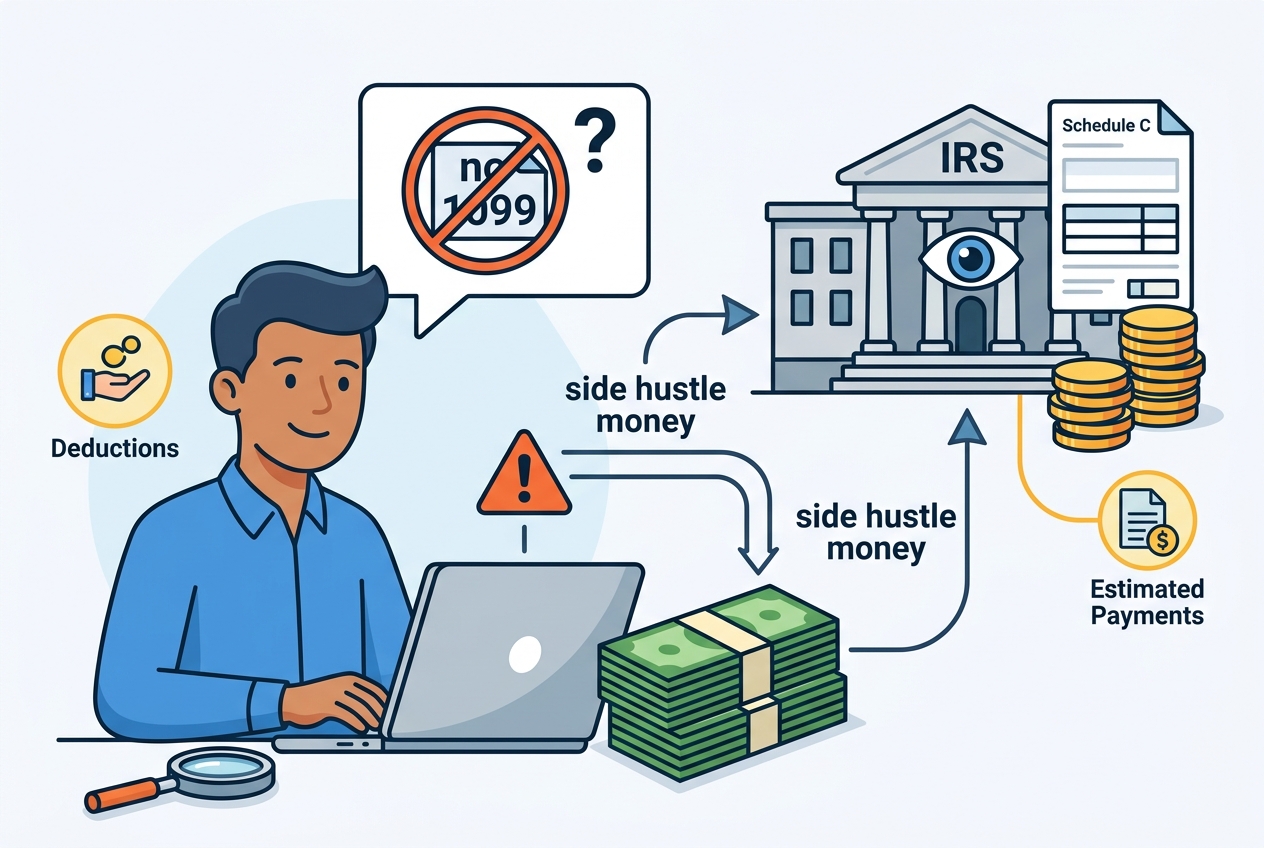
The IRS Sees Your Side Hustle Income, Even Without a 1099
Cash gigs and app payouts count as income whether or not a form arrives, and getting that wrong invites penalties. These tactics split on where to focus: sticking strictly to the ordinary-and-necessary test for deductions, maximizing every legitimate write-off, or making estimated payments and Schedule C the priority so penalties never start. Choose the mix that keeps your tax bill low without inviting an audit.
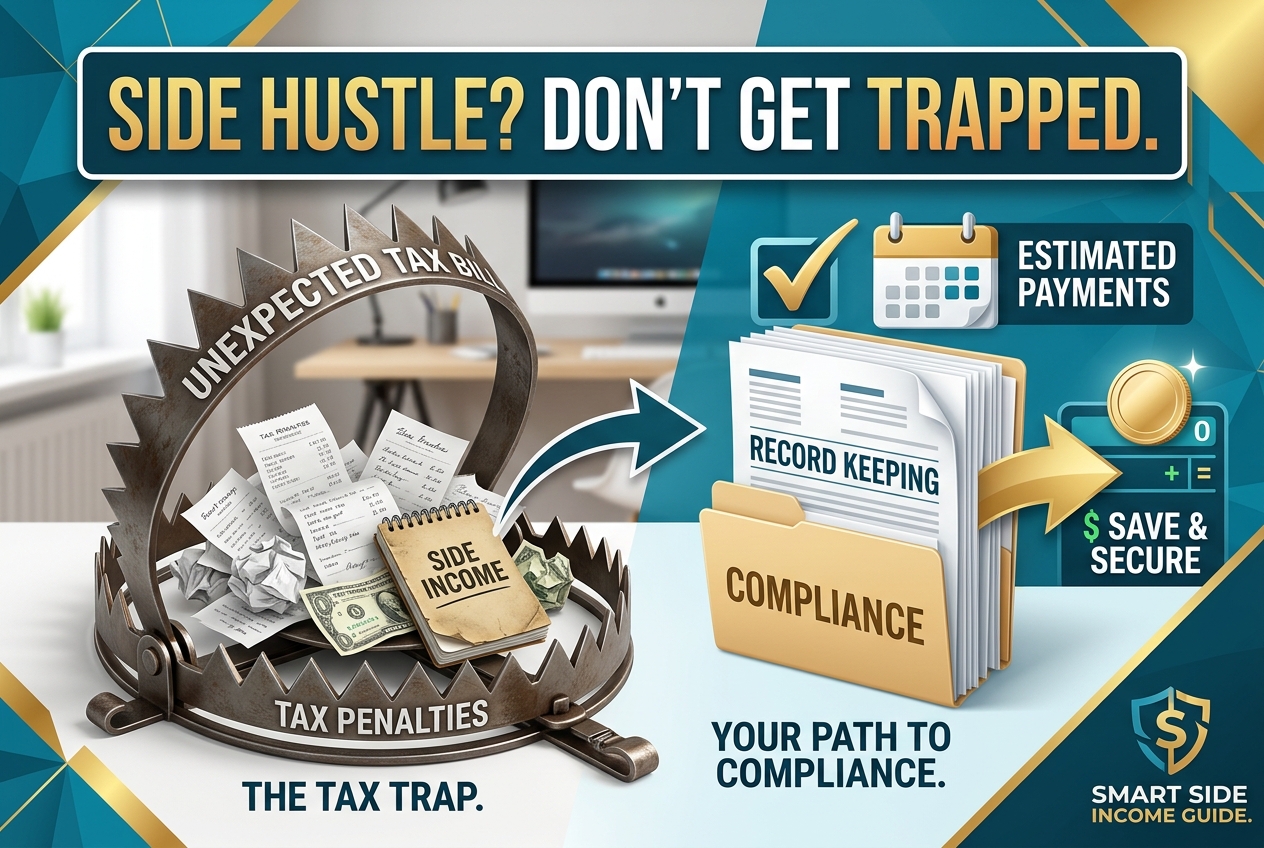
The Tax Trap Waiting Inside Your Side Hustle
Side income feels like free money until the tax bill and penalties arrive. These approaches differ on what to prioritize: meticulous tracking of income, expenses, and deductions, strict quarterly estimated payments to stay penalty-free, or setting up the side work correctly from day one. Pick the approach that keeps you compliant without losing your deductions.

What Nobody Tells You About Real Estate Agent Income and Costs
Becoming a real estate agent means facing unpredictable income with bills that don’t stop coming. These realities differ on how agents manage expenses like desk fees, commission splits, and reinvestment strategies, plus how they handle lead generation and client relationships to survive and thrive. Understanding these hidden financial challenges helps you decide if this career fits your tolerance for risk and planning.

Is Your Business Actually Making Money on Each Sale?
Revenue can grow while every single sale quietly loses money, and the difference hides in which costs you count. These measures split on whether support, marketing, and payment fees belong in the math, whether contribution margin beats gross margin, and whether quick payback matters more than long-term customer value. Pick the yardstick honestly and you will know if growth is building a business or burning one.

When Taxes Get Tricky with Freelance Work, Moving, and Crypto Sales
Filing taxes becomes complex when freelance income, moving between states, or selling stocks and cryptocurrency come into play. Different tax topics show how capital gains, residency rules, and reporting requirements vary, affecting what you owe and when. Understanding these differences helps you handle taxable events properly, avoid costly mistakes, and decide how to report income and losses across states and asset types.

How to Handle a Midlife Inheritance When You’re Not Working
Receiving a midlife inheritance without a career brings unique challenges and opportunities that require careful financial and emotional planning. Approaches differ on managing taxes, building emergency funds, engaging professional advisors, and deciding how much financial control to maintain, especially within marriage or trust structures. Understanding these varied strategies helps you protect your wealth, address personal goals, and navigate complex rules without relying on traditional employment.
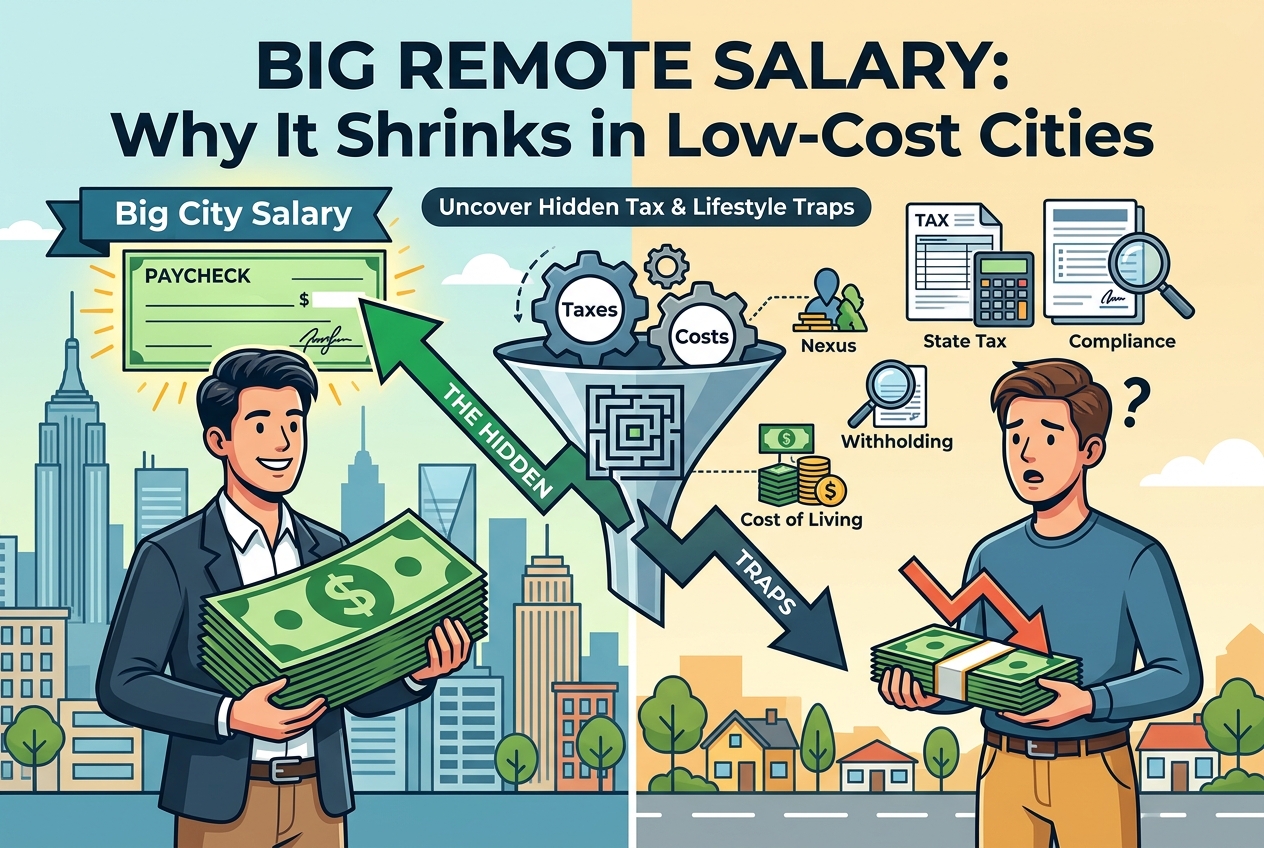
Why a Big Remote Salary Can Shrink in a Low-Cost City
Earning a high remote salary from a big city while living in a low-cost area can backfire due to hidden tax and lifestyle traps. These traps differ on how state and local taxes apply to remote work, including unexpected tax obligations from employer nexus and complex rules like New York’s convenience of the employer. Understanding these differences helps you avoid overpaying taxes and misjudging your true spending power.

You Can Secure Your Home Without Paying Monthly Fees
You can protect your home effectively without paying monthly fees by choosing one-time purchase security solutions instead of subscription-based services. While many believe ongoing payments are necessary for reliable protection, opting out of monthly fees saves money and still keeps your home safe with the right equipment and setup.
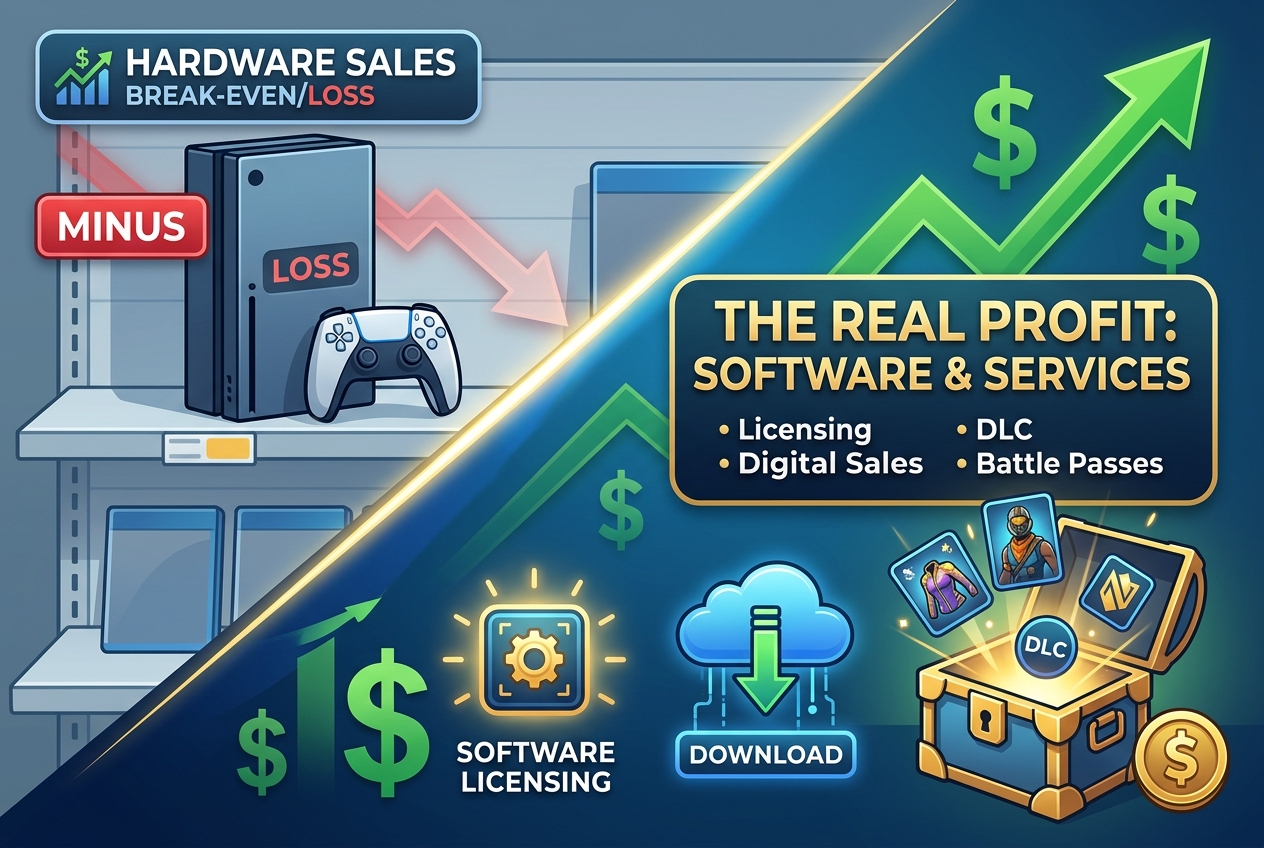
Game Makers Rely on Software Sales, Not Hardware, to Make Money
Most people assume the profit is in the console on the shelf, but makers often sell that hardware at a loss or break-even. The real money comes from software licensing, digital sales, and add-ons like downloadable content and battle passes. Seeing this reframes how games are designed and monetized long before you hit buy.

Approaches for Turning a Solo Freelance Gig Into an Agency
Turning a one-person freelance business into an agency forces choices about how you price, what infrastructure you build, and how you track clients. The approaches here differ on whether to productize services, invest early in legal and financial structure, obsess over engagement metrics, or focus on compliance and contracts. Compare them against your cash flow and goals to pick the path to a scalable agency.