Browse the Context Marketplace
Expert-level knowledge on any topic. Each capsule guides you through what matters most.
9 capsules

Making Money Online Requires Choosing the Right Method for Your Skills and Goals
Making money online is not a one-size-fits-all solution. Success depends on selecting an approach that fits your skills, time availability, and resources—whether that means freelancing, selling products, performing simple tasks, offering specialized services, or building AI tools. Understanding these options and their demands is the real key to turning online opportunities into income.
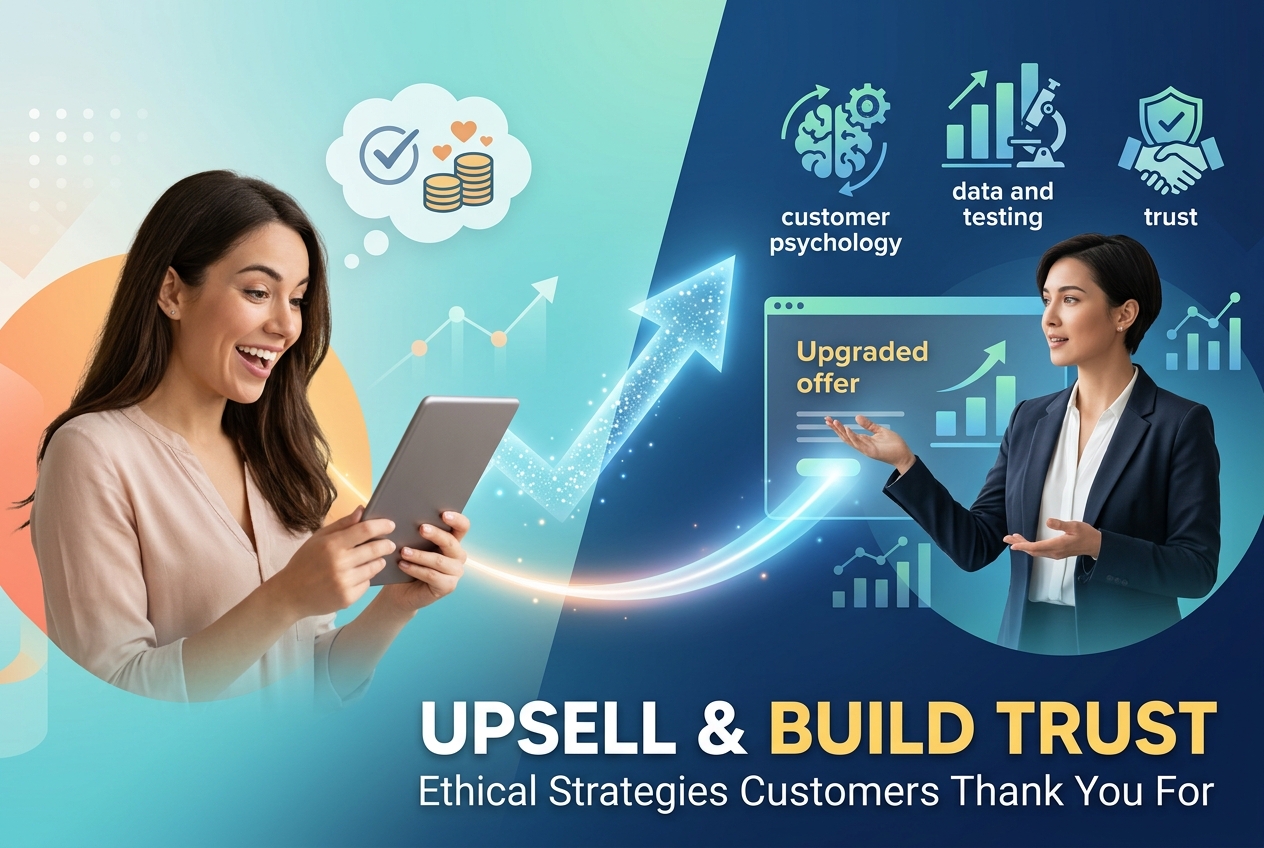
Upselling That Customers Actually Thank You For
Pushing a bigger sale can burn trust, yet the right offer at the right moment genuinely helps the customer. These techniques differ on where the line sits: lead with real value, read the customer's psychology, lean on data and testing, or wait for clear signs of readiness. Pick the approach that deepens the relationship instead of squeezing it.
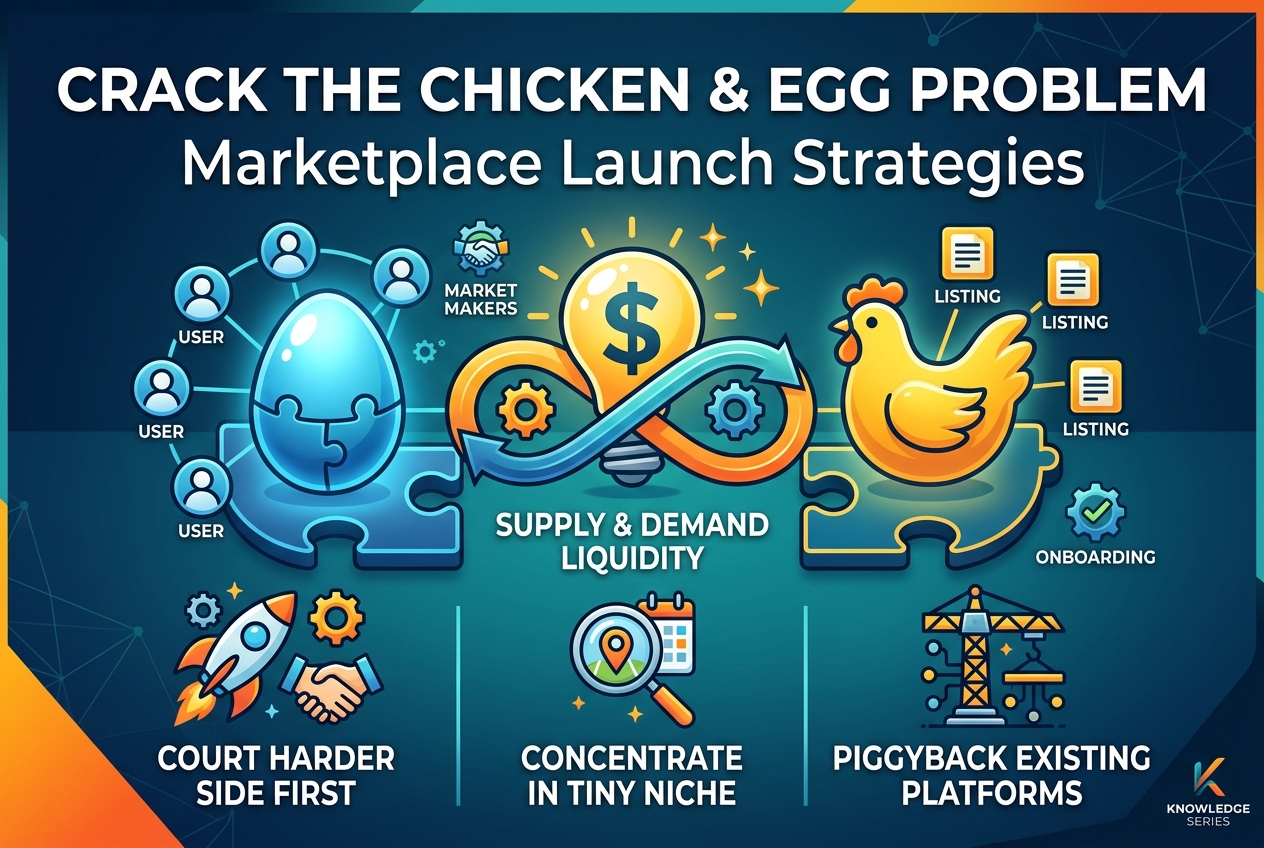
How Do You Launch a Marketplace Nobody Has Joined Yet?
Buyers won't show up without sellers, and sellers won't list without buyers, which is why most marketplaces die at launch. These strategies split on the way out: court the harder side first with hands-on onboarding, concentrate all activity in one tiny niche, or piggyback on platforms where both sides already gather. Each trades speed for stability differently, so pick by how much liquidity you need before word spreads.

Making Money Online Means Mastering Taxes or Managing Honey Sales
Earning income online involves two very different business realities: one focuses on strict tax compliance and financial tracking to avoid penalties, while the other centers on the practical facts of running a beekeeping business with high honey demand. Understanding these distinct steps helps creators decide how to handle income reporting, tax payments, and business operations to build sustainable revenue streams.

Knowing When to Kill a Sales Deal That's Going Nowhere
Dead deals clog the pipeline and waste a seller's time, but spotting them is contested. These approaches range from strict qualification rules and disciplined CRM hygiene to AI risk alerts and simply having the honest conversation that ends a bad deal early. You can pick the method that keeps your pipeline clean and productive.
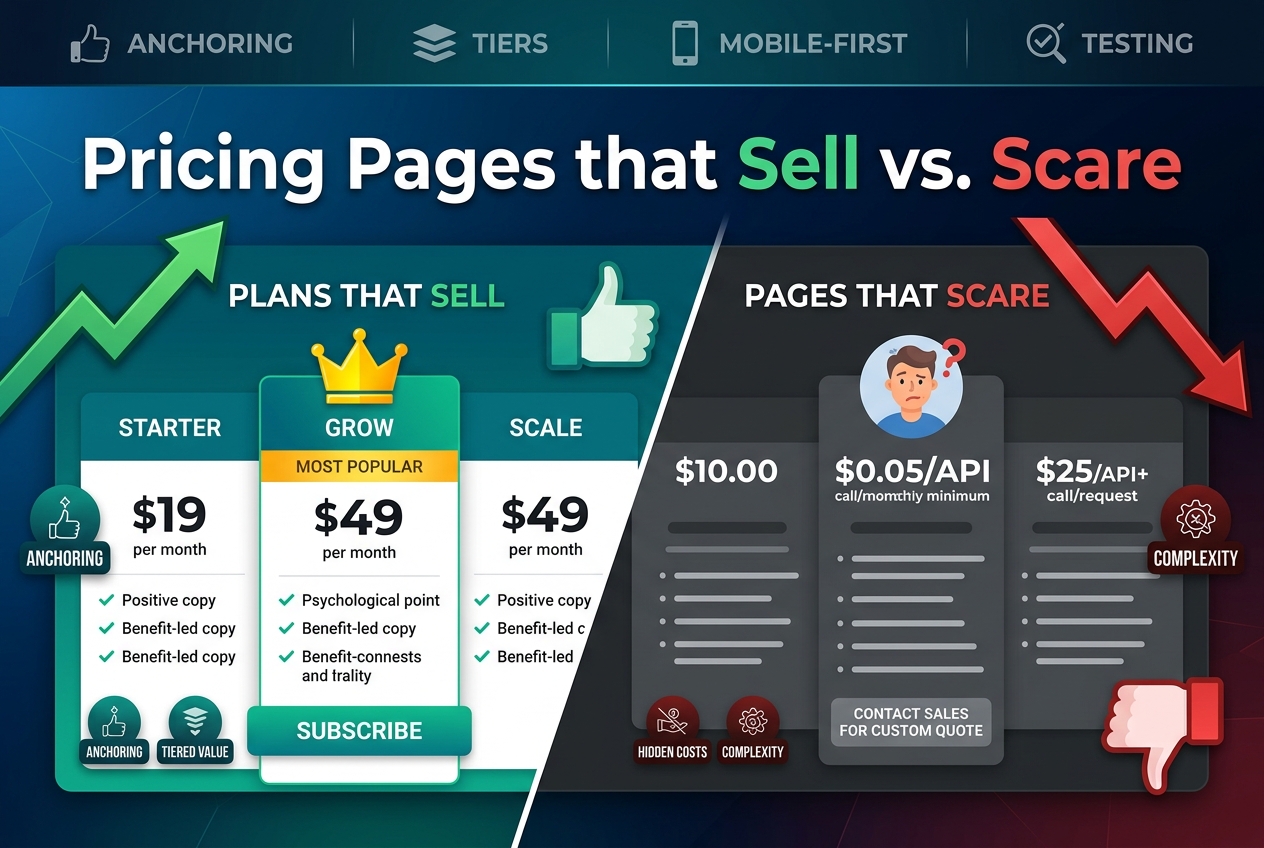
Why Some Pricing Pages Sell and Others Scare People Off
Your pricing page is where interest turns into revenue or quietly leaves. The approaches conflict on what does the persuading: anchoring with a premium option, interactive calculators for complex pricing, breaking cost into per-day or per-user units, tiered plans with benefit-led copy, or mobile-first layouts and just-below price points. Testing the right ideas for your product decides whether visitors pick a plan or bounce.
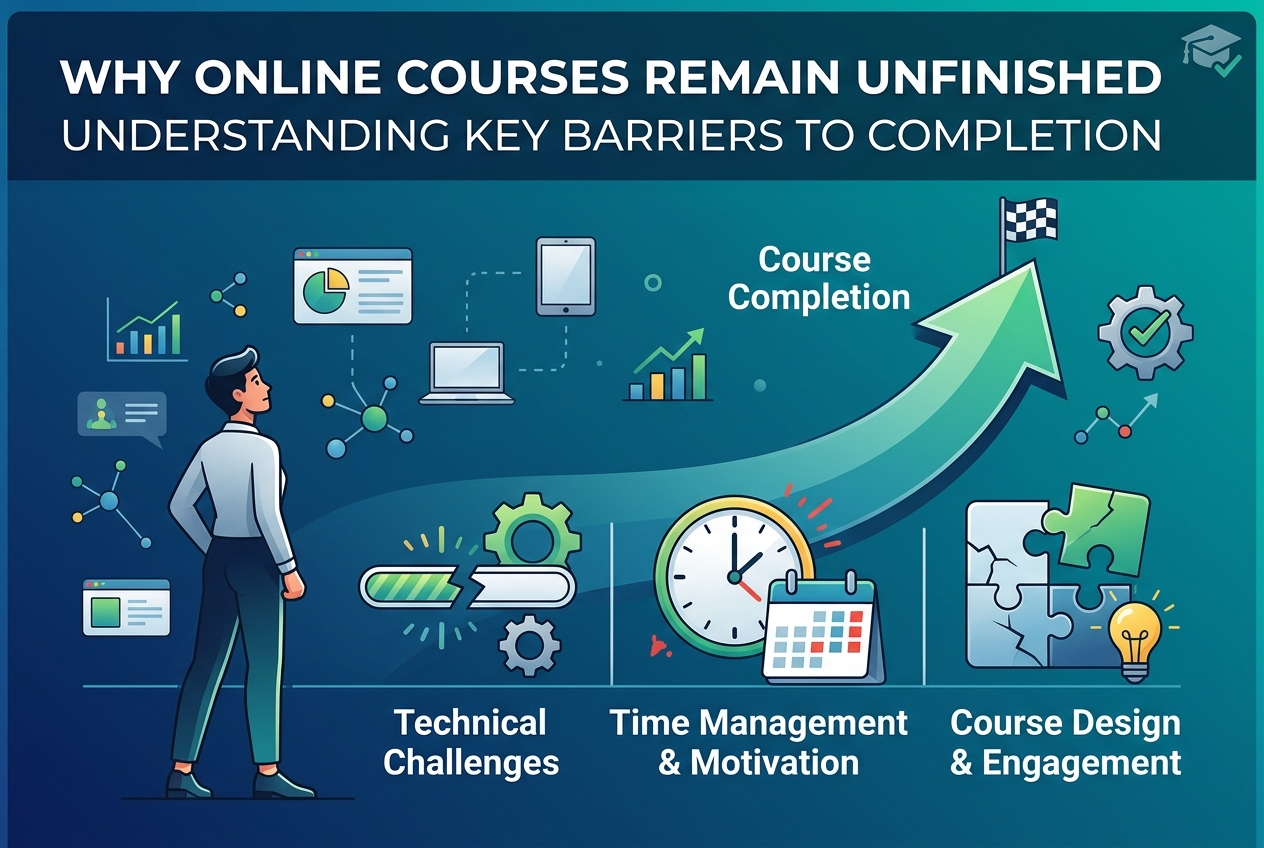
Why Buying an Online Course Doesn’t Mean You’ll Finish It
Many learners purchase online courses but fail to complete them due to distinct barriers that go beyond mere access. These include technical challenges like unreliable internet and device issues, motivational and behavioral factors affecting self-discipline, and course design elements that influence engagement and perceived value. Understanding these different barriers helps identify where interventions should focus—whether on improving technology access, addressing behavioral hurdles, or redesigning course features—to turn course purchases into meaningful completions.
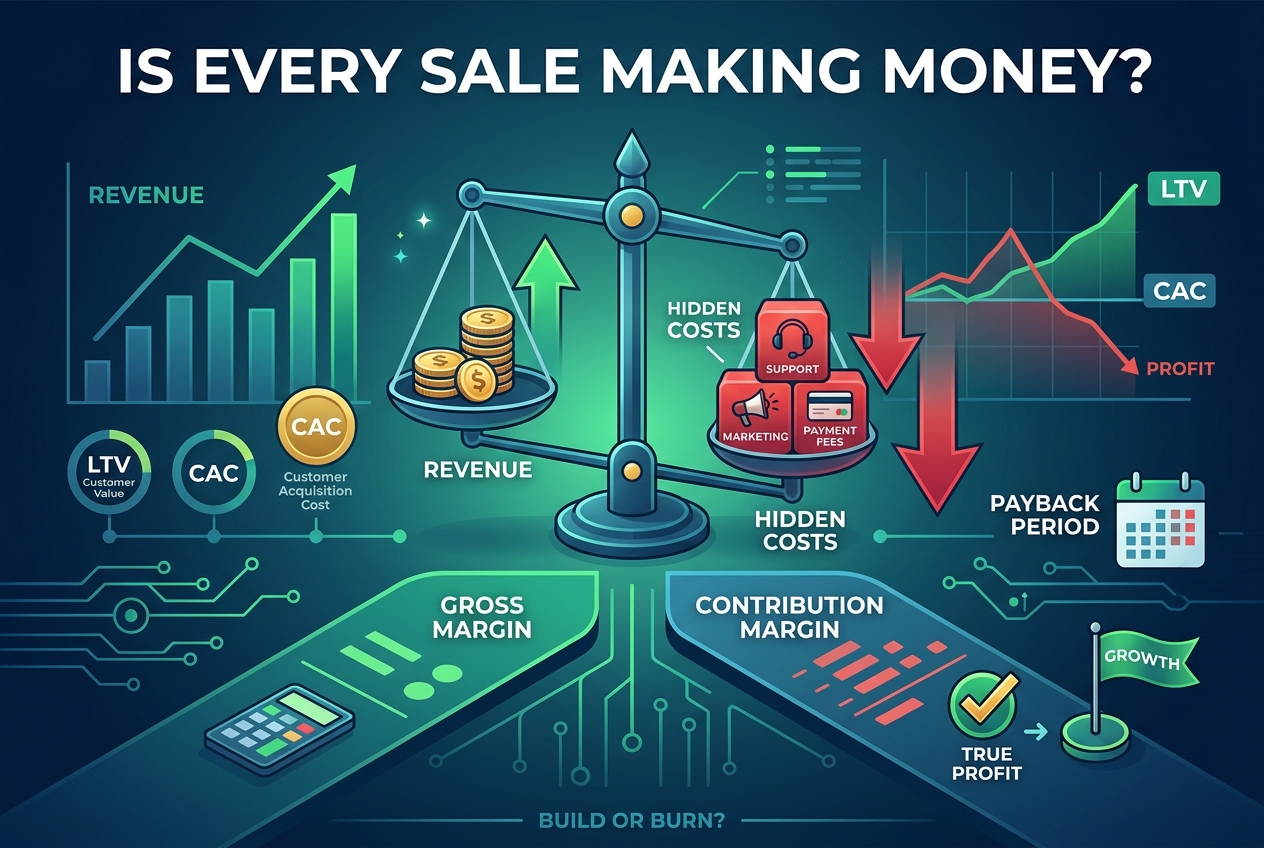
Is Your Business Actually Making Money on Each Sale?
Revenue can grow while every single sale quietly loses money, and the difference hides in which costs you count. These measures split on whether support, marketing, and payment fees belong in the math, whether contribution margin beats gross margin, and whether quick payback matters more than long-term customer value. Pick the yardstick honestly and you will know if growth is building a business or burning one.
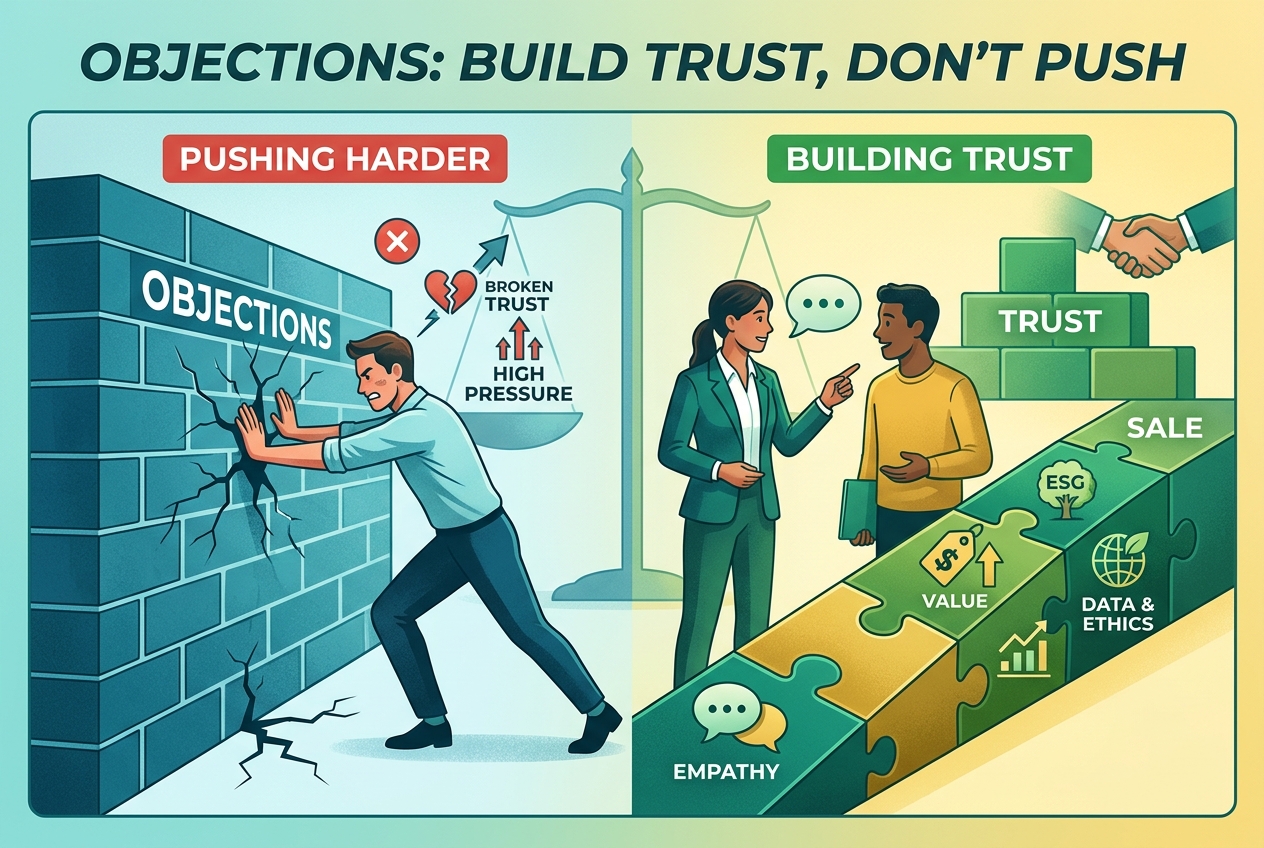
When the Buyer Objects, Pushing Harder Loses the Sale
An objection is usually a request for reassurance, and how you answer it decides whether trust grows or dies. These techniques split on the reassurance to lead with: empathetic questions that surface the real concern, reframing the objection around value, or bringing data and even your company's ethics record into the conversation. Match the style to your customer and you can hold your ground without ever pressuring anyone.